Some of the best afternoons in Oklahoma start with a wrong turn or a lunch stop that runs long. You pull over expecting nothing much, maybe a quick look around, and suddenly you are standing face to face with a whole vanished town’s worth of stories.
That is the kind of surprise waiting in a modest brick corner of northeast Oklahoma, and it costs nothing to walk inside. If you love history with a hometown heartbeat, keep reading.
A Free Museum in Northeast Oklahoma’s Mining Country
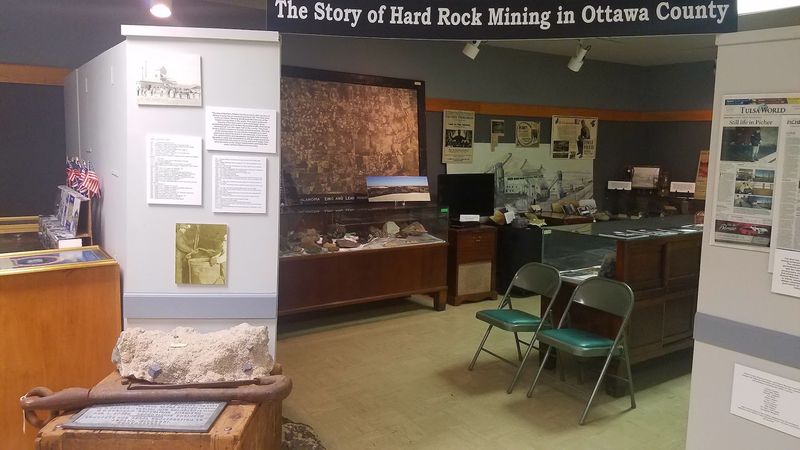
Tucked into the far northeast corner of the state, Ottawa County sits where Oklahoma brushes up against Kansas and Missouri. Lead and zinc once ruled this land, and the money and mystery they left behind still shape local conversations.
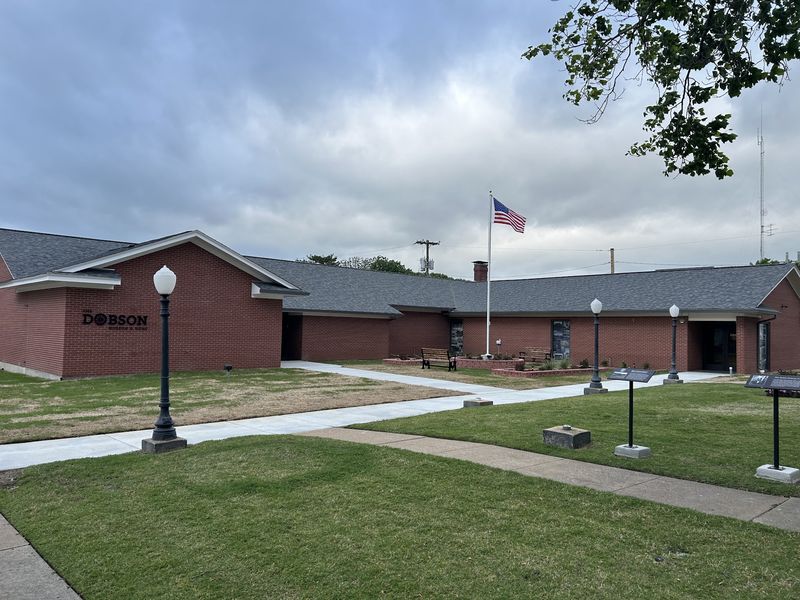
The Dobson Museum & Home is where those stories get gathered, sorted, and shared. Run by the Ottawa County Historical Society, it holds a collection of more than 5,000 historical items covering mining, Native American heritage, pioneer life, and the everyday objects families once relied on.
Here is the part budget travelers will love: admission is free. No ticket booth, no surprise fees, just open doors and a lot of local memory waiting inside.
Visitors often describe it as a small museum packed with facts and artifacts, the sort of place where every case seems to hold a story someone in the area can connect to. Folks who grew up nearby mention loving the chance to see the past of their own town laid out with care.
For a day trip, it hits that sweet spot. It is affordable, unpretentious, and rooted in the kind of preserved history that makes a drive across Green Country feel worthwhile.
Picher’s Boom Years and Quiet Fadeout
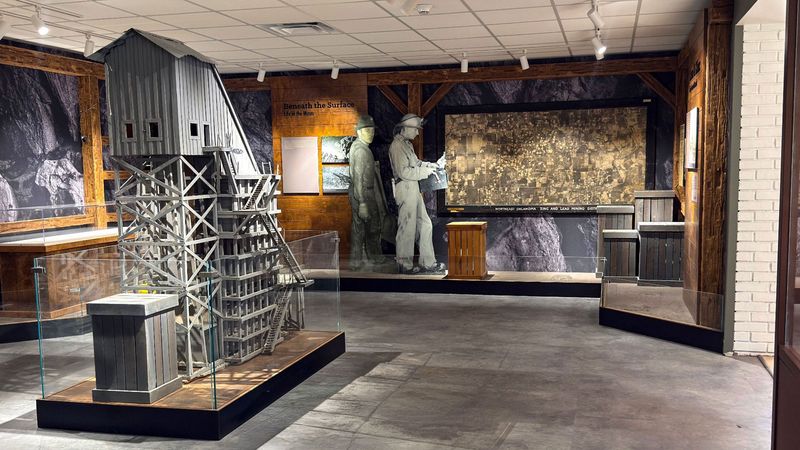
Picture a town of more than 14,000 people humming with activity in 1926. Miners, shopkeepers, and families filled Picher, Oklahoma, during its peak, all tied to the ground beneath their feet.
From 1917 to 1947, the Picher field was the most productive area of the Tri-State Lead and Zinc District, which stretched across parts of Oklahoma, Kansas, and Missouri. During World War I, mines here supplied over half of the lead and zinc the country used.
That is a staggering contribution from one corner of one state.
Prosperity, though, came with a price. Mining stopped in 1967, and once the pumps that kept water out of the tunnels went quiet, contaminated groundwater began to rise.
Huge gray mounds of mining waste called chat piles towered over the landscape. Underground tunnels left the ground unstable, and in 1983 the area was named a Superfund site.
Residents were eventually relocated, and by 2009 the town was officially dis-incorporated. Today, Picher stands as a ghost town, its leftover structures sitting silent.
The museum in Miami keeps its story from slipping away, giving visitors a way to understand both the glory and the hard lessons.
The Mining Display Up Close
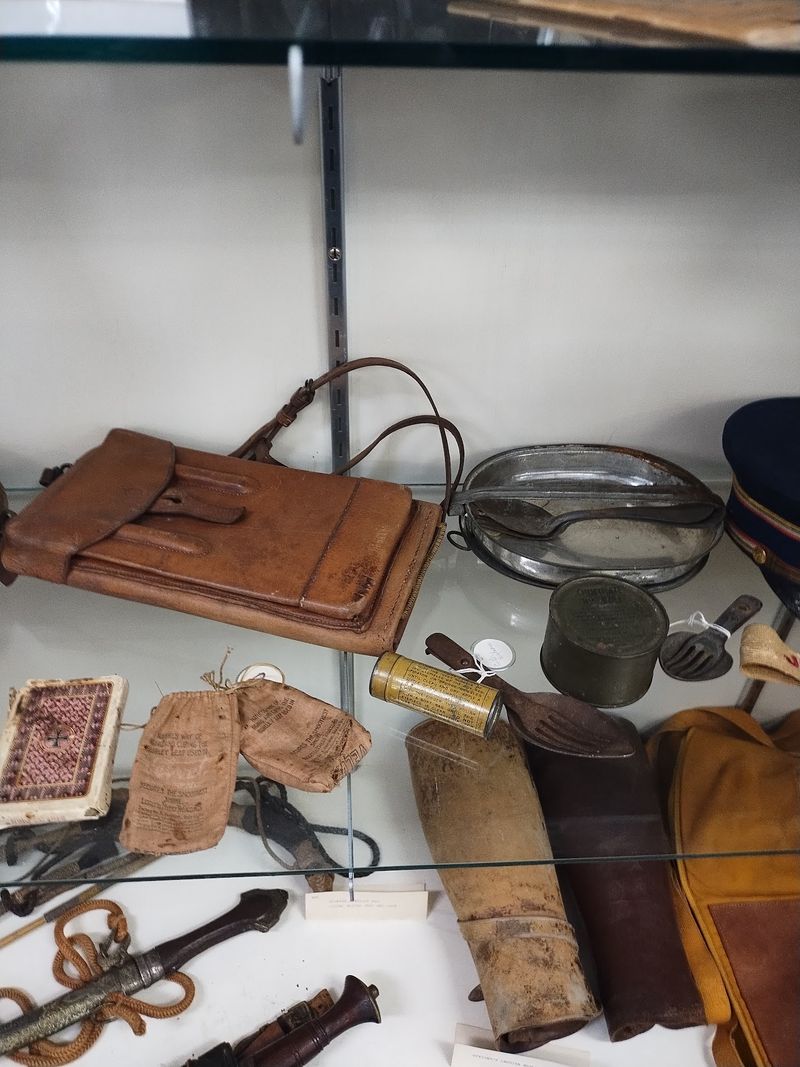
Ever wondered what it actually looked like to work underground in the Tri-State District? The mining display at the Dobson gives a tangible answer.
Instead of reading dry statistics, you get to see the kinds of objects that tell the industry’s story in a more personal way. The exhibit connects visitors to the work that built Picher and the surrounding communities, then shaped the region for generations after the mines closed.
For families with grandparents who remember those days, this section often sparks conversation. One person spots something familiar, another asks a question, and suddenly a quiet museum visit turns into a story-sharing session.
Kids may find the mining area especially eye-opening. It is one thing to hear that a town grew around ore, and another to see the gear and items that represent such demanding labor.
Guides and volunteers can help fill in details, too. Past visitors have praised tour guides as informative and courteous, which makes a big difference when you are trying to wrap your head around a complicated chapter like Picher’s.
Give yourself time here. It is the emotional center of the Picher connection and the reason many travelers make the trip.
Ten Tribal Nations and Pioneer Roots
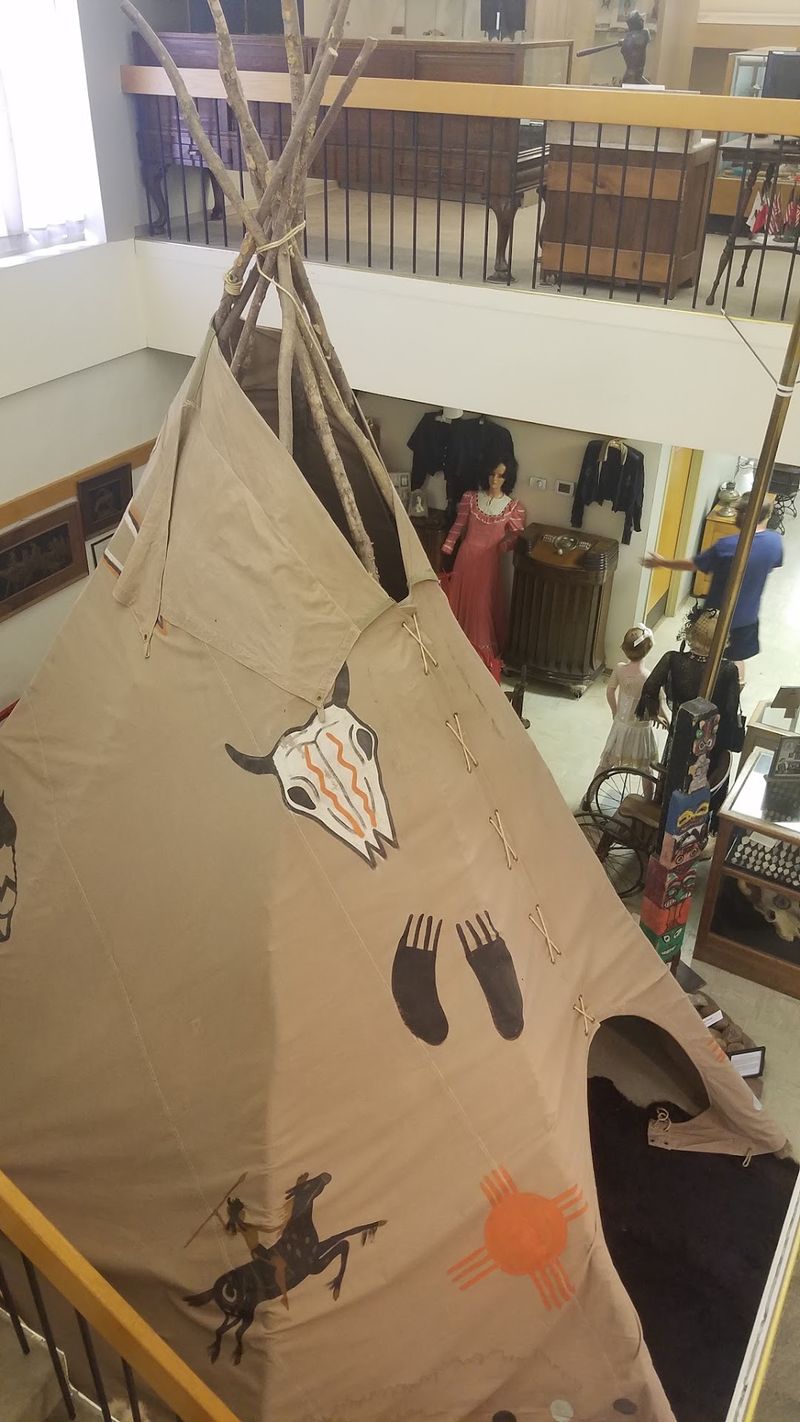
Long before mine shafts dotted the prairie, this land was home to people whose cultures continue thriving today. The museum honors the history and culture of the ten Native American tribes that call Ottawa County home, treating them as a living part of the area rather than a footnote.
A native tipi on display often catches the eye first. It anchors the space and invites curious questions from younger visitors.
Nearby, the pioneer collection shifts the lens to the region’s early settlers. Expect early woodworking tools and household items that reveal how daily chores got done before modern conveniences.
Seeing these collections in the same building helps tell a fuller story of Ottawa County. Different communities, different eras, and one shared corner of Oklahoma all come together under a single roof.
Visitors over the years have called the exhibits well organized and meaningful, and many mention the sheer number of antiques on view. If you appreciate old tools or enjoy imagining life a century ago, this area rewards slow browsing.
Fans of local legends will also want to look for the Gaines exhibit, which one past guest singled out as a favorite worth seeking out.
A 1915 House With Stories in Every Room
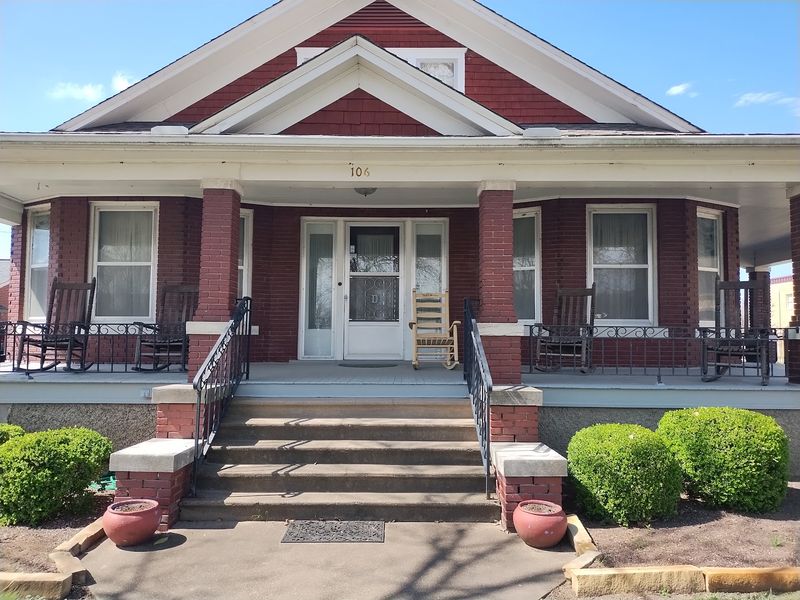
Built between 1915 and 1916, the historic Dobson Home is more than a pretty old house next door. It serves as an extension of the museum, giving visitors a chance to step inside early 20th century architecture and imagine family life from that era.
Houses like this hold a special kind of magic. Furniture placement, room sizes, and small design touches reveal how people lived, entertained, and spent ordinary evenings.
Timing makes the home even more interesting. It went up right around when the mining boom was beginning to roar in the region, so walking through it offers a peek at the world many Ottawa County residents knew during those busy years.
Fans of antiques and old homes tend to linger here. There is something comforting about creaky character and craftsmanship from more than a century ago.
Pairing the house with the main museum gives your visit a nice rhythm. First you learn the big story of the county, then you see what everyday life might have felt like inside a real home.
Bring a curious eye and maybe a camera. The details are the best part, so slow down and enjoy them.
Fresh Renovations and a Space for Kids
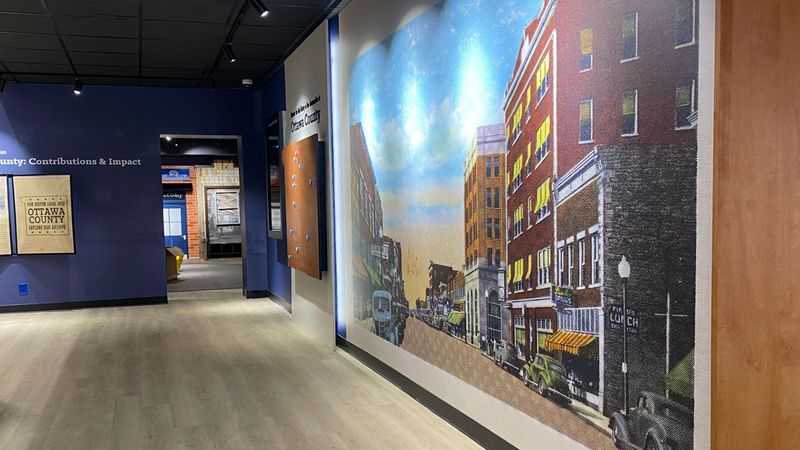
Big news for anyone who visited years ago: the museum has gone through a major remodel. During construction, exhibits moved to a temporary spot on Main Street, but the doors have since reopened at 110 A St SW with a grand reopening celebration.
Recent guests describe the updates as outstanding, with some calling them state-of-the-art. Interactive displays now help the history of Ottawa County come alive in a hands-on way.
Parents, take note. A children’s area was added during the renovation, which can make the visit easier for little ones who need something to touch and explore.
Visitors also give a lot of credit to the team and volunteers. Many mention friendly, caring people who clearly treat the area’s past as a top priority, and the staff has shared that the reimagined museum was built with plenty of heart.
The atmosphere feels welcoming rather than stuffy. History buffs will find depth, while casual travelers can wander comfortably without feeling lost.
Since the team notes there is always something new to discover, repeat visits may bring fresh surprises. That alone makes it worth coming back with relatives who missed the first trip.
Hours, Drive Times, and a Hearty Lunch Nearby
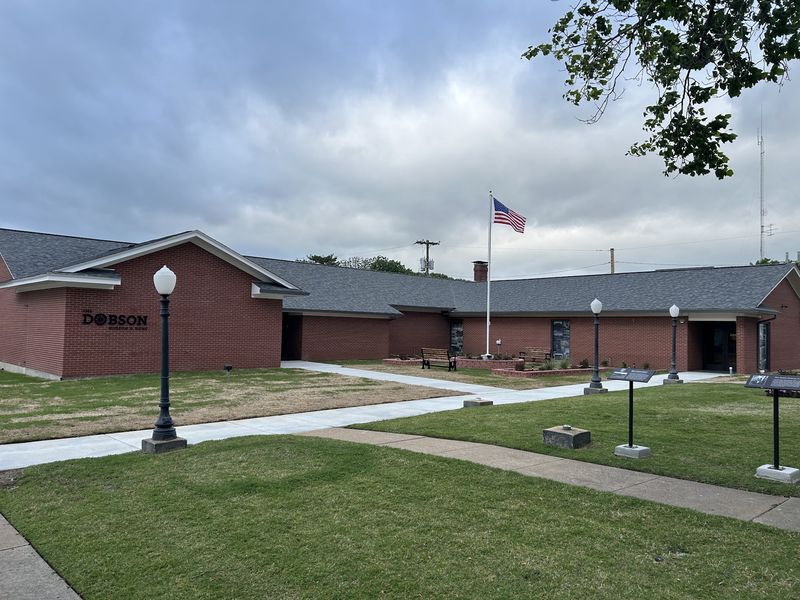
Planning ahead pays off, since the schedule is short and sweet. The Dobson Museum & Home is generally open Tuesday through Saturday from 10 AM to 4 PM and closed Sunday and Monday, though it is smart to call 918-542-5388 or check dobsonmuseum.com before heading out.
Admission is free, which leaves more room in the budget for lunch. Most visitors say the museum does not take long to explore, so it fits nicely into a half-day outing.
Coming from Tulsa? Expect roughly 89 miles and about an hour and 25 minutes behind the wheel.
From Oklahoma City, plan on around 194 miles and a little over three hours.
Hungry afterward, you have tasty options in Miami. Main Street Cafe serves homestyle breakfast, lunch, and dinner with milkshakes and pie.
Otter Cove Diner & Gift Shop leans into 1950s Route 66 charm with Frito pie, burgers, chicken fried steak, a kids menu, banana splits, and cobbler.
Oklahoma weather can shift fast, especially during spring storm season and blazing summer afternoons. An indoor museum makes a great backup plan when the forecast turns rough.
Why Picher’s Memory Deserves the Drive
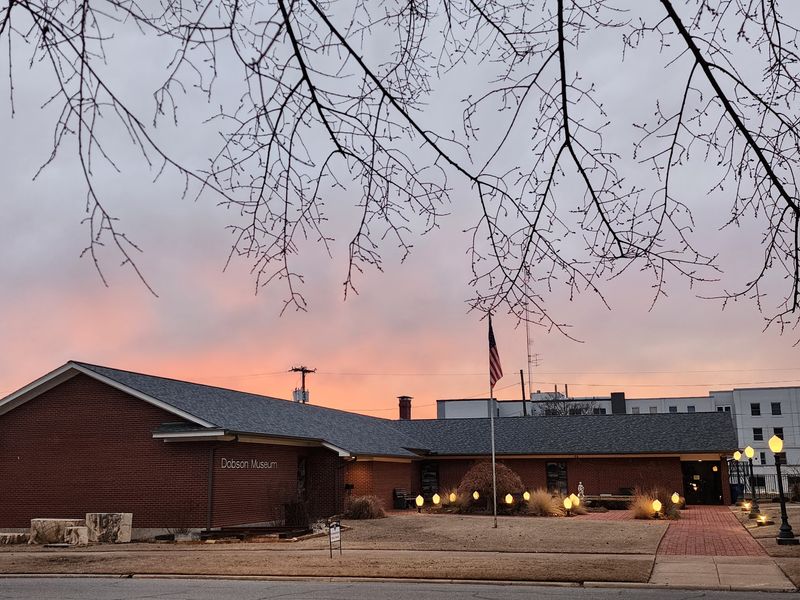
Not every road trip needs a theme park or a fancy reservation. Sometimes the best memories come from a small building where volunteers greet you warmly and the past feels close enough to touch.
The Dobson Museum & Home delivers exactly that. You get the dramatic rise and fade of Picher, the living heritage of ten tribal nations, pioneer treasures, and a century-old home, all without paying a cent at the door.
It suits a wide range of travelers. Retirees chasing local history, families looking for an affordable outing, and longtime residents hoping to reconnect with their roots will all find something worth their time.
Many visitors walk out describing it as a must see. That kind of word of mouth is exactly how small-town museums keep going.
Consider pairing your visit with a diner lunch and a slow drive through Miami’s Route 66 stretch. It makes for a satisfying, low-cost day that feels authentically Oklahoman.
Picher may no longer appear on most maps, yet its story still has a home. Stop by, listen to the guides, and you might just leave with a deeper appreciation for this hardworking corner of the state.
