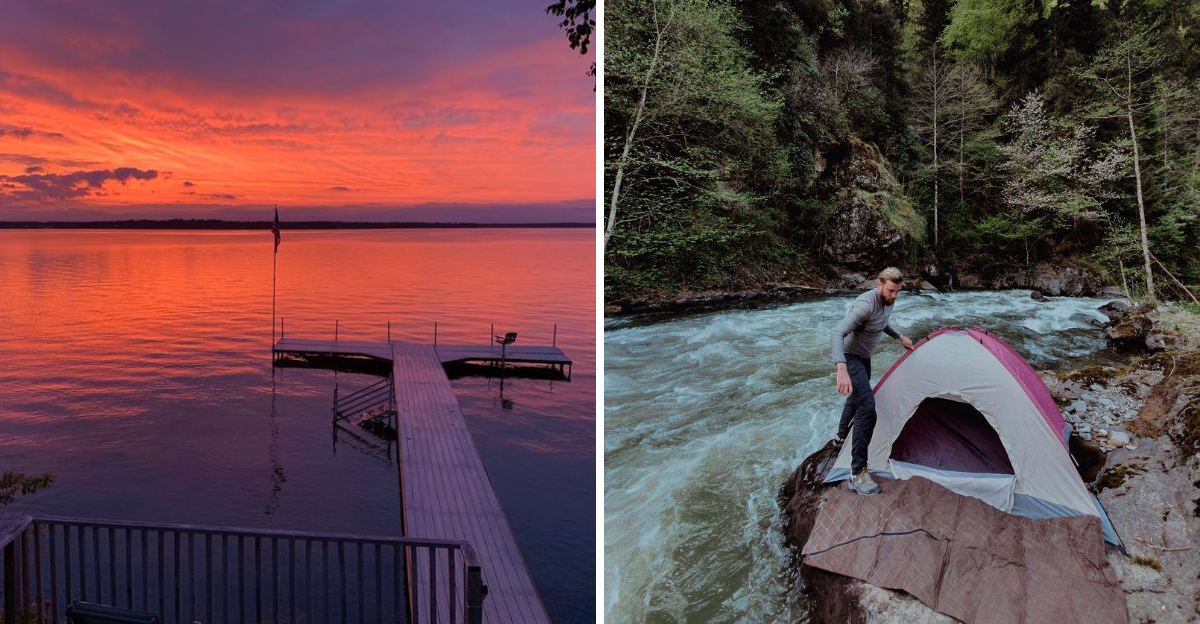
The gravel road narrows, the trees close in, and your GPS starts to give up. That is how you know you are getting close to some of the best-kept camping secrets in Minnesota.
Even locals often miss these hidden spots. A forgotten lake sits off the radar with mirror-still waters and dense pine forests. A free lakeside site with only a handful of spots waits for those willing to find it.
Well-spaced sites, the sound of loons calling across empty lakes, and night skies free from city glow reward the effort.
Some require canoe access, others a rough logging road, but all offer something increasingly rare, true quiet. Minnesota hides its best spots for those who take the time to look. These campgrounds are worth seeking out.
1. Divide Lake Campground, Superior National Forest
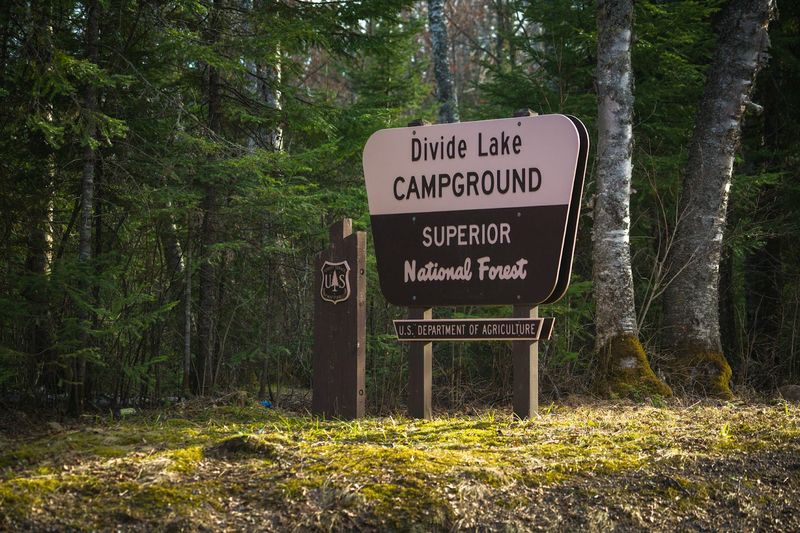
Not many people can find Divide Lake on their first try, and honestly, that’s part of what makes it so good. The campground sits inside Superior National Forest, tucked away from the main corridors that most visitors stick to.
Once you arrive, the payoff is immediate. The lake itself is small and completely undeveloped on the far shore, giving it that rare feeling of genuine wilderness. Loons call out across the water in the evenings, and the silence between those calls is the kind you actually notice.
Fishing is excellent here, with walleye and northern pike known to frequent the lake. Canoe access is easy, and paddling out in the early morning mist is one of those experiences that sticks with you for years. The campsites are basic but well-spaced, giving each group real privacy.
Bugs can be intense in early summer, so pack accordingly. Late August tends to offer the best balance of warm days, cool nights, and manageable insects. If you want solitude without driving to the Boundary Waters, Divide Lake is the quiet answer you’ve been looking for.
2. Fenske Lake Campground, Ely Area
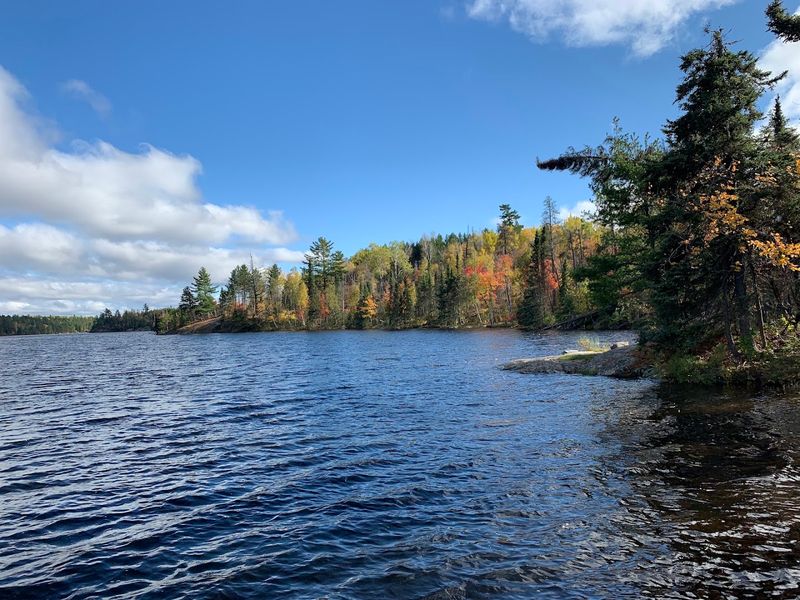
Fenske Lake has a reputation among a very small circle of campers who guard the information like it’s something precious. Located just outside Ely in the Superior National Forest corridor, it sits close enough to the Boundary Waters Canoe Area Wilderness to feel like a gateway.
The lake is clear and calm, and the campsites are arranged so that each one gets its own little slice of shoreline. I remember sitting at the water’s edge here one evening and realizing I hadn’t heard a car in hours. That kind of quiet is harder to find than people think.
Wildlife sightings are common. Moose have been spotted wading in the shallows at dawn, and bald eagles circle overhead with enough regularity that you start to expect them. The forest around the campground is dense boreal spruce and birch, which turns absolutely stunning in October.
Kayaking and canoeing are the main activities, though hiking trails nearby add some variety to longer stays. Sites fill slowly even on summer weekends, which says a lot about how under-the-radar this place remains. Bring a good star map because the night sky here is spectacular.
3. Temperance River State Park Backpack Sites
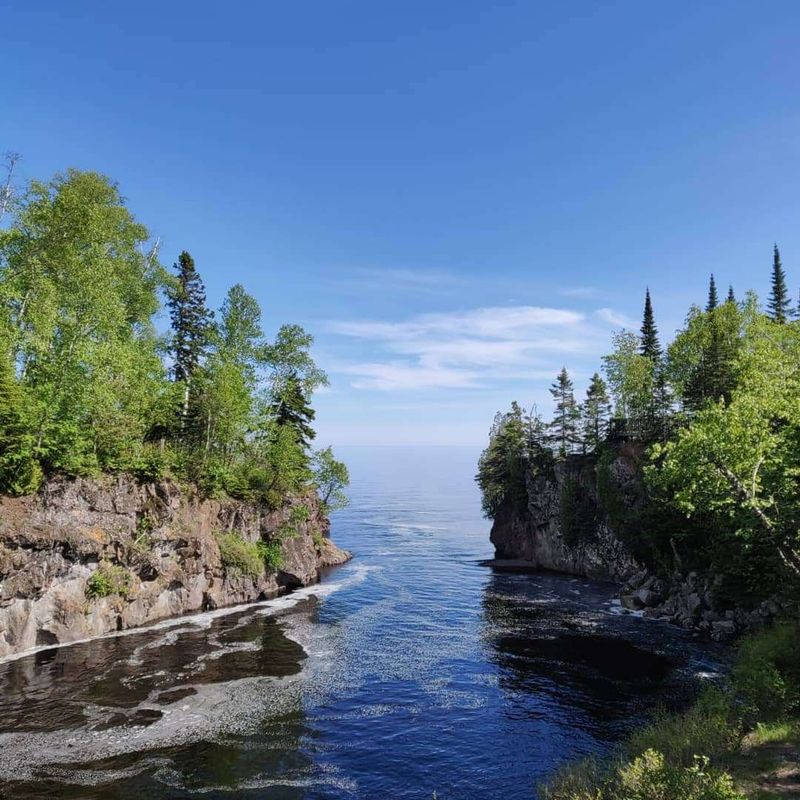
Most visitors to Temperance River State Park stop at the gorge, take their photos, and move on. That means the backpack campsites further along the trail stay almost entirely empty, even during peak summer weekends. That’s a remarkable thing to know.
The trail climbs away from the main parking area and the crowds thin out almost immediately. By the time you reach the backcountry sites, you’ve earned the view. Some of these spots sit high enough above Lake Superior that on clear days you can see the horizon stretching into Canada.
Each site is primitive, meaning you carry in what you need and carry out everything you bring. There’s something clarifying about that simplicity. The weight on your back makes the destination feel more meaningful when you finally drop your pack and take it all in.
Sunsets from the ridge are the kind that make people go quiet. The lake turns colors that don’t have good names yet, somewhere between copper and violet depending on the cloud cover. Fall hiking here is particularly rewarding.
4. Karpan Lake Dispersed Camping, Chippewa National Forest
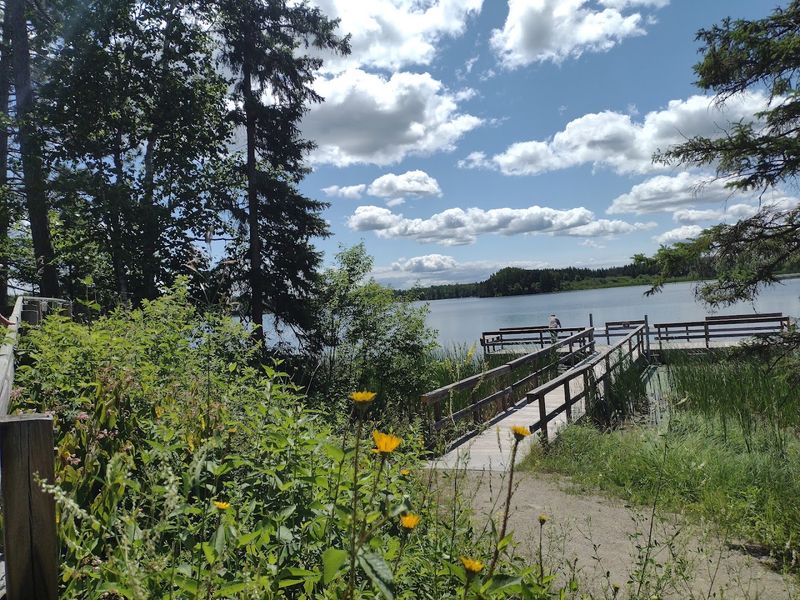
Chippewa National Forest covers nearly 700,000 acres, and most people only ever see a fraction of it. Karpan Lake sits in a quiet corner of the forest where dispersed camping is allowed, meaning no designated sites, no fees, and no crowds.
You find a flat spot near the water and that becomes your home for the night.
The freedom of dispersed camping takes some getting used to if you’re accustomed to reserved sites with numbered posts. But there’s a real satisfaction in choosing your own location, setting up exactly where the view suits you, and knowing nobody else is twenty feet away.
The lake attracts a mix of wildlife throughout the year. Great blue herons are a constant presence, and the surrounding forest is excellent for spotting white-tailed deer in the early morning hours. Fishing here is low-key and surprisingly productive for bass and panfish.
Leave-no-trace principles matter a lot in dispersed areas, so pack out every scrap and keep your impact minimal. The fact that this place remains clean and undiscovered is directly tied to the care that the few visitors who know about it tend to show.
5. Gull Lake Recreation Area Primitive Loop, Brainerd Lakes
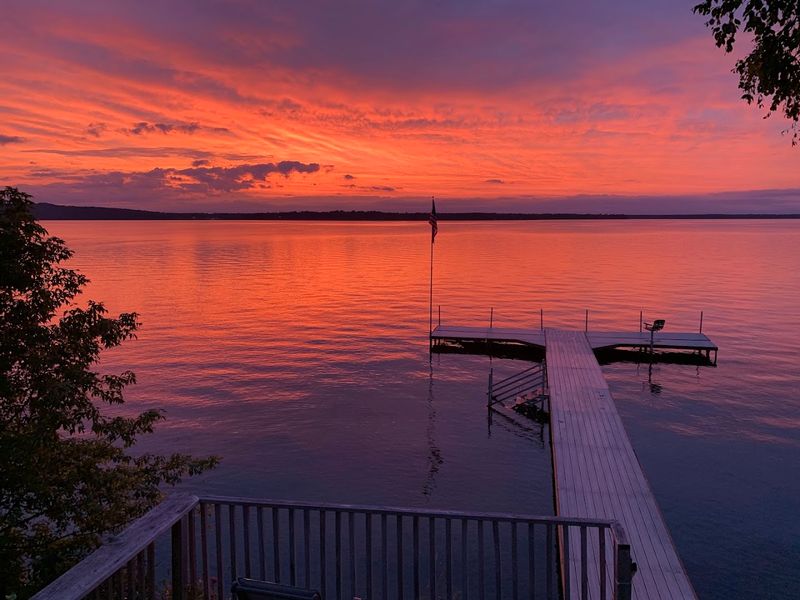
The Brainerd Lakes area draws a lot of summer traffic, but most of it concentrates around the resorts and the main campgrounds. The primitive loop at Gull Lake Recreation Area rarely shows up in conversation, even among people who’ve vacationed in the region for years.
Reaching it requires navigating past the busier sections of the recreation area, which most visitors never bother to do. The payoff is a stretch of campsites that feel genuinely removed from the bustle, with mature pines providing shade that makes the space feel private and calm.
Gull Lake itself is one of the cleaner lakes in the region, with good water clarity and pleasant swimming conditions through most of the summer. Kayaking and paddleboarding are easy to arrange, and the fishing is reliable enough to keep anglers busy for a full weekend without getting bored.
Evenings here are particularly lovely. The smell of pine sap warming in the sun lingers well into the night, and the campfire smoke drifts up through the canopy in thin, lazy spirals. It’s the kind of place that makes you realize how much you needed a break.
6. Lost Lake Campground, Finland State Forest
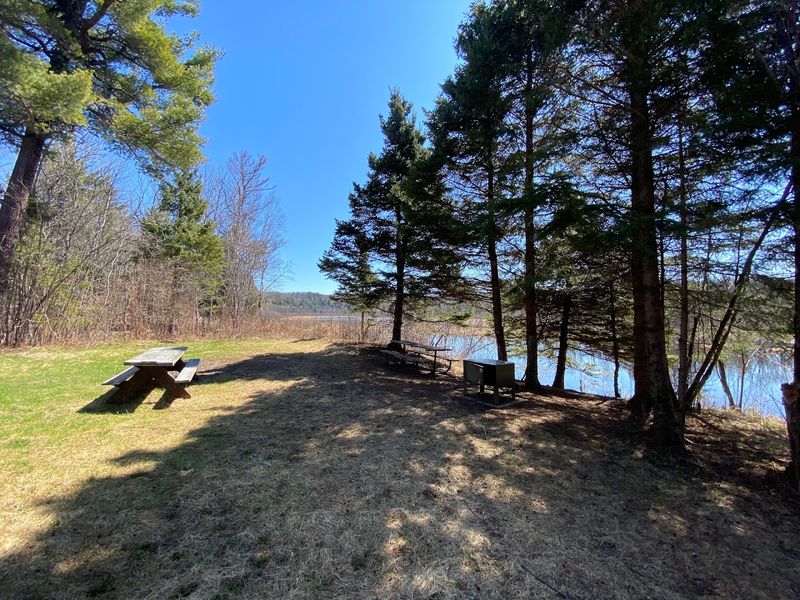
The name alone should tell you something. Lost Lake Campground in Finland State Forest is not a place you stumble upon, and that’s precisely why it remains one of the quietest overnight spots in the northeastern part of the state.
The forest service road leading in is unpaved and a little rough, which discourages casual visitors effectively.
Once you’re there, the lake earns its mysterious name. The water is dark and still, tinted by tannins from the surrounding peat bogs, and the forest presses in close on all sides. It has an atmosphere unlike the more open lakeside campgrounds, something a bit wilder and more primeval about it.
Wildlife activity is high around Lost Lake. River otters have been reported along the shoreline, and the boggy margins attract a surprising variety of shorebirds during migration periods. Dragonflies hover over the water in summer in numbers that seem almost theatrical.
The campsites are simple and well-separated, with fire rings and basic facilities but nothing more. That minimalism fits the mood of the place perfectly. Stargazing is excellent due to the very low light pollution in this part of Minnesota.
7. Scenic State Park Remote Sites, Bigfork
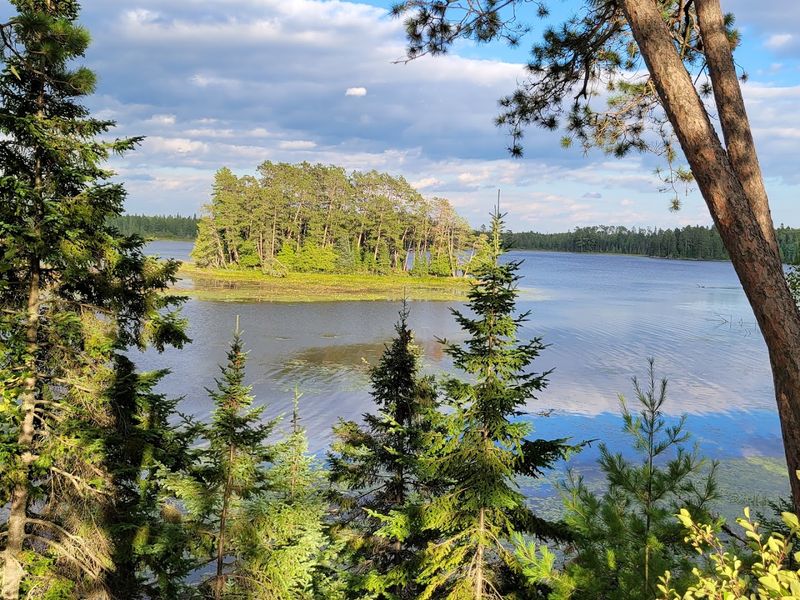
Scenic State Park near Bigfork contains some of the last old-growth forest in Minnesota, and the remote canoe-in campsites within the park put you right in the middle of it.
These are sites you can only reach by paddling, which means the kind of person who shows up there has already made a real commitment to the experience.
The old-growth pines here are genuinely massive. Some of the trees are over 300 years old, and being among them shifts your sense of scale in a way that’s hard to describe. The forest feels slower here, more settled, like it operates on a timeline that has nothing to do with human schedules.
Coon and Sandwick Lakes are the two main water bodies within the park, connected by a short portage. Paddling between them and setting up camp on a quiet point is one of the most satisfying outdoor experiences the state has to offer.
Loons nest on these lakes regularly, and their calls echo off the water and the old pines in the most haunting and beautiful way.
Reservations are available through the state park system but these sites book up slowly compared to the drive-in spots, so availability is often better than you’d expect. Come prepared for self-sufficiency and leave the noise of daily life well behind you.
8. Birch Lakes Campground, Aitkin County
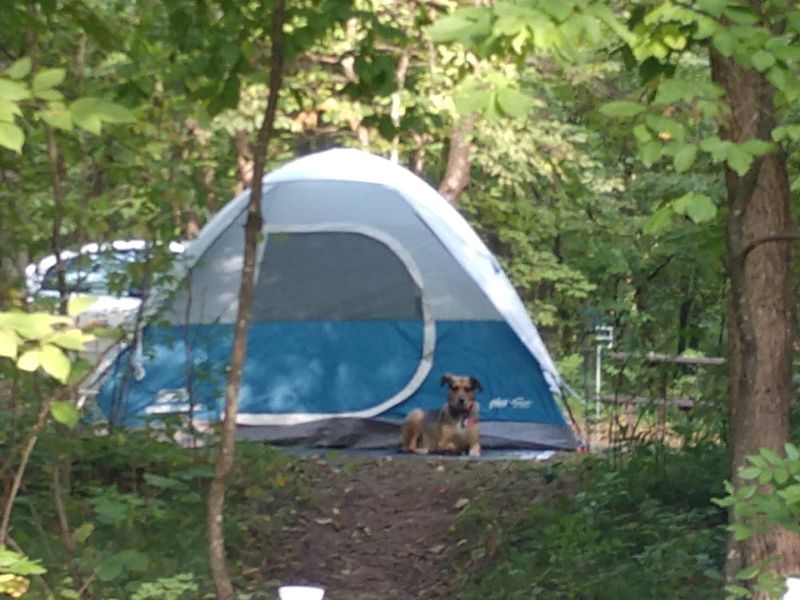
Aitkin County doesn’t get much attention in camping conversations, and that’s a genuine shame. Birch Lakes Campground sits within a county-managed area that most travelers pass right through on their way to more famous destinations.
That oversight leaves this place remarkably quiet for somewhere so accessible.
The campground is set among a cluster of interconnected small lakes, giving it a geography that rewards exploration. Paddling from one lake to another through the connecting channels is a low-effort adventure that feels more remote than the actual distance from the highway would suggest.
The birch trees the area is named for line the shores in beautiful white columns.
Fishing is a big draw here. The lakes hold a healthy population of crappie and largemouth bass, and the calm, shallow bays are ideal for early morning casting from a kayak or small boat. Families with younger kids find this environment particularly comfortable.
Summer weekends can bring a modest local crowd, but nothing that overwhelms the sense of calm. The campground is maintained well for its modest profile, with clean facilities and reliable fire rings. It’s one of those places that rewards the people who do their research.
9. Twin Lakes Campground, Itasca County
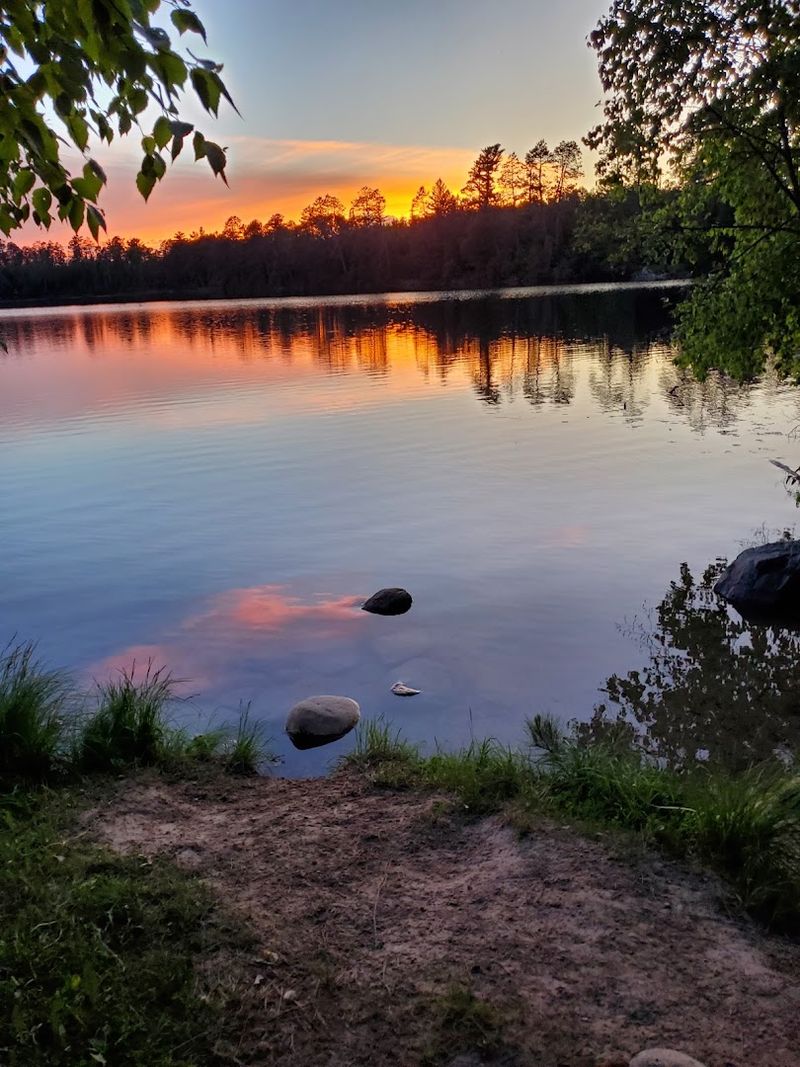
Itasca County is enormous and contains more lakes than most people ever bother to count. Twin Lakes Campground occupies a quiet corner of the county where the forest is thick and the two lakes it sits between are small enough to feel entirely personal.
There’s no marina, no boat launch crowds, and no concession stand in sight.
The campground has a genuinely old-school feel to it. The sites are set back under a canopy of mixed hardwood and pine, and the ground cover of ferns and low shrubs gives each spot a soft, natural framing. It doesn’t feel manicured because it isn’t, and that’s entirely the point.
Mornings at Twin Lakes have a rhythm that’s hard to replicate elsewhere. Mist sits low over the water until about nine in the morning, and the only sounds before that are birds and the occasional splash of a fish breaking the surface.
I’ve had mornings here that felt like they belonged to a different, quieter era entirely.
Hiking options nearby are modest but satisfying, with forest trails that loop through the surrounding county land.
10. Cascade River State Park Walk-In Sites
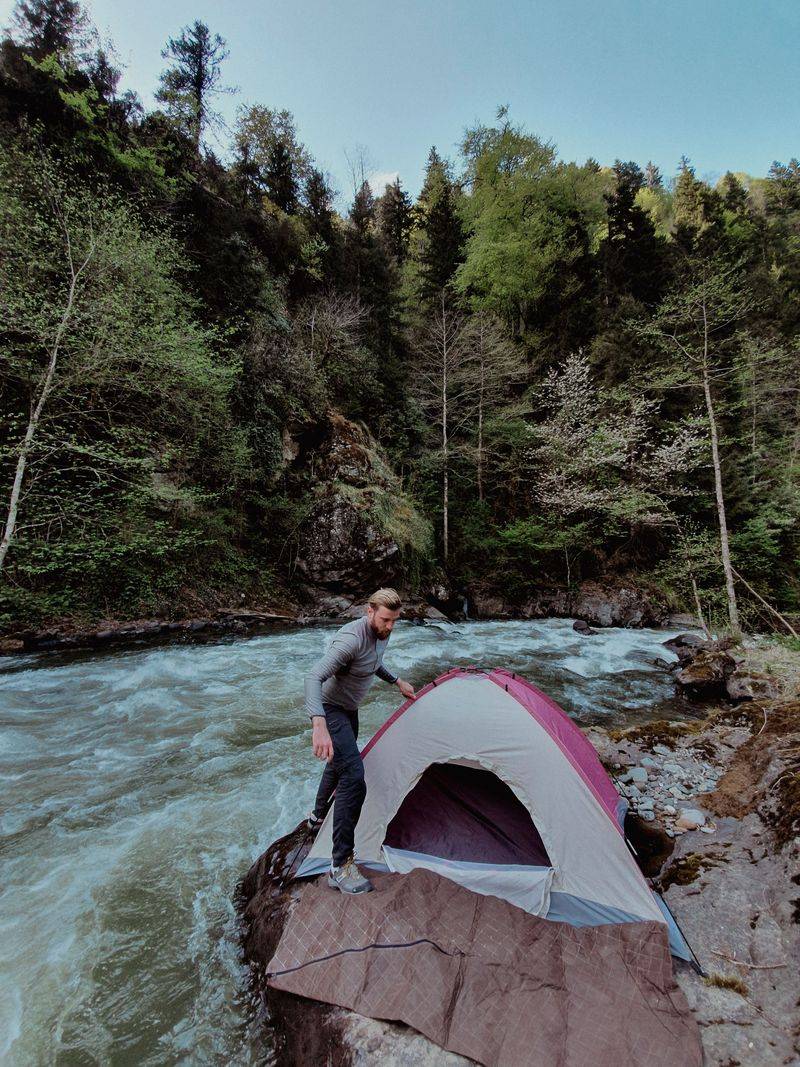
Cascade River State Park is known for its dramatic waterfalls, but most people who visit never venture beyond the main overlooks. The walk-in tent sites at the park are separated from the drive-in camping area and require a short hike to reach.
That is enough to keep the majority of visitors away entirely.
The sites are set in a dense, mossy forest that muffles sound in a way that feels almost acoustic. You can hear the river from most of them, a constant low rush that makes sleeping easier than any white noise machine ever could.
The air here smells of cedar and cold water, which is its own kind of luxury.
Trails connect the walk-in sites to the waterfall overlooks, meaning you can explore the park’s best features at dawn before the day visitors arrive.
The sites are available through the state park reservation system and tend to stay open longer into the booking window than the drive-in options. Pack light, bring layers because the river corridor stays cool even in July, and give yourself at least two nights to settle into the rhythm of the place.
11. Ninemile Lake Campground, Chippewa National Forest
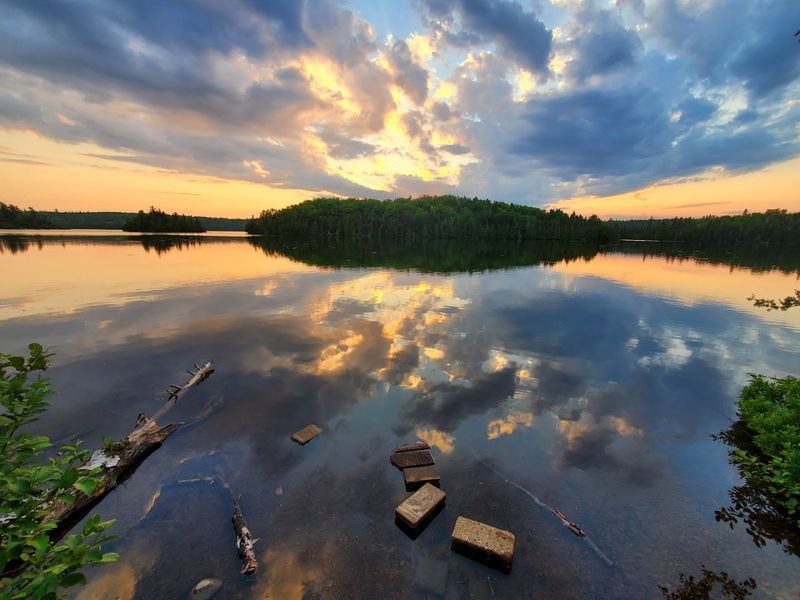
Deep inside Chippewa National Forest, Ninemile Lake sits far enough from the main forest roads that most GPS apps have trouble giving confident directions.
That navigational ambiguity has kept it off the radar of casual campers for years, and the regulars who do know about it tend to keep that knowledge quietly to themselves.
The lake is long and narrow, which creates a particular kind of paddling experience. Canoeists can work their way from one end to the other in a few hours, passing wooded points and small marshy bays that hold a lot of wildlife.
The campground itself is small, with only a handful of sites positioned along the water. That limited capacity means it never feels crowded, and the spacing between sites is generous enough that you rarely hear your neighbors.
The sites closest to the water have views that could genuinely be mistaken for a painting.
Evenings here are slow and easy. The lake surface calms completely after sunset, and the reflection of the tree line becomes so precise it’s almost disorienting.
