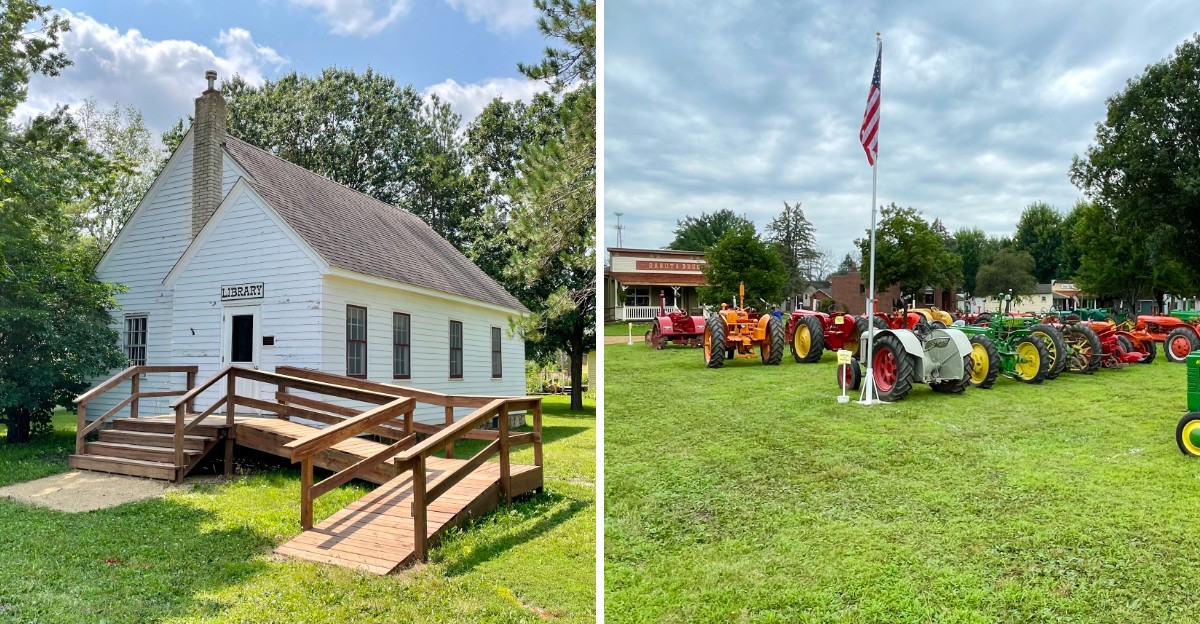
Twenty-two historic buildings sit on just five acres, and one of them still holds a working blacksmith shop. There’s also a jail, a bank, a train depot, and a drugstore pouring 1919 Root Beer.
I’m particularly drawn to how complete the whole thing feels. A schoolhouse, a church, a newspaper office, and a millinery all share the same dirt streets. Together they recreate a rural farm town from around 1900.
This little Minnesota village doesn’t keep regular daily hours, which makes every open day feel like an event. Costumed interpreters show up, and buildings come alive with demonstrations. One detail I find worth mentioning is the museum hall packed with more than 10,000 artifacts.
So how do you get inside a town that’s mostly frozen in time? The answer takes a little planning, and it’s worth it.
A Whole Town From 1900 Fits on Five Acres
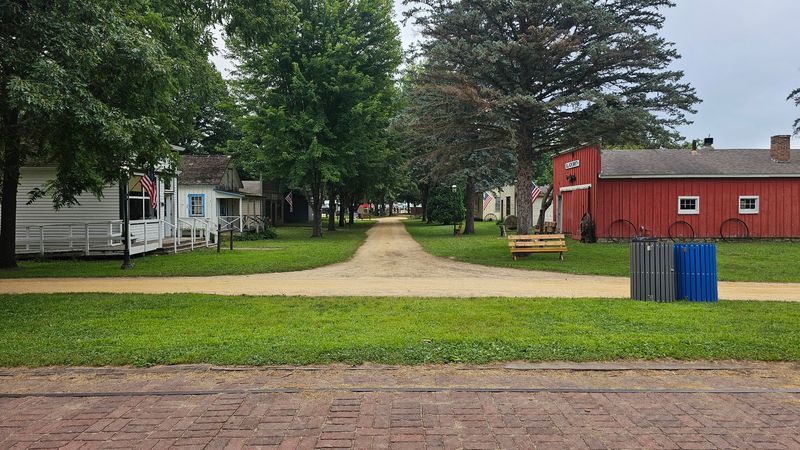
Twenty-two buildings, one dirt main street, and zero smartphones in sight. Dakota City Heritage Village recreates a rural farm town from around 1900, right in southern Minnesota.
The village opened in 1978 as an agricultural museum. Its goal is simple: help today’s families understand how rural Dakota County lived over a century ago.
The name has a story too. The original Dakota City was platted in 1859, about a mile northeast of present-day Farmington.
Then the railroad came along and changed everything. In 1872, the town packed up and moved closer to the tracks, eventually becoming Farmington.
So in a way, this village brings the old town name back home. That’s a pretty charming twist for a place built around memory.
The layout makes it easy to explore at your own pace. You can wander from a family home to a bank to a church in just a few minutes.
Each building tells one piece of a bigger story. Put them together, and you get a full picture of small-town life before cars took over.
Kids especially tend to connect with it fast. Seeing real rooms beats reading about history in a textbook any day of the week.
Plan Ahead, Because the Gates Aren’t Open Every Day
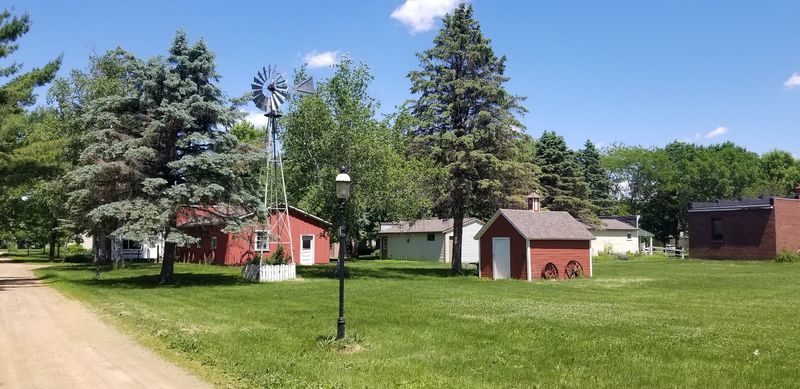
Timing matters more here than at most museums. The village isn’t open for general daily admission like a typical attraction.
Instead, the public gets in during special events and the Dakota County Fair. Tours are also available by appointment only, which keeps things personal.
The office runs Tuesdays, Wednesdays, and Thursdays from 8:00 AM to 4:30 PM. That’s your window for calling or emailing to set something up.
Group tours need at least five days of notice. School tours need about three weeks, so teachers should book early.
The appointment menu is surprisingly wide. Options include senior tours, scout tours, family tours, homeschool tours, and even birthday parties.
There’s also a Red Hat Ladies Luncheon Tea Tour. Few museums can say they offer something that specific and that fun.
Want a sneak peek before committing? The village offers an online tour of its historical buildings for curious minds at home.
A little planning pays off with a calmer, more focused visit. Private groups get a guided look without fair-week crowds bumping elbows.
Think of it like making a reservation at a favorite restaurant. The effort upfront makes the actual experience feel special.
Sparks Still Fly at the Blacksmith Shop
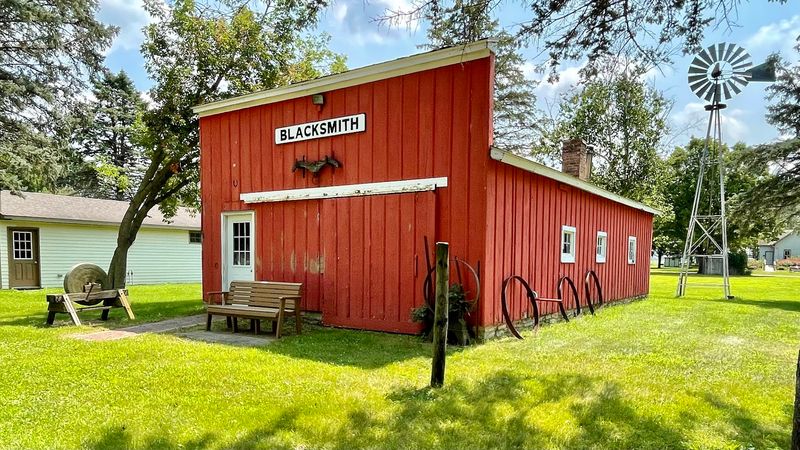
Hammer meets anvil, and suddenly 1900 doesn’t feel so far away. The village’s Blacksmith Shop is operational, which makes it one of its most memorable stops.
Back then, a blacksmith was basically the town’s repair center. Farm tools, horseshoes, and hardware all depended on that hot forge.
During special events, demonstrations bring that work back to life. Watching metal take shape by hand gives you new respect for old-school skill.
Right nearby, other trades get their moment too. The village includes a Carpenter Shop, Wood Shop, and Leather Shop.
Each one shows how much people made for themselves. No big-box store meant every saddle, shelf, and wagon part came from local hands.
Then there’s the Print Shop and Newspaper Office. These buildings remind you that small towns needed their news long before anyone scrolled a feed.
Kids who love building things often light up in these spaces. Adults might start rethinking that drawer full of broken gadgets at home.
The best part is how hands-on history feels here. It’s less about glass cases and more about seeing real work happen in real rooms.
Main Street Comes With a Jail, a Bank, and a Bit of Drama
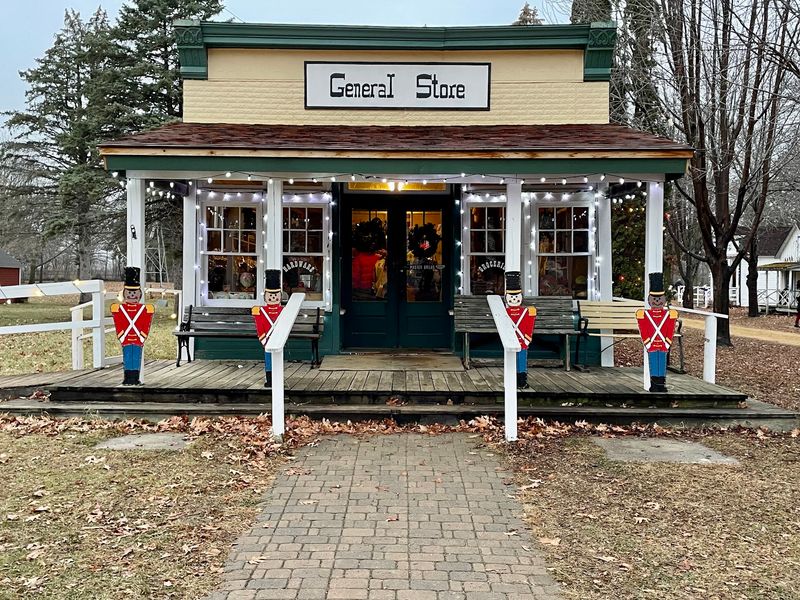
Every good small town needs a bank, a general store, and somewhere to put troublemakers. Dakota City Heritage Village has all three, plus plenty more.
Stroll the street, and you’ll find a Millinery, a Drugstore, a Library, and a Service Station. Each one fills in another detail of daily life around 1900.
The General Store was the heart of shopping back then. Families picked up supplies, swapped news, and probably lingered longer than they planned.
The Bank shows how money worked before apps and debit cards. Tellers handled everything by hand, which sounds exhausting by modern standards.
And yes, there’s a Jail. Kids usually want to peek inside, and honestly, so do most grown-ups.
A Train Depot anchors the scene as well. Railroads mattered hugely here, since the whole town moved in 1872 to be near the tracks.
Walking from building to building feels like flipping through a storybook. Every door opens onto a different chapter of rural Minnesota life.
Take your time on this stretch. The small details inside each shop are what make the village feel so complete.
Class Is in Session at the Old Schoolhouse
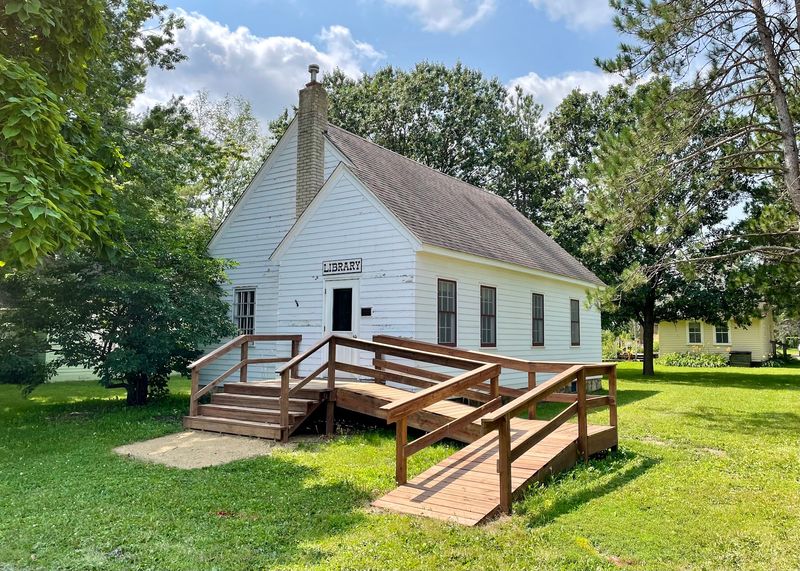
One room, one teacher, and every grade learning together. The village Schoolhouse shows how rural kids got their education around 1900.
It’s a big hit with field trips for good reason. School groups get a firsthand look at lessons from a very different time.
Not far away stands the Church. Faith and community gatherings were central to small-town life, and this building reflects that role.
Then come the homes, which may be the coziest stops of all. The Harris House and McMenomy House show how families actually lived.
These spaces make history feel personal. Kitchens, parlors, and bedrooms remind you that real people once cooked, read, and argued over chores here.
During the county fair, home-cooked meals can be smelled in the Harris House kitchen. Good luck walking past without your stomach noticing.
Families with curious kids should linger in these buildings. Questions like where did they keep food cold start flowing naturally.
The village also offers summer camps for young history fans. The Junior Apprentice Camp and Master Apprentice Teen Camp let kids dig deeper into the era.
More Than 10,000 Artifacts Wait Inside Ahlberg Hall
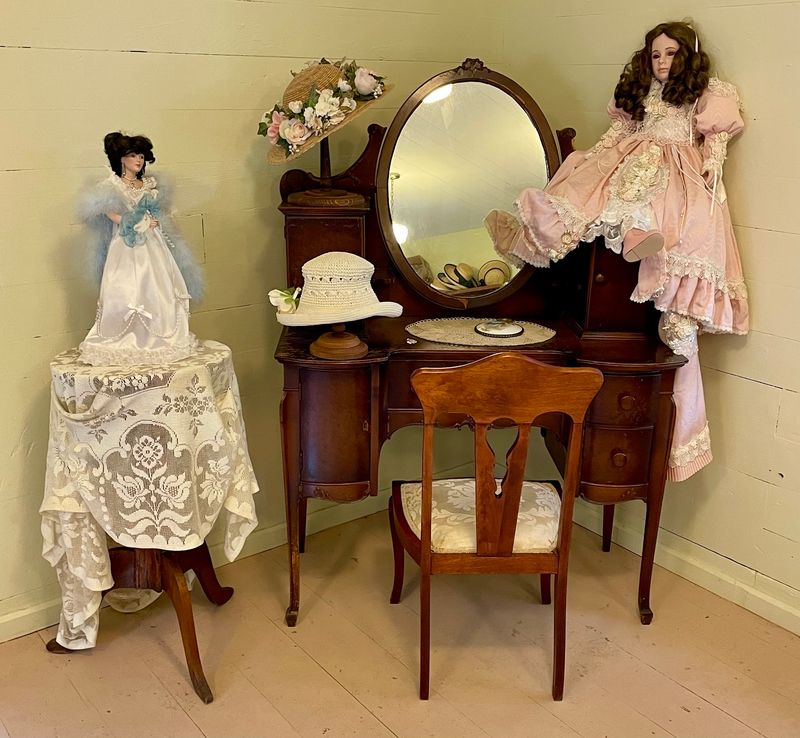
Ten thousand objects is a lot of history under one roof. The Ahlberg Heritage Center houses the village’s huge collection of artifacts.
Its displays focus on the social and rural history of Dakota County and Minnesota. Agriculture gets special attention, which fits this farm-country setting perfectly.
The museum mixes permanent exhibits with temporary displays. That means repeat visitors might spot something new on their next trip.
Farm life around 1900 depended on tools and know-how that most of us never learned. Seeing the actual equipment helps fill in those gaps quickly.
This hall pairs nicely with the outdoor buildings. The village shows the setting, while the museum explains the stuff people used every day.
History buffs could easily spend extra time here. Even casual visitors will likely find an object that sparks a story from a grandparent.
Accessibility has been a steady focus across the grounds too. The village has lowered thresholds, removed unnecessary steps, and added or updated ramps.
Guests with accessibility concerns are encouraged to bring some assistance. Old buildings come with old quirks, after all, and the team keeps improving them.
Fair Week Turns the Whole Village Into a Living Postcard
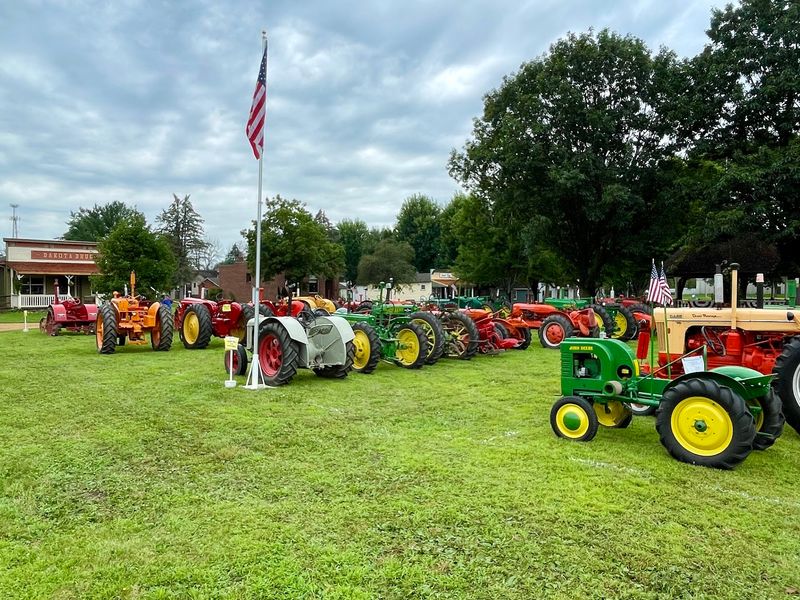
Roving musicians, costumed re-enactors, and a daily tractor parade. The Dakota County Fair is when this village really shows off.
The 2026 fair is scheduled for August 10 through 16. During that week, the grounds open up with museum exhibits and agricultural displays.
Snacks here lean deliciously old-fashioned. The vintage Drugstore serves ice cream cones and 1919 Root Beer.
Over at the Variety Gift Shop, old-time candy waits for anyone with a sweet tooth. Lemonade and hot corn-on-the-cob round out the menu nicely.
Interpreters in period clothing help explain what you’re seeing. Their demonstrations turn quiet buildings into busy workplaces again.
The village sits right on the fairgrounds at 4008 220th St W, Farmington, MN 55024. That makes it an easy break from rides and livestock barns.
Shady streets and slower pacing offer a nice reset from fair chaos. You can sip root beer and pretend motor vehicles haven’t been invented yet.
Families should save a few hours for this part of the fair. It’s easy to underestimate how many buildings there are to explore.
Christmas Here Comes With Trolleys and Cider Donuts
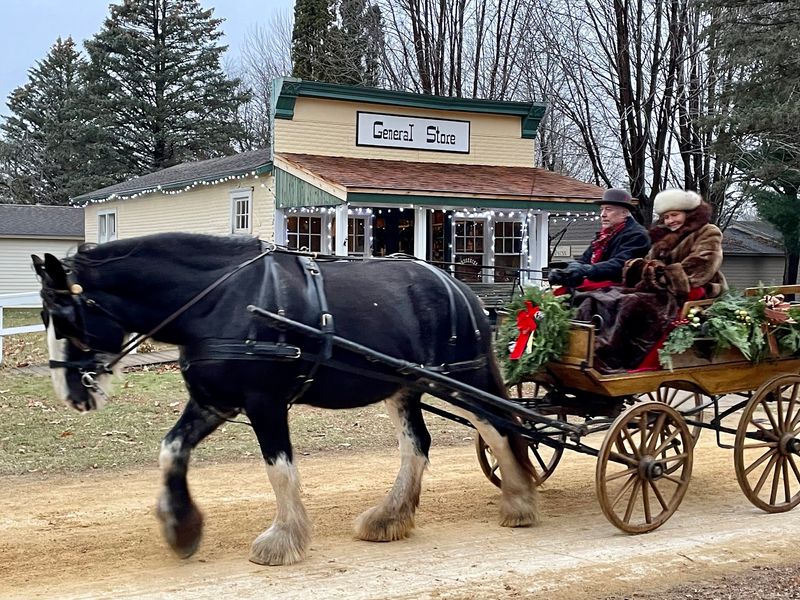
Horse-drawn trolley rides through a 1900 village in December? Yes, that’s a real thing in Minnesota.
Christmas in the Village runs on select weekends, with 2025 dates on December 6, 7, 13, and 14. The historic buildings get decorated for the season.
Treats are a big part of the fun. Expect hot chocolate, cider, soups, baked potatoes, cider donuts, popcorn, and even ice cream.
St. Nicholas makes an appearance at the Depot. Kids can drop off letters for him, too.
There’s more for little ones as well. A photo booth, crafts, and a G-scale model train display keep young hands and eyes busy.
Demonstrations continue through the season. Old-fashioned candy and goods are also for sale at the Gift Shop and General Store.
Minnesota winters don’t mess around, so bundle up. Warm boots and mittens will make the whole evening much more enjoyable.
This event works best as a cozy holiday outing rather than a giant light spectacle. Think small-town charm, warm drinks, and a sweet seasonal tradition.
Pinkies Up for the Victorian Tea Luncheon
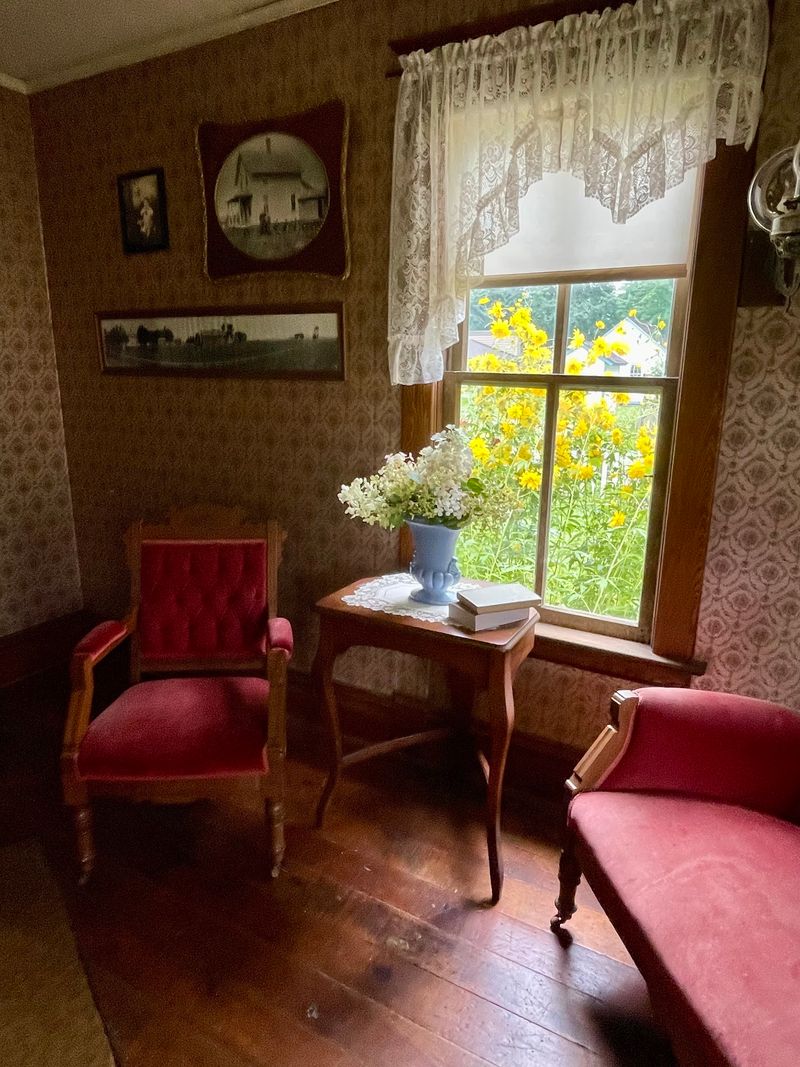
Four courses, plenty of tea, and live entertainment. The annual Victorian Tea Luncheon is one of the village’s most charming fundraisers.
The 2026 luncheon is set for May 2. Unlike other events, it takes place off-site at Crystal Lake Golf Club in Lakeville, Minnesota.
That location detail matters when planning. Don’t head to the Farmington grounds expecting teacups.
Fundraisers like this help keep the historic buildings in good shape. Old structures need constant care, and supporters make that possible.
It’s a lovely outing for friends, mothers and daughters, or anyone who enjoys a fancy afternoon. Hats are never a bad idea at a Victorian-themed tea.
The tea theme runs through other offerings too. Groups can book the Red Hat Ladies Luncheon Tea Tours right at the village.
Supporting Dakota City Heritage Village this way feels genuinely rewarding. Your afternoon of scones and sips helps preserve a whole town’s worth of stories.
Between tea parties, tractor parades, and trolley rides, this place keeps history lively. Few museums manage to stay this fun all year long.
