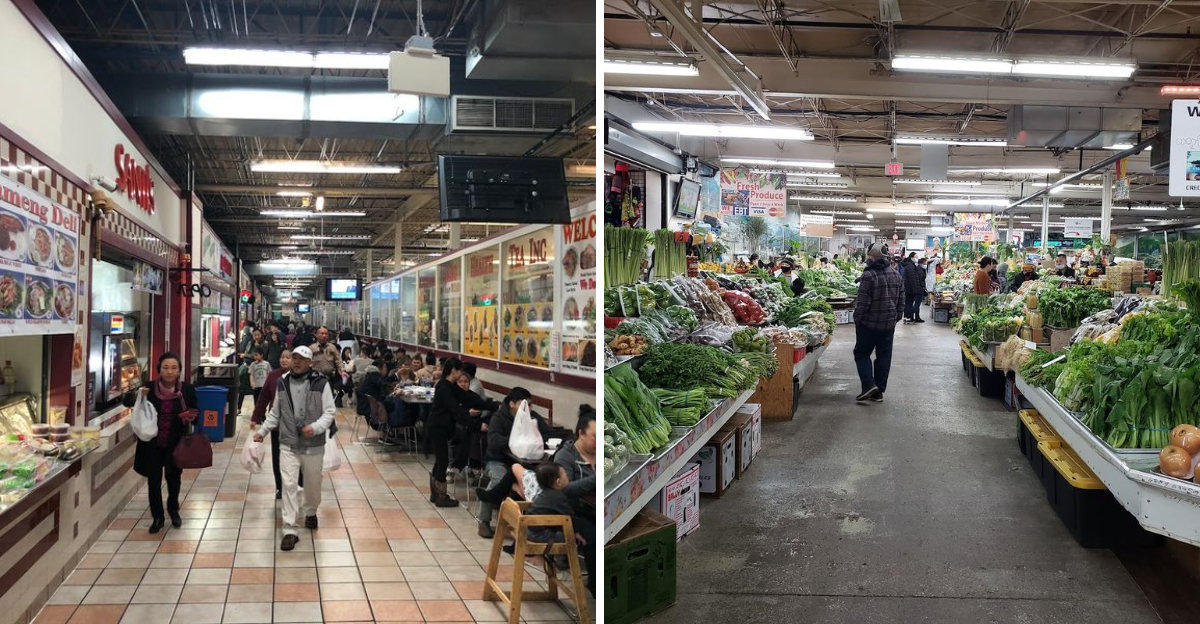
The air is thick with the scent of lemongrass and sizzling meat, and colorful produce spills from every stall. This Minnesota market feels like you have stepped into Southeast Asia without ever leaving the state.
You can wander through rows of vendors selling everything from fresh herbs and exotic fruits to handmade crafts and traditional clothing. The food court is the real draw, offering authentic dishes like pho, papaya salad, and grilled meats that taste like they came straight from a street cart in Bangkok.
The energy is vibrant, the flavors are bold, and the whole place hums with activity.
Minnesota has its share of diverse markets, but this one offers a truly immersive cultural experience. It is a hidden gem that feels like a world away.
Traditional Hmong Clothing and Textiles
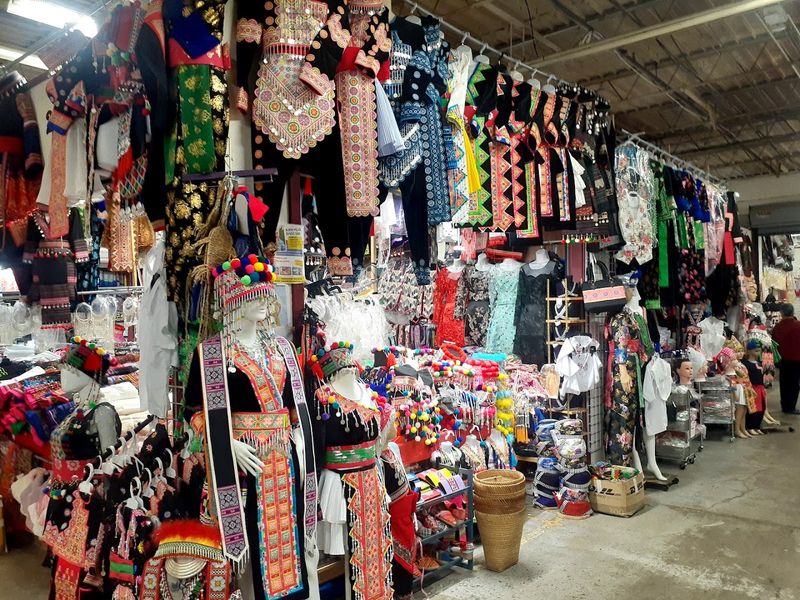
Few things at Hmong Village are as visually striking as the clothing shops. Rows of elaborately embroidered dresses, sashes, and ceremonial garments fill the stalls with an almost gallery-like richness. The craftsmanship in each piece is genuinely impressive.
These are not mass-produced outfits. Many of the garments are handcrafted, featuring traditional Hmong needlework patterns that carry deep cultural meaning. The colors are bold, layered, and unlike anything you would find at a typical American mall.
Silver accessories and beaded details complete many of the looks.
Even if you are just browsing, the clothing section is worth a slow walk-through. It offers a window into Hmong artistic tradition that feels both ancient and vibrant. Shoppers looking for something unique often find that the handcrafted dresses are among the most memorable items in the entire market.
Prices vary, and a little friendly haggling is part of the experience here, so do not be shy about it.
Fresh Produce and Grocery Vendors
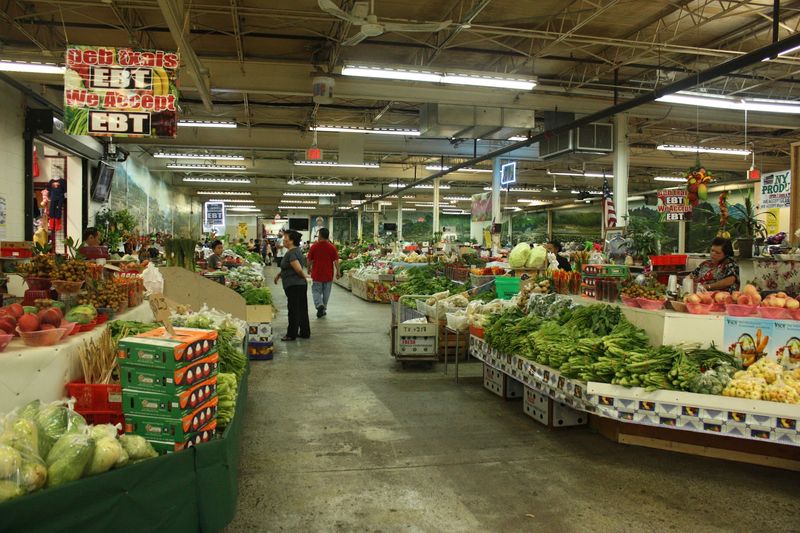
The produce section of Hmong Village is a grocery run unlike any other in the Twin Cities. Vendors stack their tables with vegetables, herbs, and fruits that are either hard to find or completely unavailable at mainstream supermarkets. It is a cook’s paradise.
Bitter melon, lemongrass, galangal, Thai eggplant, fresh banana blossoms, and exotic tropical fruits show up regularly depending on the season. The variety reflects the diverse culinary traditions of the Hmong, Lao, and broader Southeast Asian communities that shop here.
Fresh is the operative word, and the selection tends to move fast.
Home cooks who want to recreate authentic Southeast Asian flavors at home often make Hmong Village a regular stop specifically for the produce. Knowing what to look for helps, but vendors are generally happy to explain what things are and how to use them.
It is one of those places where grocery shopping becomes a small adventure rather than a chore.
Pho and Noodle Soup Stalls
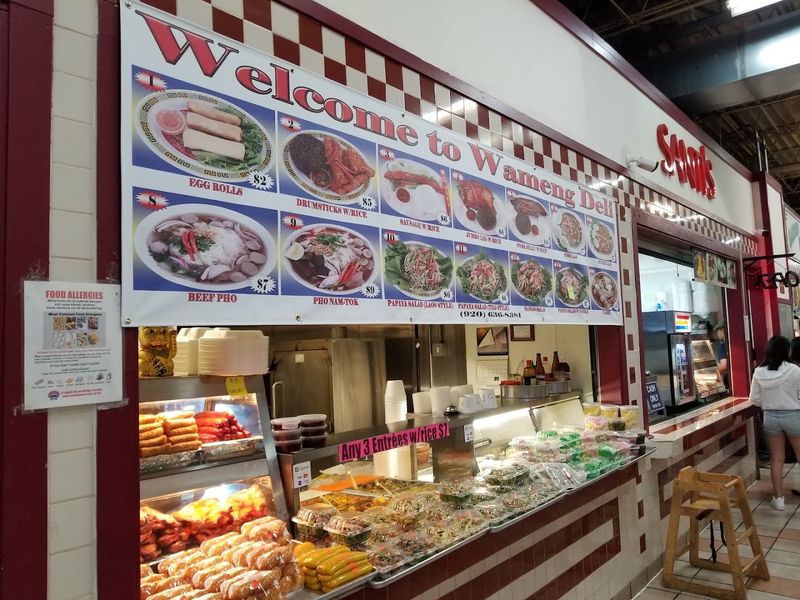
Pho holds a special place in the Hmong Village food hall, and multiple stalls serve their own version of this beloved noodle soup. Each one has its own take on the broth, the noodles, and the garnishes, which means a little exploration goes a long way.
Lucky’s Food is one stall that comes up often in conversation among regulars, praised for its kaopoon alongside the pho. Other spots like Pho Plus have built a loyal following for consistent flavors and generous portions.
The broths tend to be rich and aromatic, built from long hours of simmering bones and spices.
A good bowl of pho here is deeply satisfying, especially on a cold Minnesota afternoon. The warmth hits you before you even take the first sip. Noodle soup at Hmong Village is not just food, it is one of the main reasons people keep coming back.
Try a few different stalls on separate visits to find your personal favorite.
The Food Hall Experience
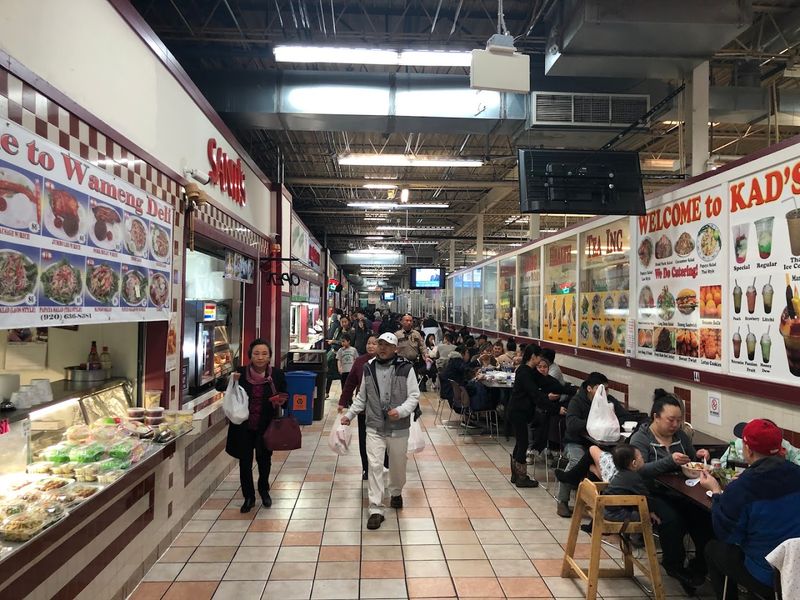
The food hall at Hmong Village is the kind of place that makes every decision feel impossibly hard, in the best way possible. Dozens of stalls line the space, each one offering something that smells better than the last. It is sensory overload, and you will love every second of it.
Hmong sausage, papaya salad, sticky rice, steamed catfish, and rich noodle soups are just a few of the options waiting for you.
Some stalls specialize in Lao-style dishes, others lean into Thai or Vietnamese flavors, and many serve traditional Hmong recipes that are hard to find anywhere else in the Twin Cities. The portions are generous and the prices are fair.
Finding a table during busy hours can take a little patience, but it is worth the wait. The atmosphere around the food area buzzes with conversation and the clatter of trays. Eating here feels communal and warm, like sharing a meal with a neighborhood rather than just grabbing lunch.
Hmong Sausage, a Local Favorite
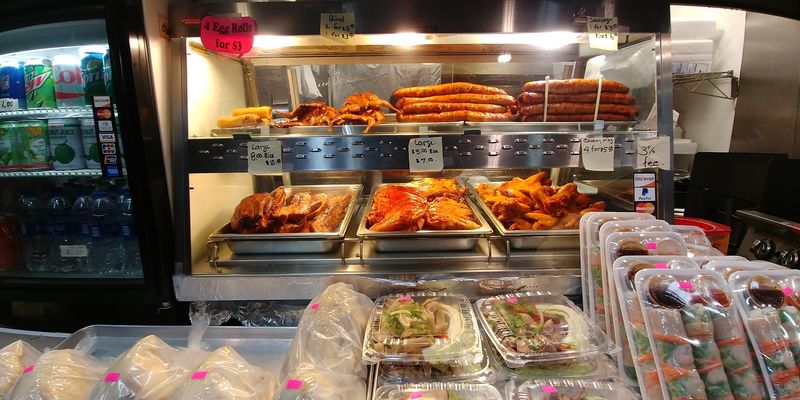
Ask anyone who visits Hmong Village regularly what they always order, and Hmong sausage will come up almost every time. It is one of those foods that earns its reputation quickly. One bite and you understand the loyalty.
The sausage is typically seasoned with lemongrass, garlic, and a blend of herbs that give it a bright, fragrant flavor profile quite different from anything you might find at a backyard cookout. Served alongside sticky purple rice, it becomes a complete and satisfying meal.
The purple rice alone is worth trying, with a chewy texture and slightly nutty taste that surprises first-timers.
The combination of smoky sausage and soft, sticky rice is simple but genuinely excellent. It is the kind of food that does not need a fancy presentation to make an impression. Many visitors end up ordering it again before they even finish their first serving.
It is comfort food with a distinctly Hmong character, and it belongs on every first-timer’s order list.
Eastern Medicine and Herbal Remedy Shops
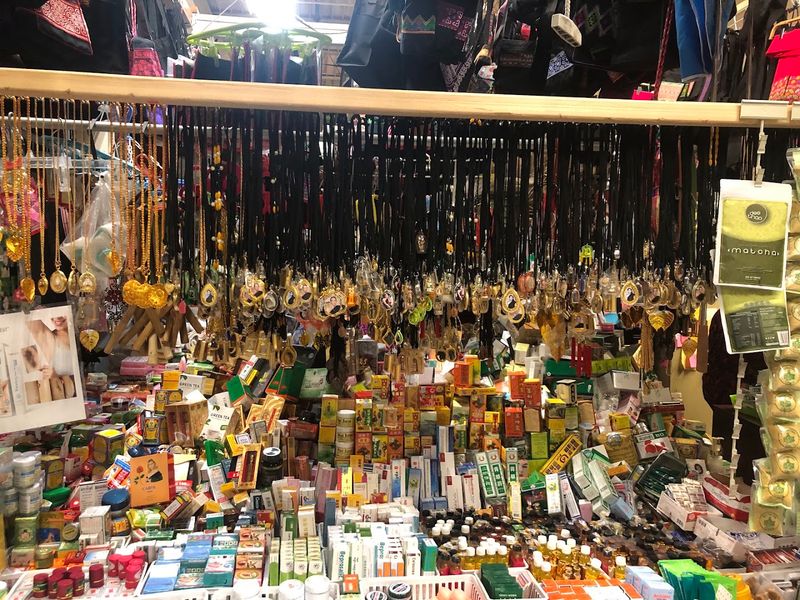
Not every corner of Hmong Village is about food or fashion. Tucked among the stalls are shops offering traditional eastern medicine and herbal remedies that reflect centuries of Hmong healing knowledge. It is one of the more quietly fascinating parts of the market.
Dried roots, bark, seeds, and plants fill containers and bags, many labeled in Hmong or with handwritten descriptions. Some vendors specialize in remedies for specific ailments, while others stock a broader range of tonics and supplements rooted in traditional practice.
The knowledge behind these products runs deep within the community.
For visitors unfamiliar with herbal medicine traditions, browsing these stalls is genuinely educational. It offers a glimpse into a system of wellness that predates modern pharmaceuticals and remains an important part of daily life for many Hmong families.
Even without buying anything, spending a few minutes here adds a meaningful layer to the overall experience of the market. It is one of the details that makes Hmong Village feel like more than just a shopping destination.
Jewelry and Accessories Vendors
Jewelry at Hmong Village is not the kind you find in a department store glass case. The pieces here carry personality, history, and craft. Silver necklaces, ornate hairpins, beaded bracelets, and traditional accessories line the display tables.
Many of the pieces are designed to complement traditional Hmong clothing, but plenty of items work beautifully as standalone accessories in everyday wear.
The metalwork on some of the silver pieces is especially detailed, with patterns and textures that reflect Hmong artistic traditions passed through generations. It is worth taking your time here.
Prices can vary quite a bit between vendors, so it pays to look around before committing to a purchase. Haggling is generally acceptable and even expected in many of the non-food stalls, so a friendly negotiation can often land you a better deal.
Whether you are shopping for yourself or looking for a unique gift, the jewelry section delivers options that are hard to find anywhere else in Minnesota.
The Vibe Inside the Building
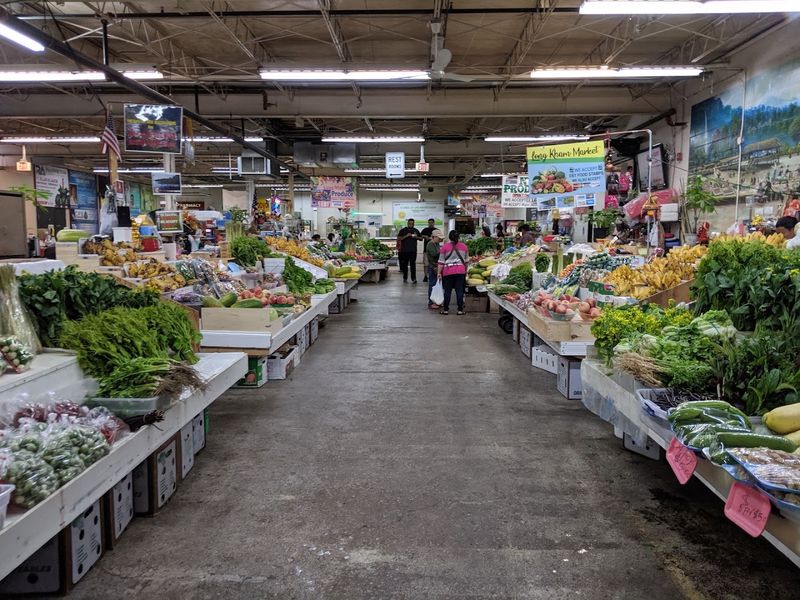
The atmosphere inside Hmong Village is something that genuinely catches you off guard if you have never been. It is loud, layered, and completely alive in a way that feels nothing like a typical American shopping mall. The energy is communal and unhurried.
Conversations happen in multiple languages. Children run between stalls while grandparents examine produce. Someone is always cooking, and the smell of grilled meat or simmering broth drifts through the air constantly. The whole space pulses with a rhythm that feels organic rather than manufactured.
Some visitors have compared the experience to wandering through markets in northern Thailand or Vietnam, and the comparison makes sense. The layout is not perfectly organized, and that is part of the charm. Getting a little turned around is almost part of the experience.
There is always something new to notice, a stall you missed, a smell you want to follow, a vendor selling something you have never seen before. That sense of discovery is what keeps people returning again and again.
Services You Would Never Expect to Find Here
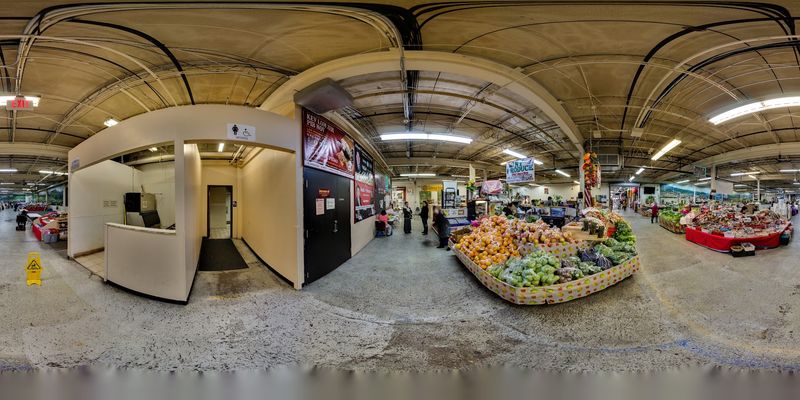
One of the more surprising things about Hmong Village is how much it functions as a full community hub rather than just a marketplace. Beyond the food and shopping, the building houses services that serve the local Hmong community in genuinely practical ways.
There is a DMV location inside, which means you can get your driver’s permit or handle vehicle-related paperwork without a separate trip across town. Tax preparation services are also available on-site, along with a clinic that provides basic health services.
It is an unusual combination, but it reflects how deeply embedded Hmong Village is in the daily life of the surrounding community.
For visitors, these services add an interesting dimension to the space. This is not a destination built purely for tourism or novelty. It is a living, functioning community center that happens to be open to everyone.
That authenticity is part of what makes the experience feel so different from a themed cultural attraction. Hmong Village serves a real purpose for real people, and you can feel that the moment you arrive.
Tips for First-Time Visitors
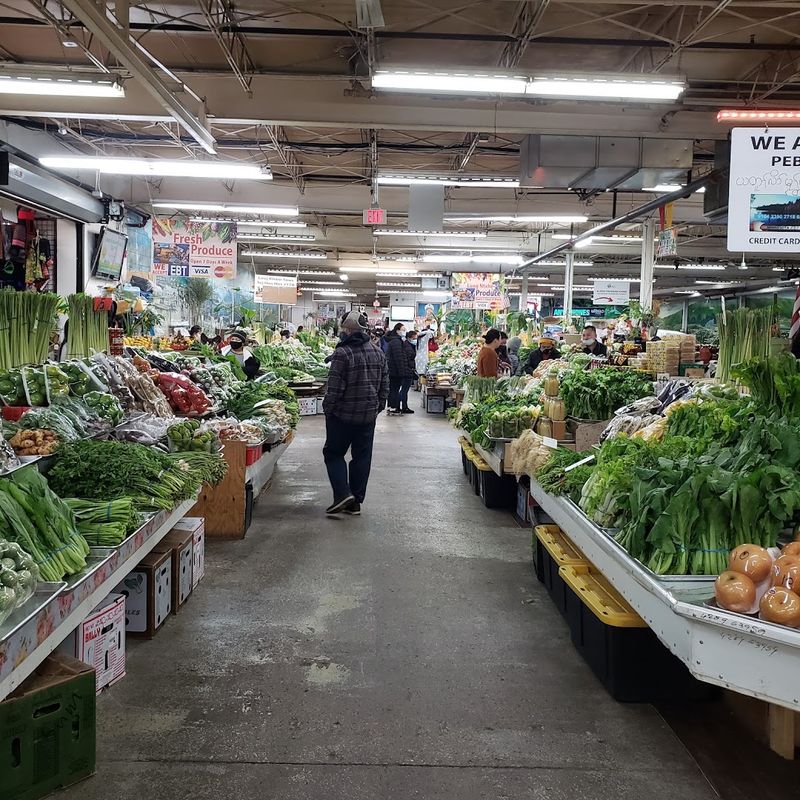
A first visit to Hmong Village goes smoother with a little preparation. The market is open every day from 9 AM to 7 PM, which gives you plenty of time to explore without feeling rushed. Arriving a bit before the lunch rush gives you the best shot at a table in the food hall.
Bring cash if you can. While some vendors accept cards, many prefer cash, and having it on hand makes transactions faster and easier. Comfortable shoes matter too, since the market is large and you will do a fair amount of walking across the warehouse-style floor.
Do not be intimidated by the size or the unfamiliarity of it all. Most vendors are friendly and happy to answer questions about their products or dishes. If something on a menu looks unfamiliar, asking about it usually leads to a small and interesting conversation.
Come hungry, come curious, and give yourself at least two hours. Hmong Village rewards the visitors who take their time.
Address: 1001 Johnson Pkwy, St. Paul, MN 55106
