Unexpected nature escapes can be the most rewarding, especially when they are hiding closer than you would expect. Minnesota has outdoor destinations where wetlands, forests, and open prairies create a peaceful break without requiring a long journey into the wilderness.
The chance to see rare birds, spot wildlife, and enjoy wide-open scenery makes these places special for photographers, hikers, and anyone needing a quiet reset.
It is easy to forget how much natural beauty exists near busy areas, but places like this prove unforgettable adventures can be closer than they seem.
A Wild Landscape That Feels Worlds Away From the City
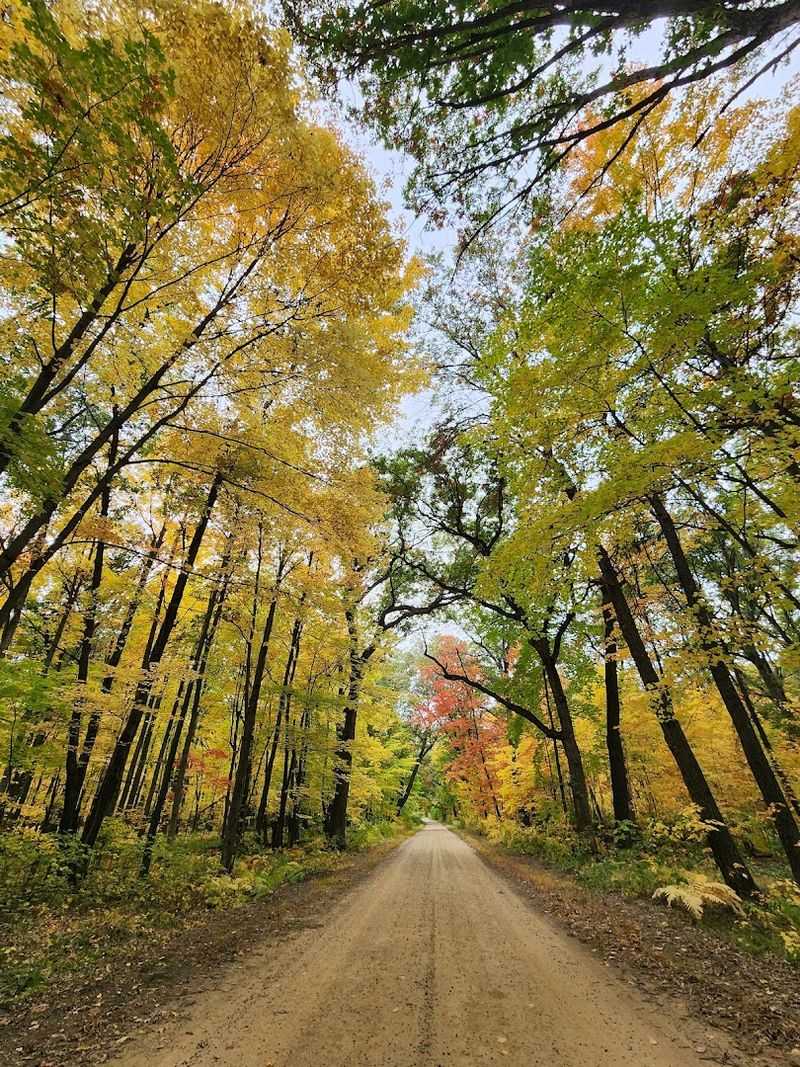
The moment you turn off the main road and roll into Minnesota’s Carlos Avery, something shifts. The noise of the highway fades, and suddenly you are surrounded by a sprawling mix of wetlands, upland brush, and quiet forest roads that seem to stretch endlessly in every direction.
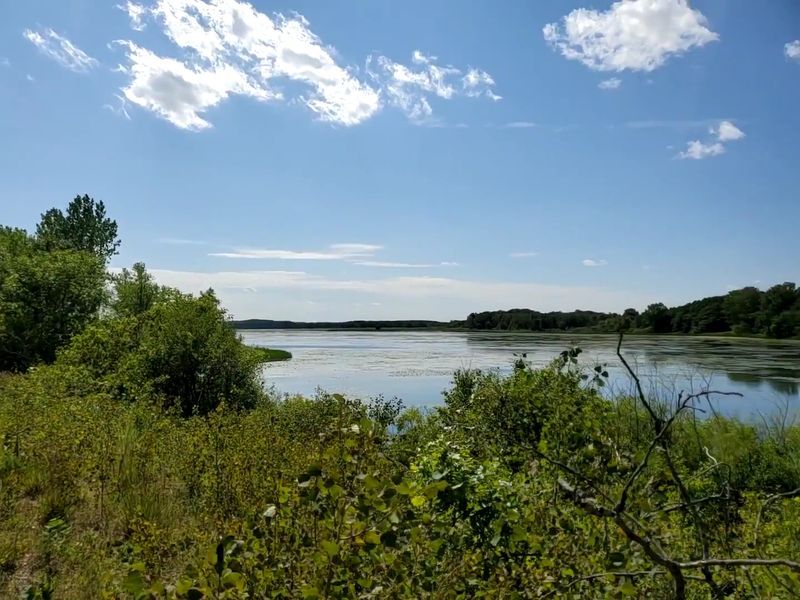
About two-thirds of the entire area is wetland, which gives it that rich, marshy atmosphere that serious birders and nature lovers absolutely love. The other third is upland habitat, ranging from open grasslands to thicker wooded patches.
There are 20 to 23 actively managed water pools spread throughout the property, all designed to support waterfowl and other wildlife. These pools are not just scenic backdrops.
They are functioning ecosystems that attract an incredible variety of species throughout the year.
The sheer scale of the place takes a little getting used to. Driving the gravel roads slowly, you start to notice how layered and alive everything is.
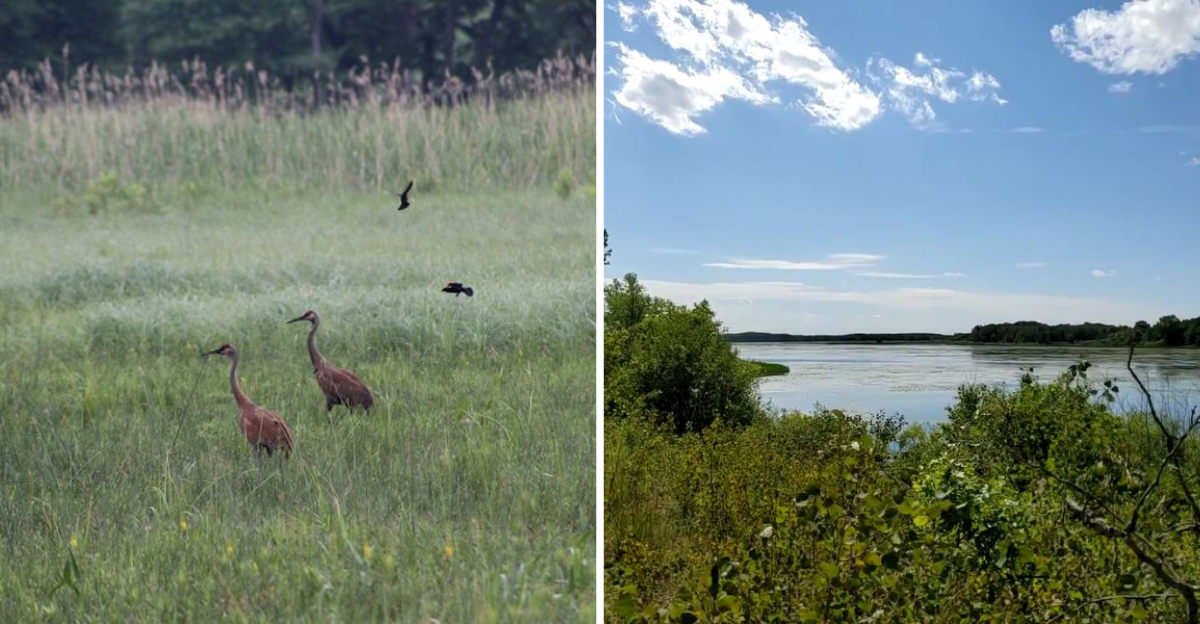
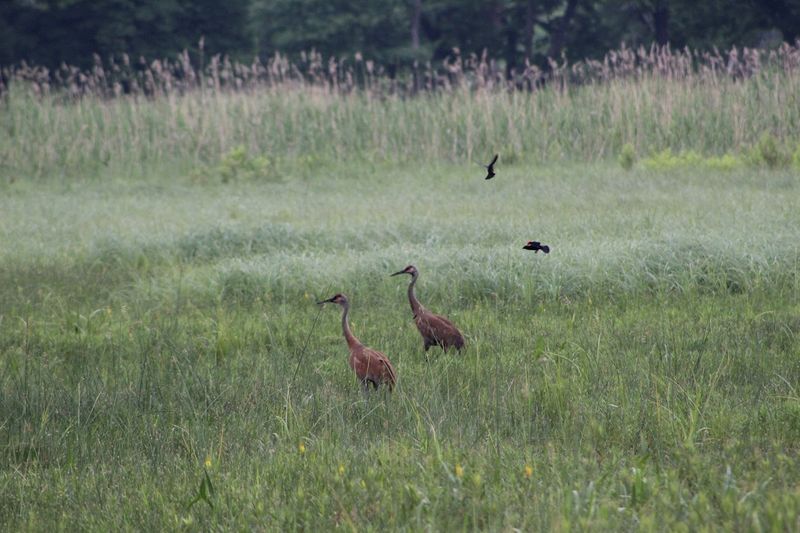
A great blue heron lifts off from a shallow pool. A red-winged blackbird calls from a cattail stand nearby.
Carlos Avery does not feel like a manicured nature trail or a tidy park. It feels raw and real, the kind of place where nature runs the show.
That authenticity is exactly what makes it so special to the people who have discovered it.
Over 272 Bird Species and Counting
Bird lists at Carlos Avery are genuinely impressive. More than 272 species have been recorded within the WMA, covering everything from tiny warblers to massive Trumpeter Swans gliding across open water.
For a site that most Twin Cities residents have never heard of, that number is remarkable.
Summer visits tend to bring out Bald Eagles, Sedge Wrens, and Golden-winged Warblers, which are all species that can be tricky to find elsewhere in the metro area. Sandhill Cranes are practically a given, and their loud, rattling calls carry across the marsh in a way that never gets old.
Migration season pushes the excitement even higher. Shorebirds gather along the managed pools, and waves of songbirds move through the upland areas during spring and fall.
Patient observers with binoculars are regularly rewarded with unexpected sightings.
Egrets are another highlight, especially from late June through August. Wildlife photographers have described the area as a gold mine, and it is easy to see why once you spend a morning here with a good pair of binoculars.
The variety comes from the diversity of habitats packed into one massive property. Wetland species, grassland birds, and forest dwellers all share the same space, which means your species list can grow quickly in a single outing.
Bring a field guide and give yourself plenty of time.
The Wildlife Sanctuary Hidden Within the WMA
Not many people realize there is a sanctuary within the sanctuary at Carlos Avery. A dedicated Wildlife Sanctuary of approximately 4,500 acres sits inside the larger WMA, and it is completely closed to all public access, including hunting, fishing, hiking, and birdwatching.
That might sound frustrating at first, but the reasoning makes a lot of sense. This protected core gives migratory waterfowl and resident wildlife a true refuge where they face zero human disturbance.
It is essentially a buffer zone that keeps the most sensitive species undisturbed during critical periods.
The result is a healthier, more vibrant ecosystem across the entire WMA. When wildlife has safe resting and nesting areas nearby, they tend to spill out into the surrounding zones more freely.
That means the birds you see from the open roads and accessible areas are often bolder and more abundant because of this protected core.
Knowing the sanctuary exists adds an interesting layer to any visit. You are not just watching birds in a managed area.
You are witnessing wildlife that has access to genuinely wild, untouched space just beyond the treeline.
It is a thoughtful piece of conservation design, and it shows in the overall quality of wildlife viewing at Carlos Avery. The managed pools and open roads give you access, while the sanctuary gives the animals the space they need to thrive.
How to Get There and When to Visit
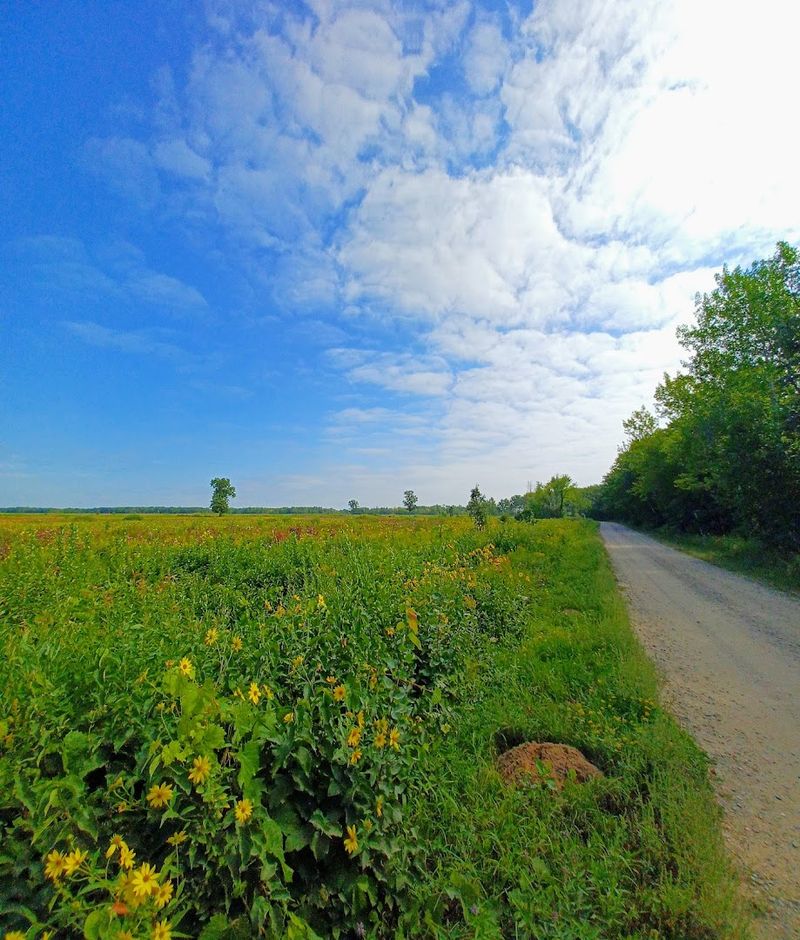
Getting to Carlos Avery is genuinely easy, which makes it even more puzzling that it stays so uncrowded. The main office sits at 5463 W Broadway Ave in Columbus, MN, and Interstate 35 actually runs right through the middle of the WMA, bisecting it into north and south units.
You are about 30 to 31 miles north of the Minneapolis-St. Paul metro area, so it is a quick drive even on a weekday morning.
The area is open daily from 5 AM to 10 PM, which gives you plenty of time for an early morning bird walk or a late afternoon drive through the wetlands. Multiple entry roads and parking areas are scattered throughout the property, so you can explore different sections on the same trip.
Timing matters a lot here. Spring migration, roughly April through May, is exceptional for shorebirds and songbirds passing through.
Fall brings another strong migration push, and summer offers reliable sightings of nesting species like Sandhill Cranes and Sedge Wrens.
Winter visits have their own quiet appeal. The landscape looks completely different under snow, and dedicated birders sometimes spot owls or other cold-weather species in the open upland areas.
Dress in layers and go slow.
One practical note: grab a map when you arrive. The property is massive, and it is easy to lose your bearings on the network of gravel roads without one.
The staff at the main office can point you toward the most active areas during your visit.
Wildlife Photography at Its Finest
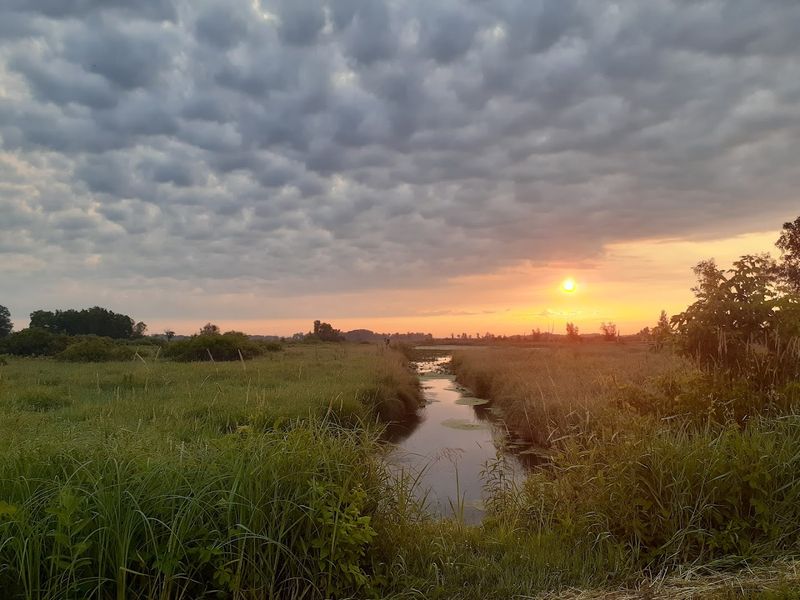
Photographers have been quietly treating Carlos Avery as a personal treasure for years. The combination of abundant wildlife, diverse habitats, and low visitor numbers creates conditions that are genuinely hard to find anywhere near a major metro area.
Egrets are a favorite subject from late June through August, often standing motionless in the shallows while the light turns golden in the early morning. Trumpeter Swans glide across the managed pools with a kind of effortless grace that looks almost too cinematic to be real.
Bald Eagles are spotted regularly too, and getting a clear shot of one perched near open water is entirely possible here.
The road system actually works in a photographer’s favor. Driving slowly through the WMA lets you use your vehicle as a mobile blind, which reduces disturbance and keeps birds calm.
Many of the best shots happen through an open car window without ever stepping outside.
Light conditions are best in the early morning and late afternoon when the sun sits low and the wetlands come alive with activity. Arriving at opening time, 5 AM, puts you out there during the most productive window of the day.
Even smartphone photographers come away with memorable images here. The wildlife is close, the scenery is striking, and the peaceful atmosphere means you can take your time composing a shot without feeling rushed.
It rewards patience in the best possible way.
Biking, Hiking, and Exploring on Foot
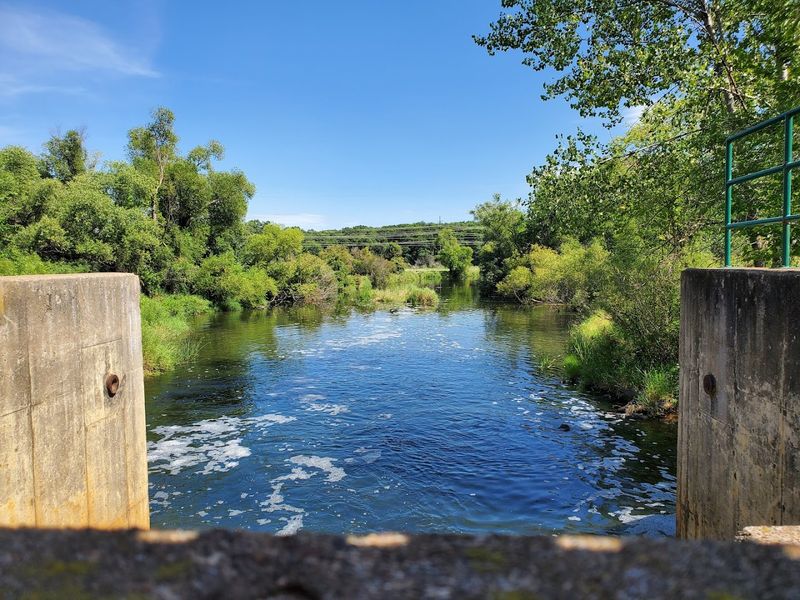
Carlos Avery is not just a destination for birdwatchers. The network of flat gravel roads makes it genuinely popular for cyclists, and the south unit road is often closed to vehicles, which turns it into a quiet, traffic-free route that bikers love.
On foot, the property offers a different kind of experience. The terrain is mostly flat, which makes it accessible for a wide range of fitness levels.
Trails range from packed gravel to sandier paths that feel more like old forest roads, and the loop options can stretch to around seven miles if you want a longer outing.
Late summer is a particularly nice time to walk the upland areas. Wildflowers bloom along the roadsides in waves of color, and the air carries that warm, slightly earthy smell that only comes from a healthy wetland ecosystem nearby.
It is the kind of walk that slows you down in a good way.
Dogs are welcome on leash, so it is also a solid option for people looking to combine a nature outing with a good long walk for their pet. The low traffic and wide roads make it feel comfortable and safe.
One honest tip: the property is so large that covering it entirely on foot is a real commitment. Bringing a bike or at least a vehicle to move between sections will help you see far more in a single visit than walking alone ever could.
A Free, Uncrowded Escape That Most Locals Miss
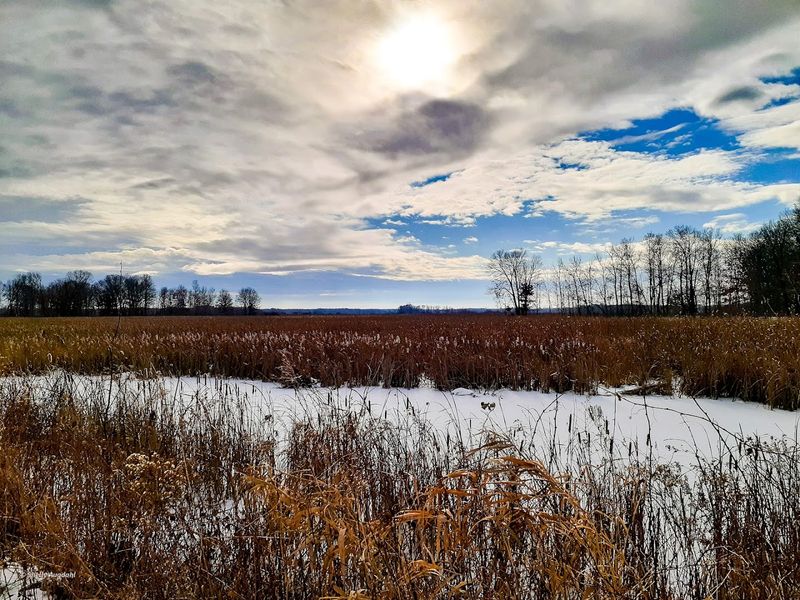
There is something almost surprising about how free and uncrowded Carlos Avery stays, given how close it sits to one of the largest metro areas in the Midwest. Entry is free, parking is free, and on most weekday mornings you might go an hour without seeing another visitor.
That kind of solitude is rare near a major city. State parks with similar wildlife offerings often fill up quickly on weekends, especially during peak seasons.
Carlos Avery absorbs visitors easily because of its sheer size, and it rarely feels crowded even when more people show up.
The area is open year-round, giving it appeal across every season. Winter walks on clear, cold days have their own quiet beauty.
Spring brings explosive bird activity and the sound of frogs calling from every pool. Summer mornings are lush and humid, and fall turns the upland areas into a patchwork of color.
One thing worth mentioning: there are limited restroom facilities and parking can be minimal at some access points, so planning ahead helps. The main office area near W Broadway Ave is a reliable starting point with better amenities than the more remote sections.
Carlos Avery is the kind of place that rewards the people who actually make the effort to stop. It has been here all along, right off the highway, waiting quietly for anyone willing to pull over and pay attention.
Address: 5463 W Broadway Ave, Columbus, Minnesota 55025
