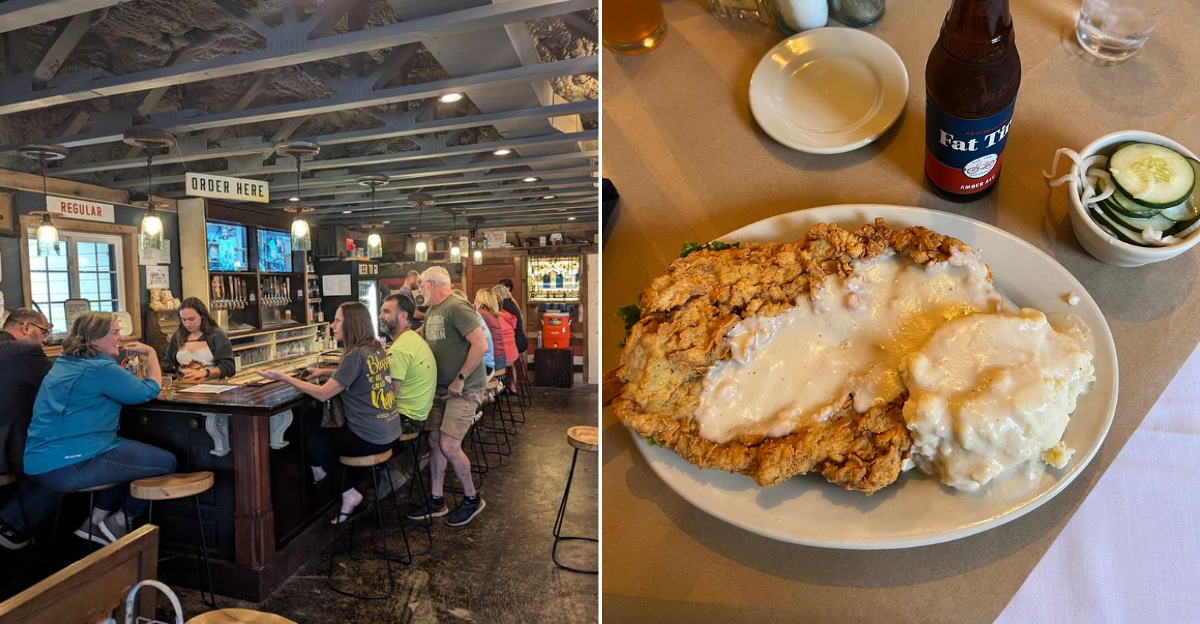
Step inside and the years seem to melt away. Wooden floors creak underfoot, and the scent of frying chicken drifts from a kitchen that has been at work since before the Civil War.
This is Missouri’s oldest restaurant, a tavern built in 1834 that has never stopped serving travelers. It survived wars, depressions, and countless changes in the world outside its doors.
The menu still features the same kind of hearty, homespun fare that would have greeted pioneers on the Santa Fe Trail. The fried chicken is the real star, a recipe that has been perfected over nearly two centuries.
It arrives hot and golden, served family-style with all the traditional sides. Dining here is not just a meal; it is a step back in time.
The building itself is a piece of living history, and the food tastes like it belongs to another era. In a fast-paced world, this Missouri tavern offers a rare chance to slow down and savor something timeless.
Why The Claim Matters
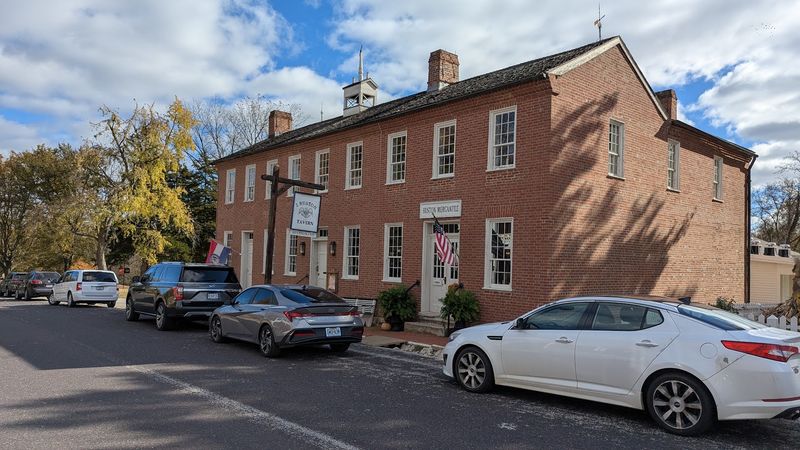
Some places brag about history, but here the walls do the talking as soon as you step inside. J.
Huston Tavern is recognized as Missouri’s oldest continuously operating restaurant, and the claim feels completely believable.
That matters because plenty of old buildings stop being part of daily life and turn into something you only look at. In Arrow Rock, Missouri, people still gather here for meals, conversation, and continuity today.
You can feel the difference between preserved and lived in, and this tavern lands firmly on the lived in side. Chairs scrape, plates arrive, and the whole place reminds you that history can be useful.
Even if you are not the kind of traveler who plans trips around landmarks, the story pulls you in fast. Knowing the restaurant has stayed active for so long makes lunch feel meaningful.
Folks often mention that it is also the oldest continuously serving restaurant west of the Mississippi River, which gives the place an even bigger role in regional food history. Somehow that title never feels stuffy.
If you go, give yourself a minute before ordering and just look around, because the setting tells part of the meal’s story. Missouri has plenty of old places, yet this one still feels wonderfully active.
The Road Into Arrow Rock
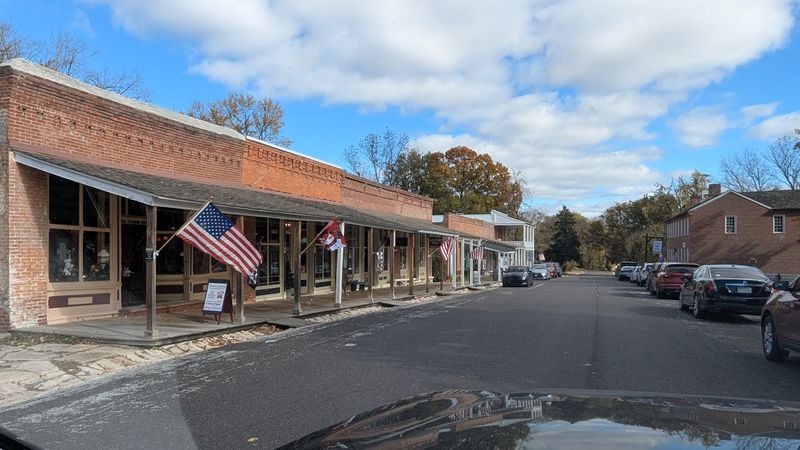
Reaching Arrow Rock is half the fun, since the main street naturally makes you slow down and look around. J.
Huston Tavern sits at 305 N Main St, Arrow Rock, MO 65320 for hungry visitors.
The town itself is small enough that you will not spend the day zigzagging through traffic or second guessing your map. Once you park and start walking, the whole area feels manageable, calm, and welcoming.
I like places where you can notice details between the car and the front door, and this stretch gives you that chance. Historic buildings, open sky, and a pace set the mood before you eat.
Being part of the Arrow Rock State Historic Site gives the tavern a setting that already feels meaningful. You are not stumbling onto a random roadside stop, because the whole area quietly frames the experience.
Plan a little extra time so you can walk the block after eating, since the town rewards wandering more than rushing. That rhythm is one reason the tavern visit stays with people after plates cleared.
By the time you step inside, you already feel separated from the usual rush, and that helps the meal land better. Few restaurant approaches in Missouri prepare you gently for what waits beyond the door.
Brick Walls With A Past
You do not need to love architecture to notice that the building carries itself with confidence. Judge Joseph Huston built the original brick structure as a family home, and that beginning still shapes the place.
The oldest rooms have that sturdy, no nonsense look that makes newer themed restaurants seem a little too eager. Nothing appears to be trying hard, which is why the atmosphere feels honest instead of staged.
Federal style details are part of the story, but what hits you is the sense of age working alongside daily use. That balance keeps the tavern from feeling fragile, and it makes visitors relax immediately.
Later additions gave the building more life, including a mercantile space and a ballroom that expanded its role in town. Learning that makes the tavern seem less like a relic and more like an anchor.
I always think old places show their value best when they have a job to do, and this one does. Its history is not trapped in plaques, because people keep using rooms as intended.
Standing in a place with roots that deep can make you feel small in a good way. Missouri has plenty of history, yet few buildings let you eat inside the story with such everyday ease.
Fried Chicken That Still Draws Crowds
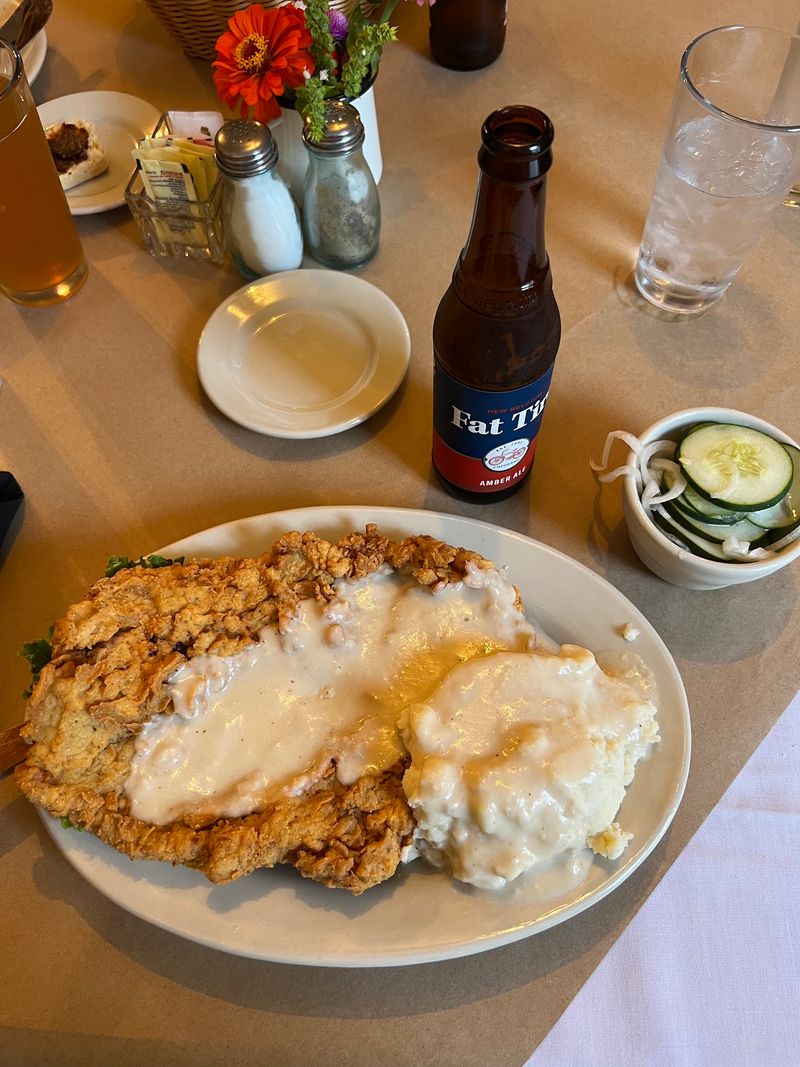
All right, the fried chicken is probably why many people walk in smiling before they sit down. The tavern is well known for it, and the dish carries the kind of hometown excitement people share.
You can tell a signature meal matters when locals bring it up before you ask what to order. That happens here all the time, especially with travelers heading to a performance at the Lyceum Theatre.
What I like most is that the dish still fits the room, rather than feeling like a marketing trick. Fried chicken belongs in a tavern like this, where comfort food and old surroundings make sense.
If you come hungry and a little curious, you will understand the appeal quickly after the first bite. Familiar food can be powerful in historic places, because it keeps the experience grounded instead of precious.
Some restaurants have an item that feels larger than the place itself, but not here. At J.
Huston Tavern, the chicken seems woven into the rhythm of the building, the town, and generations of visits.
Order it when you get the chance, then slow down enough to notice where you are eating. In Missouri, plenty of meals taste good, but very few come with this much memory built into them.
Rooms That Change The Mood
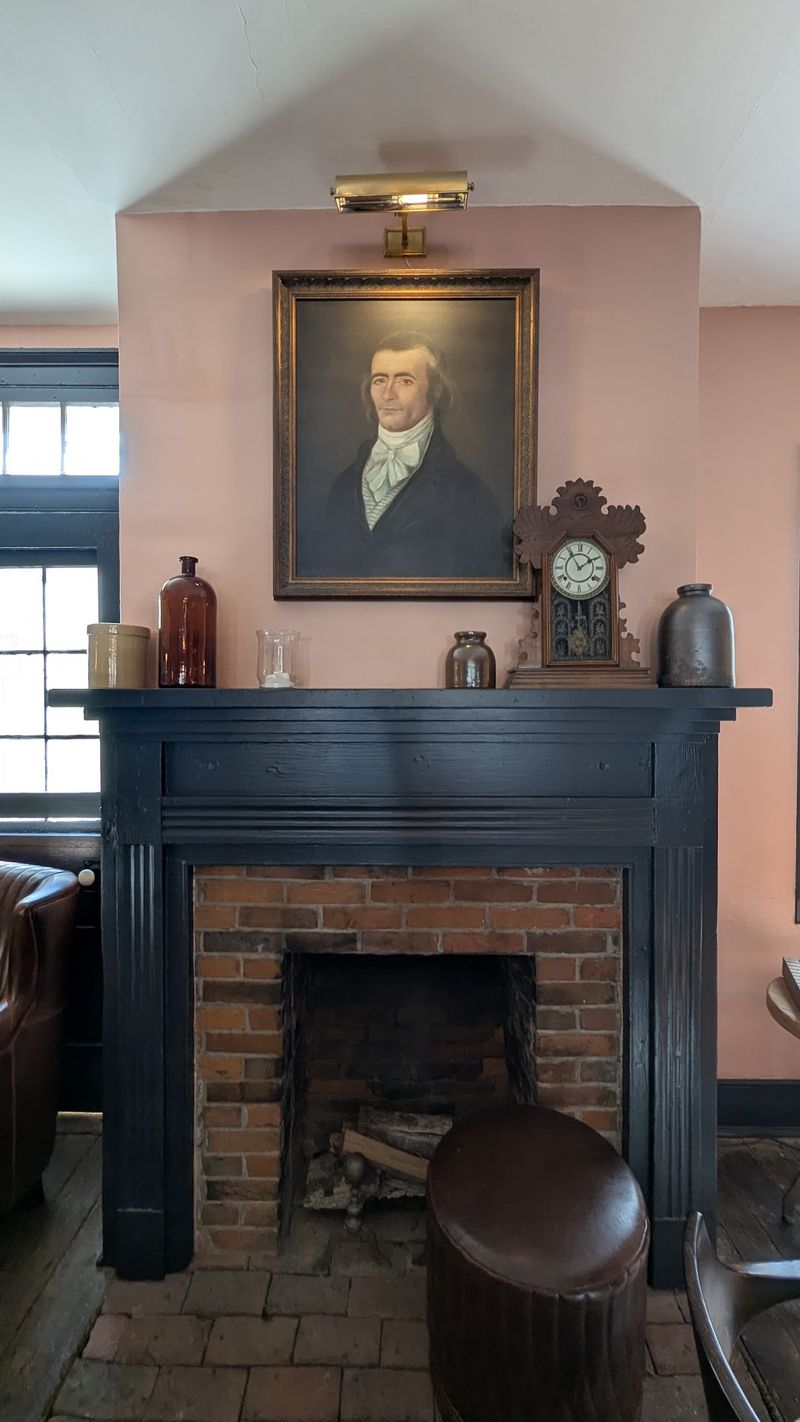
One of the surprises is that the inside does not blur into a dining room. J.
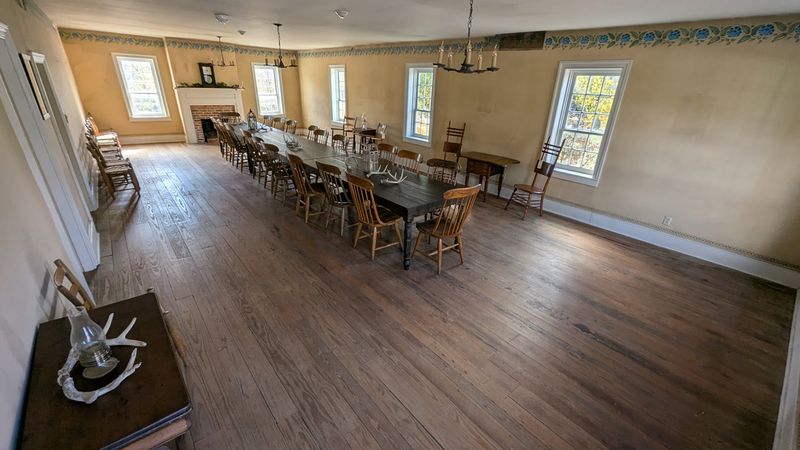
Huston Tavern includes spaces like the Sappington Parlor, the Huston Room, and the Bingham Room, each with its mood.
Different rooms change how a meal feels, and that matters more than people sometimes expect. A parlor suggests something cozy, another room may feel a little more formal, and together they keep the visit interesting.
You are not just choosing food here, you are also choosing the angle from which you experience the building. That detail can make repeat visits feel fresh because the tavern reveals itself in different ways.
Rustic charm gets mentioned often, and for once that phrase actually fits what you see. The rooms feel worn in rather than polished up, which helps you settle in without worrying about being too careful.
I love that the names of the rooms sound tied to real people instead of clever branding. That connection nudges you to imagine conversations, celebrations, and everyday meals that have unfolded within those walls.
Take a second to notice which room you are in before the food arrives, because it adds a texture to the meal. Missouri history can feel abstract in books, but here it surrounds your table.
More Than A Tavern Alone
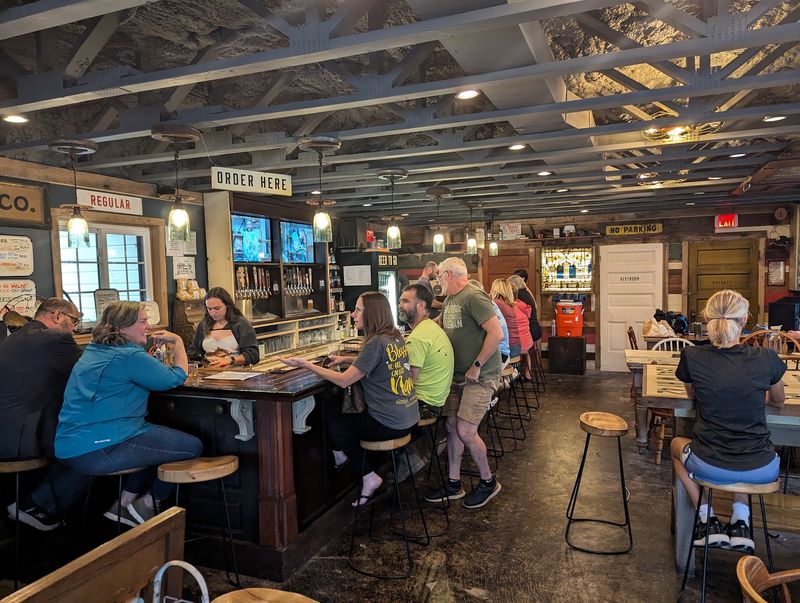
Not every old tavern can say it grew along with the town around it, but this one did. A mercantile space was added later, and that layer makes the building feel more like a crossroads.
Sometimes you can picture neighbors coming through for goods, news, and a meal in the same stop. That mixed purpose gives the tavern a grounded feeling as if it has always belonged to community life.
Some sources call the mercantile area the Tap Room, which hints at how the building changed over time. I like the detail because it reminds you the place was never meant to be frozen in role.
Current reopening plans also include a provisions store, and that feels completely in character for the site. Instead of adding something random, the idea matches the tavern’s long habit of serving both travelers and neighbors.
When a historic place keeps finding practical ways to stay useful, I trust it a more. You can sense that spirit here, where food, memory, and everyday needs have been tied together for a time.
That broader story makes the tavern feel richer than a restaurant alone, because it carried several jobs at once. In Missouri, the places that last often do so by staying connected to real local life.
Dinner Before The Curtain
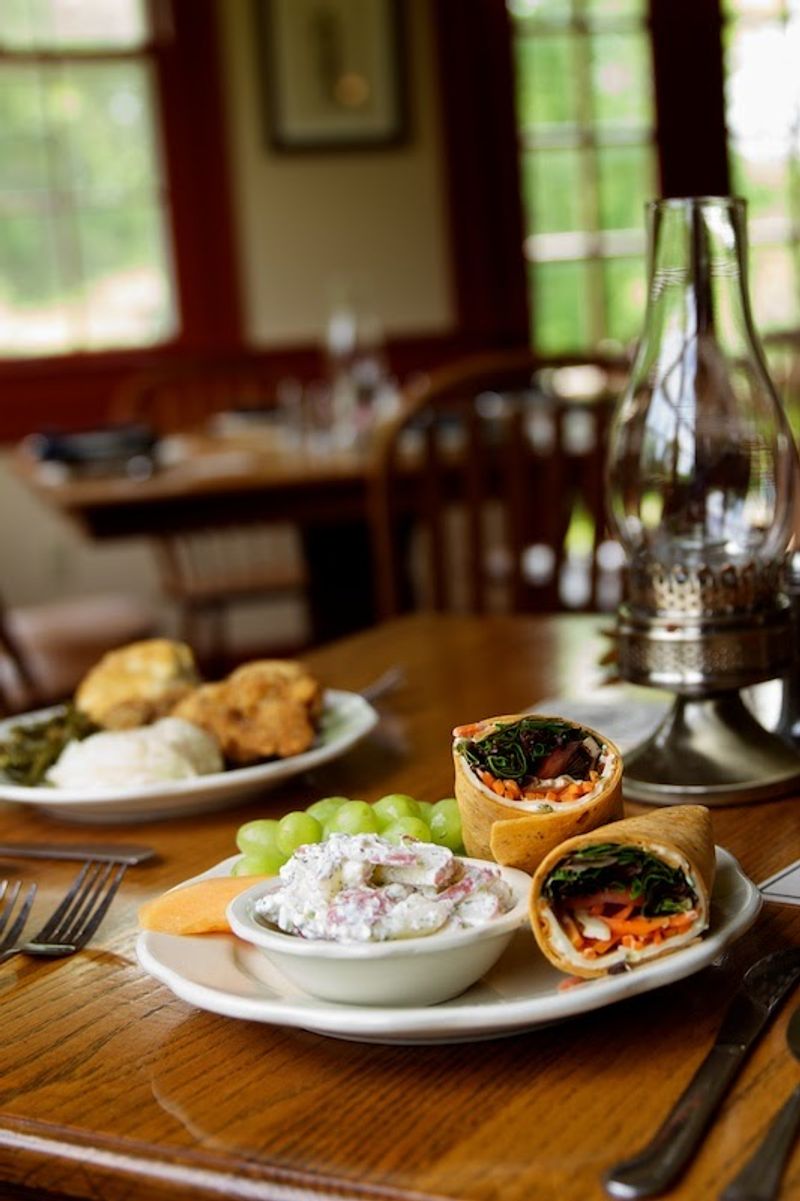
One thing I love about Arrow Rock is how naturally the tavern fits into a outing. Many people stop in for fried chicken before a show at the Lyceum Theatre, and that tradition feels sensible.
A meal before live theater has its kind of charm, especially in a town where both experiences feel rooted in place. You are not racing from one stop to another, which makes the plan feel calmer.
Even if you are not seeing a performance, it helps to know the tavern lives within a cultural rhythm. Dinner here has long been connected with an evening out, and that gives the place warmth.
I always appreciate restaurants that feel woven into town life instead of standing apart from it. The connection to the theater shows how J.
Huston Tavern still functions as part of Arrow Rock’s social routine.
That kind of pattern tells you something useful as a visitor, because locals trust the restaurant to anchor plans. When a place keeps showing up in real traditions, you know it is more than scenery.
Build your visit around whatever else you want to do in town, because the meal works as part of a memory. Missouri trips feel better when food and culture happen together on the same block.
Official History, Everyday Meal
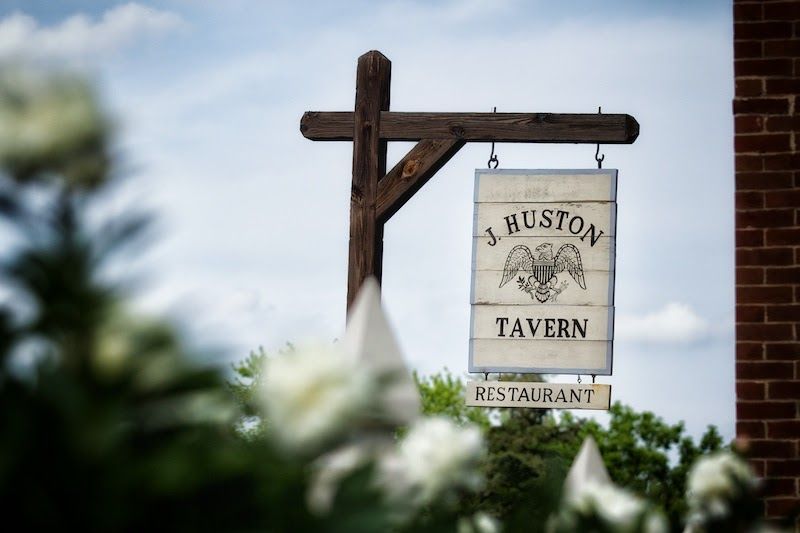
There is a difference between local affection and official recognition, and J. Huston Tavern has both.
The tavern sits within a state historic site and is listed on the National Register of Historic Places too.
Normally, that kind of designation can feel distant or bureaucratic, but here it simply confirms what you already sense. The building matters, the setting matters, and the restaurant remains part of the reason people come.
For travelers, that recognition can be helpful because it tells you the history is documented and valued. You are not relying on a tall tale passed around a gift shop, which honestly feels refreshing today.
I also think the official status adds weight without draining the personality from the experience. Some historic sites can feel overly managed, while this tavern still lets you enjoy the pleasure of sitting for food.
Because the tavern is both important and approachable, it avoids the museum problem many old places run into. You learn something by accident, which is often the way to connect with history in real life.
That blend of importance and ease is hard to fake, and you notice it quickly here. Missouri has famous historic spots, but few let you take in the significance while passing biscuits across the table.
The Timeless Part You Feel
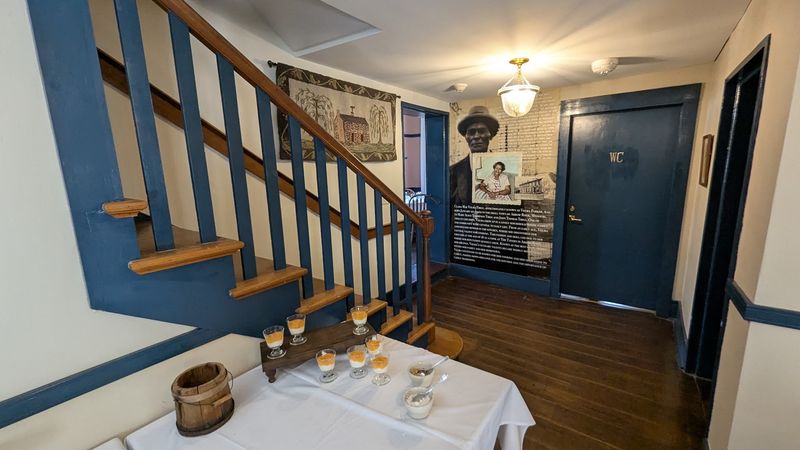
What stays with me most is not one room or one plate, but the calm the place creates. J.
Huston Tavern feels timeless because it never pushes the feeling, and that is why it works.
Some restaurants lean so hard on their past that you end up admiring them more than enjoying them. Here, the old brick, familiar rooms, and routine make the experience feel comfortable before it feels impressive.
That is probably the secret of the tavern, if you ask me. It lets history sit beside supper without turning the meal into a lesson, and people of many ages can understand the comfort easily.
You may come for the fried chicken or the old building, yet the feeling is what lingers later. Once you leave Arrow Rock, the memory tends to return in flashes, like lamplight, brick, and conversation.
I think that is why people recommend the tavern with such affection instead of checking it off a list. The place does what restaurants are supposed to do, which is feed people and hold stories.
If you make the trip, go ready to notice the quiet details as much as the meal itself. In Missouri, timeless places are rare, and this one earns that word in a simple, human way.
