The gravel road seemed to go nowhere, and I almost turned the car around twice. Then a plain little building appeared, with a hand-painted sign and a porch that smelled like warm cinnamon from the parking lot.
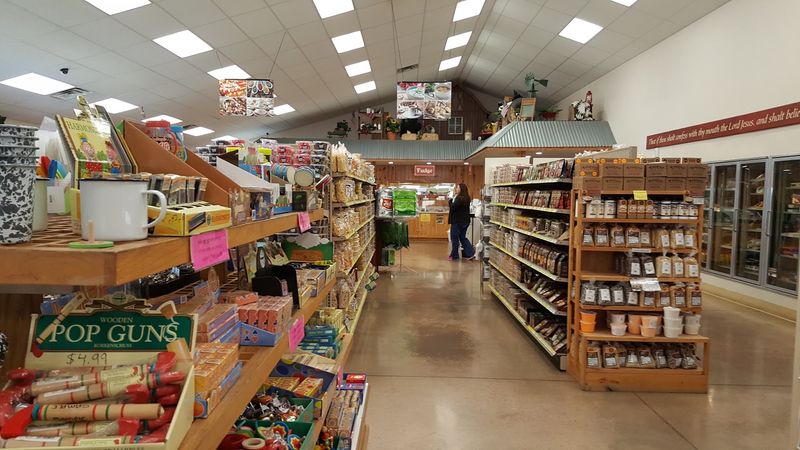
Inside, shelves stretched from wall to wall with pies, jams, candies, and breads made the old-fashioned way, all tucked into a quiet corner of Oklahoma. If you love simple food made by careful hands, this is the kind of stop that turns a Saturday drive into a family tradition.
1. The Back-Road Drive That Sets the Mood
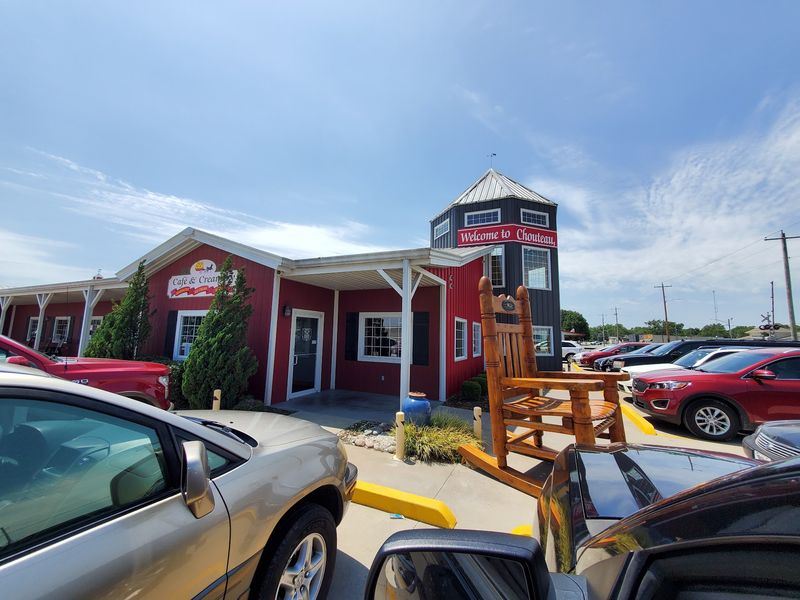
Half the fun starts before you ever open the shop door. Oklahoma Amish communities are spread across quiet corners of the state, including Chouteau in Mayes County, Clarita in Coal County, and newer settlements near Welch and Westville.
Getting there usually means leaving the highway behind. Paved roads turn into county lanes, cell signal gets spotty, and you might share the shoulder with a horse-drawn buggy.
Slow down and give those buggies plenty of room, since they move at a trot and families use them for everyday errands.
For folks in Tulsa, many of these communities sit roughly an hour or so away, which makes an easy morning outing. Oklahoma City travelers can expect a longer haul, often two to three hours depending on the destination, so packing snacks and a cooler is smart.
Yes, a cooler. You will want it for the ride home.
Spring and fall tend to be the most pleasant seasons for the trip, with wildflowers or changing leaves along the way. Summer heat and storm season can make back roads tricky, so check the forecast before you leave.
A paper map or downloaded directions may save you from a wrong turn onto a dead-end farm lane, which happens more than people admit.
2. Fried Pies Worth the Mileage
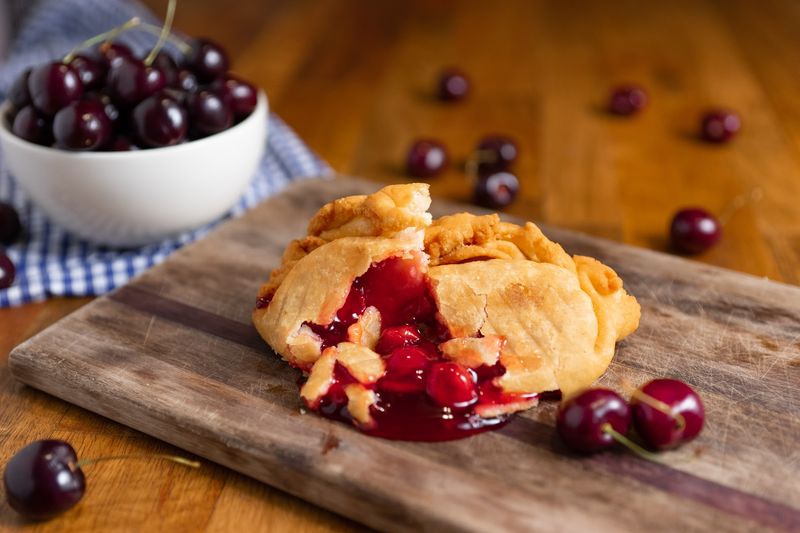
Grandma probably made these, and if she did, you already know the magic. Fried pies are a Southern and Midwestern classic, and Amish bakers in Oklahoma keep them coming by the tray.
Each one is a half-moon of dough folded over fruit filling, crimped along the edge with a fork, then fried until the crust turns golden and blistered. Common flavors often include apple, peach, cherry, apricot, and blackberry.
Some shops also offer chocolate or coconut cream versions, which disappear quickly on busy Saturdays.
Here is the practical part. Fried pies travel beautifully, which makes them the ideal road snack for the drive back to Tulsa, Muskogee, or Broken Arrow.
They usually cost just a few dollars each, though prices can shift, so a mixed half-dozen is a cheap way to sample several fillings without committing to a whole pie.
Kids tend to love them because they can be eaten by hand with zero plates required. Adults tend to love them because they taste like somebody’s kitchen from 1965.
Grab extras. Arriving home empty-handed after telling relatives where you went is a mistake you only make once, and nobody in the family lets you forget it.
3. Whole Pies for the Family Table
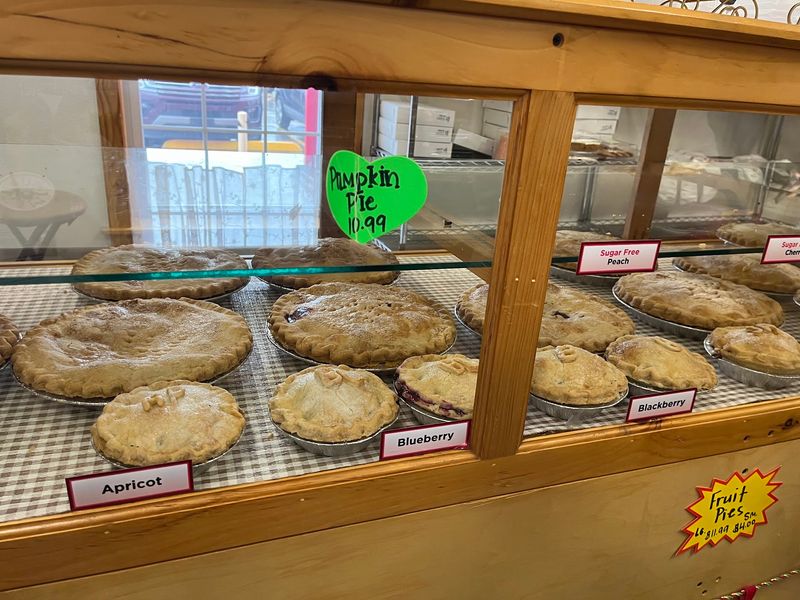
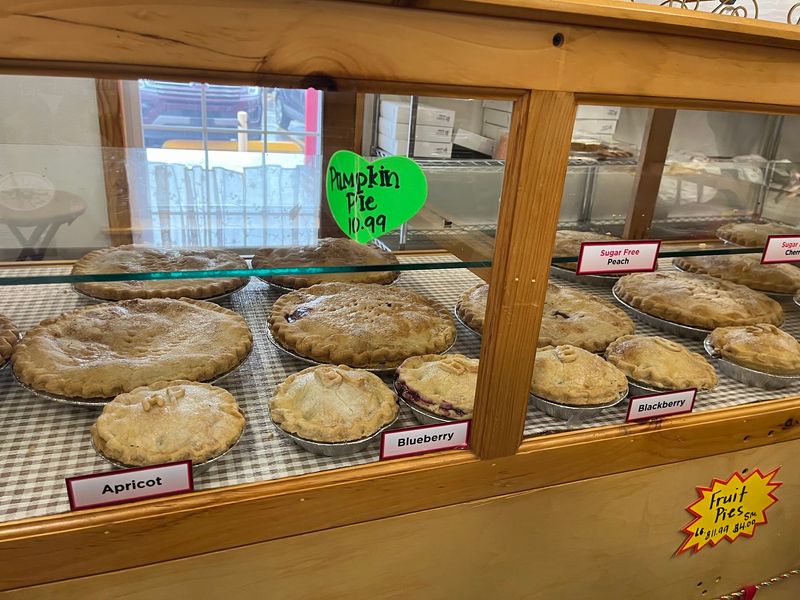
Picture a Sunday dinner where the dessert steals the show before anyone touches the roast. Whole pies are one of the biggest draws at Oklahoma Amish stores, and the selection can be surprisingly wide for such a modest building.
Look for fruit pies with lattice tops, cream pies piled with meringue, pecan pies thick with filling, and sometimes regional oddities like shoofly pie. Shoofly pie comes from Pennsylvania Dutch kitchens and uses molasses for a gooey, cake-like layer.
Fun fact: the name is often said to come from the flies that were drawn to the sweet molasses cooling on windowsills.
Crusts are the real test of any baker, and Amish pie crusts often use lard or butter for a tender, flaky bite. They taste homemade because they are homemade, usually baked in small batches rather than shipped in from a factory.
Pricing varies by filling and size, but whole pies at these stores generally land well below fancy bakery prices. Call ahead around holidays if possible, since Thanksgiving and Christmas weeks can clear out the pie shelf fast.
Otherwise, showing up earlier in the day may give you the best pick of flavors before the crowds arrive.
4. A Wall of Jams, Jellies and Fruit Butters
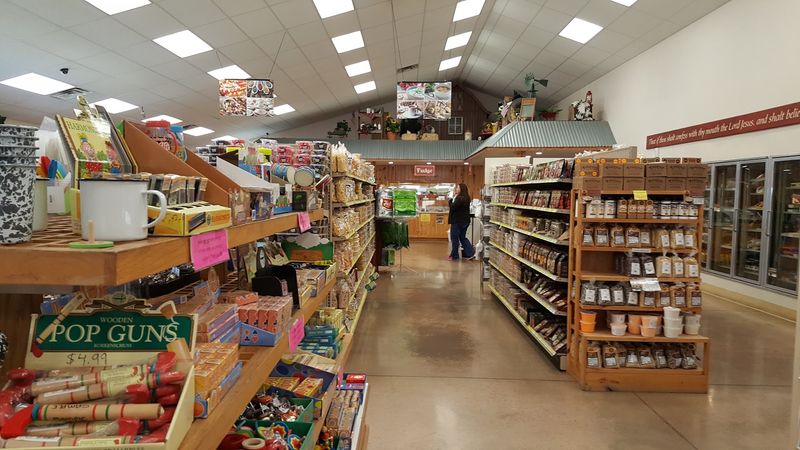
Colors hit you first. Deep purple blackberry, glowing orange peach, ruby strawberry, and amber apple butter line the shelves like a stained-glass window made of fruit.
Jars of jam, jelly, preserves, and fruit butter make up a huge chunk of the 175-plus treats found at these stores. Flavors can range from familiar favorites to playful combinations like apple pie jam, strawberry rhubarb, hot pepper jelly, and pear butter.
Some shops even carry sugar-free versions for shoppers watching their sweets.
What is the difference, anyway? Jelly uses only fruit juice, so it spreads smooth and clear.
Jam uses crushed fruit, preserves keep bigger chunks, and fruit butter is cooked low and slow until it turns thick and spreadable with no actual butter involved.
Jars are usually priced in the budget-friendly range, often a handful of dollars each, making them easy gifts for teachers, neighbors, or that aunt who has everything. Mixing and matching a few flavors is half the fun.
Pepper jelly poured over cream cheese makes a crowd-pleasing snack for game day, while apple butter on warm biscuits turns an ordinary breakfast into something folks talk about all week long.
5. Fudge, Brittle and Old-Time Candies
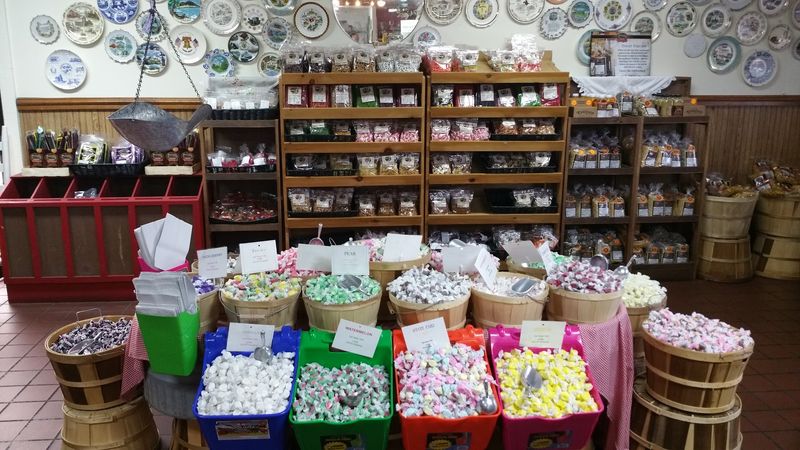
Warning: the candy aisle has ruined many a diet plan. Shoppers who swear they will just look often leave with a paper sack of fudge and a slightly guilty grin.
Fudge tends to be the headliner, with flavors like classic chocolate, peanut butter, maple nut, and seasonal twists around the holidays. Next to the fudge, you might spot peanut brittle, chocolate-covered pretzels, caramels, and bins of old-fashioned hard candies.
Some of those hard candies look exactly like the ones kids once bought for a penny at the general store.
Candy counters are a big hit with grandkids, and grandparents often enjoy them just as much for the memories. Letting children pick a small bag of their own is an easy way to keep them happy during the shopping trip.
Just maybe hand out the treats after lunch.
Prices are usually reasonable, often sold by the piece or by weight. Fudge keeps well for a road trip if it stays out of a hot car, so tuck it into your cooler during Oklahoma summers.
Homemade brittle also makes a thoughtful gift, especially wrapped in simple paper with a ribbon, and it holds up nicely when mailed to relatives out of state.
6. Fresh Breads and Cinnamon Rolls
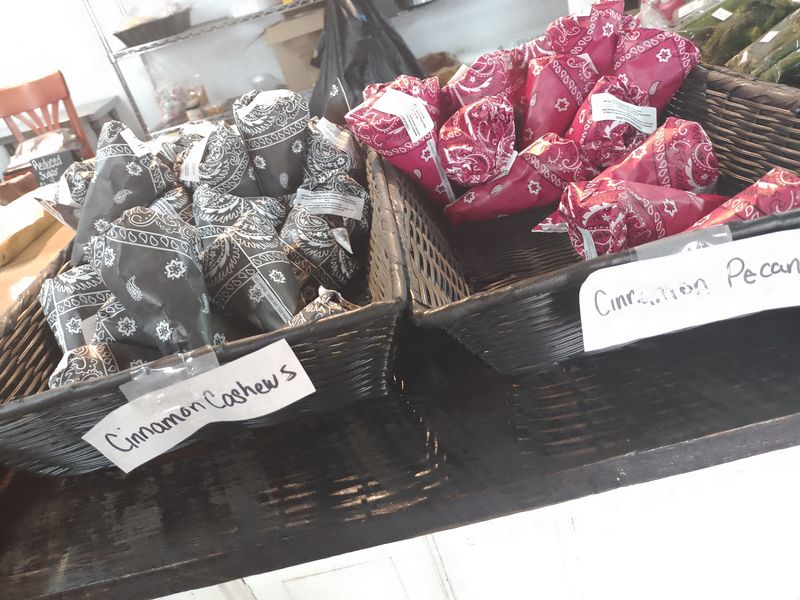
Nothing announces a good bakery like the smell of yeast rising somewhere behind the counter. Bread lovers will find plenty to fill a basket at Oklahoma Amish stores, where loaves are often baked the same morning.
Classic white sandwich bread is a staple, soft and slightly sweet, perfect for bologna sandwiches or thick slices of toast. Beyond the basics, shelves may hold wheat bread, cinnamon swirl loaves, sourdough, dinner rolls, and sweet breads like zucchini or banana.
Then come the cinnamon rolls, often as big as a saucer and dripping with glaze.
Bread goes fast. Morning shoppers generally get the widest selection, while afternoon visitors may find only a few loaves left on the rack, especially on Saturdays.
If a certain bread is a must, calling ahead could help.
Homemade bread usually lacks the preservatives found in store brands, so plan to eat it within a few days or freeze extra loaves. Sliced and frozen, it toasts up nicely for weeks.
Pair a loaf with a jar of apple butter from the jam shelf and you have breakfast handled for the week, all for less than a fast-food drive-thru run.
7. Cheeses, Butter and Pantry Staples
Smart shoppers save room in the cart for the cold case. Beyond sweets, Amish stores are packed with everyday staples that can stock a kitchen for weeks.
Blocks of cheese are a big draw, including cheddar, colby, Swiss, pepper jack, and flavored varieties like garlic or dill. Rolls of creamy homemade butter often sit nearby, along with summer sausage, bologna, and other cured meats that make an easy picnic.
Put them together with fresh bread and you have lunch sorted at the next roadside park.
Canned goods fill another section. Look for pickled beets, bread-and-butter pickles, chow chow relish, canned peaches, salsa, and seasoned vegetables.
Many stores also carry bulk items like flour, baking mixes, noodles, spices, and dried beans, often at friendly prices compared with big grocery chains.
Bulk bins can be a real money saver for families who bake. Buying spices by the bag instead of the tiny jar often costs noticeably less.
Bring a cooler with ice packs if you plan to buy cheese, butter, or meat, especially when summer heat pushes past 95 degrees. A long drive home in a hot trunk is no friend to soft cheese.
8. Planning Your Visit Like a Local
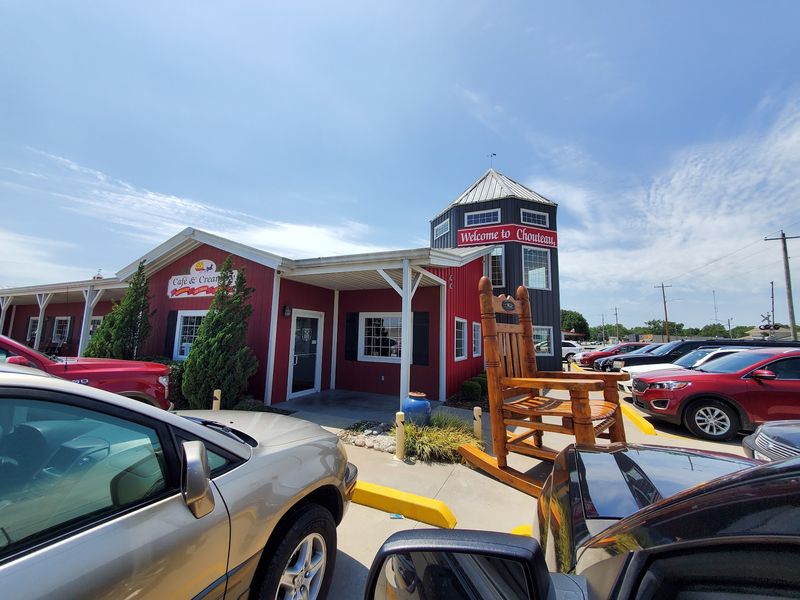
Timing matters more here than at a typical shop. Many Amish businesses in Oklahoma keep hours around 9 a.m. to 6 p.m. on weekdays and close a little earlier on Saturdays, and nearly all stay closed on Sundays for worship and rest.
Hours can change with seasons and holidays, so double-check before heading out. Some stores do not have phones inside, and others may not post updates online, which is part of their plain lifestyle.
Bringing cash is wise, since not every shop takes cards.
Respect goes a long way. Many Amish folks prefer not to be photographed, so ask before snapping pictures of people, and focus your camera on the pies instead.
Modest, friendly behavior makes the whole visit more pleasant for everyone.
Families will feel right at home. Stores are usually quiet, kid-friendly, and easy to browse, and gravel lots typically offer plenty of parking.
Pair the trip with a nearby lake, a small-town diner, or an antique mall to round out the day. With 175 treats to choose from, going back for a second visit is almost guaranteed, and nobody will blame you for starting a pie tradition.
