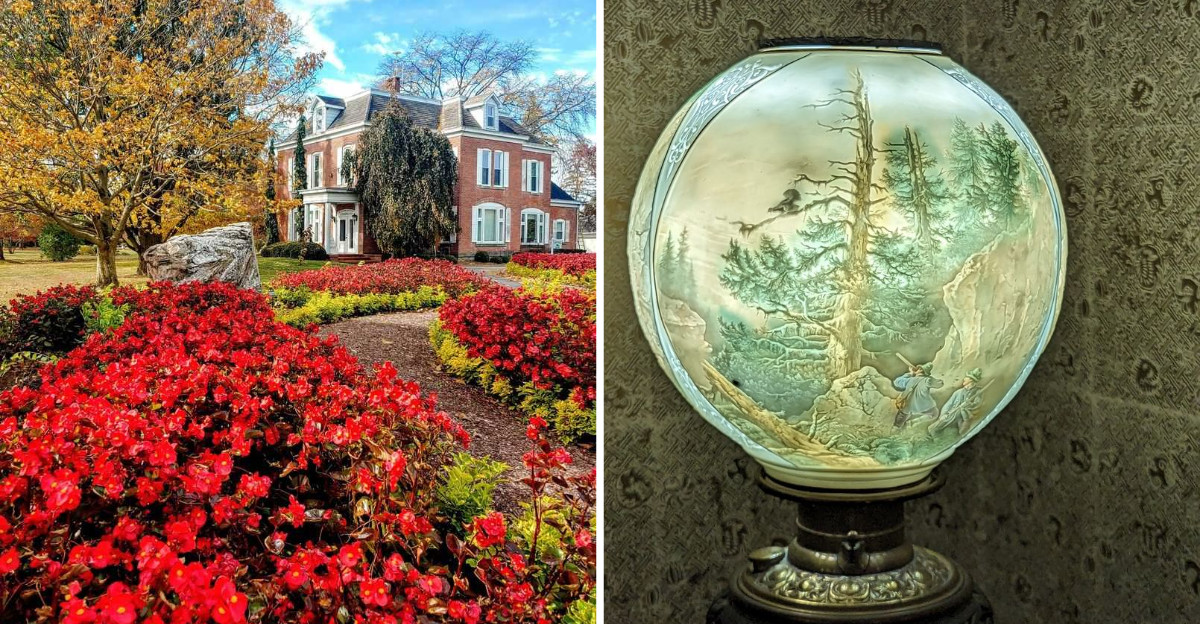
Porcelain plaques that look plain until a lamp switches on behind them are not something you expect to find in a small Ohio town. I had wandered into a museum expecting a quiet garden stroll and found one of the strangest, most beautiful collections I have ever stepped inside.
A whole forest scene appeared out of thin air, with shadows, depth, and faces I could not see a second earlier. That single moment sold me completely.
The museum holds more than 2,300 of these glowing porcelain pictures, which makes it the largest collection of its kind anywhere in the world. I spent the next hour wandering room to room in a state of quiet amazement, watching landscapes and portraits emerge from what had looked like blank white squares.
Places that feel like a secret are worth seeking out, and this one belongs on any Ohio list.
Porcelain That Keeps Its Pictures Hidden
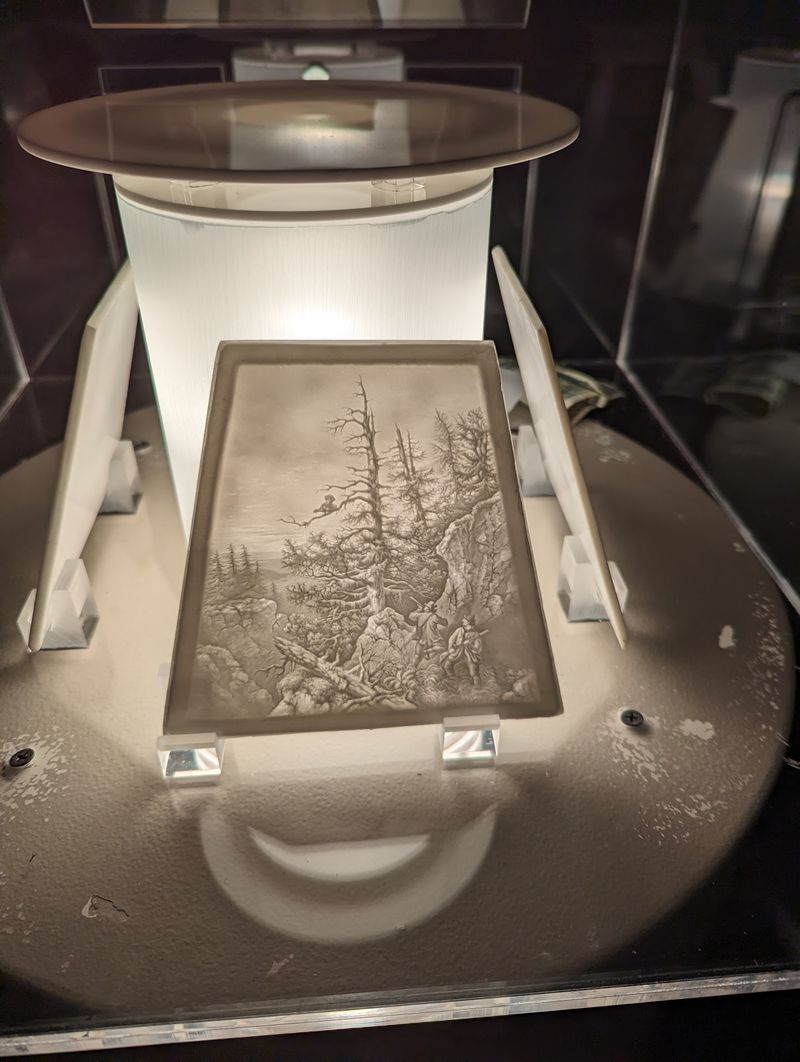
The first thing that surprised me was how ordinary the porcelain looks when the light is off. A lithophane sits there like a blank tile, maybe a little cloudy, with faint ripples across the surface.
Then the bulb comes on behind it and everything changes.
What makes the trick work is thickness. Artists carved a wax model so some areas were paper thin and others were thicker, then used that model to shape the porcelain.
Thin spots let plenty of light through and read as bright highlights, while thick spots block light and turn into deep shadow.
Because the image is built from real depth rather than paint, you get shading that feels almost photographic. I kept leaning in to check whether someone had printed the picture on.
Nothing is printed at all.
Staff at the museum walk you through the whole process, and honestly that explanation doubled my enjoyment. Once you understand what you are looking at, every piece becomes a small puzzle of light and mass.
Bring your curiosity and ask questions here. The people working in these rooms clearly love the subject, and they will happily show you the difference between a thin highlight and a heavy shadow up close.
One Man’s Obsession Built the Whole Collection
Every great collection starts somewhere, and this one traces back to Laurel Gotshall Blair, a Toledo native born in 1909. He came across lithophanes in 1961 at an International Music Box Society meeting and fell for them immediately.
That single encounter turned into a lifelong pursuit.
By 1965 he had opened a private museum inside his own home so visitors could see the pieces lit properly. Imagine turning your house into a gallery because you cannot stop buying translucent porcelain.
I find that kind of single minded devotion weirdly inspiring.
Blair kept hunting and buying for decades, gathering plaques, lamp shades, and steins from Europe and beyond. Before his passing in 1993, he donated everything to the City of Toledo so the collection would stay together and stay public.
Knowing that history changes how the rooms feel. You are not just looking at antiques, you are looking at the results of one person’s stubborn enthusiasm for an art form most people had forgotten.
I left thinking about how many beautiful things survive only because somebody decided to care. Blair cared more than anyone, and this museum exists because of it.
A New Home Inside an 1880s Manor House
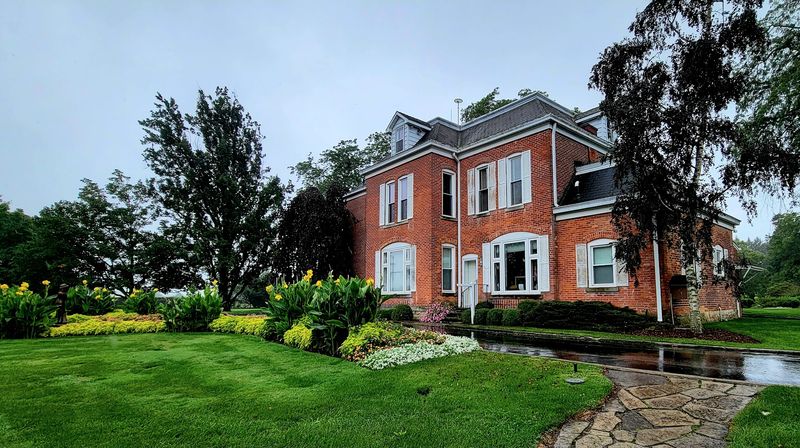
Setting matters, and this museum found a wonderful one. The collection spent years at the Toledo Botanical Garden beginning in 2002, then moved after the City of Toledo donated it to the Schedel Foundation in 2020.
Its current home is a manor house from the 1880s at the Schedel Arboretum & Gardens, renovated to hold and display the porcelain. The museum reopened there on April 1, 2021.
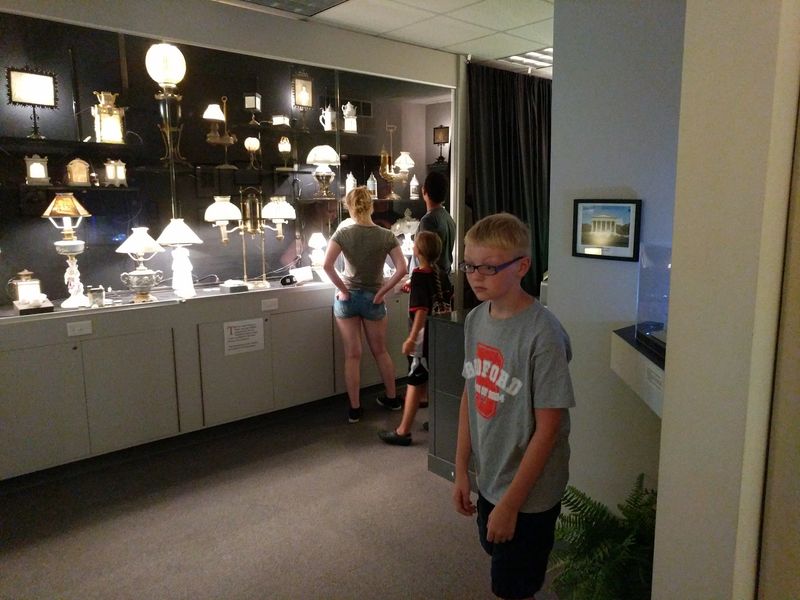
Old houses have a way of slowing your pace, and this one did that to me. Wooden floors, quiet rooms, soft light through the windows, then these glowing plaques arranged along the walls.
The pairing feels right. Lithophanes were made for domestic life, meant to sit in parlors and windows of the 1800s, so seeing them inside a period house rather than a modern white gallery adds something honest.
Practical tip from my visit: the building is intimate, so it never feels crowded with more than a handful of people, but you will want to move slowly and let your eyes adjust between rooms.
Take the time to notice the house itself too. The woodwork and windows are part of the experience, not just a container for the art.
Scenes, Saints, and Everyday Faces
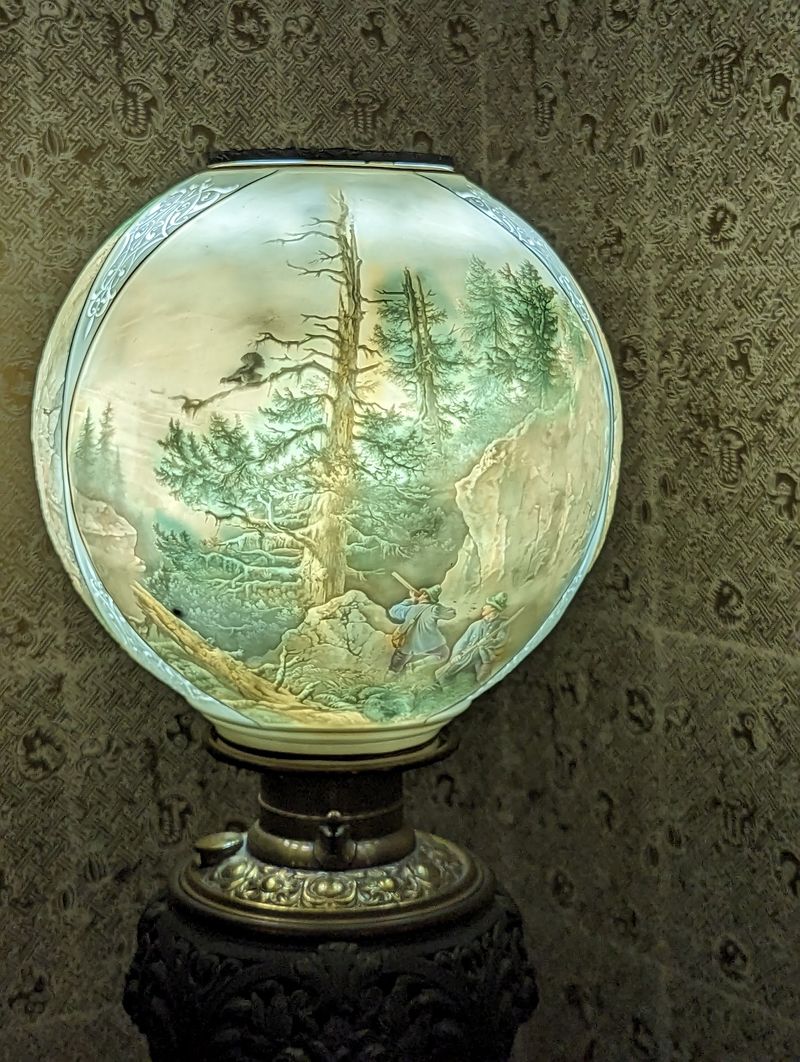
Once I started really looking, the range of subjects caught me off guard. Some plaques show sweeping mountain valleys and castles perched over rivers.
Others zoom all the way in on a single face.
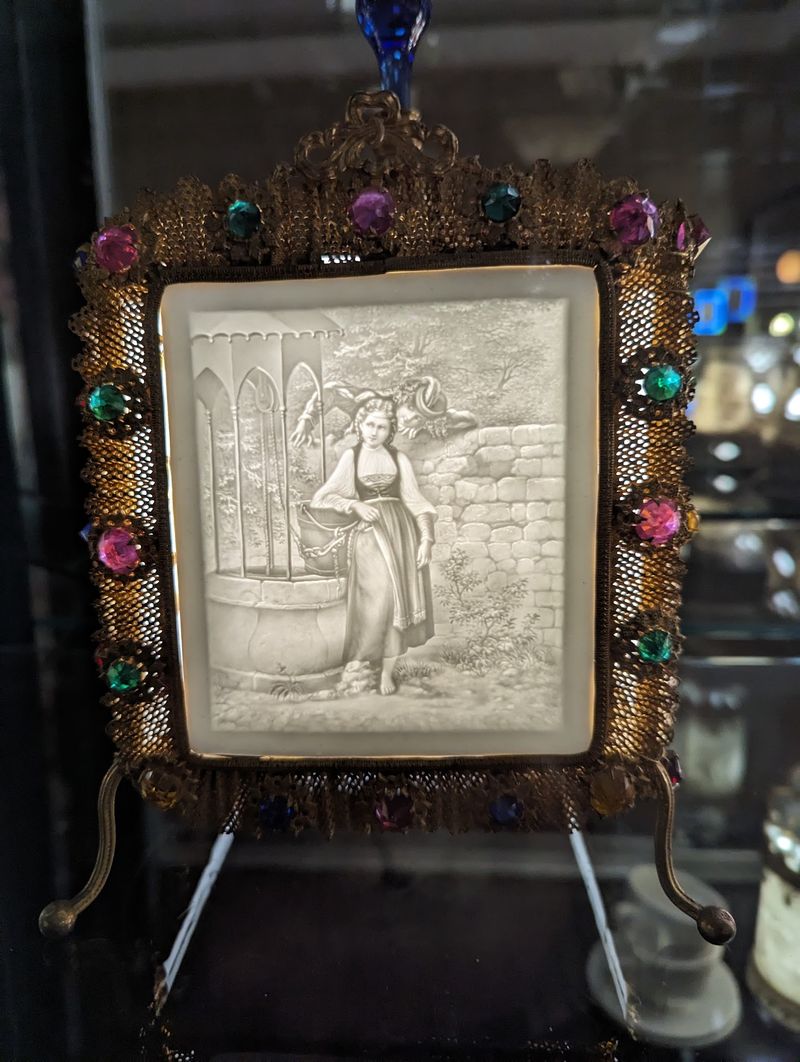
There are religious scenes, copies of famous paintings, portraits of European royalty, children playing, dogs, hunters, and quiet domestic moments that feel oddly modern. It is a snapshot of what people in the 1800s wanted hanging in their homes.
My favorites were the everyday ones. A woman reading by a window or a child leaning on a table feels more surprising in glowing porcelain than any grand landscape does.
Detail levels vary a lot too, which becomes fun to compare. Some pieces are soft and dreamy, while others hold crisp lines in hair, lace, and tree bark that seem impossible in such a thin material.
Because not everything is displayed at once, repeat visitors often see different pieces. One reviewer mentioned planning a return trip for exactly that reason, and I understand the impulse.
Give yourself permission to have favorites. Half the joy here is discovering which images grab you and which ones you walk right past.
Lamps, Shades, and Steins With Secret Pictures
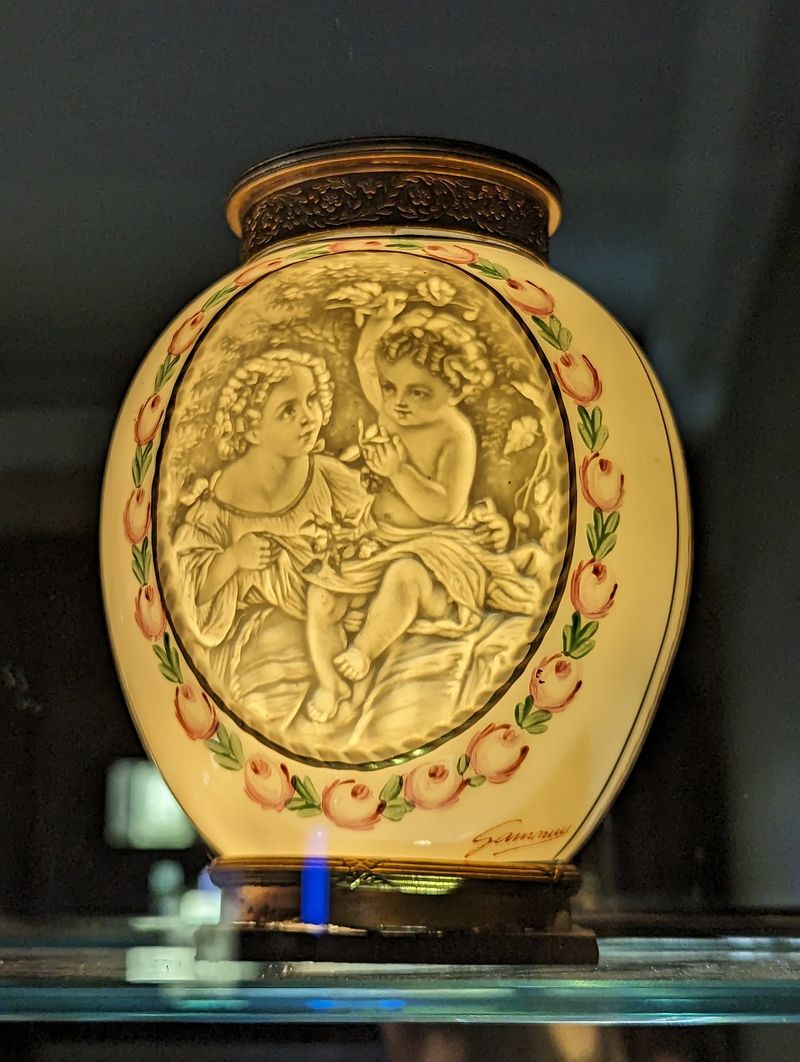
Flat wall plaques are only part of the story. Some of the most charming objects here are the things people actually used, with hidden pictures built right into them.
Lamp shades made of lithophane panels turn a simple light into a rotating gallery. Tea warmers, nightlights, and candle screens do similar work on a smaller scale.
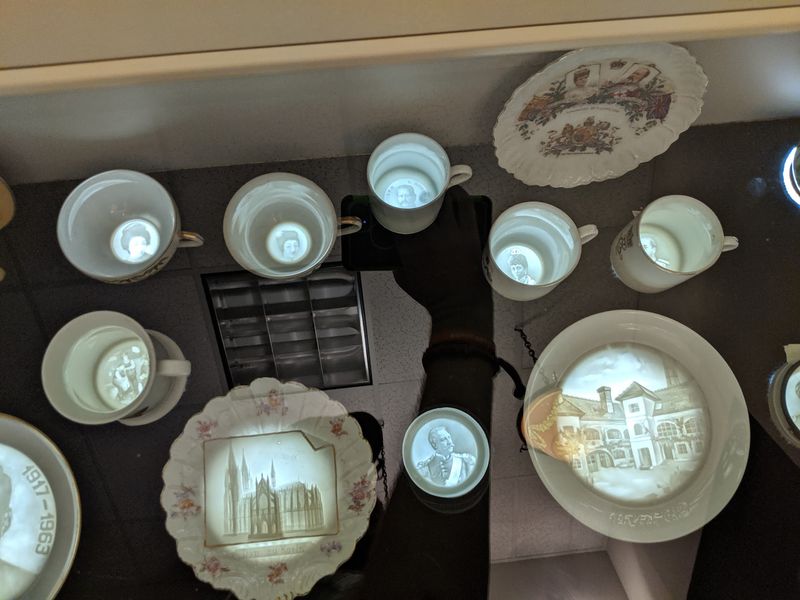
Then there are the porcelain steins with images set into the base. You would lift the vessel, hold it toward a window, and a scene would appear at the bottom.
It is a party trick from two centuries ago, and it still works.
I love how practical it all was. These were not precious untouchable artworks, they were household items designed to surprise guests during an ordinary evening.
Looking at them made me think about how much effort people once put into small delights. No screens, no gadgets, just clever porcelain and a candle.
If you visit with kids old enough to stay gentle around fragile displays, the functional pieces tend to hold their attention best. The idea that a cup can hide a picture lands instantly, no art history required.
A Lost Craft From the 1820s
Lithophanes got their start in Europe during the 1820s, which puts them right at the edge of a changing world. Factories in France, Germany, and England produced them in serious numbers for decades.
Then photography arrived, got cheaper, and changed what people wanted on their walls. Demand for hand carved porcelain pictures faded, and the technique slipped toward obscurity.
That is why so many visitors arrive having never heard the word lithophane. I certainly had not, and I consider myself reasonably nosy about old crafts.
Seeing the technique explained in one place makes the loss feel real. Somebody had to carve each master model by hand, judging thickness by feel and experience, with no way to preview the final glowing image.
Interestingly, the craft has come back around. Modern makers produce lithophanes with 3D printers, and one visitor who works that way said seeing the historic methods was eye opening.
Old technique, new tools, same magic trick. I like that the museum sits at the meeting point of those two eras, quietly proving that a good idea never fully disappears.
Ask about the carving process while you are there. It reframes everything you see afterward.
Gardens Waiting Right Outside the Door

Half the reason this visit felt so good was what surrounds the museum. The Schedel Arboretum & Gardens wraps the manor house in acres of planting, and it is genuinely lovely.
Perennial beds, annual displays, a peony garden, a rose garden, kitchen gardens, and a bonsai collection all sit within easy walking distance. Paths wind between them at a pace that encourages dawdling.
My advice is simple: do the museum first, then go outside. Coming out of those dim rooms into full daylight and color hits differently, almost like the opposite of the lithophane effect.
Families do well here because the grounds welcome children and there is room to move. Very young kids may find the fragile indoor displays harder, so splitting the visit between adults works nicely.
Events happen in the gardens throughout the season, and there is a terrace with garden views where you can sit and rest.
Budget more time than you think you need. I planned an hour and stayed nearly three, mostly because I kept finding another path I had not followed yet.
Planning Your Trip to Elmore
Elmore, Ohio is a small village, which is part of the charm and also something to plan around. The museum keeps limited hours, so checking before you drive out saves disappointment.
Seasons matter here as well, since the gardens shine most from late spring through early fall. I went on a warm afternoon and the combination of glowing porcelain and blooming beds was hard to beat.
Allow two to three hours for a relaxed visit covering both the museum and the grounds. Rushing either one feels like a waste of the drive.
There are restaurants nearby in the village if you want a meal afterward, and the area sits within reasonable reach of Toledo and the Lake Erie shore. Pairing it with other stops makes an easy day trip.
Wear comfortable shoes, because you will be standing on hard floors indoors and walking gravel and grass outside.
Photography of backlit porcelain takes patience, so slow your shutter and be prepared for a few blurry attempts.
Most of all, arrive ready to be surprised by something you had never heard of. That was my experience, and I still think about that first plaque lighting up.
Address: 19255 W Portage River South Rd, Elmore, Ohio
