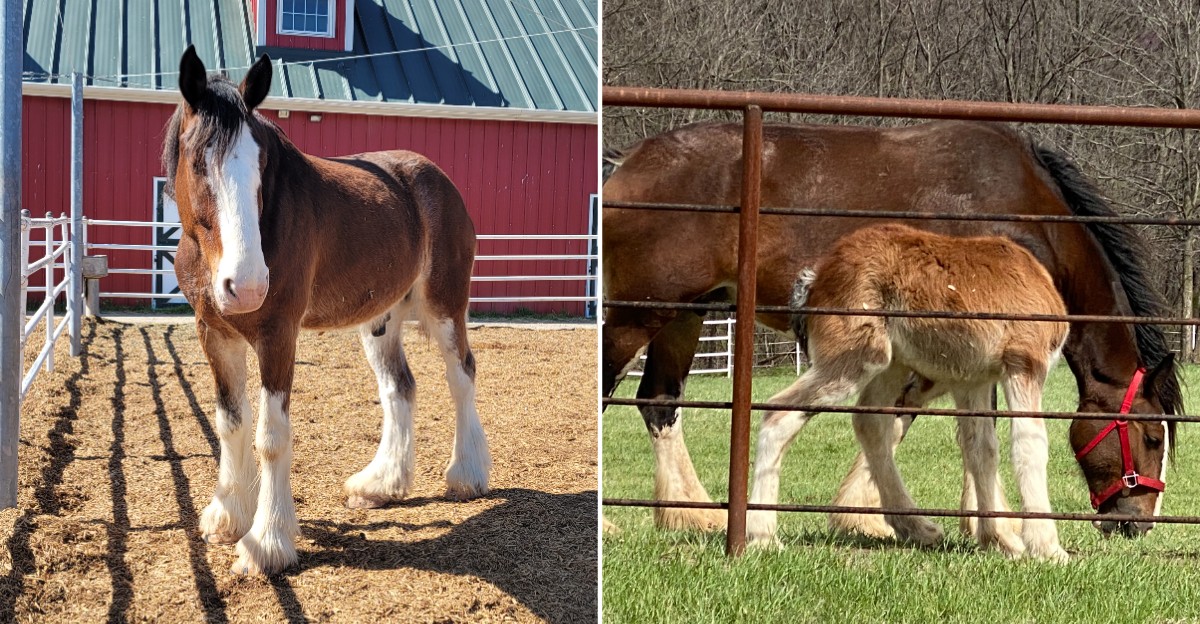
This Missouri ranch gives horse fans a lot more than a quick look over a fence. Visitors can tour the property, learn how the Clydesdales are bred and cared for, and see the barns and pastures where they spend their days.
Foals, mares, and stallions all live here, so the experience changes depending on when you visit. The tours also give you a better sense of how much work goes into raising horses this large, from daily care to training and handling.
There is plenty to take in without the visit feeling rushed or overly formal. Even people who only know Clydesdales from commercials or parades get a much better idea of what these horses are like in a working ranch setting.
It is relaxed, hands-on, and much more personal than seeing them from a distance.
The Official Home Of The Budweiser Clydesdales
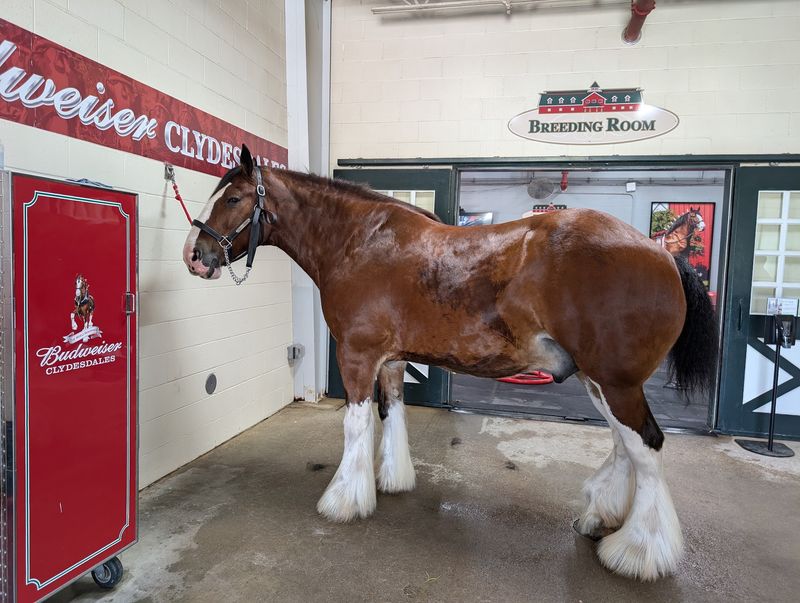
Here is the part that surprised me most when I started reading about it. Warm Springs Ranch is not a petting zoo or a roadside attraction that happened to buy a few big horses, it is the actual breeding and training facility for the Budweiser Clydesdales.
That means the horses you have watched pulling the red wagon in commercials very likely started their lives right here in Missouri. The whole operation exists to raise, care for, and prepare these animals for their working lives as traveling ambassadors.
Knowing that changes how the visit feels, because you are not just looking at pretty horses standing in a field. You are standing in the place where the entire tradition is quietly kept going, one foal at a time.
The staff handle everything from foaling to early handling to the training that eventually shapes a hitch horse. It is a working ranch first and a visitor destination second, which honestly makes it more interesting rather than less.
If you have ever wondered where iconic animals actually come from, this answers the question in the most direct way possible. You get to see the source instead of the finished performance, and that is a rare thing to experience.
Finding The Ranch In The Heart Of Missouri
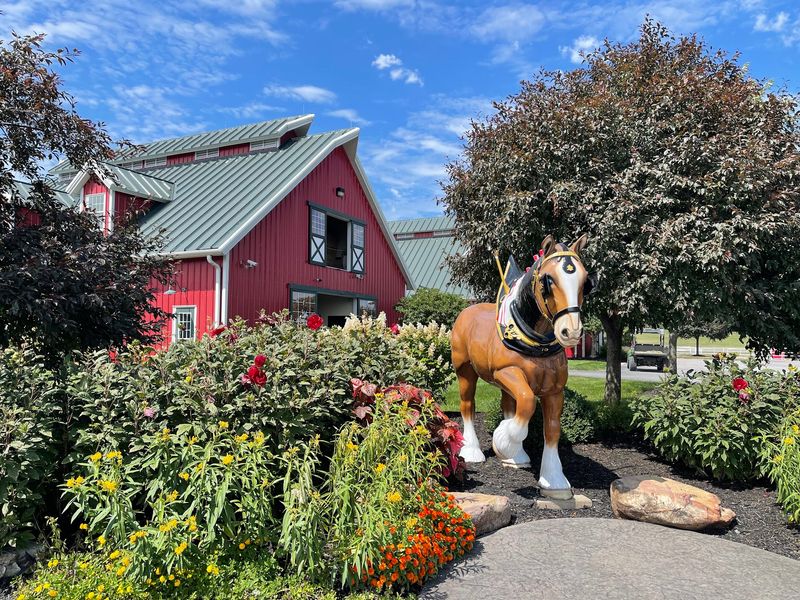
Getting there is half the fun, because the drive winds through farmland and gentle hills before the fences start appearing. You will find the ranch at 25270 S Hwy 98, Boonville, MO 65233, sitting on a property that stretches across more than three hundred acres of grass and rolling terrain.
The location puts it within easy reach if you are traveling between Kansas City and St. Louis, so it slots into a bigger trip without much effort. Boonville itself is a small river town with plenty of character, which makes the whole outing feel like a proper day rather than a quick detour.
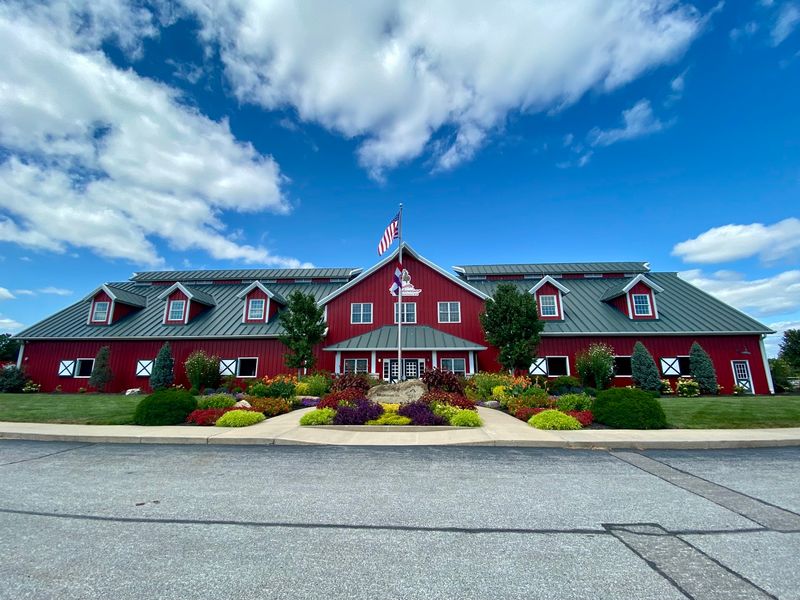
The grounds include a mare and stallion barn, a veterinary lab, and a series of large pastures spread across the land. Each pasture comes with its own walk in shelter built specifically for horses of this size.
You notice pretty quickly that everything on the property was designed around the animals rather than around visitors. The fences are taller, the barn doorways are wider, and the pastures are enormous.
Once you turn off the highway and see those white fences stretching out, it really does feel like you have arrived somewhere special in Missouri.
Seventy Plus Horses Under One Roof
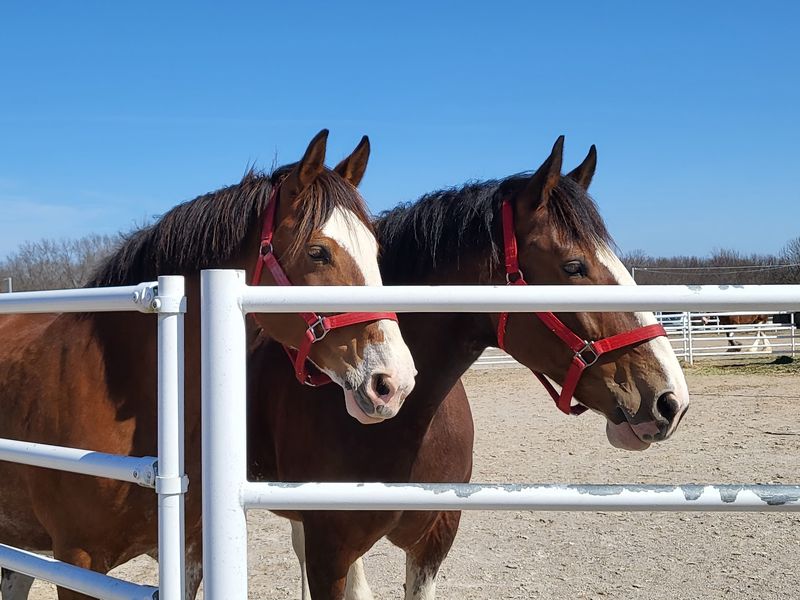
Ever tried to picture seventy horses in one place, all of them the size of small cars? The number sounds abstract until you are actually standing there looking at pasture after pasture filled with them.
The herd includes everything from newborn foals still figuring out their legs to mature stallions that carry themselves like they know exactly how impressive they are. Mares, young horses in training, and retired hitch members all share the property.
What makes the scale so striking is the variety of ages you see at once. You can watch a foal bounce around a field and then look over at a fully grown adult and immediately understand how much growing is still ahead.
The pastures are spread out enough that different groups get their own space, which keeps things calm and orderly. It also means you are not squinting at a crowded paddock trying to pick out individual animals.
Photographers tend to lose their minds a little at places like this, and I get why. Between the white fencing, the green hills, and dozens of enormous horses moving around, almost every direction you turn gives you something worth capturing on camera.
Getting Close Enough To Really See Them
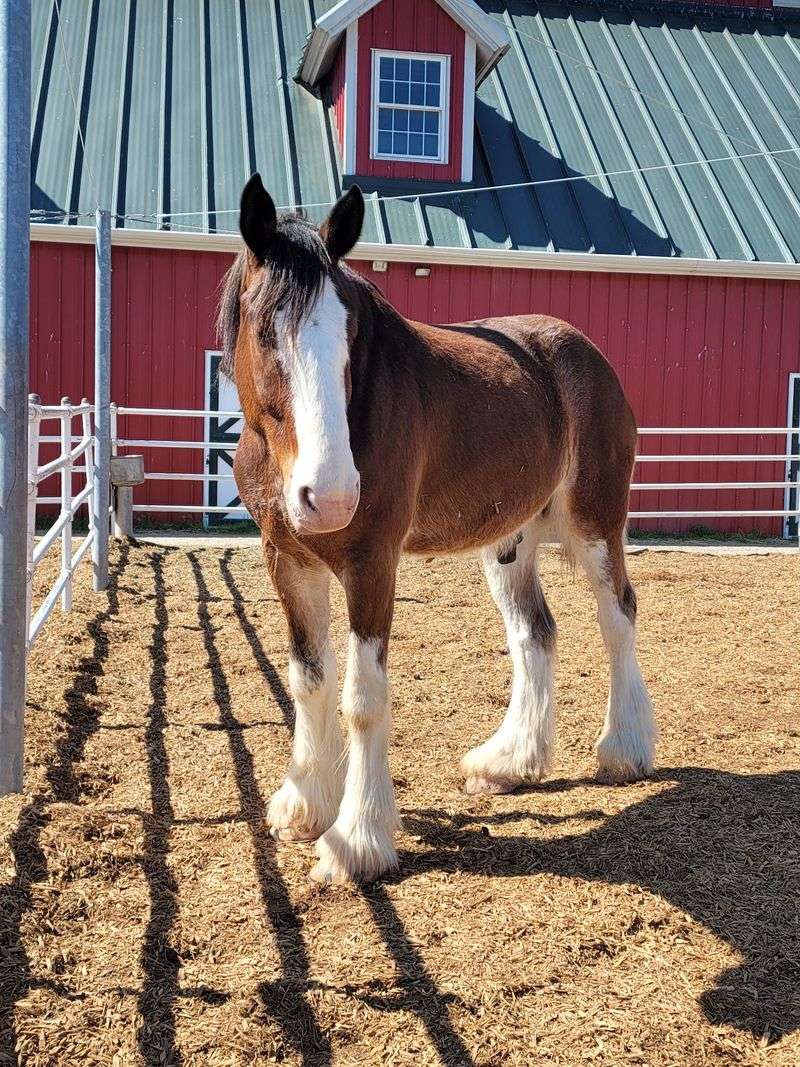
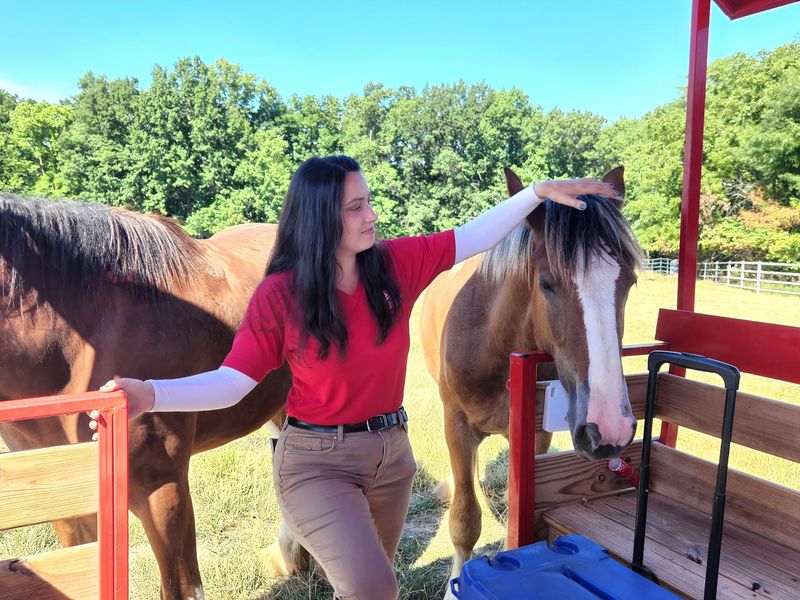
Television does these horses absolutely no favors, and you realize that the moment one is standing a few feet away from you. The tours are built so that visitors actually get near the animals rather than watching them from across a field with binoculars.
Several tour options exist depending on how much time you want to spend and how in depth you want to go. All of them include time with the horses, which is really the whole point of making the drive.
Standing next to a Clydesdale is one of those experiences that resets your sense of scale permanently. Your head lands somewhere around the middle of their body, and that is before you account for the arch of the neck.
The horses raised here are handled from a young age, so they are accustomed to people moving around them calmly. That familiarity is what makes the close contact possible in the first place.
Bring a camera, wear shoes you do not mind getting dusty, and give yourself permission to just stand there staring for a minute. Everybody does it, and honestly it would be strange not to.
Hooves The Size Of Dinner Plates
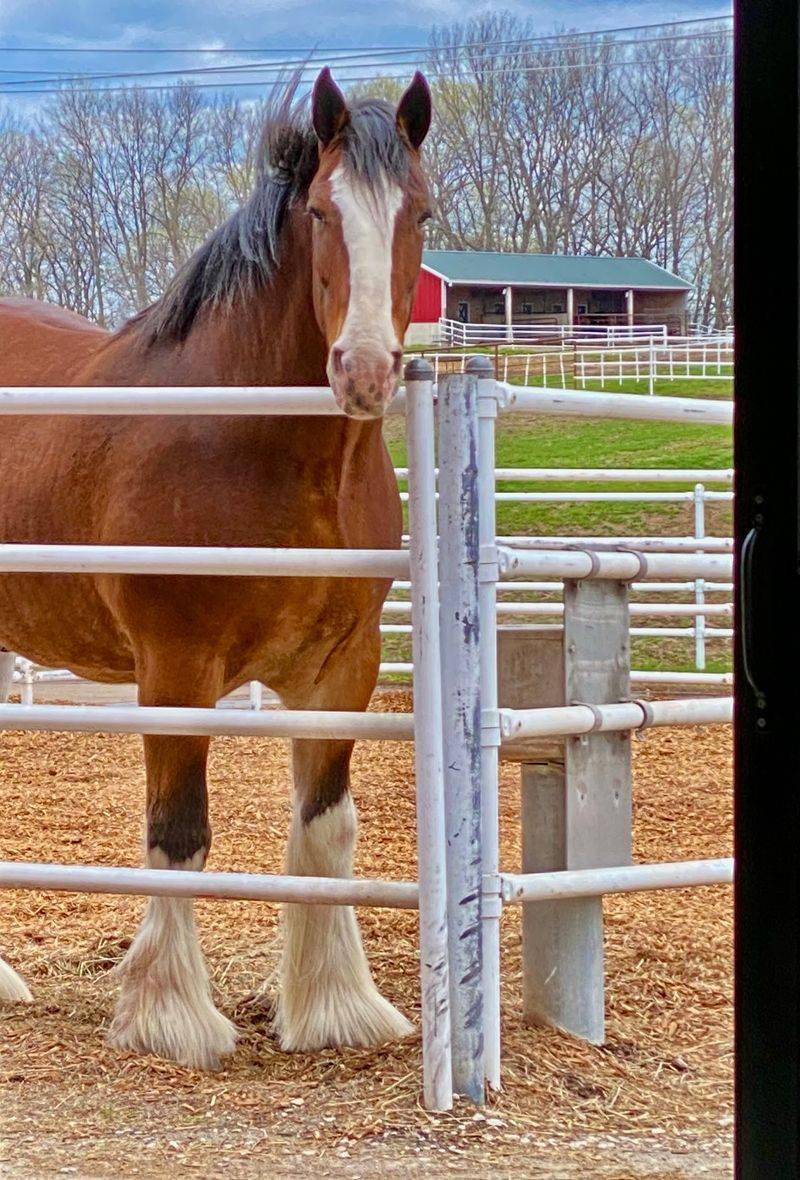
Numbers help here, so here goes. A full grown Clydesdale at this ranch typically weighs around two thousand pounds and stands roughly six feet tall at the shoulder, which puts the top of the head well above most people.
Their hooves are often compared to dinner plates, and that comparison is not an exaggeration made up for tours. When you see one up close, the size genuinely does not compute at first.
All that mass is not just bulk either, because these are working draft horses bred over generations for strength and stamina. The muscle definition across the shoulders and hindquarters is the kind of thing you notice immediately.
The long white hair around the lower legs is called feathering, and it is one of the breed signatures that makes them so recognizable. Keeping it clean and white takes real effort from the crew.
Watching an animal that large move with such easy coordination is strangely calming. They walk with this unhurried rhythm that makes the whole pasture feel peaceful, and you find yourself slowing down just from standing there watching them go about their day.
Foal Season Brings The Little Ones
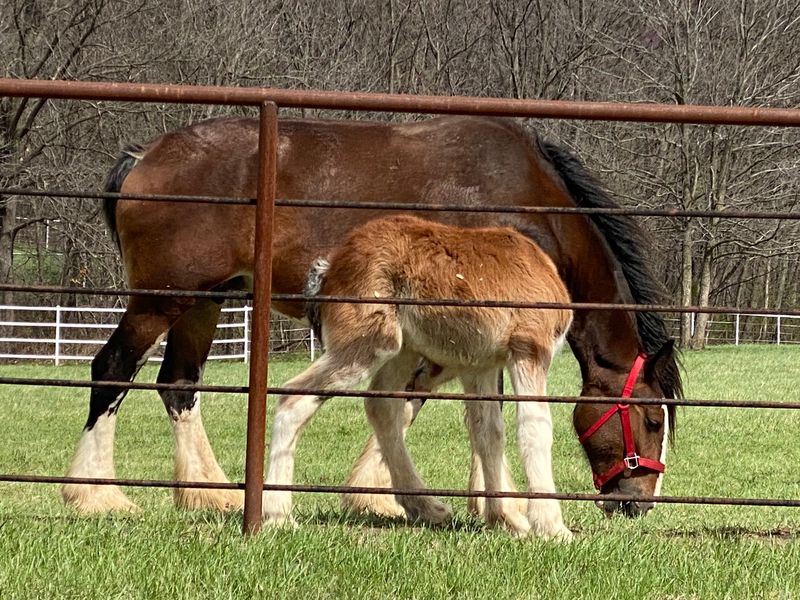
Okay, this is the part that sells the trip for most people. Because the ranch functions as a breeding facility, new foals arrive regularly, with somewhere between twenty and twenty-five born across the tour season.
That means there is a genuinely good chance you will see babies during your visit. And a Clydesdale foal is a ridiculous thing to witness, all legs and curiosity, already big enough to look you in the eye while still acting like a puppy.
Foals stay close to their mothers in the pastures, and watching them test out running is one of those simple pleasures that never gets old. They bolt a few steps, stop, look confused, then do it again.
Each new arrival represents the next generation of potential hitch horses, which adds a nice layer of meaning to the whole thing. You are basically seeing the future lineup before anyone else does.
If babies are your main motivation, it is worth checking ahead about when foals are typically around. The ranch shares updates, and planning around that can make an already good visit in Missouri even better.
Where Commercial Stars Grew Up
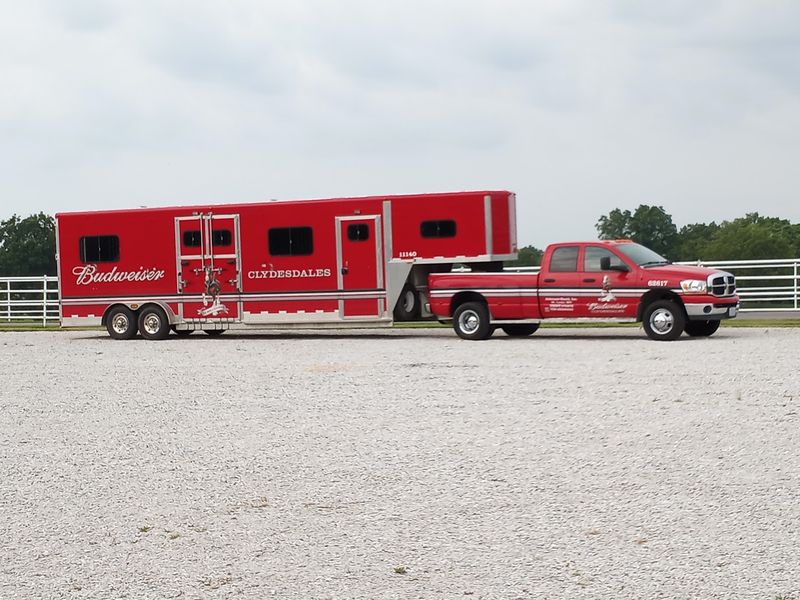
Remember those Super Bowl commercials that somehow make grown adults reach for a tissue? Several of the horses featured in those spots came from this very ranch, including a Clydesdale named Hope who became something of a star.
Walking the same grounds where a commercial famous horse was born and raised is a fun bit of trivia to carry home. It connects the place to something most of us have already seen without realizing where it came from.
The commercials have become a tradition in their own right, and they are a big reason these horses are recognized around the world. Behind every one of those polished sixty second stories is a barn, a pasture, and a whole lot of daily work.
Guides share stories about the horses and the traditions surrounding them, which adds personality to the tour. You leave with names and backstories rather than just a blur of large brown horses.
It is a good reminder that famous animals have ordinary beginnings. They eat hay, roll in the dirt, and grow up in a quiet corner of Missouri like everybody else.
An Education You Did Not Expect To Enjoy
I went in expecting cute horses and came away realizing how much science is involved. The tours cover veterinary care, nutrition, breeding practices, and the specialized training that turns a young horse into a working hitch member.
There is an on site veterinary lab, and hearing about the health monitoring that goes into animals this size is genuinely fascinating. Big horses come with big responsibilities, and the team clearly takes that seriously.
Kids tend to latch onto the fun facts about weight and hoof size, while adults get pulled into the details about temperament, training timelines, and herd management. Everyone finds their own angle into the material.
The information is delivered casually rather than like a lecture, so it never feels like homework. You ask questions, you get real answers, and the horses are right there as living examples.
By the end you understand the breed in a way you simply cannot get from watching a commercial. That shift from casual admirer to someone who actually knows a few things is probably the most satisfying souvenir the whole experience hands you.
Book Ahead Before You Point The Car North
One practical thing before you get too excited and just show up. Reservations are required for tours here, so booking in advance is not optional if you want to actually get through the gate.
Tour availability is seasonal and spots fill up, especially during the warmer months when foals are around and families are traveling. Checking the official ranch website ahead of time saves a lot of disappointment.
Dress for a working farm rather than a museum, which means closed toe shoes and clothes you do not mind getting a bit dusty. Parts of the tour take you outdoors, so weather matters.
Give yourself more time than you think you need, both for the tour itself and for the drive through central Missouri. Rushing through a place like this defeats the whole purpose.
Pair it with a wander around Boonville afterward and you have a full, easygoing day that costs you almost nothing in stress. Honestly, between the horses, the hills, and the quiet country roads, it is the kind of trip you end up recommending to everyone you know.
