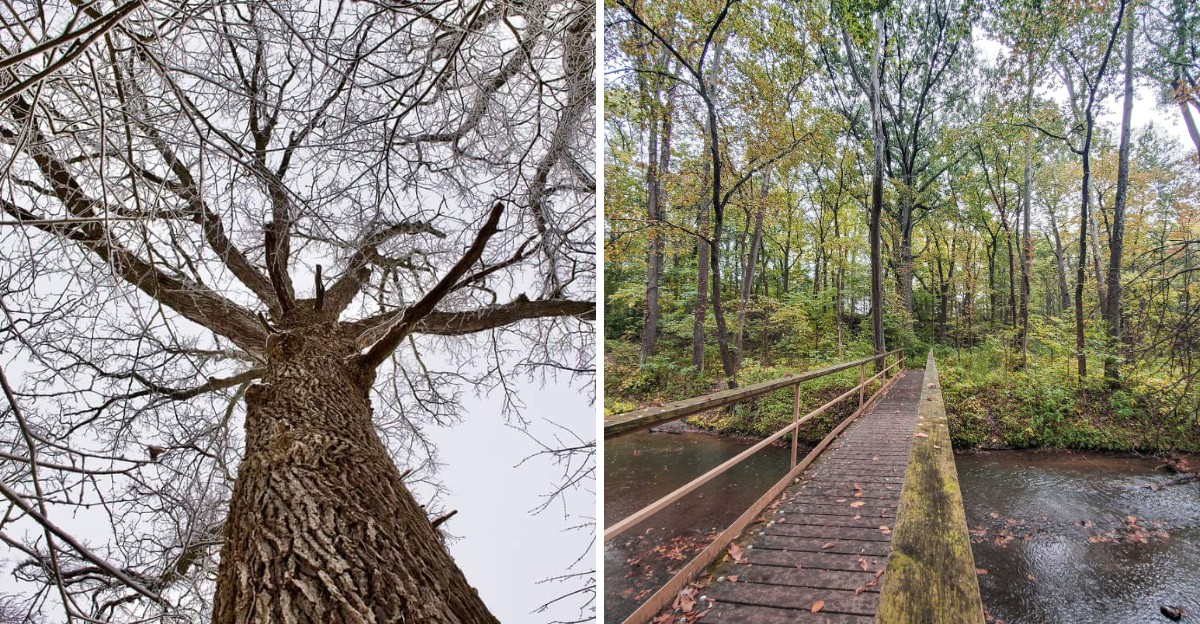
Some of the oak trees in this forest were already growing when the Civil War began. A few trunks stretch close to four feet across.
That’s a lot of tree to miss from a car window.
The woods are believed to be the last stand of virgin timber in their county. Glaciers shaped the sandy hills here more than 10,000 years ago.
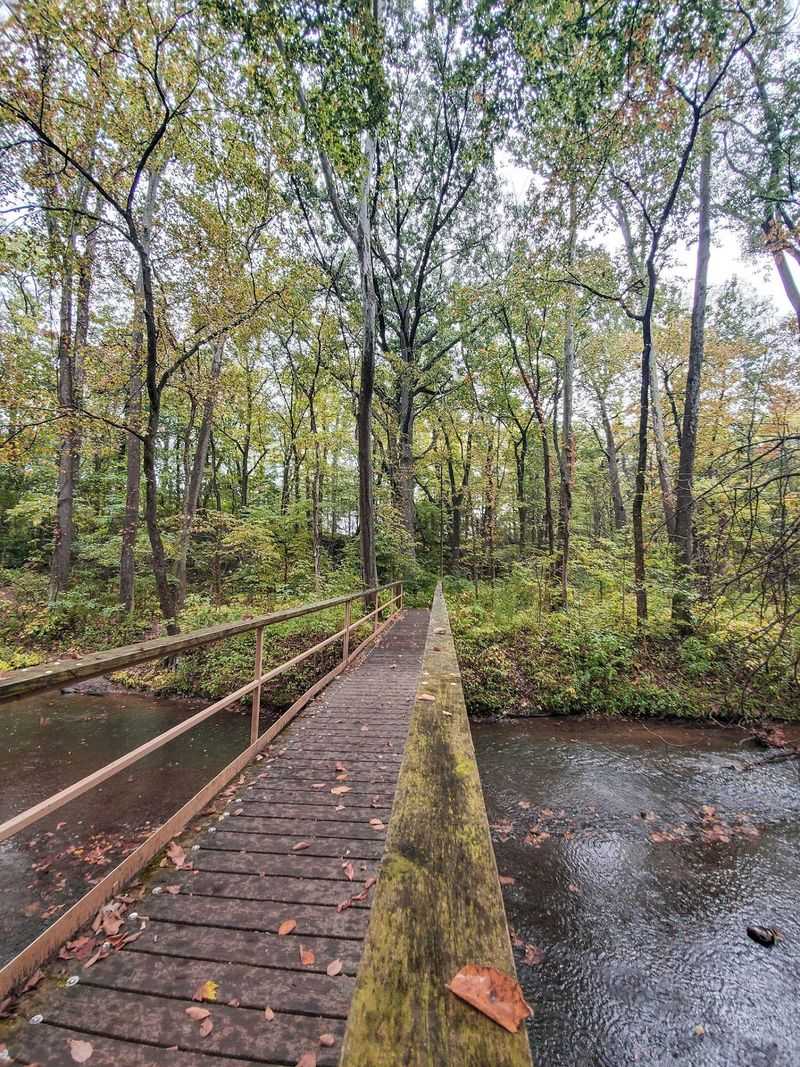
A clear creek winds through the middle, crossed by wooden bridges.
I like how quiet this place feels for somewhere so close to a busy Indiana city. The trails are packed dirt, not pavement.
Fallen logs stay right where they land, on purpose.
I can’t imagine a better way to meet trees older than your great-great-grandparents. So why do so many people zip right past them?
Glaciers Did The Landscaping Long Before You Arrived
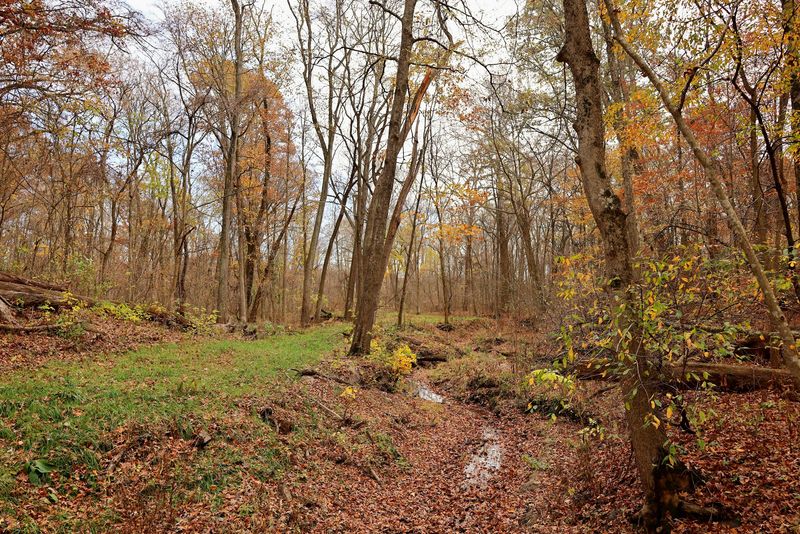
Northern Indiana gets teased for being flat. This corner of Allen County didn’t get that memo.
The preserve sits in what folks call hill country. Glaciers carved the land more than 10,000 years ago, then melted and left behind piles of sediment.
Those deposits became the sandy hills you’ll climb today. It’s a pretty impressive landscaping job for a giant sheet of ice.
Most of the slopes are gentle and easy to manage. Still, a few paths heading down toward the creek get steep, so wear shoes with good grip.
The ups and downs give the hike a lot of personality. One minute you’re on a ridge looking over the treetops, and the next you’re near the water.
That changing view keeps a short walk from feeling repetitive. Each bend reveals a new angle on the forest.
Tree roots cross parts of the trail too. Watch your footing, especially on the downhill stretches after rain.
Kids usually love the rolling terrain. Grown-ups might feel it in their calves the next morning, which counts as a free workout from the Ice Age.
Say Hello To Trees That Remember The Civil War
Two hundred years is a long time to stand in one spot. Some of the towering oaks, hickories, and sycamores at Bicentennial Woods Nature Preserve have done exactly that.
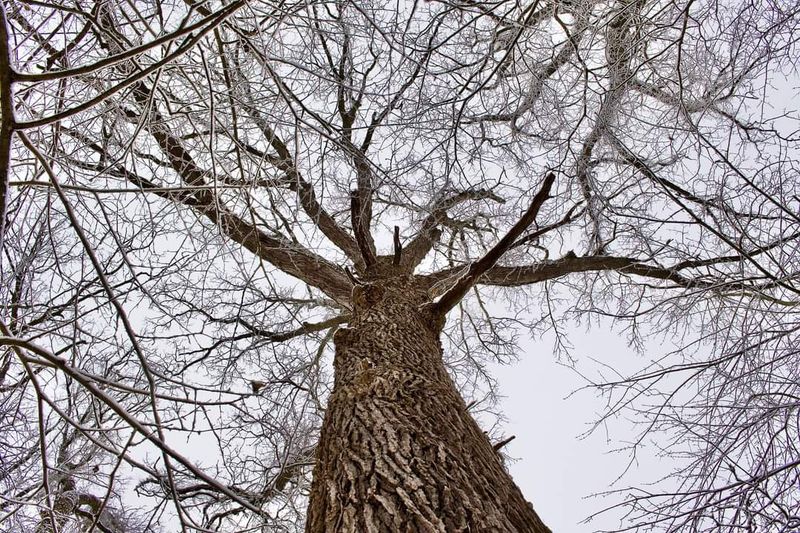
A few of the biggest oaks likely sprouted during the Civil War. Their trunks reach close to four feet in diameter, so hugging one takes some serious arm span.
The preserve is believed to hold the last stand of virgin timber in Allen County. That means these woods were never fully cleared like most of the land around them.
Keep an eye out for the trees known as the Arnold Oaks. They’re thought to be some of the oldest residents in the whole preserve.
Here’s a fun way to think about it. These trees were seedlings when people traveled by horse and wagon around northern Indiana.
Now they shade hikers carrying phones that can take a thousand photos. Not bad for a group that never moved an inch.
Bring a little patience when you visit. Stand at the base of one big oak and look straight up through the branches.
Your neck may complain a bit. Your sense of wonder definitely won’t, and that’s the whole point of coming here.
Follow The Creek And Cross Those Wooden Bridges
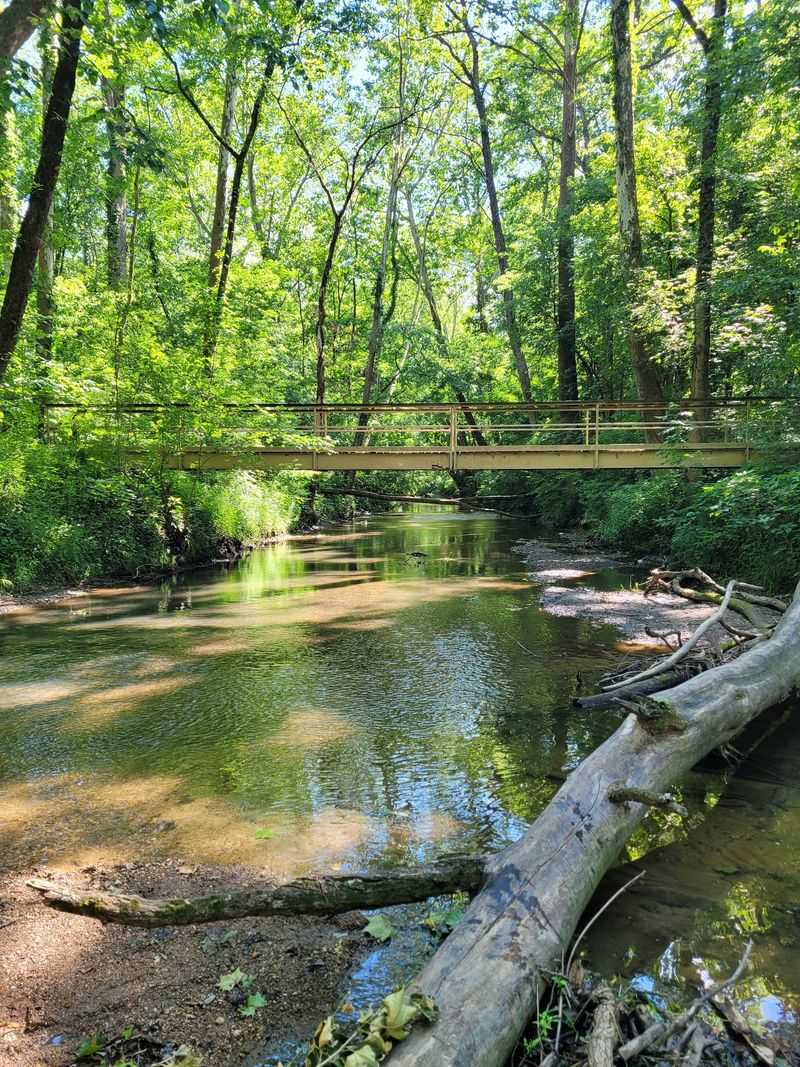
Willow Creek is the star supporting actor here. It flows right through the preserve and splits the trail system into two parts.
The creek is a tributary of Cedar Creek. That connects it to the Cedar Creek Corridor, the largest forested corridor in the region.
At least two bridges carry hikers across the water. They make great spots to pause, lean on the railing, and just listen for a minute.
Thick foliage lines the banks in the warmer months. After a good rain, the water moves a little faster and sounds even livelier.
Want a simple plan? Walk the creekside stretch first, then loop up into the hills for a different view of the same forest.
Photographers will find plenty to work with along the banks. Morning and late afternoon light filtering through the leaves looks especially nice on the water.
Please admire the creek without messing with it. The stream is part of a protected habitat, and the plants and critters along it depend on calm, healthy water.
Good manners make the next visit just as pretty for everyone. A quiet creek deserves quiet guests.
Spring Turns The Forest Floor Into A Wildflower Show
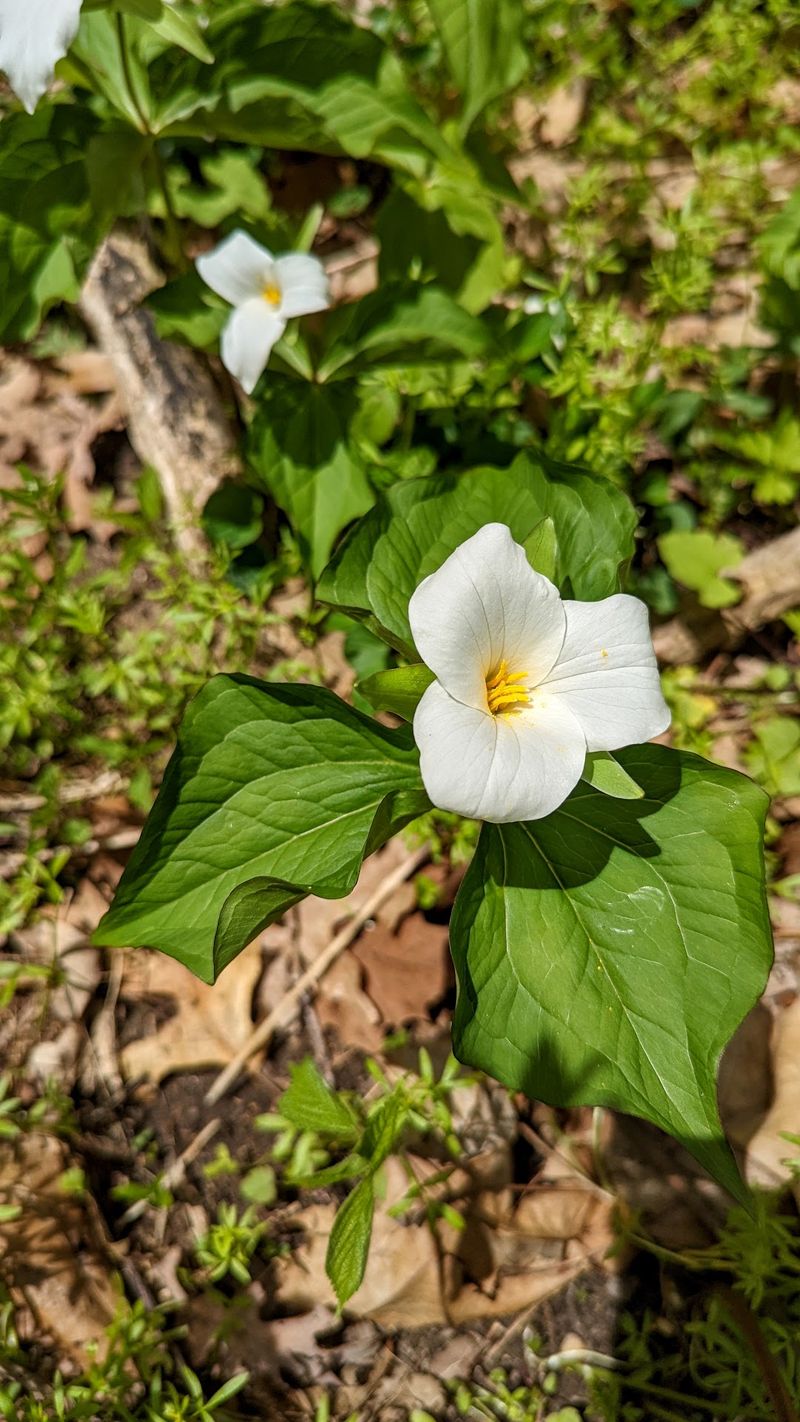
Wild blue phlox, bloodroot, and Dutchman’s breeches all sound like characters in a storybook. At this preserve, they show up every spring.
The forest floor fills with green groundcover once the weather warms. Then the blooms start popping up between the old trunks.
Look for wild geranium, rue anemone, and the oddly shaped Jack-in-the-pulpit. Miterwort, appendaged waterleaf, and goldenseal also grow here.
That’s quite a guest list for one patch of woods. It happens because the forest has been left mostly undisturbed for a very long time.
Spring wildflowers bloom early, before the tree canopy fully leafs out. Timing matters, so plan a visit in those first warm weeks if flowers are your goal.
A plant identification app can make the hike feel like a scavenger hunt. Kids especially enjoy matching a flower to its name.
One rule matters more than anything else. Leave every bloom exactly where you find it, since this is a State Dedicated Nature Preserve.
Photos are welcome, though. Get low, snap close, and let the flowers keep doing their thing for the next visitor.
Bring Binoculars Because The Birds Get Fancy
Audubon gave these woods a special title. Bicentennial Woods is a designated Important Bird Area.
That’s a big deal for a preserve of about 80 acres. It means the habitat here truly matters to bird populations.
Cardinals and blue jays add bright splashes of red and blue. Woodpeckers drum on the old trunks, and songbirds fill the canopy with chatter.
Lucky visitors might even spot a bald eagle. Not every hike delivers one, but just knowing it’s possible makes you look up more often.
Deer roam the woods as well. Move slowly and talk softly, and your chances of seeing wildlife go way up.
The mix of habitats helps explain the variety. Besides forest, the preserve includes a buttonbush wetland and an upland field.
Each area attracts different creatures. Walking through all three is like visiting several small nature centers in one trip.
Pack a small pair of binoculars and maybe a bird guide. Even beginners can have fun figuring out who’s singing overhead.
Patience pays off here. Sit on a bench for five minutes and see who shows up.
Messy Logs Are Actually Part Of The Plan
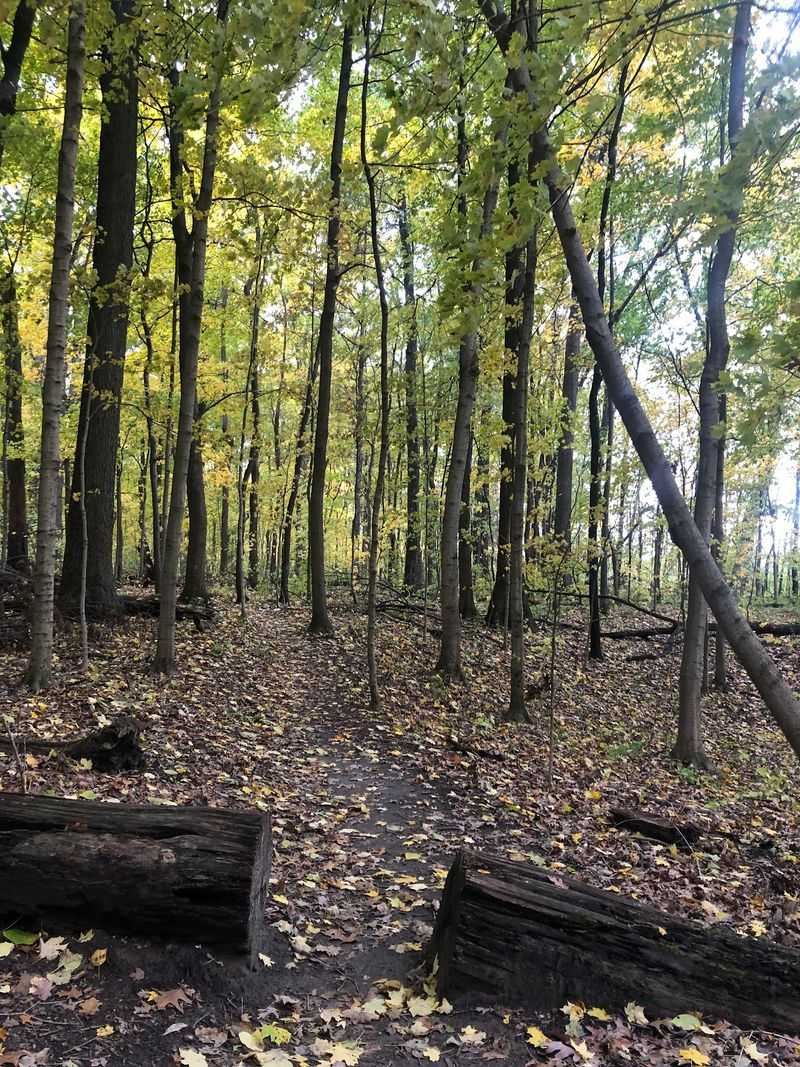
Spot a giant log lying across the forest floor? Nobody forgot to clean up.
Fallen trees stay put at this preserve on purpose. They provide homes and food for insects, fungi, and small animals.
As the wood slowly breaks down, it feeds the soil. That rich soil then helps new plants and young trees grow strong.
It’s nature’s own recycling program, and it runs for free. No trucks, no bins, just time and a lot of tiny workers.
Take a closer look at an old log during your hike. You might find mushrooms, moss, or little bugs going about their busy day.
Kids usually think this part is awesome. Turning a hike into a bug-spotting mission keeps young legs moving without complaints.
The approach comes from ACRES Land Trust. This member-supported nonprofit protects natural land across northeast Indiana, southern Michigan, and northwest Ohio.
Their goal is simple to say and hard to do. They want these places to stay as wild and healthy as possible, forever.
So when the woods look a little untidy, that’s a good sign. Messy here means thriving.
A Birthday Gift For Fort Wayne That Keeps On Giving
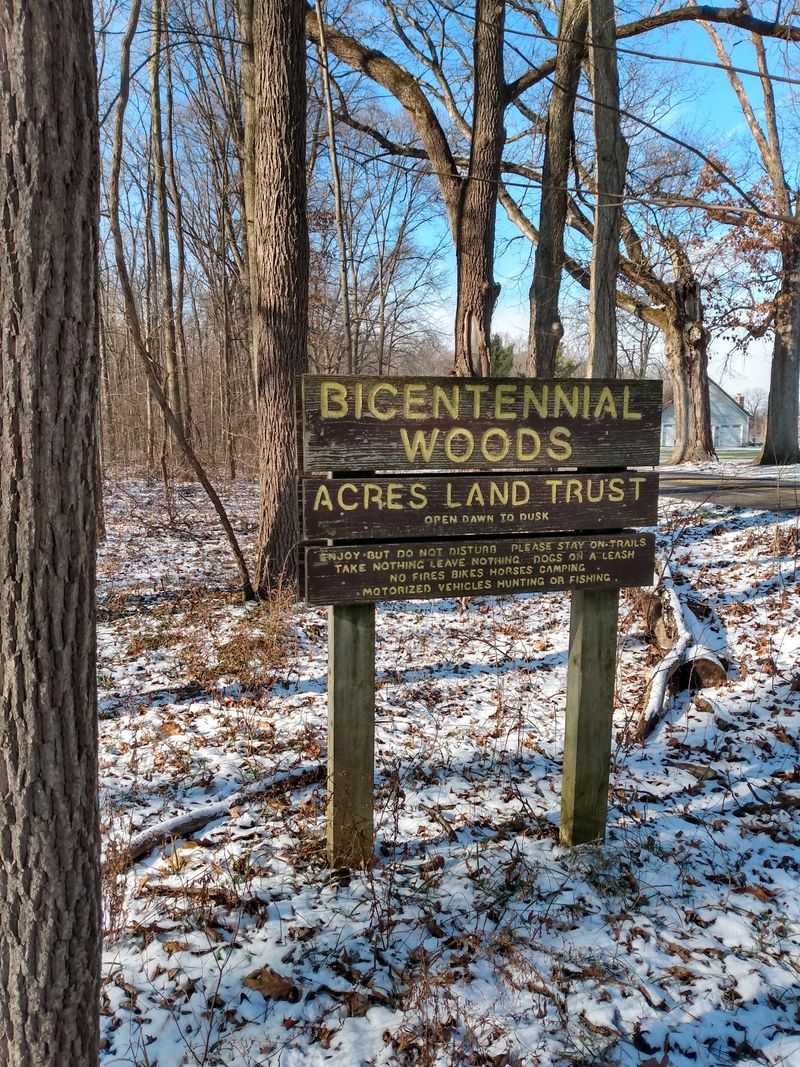
Most birthday presents end up in a closet. Fort Wayne got a forest instead.
ACRES Land Trust acquired the property in 1993. The preserve was dedicated in 1994 to honor Fort Wayne’s Bicentennial, which explains the name.
The giant trees were chosen for a reason. They represent the forested landscape that covered this area before settlement.
In other words, a walk here offers a peek at the region’s original look. Few places nearby can say that.
Protection runs deep, too. Bicentennial Woods is a State Dedicated Nature Preserve under the Indiana Nature Preserves Act of 1967.
That status helps keep the land safe for generations. The trees that took centuries to grow won’t vanish for a strip mall.
ACRES even chose not to clear more trees for a bigger parking lot. They’ve said the trees are a big part of what makes the hike special.
That kind of commitment is worth supporting. Membership and donations help keep the trails maintained and the woods protected.
Every visit is a small thank-you note to the people who saved this place. Pretty great gift, right?
Your Trail Plan For A Smooth Hike
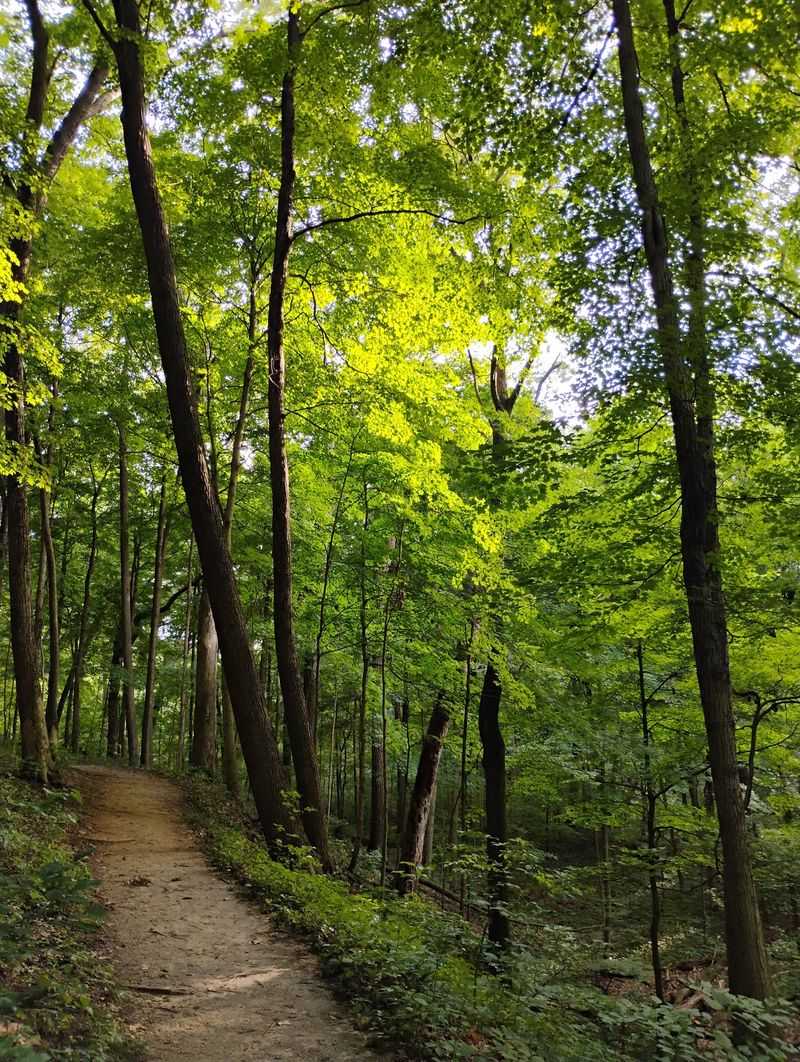
Roughly two to 2.6 miles of loop trails wind through the preserve. That’s enough for a solid hike without eating your entire day.
The paths are mostly packed dirt. They feel natural underfoot, which is a nice change from sidewalks and paved park loops.
Trail markers help keep you on track. Benches along the way give you a spot to rest or simply enjoy the scenery.
Loops make planning easy. You can connect sections for a longer walk or keep things short if time is tight.
A few smart packing choices go a long way. Bug spray tops the list during warmer months, since biting insects love the creek area.
Sturdy shoes are next. Roots, hills, and a few steep spots near the water reward good traction.
Bring water and maybe a snack for the kids. There are no restrooms at the preserve, so plan a stop beforehand.
Hours run from dawn to dusk every day. Early starts give you softer light and cooler air.
And remember the golden rule of trails. Pack out everything you carry in.
Getting There Without The Parking Headache
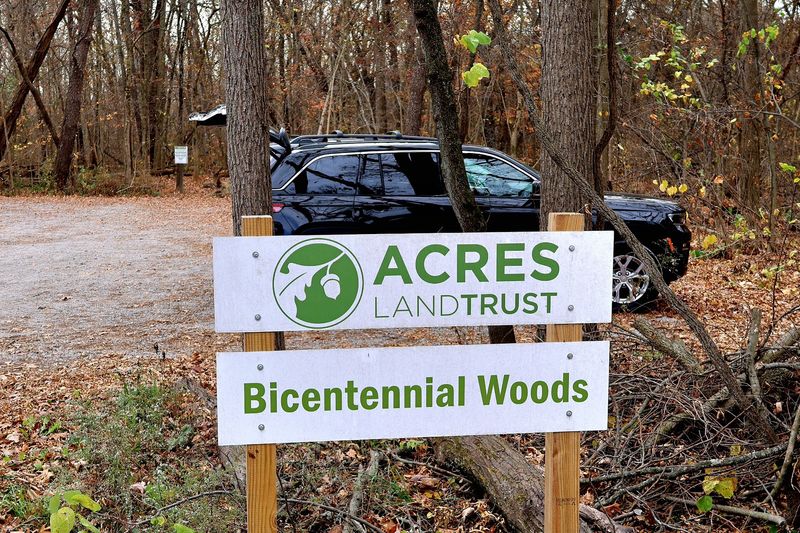
Finding these woods is easy. Snagging a parking spot can be the real adventure.
Plug 340 E Shoaff Rd, Huntertown, IN 46748 into your GPS. The preserve sits just north of Fort Wayne in Indiana’s hill country.
A gravel lot sits right at the trailhead. It’s handy, but it fills up quickly, especially on busy fall weekends.
ACRES Land Trust asks visitors not to park along the road and walk in. Safety comes first, and that road isn’t made for strolling.
So what’s the move if the lot is full? Head to another nearby ACRES preserve within about five minutes.
Options include Tom and Jane Dustin Nature Preserve, Vandolah Nature Preserve, and Heinzerling Family Five Points Nature Preserve. Not a bad backup plan at all.
Better yet, beat the crowd. Weekday visits and early mornings tend to be quieter.
Autumn deserves a special mention. Falling leaves drifting past those ancient trunks make the woods look like a painting.
Just plan ahead for that popular season. The giants have waited two centuries for you, so an early alarm seems like a fair trade.
