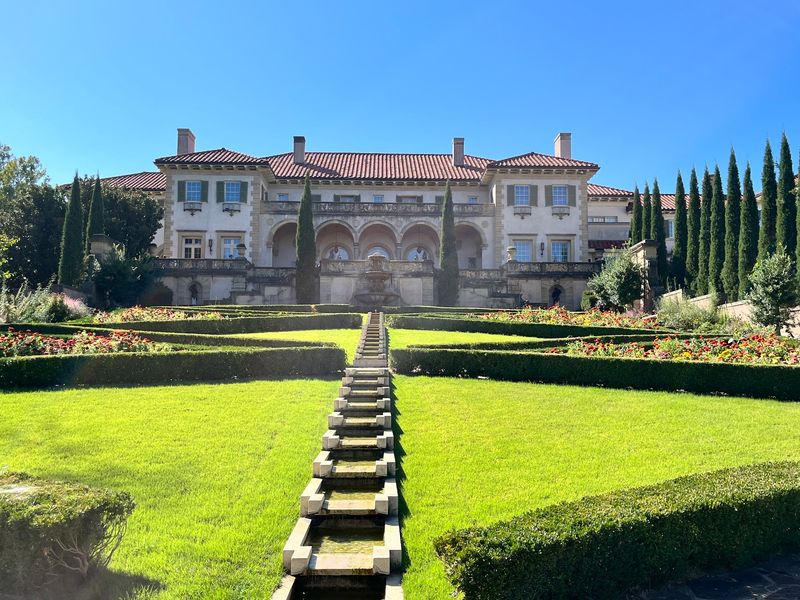
I only meant to kill an hour on a slow afternoon in Oklahoma, maybe grab a coffee and stretch my legs. Then a quiet side street led me past tall trees and a pale stucco wall, and suddenly I was standing in front of something that looked like it belonged in Florence.
Inside were paintings, pottery, and stories I never expected to find this close to home. If you love a good surprise that does not cost a fortune, this one is worth the drive.
An Italian Villa Hiding in a Tulsa Neighborhood
Picture a leafy residential street where nothing much seems to happen, then imagine a 72-room Italian villa waiting just past the trees. That surprise is the Philbrook Museum of Art, sitting on roughly 23 to 25 acres in a quiet part of Tulsa.
Plenty of locals drive past without realizing what is tucked back there.
The place works as two attractions in one. Inside the old mansion and its newer galleries sits a global collection of fine and decorative art, more than 16,000 objects in all.
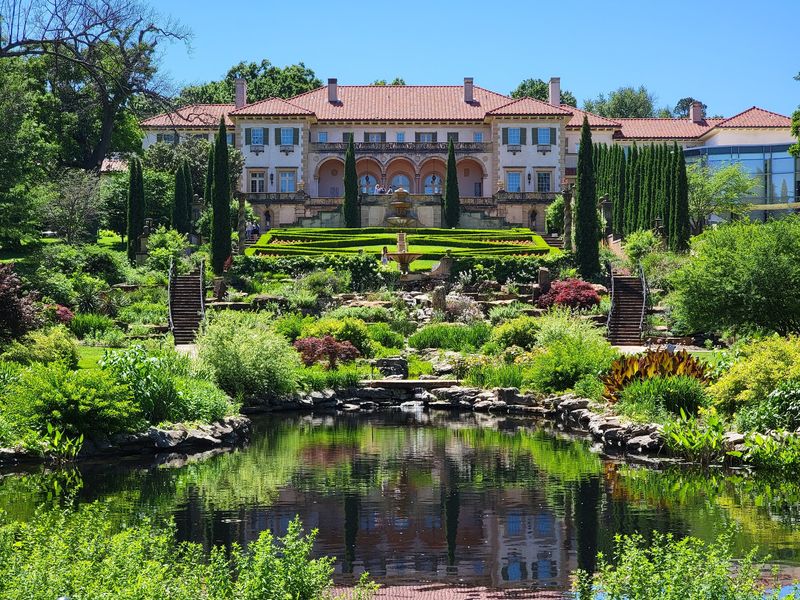
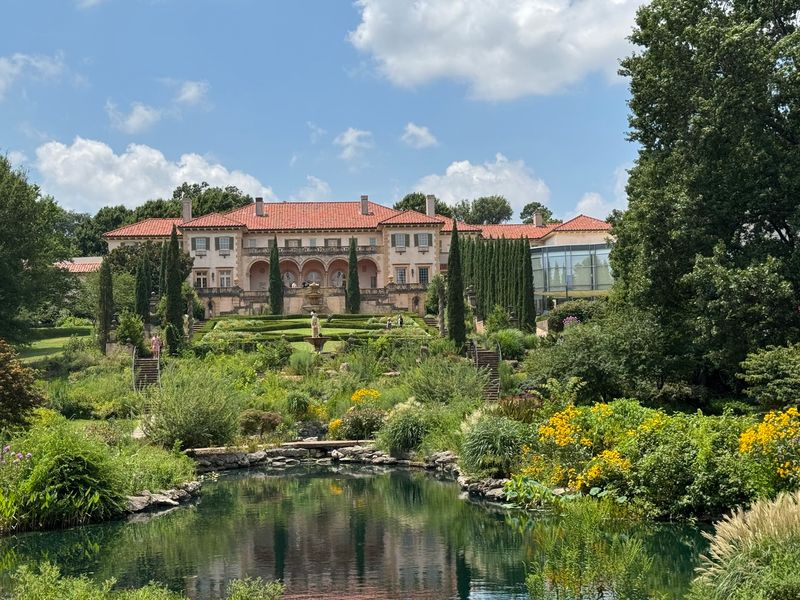
Outside, terraced gardens roll downhill with fountains, a pond, and walking paths that feel borrowed from Europe.
Visitors often describe it as one of the city’s crown jewels, and it is easy to see why. You can spend a morning studying Renaissance paintings and an afternoon on a garden bench watching goldfish drift around.
It suits art fans, nature lovers, and anyone who just wants a calm few hours away from traffic.
Families from Oklahoma City can reach it in about an hour and a half, which makes for an easy day trip. Folks from Bartlesville, Muskogee, or Broken Arrow have an even shorter ride.
Pack comfortable shoes, because the grounds invite wandering.
Oil Money and a Dream of Rome
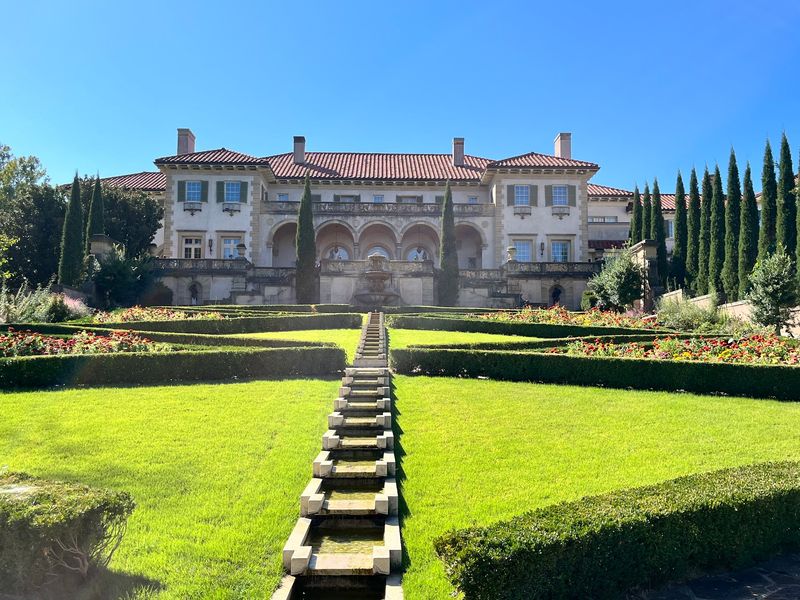
Back in 1926, oil man Waite Phillips and his wife Genevieve decided Tulsa needed a touch of old Italy. They had admired the grand estates of Rome and Florence during their travels, and they wanted a home that captured that same feeling right here on the plains.
Kansas City architect Edward Buehler Delk drew up the plans. Construction wrapped up in 1927, and the Phillips family reportedly spent around $2 million to bring Villa Philbrook to life.
That was a staggering sum during the Oklahoma oil boom, and it shows in every corner.
Here is the part that warms hearts. In 1938 the family donated the entire estate to the city so it could become an art museum.
The doors opened to the public in October 1939, and they have welcomed visitors ever since.
Think about that for a moment. A private mansion built for one family became a shared treasure for everyone in the state.
Some guests mention that friendly locals or staff will gladly share bits of this history while you walk through.
Knowing the backstory makes the visit richer. You are not just looking at art, you are walking through a gift that has lasted more than eighty years.
Marble Dust, Limestone, and a Double Staircase
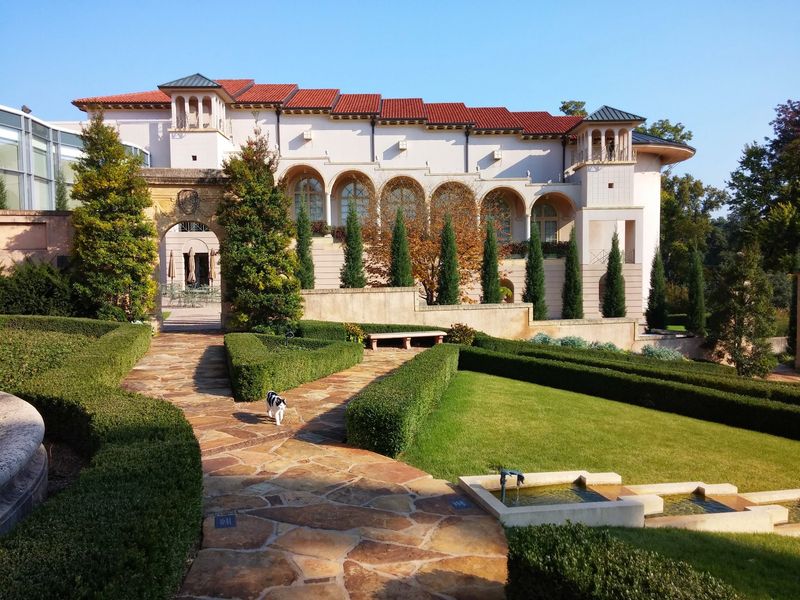
Run your eyes along the outside walls on a sunny day and you might catch a faint sparkle. The stucco was mixed with finely ground white marble, which gives the villa a soft shimmer.
Kasota limestone trims the details and adds a warm, sturdy look.
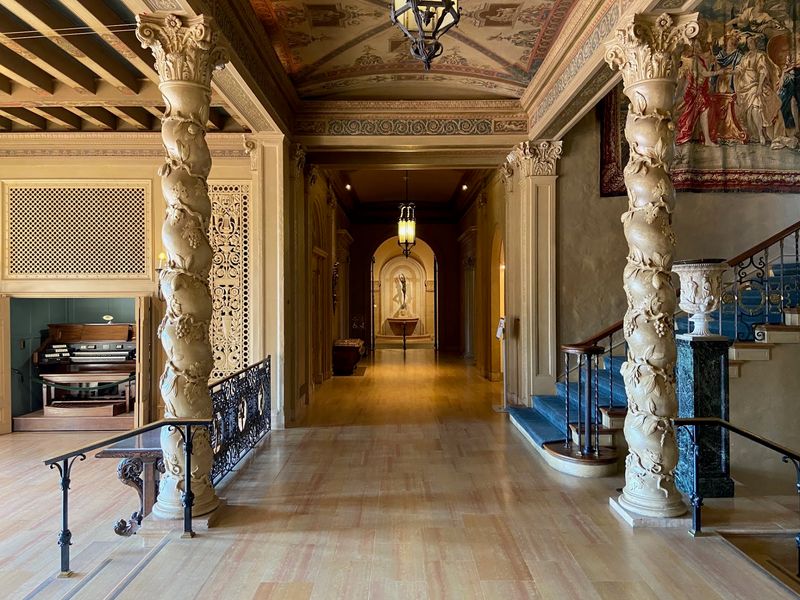
Step inside and the craftsmanship keeps going. Floors of teak, walnut, and oak stretch from room to room, worn smooth by decades of footsteps.
Look up and you will find Renaissance-inspired ceilings that deserve a slow, neck-craning pause.
The stately double staircase is a favorite for photos and for imagining what life was like when the Phillips family lived here. Many visitors say the architecture ended up being their favorite part of the trip, even more than the paintings on the walls.
Each room carries its own personality. Some feel grand and formal, while others are cozy enough that you can almost picture a family dinner happening there.
Guests often comment that the layout feels easy to explore rather than overwhelming.
So take your time. Notice the woodwork, the window frames, and the way light spills across the floors in the afternoon.
The house itself is a work of art, and it rewards anyone who slows down.
Terraced Gardens Modeled on Villa Lante
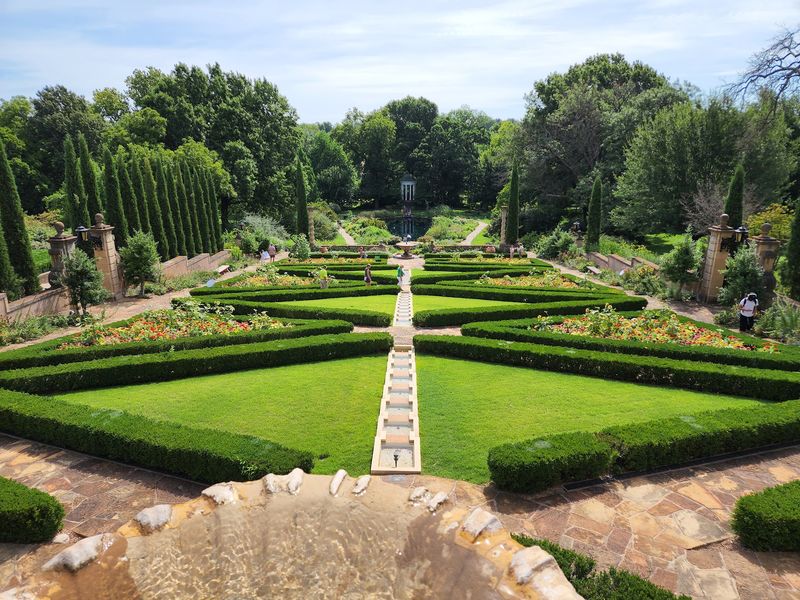
Out back, the land tumbles downhill in a series of terraces that steal the show for many guests. Designers S.
Herbert Hare and Edward Buehler Delk drew inspiration from the famous Villa Lante in Italy. The result blends Italian, English, and French garden styles with native Oklahoma plants.
Follow the diagonal walks and you will pass classical fountains and a geometric parterre of low, clipped boxwoods. A calm mirror pond reflects the sky, and at the far end stands a small classical tempietto that looks straight out of a postcard.
A major renovation in 2004 freshened up the grounds.
Wildlife adds charm too. Visitors have spotted goldfish, rabbits, squirrels, and even a friendly resident cat.
Sculptures tuck into quiet corners, so there is always something new around the next hedge.
Timing matters here. Spring brings bright blooms and fall delivers rich foliage, which makes both seasons especially lovely.
Sunset strolls earn high praise from regulars.
One honest note: the ramp down to the lower garden can be tricky for wheelchair users. Otherwise, the paths are pleasant for most walkers, and benches are plentiful when you want to rest.
A Collection That Spans Continents
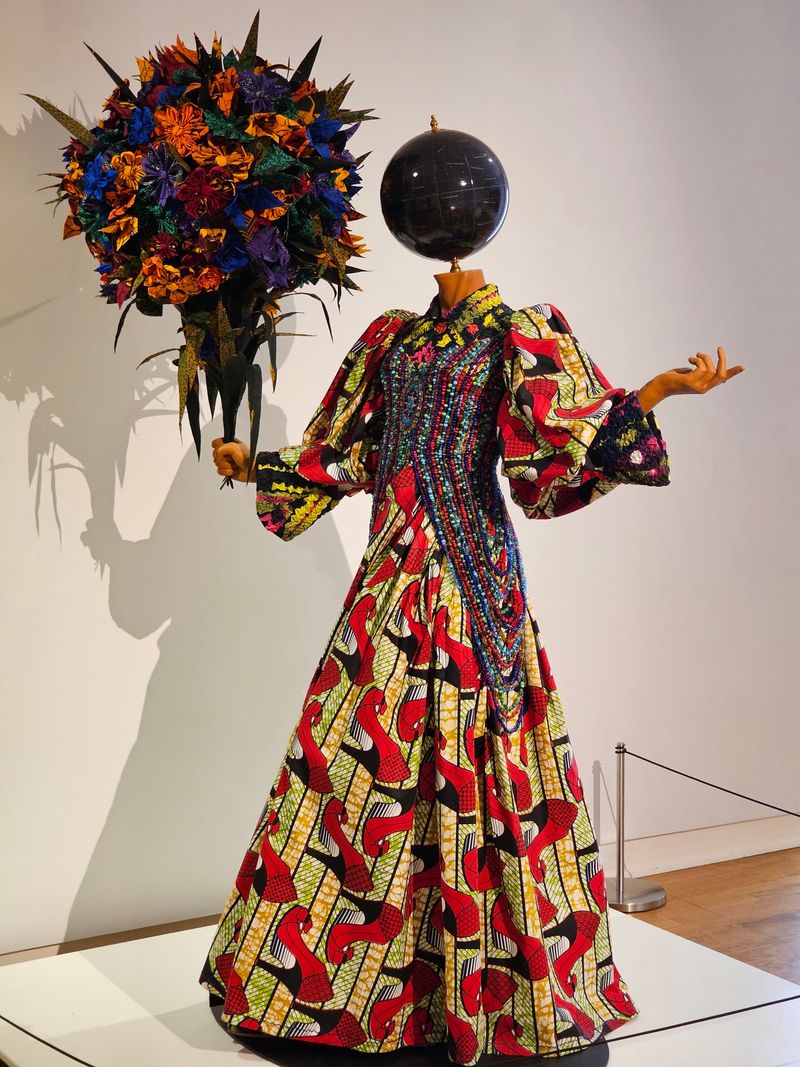
More than 16,000 objects live inside these walls, and they come from just about every corner of the globe. American and European art form big pillars of the collection.
African, Asian, and Classical antiquities round things out, along with modern and contemporary art and design.
Big names show up too. Works by Giovanni Bellini and William-Adolphe Bouguereau sit in the same museum as pieces by Pablo Picasso.
That kind of range surprises first-timers who expected a small regional gallery.
Guests often say the Renaissance art was their favorite, while others fall for a striking piano on display. One visitor from Southern California even compared the experience to a famous West Coast estate museum, which is high praise for a spot in Oklahoma.
Not every label is perfect. Some visitors wish certain descriptions offered more background, and Spanish translations are not available everywhere.
Still, most people walk away impressed by the quality and variety.
A helpful tip: do not try to see it all in a rush. Guests regularly recommend setting aside a couple of hours or more.
If you live nearby, a membership lets you come back and soak up a few rooms at a time.
Native American Art at the Heart of It All
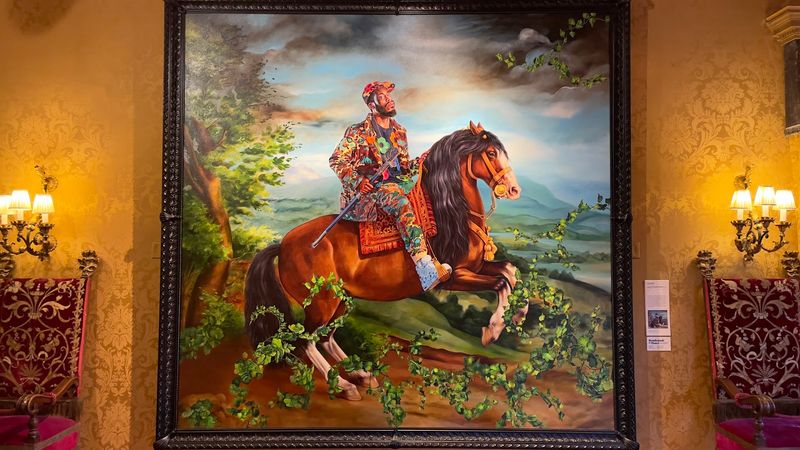
Oklahoma is home to 39 federally recognized tribal nations, so it feels fitting that Native American art stands as a cornerstone here. The Philbrook holds an extensive collection of basketry, pottery, paintings, and jewelry.
It is one of the strongest reasons for heritage lovers to make the trip.
Among the standout artists is Maria Martinez, the celebrated potter from San Ildefonso Pueblo known for her gleaming black-on-black pieces. Seeing her work up close helps you appreciate the skill and patience behind every curve.
The baskets deserve slow attention as well. Tight weaves and careful patterns reflect knowledge passed through generations.
Paintings and jewelry add color and storytelling that connect past and present.
Try to view these works as expressions of living cultures rather than relics. Many of the traditions behind them continue today in communities across Oklahoma and the wider region.
That connection makes the galleries feel personal for local families.
Grandparents especially seem to enjoy sharing this part of the museum with younger relatives. It sparks conversations about where things come from and who made them.
Pair a visit here with other tribal museums around the state for a meaningful weekend.
Rotating Exhibits Worth a Return Trip
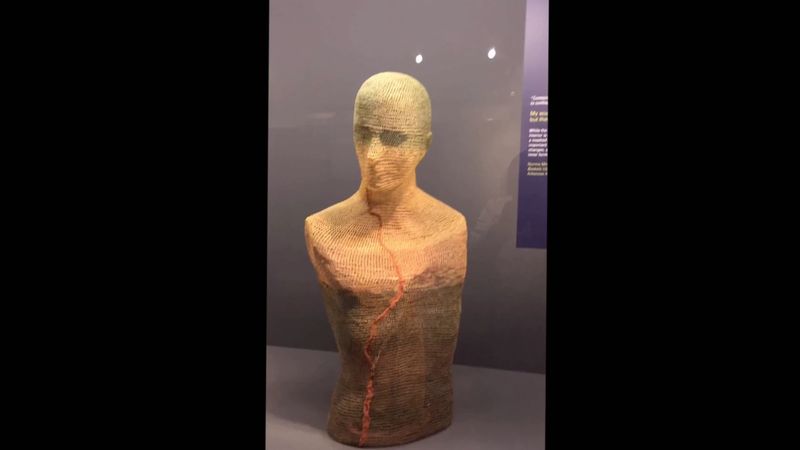
Been once already? Good news, the museum likes to keep things fresh.
Rotating exhibits mean repeat visitors often find something they have never seen before.
Recent shows have covered a lot of ground. A samurai exhibit drew plenty of chatter from guests who enjoyed walking among the displays.
A Frida Kahlo exhibit also earned attention, and a photography show honoring Gordon Parks featured more than 70 images from his long career.
Some exhibits even lean interactive. One recent installation featured Andy Warhol’s silver balloons, though one guest noted the floating pillows mostly gathered in a corner that day.
Results may vary, but the playful idea is part of the fun.
Checking the museum website before you go is wise, since exhibits change and some run only for a few months. Knowing what is on view helps you plan whether to spend more time indoors or out.
Visitors who return over the years mention how nice it is to watch the galleries evolve. That steady change keeps the place from ever feeling stale.
For families who make it an annual tradition, each trip brings a new conversation starter on the drive home.
Quiet Corners, Coffee, and Who Will Love It
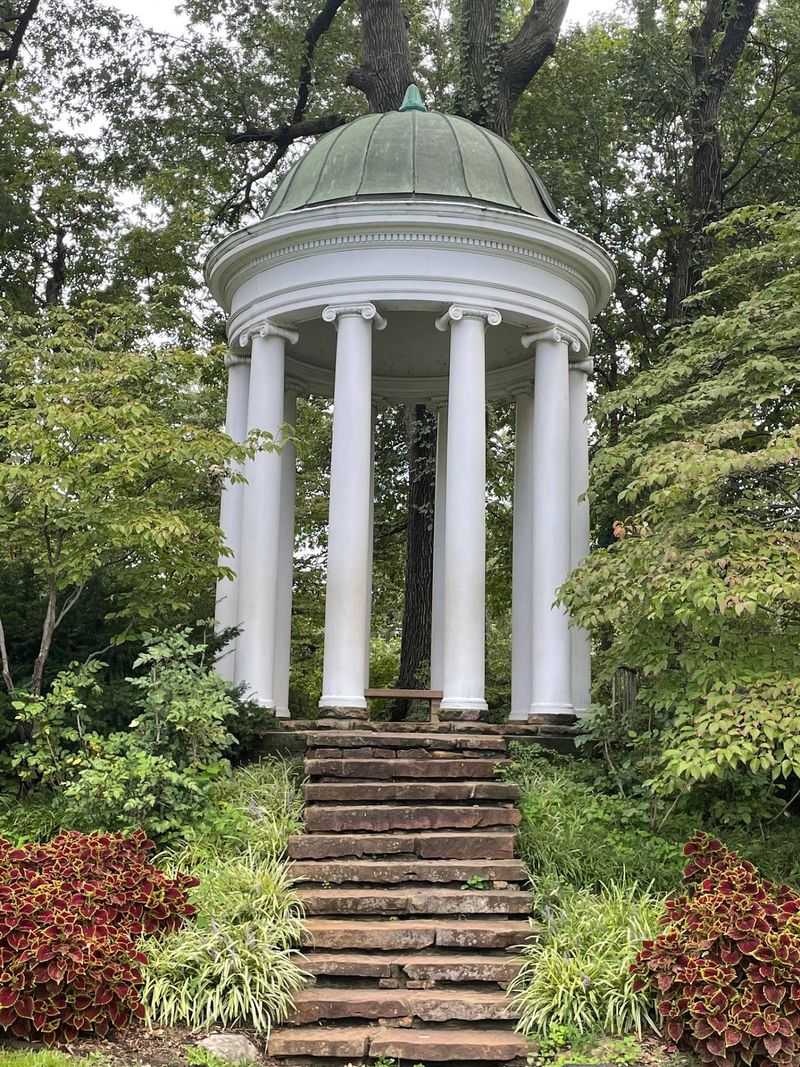
Peace and quiet might be the most underrated thing on the menu. Guests talk again and again about the calm atmosphere, from shaded benches to an open lounge where people settle in with a book.
One visitor even spent a birthday morning here just to unwind.
A coffee shop on site makes a handy pit stop. Grab a cup, wander into the gardens, and let the afternoon slow way down.
The gift shop is also known for some interesting souvenirs if you want a keepsake.
So who fits best? Art fans obviously, but nature lovers and photographers find plenty to enjoy, with lots of photo spots outdoors.
Couples looking for a low-key date and retirees who appreciate a relaxed pace tend to feel right at home.
With kids, it depends. One parent noted the galleries involve a lot of reading, which may lose very young children, though an eight-year-old enjoyed it.
The gardens, with fish and bunnies, seem to win over every age.
Staff get warm mentions too. Visitors describe being greeted with smiles and friendly help, which makes first-timers feel welcome rather than out of place.
Hours, Ticket Prices, and Friday Night Deals
Now for the practical stuff. You will find the Philbrook at 2727 S.
Rockford Rd. in Tulsa, and parking is free. The phone number is 918-749-7941 if you want to double-check details before heading out.
Hours generally run Wednesday through Sunday from 9 AM to 5 PM, with Fridays stretching until 9 PM. The museum is closed Mondays and Tuesdays, so plan around that.
General admission is about $22 for adults and $10 for youth ages 3 to 17. Kids two and under get in free, and so do members.
Prices can shift, so a quick look at the website is smart.
Here is the budget tip that matters most. Every Friday after 5 PM, general admission drops to just $5, a great way to catch the gardens at sunset.
The museum also takes part in Museums for All, offering $1 admission to people enrolled in SNAP, TANF, WIC, or SoonerCare, plus their families.
Wheelchairs and rolling walkers can be borrowed at no cost. Picnicking in the gardens is encouraged, so packing sandwiches can stretch your dollar.
Oklahoma summers get hot, so mornings or evenings often feel best outdoors.
A Soft Verdict on Tulsa’s Surprise Estate
Some places sound fancy on paper but feel stiff in person. The Philbrook manages the opposite trick.
It looks grand from the gardens, yet it feels welcoming, relaxed, and surprisingly easy on the wallet if you time it right.
Between the shimmering villa, the terraced grounds, and a collection that runs from Bellini to Maria Martinez, there is a lot packed into one stop. Many guests admit they had never heard of it before and left delighted.
That sense of discovery is half the charm.
If you can, aim for spring blooms or fall color, and consider a Friday evening for the $5 deal. Bring a picnic, wear walking shoes, and leave room in your schedule.
Two hours is a comfortable minimum, though plenty of folks stay longer.
Families who live nearby might find a membership pays off, since one visit rarely covers everything. Out-of-towners can easily pair it with other Tulsa sights for a full weekend.
Either way, the next time you cruise through that quiet neighborhood, you will know what sits behind the trees. And chances are, you will want to pull over.
