One central West Virginia glassmaker reportedly turned out 144,000 hand-blown pieces every 24 hours at his peak. That’s not a typo, and it wasn’t some giant faraway corporation either.
It was an Austrian immigrant who built his factories in a small mountain town during the 1920s and 1930s. The furnaces eventually cooled, but the glass itself refused to disappear.
Today, more than 20,000 pieces of American-made glass fill an old downtown building that once held a bank and a department store. I like how the whole place feels like a family china cabinet that kept growing for a century.
There’s a stained glass dollhouse, a marble collection with a California backstory, and shelves of pressed glass your grandmother would recognize instantly. Admission costs nothing, so the only real question is how long you plan to stay?
A Free Main Street Museum Holding More Than 20,000 Pieces Of Glass
Downtown Weston keeps its sparkle in a building you could easily mistake for an old storefront. That’s because it once was one, and now it’s home to The Museum of American Glass in West Virginia.
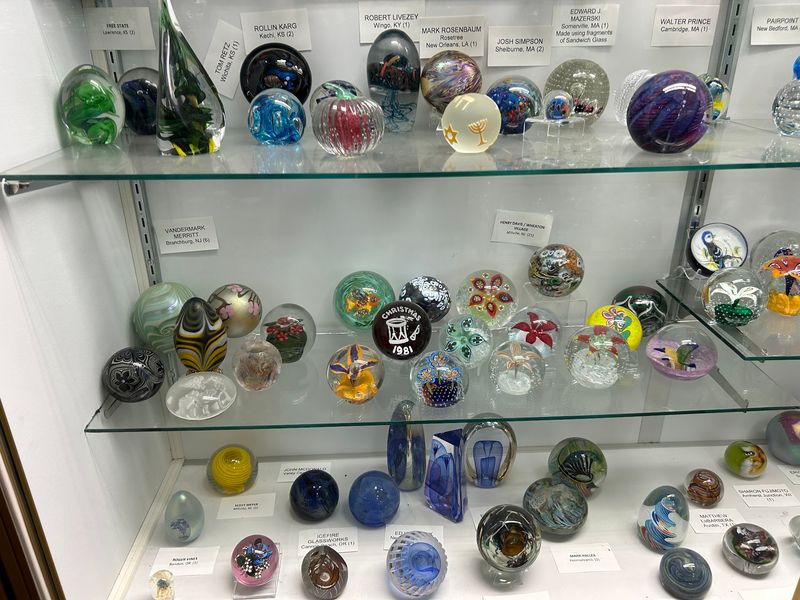
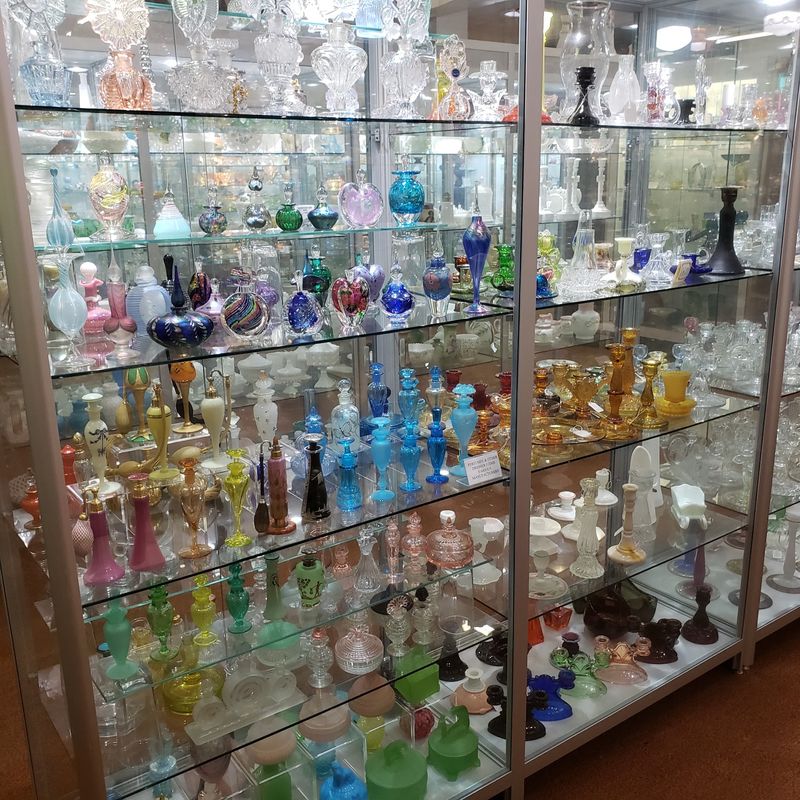
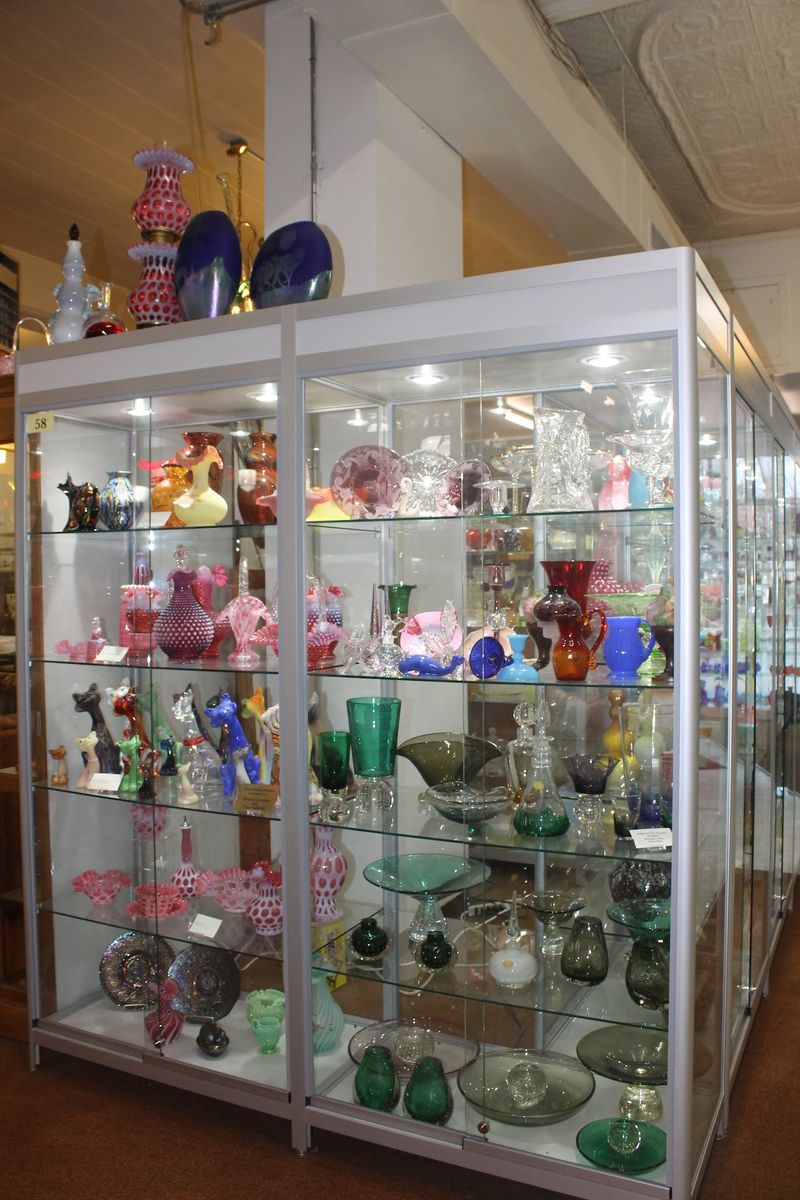
The museum displays more than 20,000 pieces of American-made glass, gathered from West Virginia and across the country. You’ll find pressed tableware, art glass, tools, and the kind of pieces that once sat on every Sunday dinner table.
The mission has stayed steady since the museum was incorporated in 1993. Its founders set out to discover, preserve, and publish the story of glassmaking in the state and the nation.
Admission is free, which feels almost generous for a collection this deep. Donations are welcome, of course, and they help keep the shelves stocked and the lights on.
Weston sits in Lewis County, right off Interstate 79 in the heart of the Mountain State. It’s an easy stop, but it rarely stays a quick one.
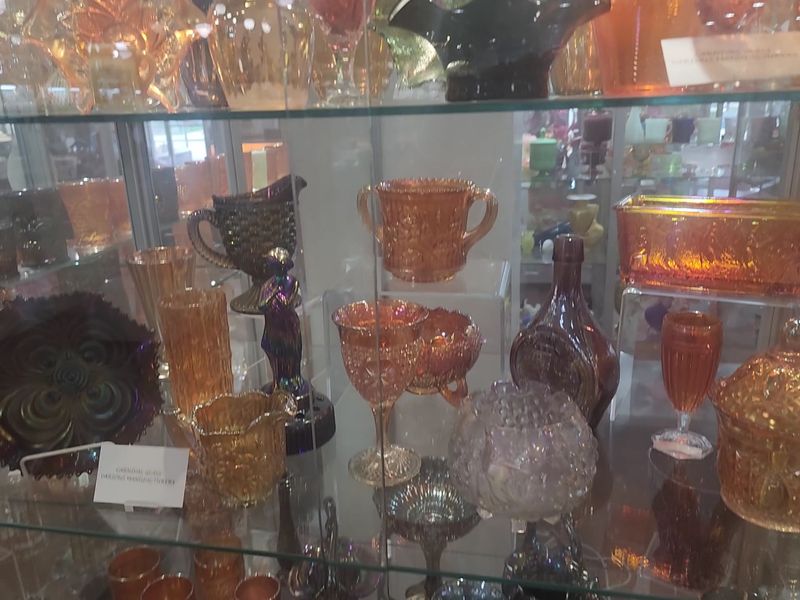
Plan on wandering longer than you expect, especially if you grew up around carnival glass and candy dishes. Those familiar shapes tend to pull you from one case to the next.
The Town That Once Ran On Furnaces, Sand, And Natural Gas
Glassmaking didn’t land in Weston by accident. West Virginia had natural gas, silica sand, and limestone, which happen to be exactly what a glass furnace craves.
According to the West Virginia Encyclopedia, that mix of raw materials helped the industry grow across the region. Weston was one of the towns that made the most of that good fortune.
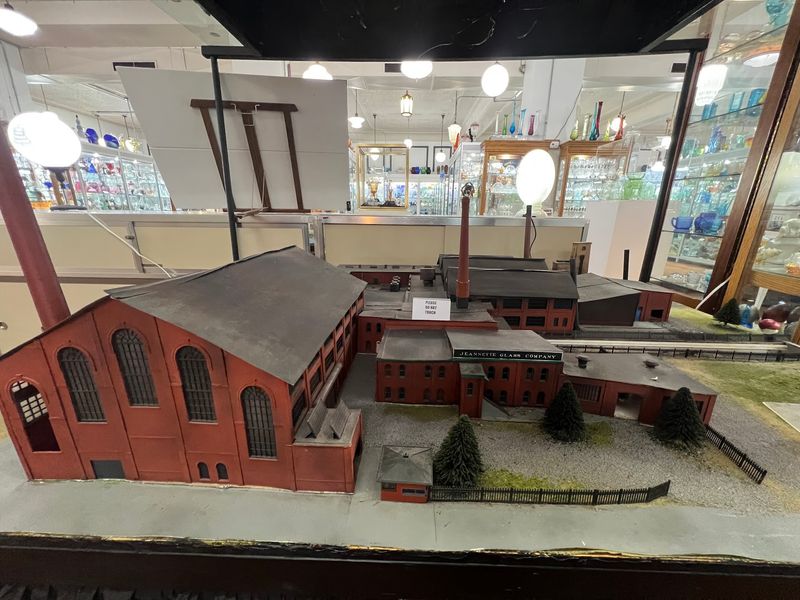
Factories followed the fuel, and Weston grew into a nationally recognized hub for hand-blown glass in the 20th century. At one point, the town reportedly hosted more than thirty glass plants.
Names like Louie Glass Company and West Virginia Glass Specialty Company built the town’s reputation for fine craftsmanship. Generations of local families may have earned a living near those glowing furnaces.
Markets eventually shrank, and overseas competition hit the industry hard. The last major factories closed in the late 1990s and early 2000s.
Glassworks West Virginia, which had taken over the old Louie Glass facility, ceased operations in July 2003. That date marked the end of a long, proud chapter for Weston.
Still, the skill and the stories didn’t vanish with the last shift. Many of them ended up a few blocks away, safely behind glass of their own.
One Austrian Immigrant And 144,000 Pieces Every 24 Hours
Some numbers deserve a second read, and this is one of them. Louie Wohinc’s factories reportedly produced 144,000 pieces of hand-blown glass every 24 hours.
Wohinc was an Austrian immigrant who became a towering figure in central West Virginia’s glass industry. He founded the Louie Glass Company, and his operations hit their height in the 1920s and 1930s.
That number gets even wilder once you remember how the work happened. Every piece was shaped by human breath and skilled hands, not a push-button machine.
Gatherers, blowers, and finishers likely worked in tight teams to keep that pace. It’s the kind of rhythm that only comes from years of practice on a hot factory floor.
The museum helps keep this side of Weston’s story alive. Its archives preserve the voices and records of the people who did the actual work.
I can’t imagine the heat, the noise, or the focus those shifts demanded. Seeing finished glass up close makes that effort feel very real.
Wohinc’s legacy lives on in the pieces collectors still prize today. A few of them might even look like something in your own cupboard.
Good Luck Walking Past The Stained Glass Dollhouse
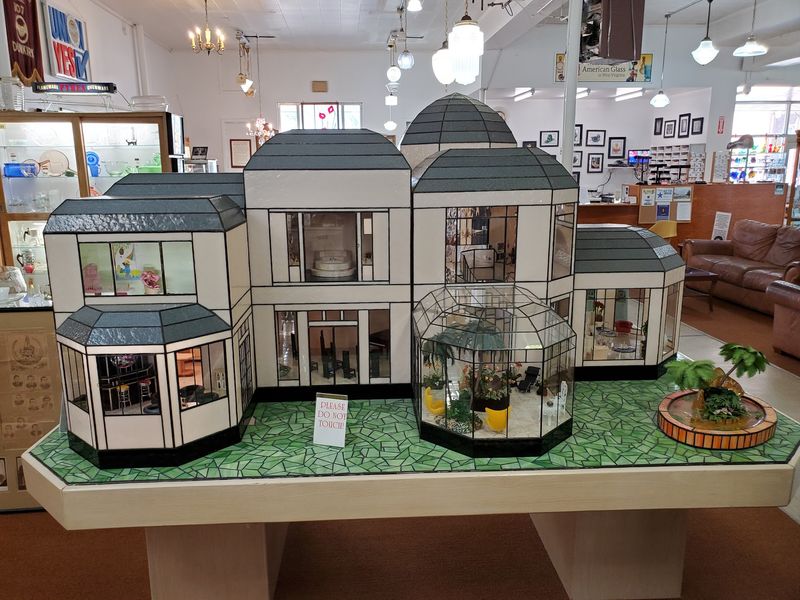
Somewhere in the museum stands a dollhouse that would make any kid, or grown-up, stop cold. It’s made of stained glass, and it ranks among the largest of its kind in the world.
That’s a bold claim for a free museum in a small West Virginia town. Yet here it is, ready for its close-up.
Dollhouses usually ask you to bend down and squint. This one rewards that same curiosity, since the detail is the whole point of the craft.
Stained glass takes patience, careful cutting, and plenty of steady hands. Scaling that art into tiny rooms and walls adds a whole new layer of difficulty.
Families with children will want to make this an early stop. The museum also offers interactive activities for kids, which helps younger visitors stay engaged between cases.
Grandparents might enjoy pointing out the craftsmanship while kids hunt for their favorite tiny room. It’s an easy way to share the stop across generations.
Photos have reportedly been allowed inside, so a camera is worth bringing. You’ll probably want proof for the relatives who didn’t make the trip.
It’s playful, impressive, and a little bit magical all at once. No wonder it tends to steal attention from everything around it.
Marbles With A Cross-Country Backstory
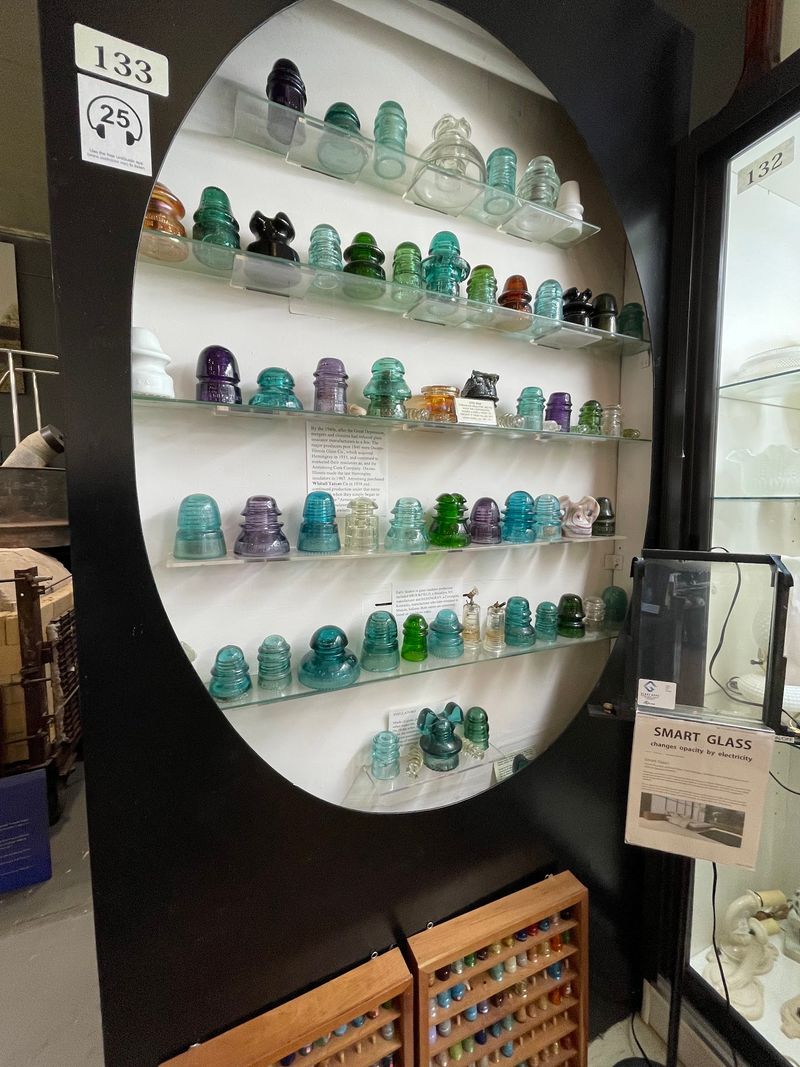
Few travelers expect the National Marble Museum to live inside a glass museum in West Virginia. Yet that’s exactly where its collection landed after moving from California.
Marbles make sense here once you remember the state’s deep ties to the toy. Glass plants in West Virginia reportedly turned out marbles by the millions over the years.
Seeing a large collection in one place feels like opening the world’s best junk drawer. Every color and pattern seems to compete for your attention.
The display also taps into a powerful kind of nostalgia. Plenty of folks spent recess on their knees, guarding a favorite shooter like treasure.
Grandkids may need a quick explanation of what a shooter even is. That conversation alone could be worth the visit.
The move from California shows how seriously collectors take this small, round slice of history. They trusted Weston to care for it, and the museum took that job on.
It’s also a reminder of how glass touched everyday life far beyond the dinner table. Toys, tools, and treasures all came out of the same furnaces.
Spend a few extra minutes here before moving on. Each little marble carries a story about craft, play, and childhood.
Fine Steuben Crystal Shares Space With A Wall Of Every State
Elegance gets its own corner thanks to the Martin Massman Steuben Glass Collection. Steuben is a famous name in American crystal, and seeing a dedicated collection is a real treat.
Fine crystal like this tends to make people lower their voices without realizing it. You’ll probably catch yourself leaning closer for a better look.
Across the museum, the range swings from fancy to everyday in delightful ways. Work from the 1800s shares the building with the humble kitchen staples of later decades.
There’s also a display that aims to show glass from each state in the country. A few states have reportedly still needed samples, so the wall remains a work in progress.
That makes it one of the more interactive ideas in the building. If your family has a piece from an underrepresented state, it might be worth asking about.
The variety means nobody gets bored for long. Fancy crystal lovers and thrift-store treasure hunters can both find something to admire.
I like how the collection respects every level of glassmaking. Pricey heirlooms and simple tableware all get a proper spot.
It’s a museum that treats a candy dish with the same care as a crystal vase. That kind of fairness feels very West Virginia.
The Research Library Where Glassworkers Still Tell Their Stories
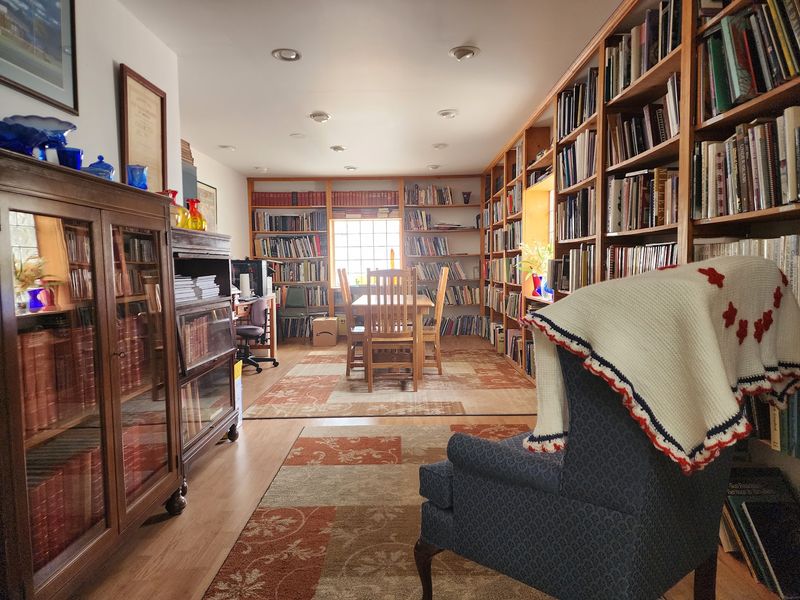
Behind the display cases sits something many visitors never expect. The museum keeps a research library and archives packed with reference material on American glass.
Among the treasures are oral histories recorded with glass blowers. These are real voices describing real work, saved before those memories could fade.
The archives of the American Flint Glass Workers Union are here as well. For anyone researching labor history or a family tree, that’s a remarkable resource.
Collectors can use the library to help identify mystery pieces. A shelf of reference books can answer questions that stump even seasoned antique hunters.
Staff and volunteers bring deep knowledge to the place, too. Some have reportedly spent decades studying glass history.
If you have a piece at home you’ve always wondered about, bring along a photo. It’s a friendly way to start a conversation about where it came from.
History buffs could easily lose an afternoon here. The library turns a casual stop into a genuine research trip for those who want one.
Few small museums offer this kind of depth. It’s proof that Weston’s glass story is being protected with real care.
Taking A Piece Of Weston Glass Home Is Half The Fun
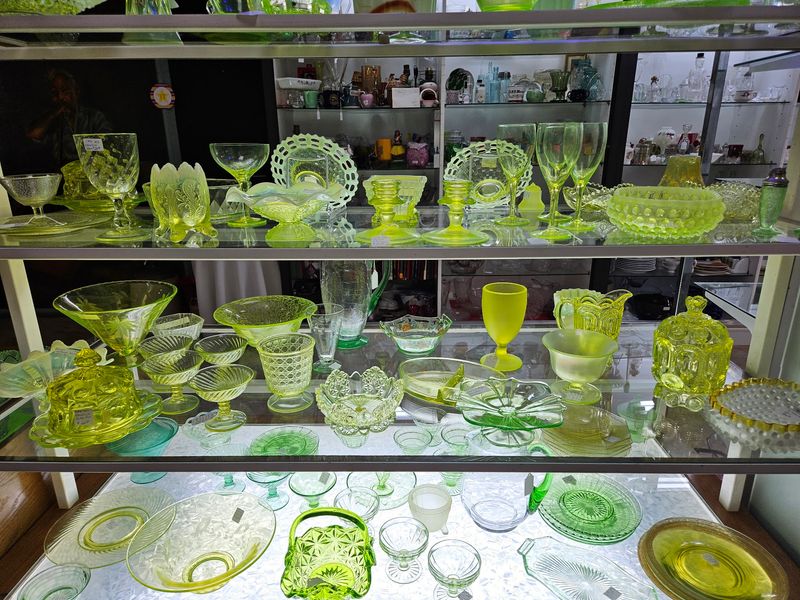
Leaving empty-handed takes real willpower here. The museum gift shop sells deaccessioned glass along with consignment pieces and books.
Deaccessioned simply means the museum has decided an item no longer fits its permanent collection. Your gain, honestly, since those pieces still carry plenty of history.
Vintage glass hunters may want to budget a little extra time for browsing. Uranium glass has been among the offerings, much to the delight of its many fans.
Outside, a mural on the side of the building celebrates Weston’s long history in the glass industry. It’s a fitting welcome before you even reach the door.
Mark your calendar for the annual Glass Gathering, too. The 2026 event is scheduled for October 22 through 24 in Weston.
Bigger changes are coming down the road as well. The museum now owns the former R.
P. Camden Hotel, a three-story Victorian built in 1896, and plans to relocate there.
The current building dates to 1885 and once served as a bank and later a JCPenney store. Moving from one historic building to another feels perfectly on brand.
Watching that next chapter unfold could give you a great excuse for a return trip. Glass lovers rarely stop at just one visit anyway.
Hours, Parking, And Why This Stop Deserves A Spot On Your Route
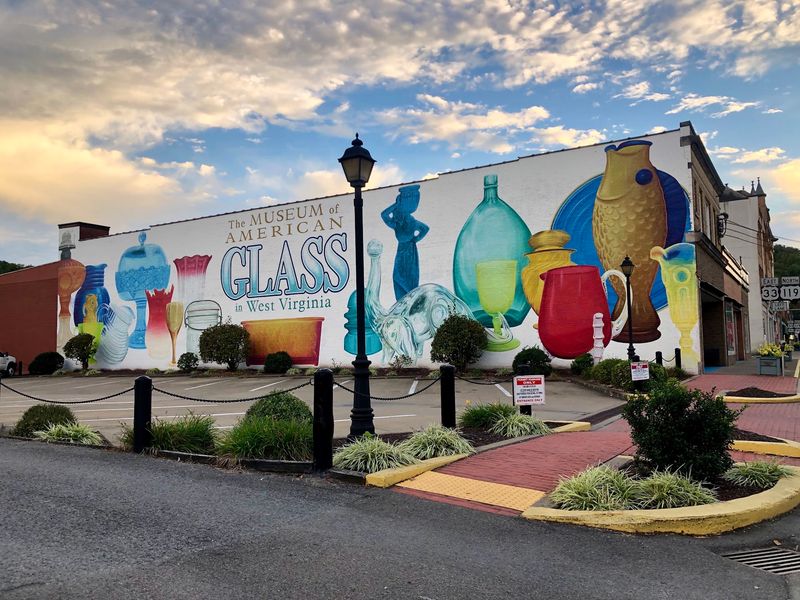
Timing your visit is refreshingly easy. Hours run 9:30 a.m. to 5 p.m.
Monday through Saturday, and 1 to 5 p.m. on Sunday.
The museum closes only for Easter, Thanksgiving, Christmas, and New Year’s. That leaves plenty of room for a spontaneous road-trip detour.
You’ll find it at 230 Main Ave, Weston, WV 26452. Street parking is available nearby, beside a small park just before the museum.
An hour covers the highlights, though dedicated collectors could easily stay much longer. Self-guided browsing means you set the pace.
The Trans-Allegheny Lunatic Asylum sits just minutes away, so pairing the two makes a full Weston day. A downtown stroll fits nicely in between.
So who will love The Museum of American Glass in West Virginia the most? Collectors, history buffs, and anyone who remembers a grandmother’s china cabinet top the list.
Kids get their dollhouse and hands-on activities, while grown-ups get stories of furnaces and family trades. Free admission seals the deal.
Weston may have lost its factories, but it never lost its pride in the craft. That shines through in every case, and it’s well worth seeing for yourself.
