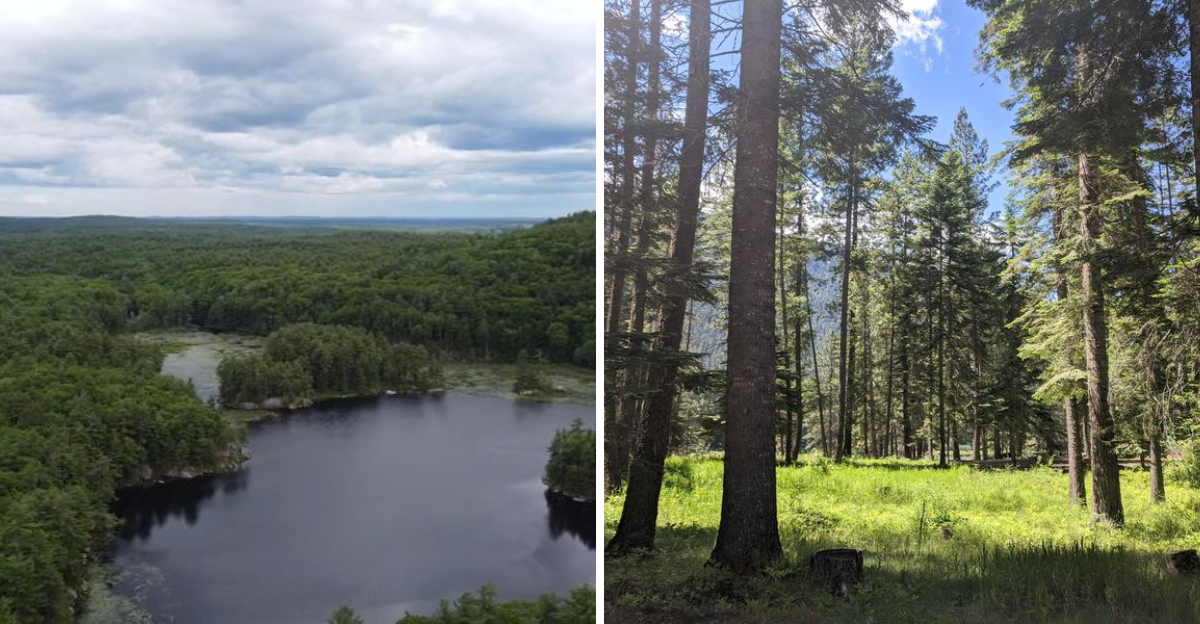
The trails wind through the forest, and the only sounds are the birds and the rustle of leaves. The animals here move freely, unbothered by the occasional hiker.
New Hampshire has a collection of hiking trails where the wildlife still feels untouched. Some are tucked away in remote corners of the state, far from the crowds.
Others are less traveled, offering a chance to see creatures in their natural habitat. I have hiked these trails and spotted deer, moose, and a variety of birds.
The experience is peaceful and humbling, a reminder of the wildness that still exists in New Hampshire. That is the thing about these trails.
They offer a connection to nature that is becoming increasingly rare.
1. Cascading Serenity at Diana’s Baths
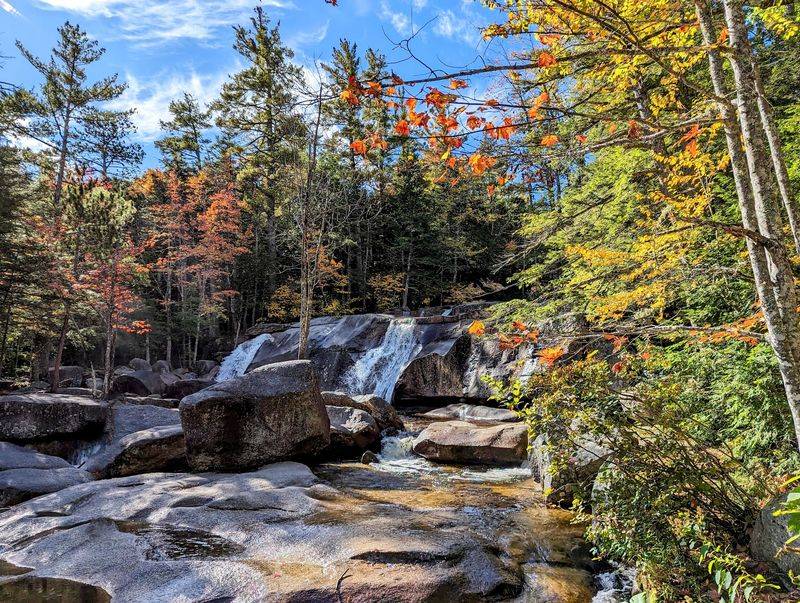
Water has a way of telling stories, and along Lucy Brook, the tale is one of ancient granite shaped by centuries of patient, persistent flow. Diana’s Baths, nestled within the White Mountain National Forest, rewards hikers with a series of natural pools and gentle cascades that feel genuinely otherworldly.
Every footstep on this trail brings a new sensory surprise, from the cool mist rising off polished rock to the earthy perfume of native ferns.
The moist microclimate near the falls nurtures an incredibly rich ecosystem. Vibrant wildflowers splash the landscape with color during spring and early summer, while moss carpets every available surface in deep, velvety green.
I always find myself pausing longer than planned, camera in hand, because the scene keeps shifting with the light.
Wildlife sightings here are genuinely common rather than lucky flukes. Black-capped chickadees flit energetically among the birches, and the resonant drumming of a pileated woodpecker often echoes through the canopy overhead.
Spotting a white-tailed deer picking its way carefully across the brook is a real possibility, especially during the quieter morning hours.
The trail itself is short and accessible, making it a fantastic option for hikers of all experience levels. Even so, the sense of genuine wilderness never fades, and the soundscape of rushing water drowns out any reminder of the modern world.
This enchanting escape sits at 3872 West Side Road, North Conway, NH 03860, and absolutely earns its reputation as one of the most magical short hikes in the region.
2. Wildlife Wonders at Pondicherry Refuge
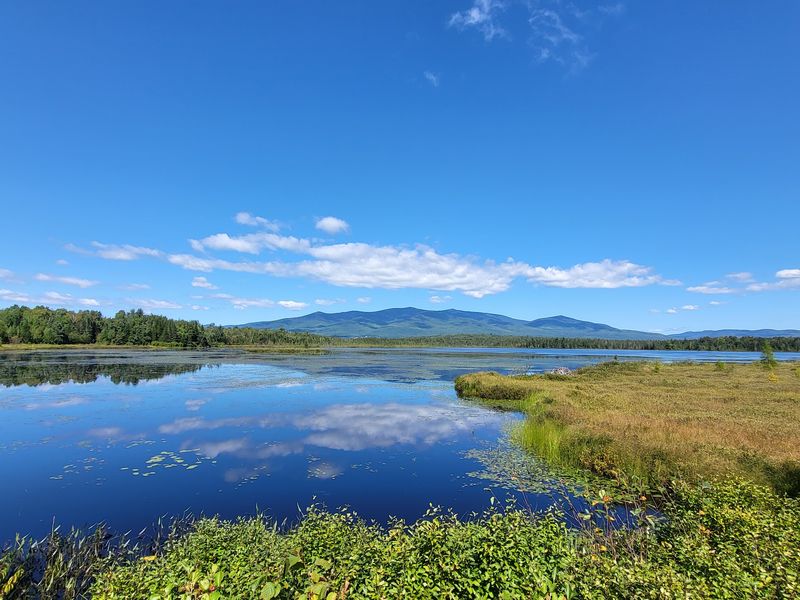
Stepping onto the trails at Pondicherry Wildlife Refuge is like pressing an instant reset button on modern life. This sprawling sanctuary in northern New Hampshire stretches across thousands of acres of wetlands, boreal forest, and open ponds.
They’re all framed by the dramatic silhouette of the Presidential Range.
The sheer scale of the place feels humbling in the best possible way.
Moose are practically a signature feature here, especially near the ponds during early morning and evening hours. I have stood completely still at the water’s edge, watching one of these magnificent animals wade through the shallows, utterly unbothered by my presence.
The experience is the kind that rewires your brain and reminds you what genuine wildness actually looks and feels like.
Birdwatching at Pondicherry is nothing short of extraordinary. Over two hundred species have been recorded within the refuge, including the elegant northern harrier hawk and the hauntingly beautiful common loon.
Water birds congregate in impressive numbers, and the calls layered across the wetlands create a living symphony that never gets old.
Beaver activity is visible throughout the waterways, with fresh gnaw marks and impressive dams dotting the landscape. The trails, some following historic railroad beds, offer smooth and steady footing through forests of spruce and fir.
Every bend in the path feels like an invitation to witness something genuinely wild. Begin your exploration from the Presidential Rail Trail at 289 Airport Road, Whitefield, NH 03598, and prepare to be completely absorbed by nature’s finest production.
3. Exploring Ossipee Pine Barrens
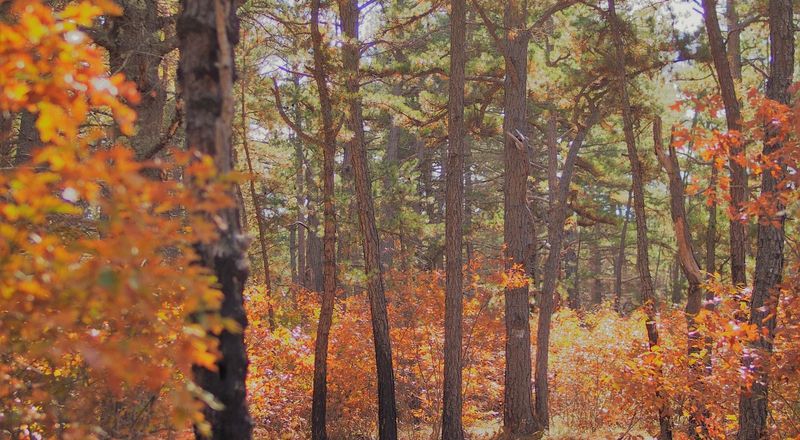
Most forests play by familiar rules, but Ossipee Pine Barrens makes up its own. This globally rare pitch pine and scrub oak woodland sits in a league entirely of its own, shaped by retreating glaciers and maintained by the occasional embrace of fire.
The result is a striking, open-canopy landscape that looks like nothing else in New England and hosts wildlife found almost nowhere else in the region.
Nearly two dozen threatened and endangered moths and butterflies have been documented here, drawn to the unique plant community that thrives in these sandy, nutrient-poor soils. Pitch pines, with their wonderfully thick and fire-resistant bark, stand as gnarled monuments to ecological resilience.
Walking among them, I always feel like I have stumbled onto a landscape from another era entirely.
At dusk, the real magic begins. The haunting, repetitive call of the eastern whip-poor-will drifts through the cooling air, and common nighthawks glide silently overhead in search of insects.
These are species that many hikers spend years hoping to encounter, and Ossipee delivers them with remarkable consistency.
The sandy plains also provide critical habitat for rare reptiles, including species that depend on open, sun-warmed ground for nesting and basking. Trails here are generally flat and easy to navigate, which makes the extraordinary biodiversity feel almost effortlessly accessible.
This is a place that rewards curiosity and patience in equal measure. Start your distinctly memorable journey from Plains Road, Route 41, Madison, NH, and prepare to rethink everything you thought you knew about New England forests.
4. Coastal Wonders at Great Bay Refuge
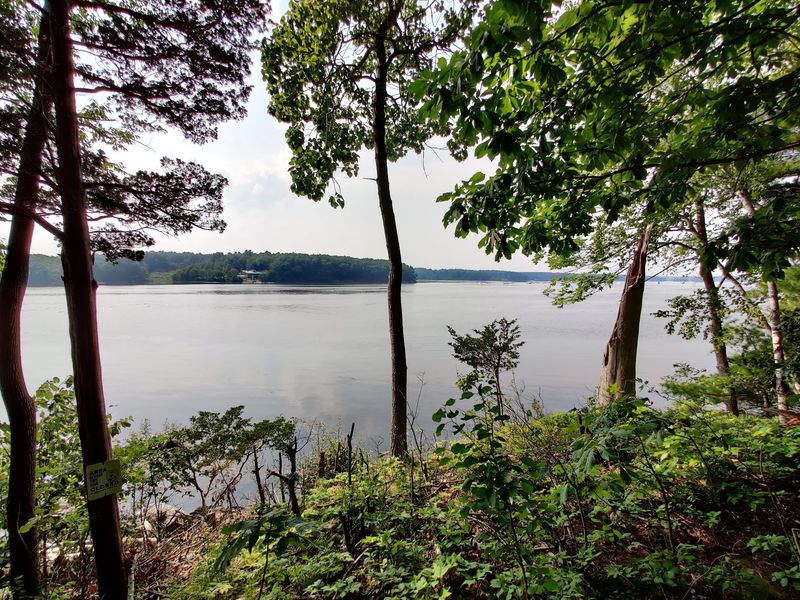
New Hampshire’s coastline is famously compact, but Great Bay National Wildlife Refuge packs an almost unfair amount of ecological richness into its borders. This stunning estuary, one of the largest and most productive on the Atlantic Coast north of Massachusetts, is where freshwater rivers meet salty ocean tides in a dynamic, life-sustaining dance.
Walking here, I am always struck by how different each habitat feels, from open tidal flats to dense woodland edges.
Bald eagles are a commanding presence, particularly during winter months when they perch in tall trees overlooking the bay with regal authority. Peregrine falcons streak across the sky during migration, and the sheer variety of state-listed rare and endangered species sheltering within the refuge is genuinely impressive.
Every visit feels like opening a new chapter of the same endlessly fascinating book.
The Ferry Way Trail winds through meadows where white-tailed deer and their fawns graze with surprising confidence. Turkey families strut along the paths in full formation, apparently unbothered by the concept of personal space.
The Peverly Pond Trail even features a wheelchair-accessible boardwalk leading to a dedicated bird blind, making meaningful wildlife observation available to everyone regardless of mobility.
Osprey nest on platforms above the water during warmer months, and the sight of one plunging feet-first into the bay to snag a fish is pure, unscripted drama. This refuge represents conservation working exactly as it should, wild, thriving, and breathtaking.
Find your way to this coastal paradise at 3 Arboretum Drive, Newington, NH 03801.
5. Panoramic Peaks of Miller State Park
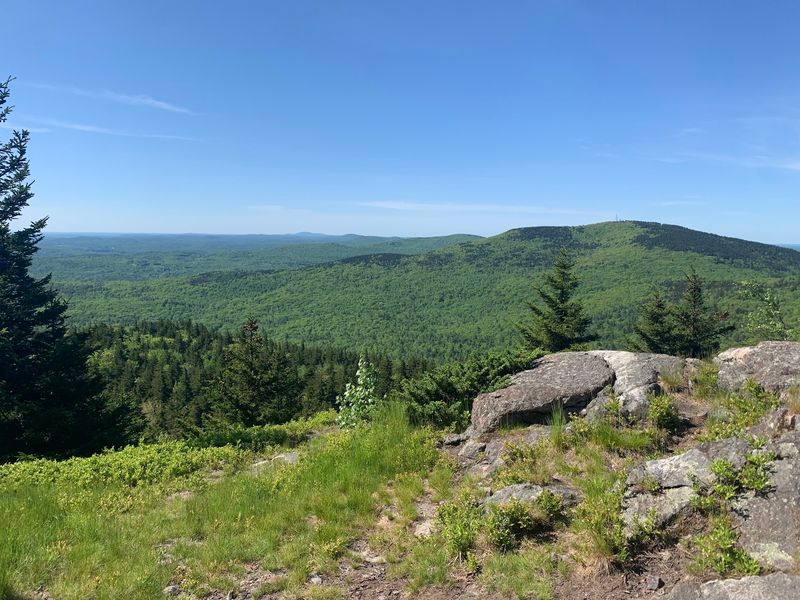
Pack Monadnock has a way of making you feel genuinely accomplished the moment you reach its rocky, windswept summit. Miller State Park is the oldest state park in New Hampshire.
It crowns this impressive peak and rewards the effort of the climb with sweeping panoramic views that stretch from Mount Monadnock to the White Mountains and, on exceptionally clear days, all the way to the Boston skyline.
The feeling up top is equal parts triumphant and humbling.
Autumn here transforms the surrounding landscape into a riotous canvas of red, orange, and gold, and the raptor migration that accompanies the season is genuinely spectacular. Thousands of broad-winged hawks and other birds of prey ride the thermals past the Pack Monadnock Raptor Observatory near the summit, creating aerial displays that draw birders from across the region.
I have spent hours at that overlook, neck craned skyward, and never once felt the time wasted.
The forested trails leading to the summit are rugged and rocky, a fitting tribute to the Granite State’s famously stubborn geology. Hikers who explore the lower sections of the park often find signs of moose and black bear, adding a welcome layer of excitement to the woodland sections.
The trail network offers multiple routes to the top, catering to both leisurely walkers and those seeking a proper cardiovascular challenge.
Morning light on the summit granite is particularly beautiful, casting long shadows and illuminating the lichen in shades of gold and silver. Miller State Park sits at 13 Miller Park Road, Peterborough, NH 03458, and it absolutely delivers on every promise its reputation makes.
6. Untamed Heights of Cardigan Mountain
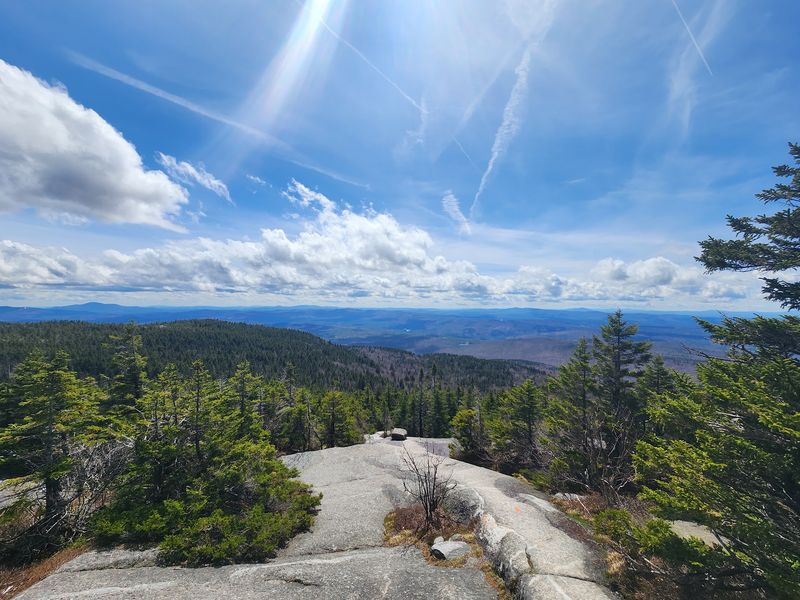
Cardigan Mountain has an almost magnetic pull, drawing hikers back again and again with the promise of that extraordinary bare granite summit rising above the surrounding forest. The exposed peak is a legacy of an historic forest fire that swept through more than a century ago.
It now offers unobstructed three hundred and sixty degree views. They take in west-central New Hampshire, Mount Monadnock to the south, the White Mountains to the north, and Vermont’s Camel’s Hump shimmering on the western horizon.
Few summits in the region deliver this kind of visual payoff.
The approach through dense northern hardwood forest is a genuine pleasure in its own right. Sunlight filters through a canopy of maples and beeches, and the forest floor is rich with ferns, wildflowers, and the occasional flash of a red-tailed hawk banking through the trees.
I always keep my eyes moving on this trail, because the wildlife activity is consistent and rewarding.
Woodpeckers are particularly vocal throughout the forested sections, and their persistent drumming creates a lively percussion soundtrack for the climb. The possibility of encountering black bears or moose adds a genuine frisson of excitement, especially in the early morning hours when these animals tend to be most active.
The West Ridge Trail is a particular favorite for its direct line to the summit and its wonderful variety of terrain.
Mount Cardigan State Park spans thousands of acres and remains refreshingly uncrowded compared to more famous New Hampshire peaks. Begin your adventure at 658 Cardigan Mountain Road, Orange, NH 03741, and prepare for a summit experience that earns every step of the approach.
7. Dixville Notch’s Wild Gorges
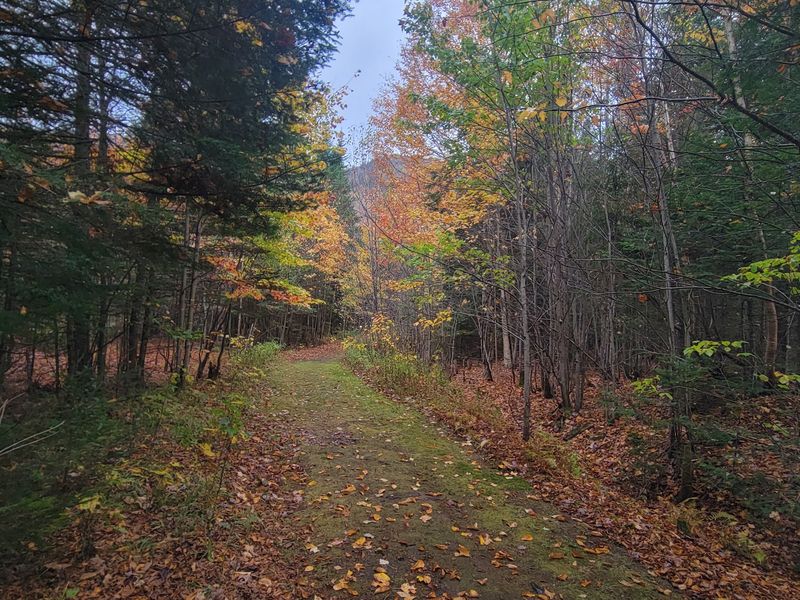
Dixville Notch operates on a different scale of drama entirely. It’s tucked into New Hampshire’s northernmost mountain passes.
This compact park delivers sheer cliffs, plunging gorges, and roaring waterfalls in a landscape that feels genuinely primal.
The moment I step out of the car and look up at Table Rock looming overhead, I understand immediately why this place commands such fierce loyalty from those who know it.
The Baby Flume is a particular highlight, a cascading waterfall carved by Flume Brook that tumbles dramatically through an enchanting gorge accessible directly from a roadside parking area. The sound alone, that thunderous rush of water bouncing off ancient rock walls, is worth the drive north.
Getting close to the spray and peering up at the narrow slot of sky above is an experience that sticks with you long after you have headed home.
Wildlife thrives in this rugged northern landscape. Moose sightings near the park’s picnic areas are common enough that locals treat them almost casually, while deer, beavers, bobcats, and foxes all make their homes within the surrounding forest.
I have learned to scan the treeline carefully and move quietly, because this part of the state rewards patience with genuinely memorable encounters.
The Cohos Trail, a long-distance hiking route, passes directly through the park and opens up access to even more remote terrain for those with ambition and sturdy boots to match. Dixville Notch State Park is located at 1212 NH 26 West, Dixville Notch, NH, and it stands as one of the most dramatically beautiful and authentically wild spots in the entire state.
8. Pawtuckaway Park’s Diverse Habitats
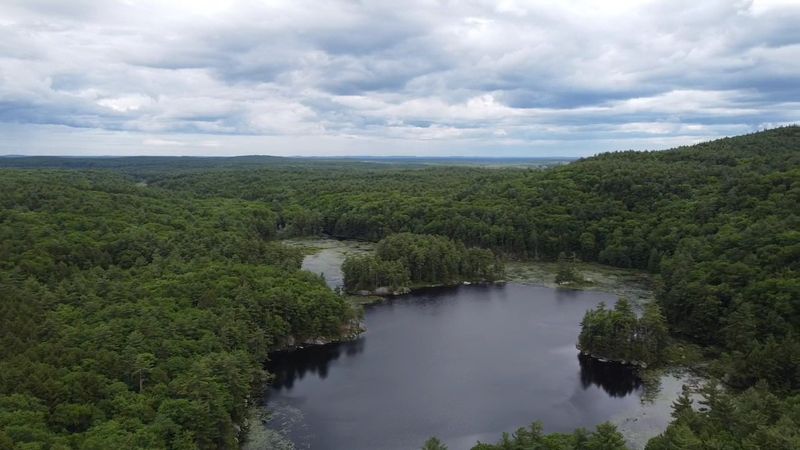
Pawtuckaway State Park is the kind of place that surprises you with its depth. It’s sprawling across thousands of acres in southeastern New Hampshire.
This park combines a large lake, ancient volcanic geology, dense mixed forest, and extensive wetlands into one remarkably diverse natural package.
The trails wind through oak and hemlock stands, past crumbling old stone walls that whisper of the farmland this forest once was, and alongside productive marshes that practically hum with life.
Beavers are among the park’s most industrious residents, and their engineering projects are visible throughout the wetland areas. Fresh gnaw marks on streamside trees and impressive dome-shaped lodges rising from quiet ponds tell the story of a thriving population.
Great blue herons are equally conspicuous, standing with statuesque patience at the water’s edge before striking with sudden, lethal precision.
Turtles bask on every available sunny log during warmer months, and the variety of waterfowl calling across the marshes adds a wonderfully chaotic soundtrack to any morning walk. Deer are common throughout the park’s quieter interior sections, and moose occasionally drift through the more remote wetland corridors, especially in the northern reaches.
The Fundy Trail hugs the edge of a particularly productive marsh and consistently ranks as one of my favorite spots for early morning wildlife observation in the entire state. The combination of accessible terrain and genuine ecological richness makes Pawtuckaway an underrated gem for naturalists of every level.
Your adventure begins at 128 Mountain Road, Nottingham, NH, where the forest is always ready to share its secrets with anyone willing to listen.
9. Coastal Secrets of Odiorne Point
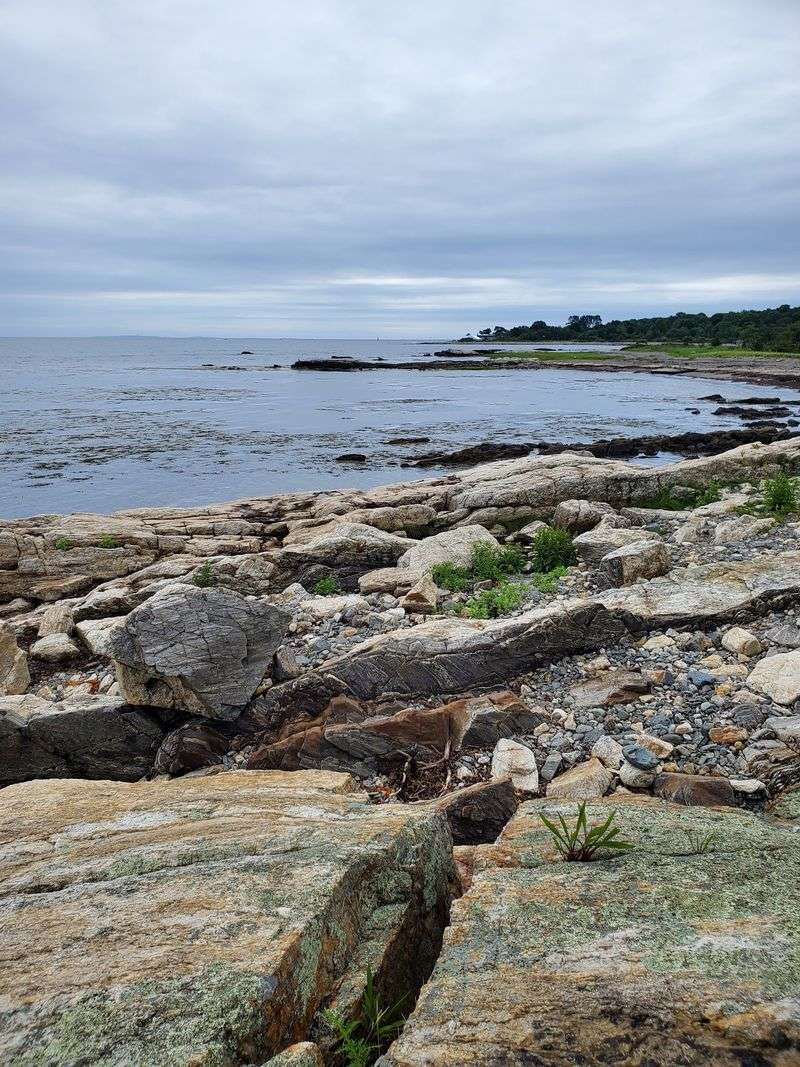
Odiorne Point punches well above its weight for a park of its size. Perched on New Hampshire’s compact but scenically rich seacoast, this park packs rocky shores, salt marshes, freshwater ponds, and dense woodland into a single, wonderfully walkable landscape.
Every habitat transition brings a completely different cast of wildlife characters, which keeps the experience feeling fresh and unpredictable no matter how many times I return.
The tide pools at low tide are nothing short of mesmerizing. Crabs, sea urchins, periwinkles, and anemones crowd into every rocky crevice, creating miniature underwater worlds that reward anyone willing to crouch down for a closer look.
The Seacoast Science Center within the park offers excellent context for understanding what you are seeing, making the experience genuinely educational without ever feeling like a classroom.
Birdwatching here is exceptional during both spring and fall migrations, when the park becomes a critical stopover for exhausted songbirds crossing the open water. Bald eagles and peregrine falcons make regular appearances, and a remarkable variety of warblers pass through in colorful waves.
I have seen great blue herons stalking the freshwater ponds with the quiet confidence of seasoned hunters.
The trails are well-maintained and offer genuinely stunning ocean views at multiple points, with the sound of surf providing a constant, soothing backdrop. Historical remnants of World War Two fortifications add an unexpected layer of intrigue to the natural beauty.
Odiorne Point State Park is located at 570 Ocean Boulevard, Rye, NH 03870, and it offers one of the most complete and rewarding coastal nature experiences on the entire New England seacoast.
10. Thompson Falls’ Hidden Cascades
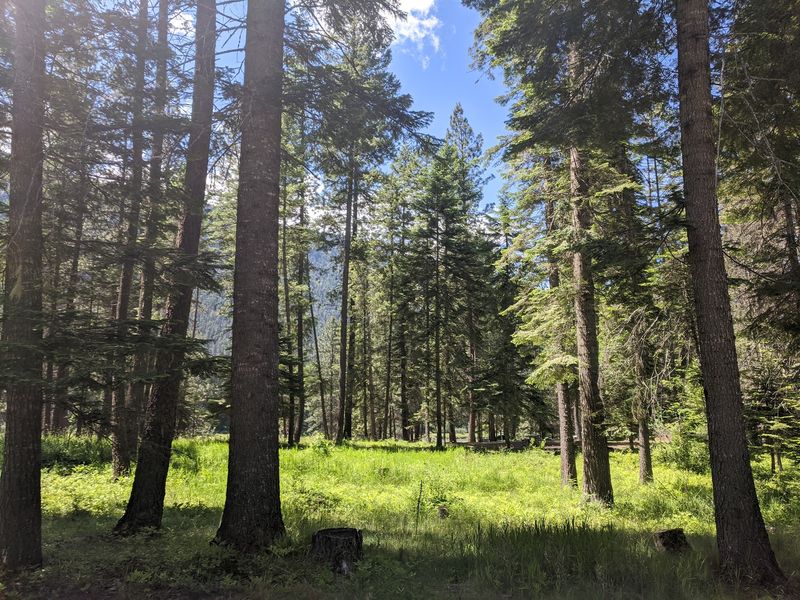
Thompson Falls earns its reputation through sheer charm rather than brute scale. Tucked near Wildcat Mountain in the heart of the White Mountains, this trail follows Thompson Brook through a lovely mixed pine forest that smells like every good camping memory you have ever had.
The path is gentle enough to feel like a stroll yet rewarding enough to feel like a genuine adventure, which is a combination that is harder to achieve than it sounds.
The cascades themselves unfold in a pleasing sequence, each one with its own distinct personality. The lower falls fan out into a wide, serene pool that practically demands you stop, sit on a nearby boulder, and simply absorb the moment.
Higher up, the water picks up speed and tumbles with more urgency, creating a lively contrast that keeps the trail feeling dynamic from start to finish.
Bird activity in the surrounding forest is consistent and enjoyable, with various species of warbler and thrush calling from the dense canopy. Small mammals dart through the undergrowth with impressive speed, and the occasional flash of a red squirrel scrambling up a pine trunk adds a burst of energy to the quieter stretches.
Patient observers may also spot deer moving through the forest during the softer light of early morning.
At the trail’s upper end, glimpses of Mount Washington appear through the trees, adding a dramatic backdrop to an already beautiful scene. This trail is accessible year-round, making it a reliable destination regardless of season.
Find the trailhead at the Wildcat Mountain Ski Area parking lot at 542 NH-16, Gorham, NH 03581, and let the brook lead the way.
11. Arethusa Falls’ Towering Beauty
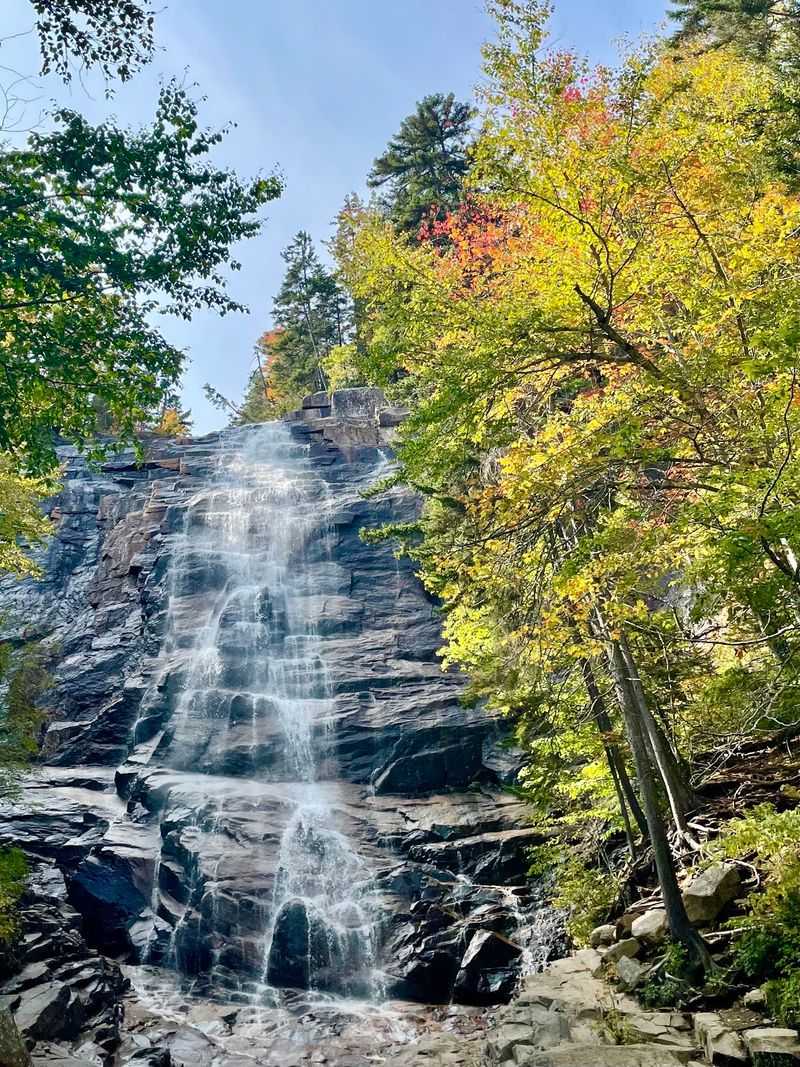
Arethusa Falls commands attention the moment it comes into view. It’s the tallest single-stage waterfall accessible by hiking trail in New Hampshire.
This magnificent cascade in Crawford Notch State Park delivers a genuinely jaw-dropping finale to a trail that earns its reputation with every step.
The roar builds gradually as you approach, and then suddenly the full spectacle reveals itself through the trees, a thundering curtain of white water plunging down ancient granite.
The path to Arethusa follows Bemis Brook through lush, cathedral-like forest, and the journey is as rewarding as the destination. Smaller cascades along the way, including the enchanting Fawn Pool and the impressively sculpted Coliseum Falls, invite repeated stops and extended exploration.
I always build extra time into this hike because rushing past these intermediate wonders feels genuinely wasteful.
The surrounding spruce-fir forest and mixed hardwood canopy create rich habitat for a wide variety of woodland creatures. White-tailed deer move through the quieter sections of the trail with graceful ease, and curious red squirrels announce their presence from the treetops with characteristic enthusiasm.
Bird activity is abundant throughout, and the peaceful intervals between the sound of falling water provide perfect conditions for listening to the forest’s layered soundtrack.
Despite its well-deserved popularity, Arethusa consistently manages to feel genuinely secluded, particularly on weekday mornings when the forest has not yet filled with fellow admirers. The combination of dramatic waterfall scenery and authentic wilderness atmosphere makes this one of the most complete hiking experiences in the state.
Begin your captivating journey at 1464 US Route 302, Harts Location, NH 03812.
