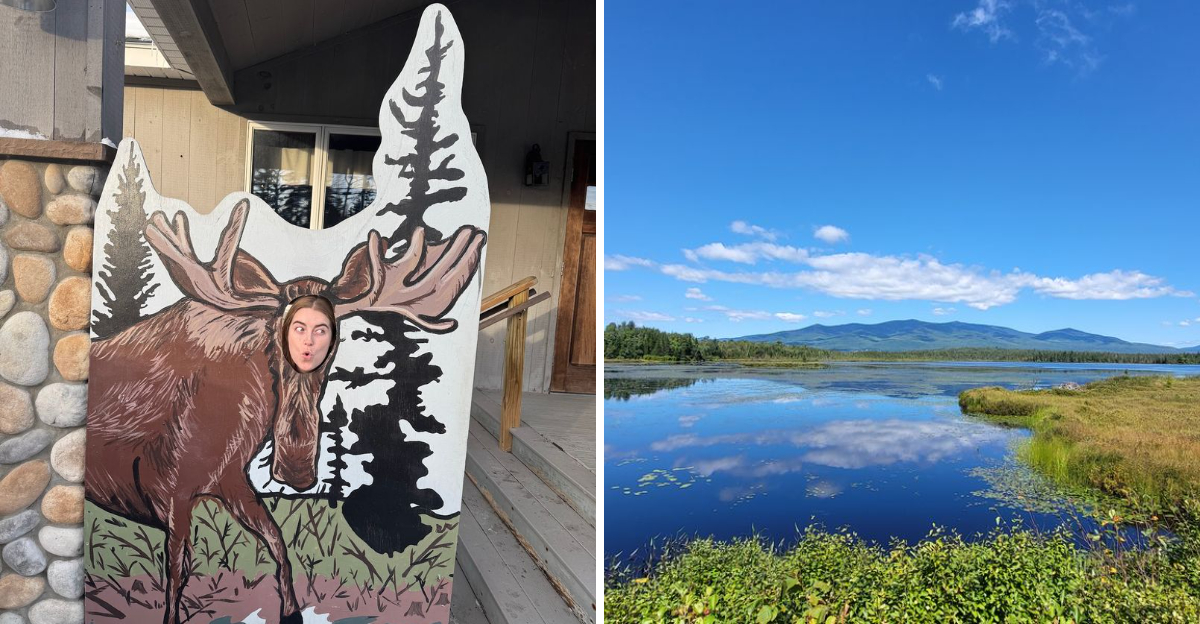
The animals are not the usual deer and squirrels. They are strange, unusual, and completely fascinating.
New Hampshire has a collection of wildlife spots that are so strange they are worth visiting. A place where you can see albino animals.
A sanctuary for exotic birds. A pond where the turtles sunbathe in groups.
I visited one spot where the animals are all rescue cases, each with a unique story. Another location is a rehabilitation center where you can see animals up close.
The experience is educational and surprising. That is the thing about these New Hampshire wildlife spots.
They are not your average nature attractions. They are strange and wonderful.
1. Ponemah Bog Wildlife Sanctuary
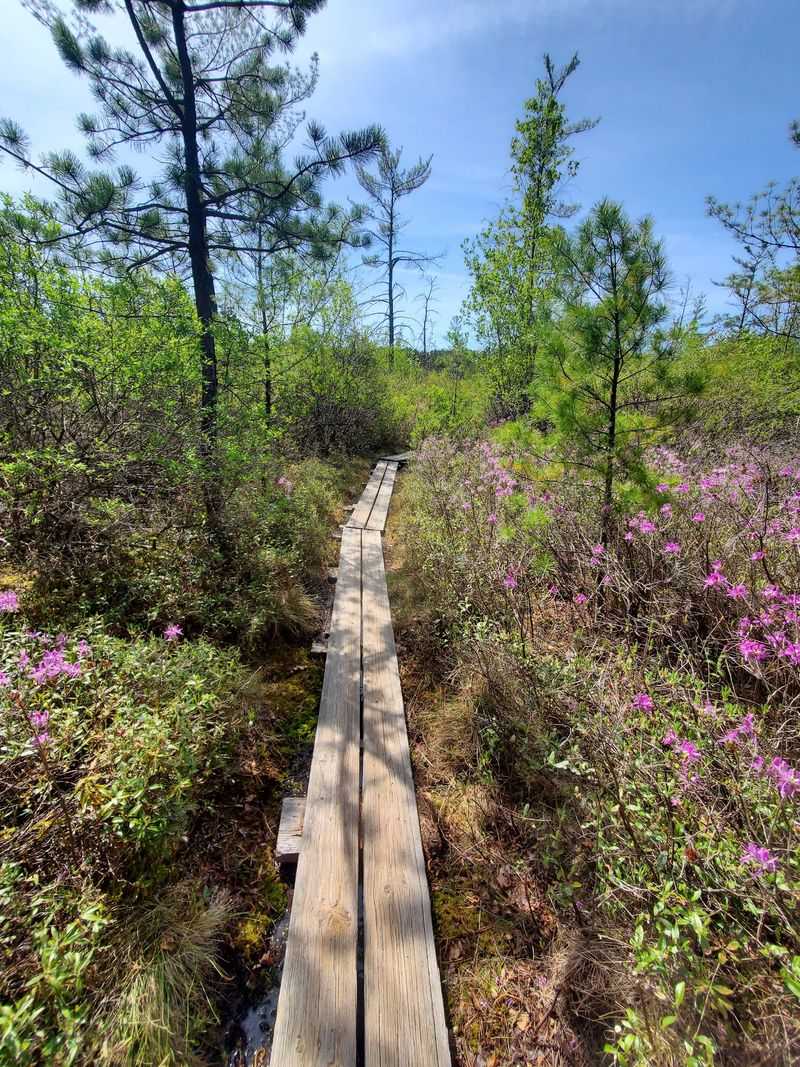
Walking onto the floating boardwalk at Ponemah Bog Wildlife Sanctuary in Amherst feels like stepping onto a living, breathing raft. The sphagnum moss mat beneath the wooden planks actually sways and bounces with each step, a sensation so unexpected it makes first-time visitors stop dead in their tracks and laugh in disbelief.
This 75-acre sanctuary, protected by the Audubon Society of New Hampshire, is built around a kettle pond left behind by retreating glaciers over 12,000 years ago.
Pitcher plants and sundew dot the landscape like tiny carnivorous jewels, thriving in the acidic, nutrient-poor water that most plants would refuse to touch. Tamarack trees, one of the few conifers that shed their needles in autumn, frame the scene with a golden glow in fall.
The name “Ponemah” is said to trace back to Longfellow’s epic poem “Hiawatha,” meaning “the land of the hereafter,” and honestly, the atmosphere earns that title completely.
Observation platforms along the trail offer quiet perches for birding, with warblers and dragonflies making regular appearances. Spring and early summer are particularly magical, when the bog comes alive with blooms and buzzing insects.
Trails are well-maintained and family-friendly, making this an accessible adventure for curious minds of all ages. Bring a camera and a sense of wonder, because Ponemah Bog rewards patience with moments of pure, unfiltered natural strangeness.
Address: Rhodora Drive, Amherst, NH
2. Moose Alley
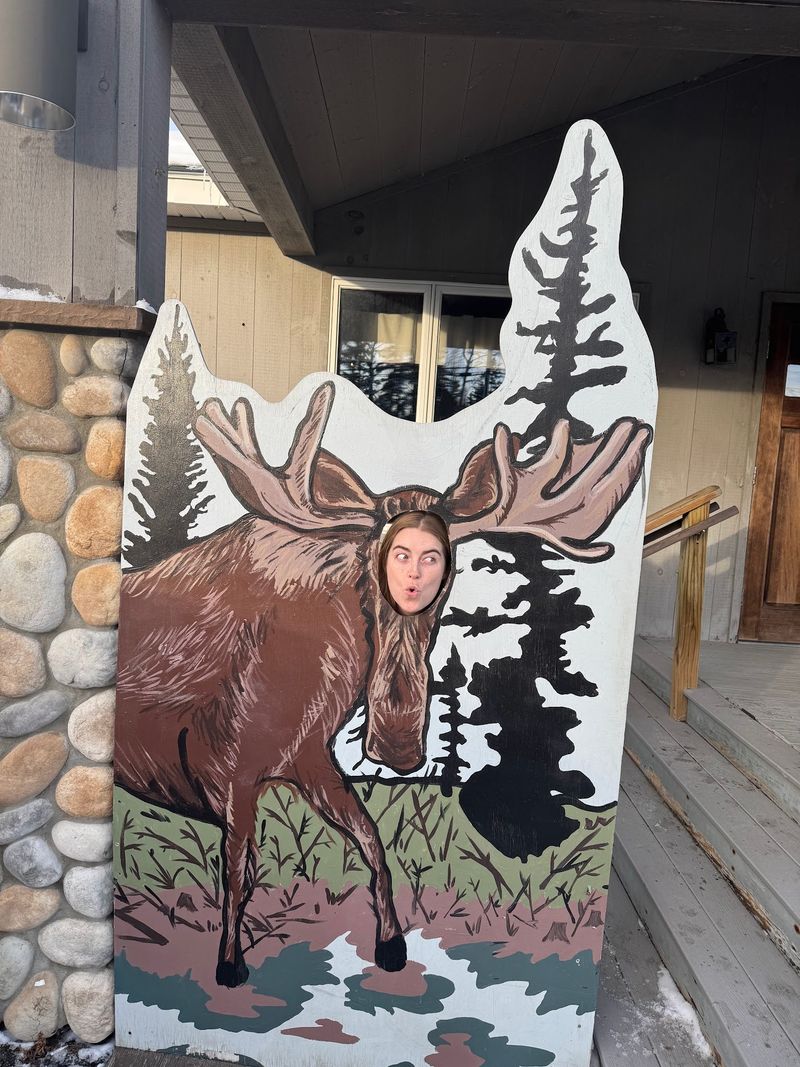
There is a stretch of road in northern New Hampshire that has earned a reputation so wild it sounds like folklore, but Moose Alley along US Route 3 in Pittsburg is completely, gloriously real. This long corridor of highway winding north toward the Canadian border passes through some of the most densely moose-populated terrain in the entire state.
Driving it feels less like a road trip and more like entering a living wildlife sanctuary with no fences and no admission booth.
Dawn and dusk are the golden hours here. Moose venture out of the thick boreal forest to graze in the roadside wetlands, their enormous silhouettes appearing without warning in the early morning mist.
A bull moose standing at full height beside your car is a perspective-shifting experience that no zoo or nature film can replicate. The sheer scale of these animals, combined with their calm, almost indifferent attitude toward passing vehicles, makes every sighting feel surreal.
Patience is your best travel companion on Moose Alley. Some mornings you might spot half a dozen moose; other times the forest keeps its secrets.
Either way, the drive itself is stunning, rolling through vast forests, past pristine lakes, and alongside rivers that feel completely untouched. Pittsburg is the northernmost town in New Hampshire, and this remote corner of the state has a wild, frontier quality that is genuinely hard to find anywhere else on the East Coast.
Address: US Route 3 North, Pittsburg, NH (extending to the Canadian border)
3. Amoskeag Fishways Learning and Visitors Center
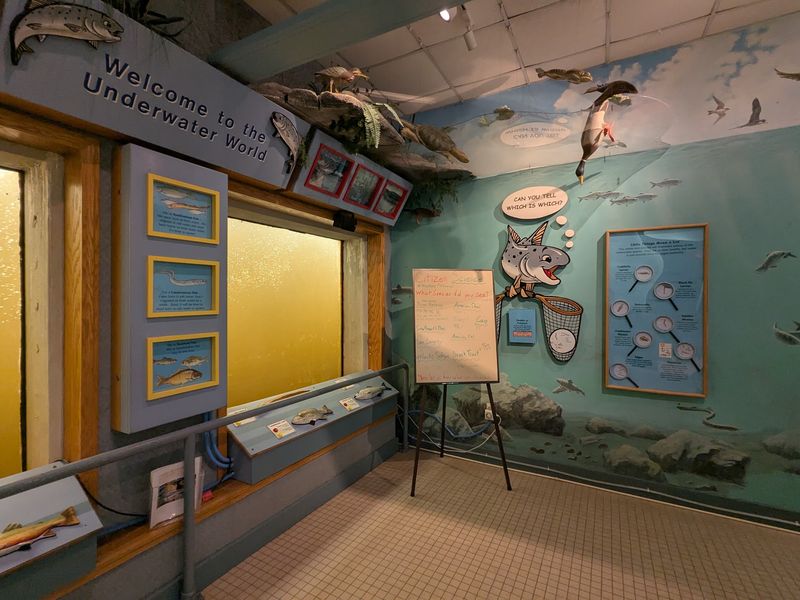
Watching fish climb stairs sounds like the setup to a joke, but at the Amoskeag Fishways Learning and Visitors Center in Manchester, it is a jaw-dropping annual spectacle. The facility features a remarkable fish ladder engineered to help migrating species bypass the Amoskeag Dam on the Merrimack River.
Standing at the underwater viewing windows during peak migration season is one of those experiences that makes you forget to blink.
Shad, river herring, sea lamprey, and even Atlantic salmon power their way upstream in a churning, determined parade of fins and scales. The center, managed by New Hampshire Audubon, frames this natural drama with excellent interactive exhibits about the Merrimack River watershed and the complex ecology that depends on healthy fish runs.
Live turtles, frogs, and salmon on display give younger visitors a close-up look at aquatic life that textbooks simply cannot match.
Migration peaks during May and June, making spring the absolute best time to visit. The energy inside the center during those weeks is electric, with the underwater windows offering front-row seats to one of nature’s most determined performances.
Outside peak season, the educational programming and river ecology exhibits still make the center well worth a stop. Located right in the heart of the city, Amoskeag Fishways is a reminder that extraordinary wildlife moments can happen in the most unexpected urban settings.
Address: 4 Fletcher Street, Manchester, NH 03103
4. Karner Blue Butterfly Conservation Habitat
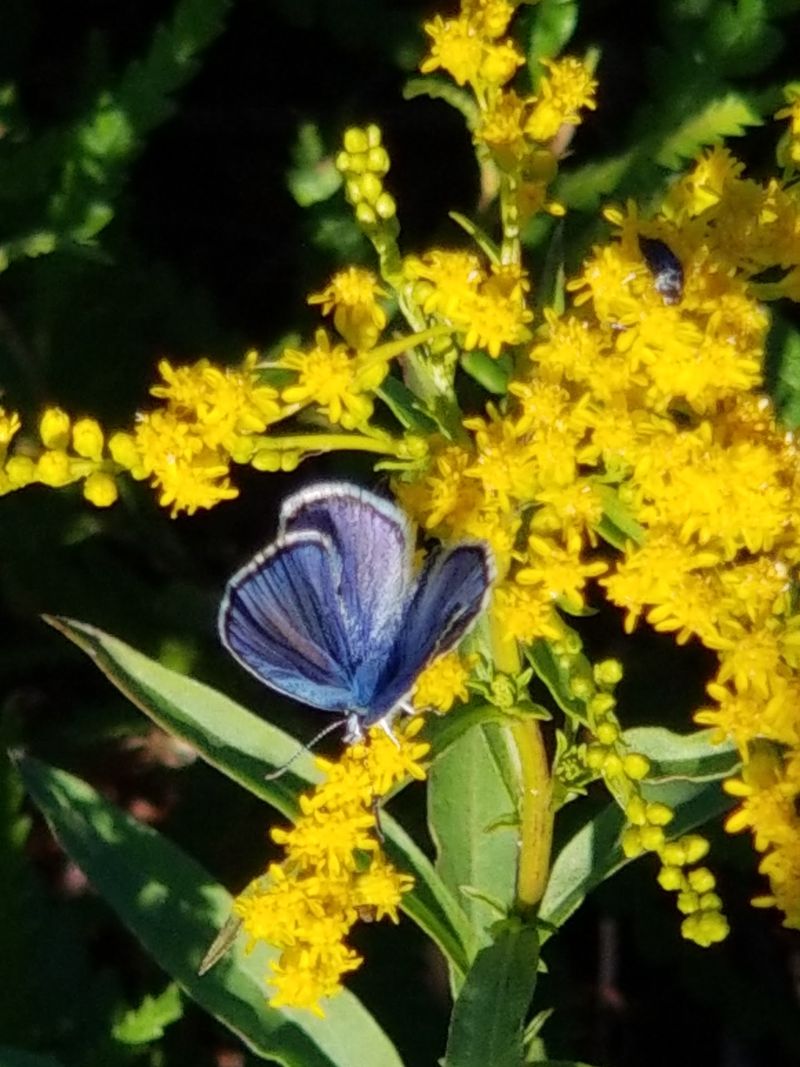
Finding a Karner Blue Butterfly in the wild feels like discovering a living sapphire that somehow learned to fly. This federally endangered species, with wings so vividly blue they look almost digital, clings to survival within the unique pine barrens habitat near Concord.
The relationship between this butterfly and wild lupine is one of nature’s most precise and fragile arrangements: the caterpillar feeds exclusively on lupine leaves, making the preservation of these specific sandy-soiled habitats an absolute priority for conservationists.
The pine barrens near Concord, including areas adjacent to the New Hampshire Army National Guard base, are managed with careful, science-driven techniques. Prescribed burns are used to mimic the natural disturbances that keep the scrubby, open habitat healthy and hospitable.
Walking the sandy trails through patches of wild lupine in early summer, you realize how much effort goes into keeping this tiny creature alive. Spotting one flitting among the purple blooms is a privilege that feels genuinely earned.
Public viewing access is available within designated conservation easements, making this an accessible spot for patient, curious naturalists. Bring a close-focus binocular or a macro lens camera, because the Karner Blue rewards those who slow down and look carefully.
This conservation habitat is a compelling argument for why protecting even the smallest, most overlooked creatures matters enormously. The butterfly’s continued presence here is a quiet victory for New Hampshire’s conservation community, and a story worth celebrating loudly.
Address: Concord Pine Barrens, near the New Hampshire Army National Guard base, Concord, NH
5. Benson Park
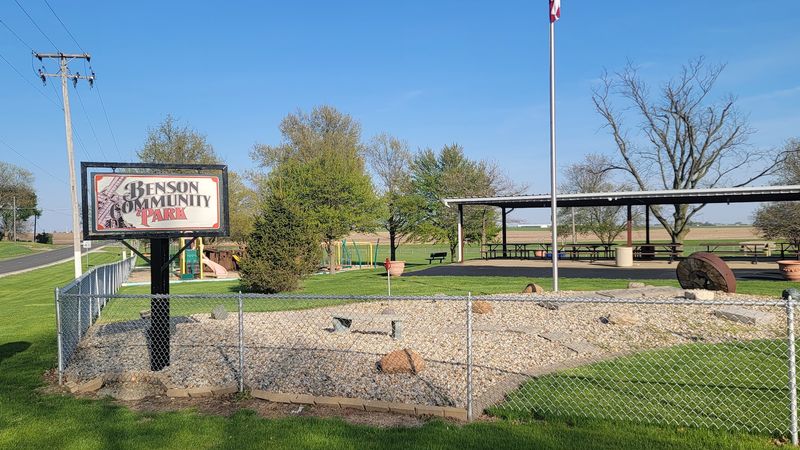
Benson Park in Hudson is the kind of place that makes you feel like you’ve wandered into an adventure novel. Once the beloved Benson’s Wild Animal Farm, a famous zoo and amusement park that thrilled generations of New England families, this 166-acre property now operates as a public park with a seriously interesting past lurking behind every tree.
Abandoned animal enclosures, a weathered elephant barn, and storybook-style structures peek through the vegetation like a whimsical archaeological site.
The town of Hudson made a brilliant decision in preserving these quirky remnants rather than bulldozing them into oblivion. Wandering the winding trails, I stumble across stone walls that once housed exotic animals, concrete pools that once splashed with sea lions, and decorative gates that once welcomed thousands of wide-eyed visitors.
The contrast between the peaceful natural surroundings and these crumbling relics creates a genuinely unique atmosphere that is equal parts nostalgic and slightly eerie.
Beyond its wild history, the park offers excellent walking trails through marshland, open fields, and forested areas that are perfect for birdwatching and casual hiking. A moving 9/11 memorial incorporating a steel beam from the World Trade Center adds a layer of profound significance to the grounds.
Benson Park manages to be simultaneously a nature preserve, a historical curiosity, and a community gathering space, which is a combination you simply will not find anywhere else in southern New Hampshire.
Address: 19 Kimball Hill Road, Hudson, NH 03051
6. The Drowned Forest at Odiorne Point State Park
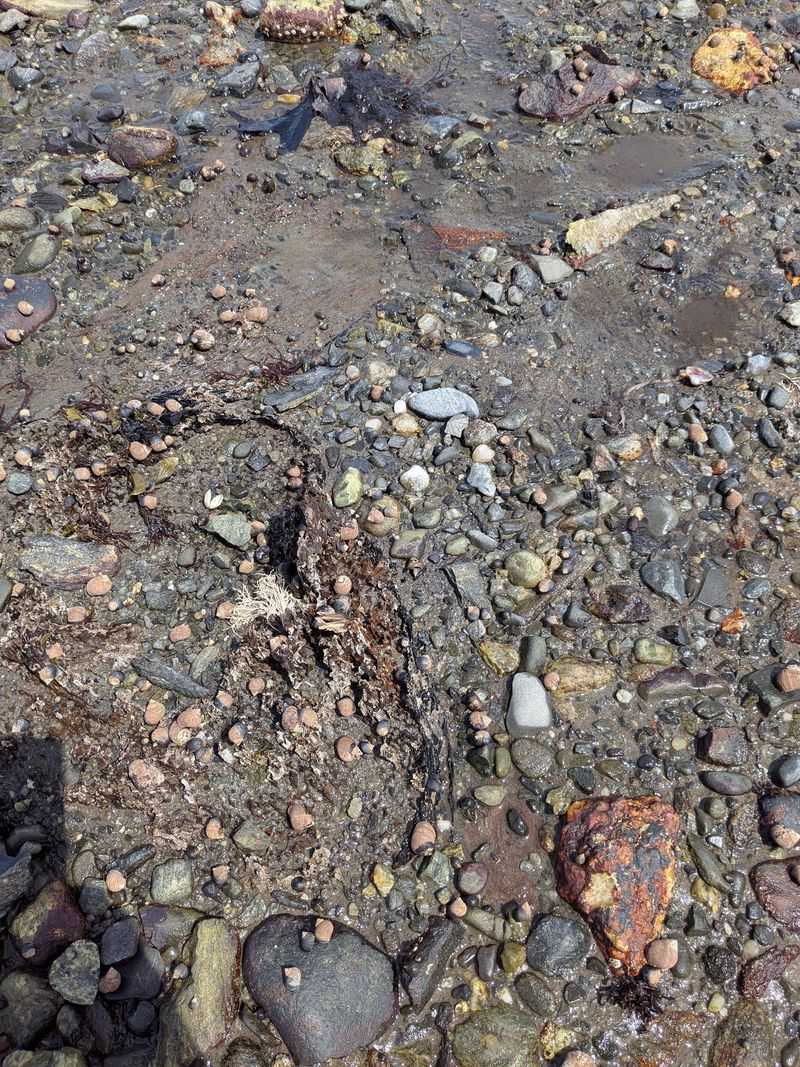
Few natural phenomena stop people in their tracks quite like the Drowned Forest at Odiorne Point State Park in Rye. At very low tide, ancient tree stumps rise from the seafloor at Periwinkle Cove like ghostly sentinels from another era.
These are the petrified remains of a forest composed of pine, hemlock, and Atlantic white cedar that stood here roughly 3,500 to 4,000 years ago, long before rising sea levels swallowed the entire woodland whole.
Timing a visit to coincide with the lowest tides of the month is essential. On a calm morning with the tide pulling back, the stumps emerge from the shallow water in a scene so otherworldly it genuinely takes a moment to process what you are looking at.
Marine life now colonizes the ancient wood, with barnacles, periwinkles, and small crabs making their homes in the same spots where forest creatures once roamed. The contrast is profound and quietly spectacular.
Odiorne Point State Park itself offers much more than this extraordinary feature. Miles of coastal trails wind through dense thickets and along a rugged, rocky shoreline, with shorebirds and harbor seals making regular appearances in season.
The Seacoast Science Center within the park adds excellent educational context to the marine and coastal ecosystems on display. Visiting the Drowned Forest is a deeply humbling reminder that New Hampshire’s landscape has been constantly, dramatically reshaping itself for thousands of years.
Address: 570 Ocean Blvd, Rye, NH 03870 (access the Drowned Forest at Periwinkle Cove during low tide)
7. Lake Umbagog National Wildlife Refuge
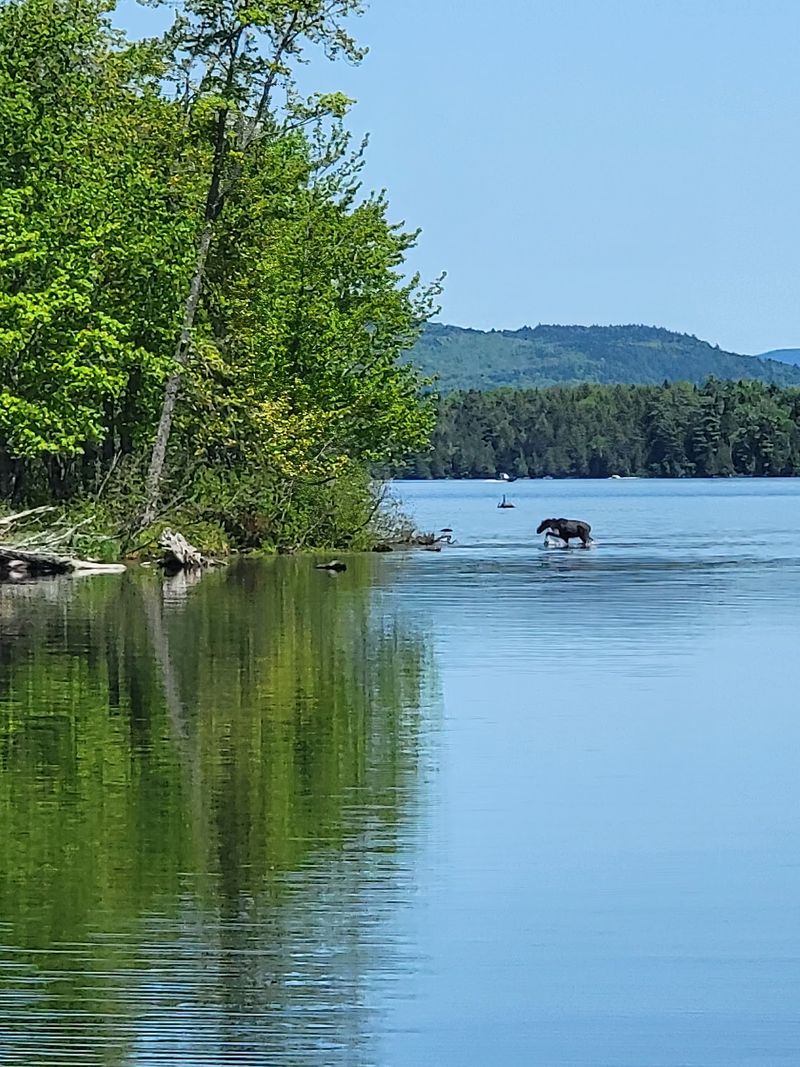
Lake Umbagog National Wildlife Refuge in Errol operates on a scale that recalibrates your understanding of what remote actually means. Straddling the border of New Hampshire and Maine, this massive refuge sits at the meeting point of boreal and deciduous forests, creating an ecological crossroads of extraordinary richness.
Getting around the refuge often requires a boat, which immediately signals that you have left ordinary day-trip territory far behind.
Bald eagles and ospreys patrol the skies with casual authority here. On the water, common loons fill the air with their haunting, echoing calls, a sound so evocative it feels like the official soundtrack of the northern wilderness.
Moose wade through marshy shallows, white-tailed deer slip through the tree line, and black bears leave their signatures on the landscape in ways that remind you this is their territory, not yours. The biodiversity packed into this refuge is genuinely staggering.
One of the refuge’s most remarkable features is Harper’s Meadow, a designated Floating Island National Natural Landmark recognized for its significant floating bog and wetland systems. This rare geological formation adds an extra layer of ecological strangeness to an already extraordinary place.
Paddling through the refuge’s waterways in a canoe or kayak is the definitive way to experience its wild beauty, moving quietly through landscapes that have changed very little in centuries. Lake Umbagog is the kind of place that makes you protective of wild spaces the moment you leave it.
Address: 2756 Dam Road, Errol, NH 03579
8. Pondicherry Wildlife Refuge
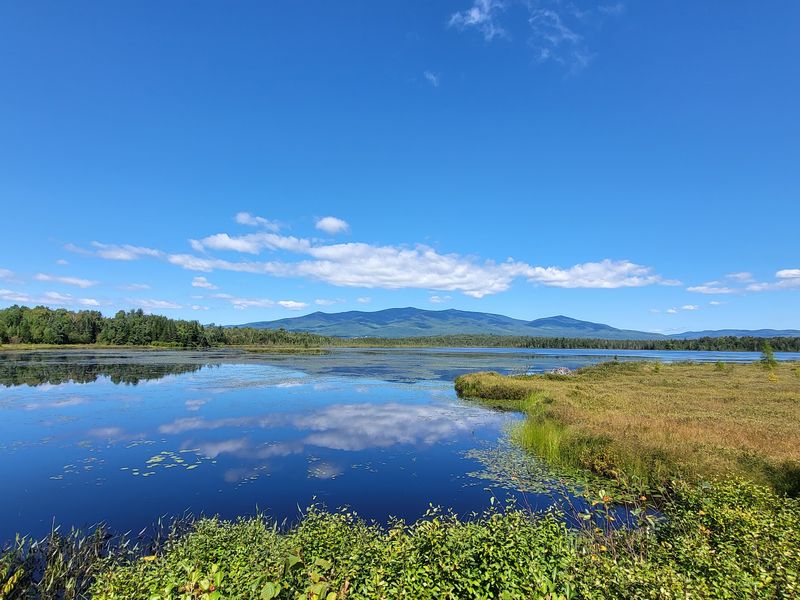
Pondicherry Wildlife Refuge has a reputation among serious birders that borders on legendary, and a single morning visit confirms exactly why. Nestled between Jefferson and Whitefield, this breathtaking refuge encompasses ponds, wetlands, and dense spruce-fir forest, earning its status as both a National Natural Landmark and the state’s first designated Important Bird Area.
Over 220 bird species have been recorded here, with more than half confirmed as breeding residents, numbers that make birding enthusiasts genuinely emotional.
The Tudor Richards Viewing Platform on Cherry Pond is the crown jewel of the refuge experience. Standing there on a clear morning, with the Presidential Range reflected perfectly in the glassy water and a great blue heron fishing in the shallows, is one of those travel moments that justifies every mile driven to get there.
Accessible rail trails make exploring the refuge straightforward, even for those who prefer a gentler pace through the lowland forest.
Late summer brings an unexpected bonus: dragonflies in numbers so spectacular they form shimmering clouds above the water’s surface. The refuge is jointly managed by the U.S.
Fish and Wildlife Service, New Hampshire Fish and Game, and New Hampshire Audubon, a partnership that ensures the land receives thoughtful, science-based stewardship. Whether you arrive chasing a rare warbler sighting or simply craving a morning of profound quiet surrounded by the Granite State’s finest mountain scenery, Pondicherry delivers on every count.
Address: Presidential Rail Trail, 289 Airport Road, Whitefield, NH 03598
9. Ossipee Pine Barrens Preserve
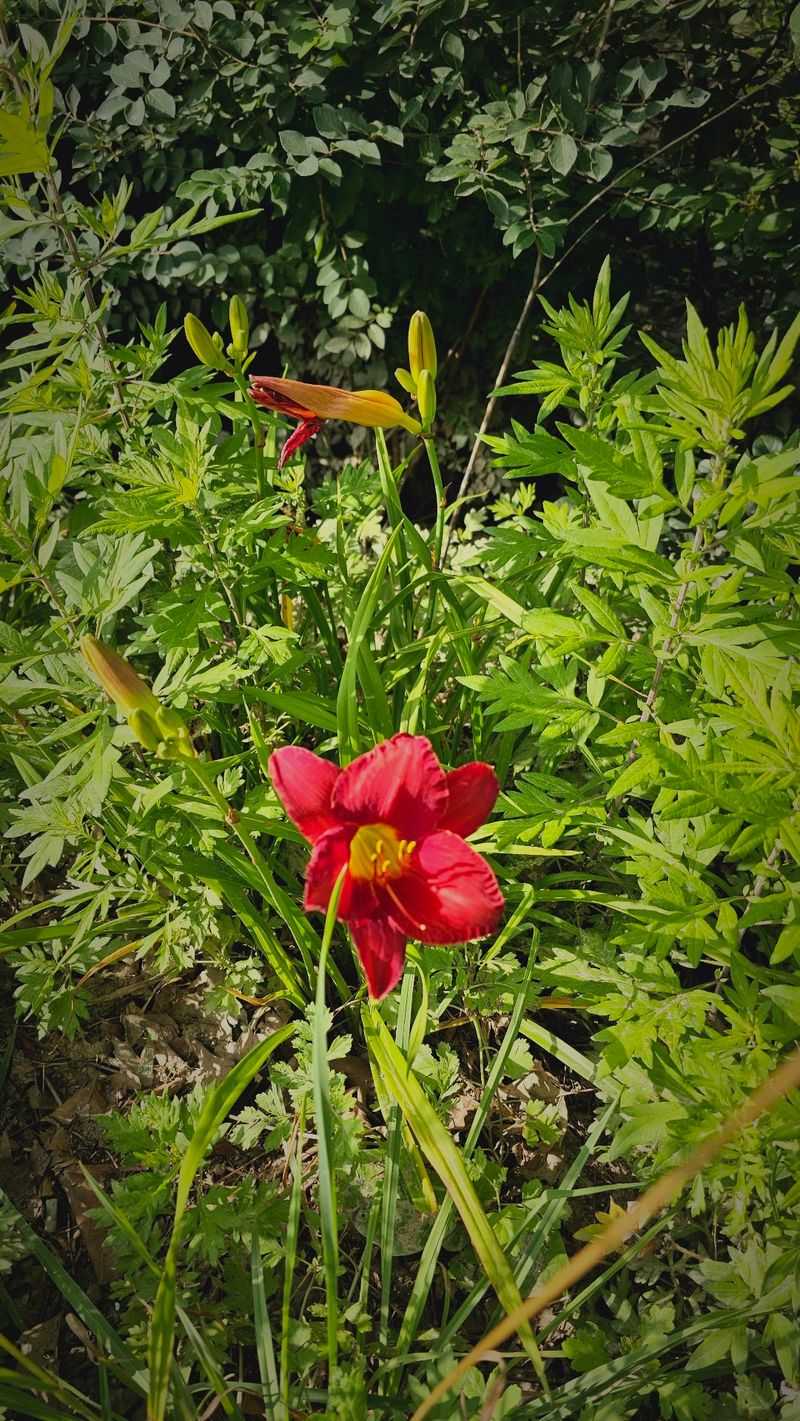
Ossipee Pine Barrens Preserve in Madison looks nothing like the forest you expect to find in New England, and that is precisely what makes it so compelling. Pitch pines twist and lean at quirky angles above a carpet of scrub oak, wild blueberries, and sun-bleached sandy soil.
This globally rare ecosystem was shaped by retreating glaciers that left behind nutrient-poor, sandy ground, and it has been maintained ever since by the periodic fires that most ecosystems would find catastrophic but that this one genuinely needs to survive.
The Nature Conservancy manages the preserve with a deep commitment to keeping its fire-dependent ecology intact. Prescribed burns are carried out regularly to mimic the natural disturbances that open the canopy and allow light-hungry species to thrive.
Nearly two dozen threatened and endangered moth and butterfly species depend on this specific habitat, making the barrens a hotspot of rare invertebrate diversity that most people would never guess existed in New Hampshire. At dusk, listening for the churring call of a whip-poor-will or the nasal peent of a common nighthawk adds an audio dimension to the visit that is genuinely thrilling.
The accessible All Persons Trail starting from Route 41 makes the preserve approachable for visitors of varying mobility levels, winding through a fascinating mosaic of open pine woodland and tangled scrub. Berry-picking season in late summer turns the trails into a sensory delight.
This fire-forged landscape is one of the most ecologically distinctive places in the entire state, strange and beautiful in equal measure.
Address: West Branch Trailhead, Route 41, Madison, NH
