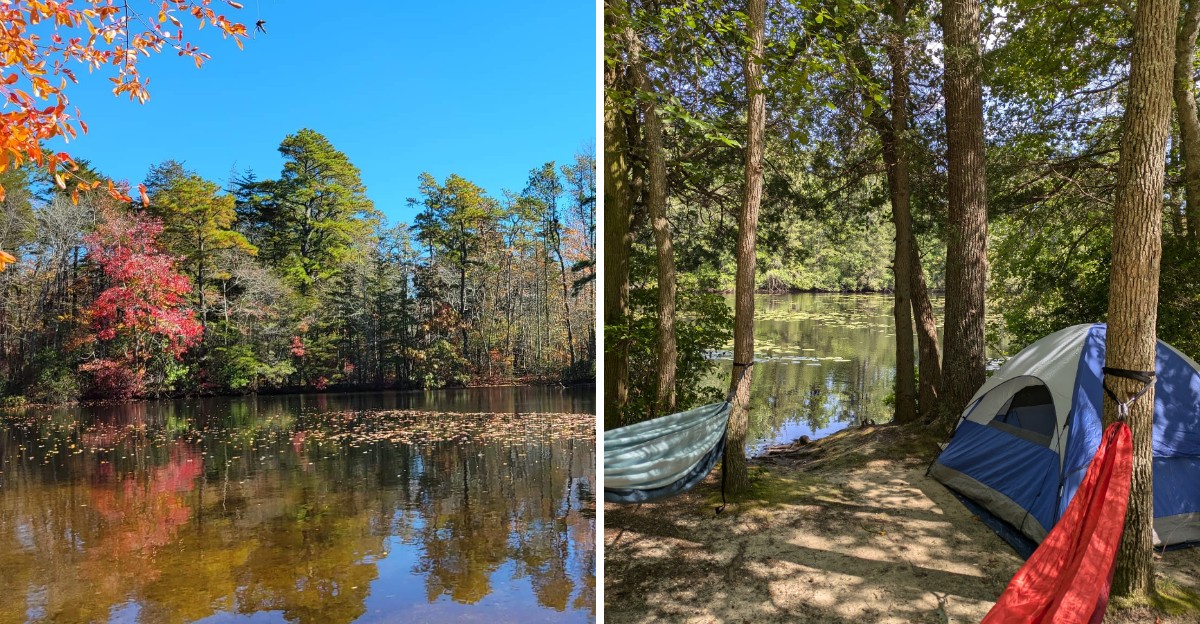
Well, this is one way to disappear for the day. New Jersey has a forest escape where quiet roads give way to pine woods, peaceful trails, and a lake that looks made for slowing down.
No boardwalk crowds. No packed attraction schedule.
Just thousands of acres of nature with plenty of room to wander, hike, camp, or simply sit beside the water for a while. Ahh, remember doing nothing?
The forest is part of the Pine Barrens, yet its landscape includes stands of trees that feel noticeably different from the surrounding region.
That little surprise only adds to the sense that you’ve stumbled somewhere unexpected.
When traffic, notifications, and crowded weekends start getting old, this is the kind of place that makes unplugging ridiculously easy.
Sometimes the best escape really is down a quiet forest road.
A Green Giant Hiding In Cape May County
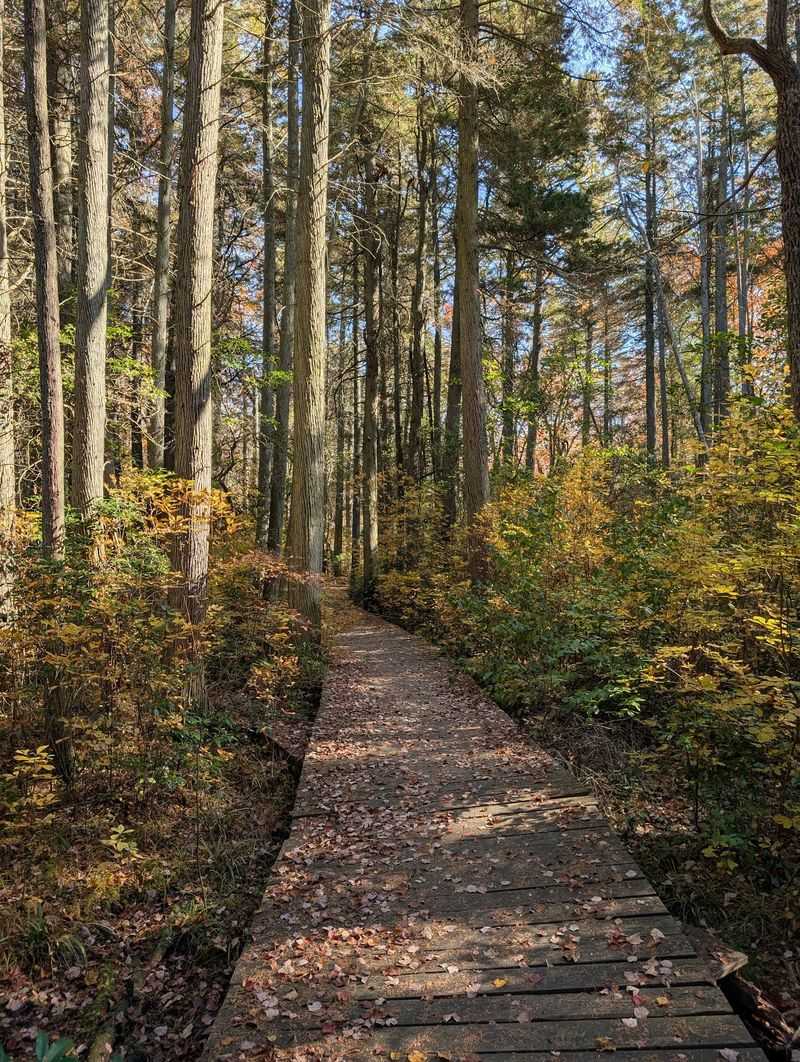
Most people picture beaches when they think of the southern part of the state, which is exactly why this forest catches so many visitors off guard. Belleplain State Forest covers more than 21,000 acres, spreading across northern Cape May County and reaching into eastern Cumberland County.
That is a serious amount of land for one park. Established in 1928, it was created for public recreation, wildlife management, timber production, and water conservation, and all four of those purposes still shape how it looks today.
What makes the acreage feel even bigger is the layout. Roads wind through it, campgrounds sit tucked into separate corners, and trails branch off in directions that seem to go on forever.
You can spend a full day here and still only scratch the surface. My advice is to grab a map at the office when you arrive, because signage inside the forest can be minimal and it is surprisingly easy to lose track of which loop you started on.
Where Two Ecosystems Quietly Meet
Here is the detail that turns a nice woodland walk into something genuinely fascinating. The forest sits right at the transition zone between the maritime forests along the Delaware Bayshore and the northern edge of the Pine Barrens.
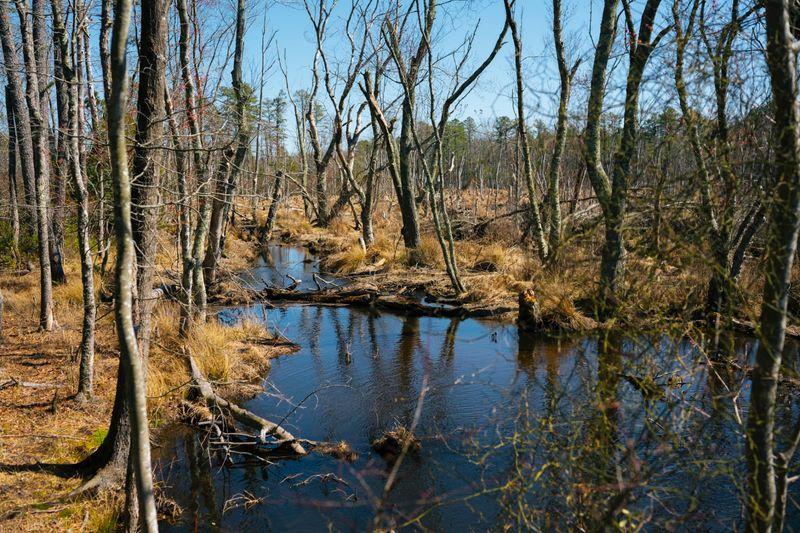
Because of that placement, it holds one of the highest levels of habitat diversity found anywhere in New Jersey. Within a single afternoon you might pass through pine-oak woodlands, Atlantic white cedar swamps, mixed hardwood swamps, saltwater marsh, and open grassland.
The shift is noticeable underfoot too. Sandy paths give way to soft, spongy ground where cedars grow close together and the light drops several shades darker.
Soil conditions here are richer than those further north in the Pinelands, which lets young pine, oak, and cedar grow thick and healthy. If you enjoy noticing small changes in a landscape, this is a rewarding place to walk slowly and just pay attention to what is growing around you.
Forty Miles Of Trails And Counting
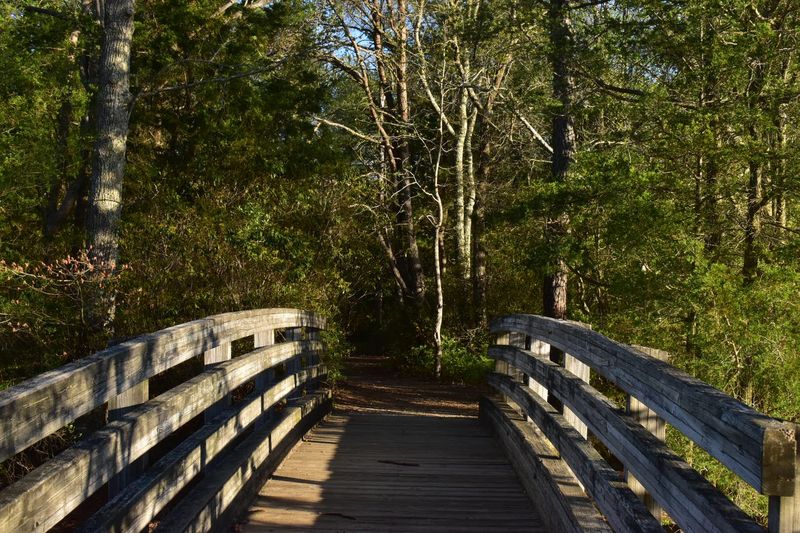
Boots crunching over pine needles, sunlight breaking through in scattered patches, the occasional muddy patch that makes you hop sideways. That is the rhythm of hiking here.
More than forty miles of trails run through the forest, open to hikers, cyclists, and horseback riders alike. Difficulty ranges from flat and easy to moderately challenging, so families and serious walkers both find something that fits.
The East Creek Trail is one of the better known routes, running roughly seven miles through stands of white cedar before looping around East Creek Lake. For something shorter, the Meisle Cranberry Trail covers about two miles through old cranberry bogs and wetland edges.
Wear shoes you do not mind getting dirty, since low spots hold water after rain. Trail markers exist, though a printed map in your pocket beats relying on phone service, which can be spotty across much of the forest.
Riding a bike works well here too, with a mix of paved roads and packed dirt.
Lake Nummy And Its Cranberry Bog Past
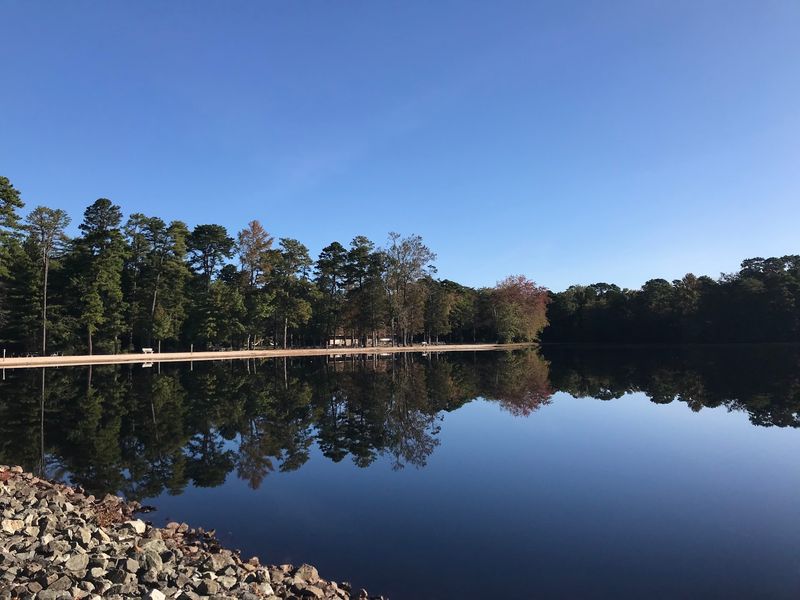
Picture a still sheet of water reflecting pines so clearly that you have to look twice to find the shoreline. That is Lake Nummy on a calm morning.
The 26-acre lake sits at the center of the forest and serves as the hub for most warm-weather activity. It did not start out as a lake at all, though.
Originally the site was the Meisle Cranberry Bog, later converted into a recreational lake by the Civilian Conservation Corps during the Great Depression. The name honors Chief Nummy, a leader of a local Lenni Lenape settlement, tying the spot to a much older layer of human history.
Swimming is popular from Memorial Day weekend through Labor Day, with lifeguards on duty in the designated area. Canoes, kayaks, paddleboards, and other small boats are welcome, and a seasonal concession rents canoes during summer.
Bring a towel and plan to stay a while, because the beach area fills up nicely on hot afternoons.
Birdsong Worth Setting An Alarm For
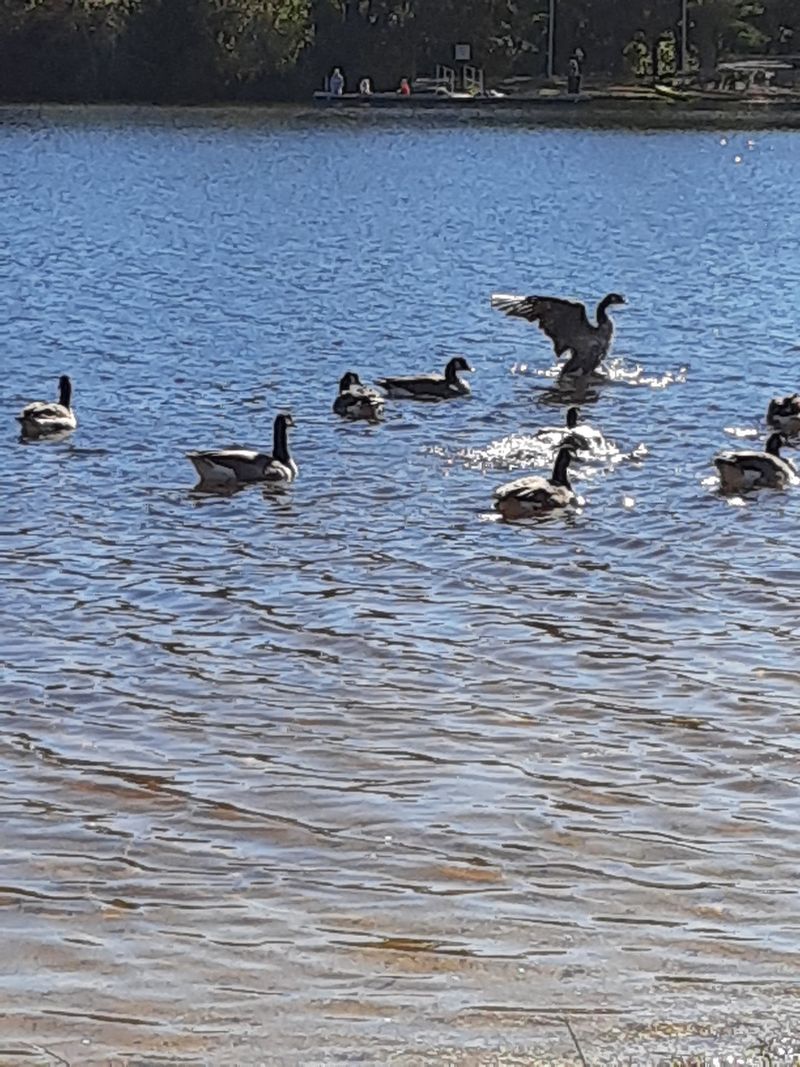
Serious birders already know about this place, and for good reason. The forest carries an Important Bird Area designation and draws watchers from well beyond state lines, especially during spring migration.
Prothonotary warblers nest reliably in the cedar swamps, flashing bright yellow against dark water. Yellow-throated Warblers spend spring and summer here as well, adding another voice to the morning chorus.
Barred and Screech owls call at night near the campground, which is either thrilling or slightly unnerving depending on your mood. Worm-eating Warblers, Wood Thrushes, Ovenbirds, woodpeckers, tanagers, and cuckoos all turn up across the different habitats.
State-endangered Bald Eagles have been seen soaring overhead too. Self-guided maps at the main office point out good spots for summer breeding birds and migrating species, which saves a lot of guesswork.
Early morning is the sweet spot. Bring binoculars, move slowly, and let your ears do most of the work before your eyes catch up.
Creatures Beyond The Feathered Kind
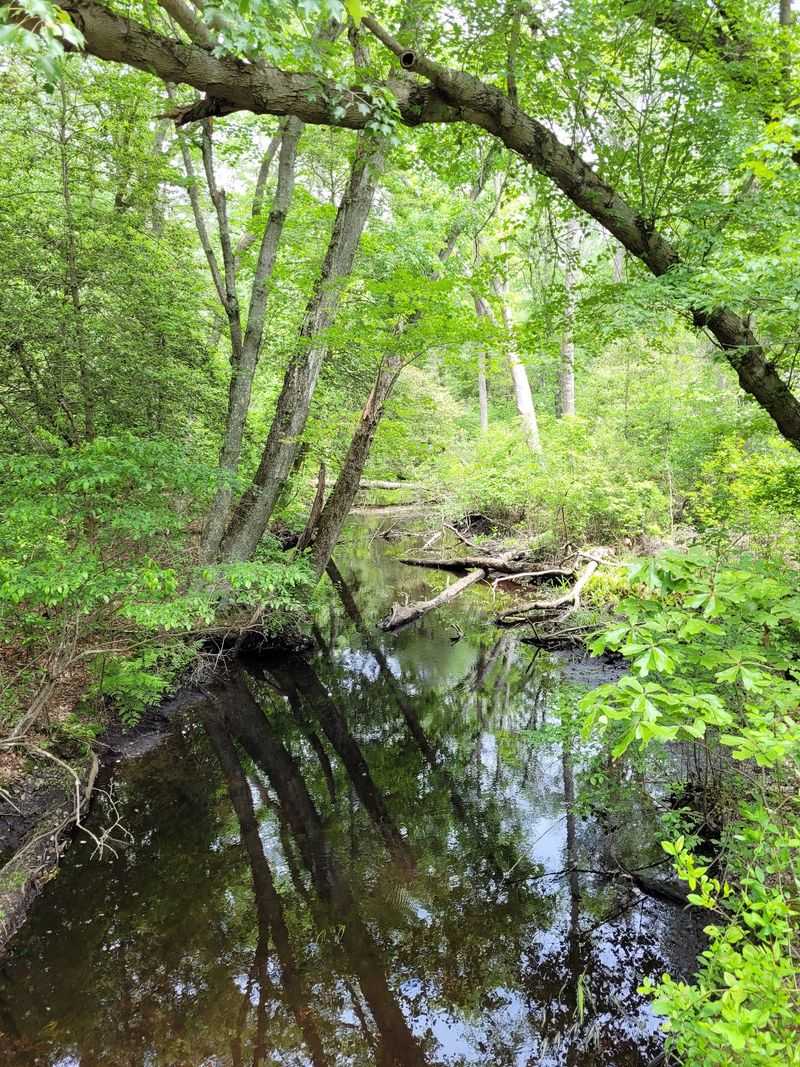
Deer tracks show up along nearly every sandy trail, pressed into the ground like little punctuation marks. Spotting the deer themselves takes patience, though they are common throughout the forest.
Foxes slip across roads at dusk, rabbits dart into brush, and raccoons make their presence known around campsites. River otters occasionally appear in Lake Nummy, while beavers get to work in the wetland stretches.
Coyotes, bobcats, opossums, muskrats, and both red and gray flying squirrels also live within the forest boundaries. The waterways support healthy fish populations plus a solid mix of reptiles and amphibians.
One practical note that matters a lot here. Ticks are genuinely abundant, especially on quieter, less traveled paths, so insect repellent is not optional and neither is a proper tick check afterward.
If you bring a dog, use a vet-approved repellent before you go. A little preparation keeps the focus on the wildlife you want to see rather than the kind you do not.
Handiwork Left Behind By The CCC
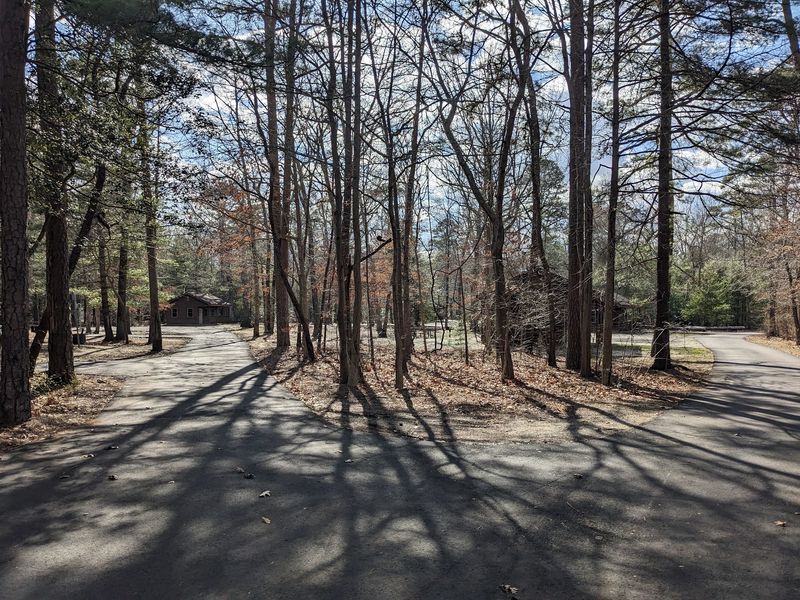
Old bridges, sturdy buildings, and a road system that still works decades later all trace back to the same source. In 1933, three Civilian Conservation Corps camps were set up within the forest under the Reforestation Relief Act.
Crews supplied labor here for more than eight years. Their projects were enormous by any measure.
Converting the Meisle Cranberry Bog into Lake Nummy was one of them, and that lake still anchors the park today. They also built the original forest headquarters, which remains standing, along with the maintenance building.
Roads, bridges, and dams throughout the property came out of that same effort. One of the campground areas even carries the CCC name, and it offers sites with water and electric hookups plus a dump station.
Noticing these structures adds an unexpected layer to a visit. You start seeing the forest not just as wilderness, but as a landscape people carefully shaped and then handed forward to everyone who came after.
Nature Programs That Make Learning Fun
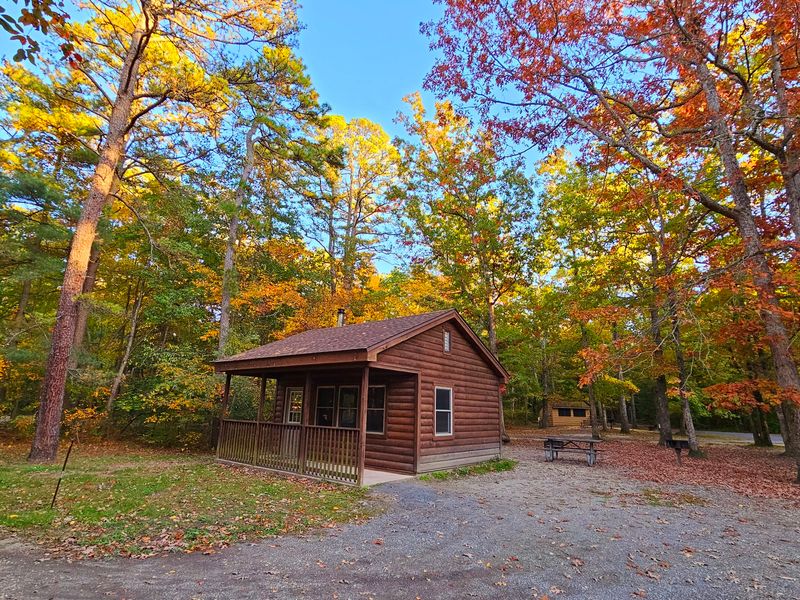
Kids tend to remember the frogs. The Nature Center runs themed crafts and hands-on activities, opening weekends from April through November and daily during peak summer between Memorial Day and Labor Day.
Seasonal programs stretch across much of the year. Full Moon Hikes circle Lake Nummy after dark, showing the water and woods in a completely different mood.
Dog Hikes let four-legged companions join the fun on designated trails. Stargazing events, sometimes run alongside local astronomy clubs, take advantage of skies that stay impressively dark for this part of New Jersey.
Family-friendly Friday programs include offerings like Frog Slog and Nature Aglow, which sound exactly as entertaining as they are. Staff at the front office and nature center are helpful with questions about what is happening during your visit.
Checking the program schedule before you drive out is smart. A hike is great on its own, but timing it with an evening event turns a simple day trip into something the whole family talks about later.
Camping Under A Canopy Of Pines
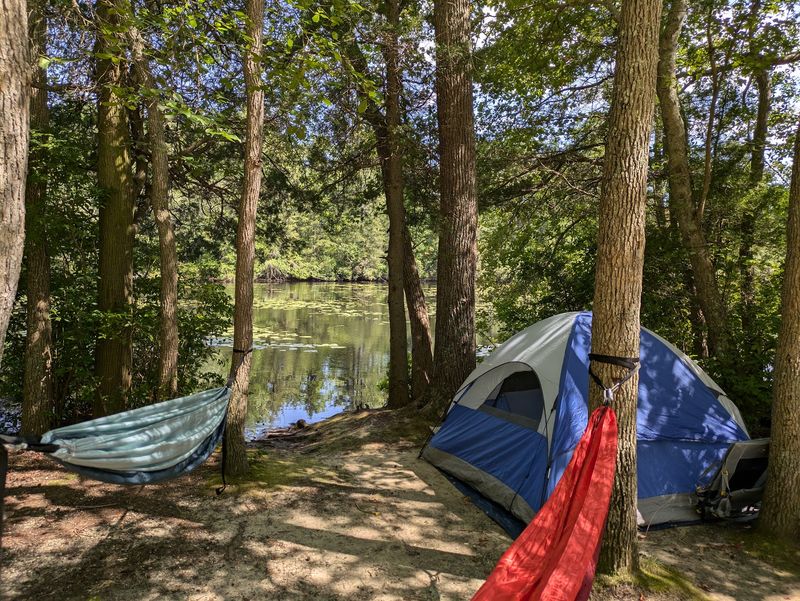
Waking up to birds instead of traffic changes the whole tone of a weekend. The forest offers 169 tent and trailer campsites, each with a fire ring and picnic table.
Restrooms and showers sit within walking distance of the sites, and laundry facilities are available too. Options go well beyond basic tent spots.
Rustic sites, sites with water and electric, shelter cabins with wood stove heat, lean-to cabins with propane heat, and even some lakeside spots are part of the mix. Campgrounds are spread across separate areas, including North Shore and the CCC area, so the feel varies depending on where you book.
Weekdays tend to be much quieter than weekends, particularly in spring and fall. Ground at some sites is rocky, so bring sturdy tent stakes rather than the flimsy ones that come in the box.
Cell service can be patchy. Honestly, that is part of the appeal.
Casting A Line In Quiet Water
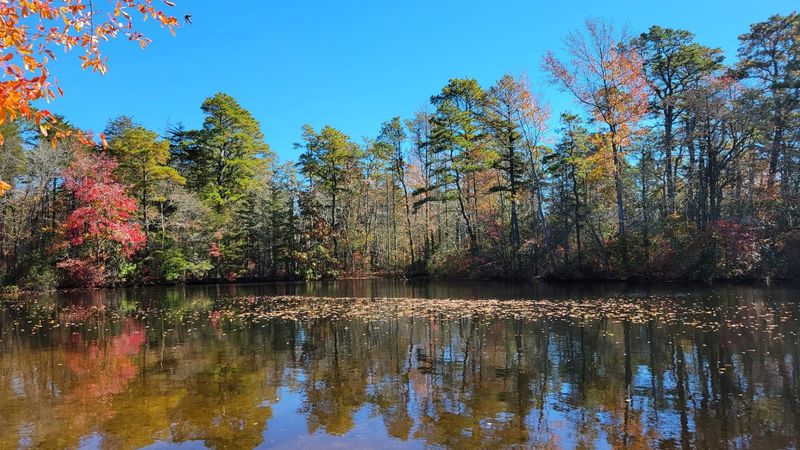
Fishing here is less about the catch and more about the stillness that comes with it. Four bodies of water are open to anglers: Lake Nummy, East Creek Pond, Holly Lake, and Cedar Lake, all under New Jersey Fish and Wildlife regulations.
Pickerel, sunfish, and catfish are common finds. Largemouth bass and perch round out the mix.
Parts of Lake Nummy run shallow, so a small boat or kayak helps you reach better water. Paddlers often note that East Creek Pond picks up some road noise, while Nummy stays quieter and more sheltered.
There is a creek and swamp area at the far northeastern corner of Lake Nummy that smaller hard-bottomed kayaks can slip into, and it is a lovely detour. Bring sun protection even in cooler months, since bare branches let plenty of light through.
For a full forest getaway, head to Belleplain State Forest, 1 Henkinsifkin Road, Woodbine, NJ 08270.
