An ordinary museum visit can take an unexpected turn very quickly. One minute, you are wandering through galleries.
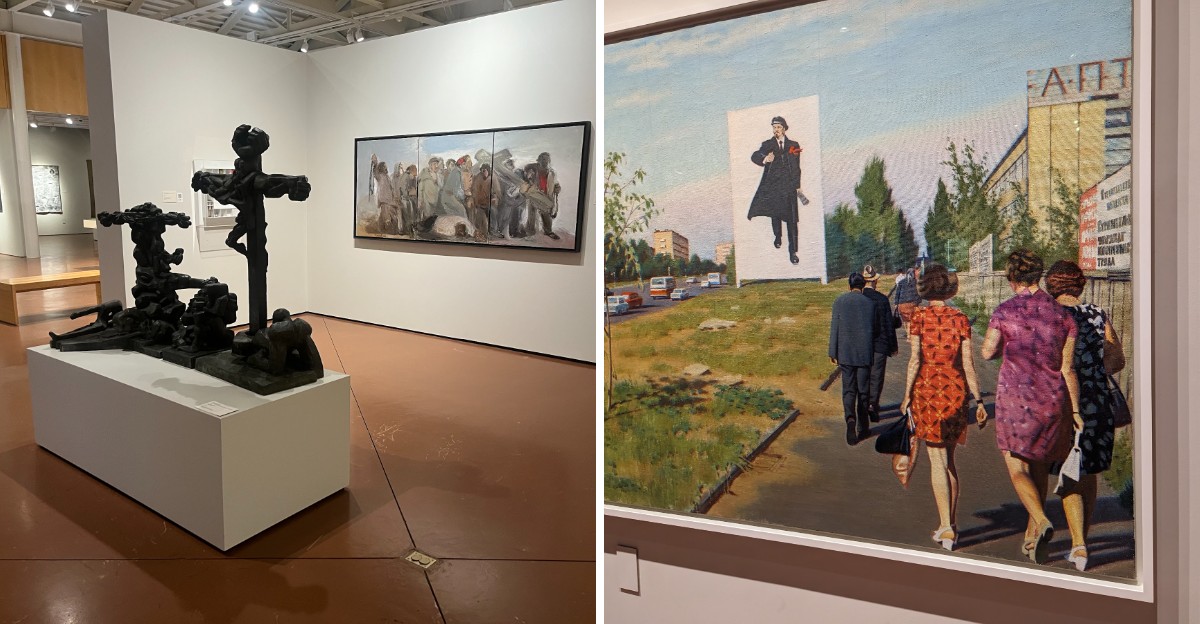
Then suddenly, you are face-to-face with art once created outside the boundaries of official Soviet culture.
One New Jersey museum holds the Dodge Collection, recognized as the world’s largest collection of Soviet nonconformist art.
Thousands of works document artists who pursued creative paths beyond the state-sanctioned conventions of the Soviet era, opening a window onto decades of experimentation, resistance, and personal expression.
And that is only part of what waits inside. The museum’s broader holdings span American and European art, works on paper, illustrations, and other collections.
It is the sort of place that can quietly swallow an afternoon. Go in curious.
You may leave with an entirely new rabbit hole to explore.
A Record Holder Hiding on Campus
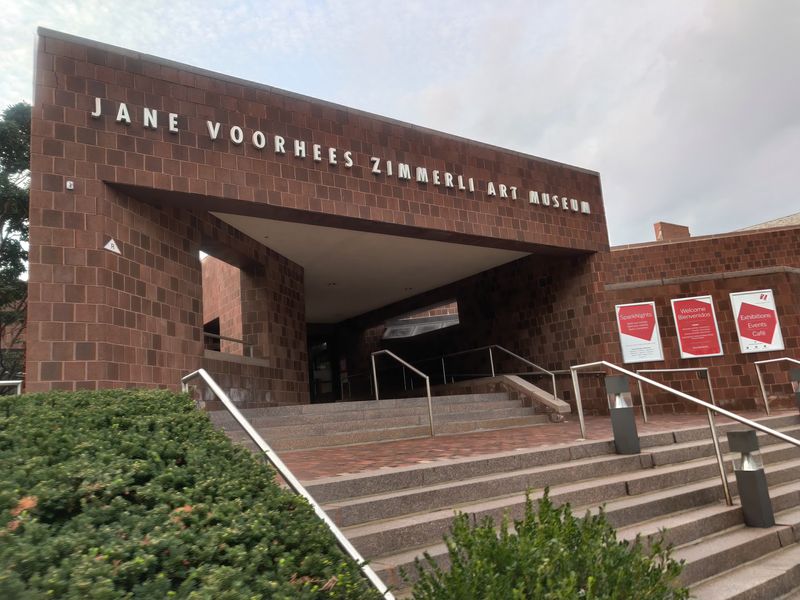
Few people expect a world record to be hanging on the walls next to college dorms and lecture halls. The Zimmerli Art Museum at Rutgers University holds the largest collection of Soviet Nonconformist art found anywhere on the planet.
Yes, anywhere.
Most of it comes from a huge private collection gathered by an American couple over many years and later donated to the university. It includes more than 20,000 works, from oil paintings and sculptures to drawings, prints, and photographs.
Researchers dig into these holdings for books and studies, which says a lot about how rare this material is. Many of the works could never have been shown in public back when they were made.
That history gives every room a quiet charge.
My favorite part is how relaxed the whole thing feels, despite its huge reputation. There is no need to fight through packed rooms or peer over shoulders.
Give yourself at least two hours for the Soviet galleries, and do not be surprised if one strange, colorful canvas holds your attention far longer than planned.
Art Made When the Rules Said No
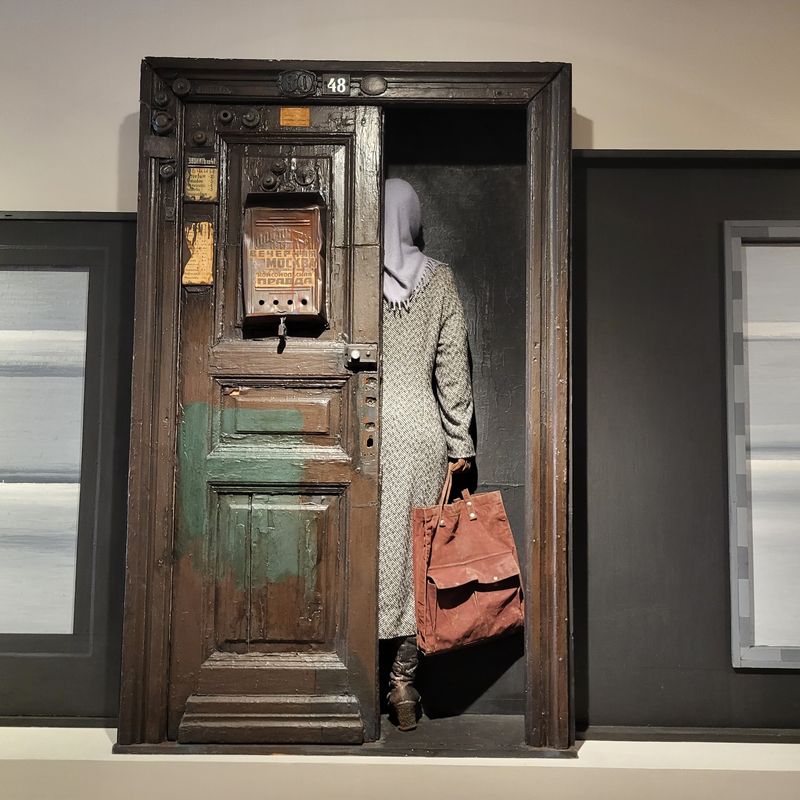
Picture being told exactly what you are allowed to paint. That was daily life for artists in the Soviet Union, where the official style, called Socialist Realism, was expected to show happy workers and proud leaders.
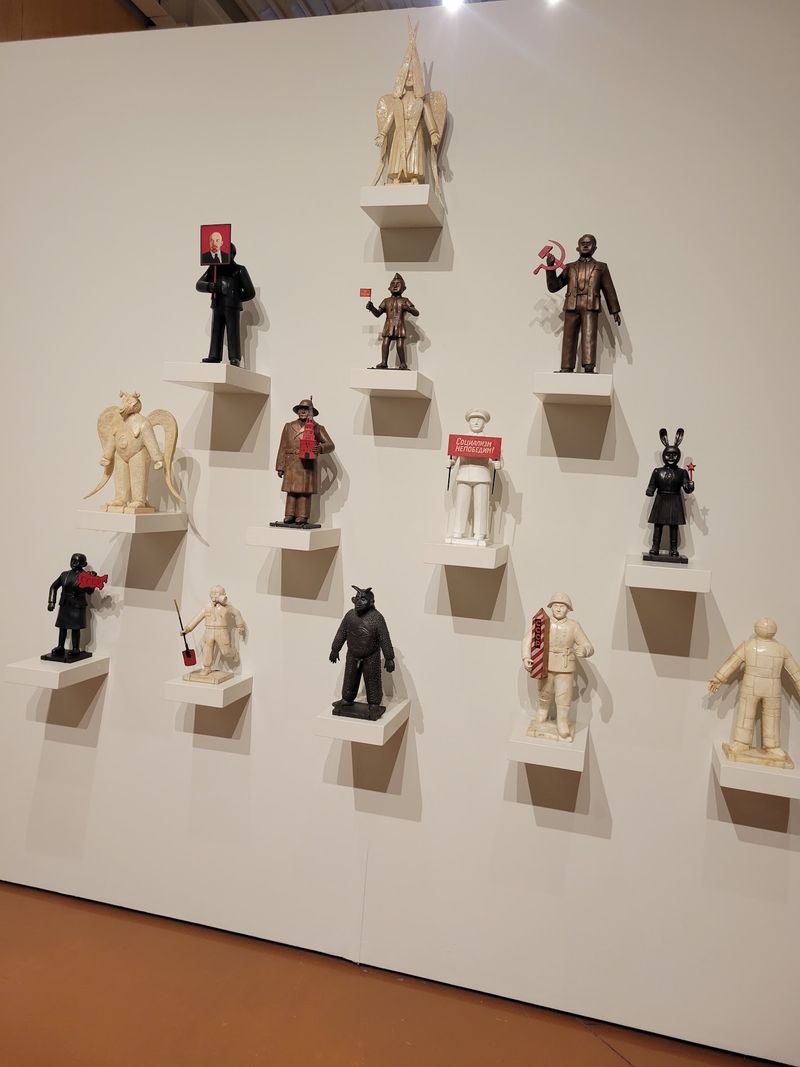
Nonconformist artists refused to play along. They painted dreams, jokes, religious symbols, abstract shapes, and everyday worries instead, often working in tiny apartments and sharing their art only with trusted friends.
The collection covers roughly 1956 to 1991, a stretch that began with a short cultural thaw and ended when the Soviet Union broke apart. Some works feel playful, while others carry a heavy, watchful mood that is hard to shake.
Reading the wall labels really pays off here. Short notes explain what the artists were pushing against, and that background turns a simple painting into a small act of courage.
A helpful trick is to ask yourself one question at each piece. What might have gotten this artist in trouble?
The answers can be surprising, and sometimes a tiny detail in a corner turns out to be the boldest part of the whole work.
Far More Than Moscow
Russia gets most of the attention, but the story on these walls stretches much farther east, west, and south. Artists from across the former Soviet republics are part of the collection, and each region brings its own flavor.
You will find work connected to Armenia, Azerbaijan, Belarus, Estonia, Georgia, Kazakhstan, Kyrgyzstan, Latvia, Lithuania, Turkmenistan, Ukraine, and Uzbekistan. That is a lot of ground for one museum to cover.
Bring a curious mind, because some of these places rarely show up in textbooks.
Styles shift from room to room, so one wall might feel cool and experimental while the next bursts with rich color and pattern.
I love how this part breaks apart the idea of one single Soviet story. It is easy to lump a whole empire together, yet the art shows people with different languages, histories, and ways of seeing.
Try picking one republic you know little about and follow its artists through the galleries. It turns the visit into a small treasure hunt, and you leave with names and places you might want to look up later at home.
Letters, Tapes, and Hidden Histories
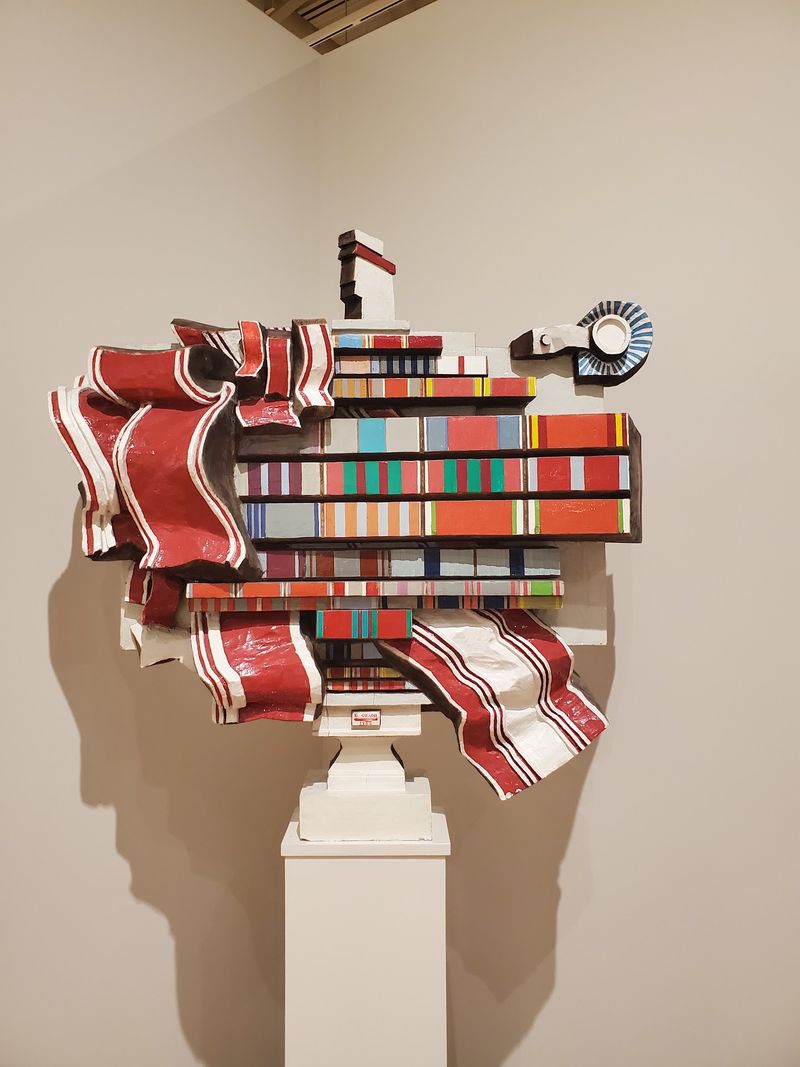
Art tells only half the story, and the museum clearly knows it. Alongside the paintings, the Soviet collection comes with a deep archive of documents, letters, photographs, and recorded interviews with the artists themselves.
These records capture details that no canvas can show on its own. They help explain how the artists lived, who they worked with, and what they hoped their art would say.
The archive is mainly a tool for students and researchers, so casual visitors will not be flipping through boxes of letters. Still, bits of this research often shape the exhibitions, labels, and programs you see in the galleries.
Knowing it exists adds a layer to the visit. A painting on the wall is not just an object anymore, it is part of a much larger conversation that people are still studying today.
If you are a student with a school project on the Cold War, art history, or Eastern Europe, this is a goldmine worth asking about. Reach out to the museum ahead of time to learn how research visits work, since archives usually need some planning.
Paris Posters and Japanese Echoes
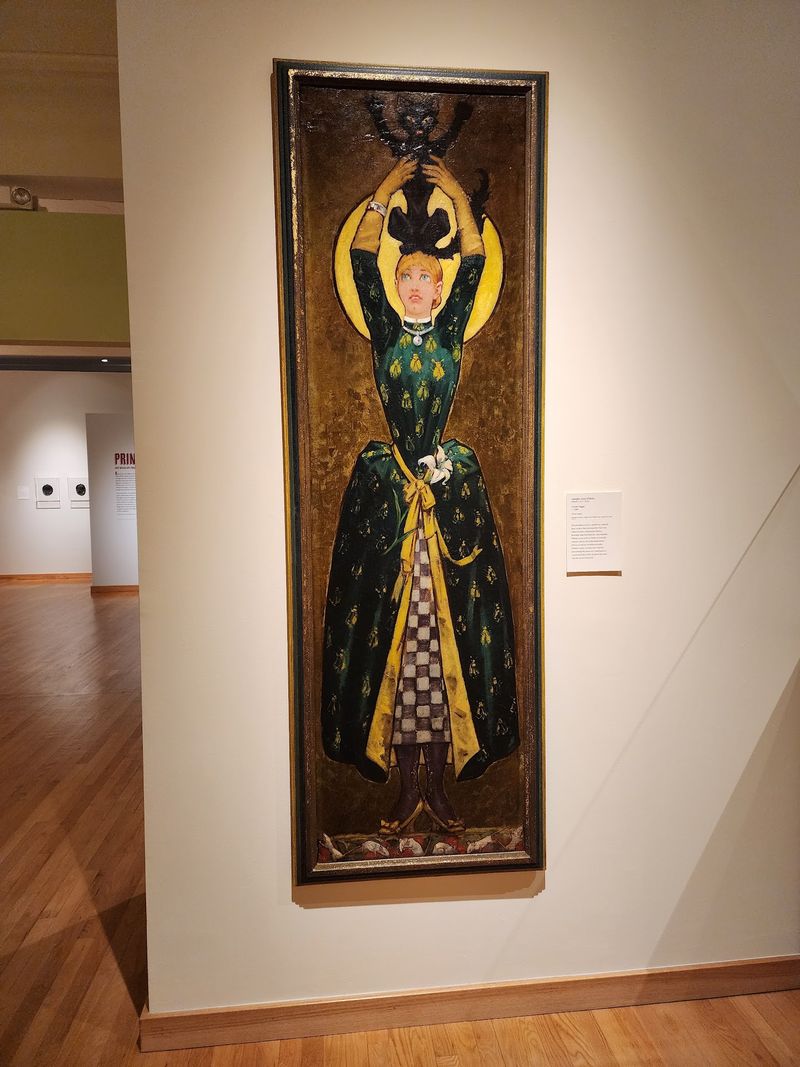
Step away from the Soviet rooms for a moment, and the mood shifts to old Paris. The European collection holds more than 12,000 objects, ranging from ancient sculpture to modern posters.
French art from the nineteenth century is a real strength, especially prints and rare books. The museum also focuses on the lively artistic cabarets of Montmartre, the hilltop neighborhood where performers, painters, and poets mixed late into the night.
Posters get special love here too. Back in the late 1800s, they became a true art form, with bright colors and bold lettering designed to grab attention on busy city streets.
Another highlight is Japonisme, the craze in Europe for Japanese art and design. You can spot it in flat areas of color, unusual angles, and graceful lines borrowed from Japanese woodblock prints.
It is a fun contrast. After seeing art that was made in secret, it feels almost cheeky to look at posters that were meant to be seen by everyone.
Prints are fragile, so displays may change, which gives you a good reason to come back.
An American Story in Many Forms
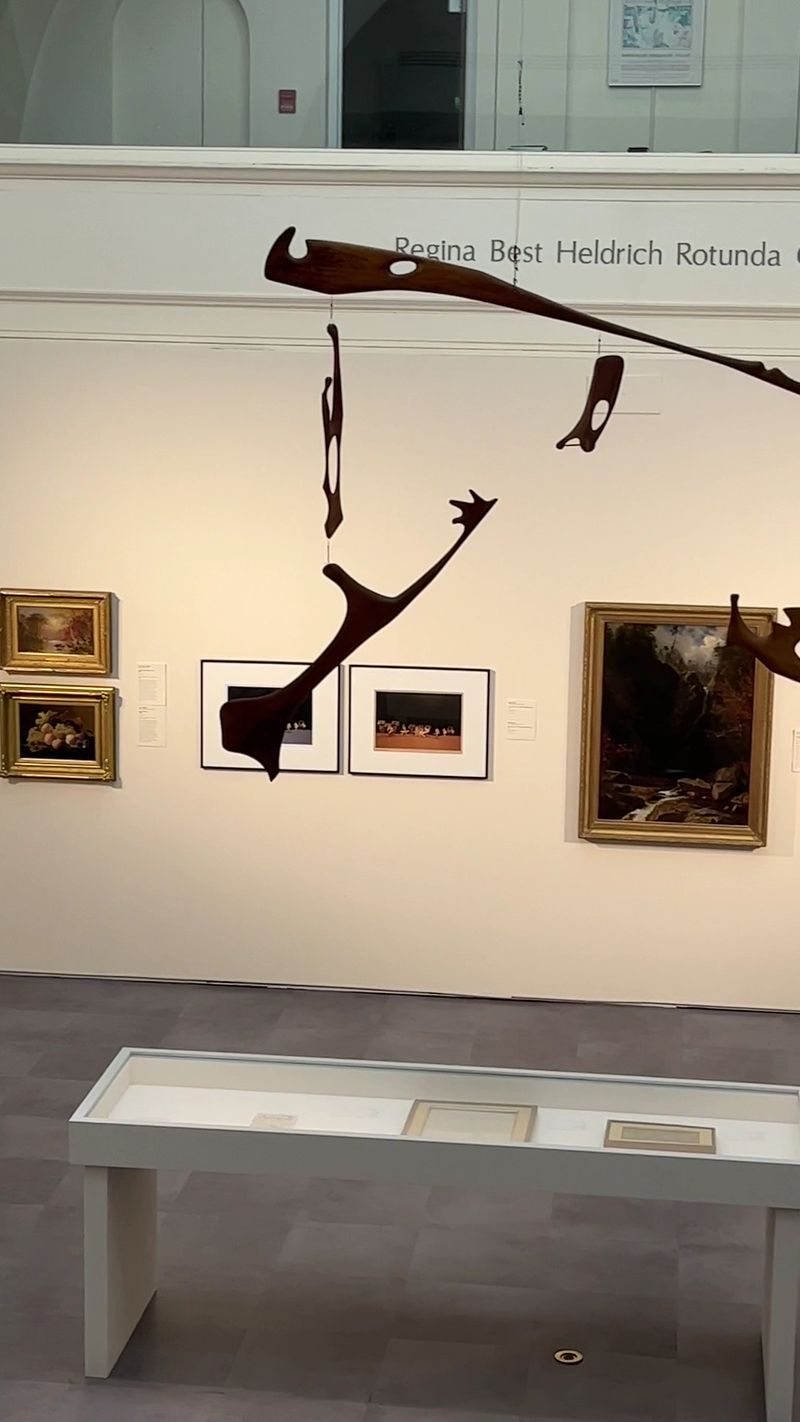
American art gets a big spotlight too, with a collection of more than 16,500 objects. Paintings, sculptures, prints, drawings, photographs, and decorative arts all have a place.
Rotating exhibitions keep this side of the museum fresh. Pop art fans may spot works by Andy Warhol, whose images of fame and everyday products still spark plenty of conversation.
The mix is wide enough that almost any visitor can find a favorite. Some people gravitate toward quiet landscapes, while others go straight for bold, modern pieces that feel like they could have been made yesterday.
Here is a small tip that works well in this part of the building. Pick one artwork, sit or stand with it for two full minutes, and notice how much more you see after the first glance.
Colors seem to change, and tiny details start to pop.
The museum also has strengths in contemporary art and photography, so the conversation continues right up to the present. Since exhibitions shift throughout the year, checking what is on view before a visit is always smart.
Storybook Magic on the Walls
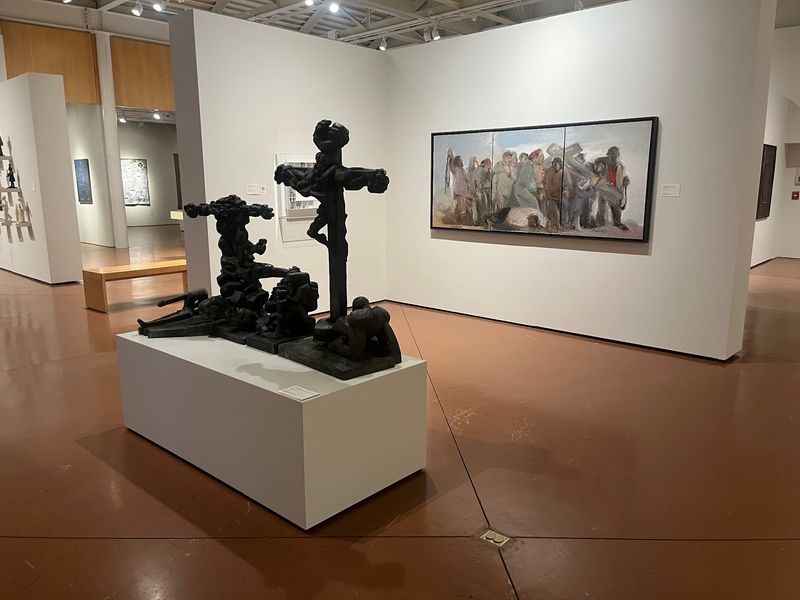
Remember the pictures in your favorite childhood books? Here, you can see original illustrations made for children’s literature, the actual artwork that later ended up printed on the page.
Seeing the real thing is a treat. Pencil marks, brush strokes, and tiny changes show up in a way that a printed book simply cannot capture.
It is like peeking behind the curtain.
It is a natural stop for families, though grown-ups often get just as excited. There is something sweet about recognizing a style you grew up with and realizing someone drew it by hand at a desk.
Kids can play a simple game while they look. Ask them to find a favorite character, then guess what happens next in the story.
It keeps young visitors engaged and gives parents a moment to enjoy the art too.
The illustrations also show how much skill goes into picture books. Artists have to tell a story with just a few images, and that takes serious planning.
Budding artists at home might leave with fresh ideas for their own sketchbooks.
Free Doors and Easy Planning
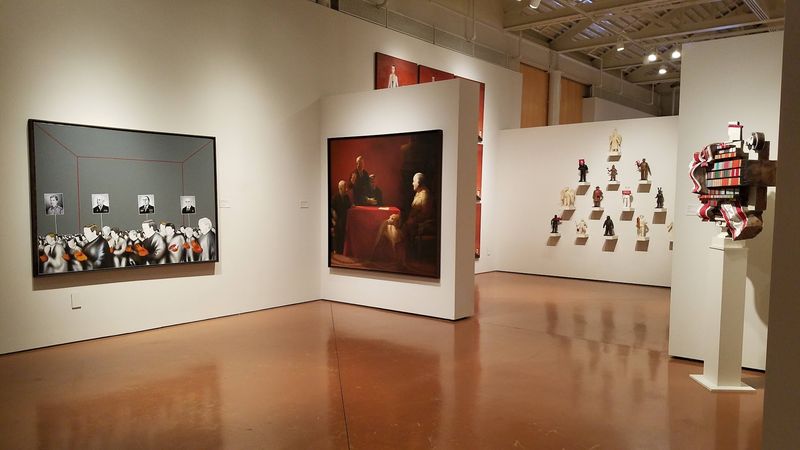
Here is some of the happiest news in this whole article. Admission is free, so anyone can walk in and enjoy world-class art without worrying about the cost.
That makes it perfect for repeat visits.
Hours are worth knowing before you go. The museum is open Wednesday and Friday from 11 am to 6 pm, Thursday from 11 am to 8 pm, and Saturday and Sunday from noon to 5 pm.
It is closed on Mondays and Tuesdays.
Parking takes a little planning. The large lot behind the building belongs to the university and is generally not open to the public, except during certain special events that require advance registration, so street parking or nearby public garages are usually the way to go.
The galleries are spread across two floors, which makes the museum manageable in one afternoon. Weekend mornings are not an option since doors open at noon, but a Thursday evening can feel calm and unhurried.
A light jacket is smart since museum rooms are often kept cool to protect the art. Wear comfy shoes, too.
Rounding Out a Day in New Brunswick
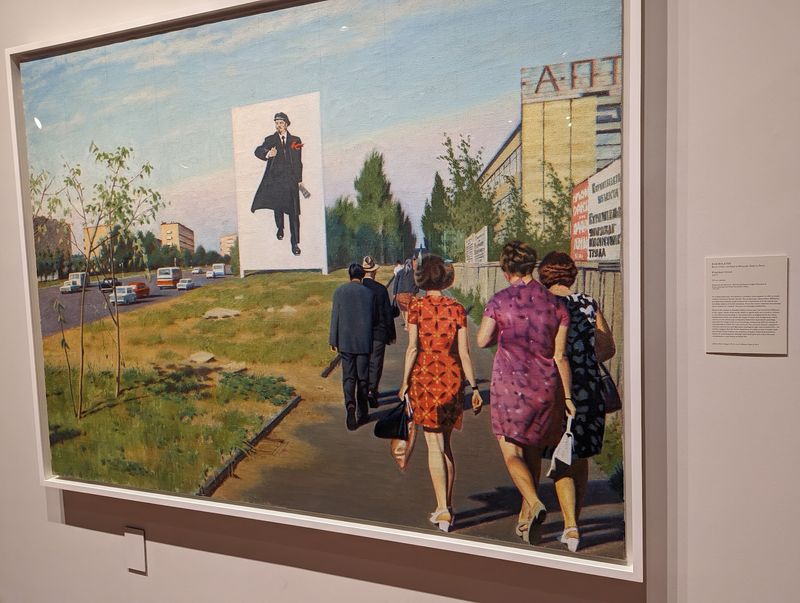
Leaving the museum does not have to mean ending the adventure. The surrounding campus and downtown streets are full of spots that make a visit feel like a mini road trip.
Science fans can head to the Rutgers Geology Museum inside Geology Hall at 85 Somerset St, New Brunswick, NJ 08901, a short walk away. Its minerals, fossils, and a mastodon skeleton make a fun contrast to an afternoon of paintings, so check its hours first.
Downtown New Brunswick sits close by too, with plenty of casual places to grab a bite and talk over your favorite pieces. College towns have a certain buzz, and this one is no different.
A slow stroll between stops helps the art settle in your mind.
The Zimmerli Art Museum is one of those places that surprises people who think great art only lives in big cities. It proves that New Jersey has cultural treasures hiding in plain sight.
Ready to see this record-breaking collection for yourself? You will find it at Zimmerli Art Museum, Rutgers University, 71 Hamilton St, New Brunswick, NJ 08901.
