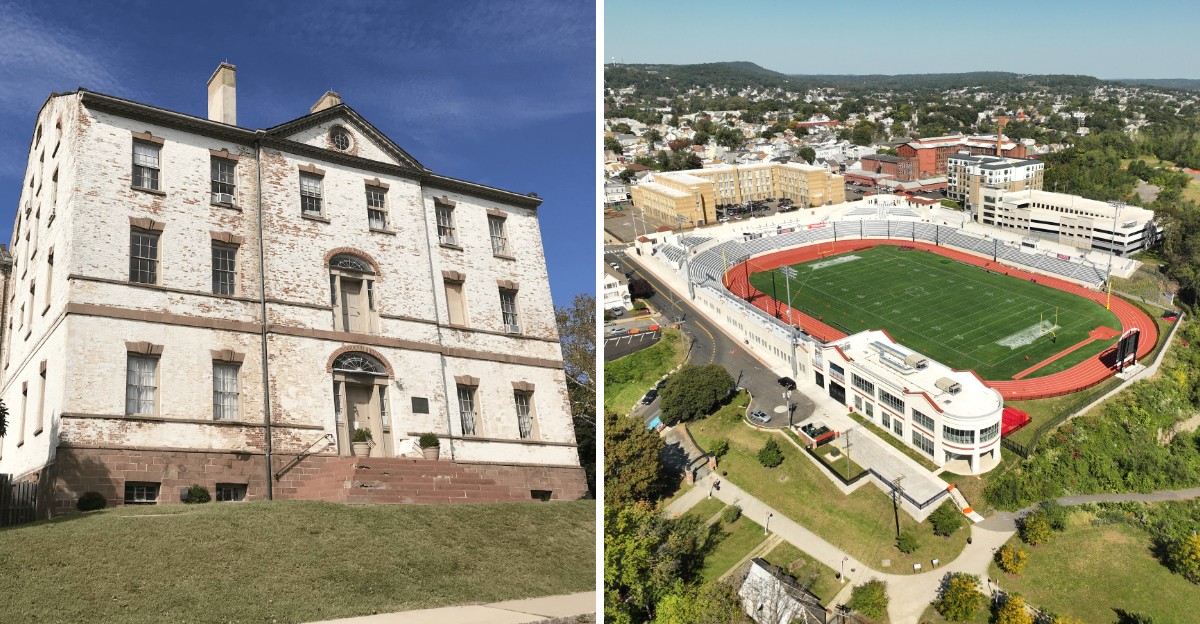
A six-story building shaped like an elephant nearly got hauled away as junk in 1970. Neighbors rallied, raised money, and moved the giant down the street instead.
I love that people looked at a crumbling elephant and said, not on our watch.
That rescue is far from the only close call in New Jersey. Old train stations, a colonial governor’s house, a jail from 1811, and a 1929 movie palace all came within a whisker of the wrecking ball.
Somebody stepped in each time, often with little more than stubborn hope.
I can’t get over how many of these places you can still visit today. You can climb stairs, tour old cells, and stand where trains once unloaded crowds.
So which survivors deserve a spot on your weekend list? Let’s look at the buildings that refused to go quietly.
1. Lucy the Elephant
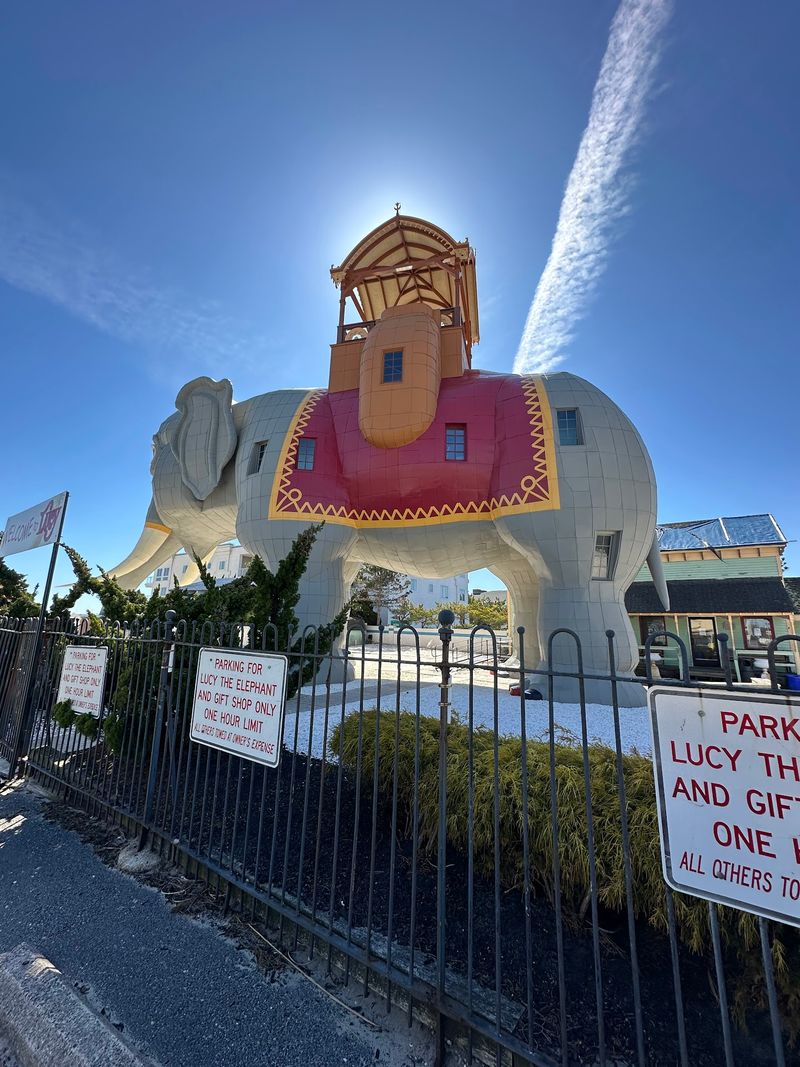
Not many towns can say their most famous resident has a trunk and stands six stories tall. Lucy has been greeting the shore since 1881, which makes her one very patient pachyderm.
Her story nearly ended in 1970. The structure was falling apart, and the wrecking ball was a real threat.
Then a grassroots campaign kicked in and changed her fate. Supporters rescued the elephant and relocated her to her current waterfront spot.
Today you can step inside for a guided tour. The adventure starts when you climb up through her rear left leg, which is a sentence you rarely get to write.
Narrow staircases lead you higher and higher. At the top, you get sweeping views of Margate City and the surrounding shoreline.
Guides share the backstory along the way, so you leave knowing much more than when you arrived. Kids get a storybook moment, and grown-ups do too.
Weekend afternoons draw the biggest crowds, especially Sundays. If you want more breathing room, aim for a weekday morning visit.
Hours run 11 a.m. to 4 p.m. on weekdays and 10 a.m. to 5 p.m. on weekends. Free parking sits right on site, plus free street parking nearby.
The site also offers a gender-neutral restroom and a welcoming attitude toward LGBTQ+ visitors. That inclusiveness fits a landmark that has always been a little unconventional.
Honestly, it’s hard not to grin at the sheer boldness of the idea. Someone built a giant elephant by the beach, and a whole community refused to let her go.
Address: 9200 Atlantic Ave, Margate City, NJ 08402
2. Loew’s Jersey Theatre
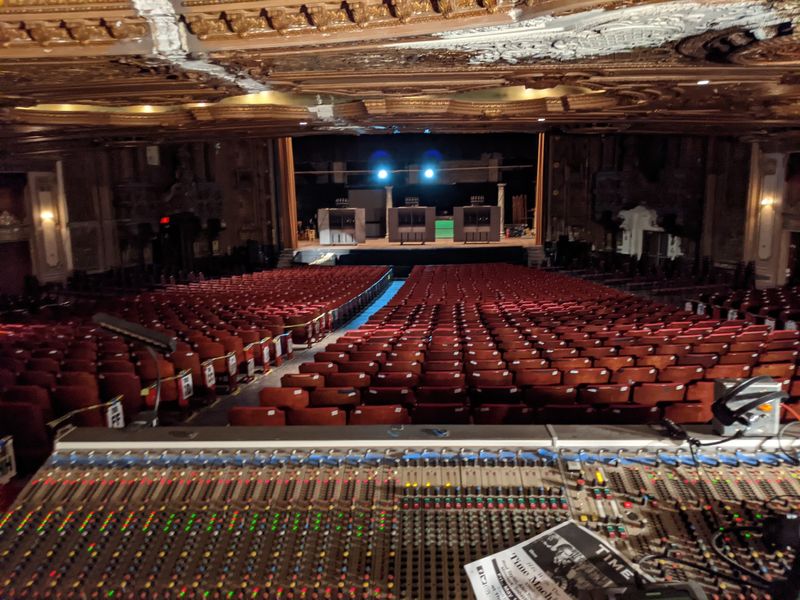
Movie palaces used to be built like royal ballrooms, and this 1929 beauty in Journal Square proves it. It opened as one of five Loew’s Wonder Theatres, a name that was not exactly modest.
Fast forward to 1986, and the doors closed. By 1987, the theater was slated for demolition.
A group called Friends of the Loew’s stepped up to fight for it. Their push led to restoration work that began in 1993.
Over the years, the nonprofit arts center has hosted concerts, plays, classic films, and silent movies. The screen stands about four stories tall, so even back-row seats feel close to the action.
History fans will love the grand entrance, sparkling chandelier, and detailed lobby. It’s the kind of place that makes you want to dress up for a matinee.
In 2022, the theater earned National Historic Landmark status. That’s a serious glow-up for a building once on the chopping block.
Big changes are underway right now. A major restoration project aims to reopen the theater in fall 2026 as a multi-purpose cultural destination.
Plans call for live music, comedy, touring shows, sports events, and community gatherings. Up to 4,000 guests will be able to fill the seats.
Before you go, check the schedule so you know what is happening during the project. Construction timelines can shift, so it’s smart to plan around them.
Jersey City came close to losing this treasure for good. Instead, it gets a second act worthy of a standing ovation.
Address: 54 Journal Square Plaza, Jersey City, NJ 07306
3. Central Railroad of New Jersey Terminal
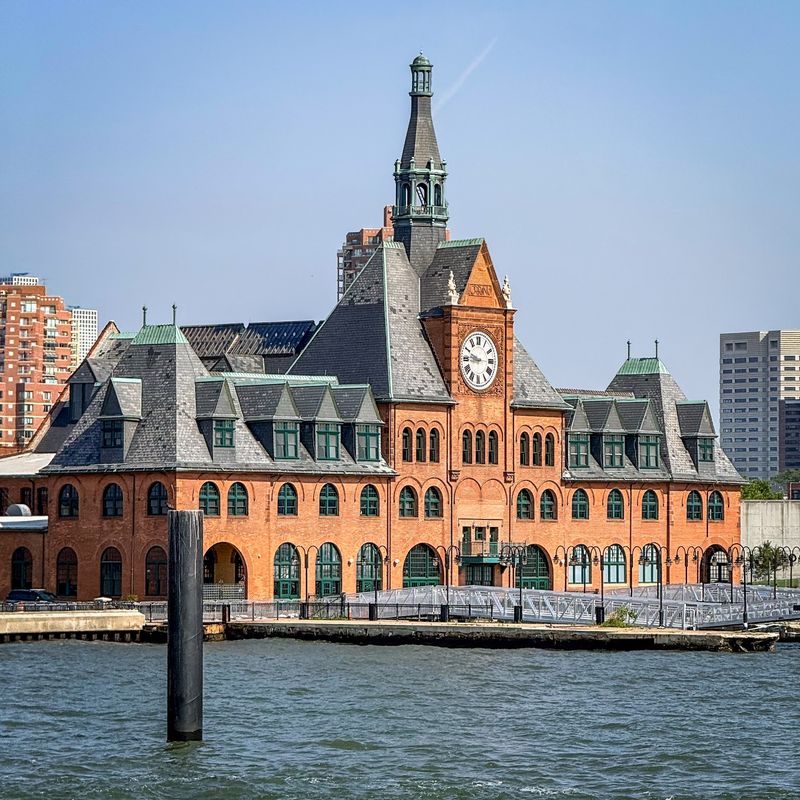
Trains stopped rolling here decades ago, yet the 1889 terminal still looks ready for the next departure. Its Romanesque style gives the riverside building a sturdy, old-world presence.
The terminal once linked rail travel with ferries across the harbor. After service ended, the building slid into abandonment and decay.
Its rescue came with the creation of Liberty State Park. Rather than crumble, the terminal became a centerpiece of the park.
Inside, exhibits trace New Jersey’s transportation history. You can learn how this busy spot moved people and goods in its prime.
Out back, sections of old track remain in place. Free walking tours cover the tracks and rolling stock, which make fun photo props.
The location is a bonus too. Ferries to the Statue of Liberty and Ellis Island leave from Liberty State Park, so you can pair history with a harbor trip.
Families can stretch their legs on the park grounds afterward. It feels calm and roomy compared with the rush across the river in Manhattan.
A cafe on site handles snack cravings, though there’s no full restaurant. Restrooms are available, which matters after a long day of exploring.
The terminal is open daily from 8 a.m. to 5 p.m. Parking is paid, so budget a little for the lot or street spaces.
Few abandoned buildings get a comeback this complete. This one went from forgotten to the starting point of a world-famous harbor trip.
Address: 1 Audrey Zapp Dr, Jersey City, NJ 07305
4. Emlen Physick Estate
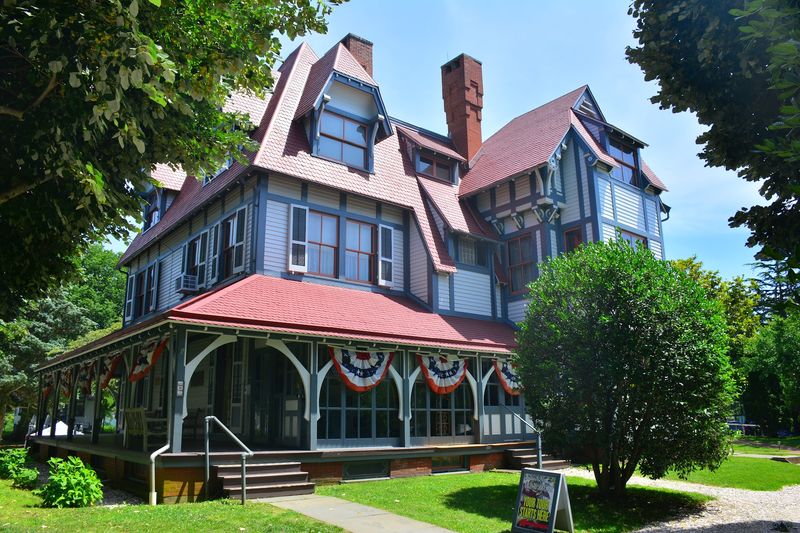
Cape May without its Victorian houses would be like a cupcake without frosting. In 1970, this estate faced demolition before preservationists stepped in.
Built in 1879, the house belonged to a prominent physician. Its restoration helped kick off the Victorian revival that shapes the town today.
That’s a big deal when you think about it. Saving one house helped inspire a town-wide love affair with historic architecture.
Guided tours walk you through rooms staged to show daily life in that era. You get a feel for how a wealthy family lived at the turn of the century.
The estate also serves as a hub for trolley tours around Cape May. Those rides take you past more of the town’s well-kept historic homes.
Got extra time? Browse the gift shop or check the schedule for live performances in the theater.
A cafe and restaurant on the grounds help when hunger strikes. Restrooms are available too.
Buying tickets in advance is a smart move, especially in busy seasons. Saturdays tend to draw crowds, while Sundays run quieter.
The estate is open daily from 9 a.m. to 5 p.m. Free on-site parking makes arriving painless.
Families and LGBTQ+ travelers will find a welcoming spot here. It’s an easy pick for a mixed group with different interests.
Next time you admire a Cape May porch, remember this close call. The town’s whole look owes a nod to one house that refused to fall.
Address: 1048 Washington St, Cape May, NJ 08204
5. Trenton City Museum/ Ellarslie Museum
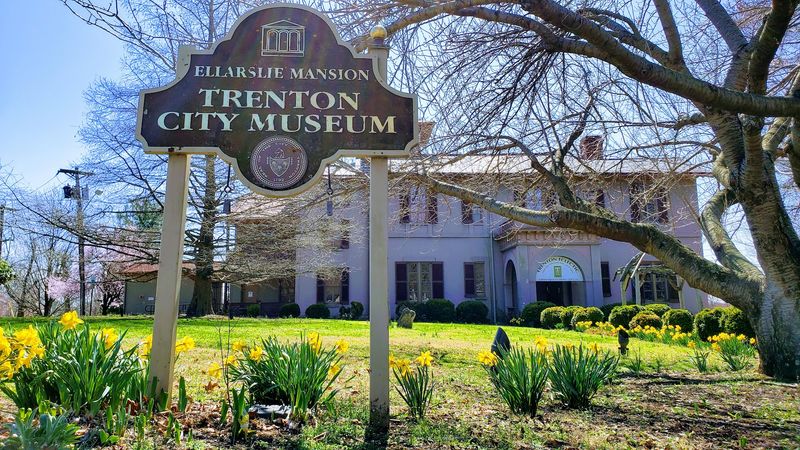
Trenton’s art scene lives inside a villa that once looked headed for the scrap heap. Built in 1848, the Italianate home faced demolition threats in the 1960s.
Community advocates refused to let it go. Their efforts paid off, and the building opened as a public museum in 1978.
Now the villa sits in a leafy park, which makes the visit feel like a mini getaway. Plan a stroll around the grounds before or after you head inside.
Pottery fans, this one’s for you. A permanent collection celebrates Trenton ceramics, a reminder of the city’s industrial roots.
Rotating exhibits keep things fresh with contemporary local art. Some shows lean modern, while others feature more traditional representational work.
Cultural and industrial artifacts round out the collection. Together, they tell the story of Trenton in a way that feels personal and hometown-proud.
Don’t skip the gift shop on your way out. It stocks Trenton pottery along with handcrafted items you won’t find at the mall.
Hours are limited, so plan ahead. The museum opens Thursday through Saturday from noon to 4 p.m. and Sunday from 1 to 4 p.m.
Tours are offered, and the space welcomes families. Live performances also pop up on the calendar.
There’s no restaurant on site, so grab lunch in town first. Your stomach will thank you halfway through the galleries.
A building nearly lost in the 1960s now holds the city’s memories. That’s a pretty good comeback for an old villa.
Address: 299 Parkside Ave., Trenton, NJ 08606
6. Burlington County Prison Museum
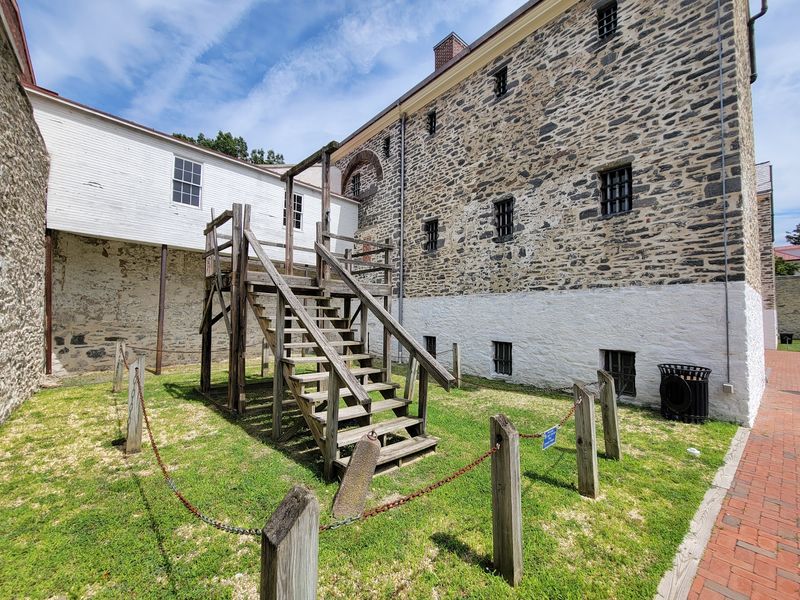
Getting locked up is rarely on a vacation wish list, but this jail makes an exception. The old county prison opened in 1811 and is now a National Historic Landmark.
After it closed, the building came close to destruction. Preservation won out, and it reopened as a museum for history lovers.
Guided tours lead you through three levels of cells. You’ll also get to see the prison yard.
Exhibits share background on past inmates and their crimes. It’s true-crime storytelling with real stone walls around you.
Look closely and you’ll spot old graffiti left behind. Those marks feel like messages from people who passed through long ago.
Ghost stories add another layer. The prison is rumored to be haunted, and special events lean into that spooky reputation.
The museum is listed as good for kids. Just know the mood leans a bit eerie, so sensitive little ones may want a heads-up.
A gift shop offers souvenirs for your fellow history fans. Restrooms are available, but there’s no restaurant.
Visit Thursday through Saturday from 10 a.m. to 4 p.m. or Sunday from noon to 4 p.m. It’s closed Monday through Wednesday.
Mount Holly’s historic downtown sits close by for a post-tour walk. Make a day of it in this corner of New Jersey.
Few buildings this old survive with so much intact. Lucky for you, this one served its sentence and stayed standing.
Address: 128 High St, Mt Holly, NJ 08060
7. Hinchliffe Stadium
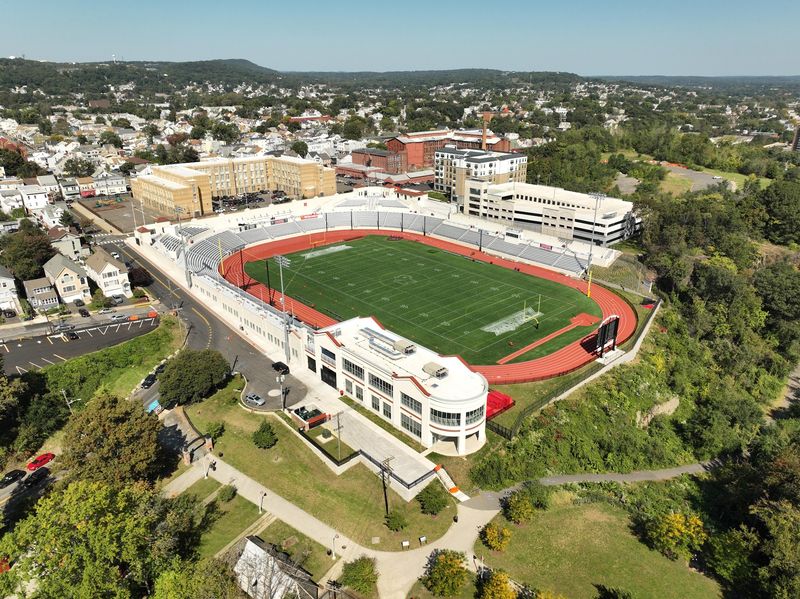
Baseball legends once played on this field, and then the stands went silent for decades. This Paterson ballpark opened in 1932 and later sat closed and crumbling.
Its art deco design made it a showpiece in its day. The stadium hosted the New York Black Yankees, pro football, and famous performers.
Neglect took a heavy toll over the years. Many feared the historic ballpark would never return.
Then Paterson pushed for a revival. The restored stadium now stands proud as a symbol of the city’s resurgent spirit.
Games are back on the schedule. Seating is bleacher style, so bring a cushion if you like extra comfort.
Game days can get loud with music pumping through the stands. Younger fans can enjoy kid-friendly activities too.
Saturday afternoons tend to be the busiest time. Other days run much quieter if you just want to see the place.
Hours are listed as 8 a.m. to 6 p.m. daily. Check the event calendar first so you know what’s happening.
Parking options include free street spots plus paid lots and street spaces. Restrooms are available on site.
Take a moment to appreciate the history under your feet. Negro League baseball once thrived here, and that legacy deserves your attention.
New Jersey nearly lost this piece of sports history. Now it’s back in the game, and that’s a win worth cheering.
Address: 186 Maple St, Paterson, NJ 07522
8. The Proprietary House
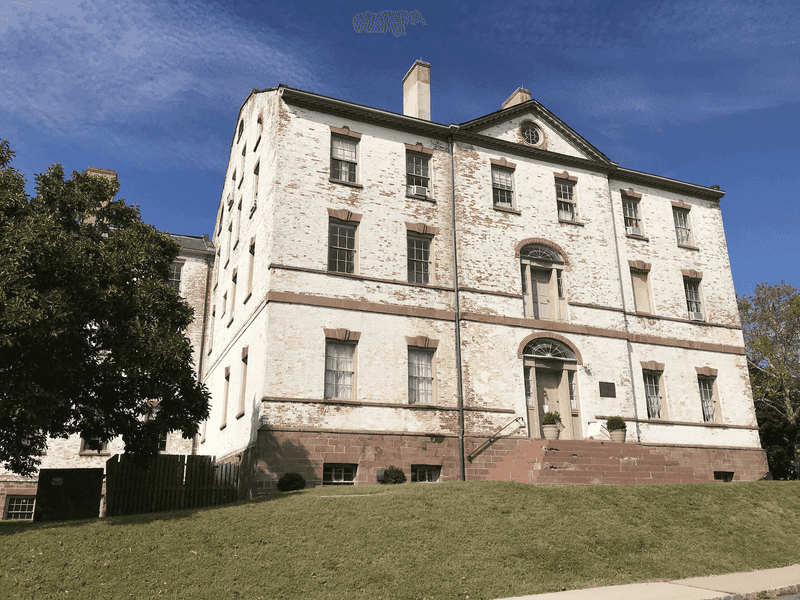
Royal governors once lived in mansions up and down the colonies, but only one of those homes still stands. You’ll find it in Perth Amboy.
The house dates to 1764. It’s the only surviving royal governor’s residence from the original Thirteen Colonies.
That survival didn’t happen by luck. Repeated preservation efforts in the 20th century kept the house from slipping away.
Today it operates as a museum with scheduled tours. Staff give a thoughtful orientation that brings colonial history into focus.
History buffs get plenty to chew on here. The house connects you to the tense years before the American Revolution.
There’s also a ghost story tied to the property. Whether you believe it or not, it makes for a fun bit of tour talk.
Timing matters, so plan carefully. The house opens Sundays from 1 to 4 p.m., with tours by appointment.
Getting tickets in advance is recommended. That way you won’t show up to a locked door.
Kids are welcome, and the house is listed as an LGBTQ+ friendly space. It’s an easy outing for curious families.
Perth Amboy sits right along the water, so a short stroll afterward makes a nice add-on. Bring comfortable shoes for wandering the old streets.
Think about how rare this is. Out of thirteen colonies, this is the one royal governor’s home you can still tour.
Address: 149 Kearny Ave, Perth Amboy, NJ 08861
9. Sterling Hill Mining Museum
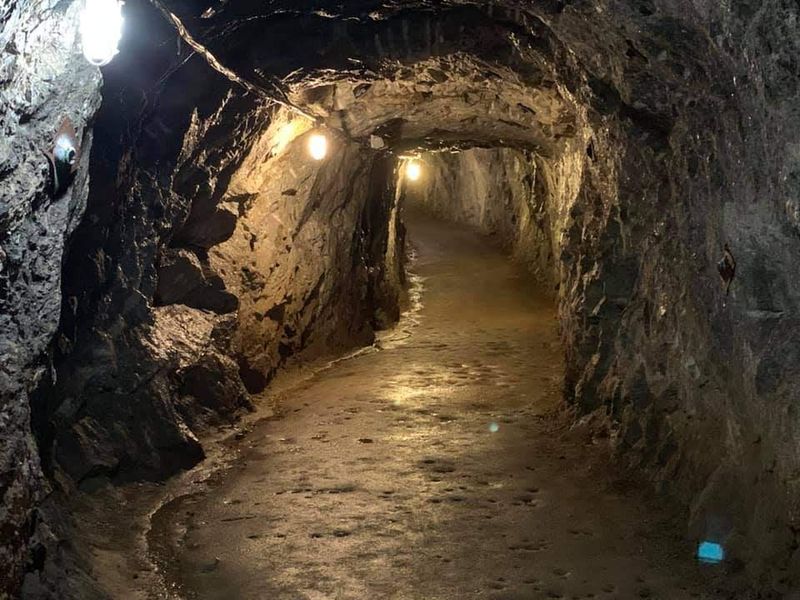
Rocks that glow in the dark sound like science fiction, yet they’re real in Ogdensburg. This former mine holds some of the most varied fluorescent minerals in the world.
The site nearly vanished after mining ended. It faced bankruptcy, abandonment, and dismantling.
In 1989, private citizens bought the property to protect it. Their gamble turned the old mine into a museum.
Underground tours take you through the mine on a mostly flat walk. Guides explain the tools miners used and the conditions they worked in.
The glowing mineral display is the showstopper. Under the right light, ordinary-looking rocks burst into bright color.
Above ground, you can check out old machinery and a museum collection of fluorescent rocks. It blends New Jersey history, geology, and hands-on learning.
Rock hounds will want to save time for the gift shop. It carries a wide range of rocks and minerals to take home.
A snack bar helps refuel young explorers. Restrooms are available, though there’s no restaurant.
Hours run 10 a.m. to 3 p.m. daily. Free parking is on site, and active military members can ask about discounts.
Families make up a big part of the audience here. It’s an easy way to sneak a science lesson into a day trip.
Not bad for a site once headed for the scrap pile. Today it shines, quite literally.
Address: 30 Plant St, Ogdensburg, NJ 07439
10. Count Basie Center for the Arts
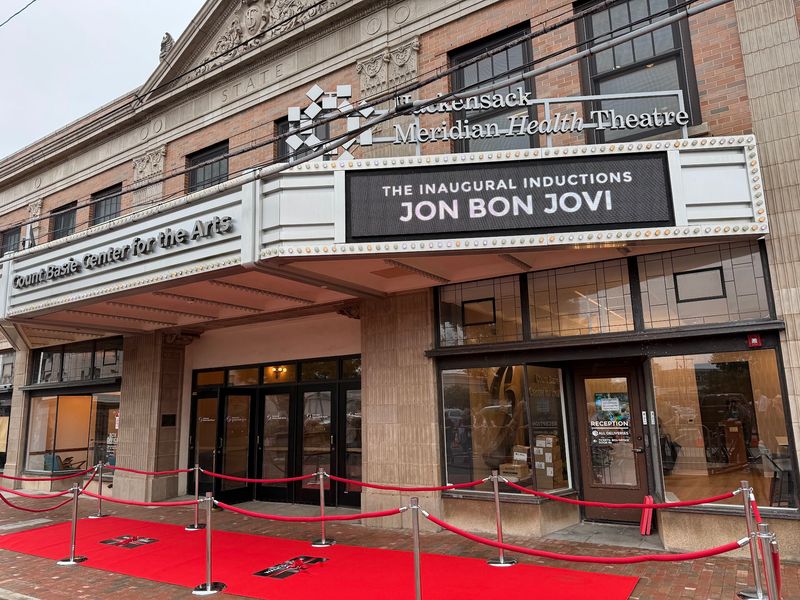
Bruce Springsteen, Bon Jovi, and Tony Bennett have all played this stage in Red Bank. Not bad for a theater that started out showing films in 1926.
Back then it went by a different name, the Carlton. By the 1970s, it faced possible closure and redevelopment.
Local arts advocates rallied to save it. Their work kept the lights on and the curtain rising.
Today the venue carries the name of jazz great Count Basie. He grew up in Red Bank, so the tribute hits close to home.
Renovations gave the historic building a fresh look. You get comfortable seats and old-school charm in one package.
Ushers help you find your spot, and a concession stand handles snacks. It’s an easy, stress-free night out.
The lineup covers live performances throughout the year. Check the calendar and grab tickets early for big names.
Box office hours vary by day. It’s closed Monday and Tuesday, open midday Wednesday through Friday, and a bit longer on weekends.
Parking choices include free and paid lots plus street spaces. Gender-neutral restrooms are available too.
There’s no restaurant inside, so grab dinner before the show. Downtown Red Bank sits right around the corner.
One rescue in the 1970s shaped decades of music on the Jersey Shore. That’s a legacy that still hits the right notes.
Address: 99 Monmouth St, Red Bank, NJ 07701
11. Roebling Museum
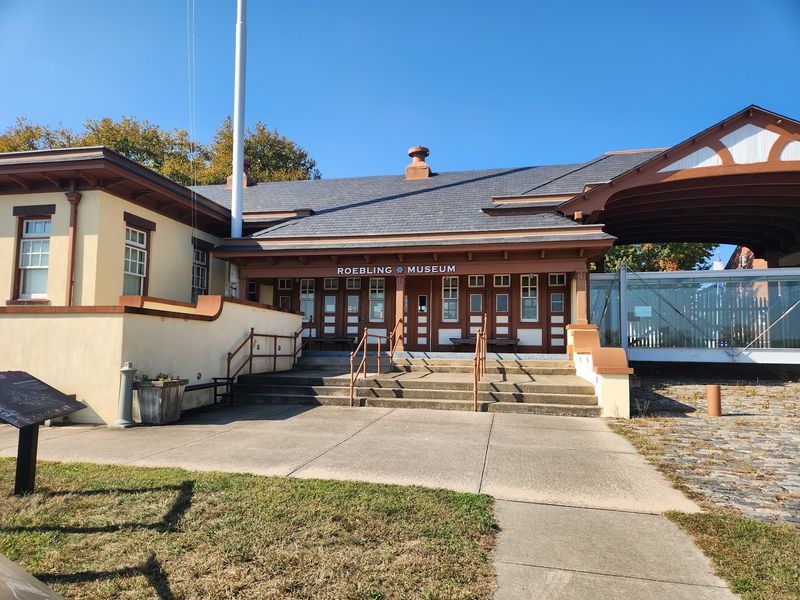
The cables holding up the Golden Gate Bridge have a surprising link to a small New Jersey town. Roebling’s steel mill made wire rope for famous bridges, including the Brooklyn Bridge.
When the industrial complex was cleared, most of the mill disappeared. One piece survived: the historic Main Gate building.
That building now houses the museum. It tells the story of the town and the family behind its industry.
Exhibits focus on industrial engineering and steel bridge structures. You’ll see how a company town shaped landmarks across the country.
Kids get hands-on exhibits that make engineering feel less like homework. Adults may leave with a new respect for wire rope.
The museum is small but well done. You can see it in a relaxed visit without feeling rushed.
Tours are offered, and they add helpful context. Ask questions, since the history here runs deep.
A tall chain-link fence surrounds the grounds, so don’t be thrown off when you pull up. Free on-site parking makes arrival simple.
Hours are Thursday through Saturday from 11 a.m. to 4 p.m. The museum is closed Sunday through Wednesday.
No restaurant sits on site, so pack a snack or eat beforehand. Restrooms are available.
Next time you cross a big suspension bridge, remember this little gatehouse. It’s the last door standing from a mill that helped hold America together.
Address: 100 2nd Ave, Roebling, NJ 08554
