New Jersey history did not begin with colonial houses, Revolutionary War battlefields, or old industrial towns.
Long before European settlement, Lenape communities lived across the region, building relationships with the land and waterways that stretched back thousands of years.
That history remains an essential part of understanding the state, yet it can be surprisingly easy to overlook when traveling between its better-known historic attractions.
Archaeological sites, museum collections, reconstructed settings, preserved landscapes, and cultural exhibits offer opportunities to learn more about Native life and the Lenape people whose homeland included this area.
These places do not all tell the story in the same way.
Together, though, they help bring a much deeper timeline into view, one that reaches far beyond the familiar chapters found on roadside markers and inside colonial-era buildings.
1. Winakung, A Native Lenape Woodland Forest
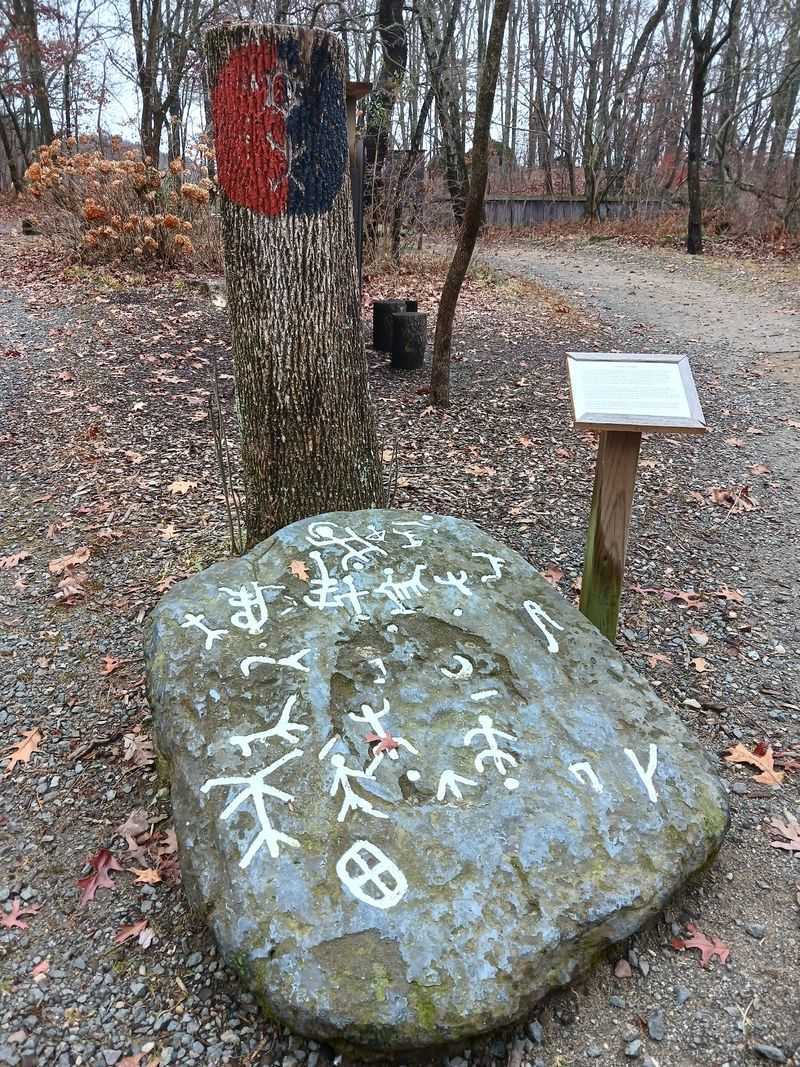
Set on an island in Waterloo Lake, Winakung is a reconstructed Lenape village built to show how life looked around 1630, before European settlement reshaped the region.
Bark wigwams and longhouses sit low among the trees, made from natural materials the way they would have been centuries ago.
The name itself means Place of Sassafras in the Lenape language, which tells you a lot about how closely the people here read the land. Trees, plants, waterways, and changing seasons were not simply part of the scenery.
They provided food, medicine, building materials, and other resources that shaped everyday life.
What makes the site feel honest is the research behind it. House designs, pottery, and stone tools were modeled on archaeological evidence from Minisink Indian sites in the upper Delaware Valley, so nothing here is guesswork dressed up as history.
Those details help turn what could have been a simple reconstruction into something much more thoughtful and grounded.
Native gardens grow beside spaces set aside for fishing, hunting, and cooking, and the whole thing sits inside thousands of acres of woods, stone cliffs, streams, and marsh.
That surrounding landscape matters because it helps put the village into context rather than separating its history from the environment that supported it.
Educational programs run by the non-profit Winakung at Waterloo bring students into hands-on activities covering forest foods, shelter building, and daily village routines. Restoration of the site involved the New Jersey Department of Environmental Protection along with Lenape Lifeways, Inc.
Bring shoes you don’t mind getting muddy. The trails are uneven in the best possible way, and the quiet out here does half the storytelling for you.
Address: Winakung – A Native Lenape Woodland Forest, Waterloo Valley Rd, Stanhope, NJ 07874
2. Discovery Center at Point Breeze
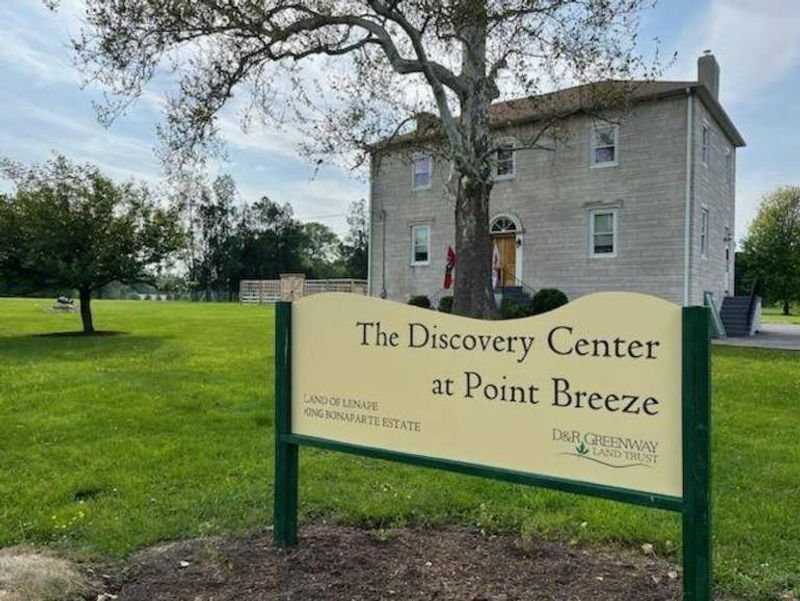
Sixty acres of riverfront, marsh views, and a building full of Lenape voices. The Discovery Center at Point Breeze opened to the public in 2023, sitting along the Abbott Marshlands with the Delaware River and Crosswicks Creek in view.
The property holds roughly 13,000 years of human history, with the Lenape living along these waterways long before European settlement.
They fished, hunted, farmed, traveled the river, and developed a deep relationship with a landscape that provided food, water, medicine, and transportation.
Inside, part of the focus lands on the Ramapough and the Wolf, Turkey, and Turtle clans. Displays pair Lenape words with English translations and show visitors how to use the Lenape Talking Dictionary.
Wood carvings and beadwork made by artists of Lenape heritage fill the space, and a video featuring Turtle Clan Chief Vincent Mann covers the Lenape people’s historical connection to the land and efforts to remain involved in its stewardship.
There is plenty beyond the display cases, too. The building itself is the only surviving structure from the period when Joseph Bonaparte, Napoleon’s older brother and the former king of Spain, owned a sprawling estate here.
That gives the property several very different chapters of history layered onto the same patch of ground.
Step outside and you’ll find a Three Sisters garden of squash, corn, and beans, planted to honor the Lenape people. The historic garden contains other heritage crops as well, turning part of the landscape into another piece of the story rather than simply something pretty to walk past.
The center honors the Lenape as the Original People of Lenapekoking, their traditional homeland, with a specially designed flag recognizing the three clans. Go on a clear day and walk the grounds afterward.
The river light out here is something else.
Address: Discovery Center at Point Breeze, 101 Park St, Bordentown, NJ 08505
3. Black Creek Site
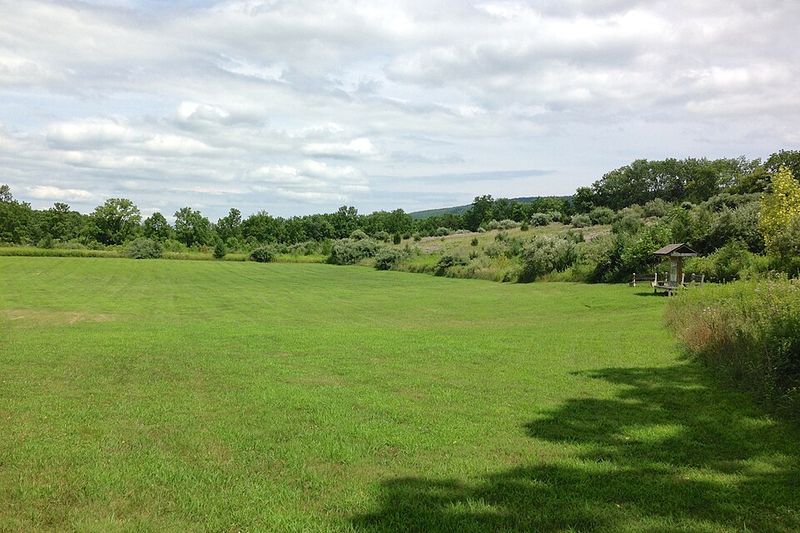
Over 16,000 Native American artifacts have come out of the ground here. Pottery, stone tools, spearpoints, knives, and scrapers, all pulled from one stretch of land in Vernon Township that most drivers pass without a second glance.
The Black Creek Site earned listings on both the New Jersey and National Registers of Historic Places, making it one of only a handful of Native American sites in the state to hold that distinction.
The timeline is staggering. Finds here stretch from the Early Archaic Period around 8,000 BC through the Late Woodland Period of the 1600s and 1700s, meaning the Lenape and other Native Americans lived continuously on this ground for more than 10,000 years before European settlers showed up.
Much of that activity centered on a flint quarry and workshop, where tools were shaped and traded.
Saving the site took teamwork between the Nanticoke Lenni Lenape Indians of New Jersey, local residents, and the Vernon Township Historical Society.
Wawayanda State Park later acquired the land, and today a hiking trail and an outdoor classroom let visitors experience the place rather than just read about it.
Pack water and take the trail slowly. Knowing what happened underfoot changes how the whole walk feels.
Address: Black Creek Site, 293 NJ-94, Vernon Township, NJ 07462
4. Nanticoke Lenni Lenape Indians and Turtle Trading Post
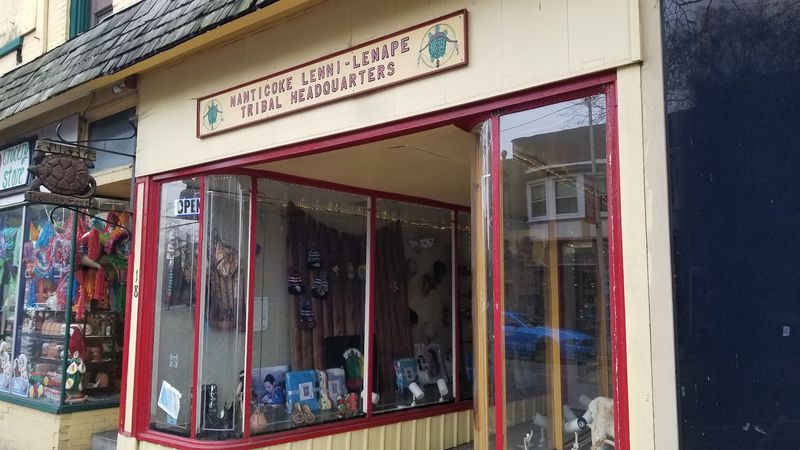
A storefront window on a quiet commerce street, filled with artifacts you can look at any hour of the day or night.
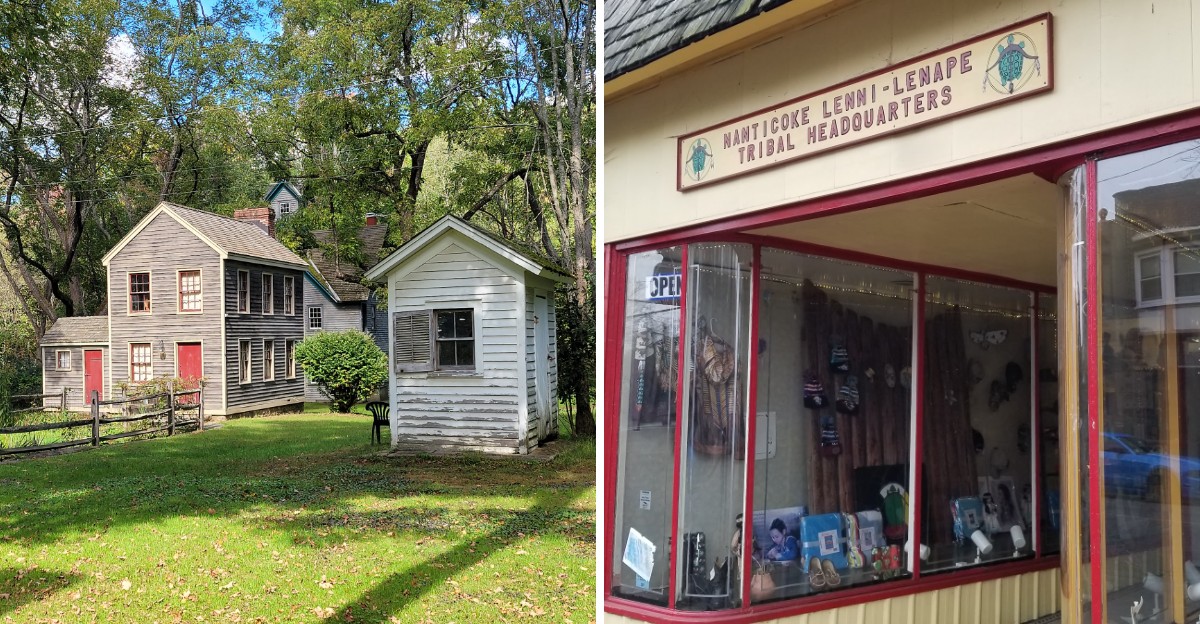
That’s the first thing people notice about the Turtle Trading Post in Bridgeton, the tribal store of the Nanticoke Lenni-Lenape Tribal Nation.
Inside, shelves hold arts and crafts made by tribal members and artists from other American Indian nations, plus souvenirs, books, and music.
The building also serves as headquarters for the Nanticoke Lenni-Lenape Tribal Nation, which is formally recognized by the State of New Jersey and has kept elected leadership in place since the 1970s.
Members descend from American Indian families of southern New Jersey and the Delmarva Peninsula who chose to stay in their ancestral homelands rather than leave.
The nation itself formed through the coming together of Nanticoke and Lenape people, a joining that started with intermarriage as early as the 1600s.
Bridgeton carries the nickname Indian Town, a reminder of how deep those roots run in this corner of the state.
The tribal nation holds permanent seats on the New Jersey State Commission on American Indian Affairs and votes as a member of the National Congress of American Indians. Shopping here supports living artists, not a gift shop chain.
That distinction matters.
Address: Nanticoke Lenni Lenape Indians & Turtle Trading Post, 18 E Commerce St, Bridgeton, NJ 08302
5. New Jersey State Museum
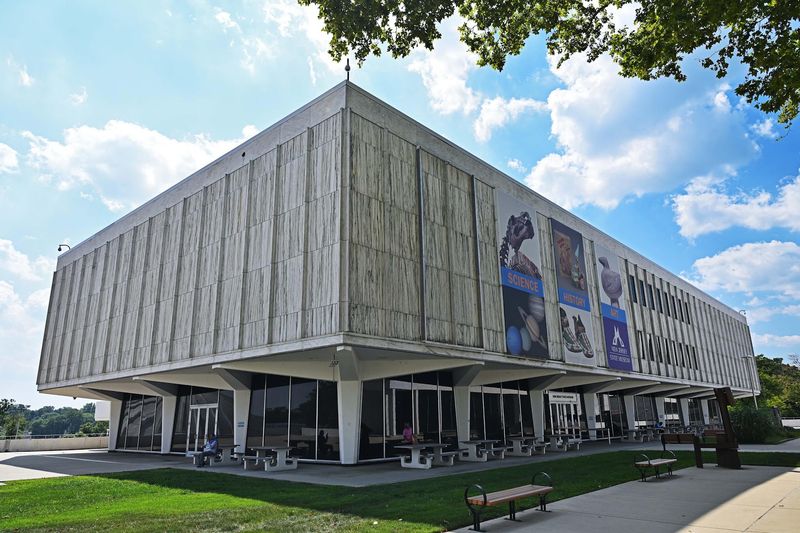
Two million specimens. That is the scale of the archaeology collection at the New Jersey State Museum in Trenton, gathered over nearly a century of excavations and held here because the museum is the official repository for artifacts found within the state.
The ethnographic collection adds more than 2,000 objects, most of them representing the Delaware (Lenape) and other Indigenous North American groups.
Textiles, beadwork, and hide work are particular strengths, and the holdings grew in the 1940s through field work by anthropologist Frank Speck, who collected among Delaware communities in Oklahoma and Canada.
Long-term exhibitions include A Much Moved People, Preserving Traditions of the Delaware Indians, along with Cultures in Competition, Indians and Europeans in Colonial New Jersey.
Both trace what happened when two worlds met, including the migrations that scattered Lenape families far from home.
Look for the rare dugout canoe, plus 17th-century Lenape fishing equipment, tools, and weapons. Nearby sit English and Dutch trade goods recovered from Native American sites, things like metal axes, glass beads, and brass kettles, which quietly show how quickly daily life shifted.
Programs such as The Rock-Knockin’ Native Americans and Lenape basket weaving workshops make the visit hands-on for younger guests. Check the schedule before you go, since those fill fast.
Address: New Jersey State Museum, 205 W State St, Trenton, NJ 08608
6. Waterloo Village Historic Site
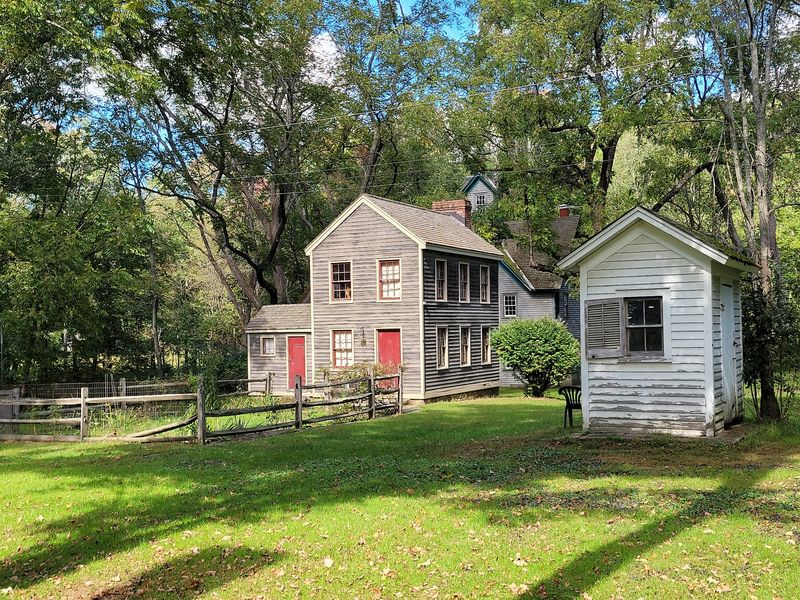
Most visitors come to Waterloo Village for the canal-era buildings, then leave realizing the land’s story started thousands of years earlier.
Sitting along the Musconetcong River in Stanhope, this restored living history village stands on ground that was part of the traditional homeland of the Munsee Lenape.
Artifacts uncovered in the area trace continuous Lenape presence back more than 10,000 years.
The complex includes a recreated Lenape Indian Village, a separate but connected attraction that gives visitors a direct look at early Native American life before the colonial chapters began.
European settlers arrived during the 18th century and built homes, mills, and stores, and by the 19th century the place had grown into a busy transportation hub thanks to the Morris Canal, which moved goods clear across the state.
Wander the restored 19th-century buildings and you’ll find a general store, a working blacksmith shop, a gristmill, a sawmill, and a handful of canal-era homes.
The layering is what makes it worthwhile, one landscape holding Lenape lifeways, colonial farming, and industrial transport all within walking distance.
Give yourself a few hours. Rushing through defeats the purpose, and the riverside paths are honestly the best part on a cool morning.
Address: Waterloo Village Historic Site, 526 Waterloo Rd, Stanhope, NJ 07874
7. Whitesbog Historic Village
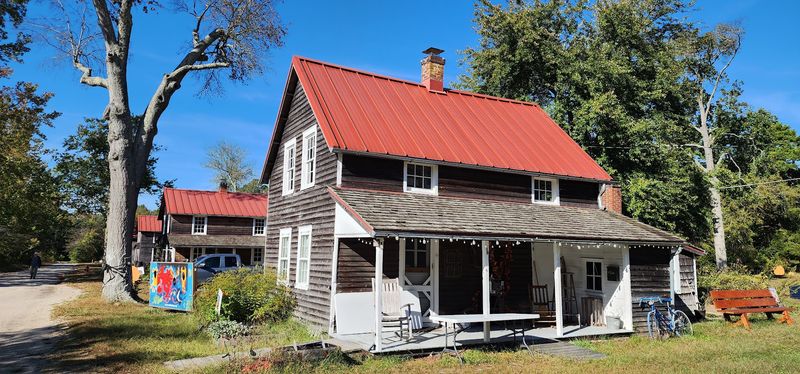
Cranberry bogs stretch out flat and red in the Pine Barrens, and it’s easy to forget the Lenni Lenape tended this land long before any farm took shape.
They foraged the pines for fruits and berries, using them for food, traditional medicine, and even as dyes for wool and cloth.
Whitesbog Historic Village grew from that same landscape, founded in 1857 as a cranberry farming operation in Browns Mills.
Its other claim to fame came later. In 1916, Elizabeth C.
White, working with Dr. Frederick A. Coville, developed the world’s first cultivated highbush blueberry right here, which changed breakfast tables everywhere.
The Whitesbog Preservation Trust runs the village today, offering tours and educational programming throughout the year.
One of those programs, Lenape: Living in the Pines, puts students into traditional Lenape tasks, storytelling, and games, making the connection between the land and its first caretakers something kids actually remember.
Whitesbog holds listings on both the National and State Registers of Historic Sites, a nod to how much of the original village survives.
Go in the fall if you can, when the bogs turn color and the pines smell sharp and clean. Bring bug spray in warmer months.
The Pine Barrens do not mess around.
Address: Whitesbog Historic Village, 120 W Whites Bogs Rd #34, Browns Mills, NJ 08015
8. Batsto Village
Even the name hints at something older. Batsto is believed to come from the Swedish word bastu, meaning bathing place or sauna, likely pointing to the rivers here that Native Americans used for bathing.
The whole area sits within Lenapehoking, the ancestral homeland of the Lenape people who lived across this part of the country long before any furnace was lit.
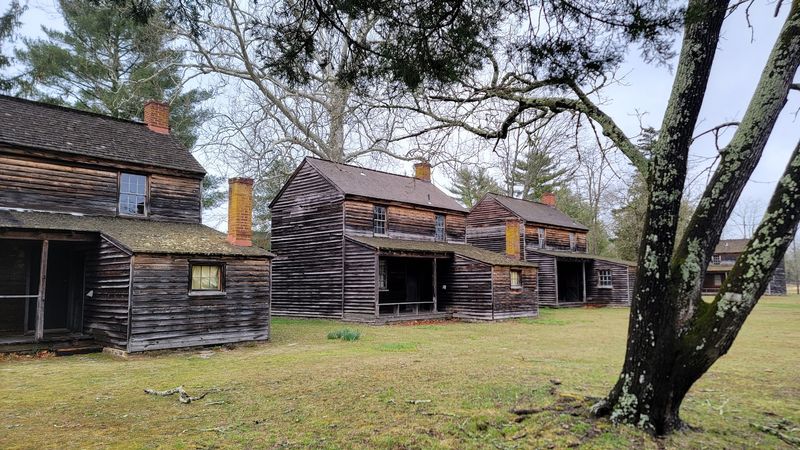
The village itself was established as an industrial town in 1766, built around the region’s natural wealth: water to run mills, thick woods for charcoal, and bog iron pulled straight from the ground.
During the American Revolutionary War, the Batsto Iron Works supplied cannons and cannonballs to General George Washington’s Continental Army, which is a heavier legacy than the peaceful setting suggests.
After iron declined, Batsto tried glass production, though that never quite stuck. Philadelphia industrialist Joseph Wharton bought the village and a large swath of surrounding land in 1876, improving many buildings and launching forestry and agricultural projects.
The State of New Jersey acquired the property in 1955, and today more than 40 historic buildings remain, preserved as they looked in the late 19th century.
Tour the Batsto mansion, then wander to the sawmill, gristmill, general store, and blacksmith shop. The lakeside views alone justify the drive.
Address: Batsto Village, 31 Batsto Rd, Batsto, NJ 08037
