Weather can turn a great day out into a soggy mess pretty quickly. New Jersey has plenty of places where sunshine, rain, heat, or even a little wind can completely change the experience.
A beach can go from blissful to blustery. A waterfall can look dramatically fuller after rain.
A mountain trail can feel totally different beneath clear skies than under a blanket of clouds. That’s part of the fun, though.
These aren’t places you simply visit and forget. The conditions can shape the views, the crowds, the trails, and even what you’re able to do.
Oh, and sometimes the forecast is half the adventure. A little planning can mean the difference between a perfect outing and turning around before you even get started.
So, where should you check the forecast twice before heading out?
1. Cape May Point State Park
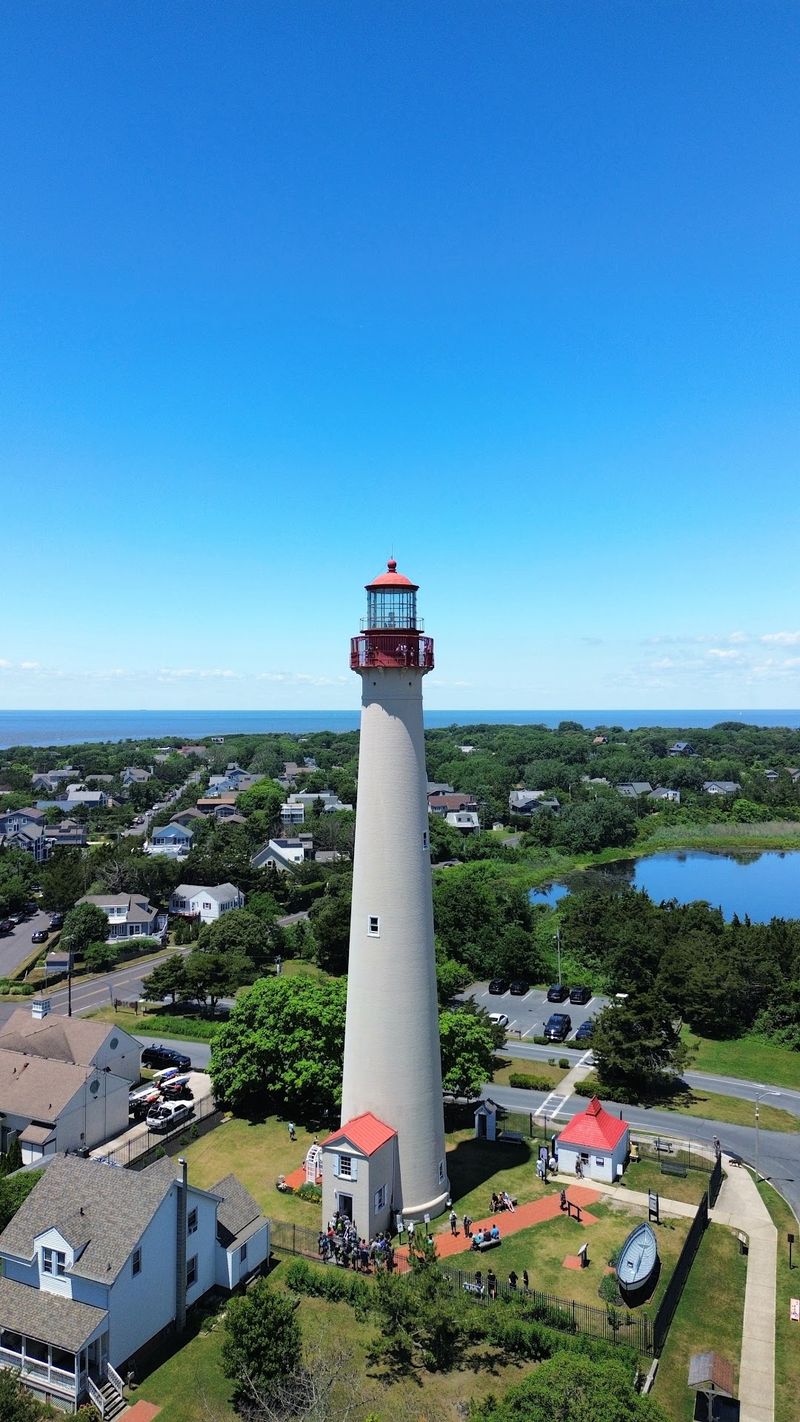
Wind is the real headliner at this southern tip of the state, and it shows up whether you invited it or not. Birdwatchers gather here because migrating flocks pour through, but strong gusts off the point can make holding binoculars steady feel like a small workout.
Calm, clear mornings are the gold standard. That’s when the trails, the beach walk, and the view of the lighthouse all line up perfectly.
Rain changes the mood quickly, since most of what makes Cape May Point State Park special happens outside on open paths and sand. A soggy forecast means the nature trails lose their charm fast, and there’s not much shelter to duck under.
Hot, bright afternoons bring a different challenge. Shade is limited along the dunes and boardwalks, so sunscreen, a hat, and more water than you think you need are genuinely useful.
My advice is simple. Check the wind speed, not just the temperature, because a 70-degree day with a hard breeze feels much cooler near the water.
When conditions cooperate, the mix of ponds, dunes, and shoreline habitats is honestly one of the most rewarding walks on the coast.
Address: Cape May Point State Park, Lighthouse Ave, Cape May Point, NJ 08212
2. Liberty State Park
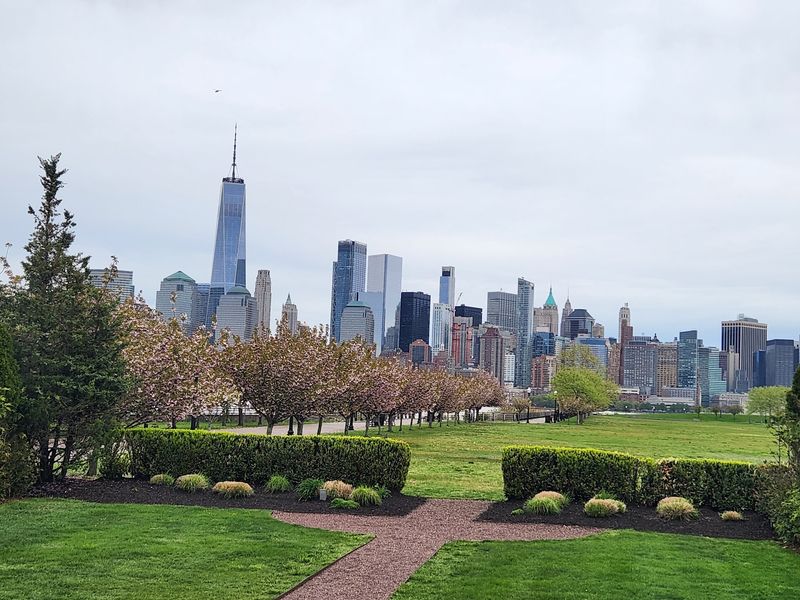
Few places reward mild weather quite like this stretch of Jersey City waterfront. Spring and fall bring temperatures in the upper 50s to mid 70s, which is about as comfortable as it gets for long walks with the Manhattan skyline sitting right there across the water.
Bring a light rain jacket anyway. Coastal pop-up showers have a habit of arriving without much warning.
Summer can get tricky at Liberty State Park when heat index values climb toward triple digits, since the open paths offer little relief and prolonged time outside becomes uncomfortable or even risky. Strong winds tied to severe storms, tropical systems, or tornado watches can also affect safety and access, so checking conditions before heading out is smart.
Winter surprises people in the best way. December turns chilly and quiet, and that’s exactly when birders start scanning for snowy owls along with ducks, gulls, and shorebirds.
Fewer visitors, sharper air, and clearer sightlines make cold-season trips memorable in their own way.
Layers solve most problems here. A windbreaker and gloves can stretch a short walk into an hour of skyline watching without anyone complaining.
Address: Liberty State Park, 1 Audrey Zapp Dr, Jersey City, NJ 07305
3. Paterson Great Falls National Historical Park
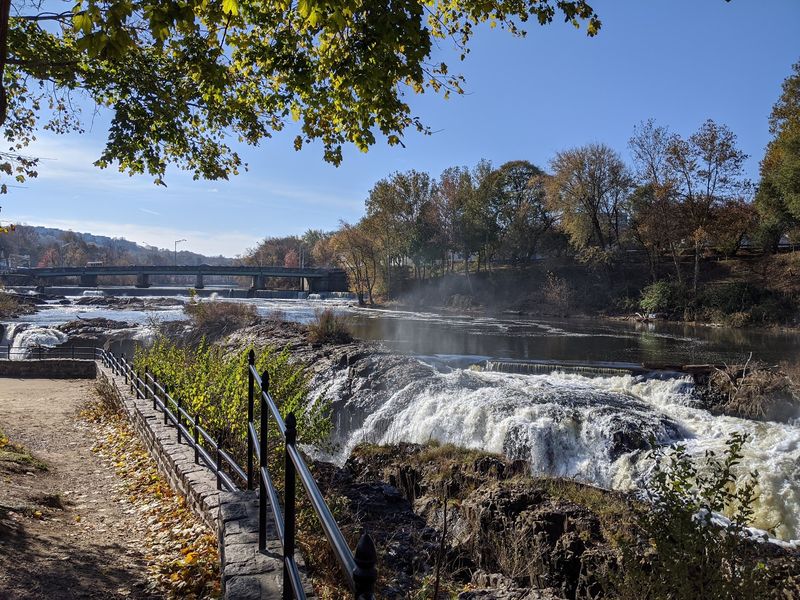
Spring runoff turns this waterfall into a roaring, swollen rush of the Passaic River, and the sound alone is worth the trip. Melting snow and heavy rains feed the drop until the mist drifts up over the overlooks.
Catch a sunbreak right after a shower and rainbows sometimes flicker through that spray.
Summer tells a quieter story. Flow can slow to what locals jokingly call a great trickle, which exposes the layered basalt rock underneath and gives geology fans something unusual to study up close.
Warm months here run humid, so loose clothing, sunscreen, and water make the walkways far more pleasant at Paterson Great Falls National Historical Park.
Winter might be the most dramatic season of all. Freezing mist coats railings, rocks, and branches until the gorge looks like an ice cathedral carved overnight.
That beauty comes with real caution, since paths near the water turn slippery and demand solid boots and warm layers.
Keep in mind the park can close without advance notice when conditions become dangerous, so a quick check saves a wasted drive.
Timing your visit around recent rainfall is the single best trick for seeing the falls at full power.
Address: Paterson Great Falls National Historical Park, 72 McBride Ave Ext, Paterson, NJ 07501
4. Buttermilk Falls
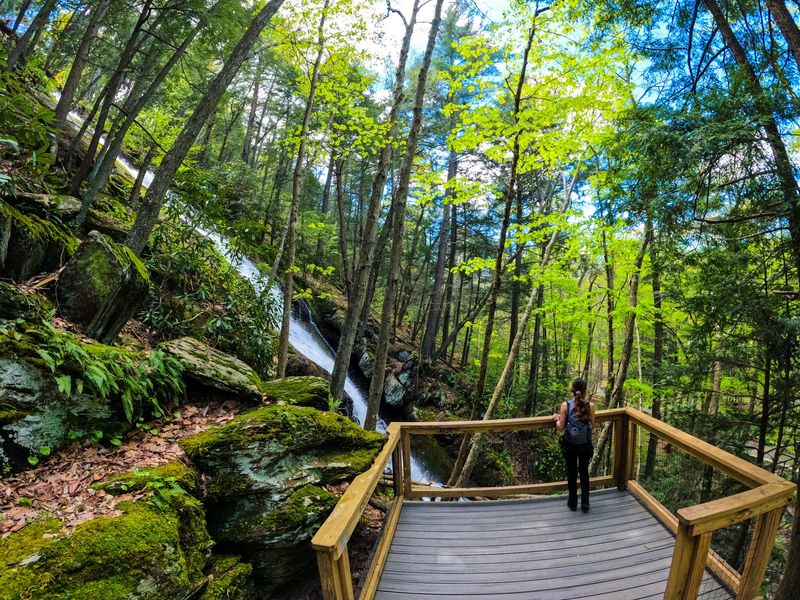
Timing decides everything at this tall cascade in the northwest corner of the state. From March through mid-June the water gushes, fed by spring rain and melting snowpack, and the drop looks genuinely powerful.
Visit during a dry late-summer stretch and you may find a thin ribbon instead.
Access is the other weather story. Mountain Road closes to vehicles from December 15 through April 15, which means winter visitors face a hike of roughly 1.4 to 1.5 miles each way to reach Buttermilk Falls.
That effort pays off when cold temperatures freeze the cascade into pale columns of ice. When the road does open, expect an unpaved surface with plenty of potholes, so drive slowly and watch your tires.
The small pool at the base stays cold since it’s spring fed, and clarity shifts depending on recent storms.
The staircase alongside the falls gets slick after rain, and that’s where shoes with real grip matter most.
Autumn adds another reason to go. Foliage frames the water in reds and golds, and the cooler air makes the climb feel easier than it looks.
Address: Buttermilk Falls, Mountain Rd, Layton, NJ 07851
5. Mt. Tammany Red Dot Trail
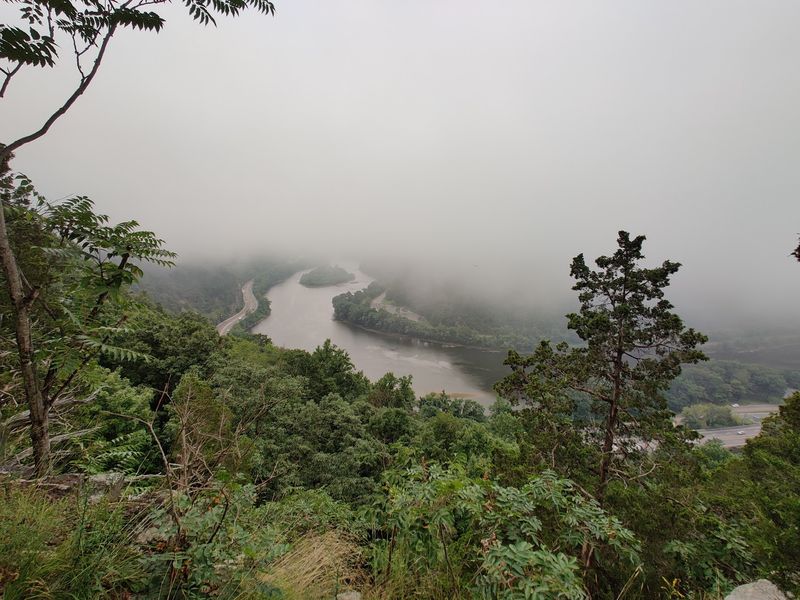
Steep, rocky, and unapologetically demanding, this climb tests your legs and your planning. Elevation gain comes quickly, and the rugged footing makes sturdy hiking shoes non-negotiable, with trekking poles helping plenty of people keep their balance.
Summer heat surprises hikers. Temperatures near the summit can run warmer than at the base and have been known to push past 100 degrees, so water and breathable layers matter enormously.
Rain leaves the Mt. Tammany Red Dot Trail wet and muddy, with streams running high and rock slabs turning slick underfoot.
On those days, descending by the less steep Blue Dot route is the safer call.
Winter reshapes the whole experience. Snow and ice coat the rocks, traction devices become essential, and the climb is best left to hikers with real cold-weather experience.
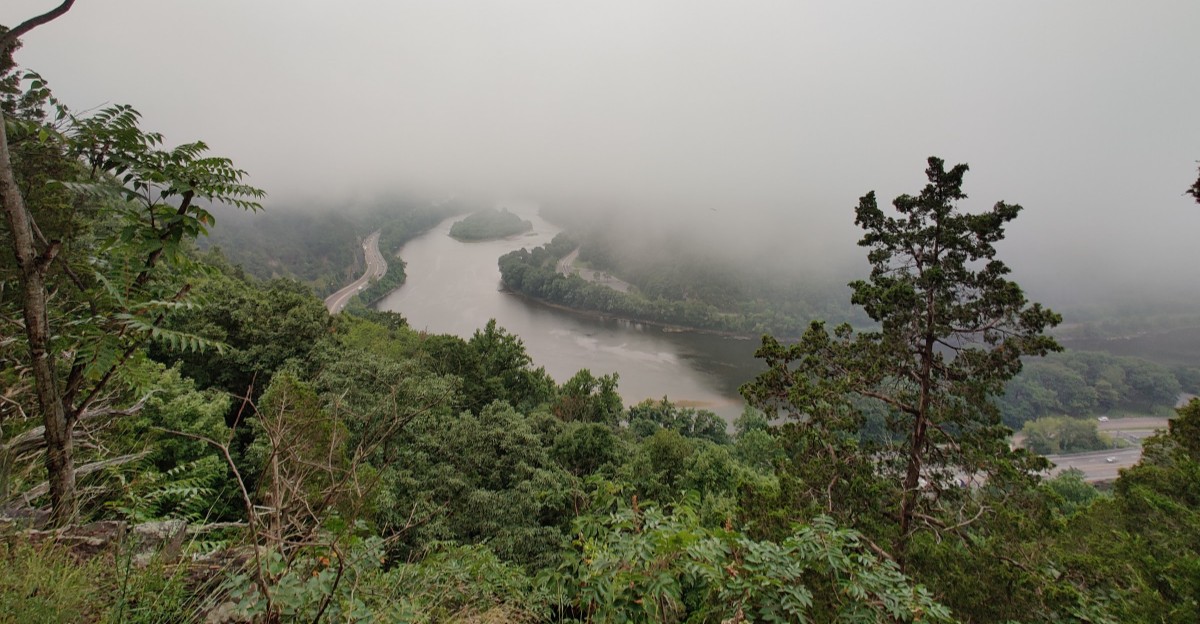
Views from the top swing wildly with conditions. Fog can erase everything, while crisp air turns the Delaware Water Gap into a postcard.
Wind at the summit deserves respect too, since exposed ledges catch every gust. Pack an extra layer even when the parking lot feels warm.
Address: Mt. Tammany Red Dot Trail, Kittatinny Region, Hardwick Township, NJ 07825
6. Island Beach State Park
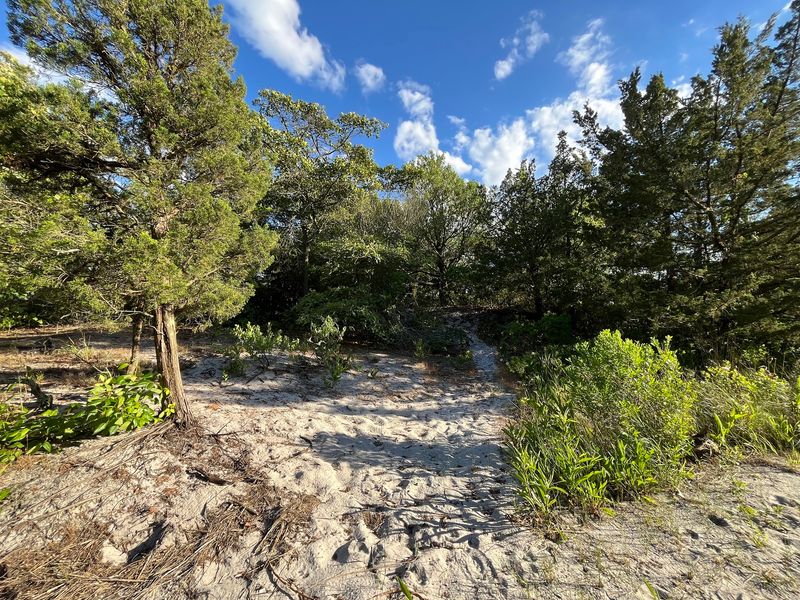
Ten miles of protected barrier island, and the ocean here calls every shot. September often lands as the sweet spot, with temperatures from the mid 50s to upper 70s and a low chance of rain across those pristine dunes.
Crowds thin out. The beach feels wide and quiet again.
Cooler months open a different door, since horseback riding on the sand is permitted from October through April. December brings sparse visitors, temperatures often in the 40s, and a real chance of snow dusting the dune grass at Island Beach State Park.
Summer swings hot and humid, with heat indexes that make long stretches outside tiring. Sudden coastal shifts happen too, including strong winds and occasional waterspouts offshore.
Heavy rain or storms can trigger temporary closures, and swimming areas may shut once capacity is reached. Even on warm days, shifting winds can leave ocean water surprisingly cold.
Without a steady sea breeze, biting insects get bold near the back dunes, so repellent earns its spot in the bag.
Swimming is limited to guarded areas, and those schedules shift with weather and maintenance.
Address: Island Beach State Park, 2401 Central Ave, Seaside Park, NJ 08752
7. Keansburg Beach

Sunshine does the heavy lifting on this bayfront stretch, and a gray sky changes the whole tone of the day. Warm, clear conditions make the sand and shallow water feel welcoming, while rain or a cold snap empties the shoreline fast.
Comfort depends on more than the number on the thermometer. Water temperature, cloud cover, and humidity all shape how long anyone wants to stay.
Hot afternoons at Keansburg Beach call for sunscreen, UV-protective clothing, and steady hydration, especially for kids running back and forth to the water. Swimming when water dips below 55 degrees really requires protective gear, which is why early-season dips look better in photos than they feel.
Thunderstorms mean everyone exits the water immediately, no debate.
The beach gets cleaned daily through summer, though bay conditions can bring sea lice, jellyfish, or drifting debris after busy stretches. Rip currents remain worth watching for as well.
Local shops and stands feel the weather too, since a rainy weekend quietly reshapes the whole boardwalk atmosphere.
Pick a calm, bright day and the bay turns into an easygoing spot for a long, lazy afternoon.
Address: Keansburg Beach, Main St & Beachway Ave, Keansburg, NJ 07734
8. Pyramid Mountain Natural Historic Area
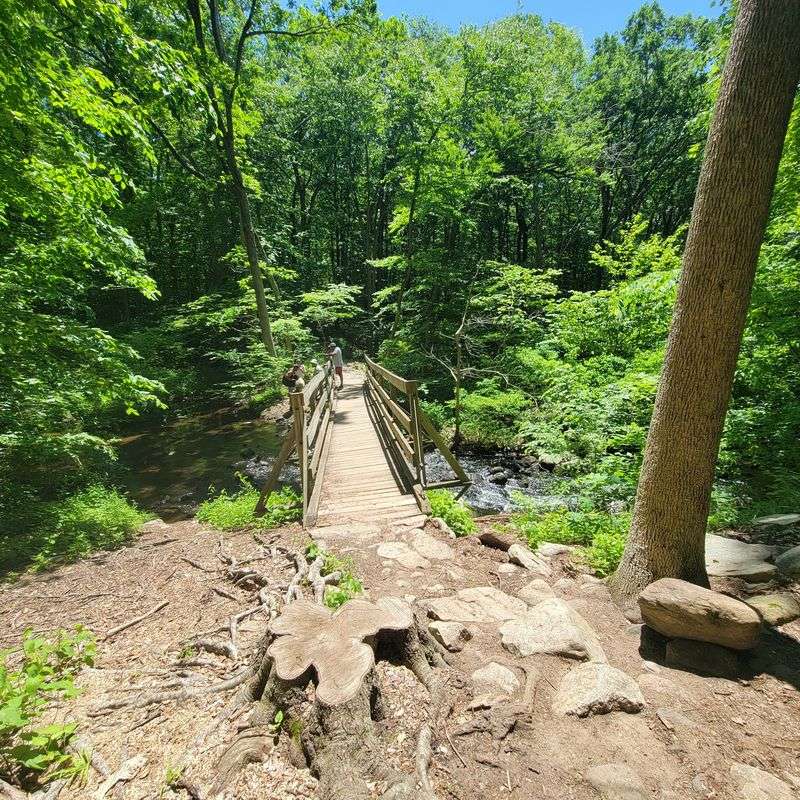
Giant glacial boulders and ridge-top overlooks make this Morris County preserve a favorite for hikers who like a little rock scrambling with their views. On pleasant weekends the lots fill early, so a weekday visit usually feels calmer and less rushed.
Terrain varies quickly. Some sections climb steeply over uneven stone.
Those rocky paths at Pyramid Mountain Natural Historic Area turn noticeably harder when wet, and ice makes them riskier still. A steady drizzle, heavy rain, or even a light snow dusting raises both the difficulty and the chance of a bad slip.
Freeze-thaw cycles in colder months in New Jersey are especially sneaky, since surfaces that looked fine in the morning can glaze over by afternoon.
Checking current conditions before setting out is genuinely important here, and there have been search and rescue responses during poor weather that underline the point.
Bring a headlamp if you’re starting late, because tree cover shortens usable daylight.
Clear, cool days are the reward. Crisp air sharpens the overlook views across the ridges, and the boulders look even more striking without haze.
Solid boots and a charged phone cover most of what this hike asks of you.
Address: Pyramid Mountain Natural Historic Area, 472 Boonton Ave, Montville, NJ 07045
9. Wharton State Forest
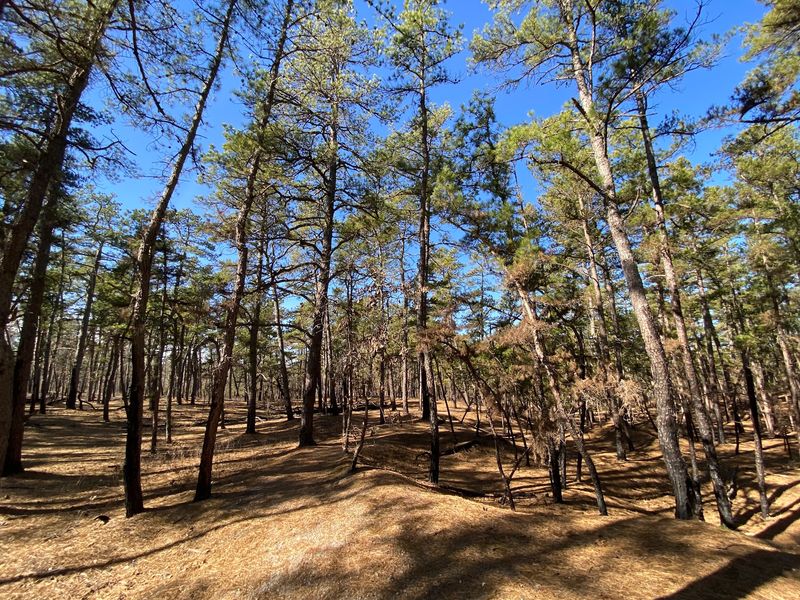
Pine Barrens country stretches wide here, with sandy roads, cedar-tinted rivers, and quiet campgrounds tucked into the trees. Mid-June through mid-September generally works best for hiking, biking, and birding, though the season runs wet, humid, and warm.
Rain is the wildcard. Heavy, persistent downpours cause serious flooding across the forest.
Many unimproved dirt roads inside Wharton State Forest wash out completely or turn into shallow ponds after storms, which can strand drivers who assumed a sedan would manage. Swollen waterways like the Batsto River can make canoeing and kayaking hazardous or closed outright because of debris.
Winters run cold and snowy, limiting some activities and restricting access to certain areas.
Campers should plan ahead for water, since potable supplies are not always reliably available at spots such as the Mullica River Campground. That detail matters more when temperatures swing in either direction.
A quick call to park authorities about current conditions saves a lot of guesswork.
When the weather behaves, the payoff is real. Sandy trails, tea-colored streams, and long stretches of pine make this one of the quietest corners of the state.
Address: Wharton State Forest, 31 Batsto Rd, Hammonton, NJ 08037
10. Sourland Mountain Preserve
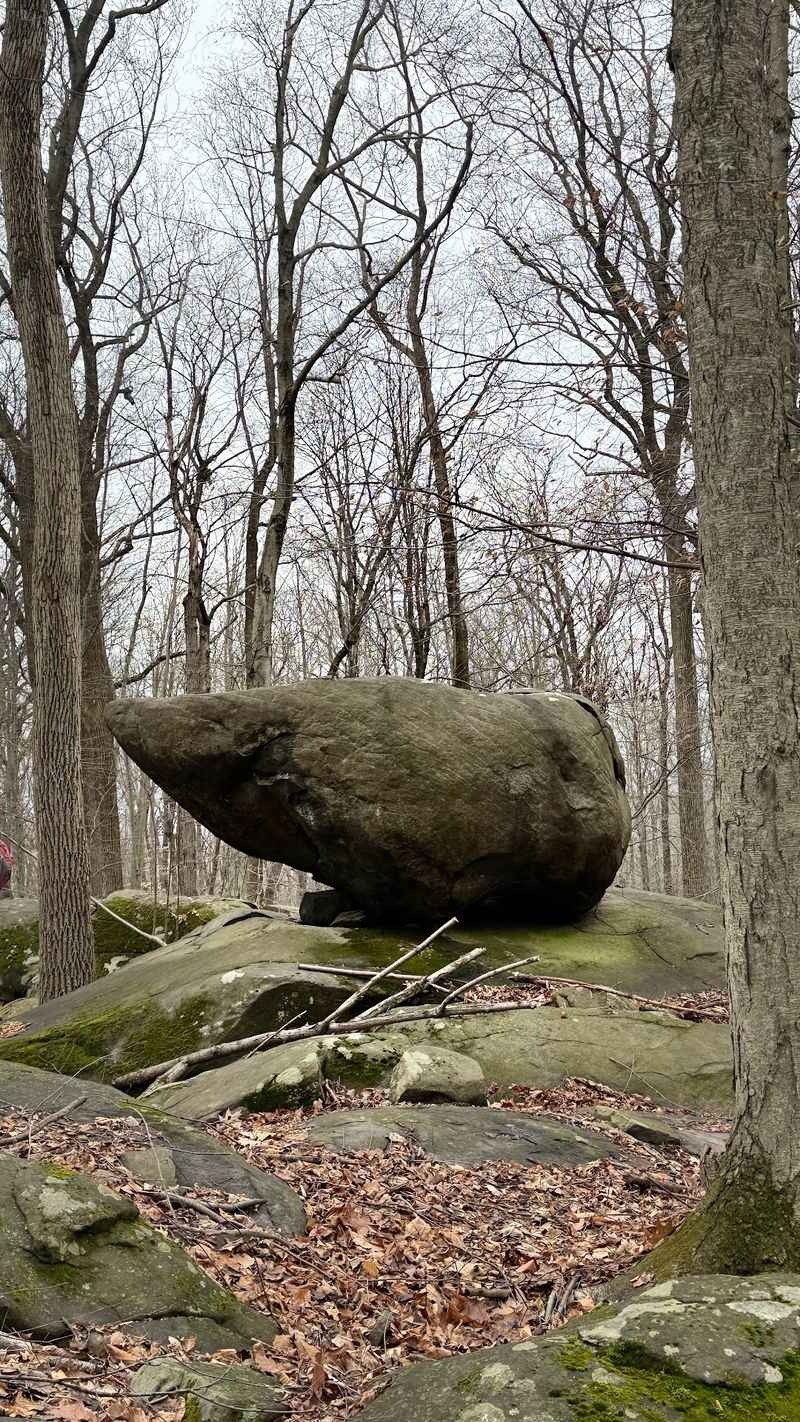
Boulder fields and thick woodland give this preserve a rugged personality that surprises first-timers. The Ridge Trail and Roaring Brook Trail wind through jumbled rock and cross streams more than once, which is exactly where weather starts calling the shots.
After rain, expect mud. Lots of it.
Some crossings at Sourland Mountain Preserve can become impassable during wet spring stretches, so waterproof boots are the smartest thing in your pack. Snow creates postcard scenery, though freezing rain and repeated melt-refreeze cycles leave trails genuinely icy.
Trails here are not cleared or plowed in winter, meaning traction spikes and poles make a real difference.
Warm, dry weather suits the place best, opening things up for hiking, mountain biking, birdwatching, and horseback riding across the network.
Spring holds a quiet highlight worth knowing about. Vernal pools form in weather-worn rock depressions and become important breeding habitat for amphibians, so those puddles are doing more work than they appear.
Walk around them rather than through them.
Give yourself extra time after storms, because the rocks stay slick long after the sky clears in this part of New Jersey.
Address: Sourland Mountain Preserve, 421 E Mountain Rd, Hillsborough Township, NJ 08844
