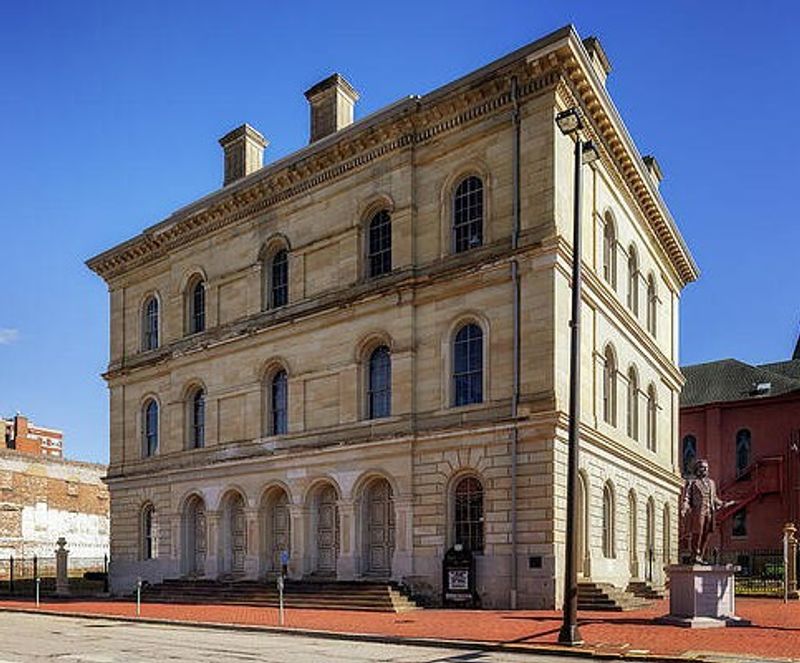
Some of the best stories in West Virginia hide behind plain walls and parking meters. I went looking for a quiet place to stretch my legs and maybe find a sandwich, and I walked out knowing exactly how a whole state was born.
The building does not shout about any of it, which makes finding it feel like uncovering a family secret. If you love hometown history, free admission, and a story told with real heart, this stop deserves a spot on your list.
A Federal Landmark Hiding in Plain Sight on Market Street
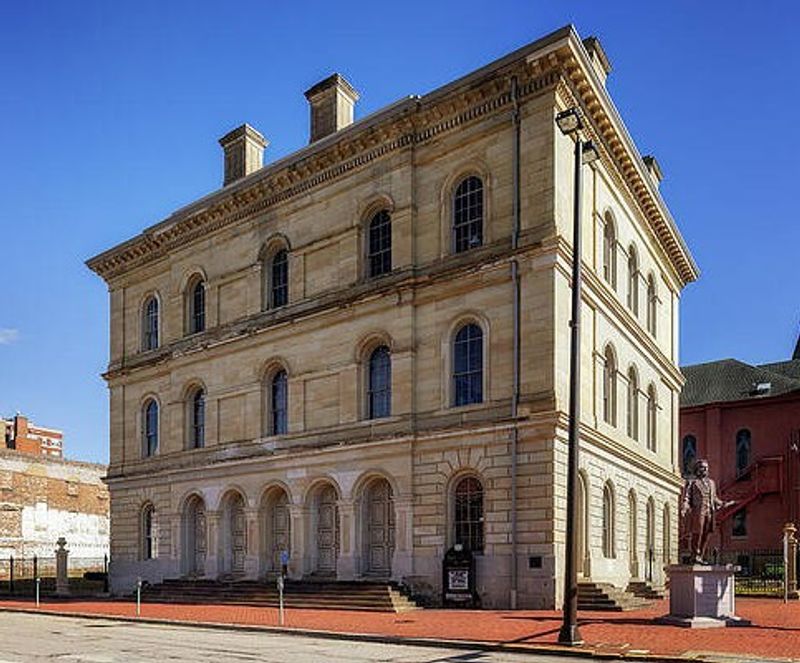
Picture a busy downtown block in Wheeling, the old river city up in the Northern Panhandle, with cars rolling past and folks heading off to lunch. Standing right there on Market Street is a stately building that plenty of drivers glide by without a second look.
That building is West Virginia Independence Hall, and it quietly holds the title of birthplace of the Mountain State.
Completed in 1860, it first served as a federal custom house, post office, and courthouse for the Western District of Virginia. Nobody who laid its foundations could have guessed what would unfold inside only a year later.
Within a few short years, meetings held in its rooms helped carve a brand new state out of Virginia during the Civil War.
Today the building is a state-run museum with preserved rooms, restored details, and four floors packed with exhibits. Visitors often describe it as small but surprisingly full, the kind of place where every corner seems to carry a story.
It was named a National Historic Landmark in 1988, which hints at just how much it matters.
So if you have ever wondered where West Virginia truly began, the answer is not a grand capitol dome. It is this unassuming federal building, still standing proudly downtown.
Ammi B. Young and His Italian Palace Vision
Back in the 1850s, the U.S. Treasury Department had a supervising architect named Ammi B.
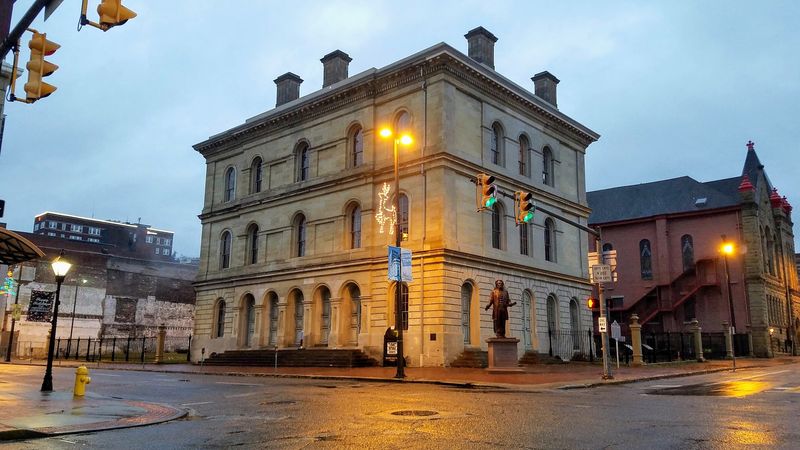
Young, and he left his fingerprints on federal buildings across the country. When it came time to design a new custom house for this corner of western Virginia, Young reached for a look he called the Italian Palace style.
Today, architecture fans usually call it Italian Renaissance Revival.
What does that mean for your eyes? Think balanced rows of windows, strong horizontal lines, and a dignified face that feels more Florence than foothills.
The building was meant to announce that the federal government had arrived, and it still does that job remarkably well.
Construction wrapped up in 1860, though some accounts point to 1859 as the year it rose. Either way, it was practically brand new when the nation began to split apart.
Imagine the courtroom freshly furnished and the halls still smelling of new wood, and then history comes knocking at the door.
There is something fitting about a building styled after Renaissance palaces hosting the rebirth of a region. Old European design ideas met Appalachian determination under one roof.
Stand on the sidewalk for a minute and you can almost feel the confidence Young poured into those walls.
Iron Bones That Pointed Toward the Skyscraper Age
Here is a fun fact worth saving for the next family reunion. Hidden inside those elegant walls is a structural system that was cutting edge for its day.
The building uses wrought iron floor beams and hollow wrought iron box girders, all resting on cast iron columns.
That might sound like something only an engineer could love, but stay with me for a moment. In the mid-1800s, most big buildings leaned heavily on thick masonry to hold everything up.
Using iron this way was a forward-thinking approach, and historians often point to systems like this one as an early step toward the framing that later made towering skyscrapers possible.
So a custom house in western Virginia may have played a small part in the story of city skylines everywhere. Not bad for a building most people drive right past on their way to somewhere else.
When you visit, keep an eye out for the ironwork, especially the iron staircase that guests regularly single out as a favorite detail. It is a handsome reminder that beauty and strength were designed to work together here.
Folks raised in steel and railroad country tend to appreciate good ironwork, and this building offers plenty of it to admire.
Virginia at a Crossroads in 1861
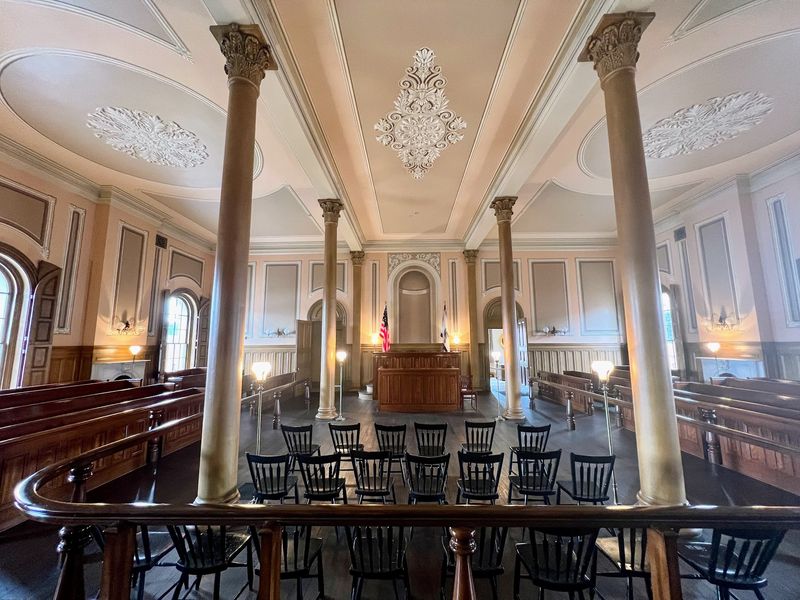
To understand why this building matters, you have to rewind to the spring of 1861. The country was coming apart at the seams, and Virginia sat right in the middle of the storm.
When the state voted to leave the Union, a large share of people in the western counties simply did not go along with it.
Deep divisions had long existed between the eastern and western parts of old Virginia. The mountain communities out west often felt a world away from the leaders in Richmond, both in distance and in outlook.
Secession brought those differences boiling to the surface in a way nobody could ignore.
Western loyalties stayed firmly with the United States, and people began asking a bold question. If Virginia could break away from the Union, could the western counties break away from Virginia?
It sounds almost unthinkable today, yet that question set everything in motion.
Wheeling became the natural gathering place for these Unionist voices. Its fresh new federal building, with its courtroom and offices, offered just the right setting for serious business.
Within weeks, the custom house would shift from handling mail and court cases to hosting some of the most important debates in West Virginia history.
The Second Wheeling Convention and a Restored Government
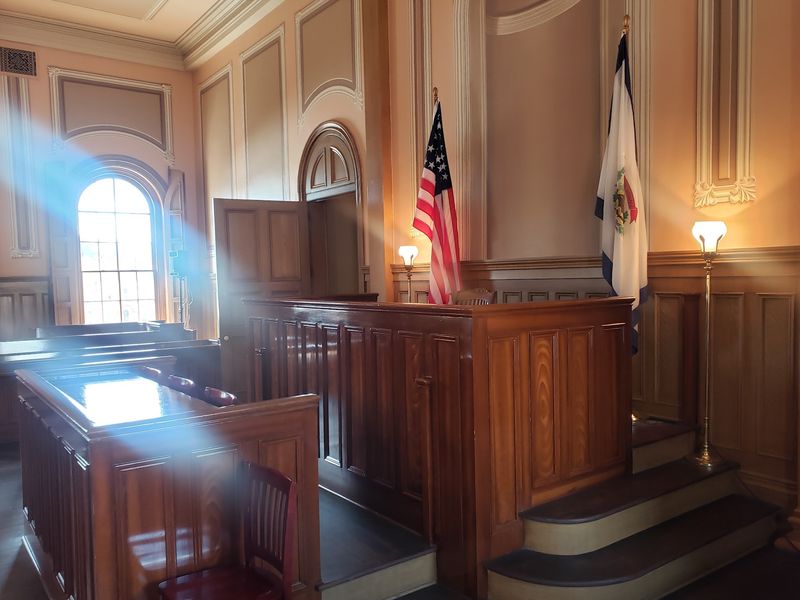
June 11, 1861, is a date every Mountain State history buff should circle. On that day, the Second Wheeling Convention opened, drawing delegates from more than 30 western Virginia counties, according to most accounts.
They came with a purpose that must have felt thrilling and nerve-wracking all at once.
Gathered inside the custom house, the delegates declared the Confederate state government in Richmond illegitimate. Instead of walking away from Virginia altogether right away, they did something clever.
They formed what became known as the Restored Government of Virginia, a loyal version of the state government that stayed with the Union.
Federal authorities recognized this Restored Government, which gave it real standing. The delegates elected Francis Harrison Pierpont as governor, a name that still pops up on historical markers across the region.
Just as important, the new government opened the door for the western counties to form a state of their own.
Walking the halls today, it is easy to imagine the buzz of those summer days. Men arriving from farms and river towns, papers stacked high, voices carrying down the corridors.
It reads like a movie script, yet it happened right here, in a building many locals once visited simply to mail a letter.
Naming a New State on the Third Floor
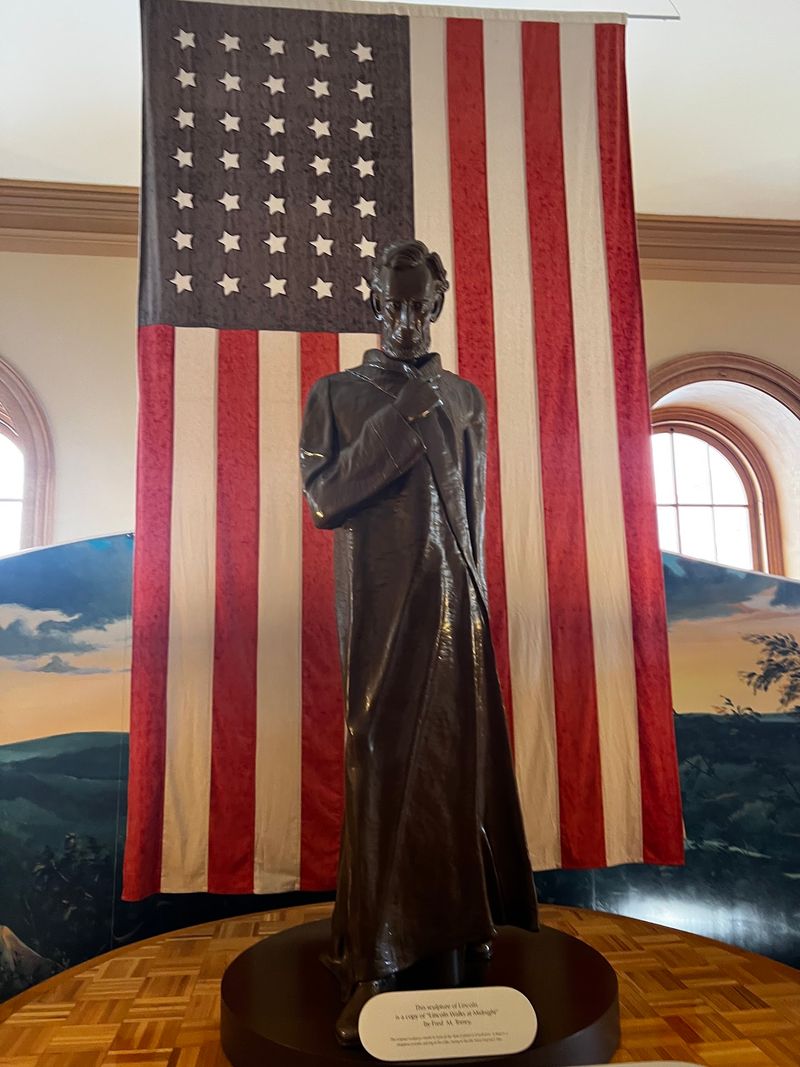
Ever wonder who came up with the name West Virginia? The answer traces back to the federal courtroom on the third story of this very building.
That room hosted the constitutional convention that drafted the first West Virginia constitution, which convened on November 26, 1861.
Around 53 delegates took part, working through the nuts and bolts of how a brand new state should run. One of the liveliest topics was the name itself.
Several choices were reportedly floated, and West Virginia was ultimately chosen at the suggestion of Waitman T. Willey.
The delegates also had to decide where the new state would begin and end. They mapped out boundaries, added counties, and even gave some areas the option to join based on how local voters decided.
Part of the thinking, historians note, was keeping the Virginia route of the B&O Railroad within Union territory.
All of that hard work paid off on June 20, 1863, when West Virginia officially became the 35th state. Visitors often mention how cool it is to learn that West Virginia is the only state to form by breaking away from a Confederate state during the Civil War.
That claim to fame started upstairs, one debate at a time.
A Courtroom Brought Back to Its 1860s Glory
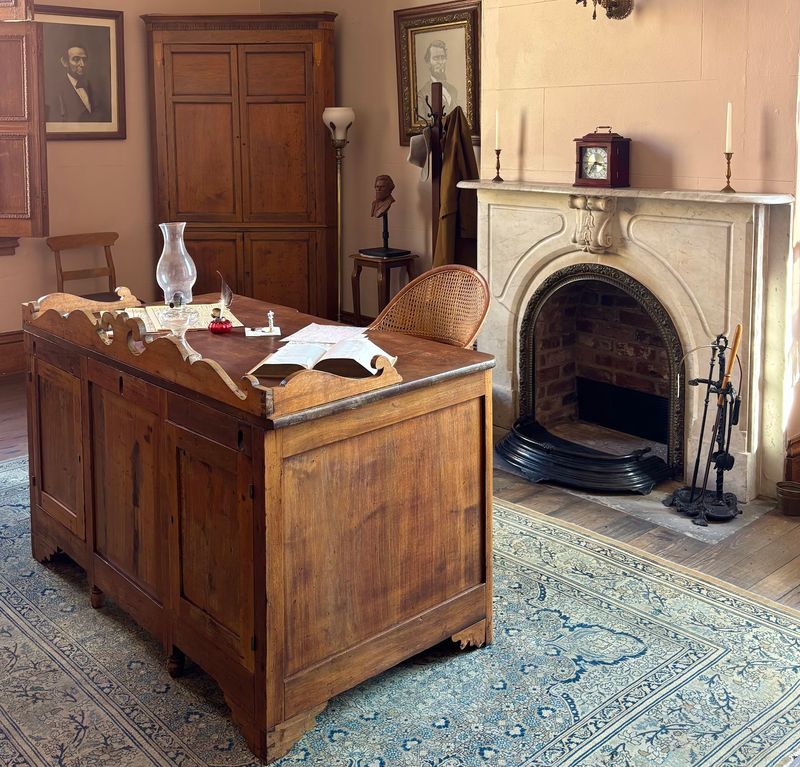
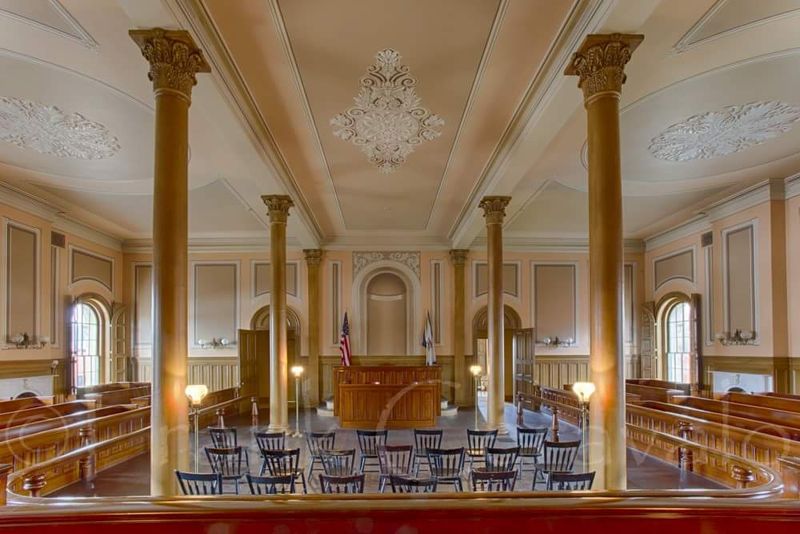
Step through the doors and the first thing you notice is the quiet. The restored courtroom feels hushed and dignified, as if the delegates just stepped out for a break and might wander back in at any moment.
Guests frequently call it the loveliest room in the building, and it is easy to see why.
From 1860 to 1864, this space served as the home of the United States District Court for the Western District of Virginia. That means it balanced everyday federal court business with some of the most consequential gatherings in the region’s past.
Talk about multitasking.
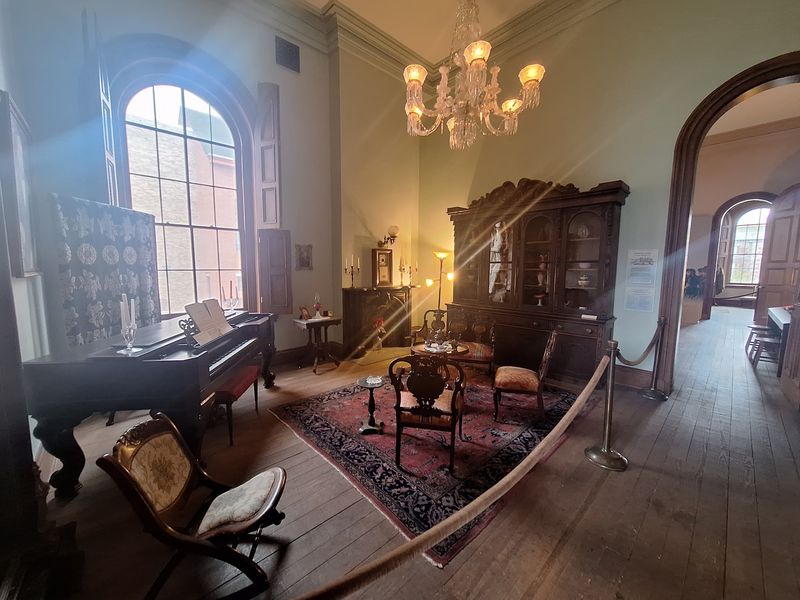
Restoration work has returned the room to the look of the 1860s, with period furnishings and beautiful antique pieces placed throughout the building. One longtime history lover described the entire place as beautifully restored, praising the people who took such time and care to preserve it.
That kind of craftsmanship shows in every detail.
Staff members often stop to explain the story behind the main rooms, and the courtroom is where those stories land hardest. Sit for a moment, look around, and think about the decisions made within these walls.
For many West Virginians, that moment turns a simple museum visit into something closer to a homecoming.
Frescoes, Wood Graining, and the Art of Saving a Building
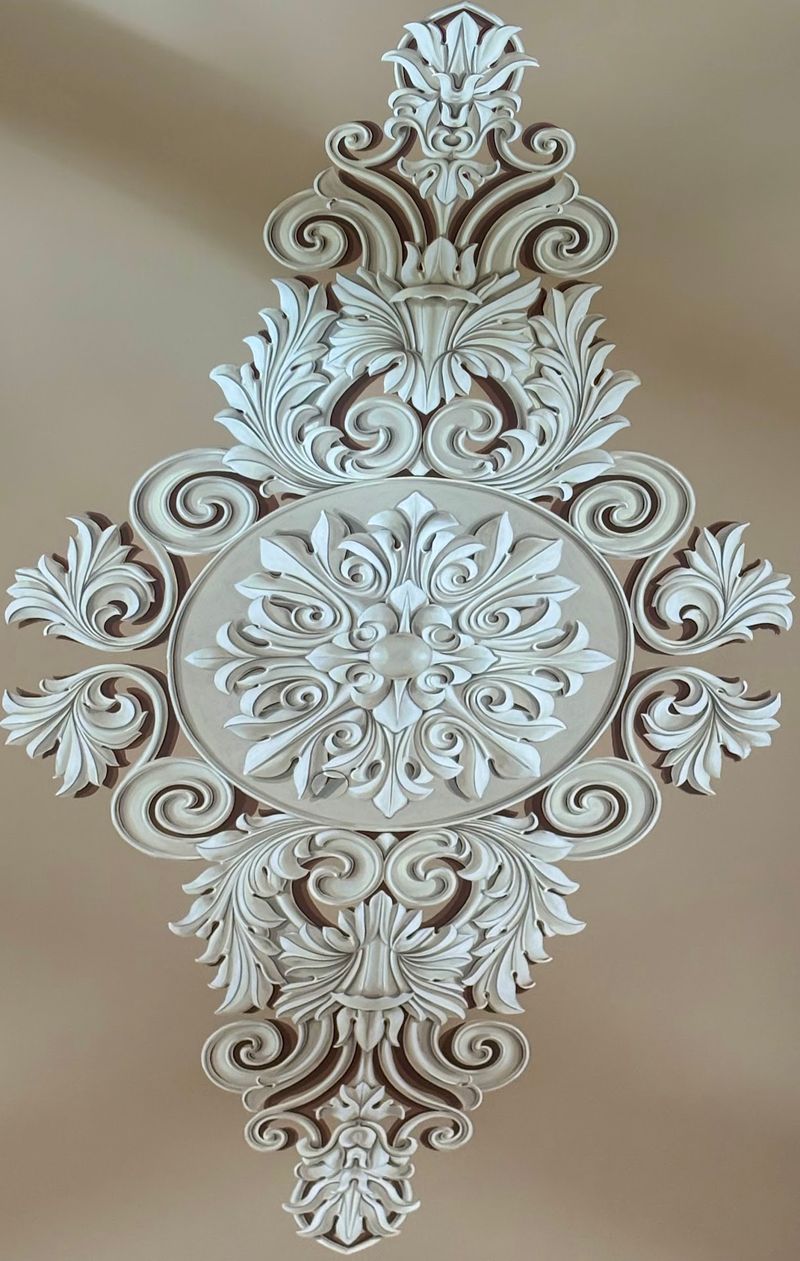
Old buildings do not stay beautiful by accident. Behind every restored wall and polished doorframe at Independence Hall is a story of patient, skilled hands.
One of the surprises for many visitors is how much the museum shares about that behind-the-scenes work.
Exhibits explain the conservation of the building itself, including fresco replacement and wood graining. If you have never heard of wood graining, it is a traditional painting technique used to make a surface look like fine natural wood.
Seeing how craftspeople recreate these finishes gives you a whole new appreciation for the rooms around you.
Frescoes, painted directly onto plaster, take special care to repair or replace. Learning how preservationists tackled that challenge makes the ceilings and walls feel less like decoration and more like living history.
It is the sort of detail that sticks with you long after you leave.
For anyone who grew up watching a grandparent refinish furniture or patch plaster in an old farmhouse, this part of the museum may feel oddly familiar. It honors the kind of careful, practical work West Virginians have always respected.
Guests who enjoy knowing how things are made tend to linger here longer than they planned.
Civil War Flags and the Patient Work of Preserving Them
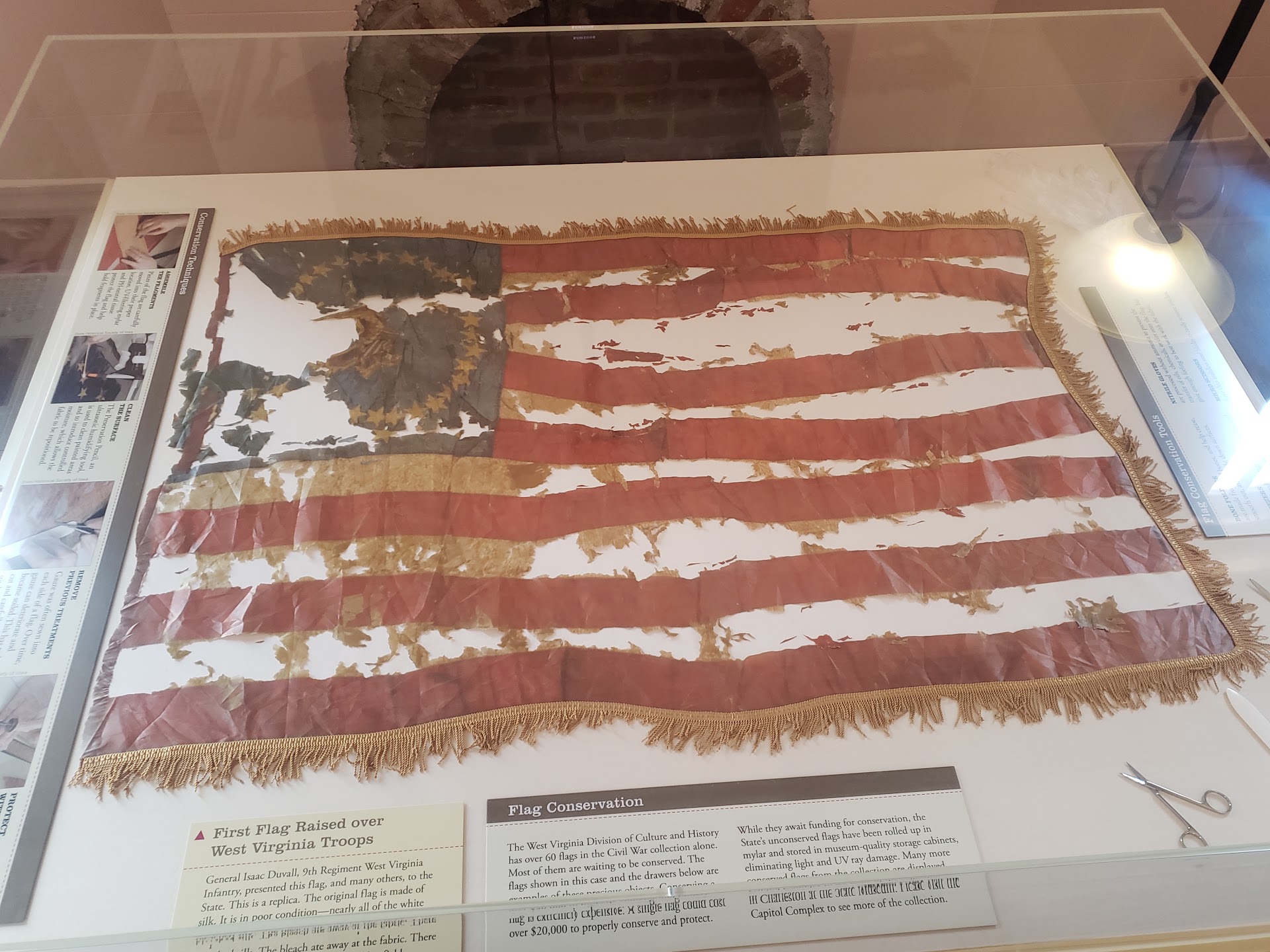
Faded silk, delicate stitching, and colors softened by more than 160 years. The flag exhibit is one of the most talked-about parts of Independence Hall, and visitors mention it again and again as a highlight.
Some come for the courtroom and leave talking mostly about the flags.
What makes this gallery special is not just what hangs on display, but how it got there safely. The museum shares information about the conservation of these Civil War-era flags, showing the painstaking steps needed to protect fabric that fragile.
Guests describe the preservation work as fascinating and very well done.
Flags carried during the war held deep meaning for the men who followed them and the families waiting back home. Seeing them up close tends to stir something in people, whether you are a Civil War buff or simply curious.
There is a quiet reverence in the room that feels fitting.
Take your time here and read the panels. You may find yourself thinking about your own family’s roots in the hills and hollows, and about ancestors who lived through those uncertain years.
For a lot of folks, that personal connection is exactly what makes this exhibit so memorable.
A Short Film That Sets the Stage
Pro tip from people who have been there: start with the movie. When you arrive, staff will often ask if you would like to watch the documentary before exploring, and saying yes makes everything that follows click into place.
Visitors describe the film as running somewhere between 15 and 20 minutes. It walks you through the backstory of how the western counties separated from Virginia and why this building found itself at the center of it all.
Several guests have called it their favorite part of the visit, which says a lot about how well it tells the story.
After the film, the rooms upstairs stop being just pretty spaces. You will recognize names, understand dates, and picture the delegates moving through the halls.
It is a bit like reading the first chapter of a book before flipping to the good parts.
Plan on roughly an hour for the whole visit, including the video, based on what past guests report. That makes Independence Hall an easy fit for a morning outing or a relaxed afternoon stop.
Grandparents, grandkids, and everyone in between can settle in, learn a little, and still have plenty of energy left for the rest of the day.
The Make-Your-Own-Flag Room for Curious Young Minds
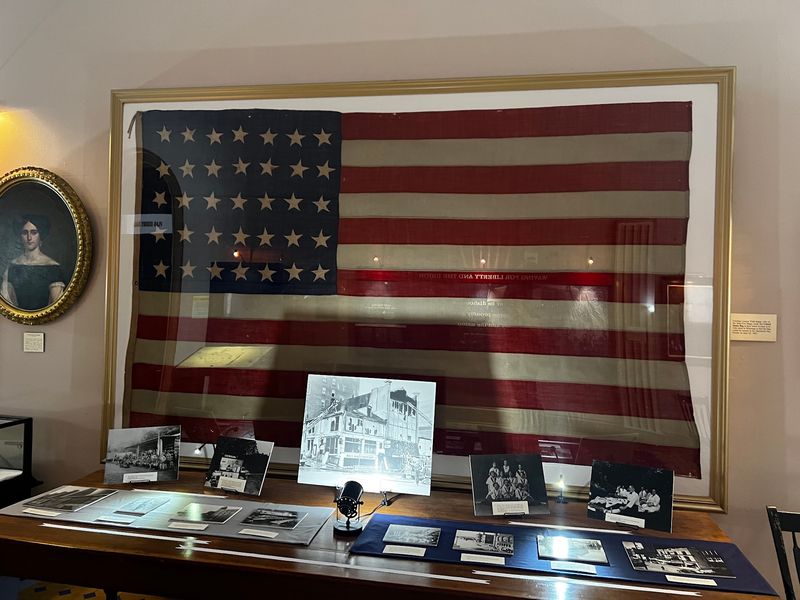
Kids who roll their eyes at the word museum might just change their minds here. Tucked among the exhibits is a make-your-own-flag room, and more than one visitor has named it a personal favorite.
It turns a serious subject into something hands-on and genuinely fun.
After seeing the real Civil War flags and learning how the new state chose its identity, young visitors get to design a flag of their own. It is a clever way to connect the big ideas of statehood with something a child can hold in their hands.
Adults have been known to join in, too, and nobody is judging.
Families often describe the museum as a great history lesson for the whole crew. With four floors to explore, a short film, and an activity room built for creativity, it keeps different ages engaged without feeling overwhelming.
The pace stays gentle, which helps little legs and older knees alike.
One visitor admitted to hating history as a kid and now cannot get enough of it. Places like this might be where that change begins.
Bring the grandkids, let them design something bold, and maybe you will plant the seed for a lifelong love of Mountain State stories.
Friendly Faces and a Hometown Welcome
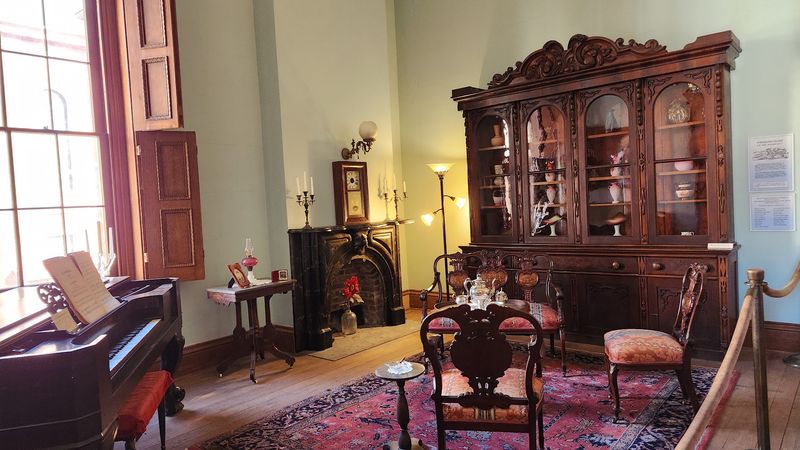
Ask anyone who has visited what stood out most, and the answer usually comes back to the people. Friendly staff is by far one of the most mentioned things about Independence Hall.
Guests describe the team as sweet, helpful, and full of history themselves.
One solo traveler recalled being the only person touring that day and still getting the full treatment. Staff offered the documentary, explained the layout of the building, pointed out the elevators and restrooms, and shared what each floor held.
Then they stopped along the way to explain the history of the main rooms.
Others have praised a receptionist who could answer just about any question thrown her way. Another group fondly remembered a greeter who was pleasant, fun to talk to, and entertained them with a playful made-up British accent.
That kind of personality turns a quick stop into a story you tell back home.
The atmosphere is relaxed and unhurried, perfect for history lovers, families, retirees on a day trip, and anyone passing through the Northern Panhandle. It feels less like a stuffy institution and more like being shown around by a knowledgeable neighbor.
In true West Virginia fashion, you are treated like company from the moment you walk in.
Hours, Free Admission, and Parking Know-How
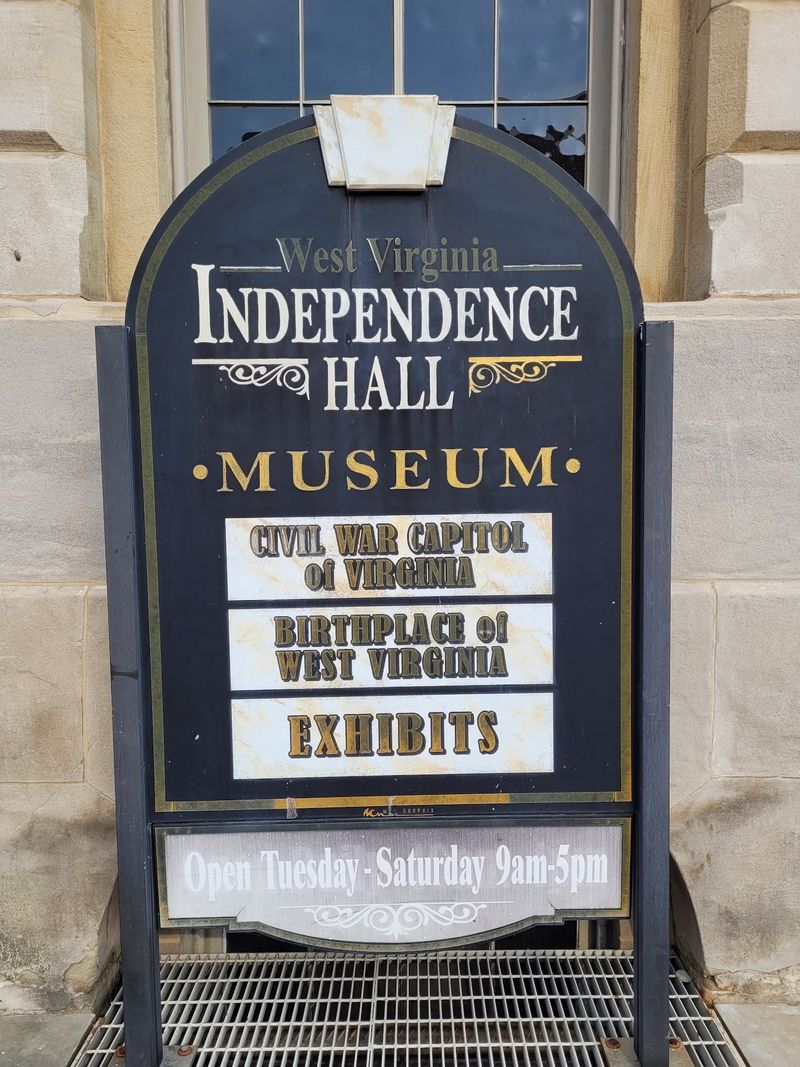
Good news for anyone watching the budget: admission is free. Visitors say it almost sounds too good to be true, but four floors of history really will not cost you a dime.
For retirees on a fixed income or families stretching a travel fund, that is a welcome surprise.
Independence Hall is open Tuesday through Saturday from 9 a.m. to 5 p.m. It is closed on Sundays and Mondays, so plan your trip accordingly.
A Saturday morning visit pairs nicely with a lazy lunch downtown afterward.
Parking is easy, too. Past guests report a small free lot right next to the building, which saves you from circling the block.
Inside, elevators help visitors move between floors, making the museum more comfortable for those who would rather skip the stairs.
Before you leave, swing by the gift shop, which one visitor called among the most affordable around. Postcards make a sweet keepsake or a nice note to mail to an old friend.
The museum also hosts events and lectures from time to time, so checking the wvculture.org website before your trip is a smart move.
You will find it at 1528 Market St, Wheeling, WV 26003.
Why This Quiet Downtown Stop Earns the Detour
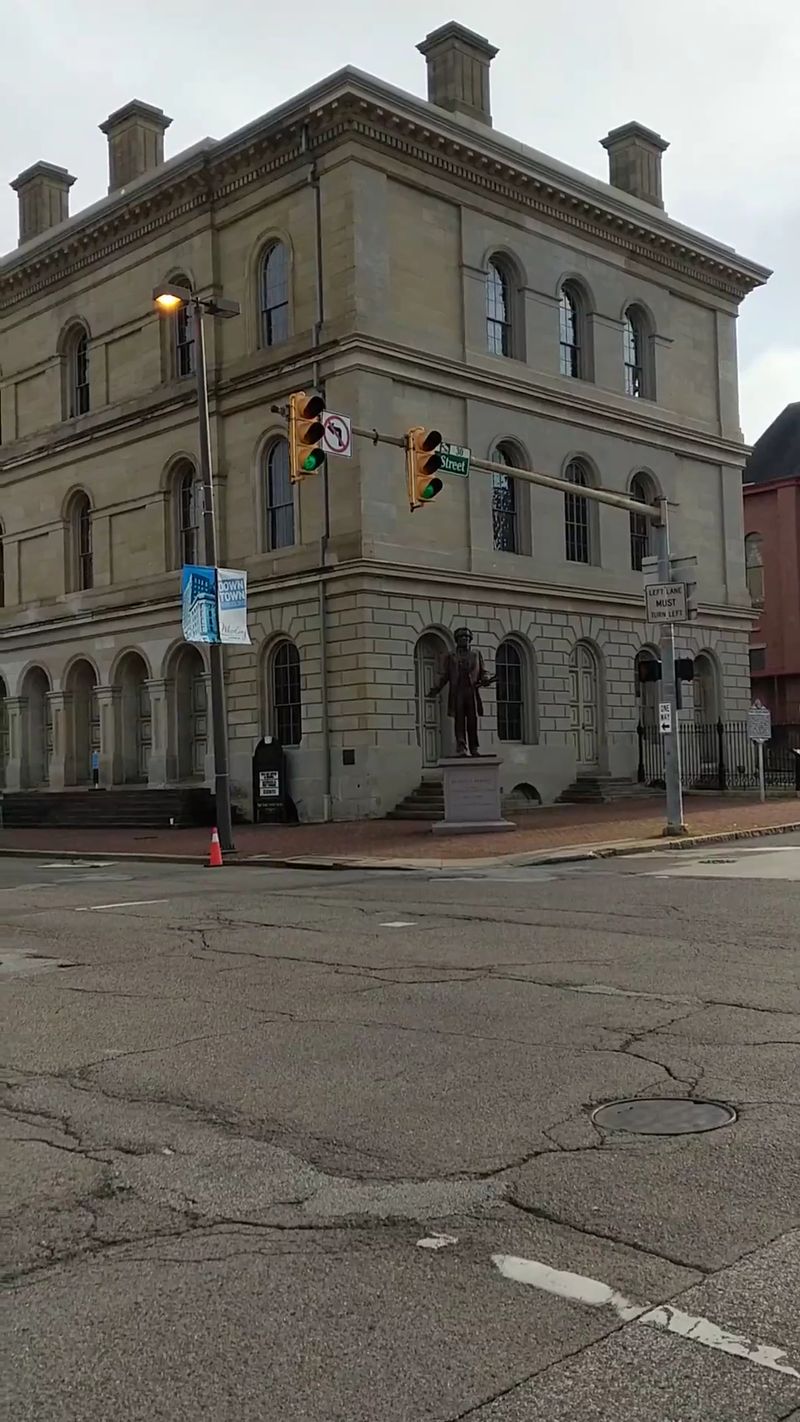
Some places impress you with size or flash. Independence Hall wins you over another way, through sincerity, craftsmanship, and a story that belongs to every West Virginian.
It is humble on the outside and full of heart within.
Visitors often leave saying they learned far more than they expected, whether they came as lifelong history fans or casual passersby. The restored courtroom, the carefully preserved flags, the iron staircase, and that helpful documentary all work together to tell how the Mountain State came to be.
Add warm staff and free admission, and it is hard to find a reason to skip it.
For locals, it offers a chance to reconnect with where it all began, a reminder of the grit and resolve that shaped this state. For newcomers, it serves as a perfect first chapter.
Either way, you walk back out onto Market Street seeing the whole city a little differently.
So next time you are cruising through the Northern Panhandle, pull over. Park in that little lot, step inside, and let the past catch up with you for an hour.
Then tell us, do you remember your first visit, or is this one still on your someday list?
