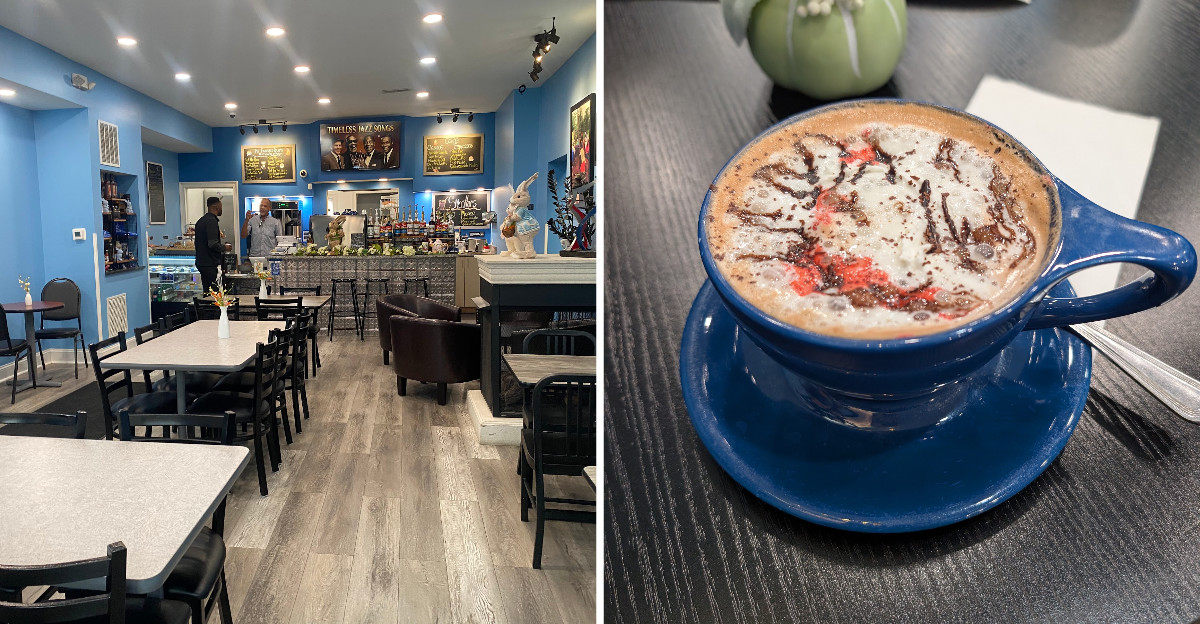
Unexpected infrastructure costs nearly stopped an Ohio café before its first customers could walk through the door. The project faced an expensive storm drainage problem that threatened to derail the owners’ plans for a neighborhood gathering place.
Instead of watching the project collapse, the business received nearly $255,000 in assistance through a city-backed pilot program designed to help small businesses overcome costly infrastructure requirements. The support helped turn a struggling renovation into an operating café.
Behind the business were an experienced food-service professional and a local entrepreneur who wanted to transform a long-vacant building into something useful for the surrounding community. Their vision included fresh meals, specialty coffee, and a welcoming space for neighbors.
The story eventually became an example of how targeted financial assistance can help independent businesses survive unexpected development costs and bring new activity to overlooked commercial properties.
A Six-Figure Surprise Nobody Puts In The Business Plan
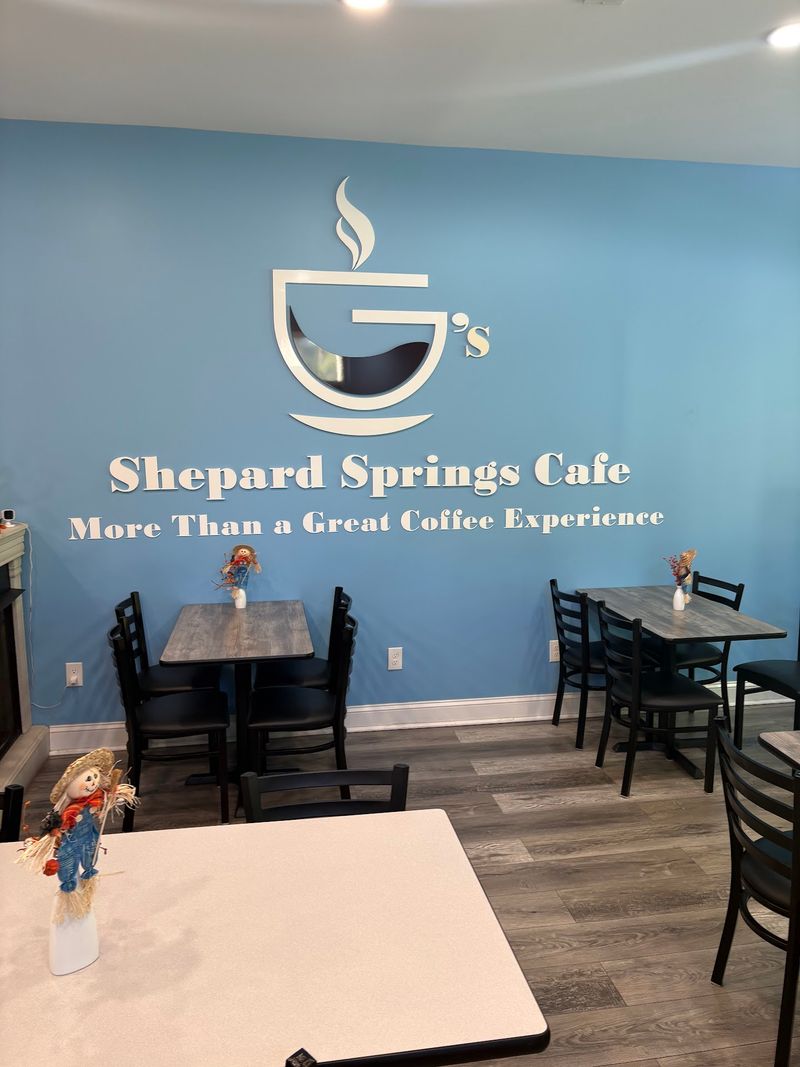
Most startup budgets cover rent, equipment, furniture, and supplies. Few small-business owners expect storm drainage improvements to become a major obstacle before opening day.
G’s Shepard Springs Café faced that problem while renovating a previously vacant building in Columbus, Ohio. Infrastructure costs threatened the project, but a city-backed pilot program ultimately provided nearly $255,000 in financial assistance.
The support addressed expensive site improvements that could otherwise have prevented the café from opening. The project became an early example of how Columbus could help small businesses overcome infrastructure barriers.
Those charges can make sense on paper for a large developer. For a small cafe owner, the same number can feel like a mountain dropped on the front steps.
That’s what makes this story so relatable. Plenty of people dream about opening a coffee spot, a bakery, or a lunch counter someday.
Very few imagine that drainage infrastructure could become one of their biggest obstacles. For this project, those expenses threatened to derail the renovation before the first customers arrived.
The lesson starts right here, before anything else. A great idea can stall because of costs that nobody explained early enough.
Knowing that risk exists is the first step to beating it. G’s Shepard Springs Cafe became a clear example of why new owners need to ask hard questions before signing anything.
How Storm Drainage Costs Nearly Stopped a Neighborhood Café
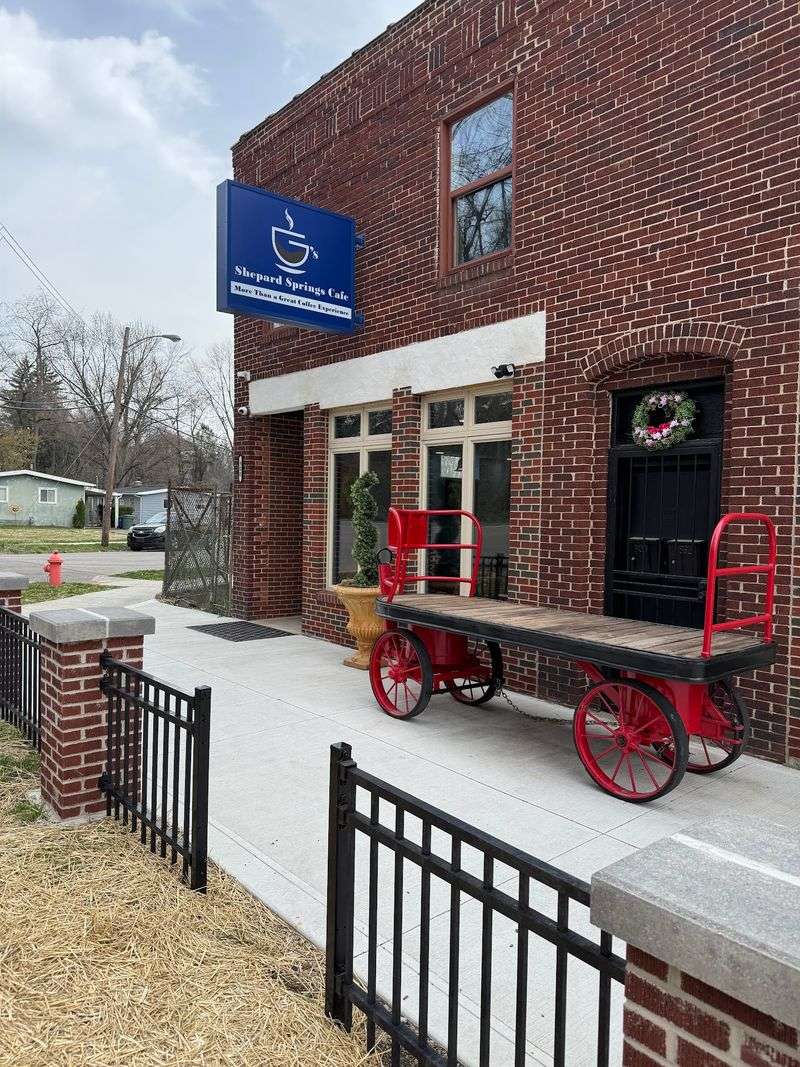
Rules don’t always come in small, medium, and large sizes. Sometimes a tiny business gets measured with the same ruler as a much bigger project.
The challenge at G’s Shepard Springs Café involved storm drainage infrastructure, rather than an ordinary business startup fee. Improvements required during redevelopment created a financial obstacle for the project.
Columbus established a pilot program to assist businesses with certain public infrastructure improvements, including drainage, sidewalks, and accessibility-related work.
The café became one of the projects supported by the initiative, demonstrating how assistance with site development costs could help a neighborhood business move forward.
Here’s a helpful way to think about it. Picture splitting a pizza bill with friends, then learning you owe for the entire restaurant’s new kitchen.
That’s roughly how these situations feel to small business owners in Ohio and elsewhere. The cost isn’t about what you ordered, but about what someone else decided the property needed.
Understanding this helps explain why the story of G’s Shepard Springs Cafe drew attention. It shows a gap between how rules are written and how small businesses actually work.
Spotting that gap early can save a lot of heartache. It also gives owners a reason to speak up before a bill becomes final.
Opening Day Felt Far Away For A While
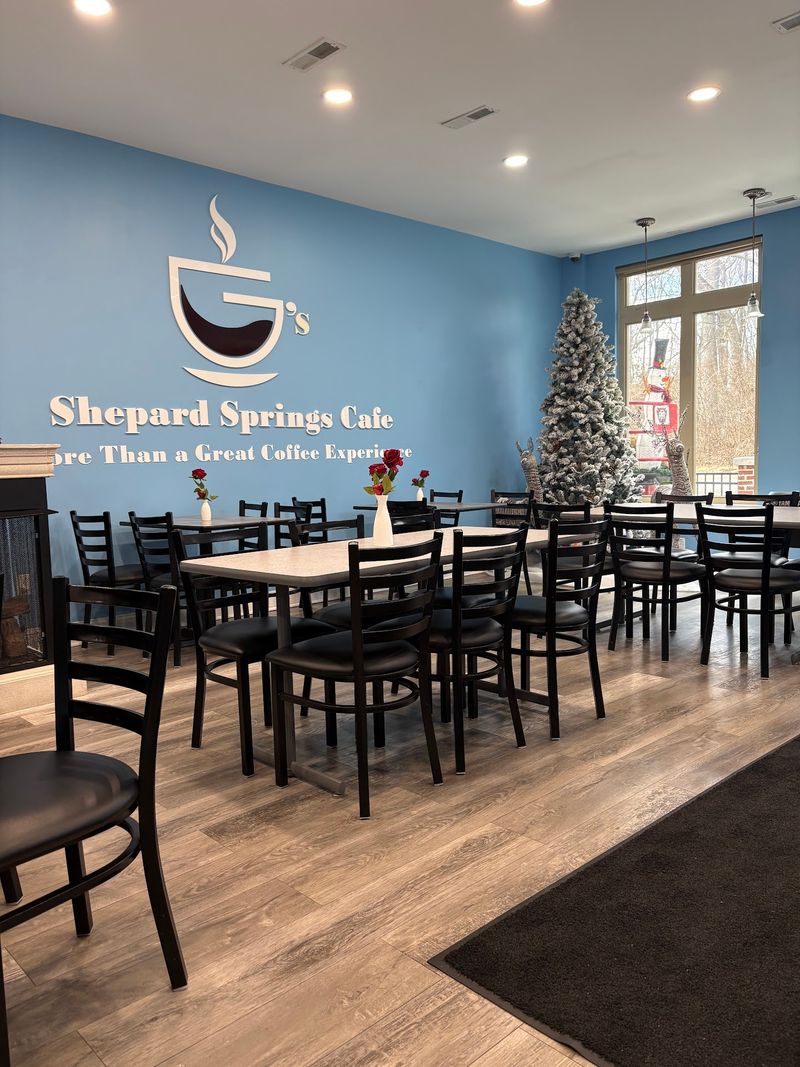
Waiting is the hardest part of any new project. Waiting with a giant bill hanging overhead must feel even longer.
For G’s Shepard Springs Café, the infrastructure problem threatened a renovation intended to bring new life to a previously vacant property.
The project was developed through a partnership between Ray A. Jones of The Jones Company of America and Gladys Maricel Alvarez Morales, an experienced café manager whose nickname inspired the business’s name.
With city-backed assistance helping address the infrastructure costs, the project moved forward. Columbus City Council formally recognized the café’s grand opening in April 2024.
I believe most people would have been tempted to walk away. Quitting can look like the safe choice when the numbers seem impossible.
Instead, the cafe’s story kept going, which is the part worth cheering. Persistence doesn’t always look dramatic, but it usually involves phone calls, meetings, and a lot of waiting rooms.
If you’re planning your own business, build extra time into your schedule. Delays happen even when everything else is ready, and a cushion can keep you from panicking.
Keep some savings set aside too, if you can. A few months of breathing room can be the difference between pausing and closing for good.
Neighbors Pay Attention When A Small Shop Gets Squeezed
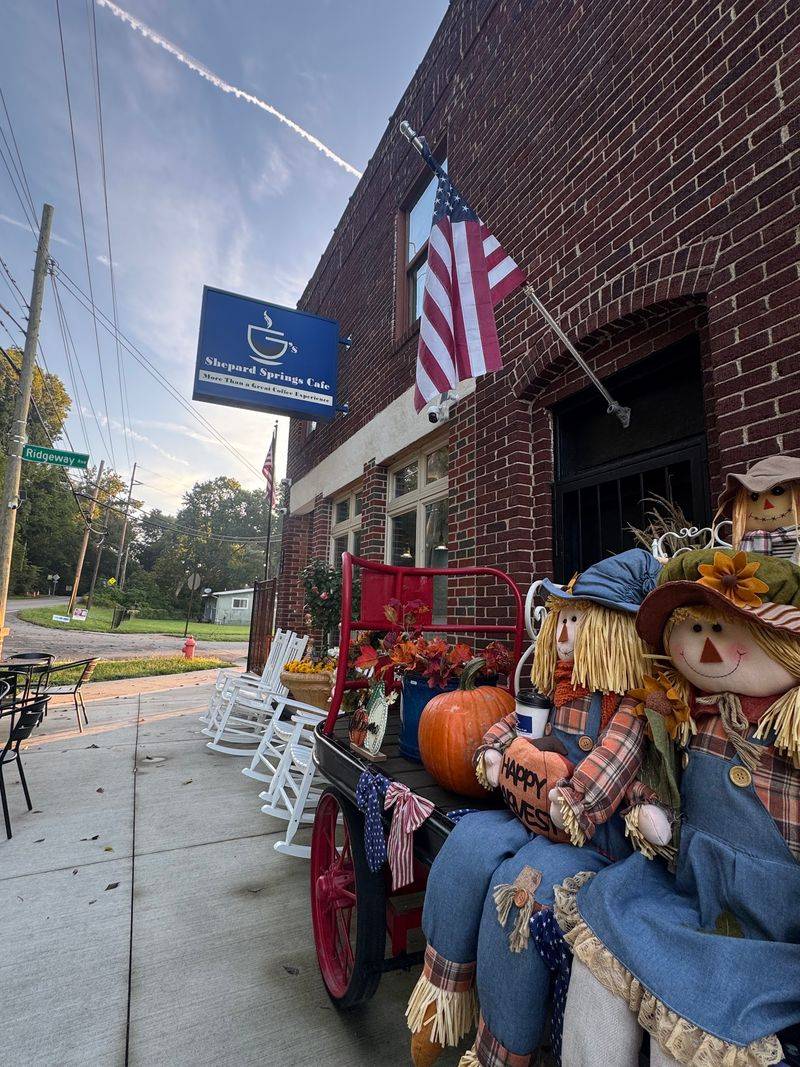
Redeveloping a vacant commercial building can bring new activity to a neighborhood, but unexpected construction costs sometimes threaten those plans before a business opens.
A story like this one tends to strike a nerve. Many folks in Ohio know someone who runs a shop, a diner, or a family business.
When infrastructure costs threaten a neighborhood café before it opens, the consequences can reach beyond the owners. An unfinished renovation also means another vacant property waiting for a new purpose.
The café’s experience became part of a broader effort to support neighborhood businesses in Columbus.
In November 2026, the city allocated $550,000 to expand infrastructure-related assistance to eligible businesses on the west side. The expansion followed earlier support for projects such as G’s Shepard Springs Café.
The program highlights how public investment can help independent businesses overcome development costs that might otherwise prevent them from opening.
The situation around G’s Shepard Springs Cafe shows why staying informed is worth the effort. Local decisions shape which businesses open on your street.
So keep an eye on your town’s meeting notices once in a while. You might help protect the next cafe before anyone even knows its name.
Smart Questions Every Future Shop Owner Should Ask First
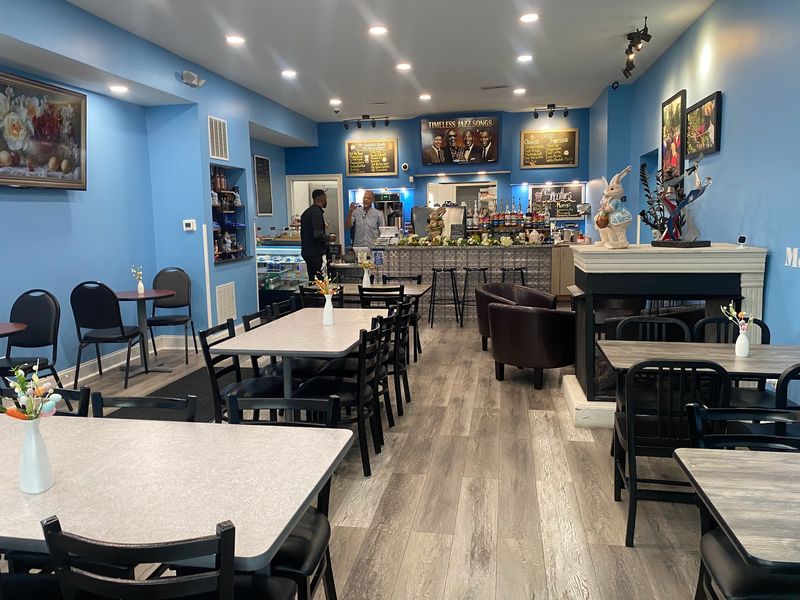
Homework sounds boring until it saves you a fortune. Asking the right questions early is cheaper than any lawyer later.
The story behind G’s Shepard Springs Cafe offers a practical checklist for dreamers. Start by calling your local building or zoning office before you sign a lease or buy property.
Ask what fees apply when a property changes use. Ask whether utility connections, road work, or sidewalk upgrades might be required.
Get those answers in writing whenever possible. A friendly phone conversation is helpful, but a written estimate is much harder to forget.
Next, ask about options if a cost seems too high. Some places offer payment plans, waivers, or appeals for small businesses.
You won’t know unless you ask, and the worst answer is simply no. A polite, prepared owner often gets further than an angry one.
Talk to other local business owners as well. They’ve likely bumped into the same rules and can tell you what surprised them.
Finally, budget for unexpected development expenses. Infrastructure improvements can be costly, and exploring available assistance programs early may help keep a promising project on track.
Rules Have Reasons, But Fairness Matters Too
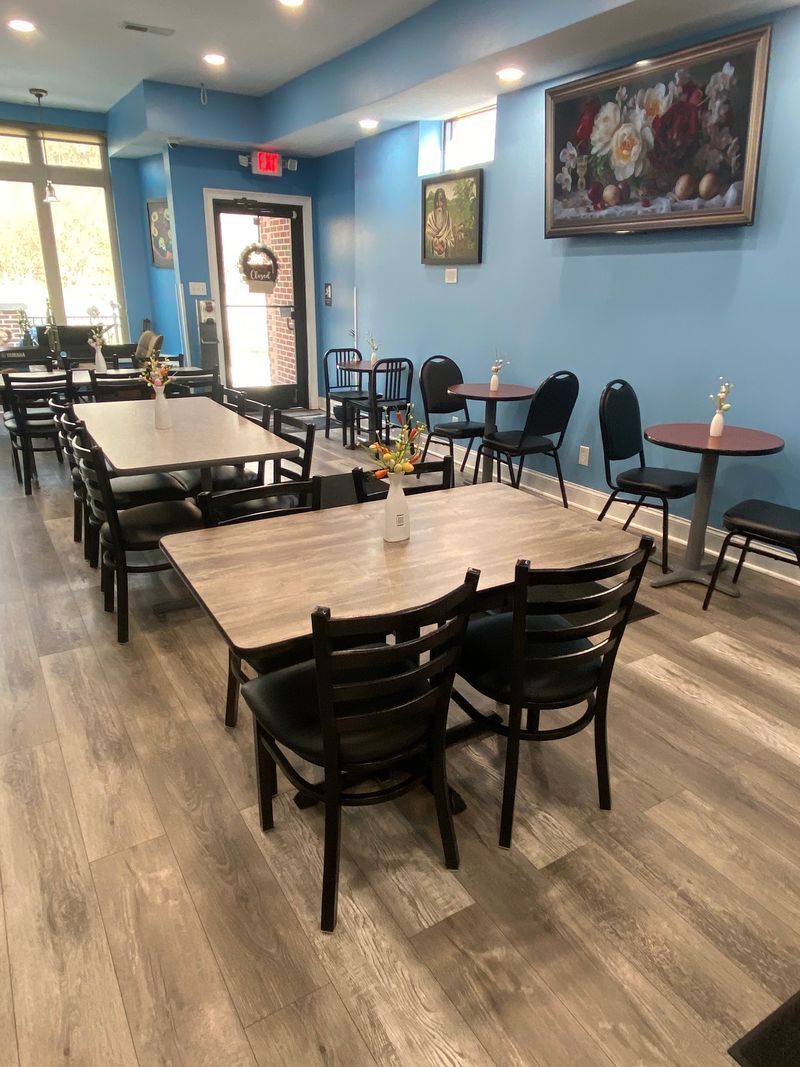
Infrastructure improvements are an important part of redeveloping older commercial properties. Drainage systems, sidewalks, and accessibility features help make buildings safer and more functional for the surrounding community.
The challenge comes when the cost of those improvements exceeds what a small business can reasonably afford. For G’s Shepard Springs Café, storm drainage requirements became a major obstacle before the business could open.
Columbus responded through a pilot program that helped cover certain infrastructure expenses for eligible development projects. The café received nearly $255,000 in assistance, allowing the renovation to move forward.
The program offered a different approach to supporting neighborhood businesses. Instead of leaving entrepreneurs to manage every infrastructure expense alone, the city could help address qualifying improvements that also served broader public needs.
The café’s experience later became relevant to a larger conversation about economic development. In November 2026, Columbus allocated $550,000 to expand infrastructure assistance for eligible businesses on the city’s west side.
That expansion showed how a program initially used for individual projects could become part of a broader strategy for encouraging commercial investment.
For small-business owners, the lesson is not that building requirements should disappear. It is that financial assistance can sometimes make the difference between an abandoned renovation and a business that finally opens its doors.
The People Behind the Café and Its Second Chance
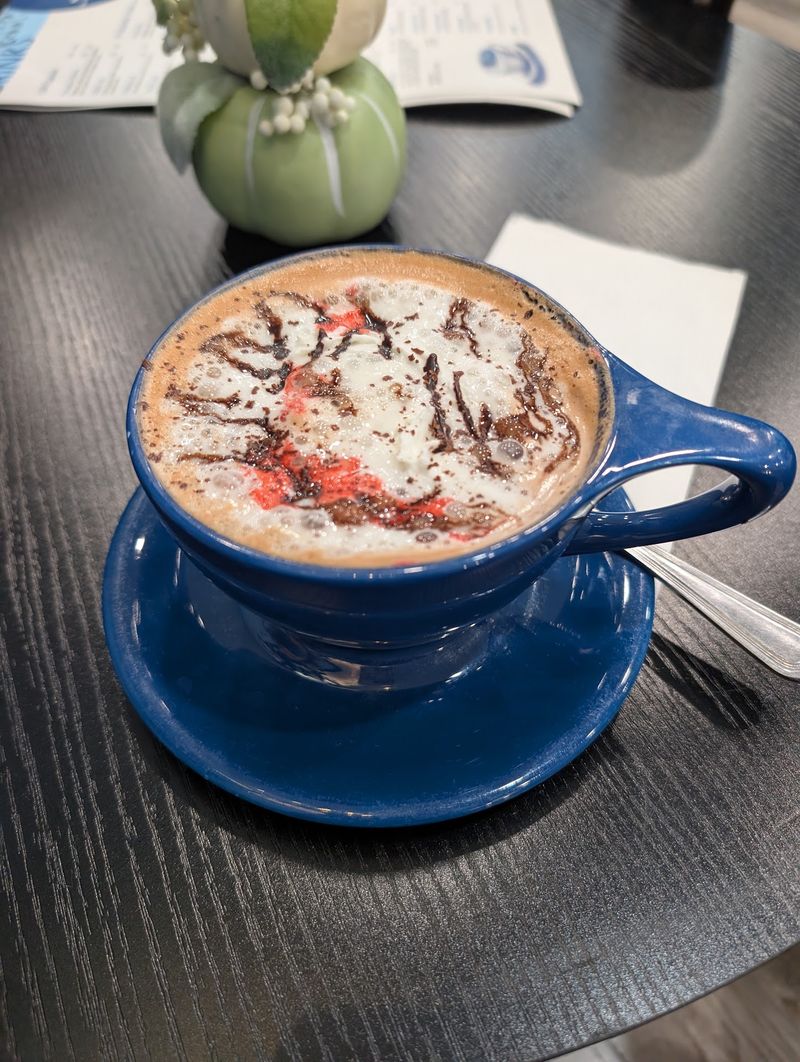
The story behind G’s Shepard Springs Café goes beyond an unexpected infrastructure expense. It also involves the people who believed an older Columbus property could become a welcoming neighborhood business.
The project brought together Ray A. Jones of The Jones Company of America and Gladys Maricel Alvarez Morales, whose food-service experience helped shape the café’s concept.
The business took its name from Gladys, reflecting her personal connection to the venture. Rather than creating another anonymous coffee shop, the partners developed a place with a recognizable local identity.
The café occupies a renovated property along Sunbury Road, giving an existing building a new commercial purpose.
Inside, visitors can order coffee, espresso drinks, breakfast selections, and lunch items. The menu makes the business useful for several parts of the day, whether someone wants a quick morning drink or a more relaxed meal.
The café’s opening also marked a milestone for the development team after the infrastructure challenges that had threatened the project.
Columbus City Council formally recognized its grand opening in April 2024, acknowledging the arrival of a new neighborhood business.
Small Cafes Do Big Work For A Community
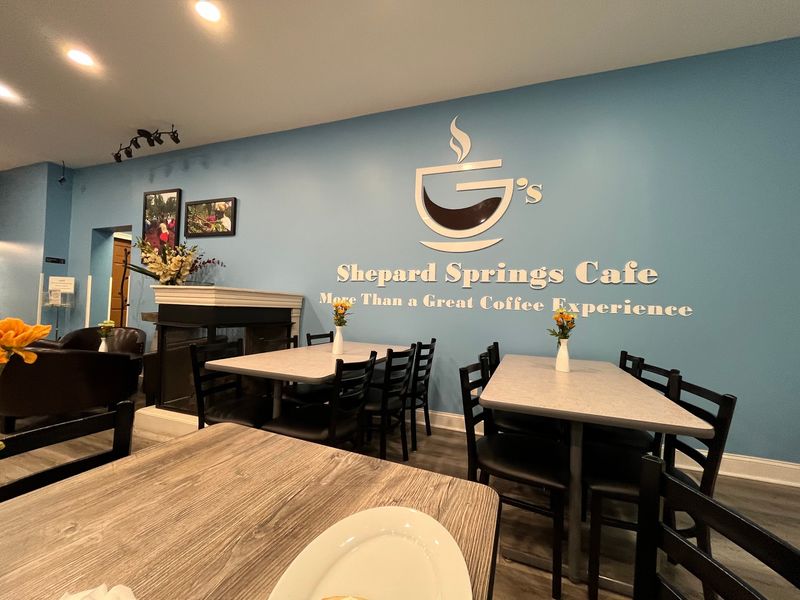
G’s Shepard Springs Café represents more than a place to buy breakfast or coffee. Its opening brought new activity to a property that had previously stood vacant, turning an underused building into a neighborhood destination.
The renovation was a substantial undertaking. A 2024 report described the project as a roughly $1 million rehabilitation, with infrastructure expenses exceeding $200,000 creating a serious funding challenge.
Through Columbus’s pilot infrastructure assistance program, the café became one of the businesses receiving support to overcome those expenses.
The project also received formal recognition when Columbus City Council celebrated its grand opening in April 2024. That acknowledgment highlighted the arrival of a new local business and the work required to bring the property back into use.
The café’s story gained renewed attention in November 2026, when Columbus expanded its infrastructure assistance program with $550,000 allocated for eligible west-side businesses.
For other entrepreneurs considering older commercial properties, the example illustrates how infrastructure expenses can complicate redevelopment even when a business concept is ready to move forward.
The lesson extends beyond coffee shops. Vacant buildings can offer opportunities for independent businesses, but turning those spaces into functioning storefronts may require significant investment.
G’s Shepard Springs Café shows what can happen when a development project finds the financial support needed to move ahead, bringing a previously unused property back into the local economy.
Before You Drive Over, Do A Little Checking
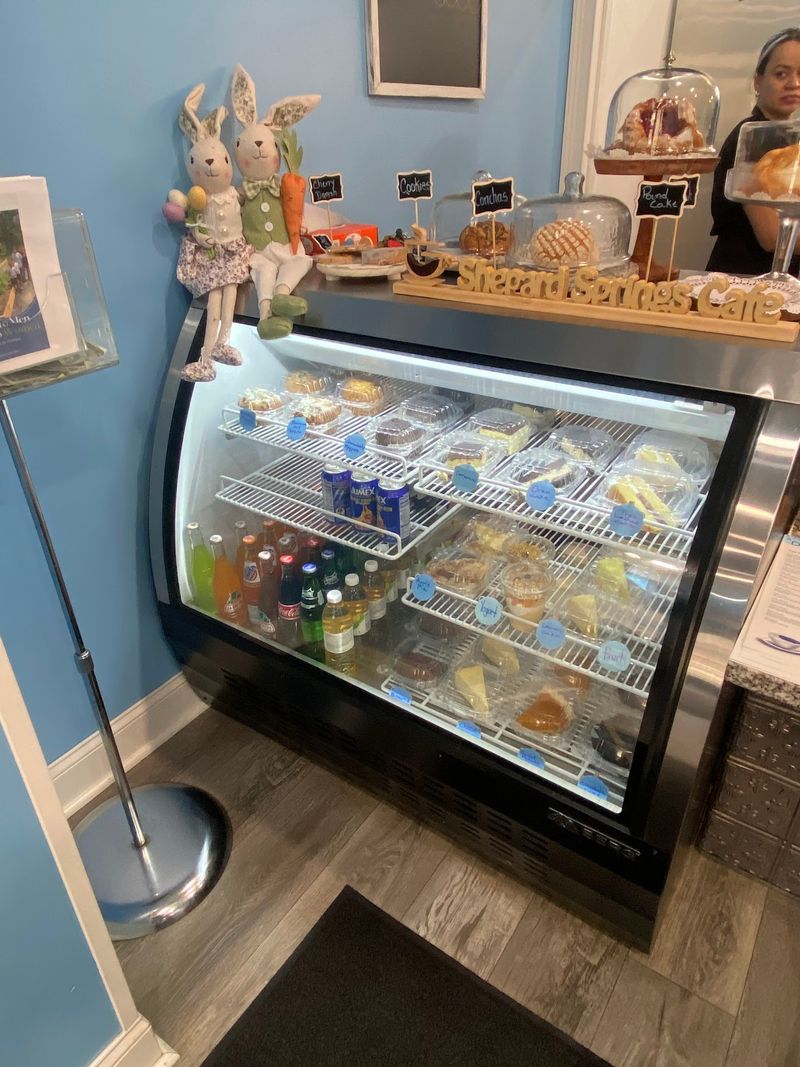
Visitors can find G’s Shepard Springs Café at 900 Sunbury Road, Columbus, OH 43219.
According to its official website, the café operates Monday and Friday from 7:30 a.m. to 4 p.m., Tuesday through Thursday from 7:30 a.m. to 5 p.m., Saturday from 8 a.m. to 4 p.m., and Sunday from 8 a.m. to noon.
The café serves coffee, espresso drinks, breakfast items, and lunch options. Check its official website before visiting for any changes to the regular schedule.
Calling ahead works well too, especially if you’re traveling from another part of Ohio. Nobody enjoys arriving hungry to a locked door.
When you do stop in, be patient if things are busy. New and small businesses are often run by a handful of hard-working people.
A kind word goes a long way for owners who’ve been through a stressful stretch. Telling them you know their story can mean more than you’d guess.
