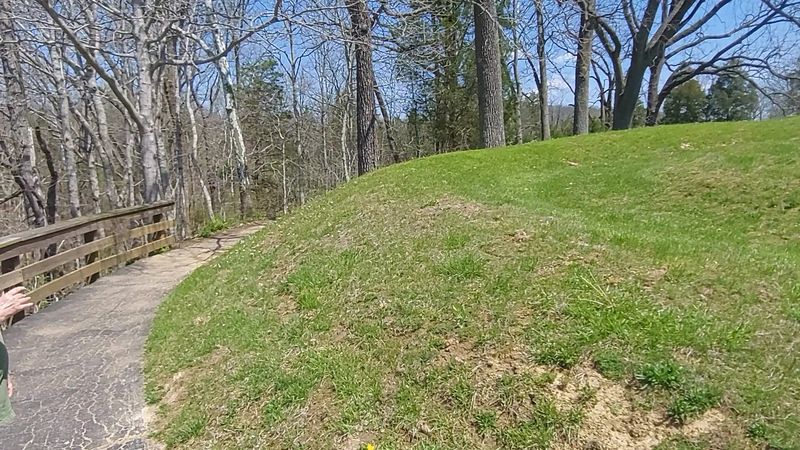
I drove out expecting a grassy bump and a quick photo, then found myself standing quietly beside a giant earthen snake. Ohio holds one of the most remarkable ancient sculptures anywhere, and it sits on a peaceful hilltop far from any city.
The walk is easy, the price is small, and the story stretches back about a thousand years. Pack a lunch, bring the kids, and get ready to wonder who shaped this hill and why.
A Snake Stretched Along an Appalachian Ridge
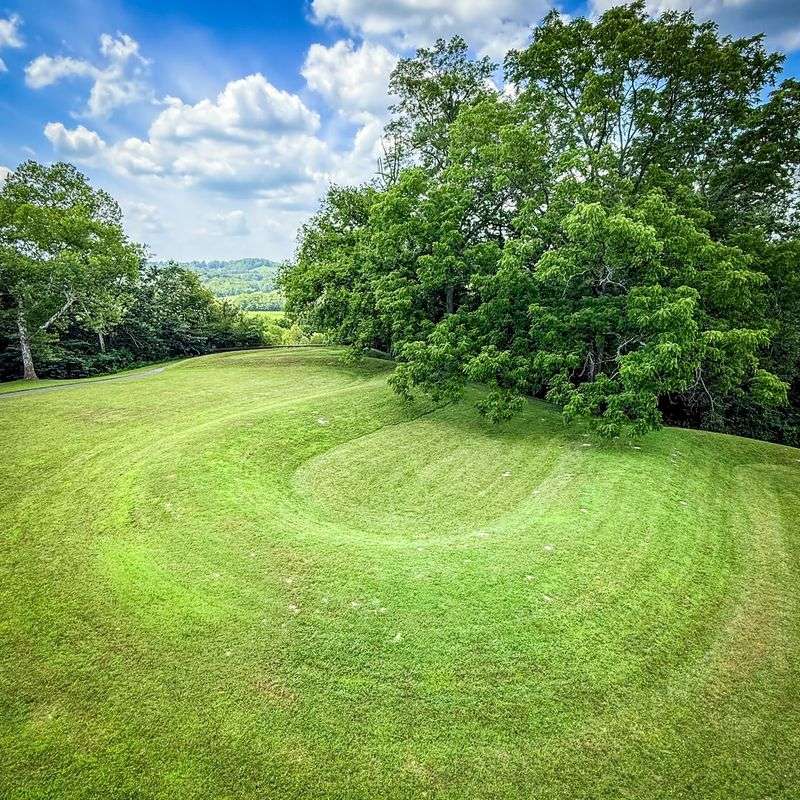
Out in the rolling foothills of Ohio Appalachia, a quiet country road leads to one of the state’s proudest treasures. Serpent Mound State Memorial sits on a wooded ridge, and at first glance the parking lot and visitor center look like any small park.
Then you walk up the path and spot the grassy curves. The mound is a prehistoric earthen sculpture shaped like a snake, and it stretches roughly 1,400 feet from its coiled tail to its open mouth.
It is a National Historic Landmark, built by prehistoric cultures long before anyone drew a map of Ohio.
Visitors often admit the mound seems smaller in height than they pictured. That surprise usually turns into respect once they follow its winding body around the hilltop and realize how much planning such a complex design must have taken.
Many travelers say the drive itself sets the mood. Country fields, small towns, and quiet woods lead you deeper into the hills until the site appears almost like a secret.
The memorial is easy to find once you know where to point your car. You can reach it at 3850 OH-73, Peebles, OH 45660.
Earthwork Built by Ancient Hands
Long before highways, a community gathered on this ridge and began moving earth by hand. The result was a serpent effigy so carefully shaped that people still study it today.
Effigy mounds are earthen works built to look like animals or symbols. Plenty of guests call the Great Serpent the finest example of its kind, and some fans even believe it deserves recognition as a World Heritage Site.
Whether or not that happens, its fame keeps growing among Ohio families.
Nobody today can say for certain what the builders intended. Some visitors see a spiritual landmark, others see an astonishing piece of art, and many simply feel amazed that people without modern tools pulled it off.
Informative plaques along the walkway help fill in what researchers have learned. They explain the shape, the setting, and the cultures connected to the land.
A short orientation video inside the museum adds even more background. Watching it before your walk can make each curve feel more meaningful.
Several guests mention a gentle sadness too, thinking about history that has faded over time. At the same time, they feel grateful that so much of this hilltop has been protected and studied for future generations to enjoy.
Ground Shaped by an Ancient Impact
Here is a fun fact that surprises plenty of first-timers. The serpent sits beside the remains of a huge crater, often linked by visitors to an ancient impact that reshaped the land around it.
That unusual geology gives the area its dramatic dips and ridges. The hilltop rises above a forested valley, and the setting feels different from the flat farmland many Ohioans know best.
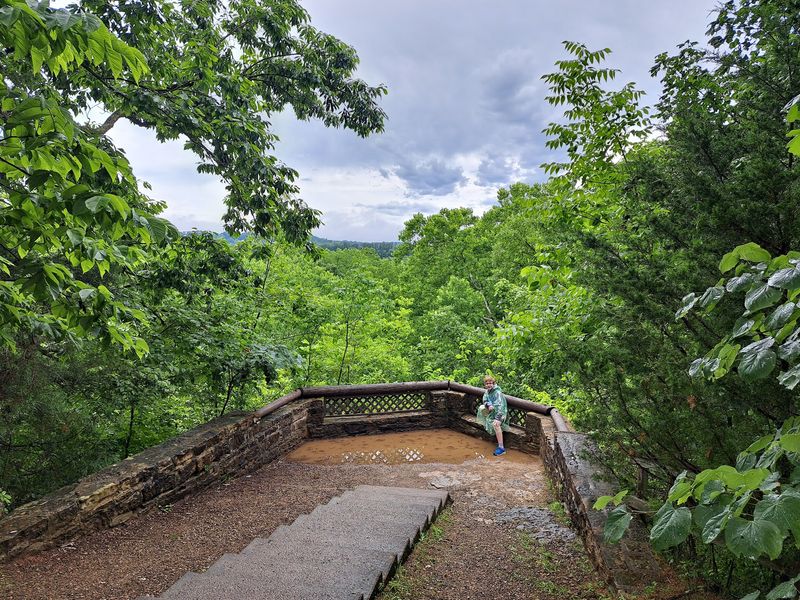
Midway along the paved path, a set of steps leads down to a stone wall overlook. From there, you can gaze toward the wide crater area the mounds were built beside.
In summer, thick trees may block part of the view, so cooler months could offer a clearer look.
Kids tend to love this part of the story. A giant snake built next to a crater sounds like something from an adventure movie, and it makes the walk feel like a mini science lesson.
Some travelers first heard about the site on television shows about mysteries and legends. Once they arrive, the real geology and history turn out to be just as fascinating as any theory.
Bring curiosity and maybe a few questions. The landscape here invites plenty of them.
Paved Loop Around the Coils
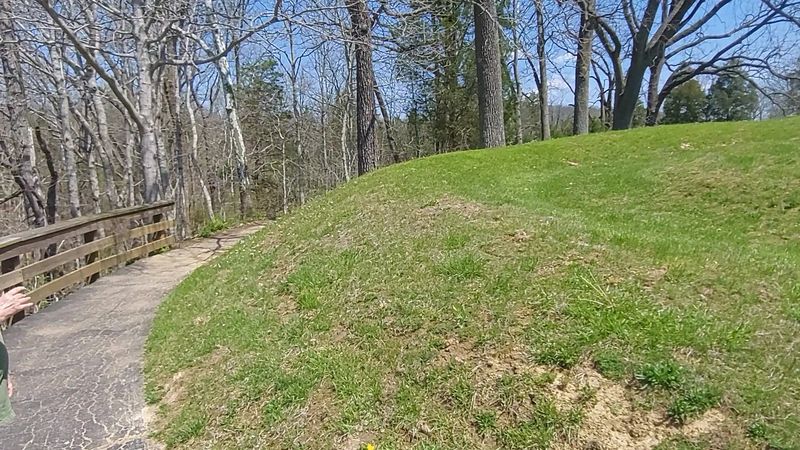
Good news for anyone worried about a long hike. The main walk around the serpent is short, paved, and easy enough for most ages.
The loop follows the mound so you can see all sides, from the curled tail to the head. Guests often say they were pleasantly surprised by how little walking it takes to take everything in.
Many motorized and manual wheelchairs can handle the path. A few spots have buckled pavement where tree roots push up, so older walkers and wheelchair users may want to move carefully through those sections.
At the serpent’s head, a walk-out overlook gives a nice view toward the open mouth. Signs along the way explain what you are looking at, which keeps young explorers interested between stops.
Shade trees line much of the route, and visitors have mentioned a sweet scent from blooming trees in warmer months. On a calm afternoon, the loop feels more like a peaceful stroll than a tour.
Families with strollers, grandparents, and kids on short legs can all enjoy the walk together. It is the kind of easy outing that leaves energy left over for a picnic or a second lap.
The 1906 Tower and Its Bird’s-Eye View
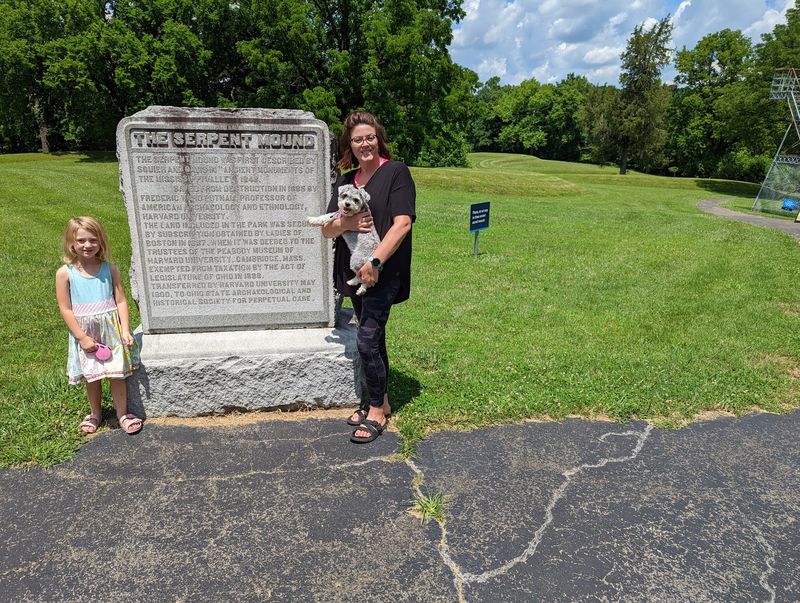
Ask anyone who has seen the mound from above, and they will tell you the view changes everything. From ground level, you see curves.
From up high, you see a snake.
The metal observation tower near the tail dates to 1906 and is a historic feature of the park. It has two levels, which helps anyone a little nervous about heights pick a comfortable stopping point.
Visitors who climb the stairs often call the view from the top amazing.
Timing matters, though. The tower has been closed for repairs at various points, and restoring a historic structure takes care and money.
One guest was told the projected reopening date was January 31, 2026, and other recent visitors have described climbing it again.
Because its status can change, a quick call to the site before you leave home is smart. The phone number is 800-752-2757.
Even when the tower is closed, the overlook near the serpent’s head still offers a nice vantage point. Plenty of returning fans say they plan another trip just to see the full shape from above.
Bring a camera either way. Photos rarely capture the size, but they make great keepsakes.
Smaller Mounds and a Village Story
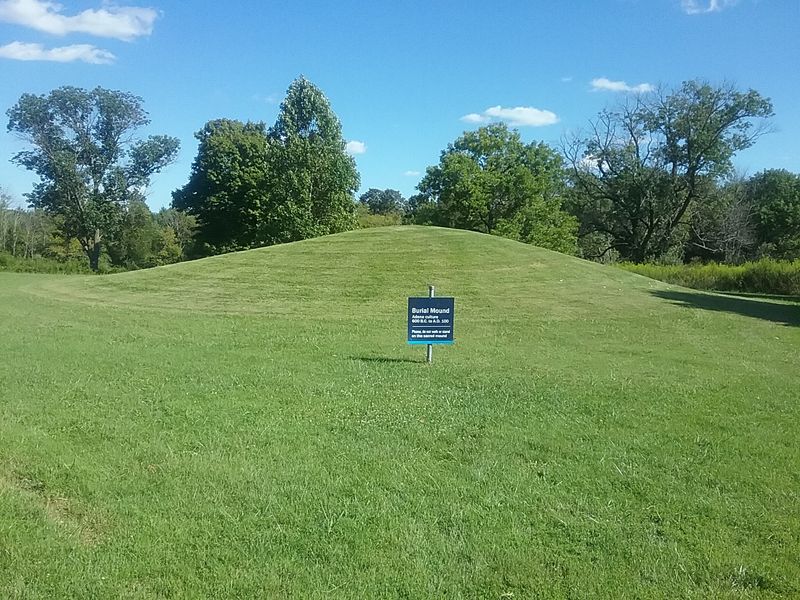
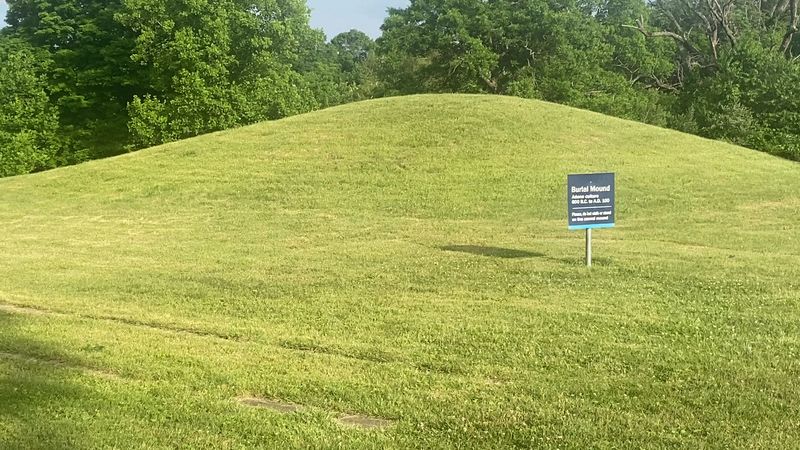
Most people come for the snake, yet the serpent is not alone on this hilltop. Two smaller mounds sit near the parking area, quietly adding to the story.
These rounded mounds are often described as burial mounds, and they reflect the deep importance this land held for early communities. Plaques nearby explain who may have built them and how they fit into the bigger picture.
An area where an original village once stood is also marked with information signs. Reading them helps you imagine daily life here, with families working, gathering, and living near the great earthwork.
It is a good spot to slow down with kids and talk about how people lived long ago. What did they eat?
Where did they sleep? How long might building the serpent have taken?
Questions like these turn a quick stop into real learning.
Some visitors enjoy a picnic under shade trees near one of the smaller mounds. It is a calm, respectful place to rest after the loop.
Please remember these are protected cultural sites. Staying on paths and keeping off the mounds helps preserve them for the next thousand years.
Woodland Trail Down to the Creek
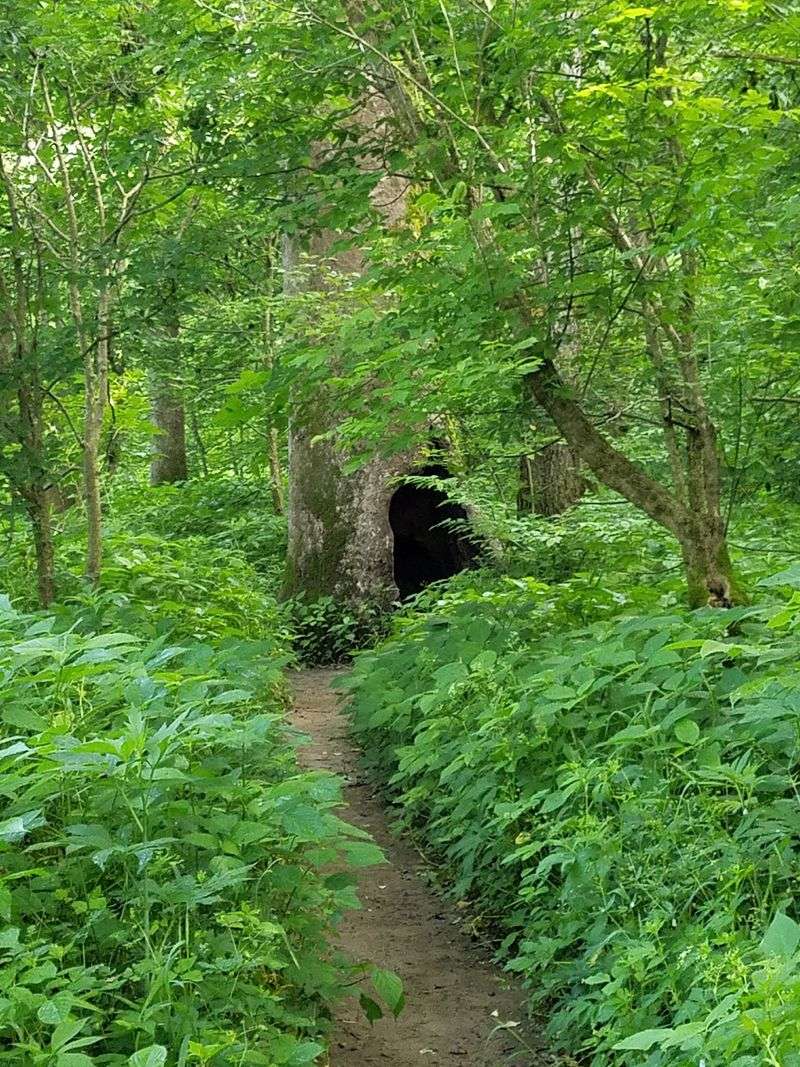
Some guests arrive for history and leave raving about wildflowers. The longer nature trail winds through the surrounding woods and down toward a creek, offering a whole different side of the park.
In early May, hikers have spotted plenty of spring blooms along the route. One family said they enjoyed the trail just as much as the serpent itself, which says a lot about how pretty these woods can be.
Unlike the paved loop, this path is a real hike. It can be uneven and is not friendly for anyone with mobility challenges, so plan accordingly with little ones or older relatives.
After heavy rain, parts of the trail may flood. Checking conditions or simply turning back at wet sections keeps the outing safe and fun.
On hot summer days, the shaded trail can feel cooler than the open hilltop. Hikers mention lovely insects, birdsong, and peaceful stretches where the only sounds come from the forest.
Wear sturdy shoes and bring water. If your crew still has energy after the mound, this trail is a sweet way to stretch the day without spending another dime.
Museum Shelves, Pressed Pennies, and Picnics
Kids with a dollar in their pocket will find the pressed penny machine fast. It costs just $1 with the penny included, making it one of the cheapest souvenirs in southern Ohio.
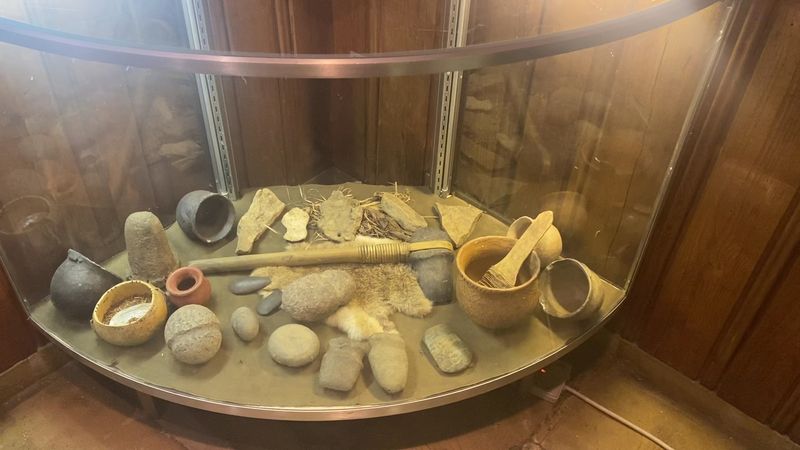
The visitor center combines a small museum, gift shop, and orientation area. You can walk through exhibits, watch the short video about the serpent, and browse t-shirts, jewelry, hats, and other keepsakes.
Snacks and cold drinks are sold inside too. Guests often describe the building as a cool break on warm days, and the staff earn praise for being friendly and welcoming.
Outside, a good-sized pavilion holds wooden picnic tables and charcoal grills. More tables sit in shady spots around the grounds, so packing a cooler lunch is an easy way to keep costs low.
Restrooms near the parking area have a rustic look outside and modern fixtures inside. During repair periods, clean portable toilets have filled in.
Every so often, special tours happen, and one group enjoyed a walk led by an archaeologist. If you spot a tour on your visit day, guests say joining is well worth it.
Quiet Energy for Every Kind of Visitor
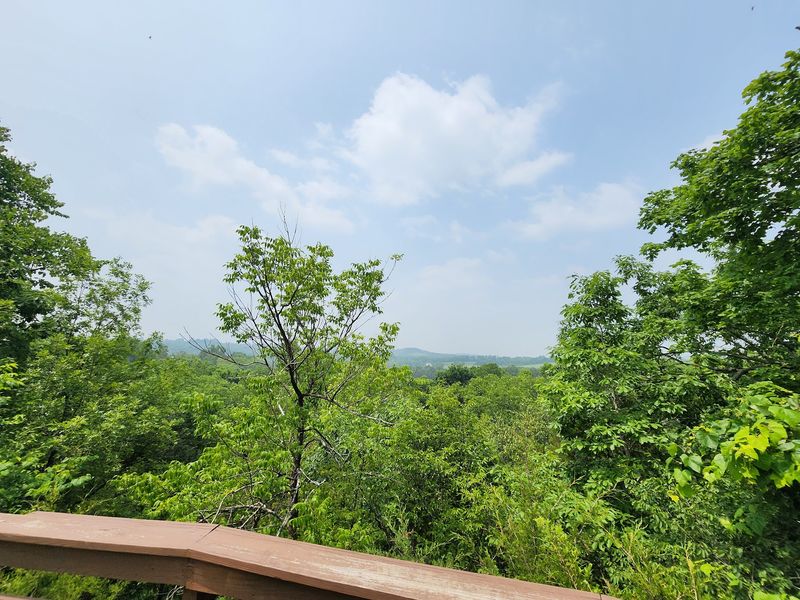
Something about this hilltop makes people lower their voices. Many describe it as peaceful, even sacred, with travelers from all walks of life sharing the space respectfully.
Even folks who usually skip historic sites say the atmosphere caught them off guard. They cannot always explain it, but the calm setting and sense of age leave a lasting impression.
Grandparents bring grandkids years after their own first visit. History buffs check it off long-held bucket lists.
Hikers come for the woods, and families come for an inexpensive day outdoors that still teaches something.
Special days draw extra interest. One visitor came during the summer solstice and enjoyed beautiful views and a lovely sunset before returning the next day for the museum and trails.
Crowds are often light. A family visiting on a Sunday afternoon in spring said they could snap photos without strangers in the frame.
Some fans happily drive five or six hours round trip and still call it worthwhile. For Ohioans living much closer, that makes it an easy weekend win.
Bring patience, curiosity, and comfortable shoes. The mood here rewards anyone who takes their time.
Hours, Parking Fees, and a Gentle Verdict
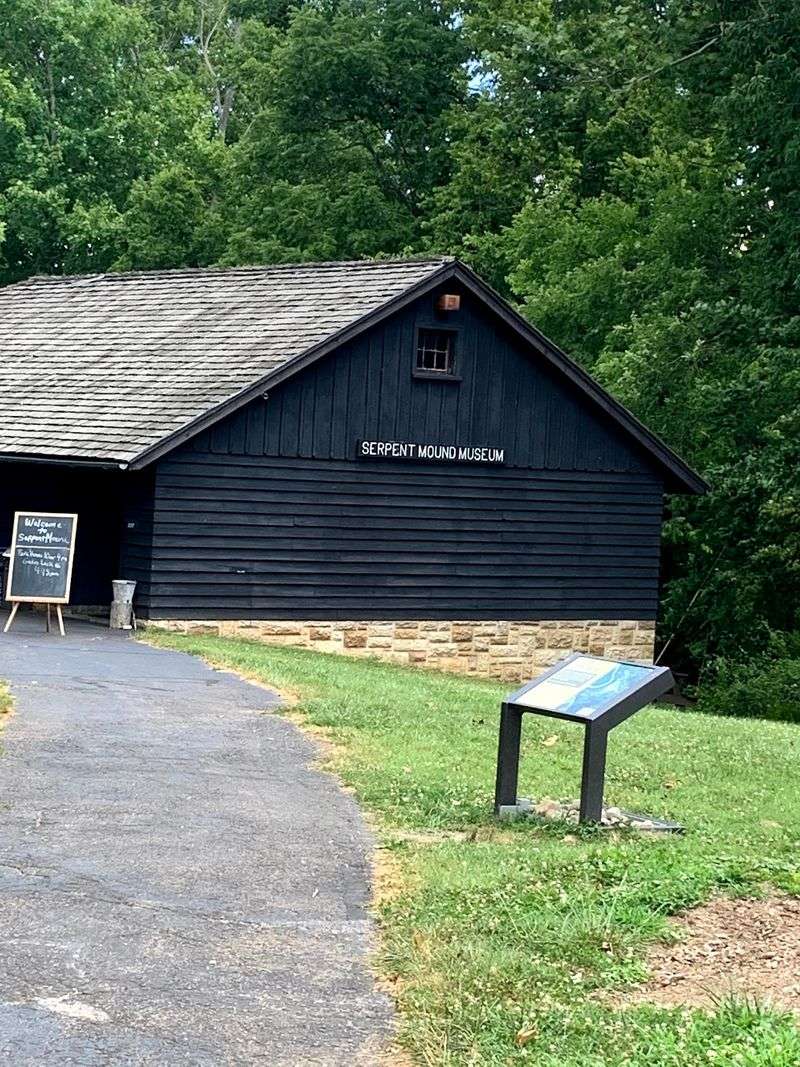
Eight dollars per car covers admission, and that is a bargain for a carload of explorers. You pay the parking fee at the museum, and Ohio History Connection members park free.
Hours run 10 AM to 5 PM Tuesday through Saturday, with Sunday hours from noon to 5 PM. The site is closed on Mondays, which catches some travelers by surprise.
One helpful tip from past guests: arrive before 4 PM. A visitor reported the gate closing earlier than expected, so an earlier start gives you breathing room to enjoy everything.
The large parking lot rarely feels cramped. Shaded areas around the grounds make waiting kids and pets more comfortable on sunny days.
Nearby, travelers mention camping options, a crystal-clear creek, and other scenic spots worth adding to a weekend in Adams County. Turn it into a mini road trip if you can.
So is it worth the drive? Most people who make the trip think so.
It does not take long to see, yet the memory sticks around for years.
For more details, visit greatserpentmound.com or call 800-752-2757 before heading out.
