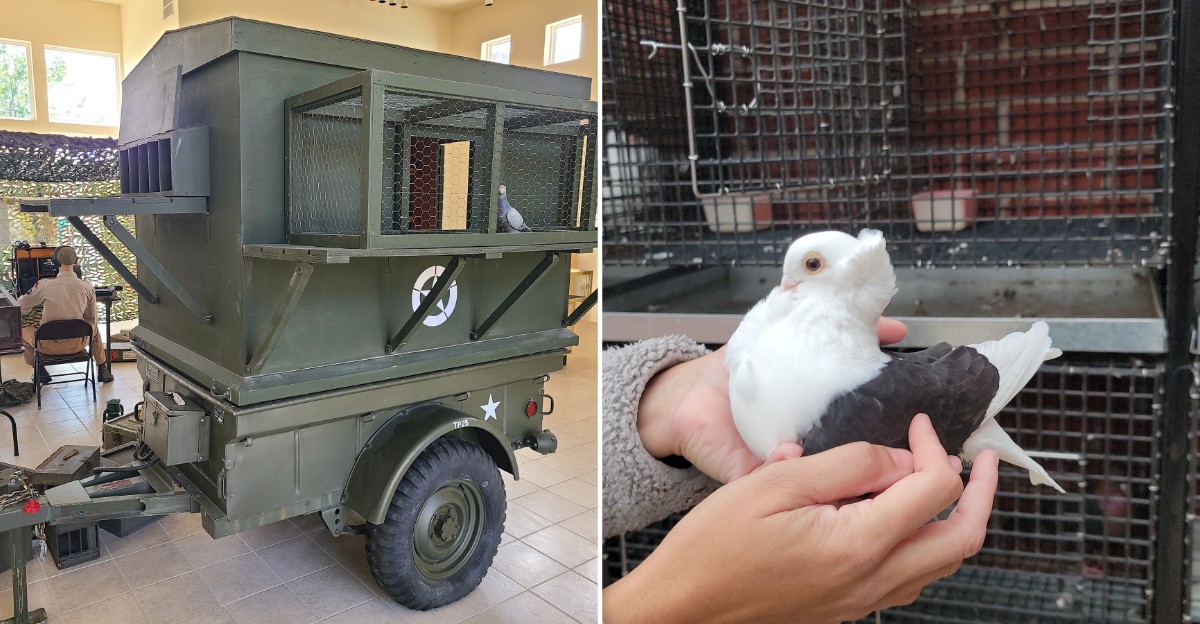
A pigeon named Cher Ami once carried a message that helped rescue trapped American soldiers in France in 1918. His story, and dozens like it, fill a free museum in Oklahoma devoted entirely to the humble pigeon.
The building itself looks like a giant pigeon coop, complete with square window boxes. Inside, you’ll find racing clocks, military message holders, old photographs, and walls covered in pigeon art of every style.
On weekends, live ambassador birds often rotate through the halls, weather permitting. Some of them really don’t mind a gentle pet from curious visitors.
I like how a bird most people shoo off park benches finally gets the full hero treatment here.
Thirty-two pigeons earned the Dickin Medal for bravery, so maybe that park bench pigeon deserves a little more respect?
The Best Bargain In Town Costs Exactly Nothing
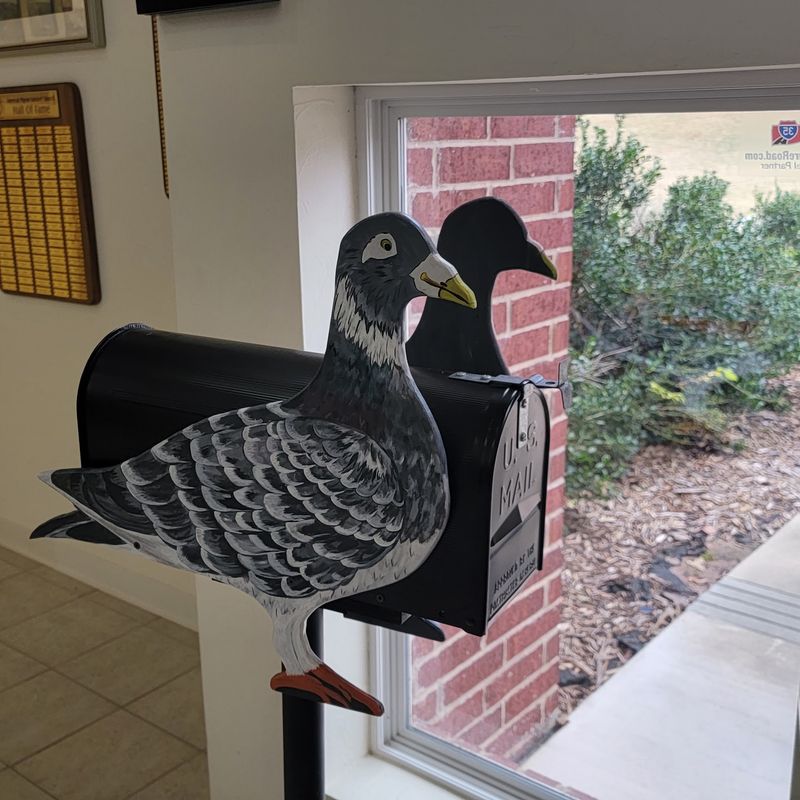
Free museums are rare, and free museums starring heroic birds are even rarer. The American Pigeon Museum & Library in Oklahoma City welcomes everyone without charging admission.
A small donation is suggested and appreciated, but nobody blocks the door if your wallet stays closed. That makes it an easy yes for families, school groups, and anyone curious on a slow afternoon.
So what exactly do you get for zero dollars? You get the largest collection of racing and fancy pigeon memorabilia in North America, packed into one tidy building.
The museum’s mission is simple and surprisingly moving. It documents the full history of pigeons in the United States, with special focus on homing pigeons that served Allied troops.
I believe that last part is what hooks most people. It’s one thing to see a pigeon pecking at crumbs, and another to learn its ancestors carried lifesaving notes across battlefields.
Exhibits branch into three main areas covering military service, racing, and fancy breeds. Each room adds a new layer to a bird you thought you already understood.
Drop a few bucks in the donation box if you can. Your support helps keep these stories, and the feathered ambassadors, around for the next curious visitor.
Yes, The Building Basically Looks Like A Giant Coop
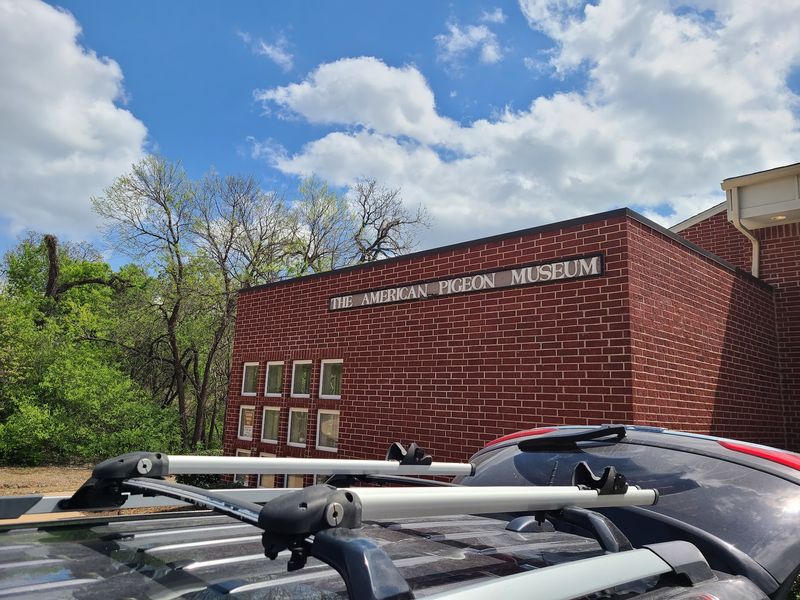
Architects sometimes chase a theme, and this one committed fully. The 6,000-square-foot museum building resembles an oversized pigeon coop, square window boxes and all.
It’s the kind of design that makes you grin before you even park. Honestly, any pigeon flying overhead probably feels right at home.
The building opened in January 2014 on the west side of a ten-acre property. It replaced older converted structures and gave the growing collection more space and better security.
Wooded grounds surround the museum and border Deep Fork Creek. That leafy setting feels calm and a little unexpected, considering busy highways sit just minutes away.
Resident gardens add color with a mix of trees, shrubs, and flowers. Take a few minutes outside before heading in, especially on a pleasant Oklahoma afternoon.
The single-story layout keeps things simple to explore. Exhibit rooms branch off a main hall, so you won’t need a map or a compass to find your way.
Bring your camera for the exterior shot. A museum shaped like a pigeon coop is just begging to be shared with friends who will absolutely ask, wait, where is that?
Meet The Feathered Heroes Who Delivered Under Fire
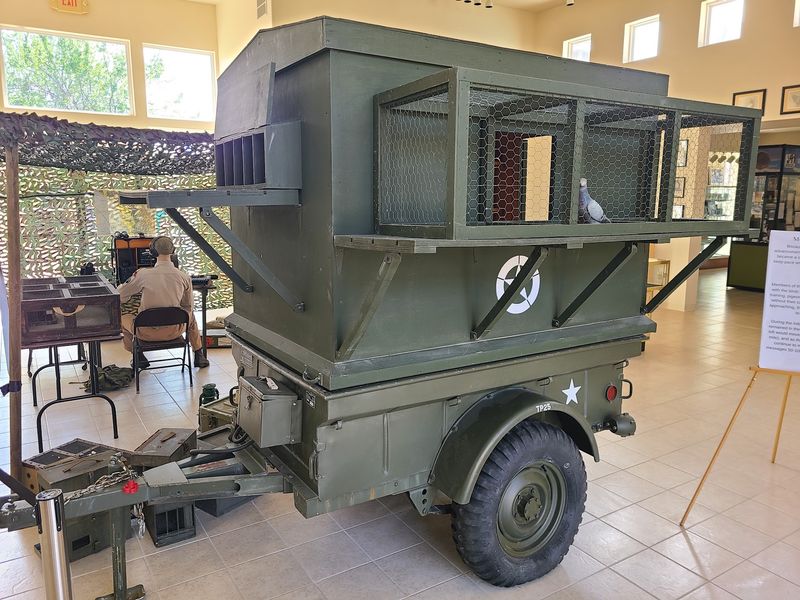
Ninety-five percent. That’s the success rate pigeons reportedly achieved delivering messages during World War I, which beats a lot of modern phone signals.
The museum’s military exhibit is where many visitors linger longest. Here you’ll find pigeon transport carriers, tiny message holders, and photographs of the Army Pigeon Corps.
Cher Ami is the name most people know. His message helped rescue a trapped American battalion in France in 1918, and his story still gives people chills.
G.I. Joe earned fame too, carrying a message that saved many lives in Italy.
Thirty-two pigeons received the Dickin Medal, an honor created to recognize animal bravery.
I can’t imagine flying through smoke and noise with a note strapped to my leg. These birds did it anyway, guided by an incredible homing instinct people still study today.
Look for the Project Sea Hunt display as well. It explains how the Coast Guard trained pigeons to spot people and objects floating at sea.
Take your time reading the individual bird stories. Kids especially love discovering that a pigeon can be a decorated hero, complete with medals and a legacy.
Some Of The Exhibits Coo Back At You
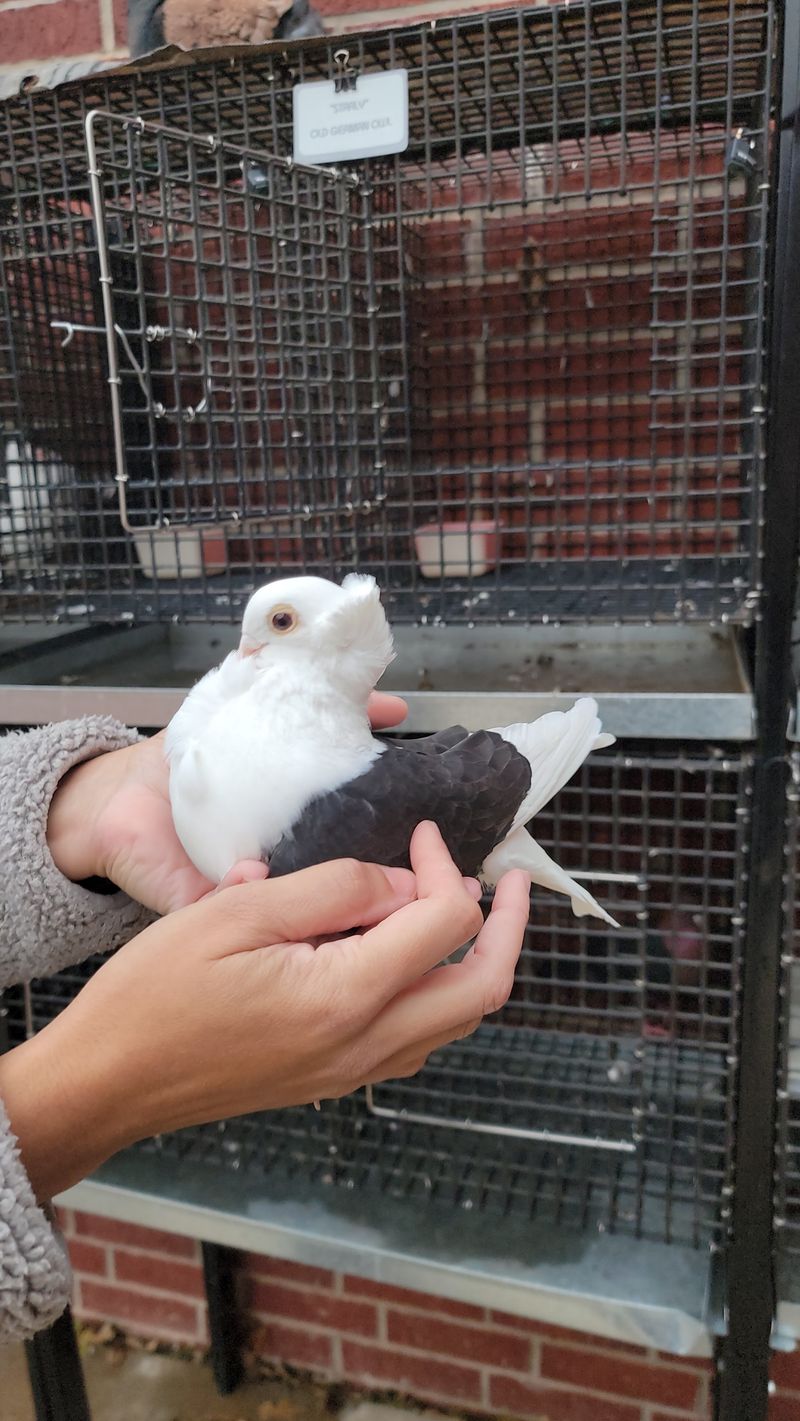
Most museums ask you not to touch anything. Here, a few of the stars actually have feathers, heartbeats, and opinions about sunflower seeds.
Live ambassador pigeons rotate through the museum, usually featuring about a dozen breeds indoors, weather permitting. Staff introduce the birds and share fun facts about each one.
Visitors often get the chance to pet or even hold some of them. It’s a gentle way for kids, and plenty of grown-ups, to meet pigeons up close.
The birds don’t stay caged inside all day. Across the street, the World of Wings aviary houses a larger flock of roughly 200 to 250 pigeons.
Plan your visit around the weekend schedule if live birds are your top priority. The rotation can vary, so calling ahead before you go is a smart move.
Watching a pigeon puff up its chest in person changes your whole perspective. Suddenly those city sidewalk birds seem a lot more interesting, and maybe a little more charming.
Bring patience and quiet hands. The birds respond best to calm visitors, and you’ll get a much better look when nobody is flapping around.
Racing Pigeons Had Their Own High-Tech Gadgets
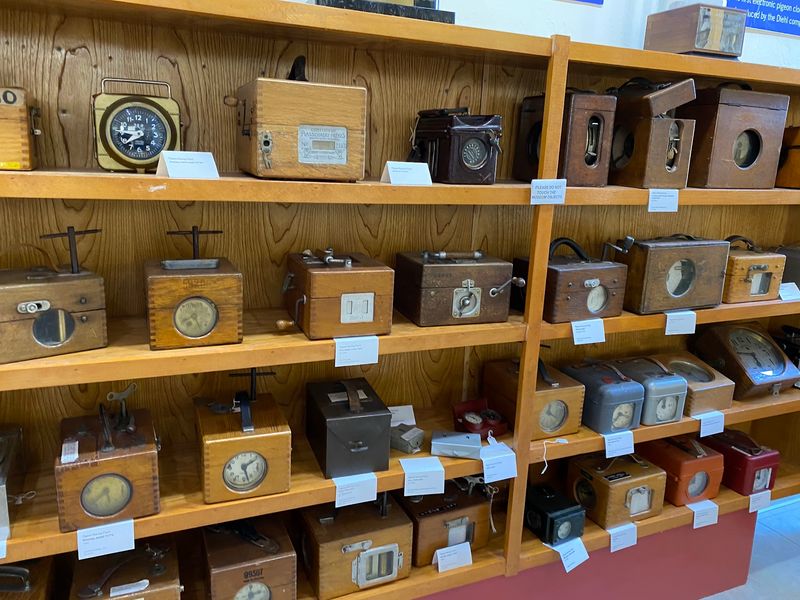
Long before stopwatch apps, pigeon racers relied on clever mechanical clocks. An entire room at the museum celebrates the sport and its surprisingly detailed equipment.
Rows of vintage racing clocks fill the displays. Each one recorded a bird’s arrival time, which mattered a lot when races stretched hundreds of miles.
The room also showcases items from the Charles Heitzman collection. These pieces help tell the story of how pigeon racing grew into an organized, competitive hobby.
Here’s a fun detail for trivia night. The American Racing Pigeon Union is headquartered right at the museum, making this spot a true hub for the sport.
Annual pigeon races take place on the grounds in the fall. If you happen to visit during race season, you’re seeing a living tradition, not just old artifacts.
I like how this room flips the script on pigeons. They aren’t just messengers here, they’re athletes with training, pedigrees, and serious fans.
Spend a minute guessing how each clock works before reading the labels. The engineering is clever enough to impress anyone who enjoys gadgets, gears, or a good mystery.
Fancy Breeds Look Like They Dressed For A Gala
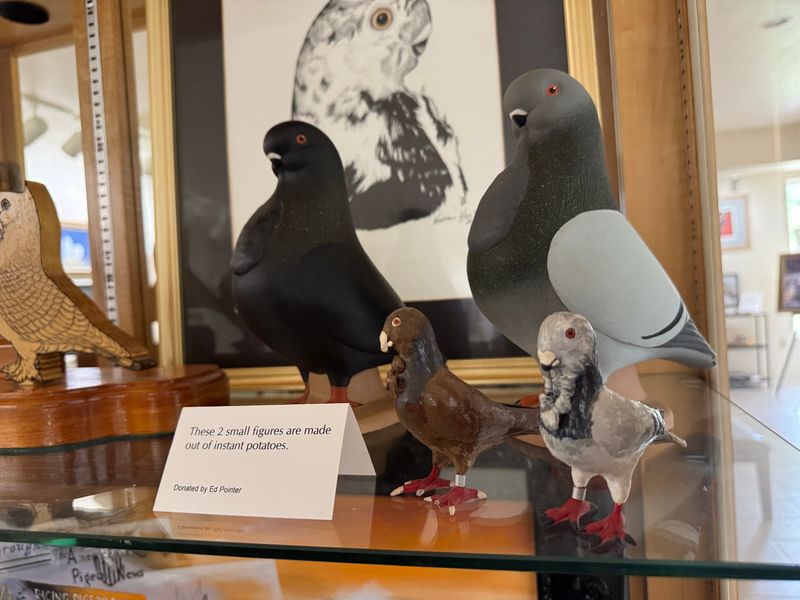
Feathered feet, fan-shaped tails, and puffed-up chests make some pigeons look ready for a red carpet. The fancy pigeon section shows just how wildly creative breeders have been.
These birds are bred for their unique looks rather than speed or navigation. The exhibit explains the differences between fancy pigeons and homing pigeons in clear, simple terms.
Odds are you’ll leave with a new favorite breed. Some look elegant, some look goofy, and a few look like they borrowed a feather boa.
Don’t skip the passenger pigeon display. It tells the story of a wild North American bird that once filled the skies in enormous flocks before disappearing.
That exhibit adds a thoughtful moment to an otherwise playful visit. It reminds visitors how important protecting wildlife can be for future generations.
The collections also stretch beyond the United States. Memorabilia and artifacts from other countries show that people around the world have loved pigeons for centuries.
Try picking out which breeds you might spot again among the live birds. Matching a photo on the wall to a real bird in front of you is oddly satisfying.
The Walls Double As A Pigeon Art Gallery
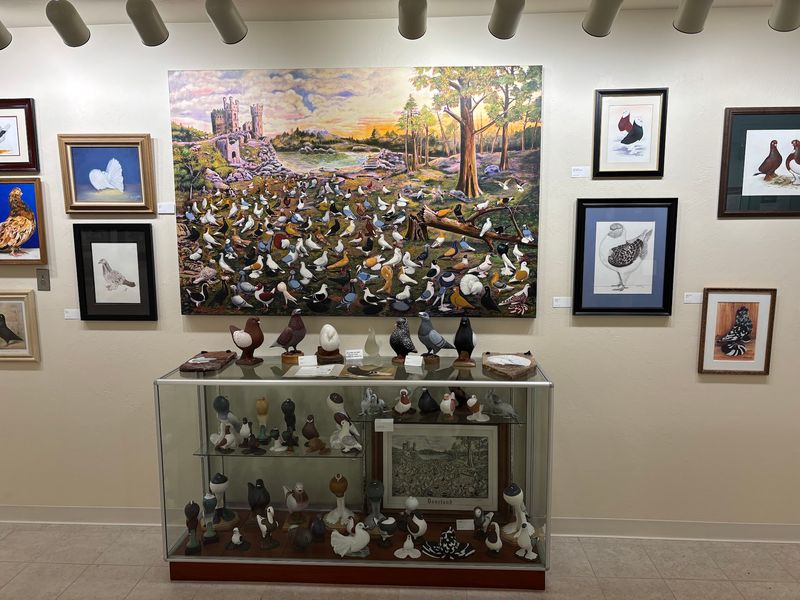
Paintings, prints, and posters of pigeons cover the walls in nearly every style you can name. It’s like an art gallery where every artist agreed on the same muse.
The interior is clean and brightly lit, which helps the artwork pop. Exhibit rooms branch from a main hall, so wandering feels relaxed and easy.
Art lovers and sketchers will find plenty of inspiration here. Some pieces feel classic and formal, while others lean playful and bold.
Modern touches keep the visit fresh too. QR codes appear throughout the exhibits, letting you pull up extra videos right on your phone.
That’s a nice bonus for kids who learn better by watching. It also means you can go deeper on any story that grabs your attention.
The facility includes a small theater and a conference room as well. Those spaces support group visits, presentations, and educational programs.
Slow down and actually look at the art between exhibits. Pigeons have clearly inspired creative people for a very long time, and the variety on display proves it.
Bookworms Get A Whole Library Devoted To One Bird
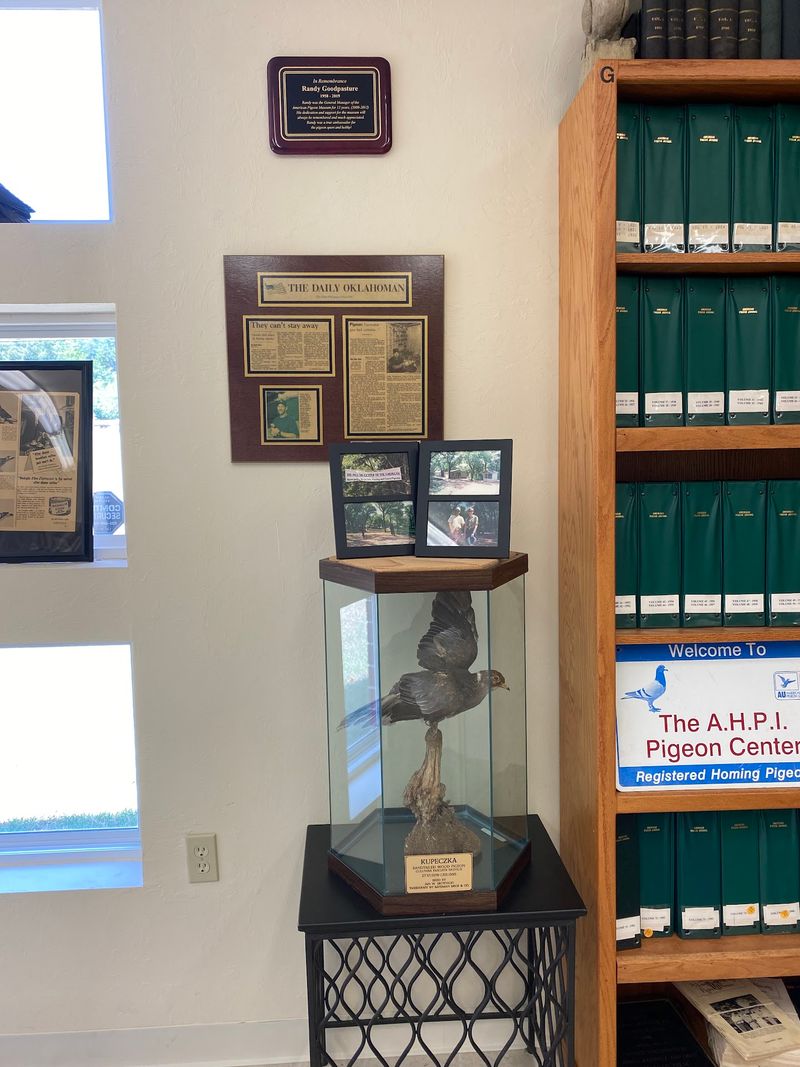
Ever wanted to read an entire shelf about one bird? The research library holds pigeon books and records; contact the museum to ask about current research access.
Breeders, historians, and curious students can all find something useful here. It’s a quiet corner with a surprisingly deep well of knowledge.
The institution itself has a fascinating backstory. It began in 1973 as the American Homing Pigeon Institute in Wichita, Kansas, focused mainly on homing and racing birds.
Over time, its scope grew to cover the entire history of pigeon domestication. In 1993, the group bought a ten-acre property in Oklahoma City.
Existing buildings were converted to hold the museum, library, aviary, and exhibits. The site was called the Pigeon Center of the Americas back then.
The current museum building reopened in January 2014 with more room and stronger security. That upgrade gave the library and collections a proper long-term home.
If research is your goal, schedule your library visit ahead of time. You’ll get much more out of the materials with a plan and a few good questions.
Plan A Full Day Around This Feathered Detour
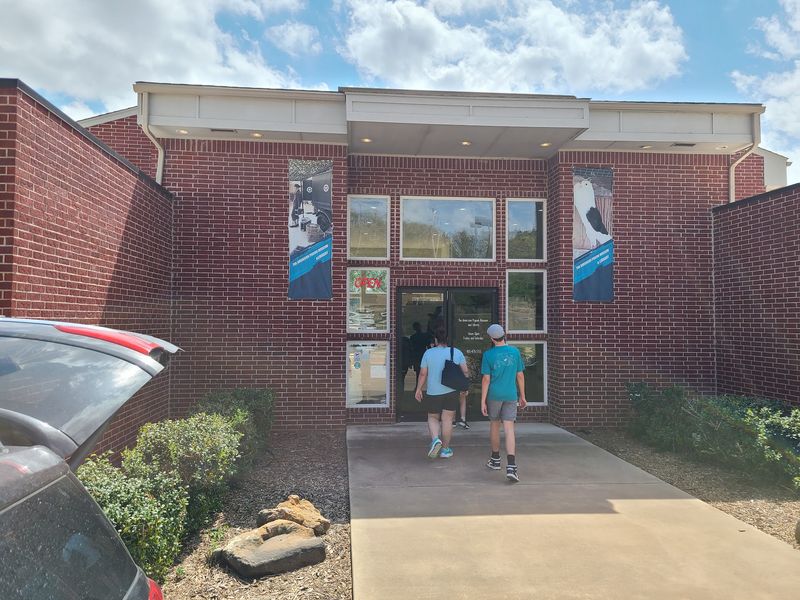
Location is a big perk here. The American Pigeon Museum & Library sits at 2300 NE 63rd St, Oklahoma City, OK 73111, inside the city’s Adventure District.
That area keeps you close to Remington Park, major highways, and historic Route 66. Road trippers can add a quirky stop without a long detour.
Hours are limited, so timing matters. The museum currently lists Friday hours of 1–5 p.m. and Saturday hours of 10 a.m.–4 p.m. and is not accepting private appointments.
Schedules can change, so check before heading out. Nothing stings like arriving at a pigeon museum to find the doors closed.
Save a few minutes for the gift shop on your way out. Pigeon-themed souvenirs make great conversation starters, and purchases help support the museum.
Families with kids will appreciate how manageable the visit feels. The museum welcomes all ages, and school groups visit regularly to learn about these remarkable birds.
I believe this stop earns a spot on any Oklahoma itinerary. Where else can you learn about heroic messengers, racing athletes, and runway-ready breeds in one afternoon, all for free?
