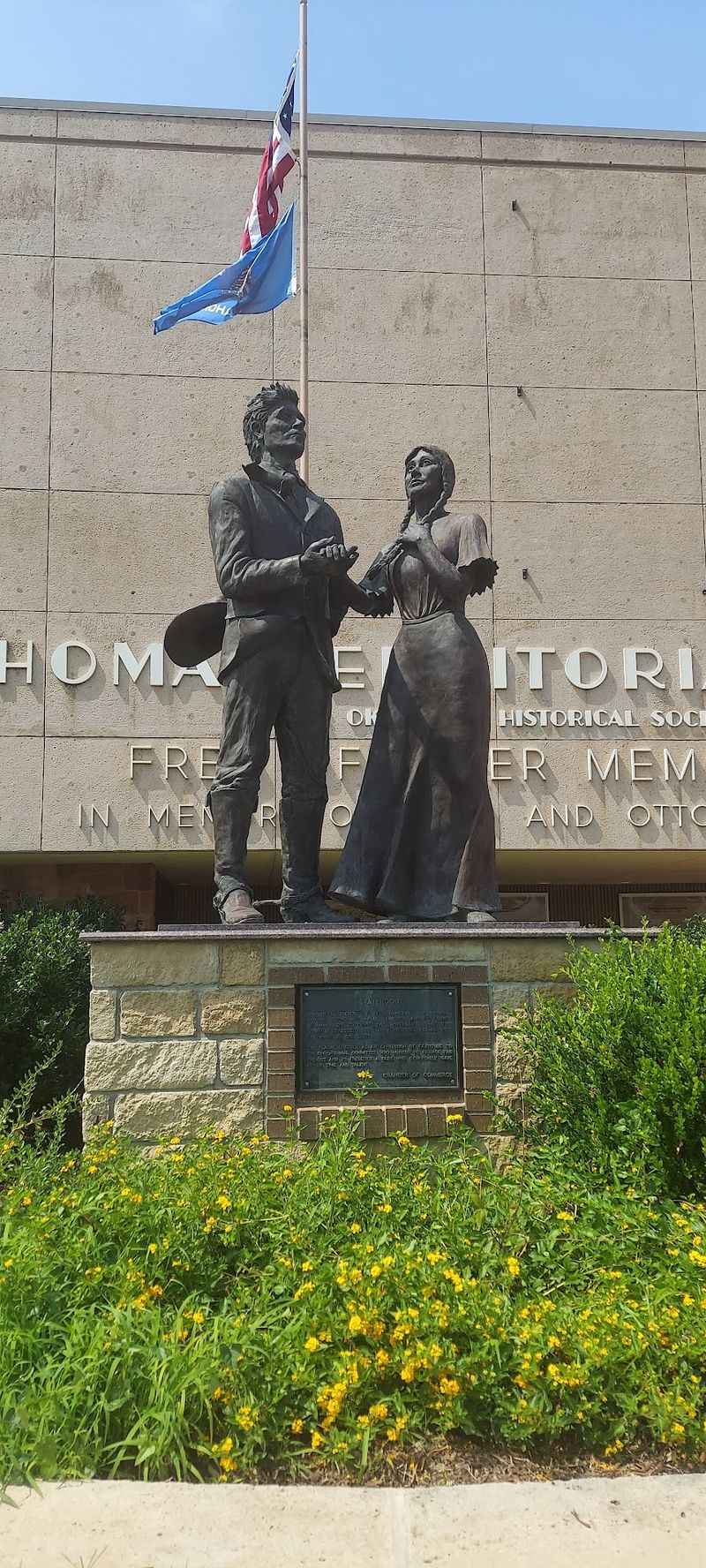
A fake wedding once sealed the deal on a brand-new state. During an inauguration ceremony, Mr. Oklahoma married Miss Indian Territory to show two territories becoming one.
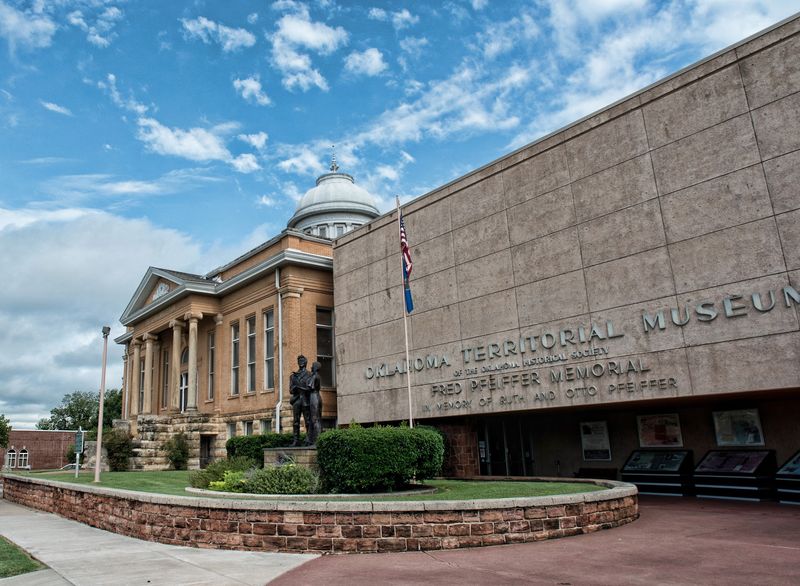
That happened right outside a little library with a domed roof. The same steps hosted the last territorial governor in 1906 and the first state governor in 1907.
I like how a building meant for books ended up starring in the biggest moment in Oklahoma history.
The library almost disappeared in 1972. City leaders planned to tear it down until a generous local stepped in with a better idea.
Today it sits beside a museum packed with land run stories, outlaw tales, and one famous hatchet.
With the state turning 120 in 2027, the timing feels perfect. Where else can you stand on the exact spot where a state was born?
The Steps Where A State Was Born
November 16, 1907, was a big day for a small library. Oklahoma officially became the 46th state, and the celebration unfolded right on the library steps.
The Oklahoma Territorial Museum and Carnegie Library now protects that famous spot in Guthrie. It pairs a modern museum building with the historic library next door, and the two are connected inside.
The library steps also saw Frank Frantz sworn in as the last territorial governor in 1906. A year later, Charles N.
Haskell became the very first state governor in the same place.
That’s two governors, one statehood party, and a lot of history for one doorway. Few buildings can claim they watched a territory become a state.
The Oklahoma Historical Society operates the site today. Its mission is to collect, preserve, and share the history and culture of Oklahoma and its people.
Guthrie served as the territorial capital during those early years. That’s why so many key events played out here instead of in Oklahoma City.
Plan for the 120th anniversary in 2027 by visiting before the crowds of celebration season. Standing where Haskell took his oath makes the history books feel a lot less dusty.
It’s a quick way to feel connected to the very start of the state.
A Wrecking Ball Almost Won In 1972
Some heroes wear capes. Fred Pfeiffer carried a checkbook and a very good plan.
In 1972, city leaders planned to demolish the old Carnegie Library. That would have erased the stage where Oklahoma statehood was celebrated.
Pfeiffer, a local philanthropist, made an offer that changed everything. He would fund a new museum on the lot next door, but only if the library stayed standing.
The deal worked. The museum opened on November 16, 1973, exactly 66 years after statehood day.
That date wasn’t an accident, and I believe it was a pretty clever touch. It turned the opening into a birthday party for the whole state.
Over time, the two buildings were linked into one museum experience. You can move from newer exhibit halls into the century-old library without stepping back outside.
The complex celebrated 50 years of service in 2023. Not bad for a place that nearly became a parking spot or an empty lot.
Keep this rescue story in mind as you explore. Every creaky floorboard and preserved detail exists because one person refused to let it go.
It’s a reminder that saving history sometimes takes just one stubborn neighbor.
Andrew Carnegie Grumbled About This Fancy Rotunda
Andrew Carnegie paid for libraries all over America, but he had opinions. He wanted his grant money spent on books and shelves, not fancy extras.
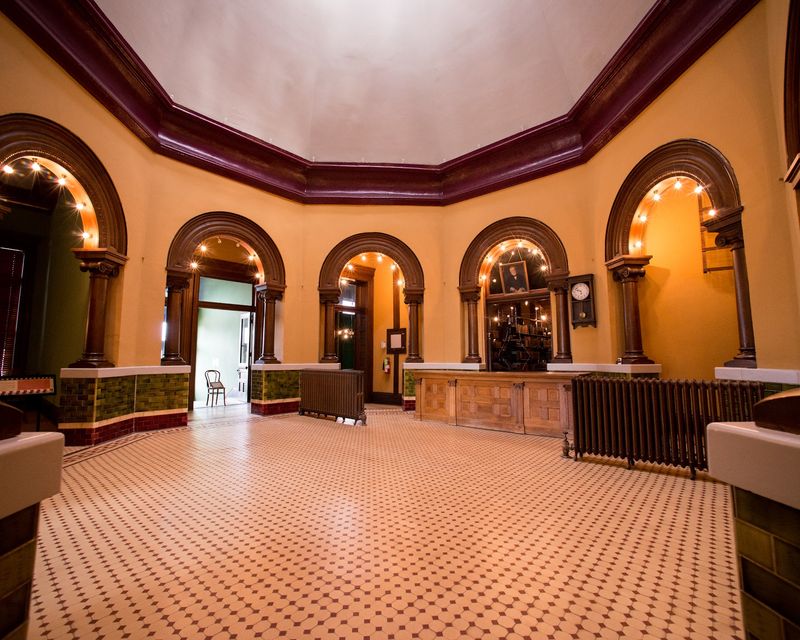
Guthrie went ahead and added a rotunda, a meeting room, and fireplaces anyway. Carnegie wasn’t thrilled, yet the results speak for themselves.
Architect J. H.
Bennett designed the two-story building in the Second Renaissance Revival style. It’s built from brick and stone and topped with a striking domed roof.
The grand rotunda sits on the ground floor. Much of the original tile, wood, and furnishings still remain, so the early 1900s charm feels real.
The library was built in 1902 and joined the National Register of Historic Places in 1971. It was the second Carnegie library built in Oklahoma and is the oldest still standing.
Look up when you enter the library section. High ceilings and wood floors make the upper rooms feel roomy and grand.
One practical tip helps here. The historic library portion may lack strong air conditioning, so a cooler day makes for a more comfortable visit.
Honestly, I’m glad Guthrie ignored the boss on this one. Those extras turned a book building into a showpiece.
Noon On April 22, 1889, Changed Everything
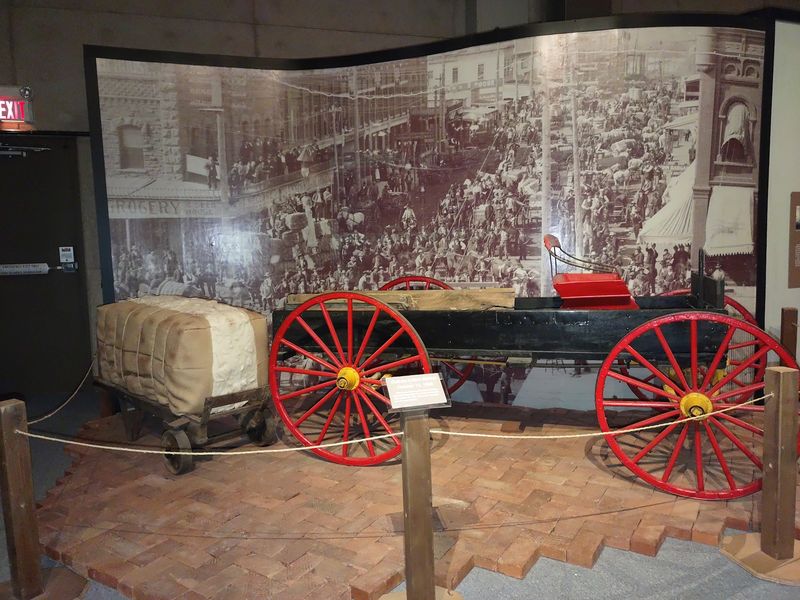
A single gunshot at noon sent thousands of people racing for free land. That was the Land Run of April 22, 1889, and the museum tells it well.
The run opened nearly two million acres known as the Unassigned Lands. Hopeful settlers rushed in to stake claims, and Guthrie sprang up almost overnight.
Exhibits use artifacts, photographs, and paintings covering roughly 1889 through 1913. The first floor focuses on the run and daily life for those early settlers.
Homes were not exactly luxury rentals back then. Many families built soddies from prairie sod bricks or carved dugouts right into hillsides.
Reading about those homes makes modern complaints about small bedrooms seem silly. Settlers worked hard to turn open prairie into farms and busy towns.
Kids especially connect with this part of the story. Racing for land sounds like a giant game, until you learn how tough the follow-up work became.
Give yourself plenty of time on this floor. There’s a lot to read, and the details reward patient visitors.
By the end, you’ll understand why folks in Oklahoma still talk proudly about the Eighty-Niners. They helped establish new farms and towns in a region already shaped by Native nations.
Climb Upstairs For The Road To Statehood
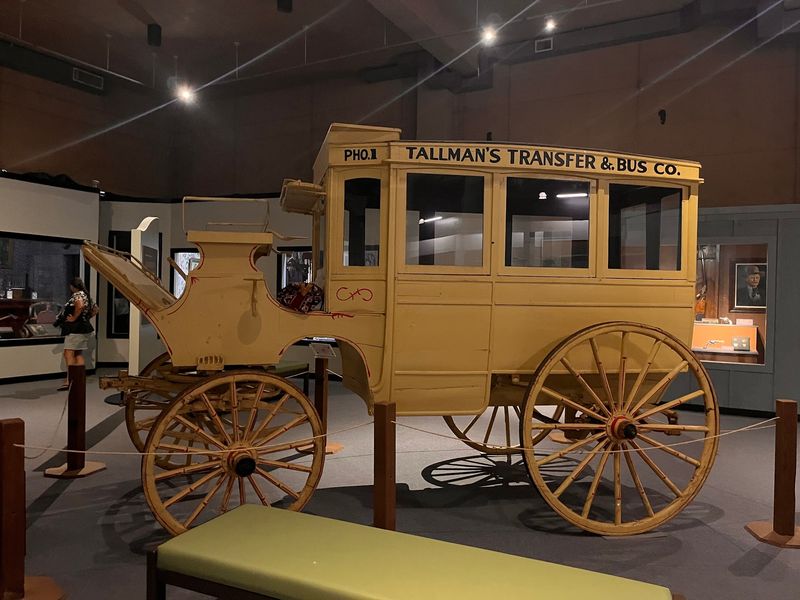
Seventeen years is a short life for a territory. Oklahoma Territory formed in 1890 and became part of a state in 1907.
The second floor explains how that fast change happened. Exhibits cover early government, transportation, education, and entertainment, plus the final push to statehood.
Guthrie held the title of territorial capital during this period. Lawmakers, judges, and officials made big decisions in a town that was barely a few years old.
You’ll also learn about the U.S. Marshals who chased outlaws across the territory.
Frontier law and order gets plenty of attention in the exhibits.
The story doesn’t stop at statehood, either. The museum explains how the capital eventually moved from Guthrie to Oklahoma City.
That move still sparks lively feelings in Guthrie. Let’s just say the town has strong opinions about how it happened.
Many history fans call the upper level a favorite part of the visit. Original artifacts paired with clear explanations make the timeline easy to follow.
Bring a curious mind and comfortable shoes. Connecting the dots from wild prairie to working government is surprisingly fun once the pieces click.
It makes the 120th anniversary feel well earned.
A Hatchet, An Outlaw, And A Very Unusual Wedding
Carrie Nation didn’t knock politely. The fiery reformer used a hatchet to smash up saloons, and the museum displays her hatchet.
Outlaw Elmer McCurdy brings an even stranger tale. His remains wandered the country for decades before finally resting in Oklahoma, and the museum claims the gun that ended his career.
History gets weirder than fiction sometimes. These pieces prove the frontier was full of colorful, oversized personalities.
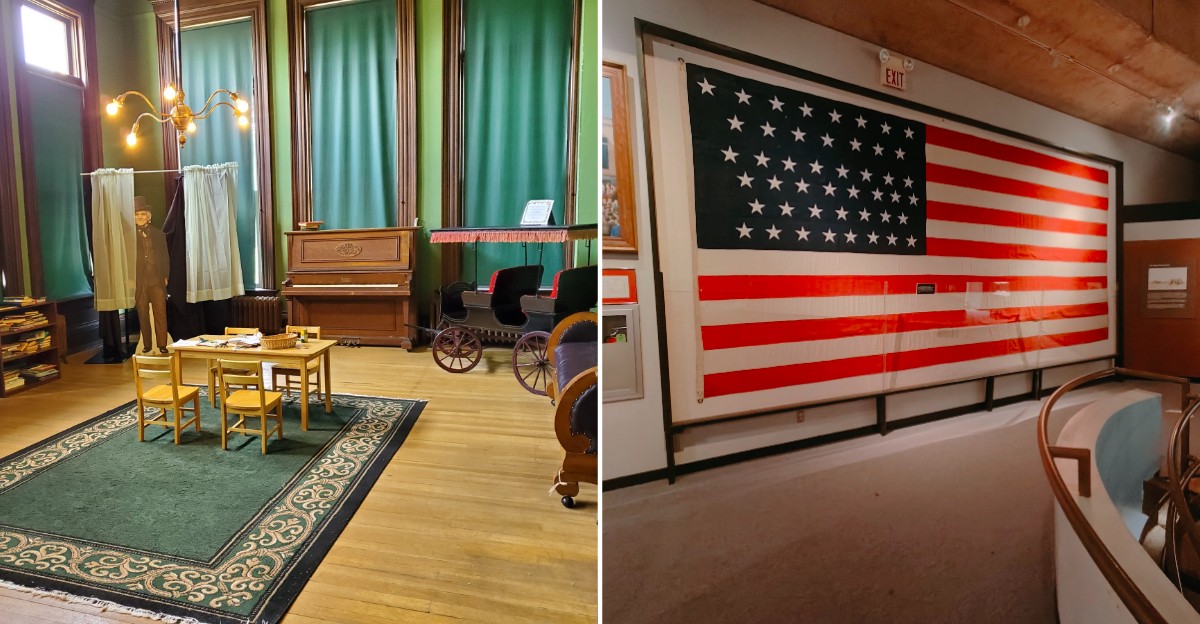
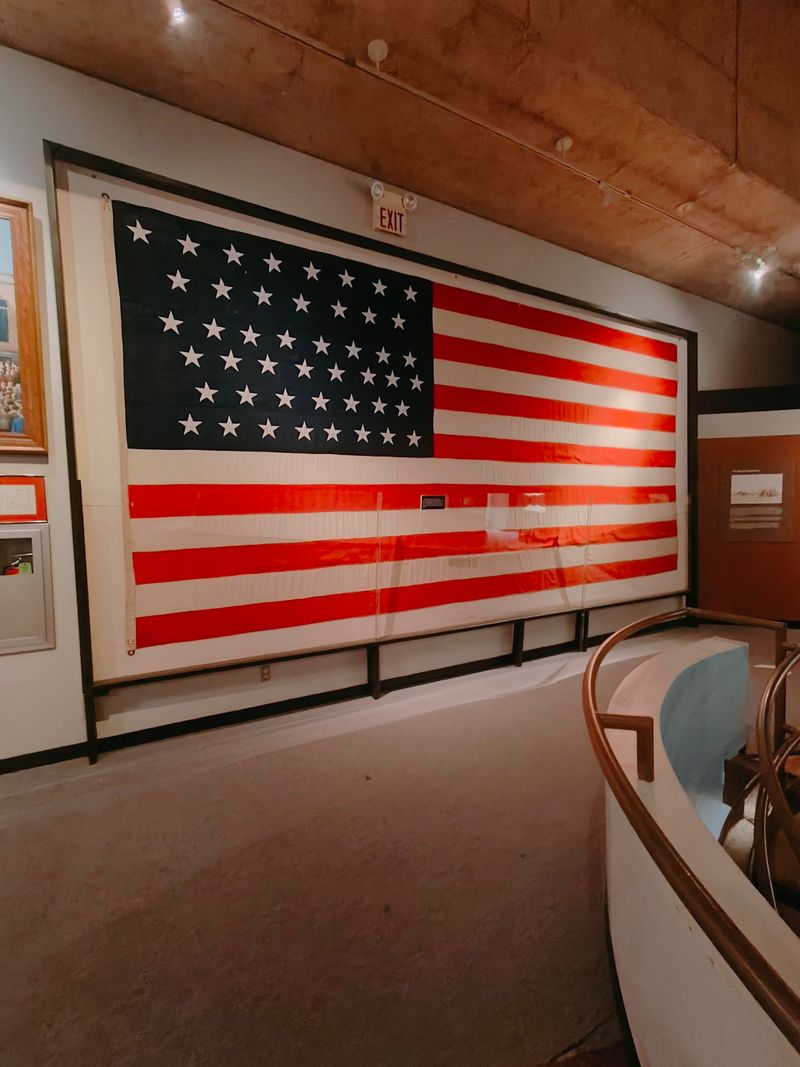
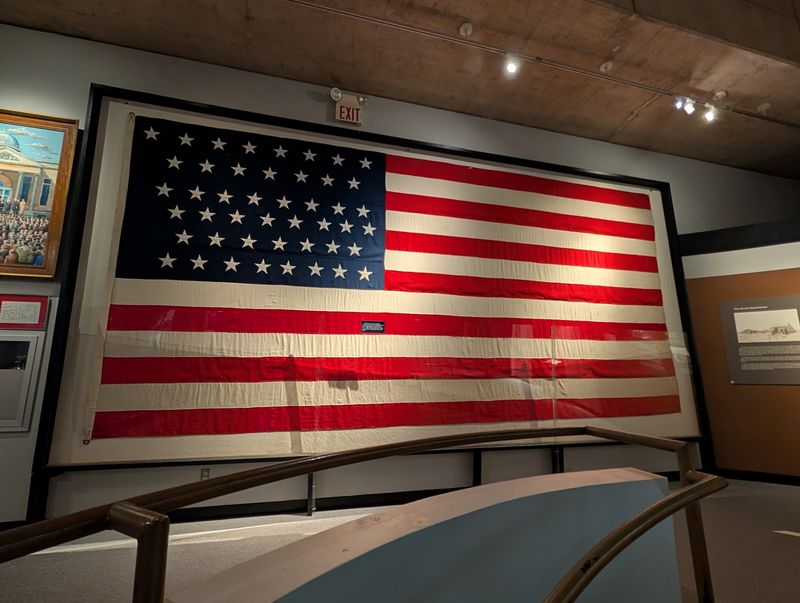
Look for a special embroidered flag reading Oklahoma July 4th, 1908. It represents the 46th star, which was placed on the flag inside Betsy Ross’s house in Philadelphia.
Outside, a statue honors the symbolic wedding from Governor Haskell’s inauguration. Mr. Oklahoma married Miss Indian Territory to show two territories joining as one state.
It’s a sweet and slightly theatrical bit of history. Statehood celebrations clearly did not lack imagination.
Snap a photo with the statue before you head home. It makes a great conversation starter, especially in an anniversary year.
These oddball artifacts are often what visitors remember most. Facts fade, but a famous hatchet tends to stick.
Kids will probably agree.
Your Great-Great-Grandparents Might Be In The Files
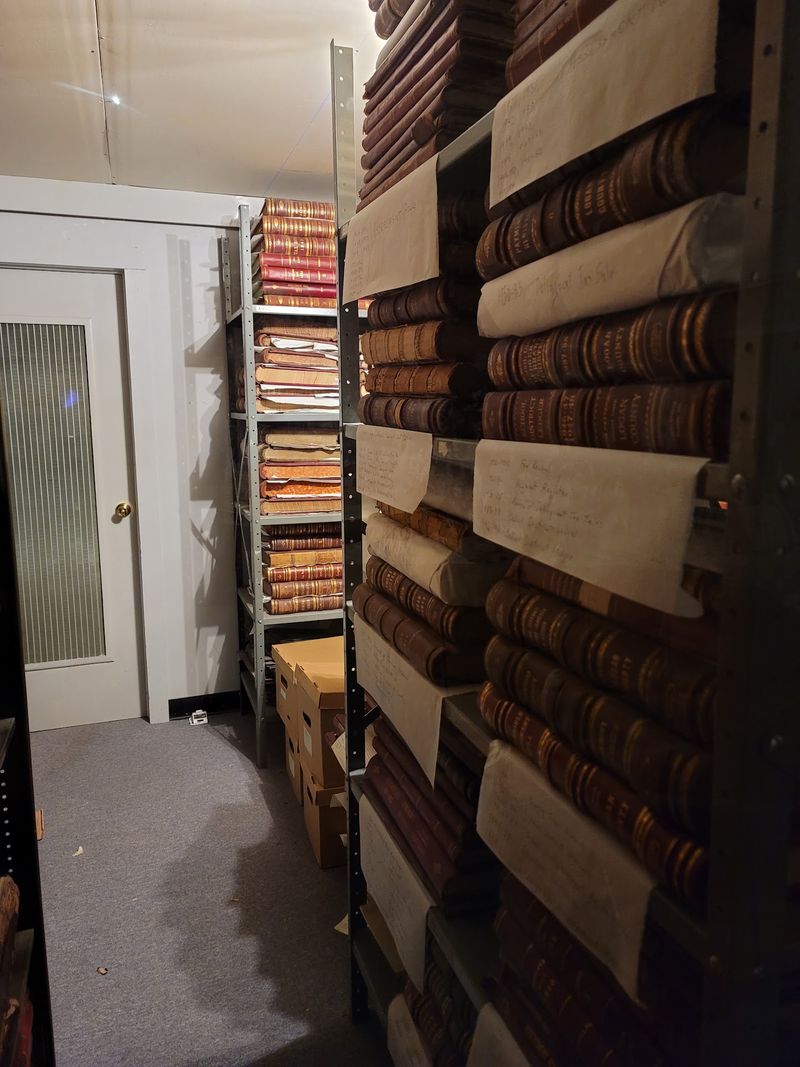
Family mysteries love a good library. This one holds records that could finally explain where your relatives came from.
The Oklahoma Territorial Museum and Carnegie Library offers genealogy resources worth knowing about. Researchers can search marriage records dating from 1890 to 1906.
Those years cover the heart of the territorial era. If ancestors married in early Oklahoma, there’s a chance their names appear here.
The collection also includes records of burials in Logan County. That information can fill in tricky gaps on a family tree.
Early Oklahoma files and local history are available on microfilm, too. Scrolling through old pages feels a bit like time travel with a reading lamp.
Here’s the best part. You can schedule an appointment with a trained librarian for personal help with your search.
Call ahead before you go so the visit runs smoothly. Bring names, dates, and any family stories you already know.
Statehood’s 120th birthday is a great excuse to trace your own roots. Finding a relative who lived through the territorial days would make the anniversary feel personal.
Fittingly, a library once again helps connect people with stories worth keeping.
Field Trips Here Include A Land Run Board Game
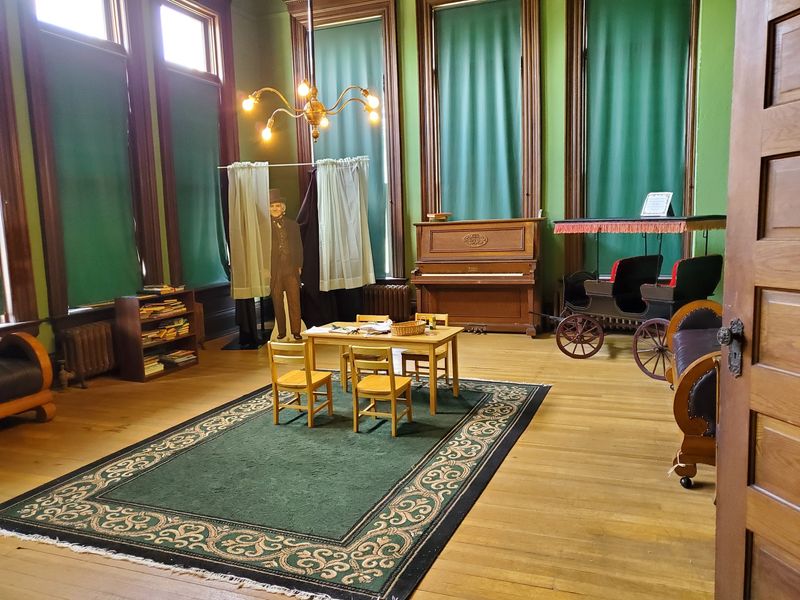
Oklahoma or Bust sounds like a family road trip slogan. It’s actually an interactive land run board game used in the museum’s school programs.
Students can also join field trips and scavenger hunts. Those activities turn reading labels into a mission, which helps restless kids stay focused.
Groups can arrange living-history performances and hands-on programs by appointment. Those shows bring territorial life to life in a way textbooks can’t match.
Staff even offer outreach talks on topics from 1880 to 1912. That means the museum’s lessons can travel to classrooms and community groups.
Families visiting on their own can choose guided or self-guided tours. Self-guided works great for wanderers, while guided tours suit people who love asking questions.
A small gift shop sits near the entrance for souvenirs. Free admission for active military members is a nice perk worth checking on before visiting.
Teachers planning a statehood unit should consider this place. The 2027 anniversary gives a perfect reason to book an educational trip.
Kids may arrive thinking history is boring. A board game about racing for land has a funny way of changing their minds.
Plan Around Statehood Day And Territorial Christmas
Mark November 16 on your calendar. Statehood Day brings panel discussions about Oklahoma statehood and its impacts on different groups of people.
Historians and specialists share their insights during these events. It’s a thoughtful way to celebrate, and 2027 should make it extra meaningful.
Winter adds a cozy twist. During Guthrie’s Territorial Christmas festivities, decorated Christmas trees fill the historic Carnegie Library.
The Guthrie Distinctive Homes Tour also includes a stop here. Guests can enjoy traditional wassail served inside the library.
You’ll find the museum at 406 East Oklahoma Avenue in Guthrie, Oklahoma. It’s open Tuesday through Saturday from 9 a.m. to 5 p.m., and it closes Sundays and Mondays.
Give yourself about two hours to see everything comfortably. Readers who love every sign may want a bit longer.
Guthrie’s historic downtown is worth exploring after your visit. Its Victorian-era streets make a fitting backdrop for a day spent in the territorial past.
I can’t imagine a better way to toast 120 years of statehood than visiting the place where it began. The steps are still waiting.
