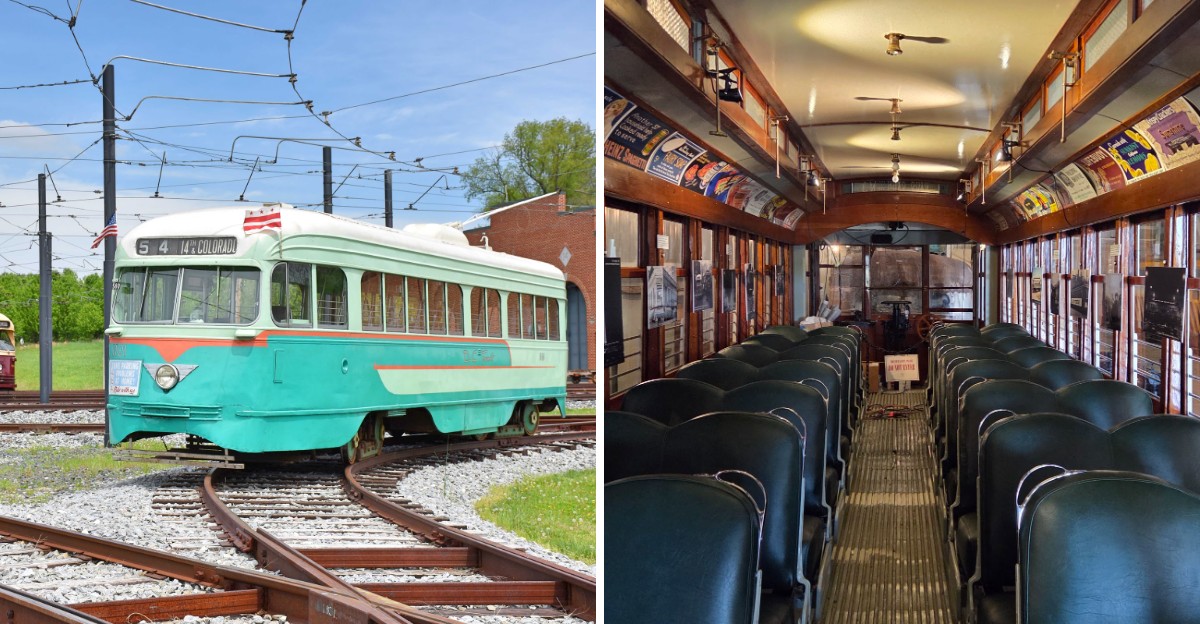
Some collections stay private. Boxes in an attic, shelves in a basement, things only the owner ever sees.
This Maryland collection took a different path. One person built something extraordinary, and over time it became a local curiosity that people started talking about.
The items span decades, maybe longer, and the variety alone is enough to keep you looking. What makes it interesting is not just the objects but the story behind them.
Why this collector, why these pieces, and how it all came together. Locals treat it as a point of pride, while visitors often leave surprised they had never heard of it.
A reminder that passion projects can turn into something worth sharing. The kind of place that makes you want to start your own collection.
A Dream That Started in 1961
Every great collection begins with someone refusing to let something disappear. Back in the early 1960s, streetcars were vanishing from American cities fast, and Washington was no exception.
A group of rail fans saw this happening and decided to act.
On January 4, 1961, they officially formed the National Capital Historical Museum of Transportation. The early effort brought together streetcar lovers from both Baltimore and the Washington area.
Their first home was planned for Lake Roland Park in Baltimore, which sounded like a fine idea at the time.
Neighbors near that park had other thoughts. Their objections stalled the plans, and by 1966 the two groups split their collections.
The Baltimore cars stayed to form the Baltimore Streetcar Museum, while the Washington group headed south toward Colesville.
Honestly, that split worked out well for everyone. Each museum got to focus on its own city’s story, which made both collections richer and more personal.
Fans of rail history in Maryland now have two places to explore instead of one.
Thinking about this beginning makes the museum feel more human. It was not built by a big company or a government office.
Regular people with a shared love for clanging bells and electric wires pushed it forward.
Before visiting, it helps to remember this origin story. The cars on display are not just old machines.
They are proof that a small group of determined fans can save a piece of everyday life for future generations to enjoy and ride.
Groundbreaking in the Colesville Woods
Trees, quiet roads, and a strip of steel rails. That is the simple setting the museum chose after leaving Baltimore behind.
The Maryland-National Capital Park and Planning Commission provided land in Colesville, giving the trolleys a peaceful new home.
Workers broke ground on November 20, 1965. It took a few more years of hard work before anything moved on the tracks.
Then, in October 1969, the museum ran its first streetcar for the public, and the dream finally had wheels.
There is something charming about trolleys living in the woods. These cars once rattled down busy city streets full of shops, horns, and crowds.
Now they glide past leaves and birdsong instead, which gives every ride a calm, almost storybook mood.
The setting also makes the visit feel like a small escape. Free parking on site makes arriving easy, and the grounds are open and relaxed.
Families often use the outdoor space to stretch their legs before or after a tour.
A newer disc golf course nearby adds another reason to linger. Some visitors pair a museum stop with a round of play or a short walk.
It turns a short history lesson into a full afternoon outside.
Spring and fall are lovely times to come. Fresh green leaves or bright autumn colors frame the old cars beautifully.
Bring a camera, because the contrast of polished trolleys and wild trees makes for some very pretty photos.
Washington Streetcars, Saved by a Generous Gift
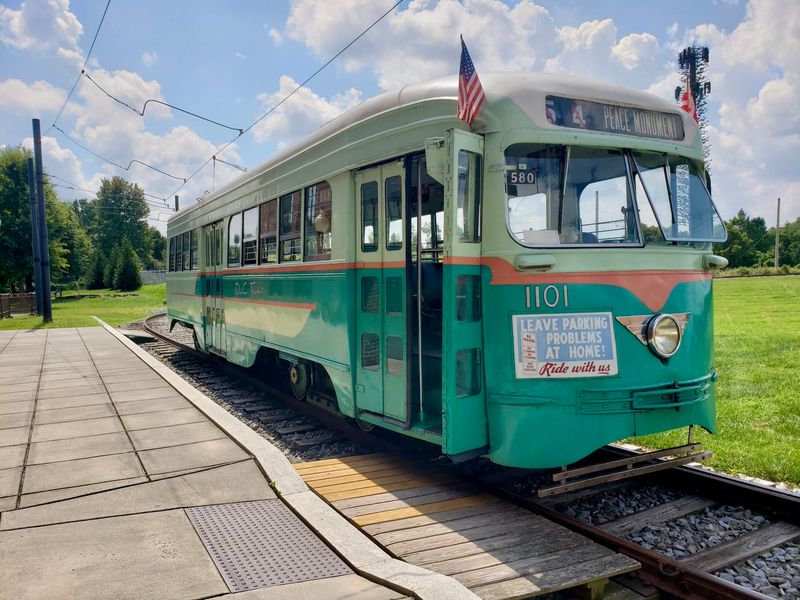
Here is a fun fact worth sharing at dinner. The museum holds the largest collection of surviving Washington, D.C. streetcars anywhere in the world.
That is quite a title for a modest museum in Montgomery County.
Much of that treasure came from O. Roy Chalk, who was president of DC Transit.
He had planned to donate historic cars early on, but the gift did not arrive until 1970. When it finally came, several important Washington streetcars joined the fleet and changed the museum forever.
Looking at these cars is like reading an old city map. Their signs and colors hint at neighborhoods that have changed a lot over the decades.
Some visitors enjoy learning how certain routes shaped where people lived and worked.
Older guests sometimes recognize these cars from their own childhood. Younger guests just love how big and solid they are.
Either way, the cars spark conversation across generations.
A smart tip is to ask volunteers about a specific car’s route. They often know where it ran and what life was like for riders back then.
Those small details make the steel and wood feel alive again.
Without that donation in 1970, many of these cars might have been scrapped. Instead, they sit safely indoors, cared for and admired.
It is a good reminder that one generous decision can protect a whole chapter of local history for the public.
Trams From Berlin, Toronto, and Beyond
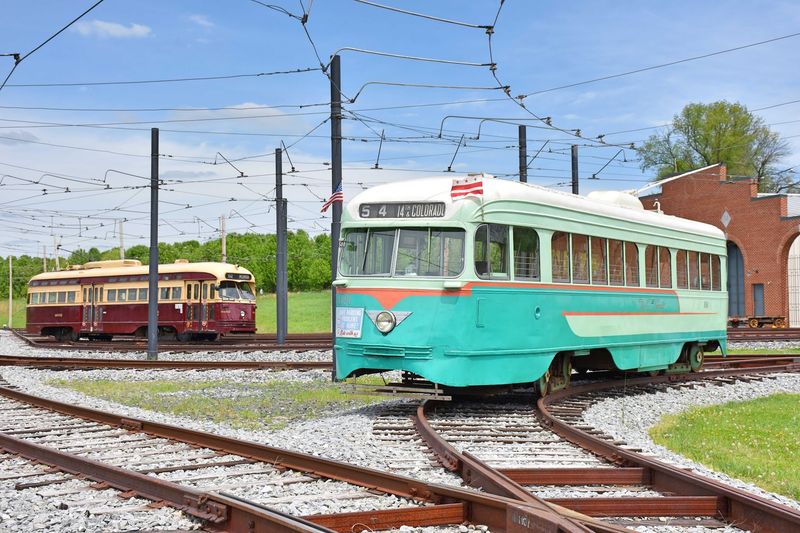
Not every car here speaks with a Washington accent. Before the big DC donation arrived, the museum went shopping far and wide.
European trams and a streetcar from Johnstown, Pennsylvania joined the collection during those early years.
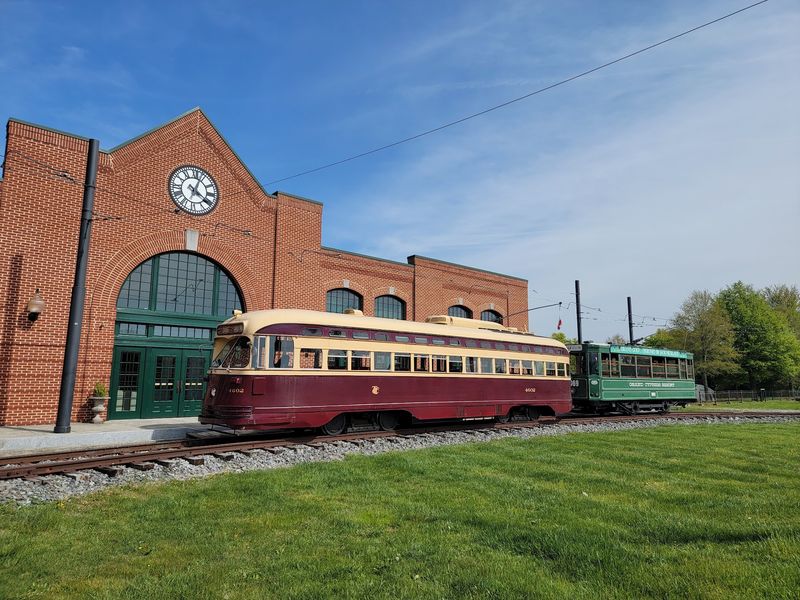
Today the fleet includes vehicles from Berlin, Toronto, and The Hague. American cities like New York and Philadelphia are represented too.
The collection spans from 1898 to 1945, covering the golden age of electric street railways.
Comparing these cars is a little like comparing handwriting. Each city had its own style of seats, windows, and paint.
Some look sleek and practical, while others feel almost fancy with their trim and curves.
Kids can play a simple game while touring. Ask them to guess which country each car came from before reading the sign.
It keeps young minds busy and sneaks in a geography lesson.
The international mix also shows how popular trolleys once were around the globe. People in many countries rode to school, work, and the market on cars much like these.
That shared experience connects visitors to faraway places in a friendly way.
Some guests have hoped to ride a car nicknamed the boat during warmer months. Which cars run can change from day to day.
Checking the museum website before visiting helps set expectations, and sometimes luck brings a ride on more than one type of trolley in a single afternoon.
Rising Again After the 2003 Fire
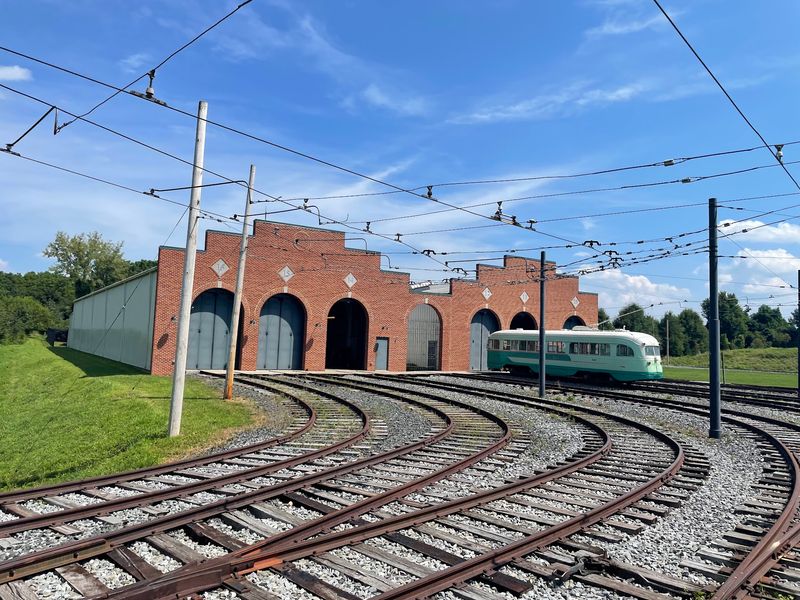
Some museums have quiet histories. This one has known real heartbreak.
In 2003, a fire broke out in one of the car barns, and eight streetcars were lost.
That kind of loss is hard to imagine for a volunteer group. Restoring a single old trolley takes years of patient work.
Losing eight at once must have felt crushing to everyone involved.
Yet the museum did not close its doors or give up. Volunteers kept caring for the surviving cars and kept the mission going.
That stubborn spirit is part of what makes the place so special today.
More change came soon after. Construction of the Intercounty Connector highway cut into the museum’s old footprint.
So in the winter of 2008 to 2009, the whole operation moved to a new spot within the same park.
Moving heavy trolleys is no small chore. Still, the team pulled it off, and the museum reopened on January 16, 2010.
The new home brought better facilities and safer storage for the fleet.
Knowing this story adds weight to every car on display. Each one survived not just decades of service but also fire and relocation.
When a trolley rolls out onto the tracks today, it carries a quiet message about resilience.
Visitors who appreciate comeback stories will feel right at home here.
Rolling Through the Trees on a Real Trolley
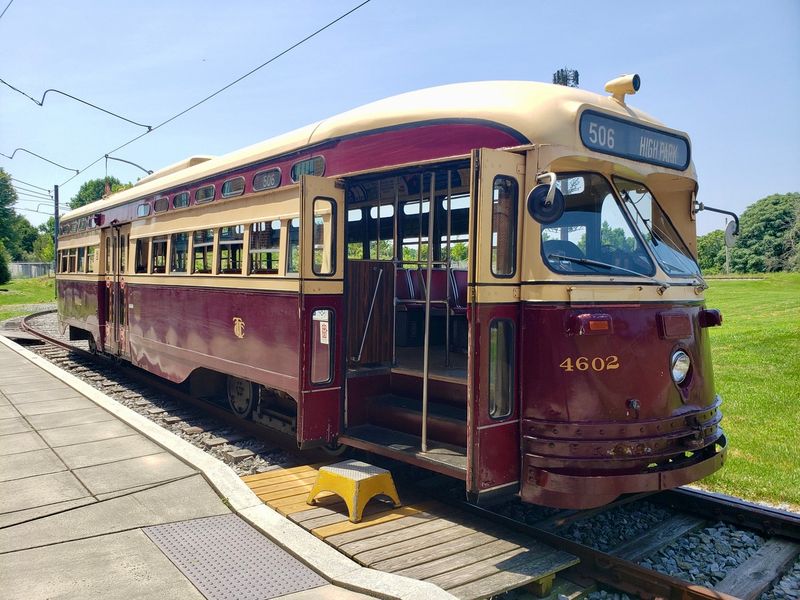
Ding, ding! The bell rings, the motor hums, and the car starts to sway.
For many guests, this ride is the highlight of the whole visit, and it is easy to see why.
The museum runs original trolley cars along a one-mile demonstration railway. The track winds through the natural landscape around the grounds.
Rides usually take about twenty minutes, which is just right for little ones with short attention spans.
Wooden seats creak a bit. Windows let in fresh air and the smell of leaves.
The steady clack of wheels on rails has a soothing rhythm that even grown-ups enjoy.
Volunteer operators often share stories as the car moves along. Many wear uniforms that match the era of the trolley.
Their knowledge turns a simple ride into a moving history lesson.
A practical note for anyone with limited mobility. The cars were built long before modern accessibility, so the steps can be high.
Operators have been known to bring out a step stool and help guests on and off with patience.
Rides tend to run about once an hour during open times. Arriving a little early helps avoid a long wait.
On some days, lucky visitors get to try two or even three different cars.
Bring curiosity and maybe a light jacket in cooler months. The ride is simple, but it leaves a big smile behind.
Street Car Hall and a Tiny 1930s Washington
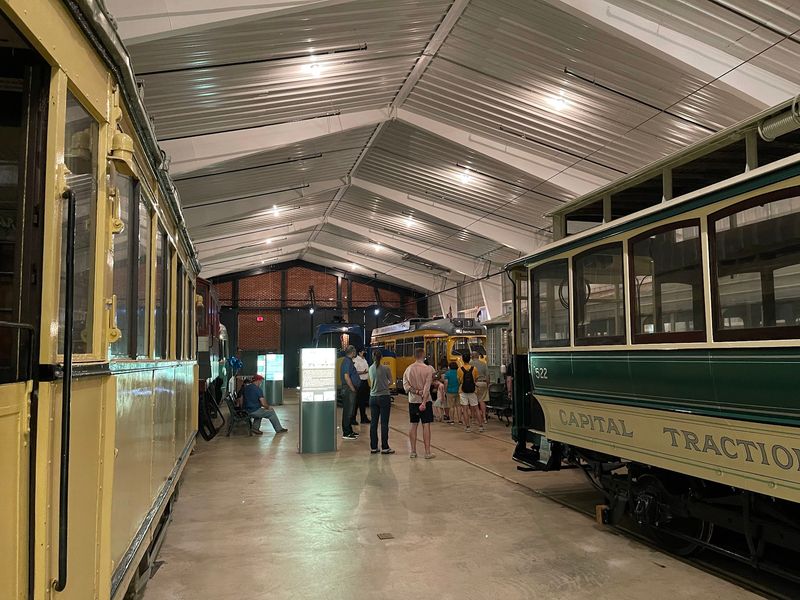
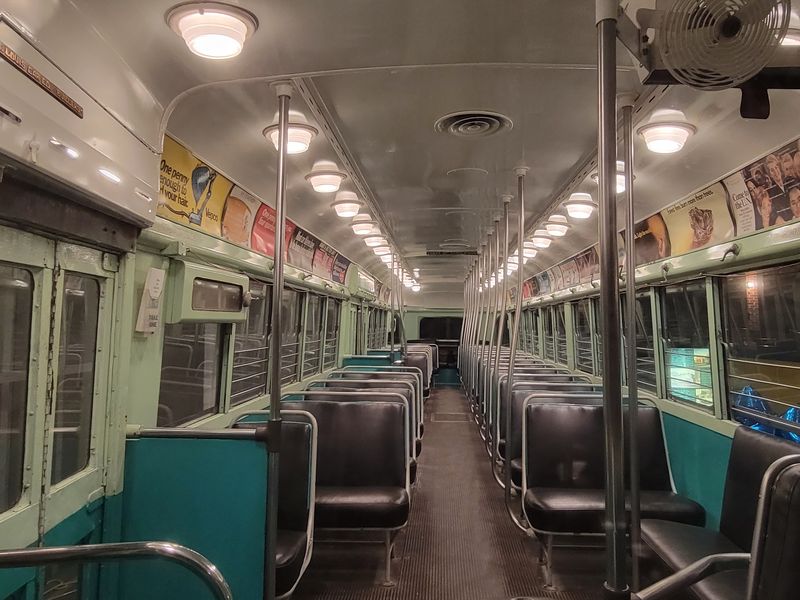
Inside the modern building, the past takes on two very different sizes. One room holds full-size trolleys lined up in the Street Car Hall.
Another space shrinks the whole city down to tabletop scale.
Guided tours of the Street Car Hall usually happen each hour. Joining one is a great idea, since guides point out details most people would miss.
Small things like fare boxes, brass handles, and route signs suddenly become fascinating.
The O-scale model layout is a real charmer. It shows a Washington streetscape from the 1930s, complete with tiny trolleys rolling past miniature buildings.
Kids enjoy flipping lights on and off, and adults tend to lean in close to spot little details.
Exhibits and film programs fill in the bigger story. They explain how street railways grew, thrived, and slowly faded away.
Some screenings even include silent films, which add a playful old-time feel.
The museum is not huge, and that is part of its charm. A typical visit lasts about forty-five minutes to an hour, plus the ride.
That makes it an easy outing that will not wear anyone out.
For the best experience, explore the exhibits before the tour starts. That way, the guide’s stories connect to things already seen.
It turns a casual look around into a much richer afternoon, especially for curious kids who love asking questions.
Volunteers, Archives, and Holiday Magic
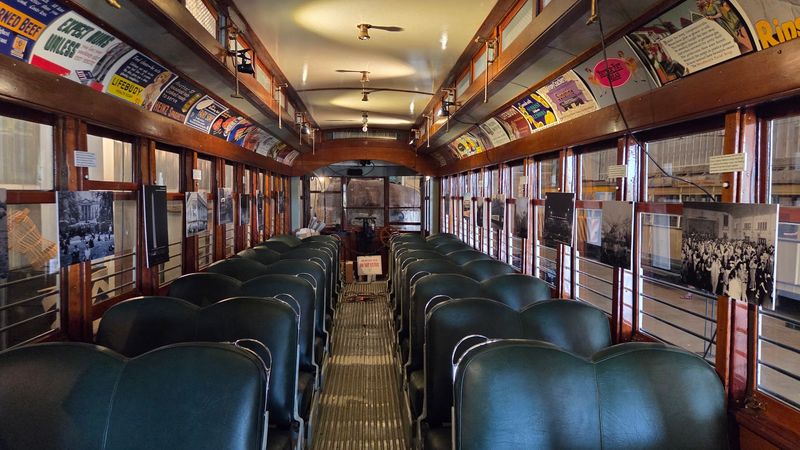
Behind every shiny trolley stands a crew of people who simply love this stuff. The museum is run largely by volunteers.
Their energy and knowledge come up again and again when guests talk about their visits.
Many docents can answer nearly any question about the cars. Ask about motors, routes, or how fares worked, and the answers flow easily.
Their passion is contagious, even for people who never thought much about trolleys before.
History lovers should also know about the Mills Dean Library. It holds a large collection of Capital Transit Weekly Passes, gathered from many different collectors over time.
Those small paper passes reveal a lot about daily life in old Washington.
Seasonal events add extra sparkle. Around the holidays, the museum has hosted festive rides and visits with Santa and Mrs. Claus, along with model train displays.
These events can sell out, so booking early is wise.
The museum also offers a birthday party room. Families have celebrated little ones with a tour and a trolley ride included.
It makes a unique gift for a young rail fan.
Planning tip time. Regular hours are limited, usually Friday from 10 am to 3 pm and Saturday from noon to 5 pm.
The museum sits at 1313 Bonifant Road in Colesville, Maryland, and checking the website before heading out is always smart.
Come for the trolleys, stay for the people.
