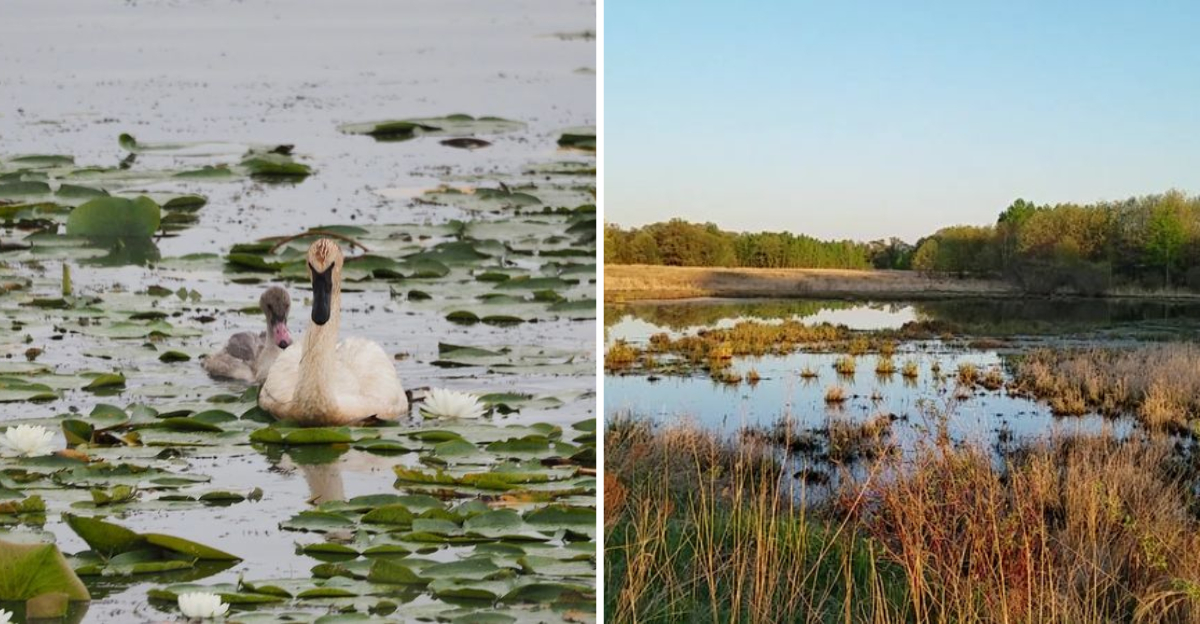
Wildlife encounters feel different when animals are completely comfortable sharing the space with visitors. Minnesota has peaceful outdoor destinations where boardwalk trails, wetlands, and open landscapes create incredible opportunities to see birds in their natural habitat.
The best part is the feeling of being a quiet observer while nature carries on around you.
Birdwatchers, photographers, and anyone looking for a relaxing escape can find plenty to appreciate in places like this. It is a refreshing reminder that unforgettable travel moments do not always require crowds or complicated plans.
The Boardwalk Experience That Actually Delivers
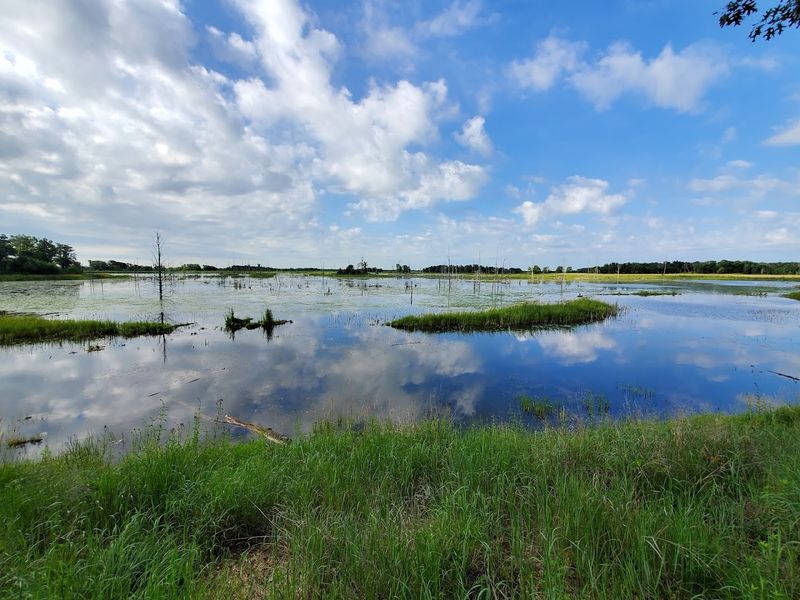
Most boardwalks promise a lot and deliver a flat, uninteresting walk above some muddy water. The boardwalk sections at Sherburne National Wildlife Refuge are a genuinely different story.
The moment the wooden planks start beneath your feet, the landscape opens up into something that feels alive and layered in a way that a regular trail just cannot replicate.
The Oak Savanna Learning Center Trails include a one-mile Beaver Lodge Loop that incorporates boardwalk and is especially popular with photographers and wildlife watchers. The flat, accessible surface makes it easy for visitors of all ages and mobility levels to enjoy the experience without struggling over rough terrain.
What makes this boardwalk feel special is the way it positions you directly above the wetland habitat. You are not looking at the marsh from a distance.
You are hovering right above it, close enough to hear frogs drop into the water and watch turtles sun themselves on half-submerged logs. The Prairie’s Edge Wildlife Drive also includes short accessible boardwalk loops, ranging from 0.18 to 0.47 miles, with observation decks that frame the landscape beautifully.
Each loop feels like its own small world. Even on a busy weekend, the pace here slows down naturally, and that is exactly the kind of reset most people are looking for.
Birds That Have Absolutely No Fear Of You
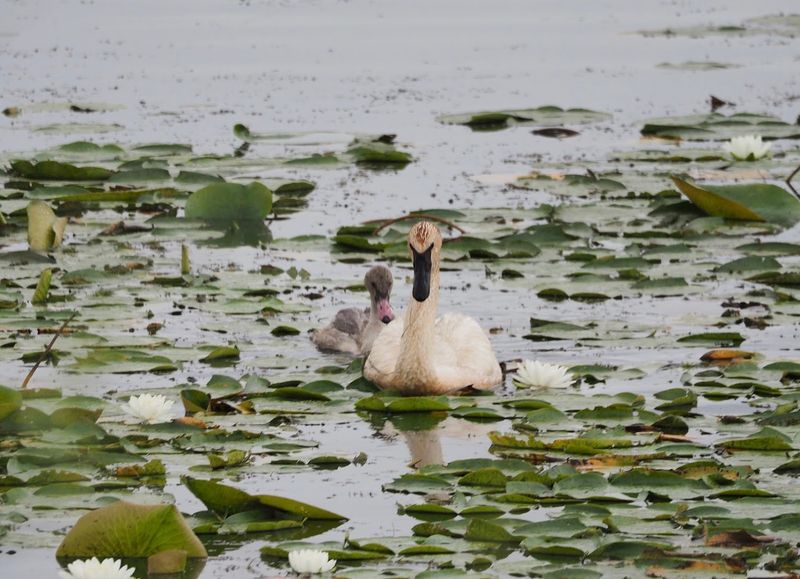
One of the most surprising things about visiting the boardwalk at Sherburne is how unbothered the birds are. Great blue herons, sandhill cranes, and various duck species go about their routines with an almost theatrical calmness, as if the boardwalk has always been part of their habitat.
The refuge is recognized as a state Important Bird Area by the National Audubon Society, and that designation is not just a label. It reflects decades of protected habitat that has allowed bird populations to genuinely thrive here.
Bald eagles, loons, trumpeter swans, painted turtles, and raptors are all regular sightings depending on the season.
October is when things get truly extraordinary. Thousands of sandhill cranes gather in the refuge’s wetlands during their fall migration, and the sound alone is something you remember for years.
Visitors have noted that getting closer to the wetlands, even just a half mile in on foot, dramatically improves the experience compared to watching from a distance. Early mornings and evenings tend to produce the most active wildlife moments.
Spring migration is equally rewarding, with warblers and waterfowl moving through in impressive numbers. Binoculars are helpful, but honestly, some of these birds are close enough that you barely need them.
The Mahnomen Trail, a 3.1-mile loop with boardwalk sections, is considered a top birding spot during both spring and fall migrations.
The Mahnomen Trail And Its Boardwalk Stretch
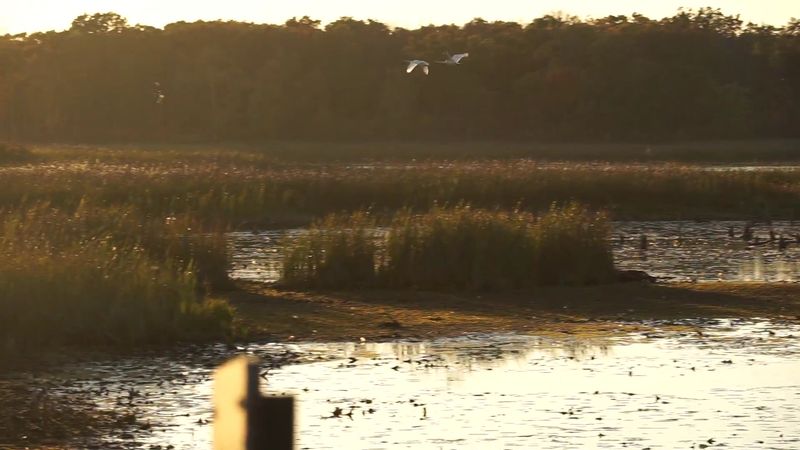
The Mahnomen Trail is the kind of hike that birders quietly recommend to each other like a local secret. At 3.1 miles, it is a manageable loop with a flat natural surface that includes a boardwalk section, and it consistently ranks as one of the best places in the refuge for serious wildlife observation.
Spring and fall migrations transform this trail into a front-row seat for some of the most impressive bird movement in central Minnesota. Warblers, waterfowl, and shorebirds pass through in waves, and the boardwalk section puts you directly over the wetland habitat where much of the action happens.
I noticed on my visit that the trail felt genuinely peaceful even when other people were around, partly because everyone naturally slows down once the birds appear.
The flat terrain makes Mahnomen accessible to families with younger kids and visitors who want a longer walk without a steep challenge. It is worth starting early in the morning when bird activity peaks and the light is soft and golden over the water.
Bring layers because the open wetland areas can be breezy even in warmer months. The trail connects you to different habitat types along the way, shifting from wooded edges to open marsh to prairie fringe.
That variety keeps the walk interesting from start to finish, and it means you are likely to spot multiple species across very different environments in a single outing.
Prairie’s Edge Wildlife Drive And Its Accessible Loops
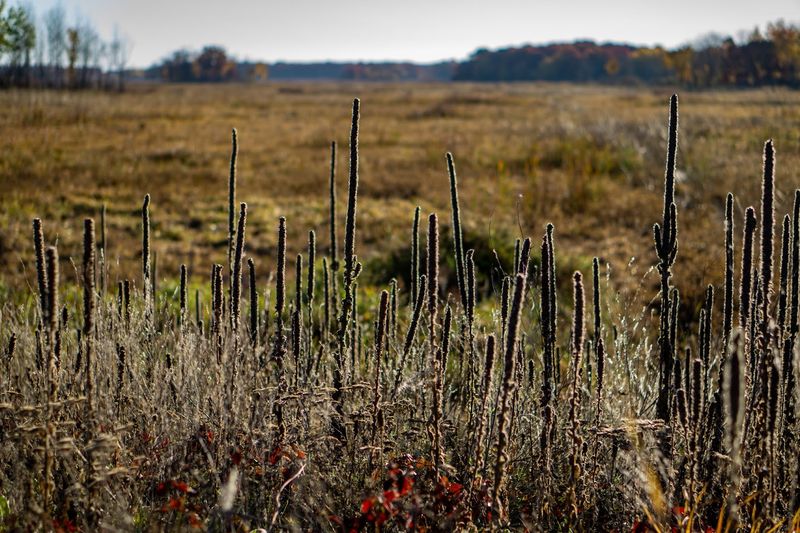
The Prairie’s Edge Wildlife Drive is a 7.3-mile route that doubles as one of the most relaxed wildlife-watching experiences in Minnesota. You can drive it slowly in your car, roll down the windows, and let the landscape come to you.
The drive includes accessible loops with crushed granite and boardwalk sections, and the observation decks along the way give you elevated views over the wetlands.
Each accessible loop ranges from 0.18 to 0.47 miles, making them ideal for a quick stretch or a focused photography stop. The combination of different habitat types along the drive, including wetlands, oak savanna, and prairie openings, means the scenery shifts constantly and keeps things visually interesting throughout.
Wildflowers put on a colorful show during summer, and the reflections off the ponds on a sunny day are genuinely stunning. Multiple visitor reviews mention pulling over repeatedly just to watch waterfowl or catch the light hitting the water at the right angle.
The drive is open even during the seasonal closure period from March through August, when much of the refuge is off-limits to protect breeding wildlife. That makes it a reliable option year-round for visitors who want to see the refuge without committing to a longer hike.
Going slowly is the whole point here. The slower you move, the more you notice, and the more wildlife tends to appear right at the edge of the road as if it has been waiting for you.
The Beaver Lodge Loop And Its Observation Blind
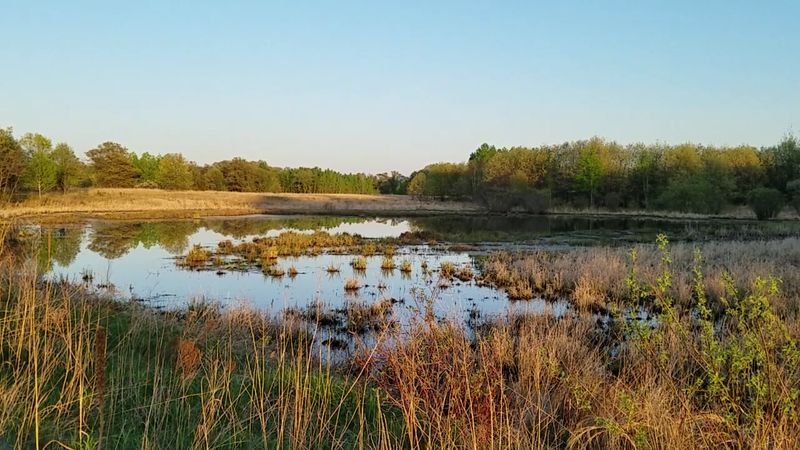
There is something genuinely exciting about approaching an observation blind on a quiet trail, not knowing what is waiting on the other side of those wooden slats. The Beaver Lodge Loop within the Oak Savanna Learning Center Trails is a one-mile accessible path that leads to exactly that kind of moment, and it has become a favorite spot for photographers and patient wildlife watchers.
The loop is part of a 1.6-mile accessible trail system, and the observation blind near the beaver pond is the clear highlight. Beavers are most active at dawn and dusk, so timing your visit around those windows gives you the best chance of catching real activity rather than just a quiet pond.
The blind also provides cover for photographing birds that visit the water’s edge without startling them.
Painted turtles are a common sight along this loop, often stacked up on logs in the sun in a way that looks almost cartoonishly charming. The trail surface is flat and well-maintained, which makes it genuinely accessible for wheelchairs and strollers.
Even on a slow day when the beaver stays out of sight, the surrounding oak savanna habitat has its own quiet beauty. Light filters through the canopy in interesting ways, and the sounds of the refuge, rustling leaves, distant bird calls, water moving through channels, create an atmosphere that is hard to replicate anywhere closer to the city.
Seasonal Timing And What To Expect Each Visit
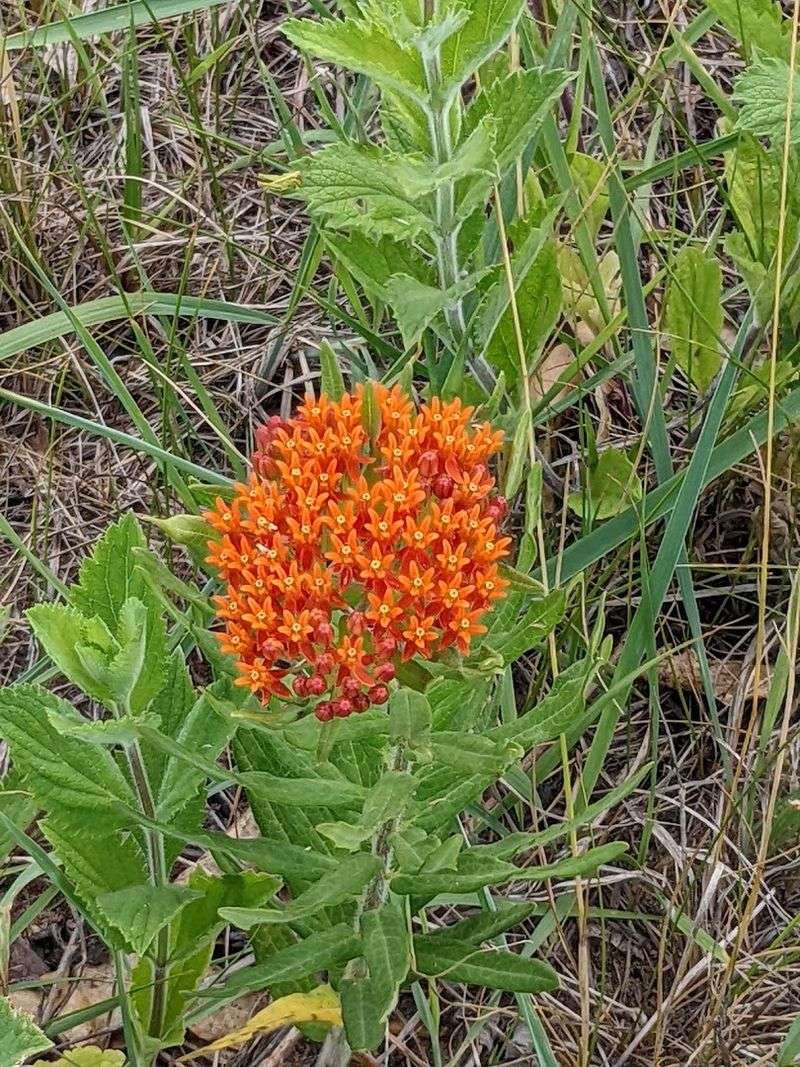
Every season at Sherburne brings a completely different version of the refuge, and that is part of what keeps people coming back year after year. Fall is widely considered the peak season, especially October, when thousands of sandhill cranes fill the wetlands during migration and the surrounding trees shift into full autumn color.
The combination of sound, movement, and color during that window is something that genuinely earns its reputation.
Spring migration runs a close second for birding quality, with warblers, shorebirds, and waterfowl moving through in impressive numbers. The boardwalk sections are especially productive during this period because water levels are higher and bird activity near the marsh edges is constant throughout the day.
Summer brings a different kind of reward. The refuge is lush and green, wildflowers are abundant along the Wildlife Drive, and while a large portion of the refuge is closed from March 1 through August 31 to protect breeding wildlife, the trails and drive remain open.
Winter visits are quieter but surprisingly atmospheric, with raptors hunting over open fields and the occasional bald eagle perched in bare trees. The refuge opens daily from 30 minutes before sunrise to 30 minutes after sunset, and there is no admission fee.
That free access policy means you can come back multiple times across a single season without any financial commitment, which is exactly the kind of setup that turns a one-time visit into a genuine habit.
Practical Tips For Your Boardwalk Visit
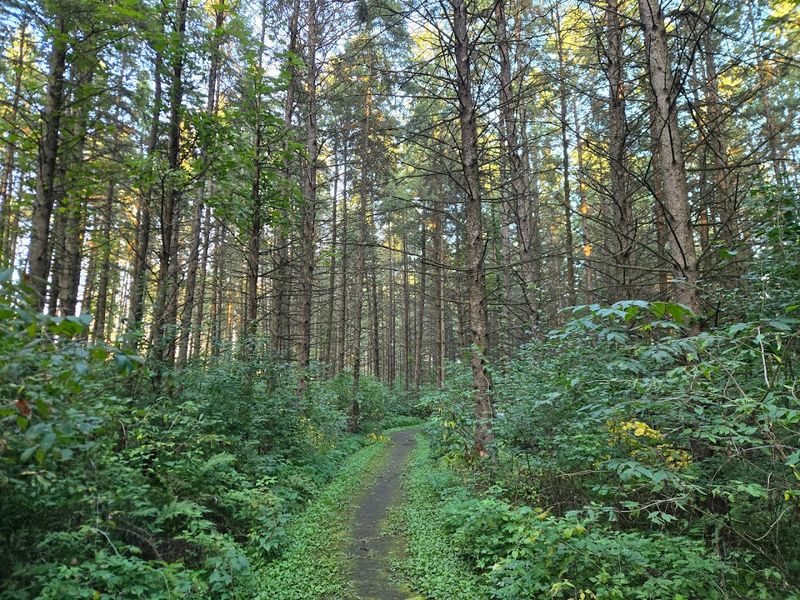
A little preparation goes a long way at Sherburne, especially if you are visiting the boardwalk sections for the first time. Bug repellent is genuinely non-negotiable during warmer months.
Mosquitoes are part of the wetland ecosystem here, and while they do not ruin the experience, skipping repellent will make you regret it within the first ten minutes on the boardwalk.
Binoculars are worth bringing even if you are not a dedicated birder. The observation decks and boardwalk sections regularly put you close to wildlife, but having that extra magnification helps you appreciate details, like the rusty patch on a sandhill crane’s head or the markings on a warbler, that you would otherwise miss entirely.
Mornings and evenings produce the most wildlife activity, so planning your visit around those windows makes a real difference. The refuge address is 17076 293rd Ave NW, Zimmerman, MN 55398, and it is roughly an hour north of Minneapolis, which makes it an easy day trip from the Twin Cities.
Pets are welcome but must be kept on a leash at all times to protect the wildlife. A camera with a zoom lens is worth packing if you have one, since the boardwalk positions you close enough to wetland birds that even a modest zoom produces genuinely impressive shots.
The visitor center and gift shop are worth a stop, and the gift shop is open on Thursdays for anyone looking to pick up something to remember the visit. Address: 17076 293rd Ave NW, Zimmerman, MN 55398.
