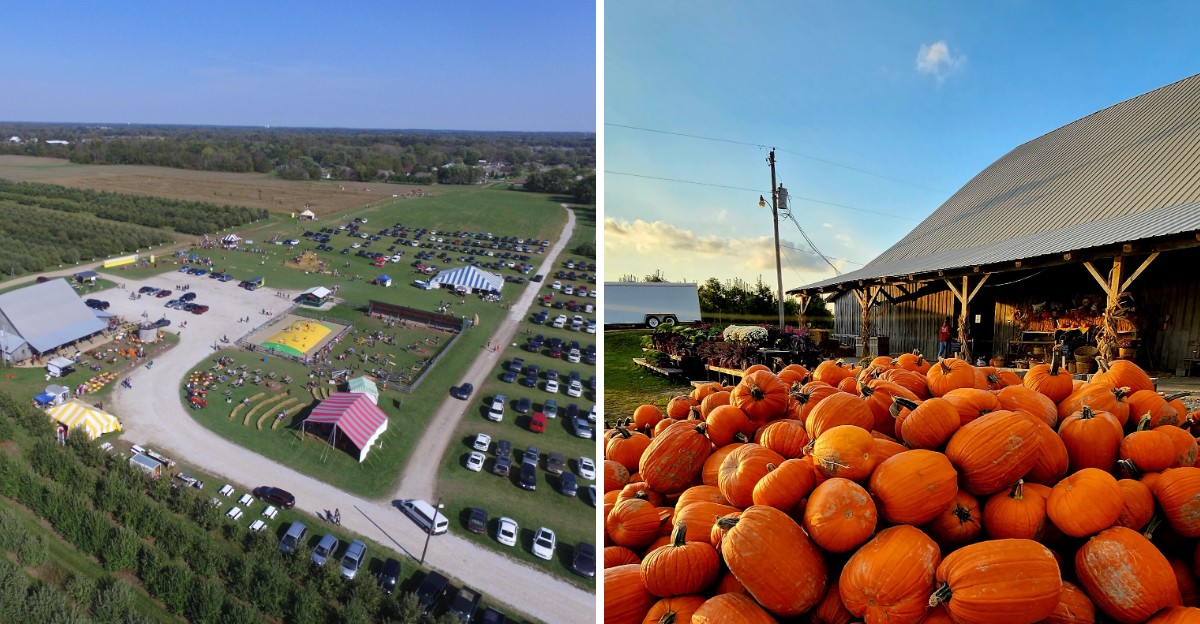
The farm has an answer for every month. That is the problem.
Come in spring, and there are strawberries. Come back later, and there are flowers.
Wait a little longer, and the apples appear. Then the pumpkins arrive and suddenly everybody remembers why fall gets all the attention.
This Indiana family farm has been running that cycle since 1946, building a reputation around the simple idea that something should always be happening. The fields change.
The market changes. The activities change.
The visitors keep returning. Wagon rides, sunflowers, apples, corn mazes, pumpkins, and cold cider drinks give each season its own personality, while the year-round market fills in the gaps.
Three generations have helped keep the farm going, which may be the real secret behind how naturally the whole place feels tied to the calendar.
Groceries Under Civil War Era Beams
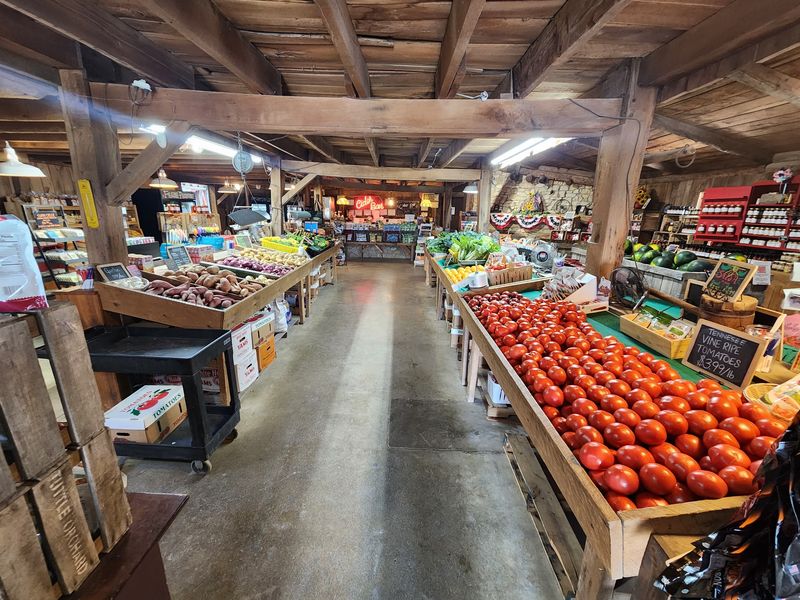
Most grocery stores do not have old peg and beam framing holding up the roof. The Farm Market at Beasley’s does, because it sits inside a barn built around the time of the Civil War.
Long ago the building stored hay and sheltered livestock. The Beasley family restored it in the 1970s, and now the space is packed with crates of produce instead of bales.
The market stays open year-round, so the shelves shift with the calendar. Early summer might bring strawberries and zucchini, while later months fill the bins with sweet corn, peaches, cucumbers, tomatoes, onions, and potatoes.
Then there is the pantry side of things. Jars of jam, jelly, fruit butter, honey, salsa, and sauces line the shelves, and strawberry butter is one of the sweeter surprises.
Baked goods round out the scene. Pies, cookies, and apple cider donuts send a warm, buttery smell drifting between the aisles, which makes leaving empty-handed nearly impossible.
Some families treat the market as their weekly produce run rather than a once-a-year outing. It is an easy swap, since the food is often grown right on the property or sourced from nearby Indiana farms.
A helpful tip is to bring a sturdy tote or two. Between the produce, the jars, and a box of donuts for the ride home, arms fill up faster than expected.
Good luck sticking to the list.
From a Little Red Wagon to 250 Acres
A boy, a red wagon, and a pile of garden tomatoes. That was the whole business plan once, and it worked better than anyone could have guessed.
Milton and Irene Beasley bought the original 80 acres in 1946, back when the land held livestock and grain instead of apple trees. Their son John set up that wagon along US 36 and sold tomatoes to passing drivers, planting the first seed of a farm market.
John later served in the United States Navy before coming home to run the farm. In 1983 he married Debbie Derrickson, whose retail know-how helped the market grow from a roadside stand into a real destination for Hendricks County shoppers.
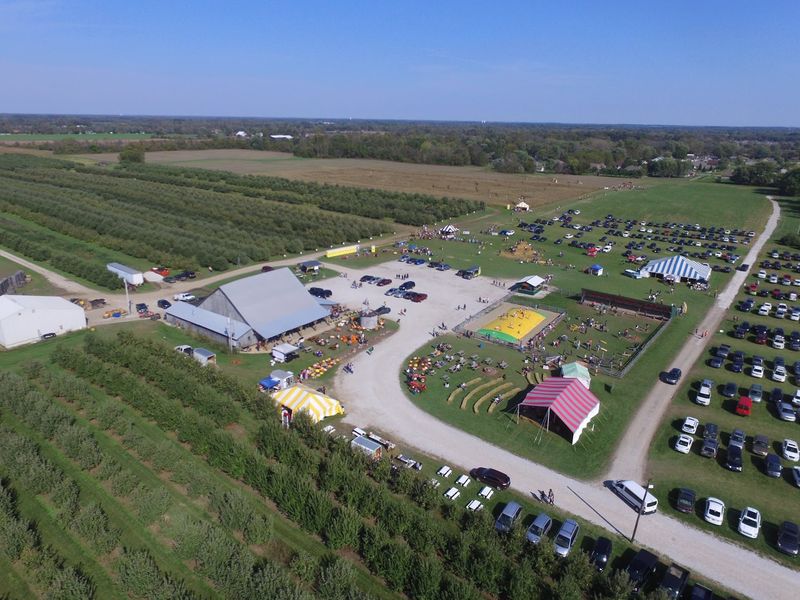
Today the farm covers about 250 acres at 2304 East Main Street in Danville, IN 46122, just a short drive west of Indianapolis. John and Debbie’s son Calvin is part of the third generation keeping things running, which means the same family name has been on the sign for nearly eight decades.
That kind of staying power is rare. Plenty of family farms have faded away or been sold off, yet this one keeps adding new crops, new fun, and new reasons to visit.
A quick tip for history fans is to look closely at the old barn while strolling the grounds. Those small details tell the story of a family that simply never stopped showing up for its neighbors.
Strawberries First, Then Flowers Everywhere
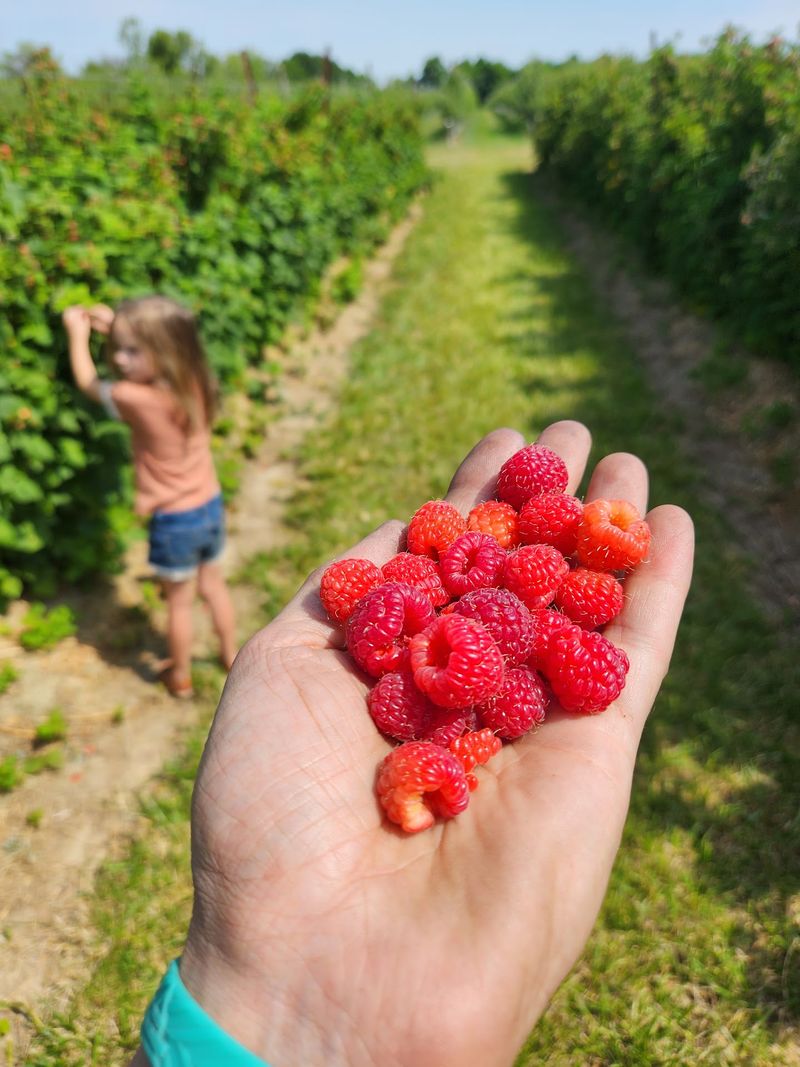
Strawberry juice on fingertips is basically the official start of summer in Danville. From late May through mid-June, a short tractor ride carries pickers out to rows of red berries waiting to be claimed.
Red raspberries follow in June, offering a softer, tangier treat. They bruise easily, so a gentle hand and a shallow container help them survive the trip home.
By mid-June the zinnia field bursts open in pinks, oranges, reds, and yellows. Visitors fill a jar or bucket with as many stems as it can hold, which turns bouquet building into a fun little puzzle.
Sunflowers take the spotlight in July. Their big golden faces tower over small kids and make for some of the best photos on the whole farm, especially on a bright blue afternoon.
A few practical notes can make the day smoother. Summer sun in these open fields is no joke, so pack hats, sunscreen, water, and maybe even an umbrella for shade.
Crops depend on weather, and picking conditions can change from day to day. Checking the farm’s website or social media before heading out saves disappointment.
Also keep in mind that flower field visits come with a field fee, even for those who only want to look. Packing a snack and planning to stay awhile makes that visit feel well spent, and a cold treat from the market afterward never hurts either.
Twenty Kinds of Apples and One Very Big Decision
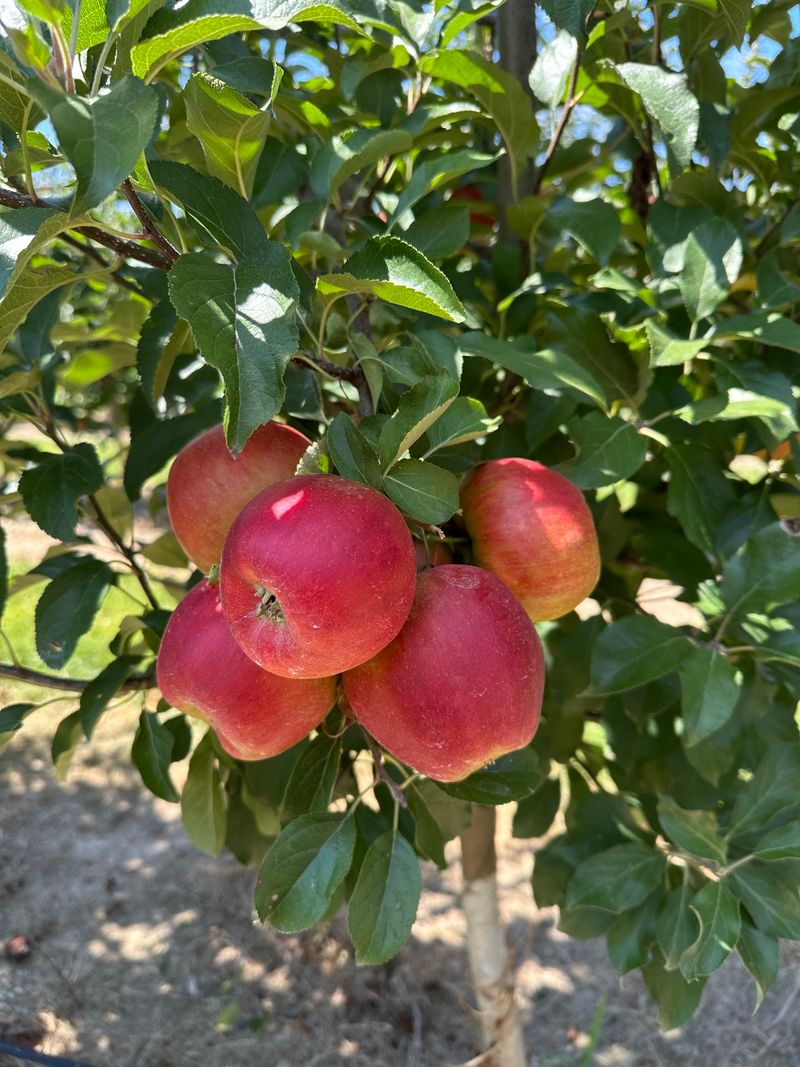
Choosing a favorite apple sounds easy until there are more than 20 varieties hanging within reach. Every September and October, the orchard opens its rows for picking, and the sweet, earthy smell of ripe fruit settles over the trees.
Pickers receive a map showing the names of each variety and which ones are ready. That little sheet of paper is gold, so hold onto it and use it to hunt down new flavors.
Bags come in two sizes. Some apples are tart enough to make a face, others are honey sweet, and comparing them bite by bite is half the fun.
A full bag gets heavy fast. Try filling it from the bottom up with firmer apples, and if a handle gives out, staff members will gladly swap it for a sturdier one.
Across the property, the pumpkin patch runs during the same two months. Hayrides carry families out to the field, where kids wander between vines searching for the roundest, orangest, most perfect jack-o’-lantern candidate.
Spoiler alert, the perfect pumpkin rarely exists. Lopsided ones have more personality anyway, and they carve up just as nicely on the back porch.
Late afternoon visits on weekdays tend to feel calmer than busy festival Saturdays. With fewer people in the rows, there is more time to taste, compare, and linger under the branches before the golden light starts to fade.
Sunday hours start at noon, so plan accordingly.
Apple Cannons, Corn Mazes, and a Giant Jumping Pillow
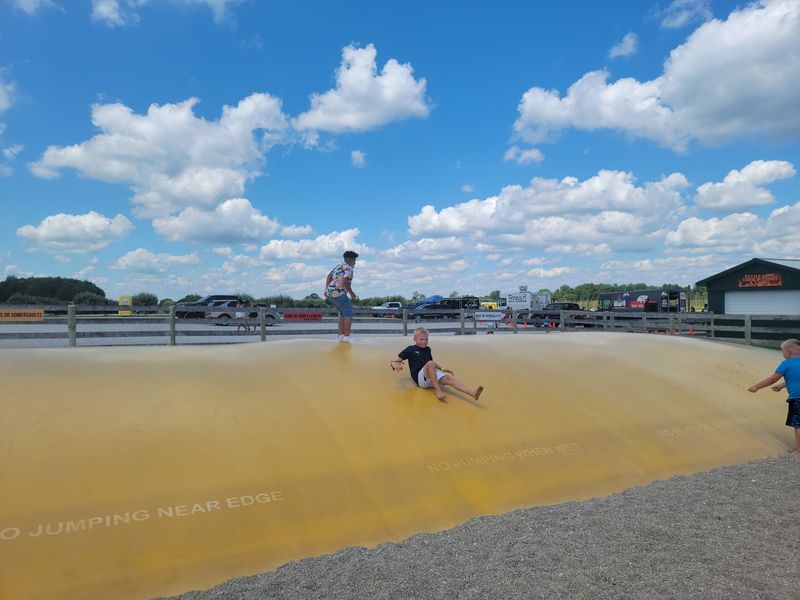
Somewhere out in the fall fields, an apple is flying through the air at a target, and someone is cheering way too loudly about it. Apple cannons are one of the most talked-about attractions at the orchard, and they rarely fail to get a laugh.
From mid-September through early November, the farm hosts seven themed festival weekends. The Heartland Apple Festival lands on the first two weekends of October and tends to be the liveliest stretch of the season.
Plenty happens on regular fall days too. The corn maze gets a brand new theme every year, so even longtime visitors end up turning in circles and giggling at dead ends.
The Barnyard Bonanza area is where younger kids burn off energy. A Jumbo Jumping Pillow, a climbable Straw Mountain, and sports target toss games keep little legs moving for hours.
Festival weekends add live music and food vendors to the mix. Grab a snack, find a hay bale to sit on, and just soak in the noise for a minute.
The grounds are spread out, so parents with toddlers should bring a wagon, stroller, or carrier. Comfortable shoes that can handle dust or mud are a smart call as well.
Activities can vary by day and weather, so a phone call to 317-745-4876 before the trip helps confirm what is running. A visit in the days leading up to Halloween adds an extra layer of spooky, festive cheer.
The Cider That Keeps Winning Awards
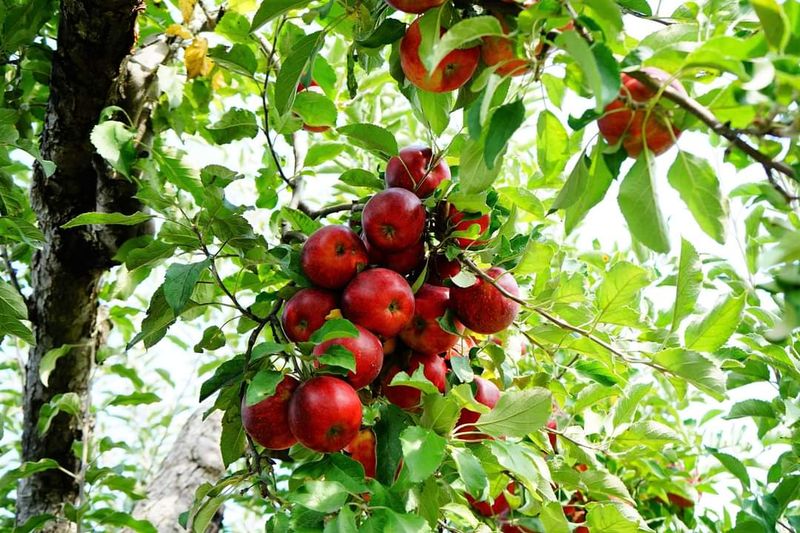
Some farms are known for pies or pumpkins, but this one has a reputation that pours straight from a jug.
Beasley’s apple cider has been named the Best Cider in Indiana multiple times by the Indiana Horticultural Society. That is a big deal in a state with plenty of orchards competing for the same honor.
The good news is that the cider is not just a fall thing. Gallons and half-gallons are sold year-round in the market, so a jug can ride home in January just as easily as in October.
Then come the slushies. These frosty cups of blended cider are easily one of the most popular treats on the farm, and on a sticky July afternoon they feel like a small miracle.
Flavors can rotate with the seasons, and strawberry versions have shown up during berry time. Trying a new flavor each visit is a fun little tradition to start.
When the weather turns chilly, hot cider takes over. Pair a steaming cup with an apple cider donut, and suddenly the drive home seems a lot less urgent.
On occasion, visitors can even catch a peek at parts of the cider-making process, which is a neat bonus for curious kids. Seeing apples turn into something so smooth and golden makes every sip taste a little better.
Bringing a cooler for a full gallon on a warm day is a smart move.
Field Trips, Future Farmers, and the Hayloft Upstairs
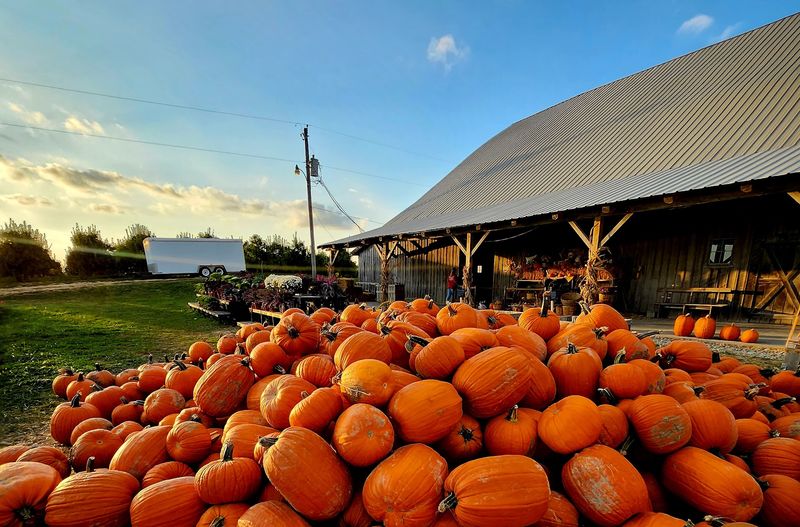
Yellow school buses rolling up the drive are a common sight here during the school year. Thousands of students from central Indiana visit the orchard on field trips, getting an up-close look at where their food actually comes from.
For plenty of kids, it may be the first time they have seen an apple still attached to a branch. That moment of surprise is exactly the point, since it turns a lunchbox snack into something with a real story behind it.
Older learners come too. The farm welcomes Future Farmers of America students during their national convention in Indianapolis, giving young agriculture fans a practical look at how a working orchard runs.
Outside of lessons, the orchard works as a gathering spot for the whole community. Staff members are friendly and quick to help, and the grounds stay clean and well organized even on busy days.
A playground area gives kids a place to run while grown-ups catch their breath. Many families come back several times a year, matching each trip to whatever is growing.
Upstairs in the old barn sits the Hayloft, a rustic space available for private events. Small celebrations feel extra special under those historic wooden beams.
Anyone hoping to book it should reach out to the farm well ahead of time. After all, a place that has been bringing people together since 1946 tends to have a pretty full calendar.
