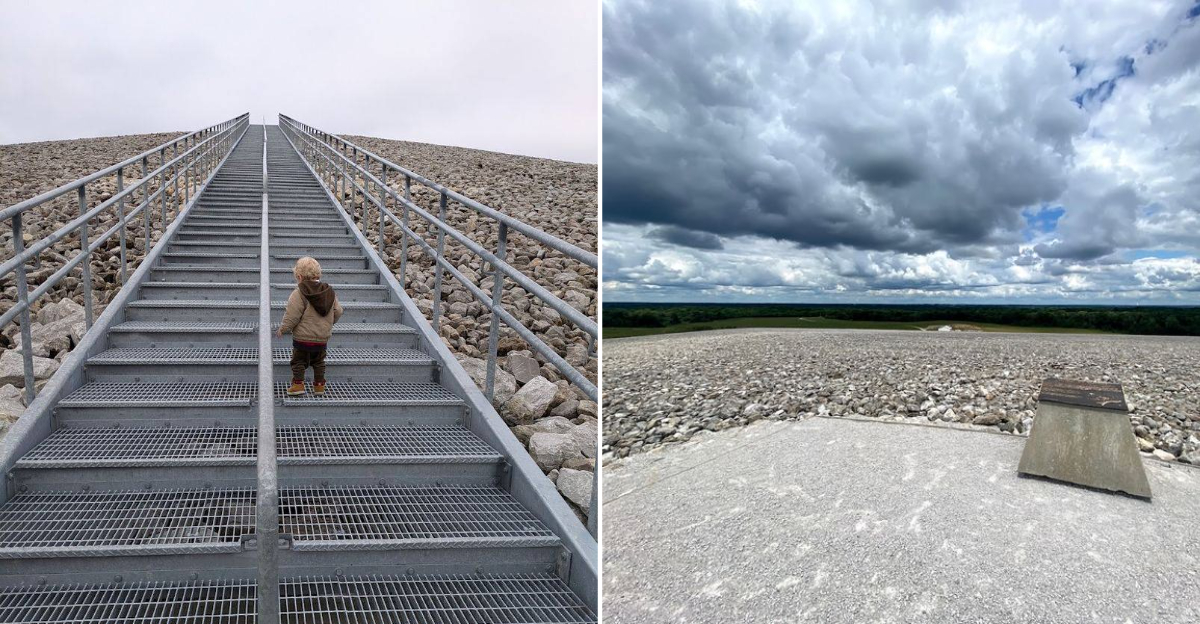
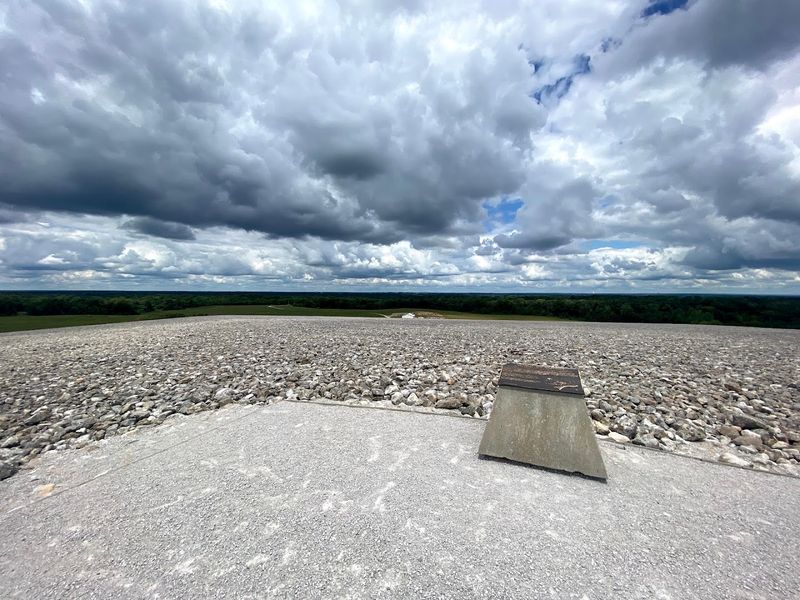
The view is undeniably beautiful, a sprawling patchwork of rolling hills and distant city buildings. Yet the view itself is perhaps the strangest part, because this scenic overlook in Missouri sits atop a sealed, man-made mountain of hazardous material.
You climb a staircase to the top of a massive disposal cell, a forty-one-acre engineered structure that entombs toxic waste from a past era of weapons manufacturing and atomic ambition.
From this vantage point, a series of mounted viewfinders offer a panoramic perspective, putting you in the extraordinary position of enjoying a peaceful vista while standing on the final resting place of the site’s dangerous history.
The Interpretive Center below tells the full story, explaining how the site was transformed from a contaminated relic into a place for education and reflection.
It is a bizarre, thought-provoking, and oddly beautiful spot that challenges your assumptions about what a scenic overlook can be.
The View That Messes With Your Head
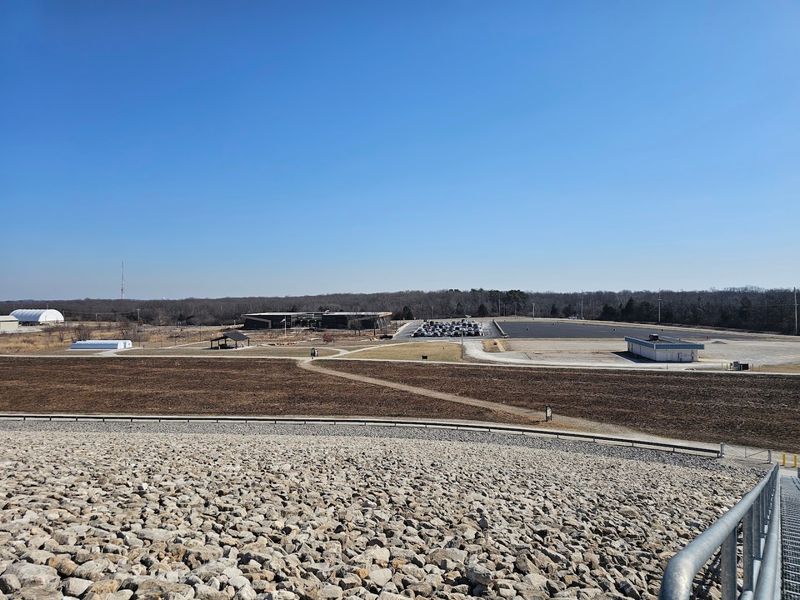
The first thing that gets you is how normal it looks from a distance, which is exactly why the place stays in your head afterward. You walk up expecting a standard overlook, and then your brain catches up with the fact that this huge grassy rise is a sealed disposal cell.
That little shift in understanding changes the whole mood in the best possible way.
From the top, the view opens across prairie, trees, and a big stretch of Missouri landscape that feels calm enough to make you linger. It is quiet in a way that encourages you to look longer than you planned, and the stillness gives the history more room to sink in.
You are taking in something beautiful, but you are also standing over one of the strangest engineering stories in the state.
What I liked most is that the place does not try to hide what it is or soften the truth into something cute. It lets the weirdness stay weird, and somehow that makes the experience feel more honest.
If you enjoy places that leave you with a mix of awe, curiosity, and a slightly tilted sense of reality, this overlook absolutely delivers that feeling.
Where The Story Actually Starts
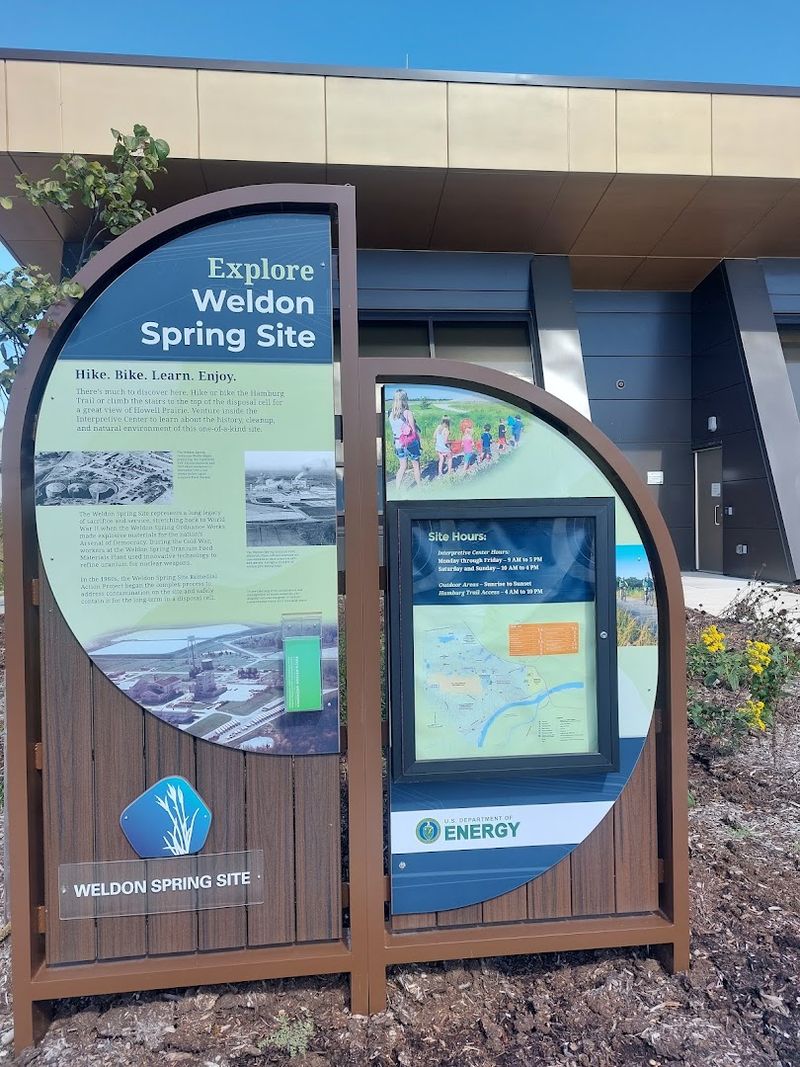
Before you climb anything, start at the Weldon Spring Site Interpretive Center, 7295 Highway 94 South, St. Charles, MO 63304, because it gives the whole place its context. Without that stop, you would still get the view, but you would miss the reason the view feels so unusual.
This is one of those rare cases where the backstory is not extra information, because it is the actual experience.
The center lays out the past in a way that feels clear and grounded, which matters when you are dealing with a site tied to explosives production, uranium processing, and one of Missouri’s most dramatic cleanup efforts. Nothing about it feels pushy or overdone, and that makes it easier to take in the scale of what happened here.
You move through the exhibits and gradually realize that the landscape outside is carrying a lot more history than it first lets on.
I would honestly tell any friend to begin here, even if your real goal is the overlook itself. A few minutes inside changes the walk outside into something sharper, more thoughtful, and a lot more memorable.
By the time you head toward the stairs, you are not just sightseeing anymore, and that makes all the difference.
The Stairs Feel Like A Build Up
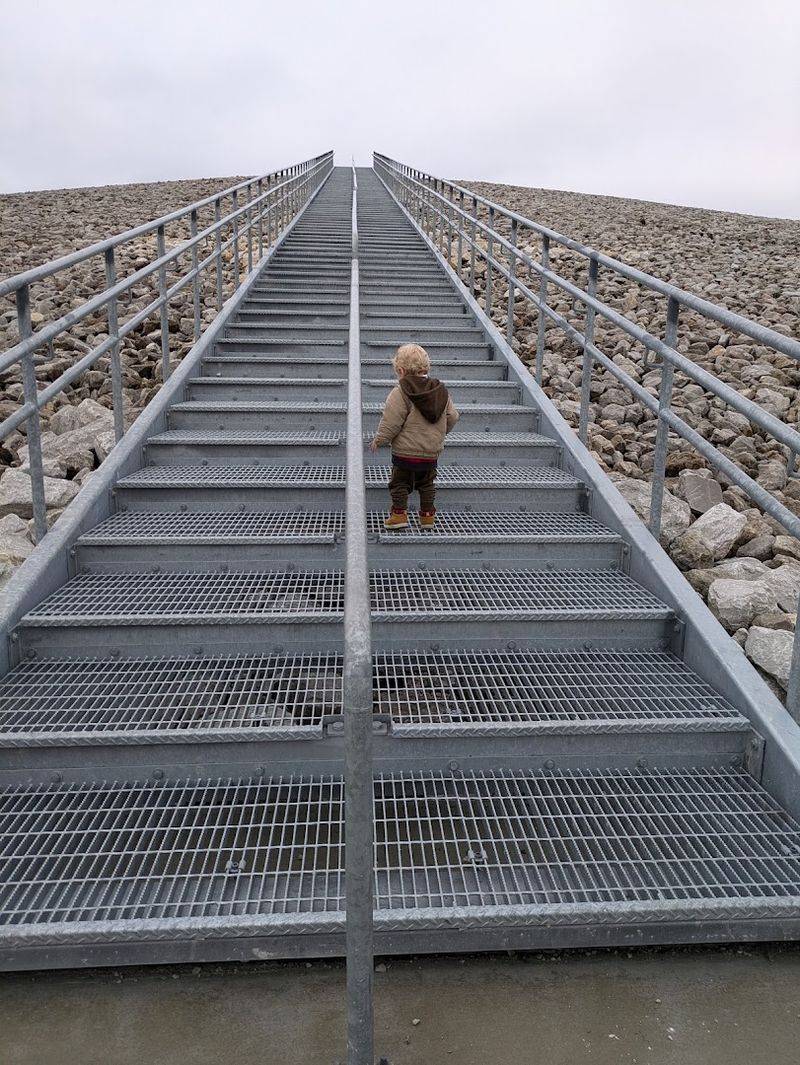
There is something about climbing those stairs that makes the whole visit feel a little more dramatic, even before you reach the top. Maybe it is the steady rise, or maybe it is knowing you are heading up a man made structure with such an unusual purpose.
Either way, the walk gives you a few quiet minutes to think, which this place really rewards.
The ascent is simple, but it never feels ordinary once you know what sits beneath the surface. With every stretch upward, the interpretive center starts to look smaller behind you, and the surrounding land begins to spread out in a way that feels almost cinematic.
You are moving through open air and sunlight, yet the history under your feet keeps nudging the moment in a deeper direction.
I liked that the climb is part of the experience rather than just a way to get somewhere else. It slows you down enough to notice the breeze, the shape of the prairie, and that slightly surreal contrast between gentle scenery and a very serious past.
By the time you get to the top, the overlook feels earned, and the strange beauty of the place lands with a lot more force.
Inside The Former Checkpoint
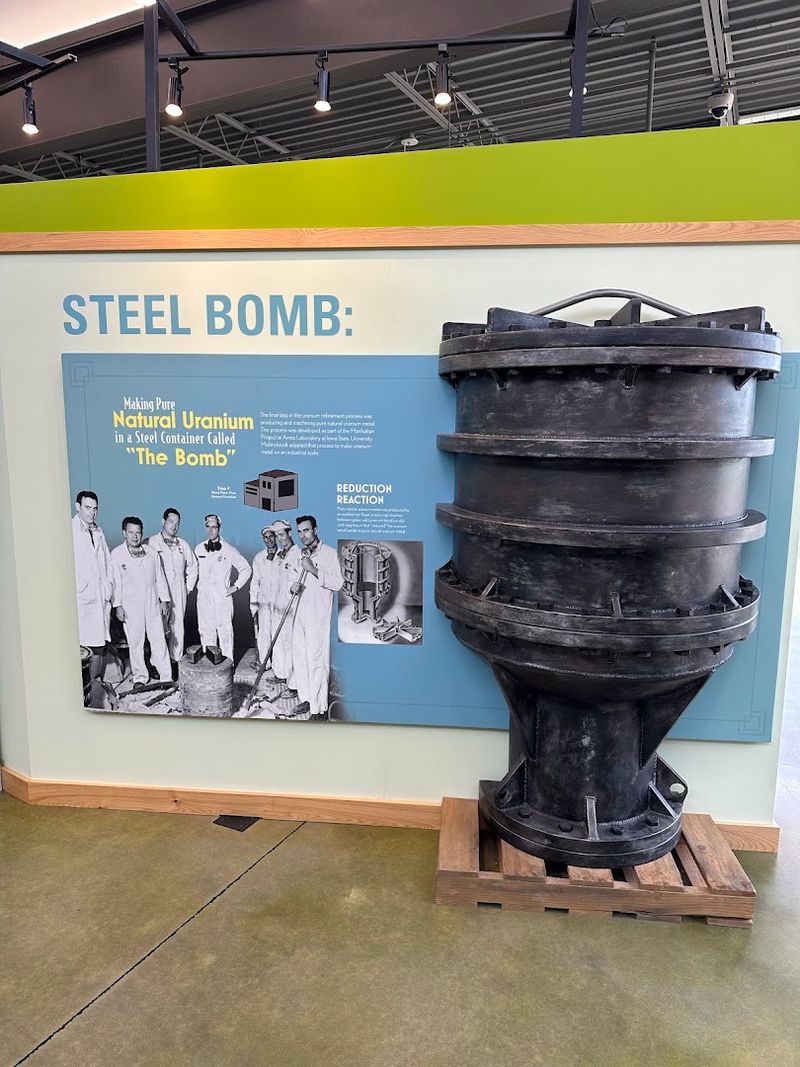
One detail that really stayed with me is that the interpretive center building once had a very different job. It used to be part of the site’s working life, including checks related to radioactivity, and now it helps visitors understand what happened here.
That kind of transformation says a lot about the whole Weldon Spring story without needing any dramatic language.
Inside, the exhibits do a nice job of turning a complicated subject into something you can actually follow. You get the wartime background, the later processing work, the contamination, and the cleanup, all presented in a way that feels direct instead of overwhelming.
I never got the sense that the center was talking down to visitors, which I appreciated more than I expected.
It also helps that the space feels calm and easy to move through, because this is not light material even when it is well explained. You leave understanding that Missouri did not simply preserve a difficult site, but actively reshaped it into something educational and accessible.
That shift from guarded industrial place to public learning space is honestly one of the most fascinating parts of the whole visit.
The Prairie Changes The Mood
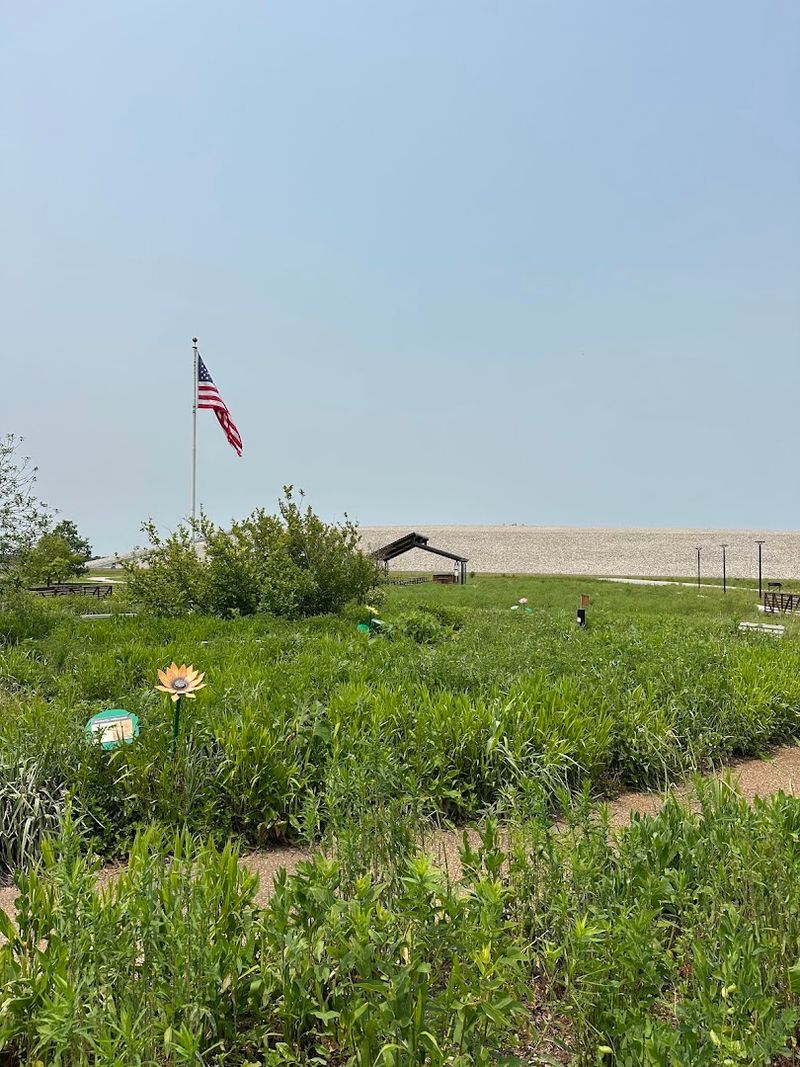
After all the heavy history, the prairie around the site changes the emotional temperature of the visit in a really welcome way. The Howell Prairie area brings in grasses, wildflowers, and a softer sense of movement that makes the whole landscape feel alive again.
You are still thinking about the past, but now you are also noticing birds, wind, and the slow rhythm of restoration.
That contrast is part of what makes this place work so well as a day trip. The site never asks you to forget what happened here, yet it also does not trap you in that story without offering anything hopeful alongside it.
Walking near the prairie, you can actually see how much care has gone into returning a piece of Missouri to something more balanced and resilient.
I think that matters because the overlook could easily feel like a curiosity stop and nothing more. Instead, the surrounding habitat gives the visit a second layer, and that layer is where the place starts to feel unexpectedly moving.
You come for the strange premise, sure, but you leave remembering the way history and landscape are still talking to each other out there.
Trails That Keep The Day Going
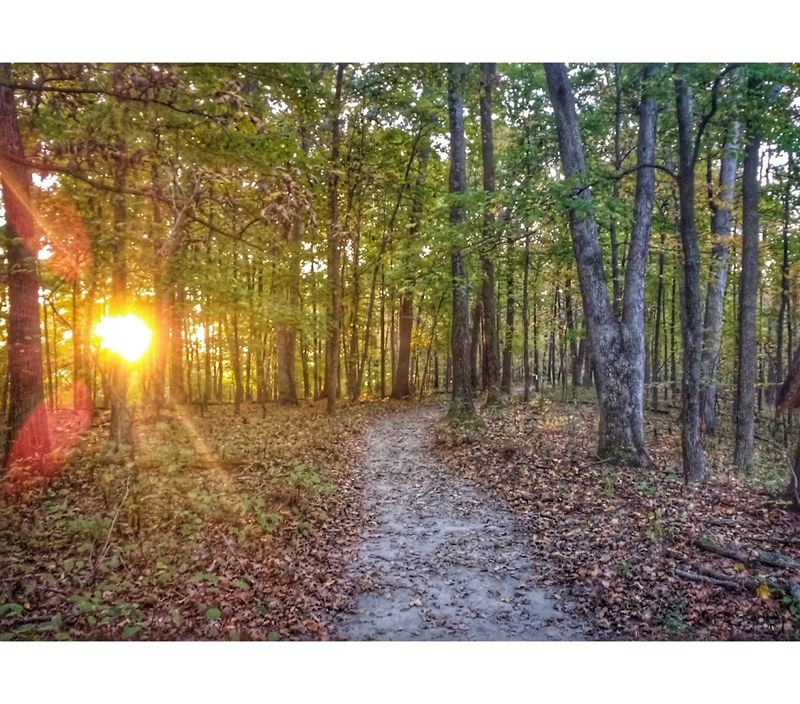
If you are the kind of person who never wants a stop to end after one viewpoint, this place has a nice surprise waiting. Trails around the site let you stretch the visit into more of an outdoor ramble, and that feels right once you have spent time with the exhibits and overlook.
Instead of turning back to the car right away, you get room to keep processing everything while you walk.
The nearby trail connections help the site feel woven into a bigger landscape rather than sealed off as a single attraction. One route follows the old haul road known as the Hamburg Trail, and from there you can link toward other recreation areas and even broader regional trail systems.
That added layer gives the whole experience a little more freedom, especially if you like exploring at an easy pace.
I liked that the walking options never distract from the main story, but they do make the day feel fuller. You can shift from history to scenery without forcing the transition, because the site itself naturally moves between those moods.
By the end, the walk becomes part of how you understand the place, not just something extra tacked on afterward.
It Somehow Feels Peaceful
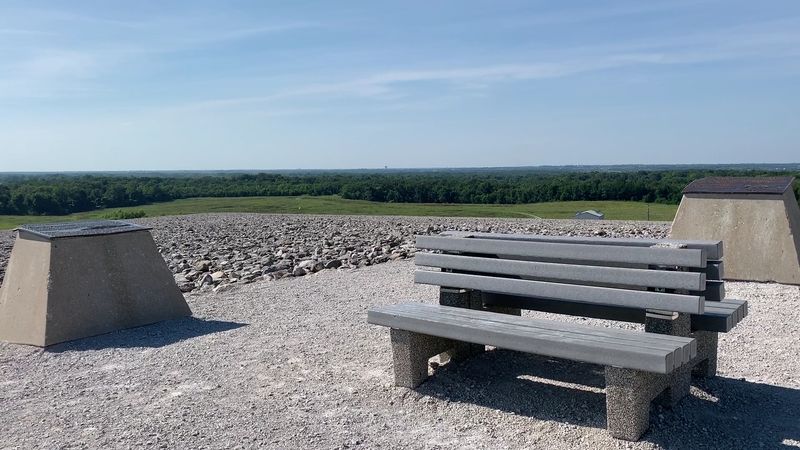
I was not expecting peace to be the word that kept coming to mind here, but that is honestly what happened. For a site with such a weighty past, the atmosphere is surprisingly calm once you settle into it.
The open sky, the careful landscaping, and the distance from everyday noise all work together in a way that feels reflective rather than heavy.
That does not mean the place forgets what it is, and I think that balance is why it works. You are allowed to feel the seriousness of the history without being overwhelmed by it at every moment, which makes the visit more personal and more real.
Instead of pushing an emotion at you, the site gives you space to arrive at your own thoughts.
Maybe that is why I would recommend it even to someone who does not usually seek out science or history stops. This is not about checking facts off a sign and moving on, because the mood of the place does some of the storytelling too.
Missouri has plenty of scenic spots, but very few that let quietness carry so much meaning without saying a word.
Why This Is Worth The Detour
Look, if somebody told me there was a scenic overlook on top of a sealed nuclear waste site, I would probably raise an eyebrow and go anyway. After seeing Weldon Spring for myself, I would tell you the detour is worth it not because it is flashy, but because it is so genuinely unusual.
Very few places manage to be thought provoking, scenic, and easy to explore all at once.
The visit works best when you let it unfold in order, with the center first, then the climb, then a little time outside to let the whole thing settle. That sequence turns a strange fact into a full experience, and it keeps the site from feeling like a novelty stop.
By the time you are done, you have seen one of the more distinctive landscapes in Missouri and understood why it exists.
I came away feeling like this is the kind of place you tell friends about because the story sounds almost impossible until they go see it. It has history, science, prairie views, and that rare ability to make you pause without trying too hard.
If you want a day trip that feels different from the usual script, this one absolutely earns its spot.
