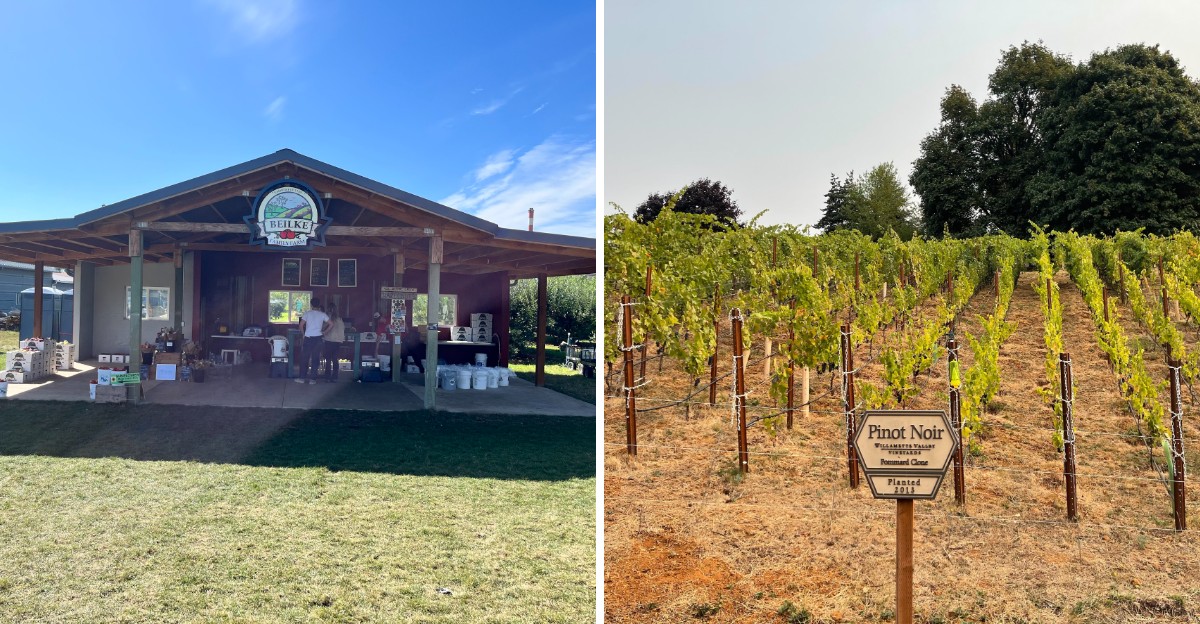
Family farms rarely last this long without eventually selling out or scaling back completely. This one just kept going instead, season after season.
Fields still get worked the same careful way they have for generations, produce arriving fresh without the shortcuts larger operations often lean on to keep up with demand. Shoppers return specifically because that consistency never wavered.
Surviving this long as a family operation takes more than tradition alone. Real adaptation happened quietly behind the scenes too, enough to keep the farm relevant without losing whatever made it special generations earlier.
Few farms earn loyalty spanning this many seasons. Oregon shoppers keep coming back here specifically because something about this place never stopped feeling worth the drive.
An Orchard Hidden Behind An Ordinary Neighborhood
Nobody expects farmland to appear at the end of a suburban street, yet that is exactly what happens here. Houses, fences, parked cars, and then suddenly rows of apple trees stretching toward the horizon.
The transition is quick enough that first-time visitors often slow down, double-check the address, and laugh at themselves once the orchard comes into view. From the road, the property gives away very little.
Drive in, though, and the scale becomes obvious. Wide gravel lanes, clearly marked sections, and produce fields running off in several directions make the place feel far bigger than the entrance suggests.
Located in northeast Salem, the farm sits close enough to town that a visit fits into a normal morning without a long highway drive. That convenience is part of the appeal for local families who return several times a year.
Arriving early tends to be the smartest move. Cooler air, softer light, and quieter rows make the whole experience more relaxed, especially during peak apple weeks in autumn.
Apple Trees Built For Short Arms And Tired Shoulders
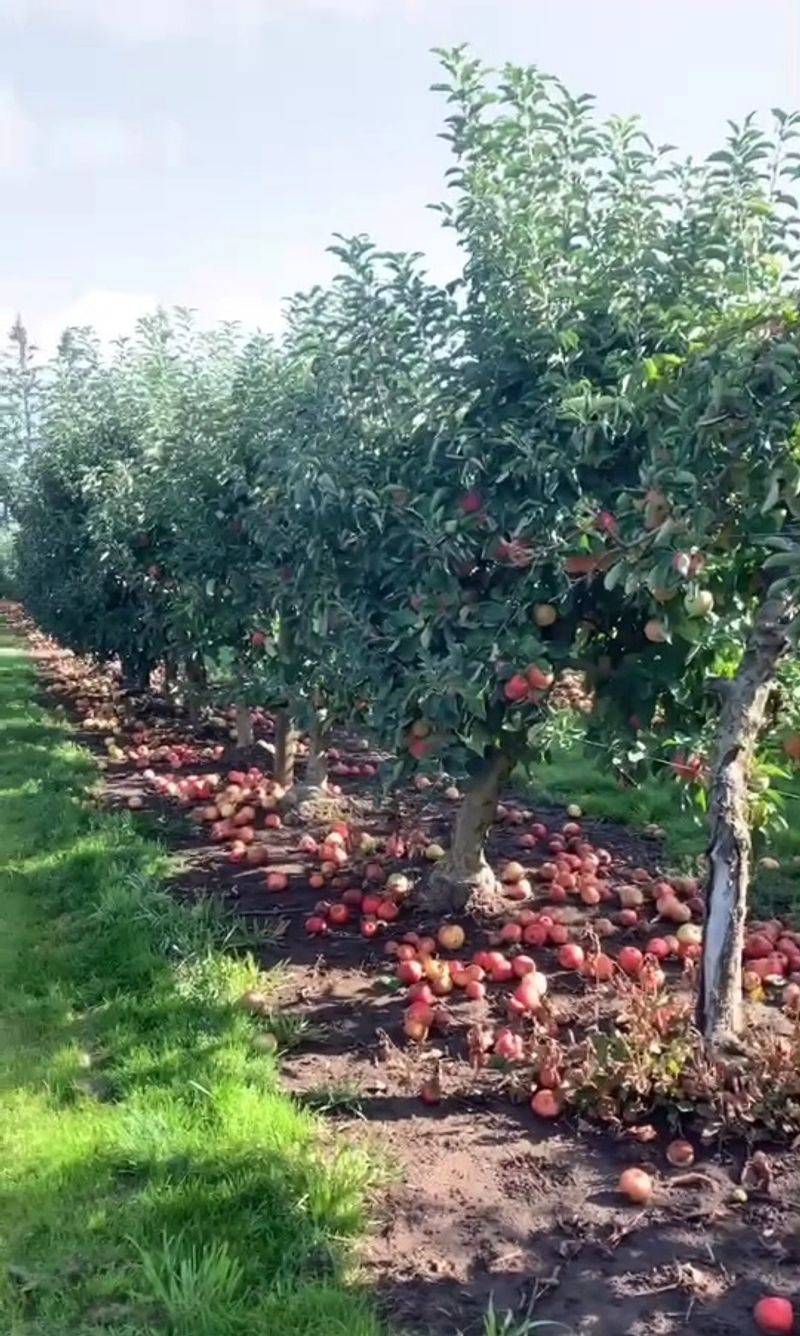
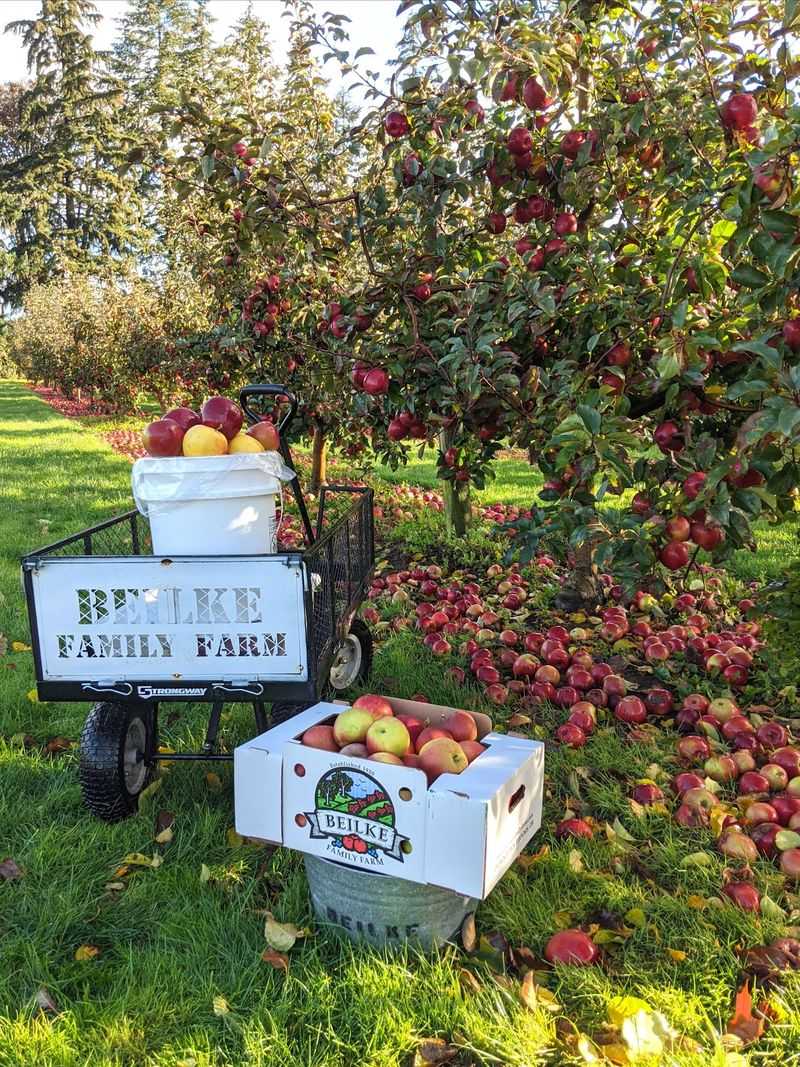
Picking apples usually involves ladders, stretching, and a little bit of risk. Not here. The trees grow low and wide, with fruit hanging at shoulder height or lower, which turns harvesting into something a toddler can genuinely do without help. Parents notice the difference immediately.
Branches are trained close to the ground, so even the fullest sections stay within reach. That design choice makes the orchard unusually friendly for grandparents, small kids, and anyone who would rather not balance on a rung while holding a bucket.
Rows stay clear and walkable, with enough space between trees for wagons to roll through easily. Nothing feels tangled or overgrown.
Fruit quality holds up too, since the trees are clearly maintained with care rather than left to grow wild. Apples come off the branch clean, firm, and ready to eat right there.
Bring a light jacket in October. Mornings in the Willamette Valley can start chilly before the sun burns through, and orchard rows hold onto that coolness longer than you expect.
So Many Apple Varieties You Will Need A Plan
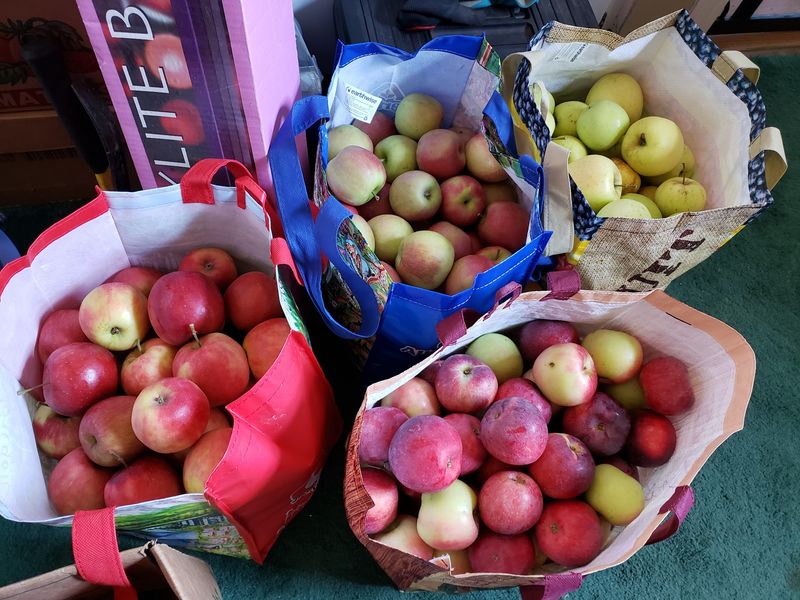
Gala, Fuji, Honeycrisp, and a long list of others rotate through the season, each with its own ripening window. Choosing becomes surprisingly difficult once you realize how different they taste.
Helpful signage solves that problem. Charts near the entrance explain which varieties are ready, which ones bake well, which turn into smooth applesauce, and which are best eaten straight from the tree.
Visitors who know nothing about apples leave knowing quite a bit. The educational boards spark real conversations, especially with curious kids who want to know why one apple is streaky red and another is almost yellow.
Fuji tends to win over sweet-tooth shoppers, small and dense and honey-flavored. Bakers usually reach for firmer, tarter types that hold their shape in a pie.
Timing matters. Early autumn brings certain varieties, mid-October brings others, and a single visit rarely covers everything available across the full season.
Mixing a bucket is allowed, which is the smartest approach for anyone who wants variety at home without committing to twenty pounds of one kind.
Wagons, Buckets, And A Pay Station That Keeps Things Simple
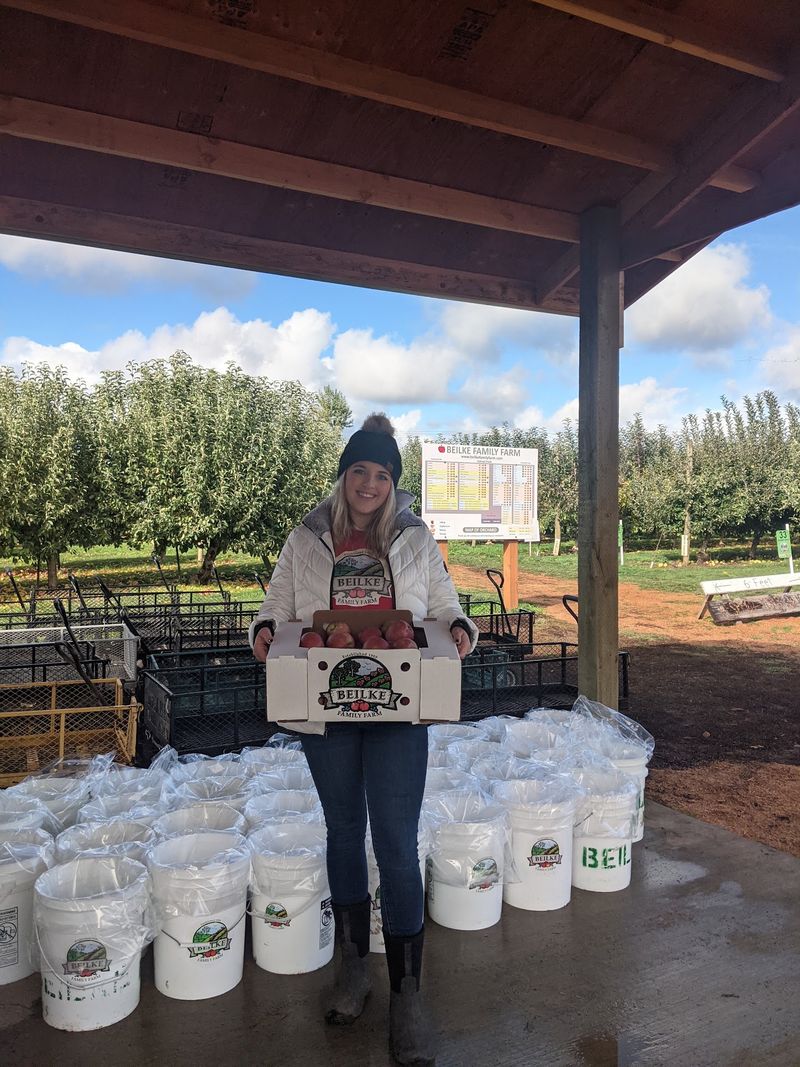
Logistics can ruin a farm visit fast. Here the system runs smoothly enough that you barely think about it.
Grab a wagon and a bucket at the pay station, head into the rows, fill whatever you want, then roll back and have everything weighed. Cards and cash are both accepted, which removes the usual scramble for bills.
The wagons deserve a mention of their own. Kids love riding in them, then love pulling them even more once the apples pile up, and the sturdy wooden build handles gravel lanes without complaint. Buckets come clean and dry, not cracked or muddy. Small detail, big difference.
Staff at the weighing station handle the process quickly and cheerfully, answering questions about varieties or field locations without rushing anyone along.
Bags are available too, which helps when you are mixing tomatoes, peppers, and flowers into one haul. Everything about the setup feels designed by people who have watched thousands of visitors figure out the same routine.
Tomato Rows That Reward Anyone Without A Garden
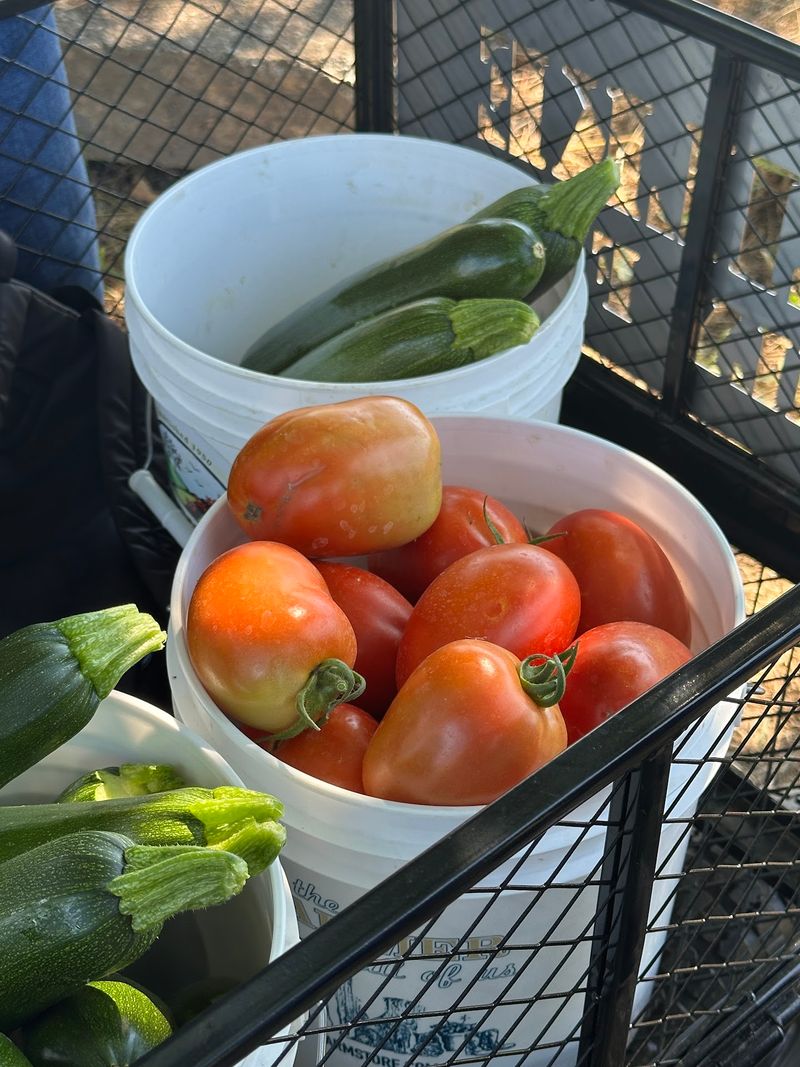
Late summer belongs to the tomatoes. Beefsteak, roma, and cherry varieties fill the rows, and picking them is oddly addictive once you start.
For anyone whose backyard attempts have failed, this section feels like redemption. Plants here are heavy with fruit, ripening in staggered waves that keep the harvest going for weeks.
Cherry tomatoes rarely make it home intact. Kids eat them like candy straight off the vine, warm from the sun and bursting sweet.
Romas suit sauce and canning projects, while big beefsteaks slice thick for sandwiches. Soup makers tend to load entire buckets and plan their weekend around the batch.
The rows stay tidy, mulched, and easy to walk, which matters when you are crouching to reach lower clusters. No tangled jungle to fight through.
Timing tip worth remembering: September usually brings the fullest tomato selection alongside peppers and zucchini, so combining a tomato run with early apple picking makes for an efficient, very full wagon.
Cut Your Own Flowers While The Bees Work Beside You
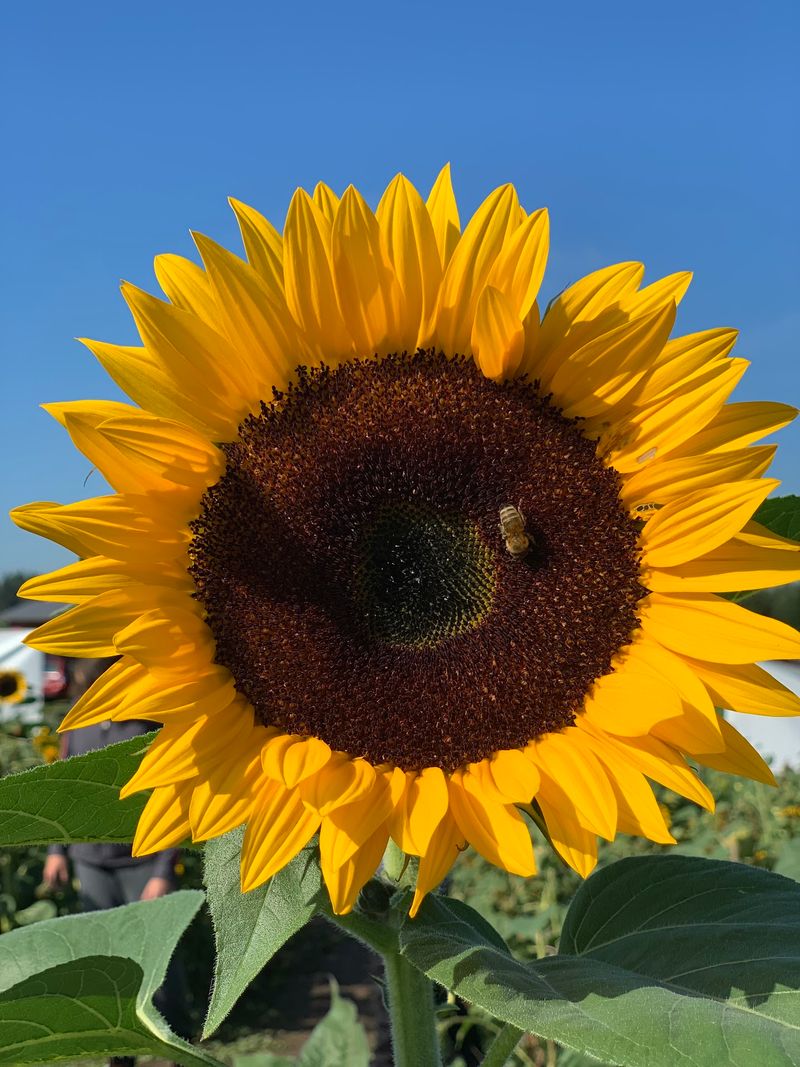
Color hits you before anything else in the flower field. Rows of blooms stand tall and healthy, buzzing with honeybees that seem entirely unbothered by visitors.
Cutting your own bouquet turns into one of those small pleasures that lingers. You wander, compare stems, change your mind twice, and walk out holding something nobody else has.
Sunflowers draw the biggest crowds, especially when a maze is planted among them. Photographers love that section for obvious reasons. Zinnias and other cheerful varieties fill in around them, offering plenty of choice for anyone building a mixed arrangement for the kitchen table.
Watching pollinators move between blossoms adds a quiet layer to the visit. The field genuinely hums. Bring scissors if you prefer your own, though tools are generally available. And plan for a slower pace here, because rushing through a flower field defeats the point entirely.
Fresh bouquets also make thoughtful gifts, which explains why so many visitors leave with two bundles instead of one.
Pumpkin Fields That Turn October Into An Event
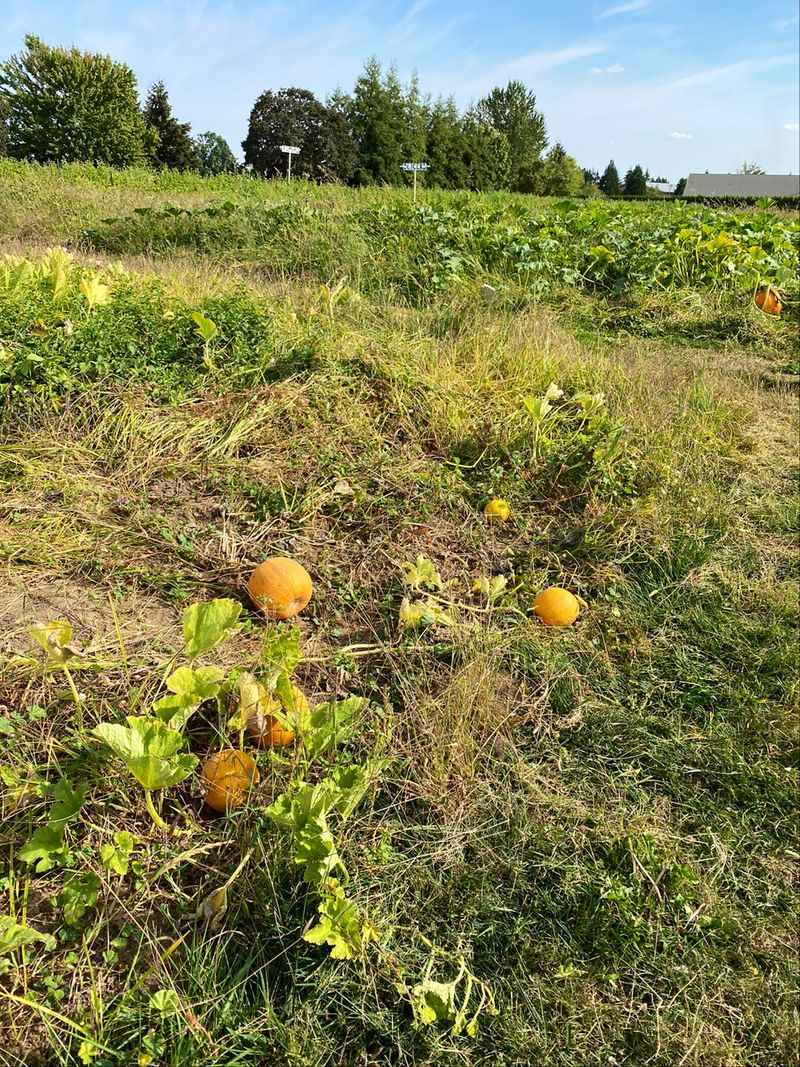
October changes the mood completely. Pumpkins appear across the field in messy orange clusters, alongside gourds in strange shapes and speckled patterns. Families who came for apples in September often circle back a few weeks later just for this.
Choosing a pumpkin becomes a serious negotiation among kids, who all want the biggest one and then discover they cannot lift it. That is what the wagons are for.
Smaller decorative varieties work well for porch displays and table arrangements, while the classic round ones head straight toward carving night. The patch sits close enough to the main area that hauling everything back is manageable, even with a full load of apples already in tow.
Autumn light in the Willamette Valley does something lovely to an orange field, particularly on those slightly overcast afternoons when the colors deepen. Go on a weekday if possible. Weekend October crowds arrive early and stay long, which is completely understandable.
A Clean, Organized Farm That Actually Feels Welcoming
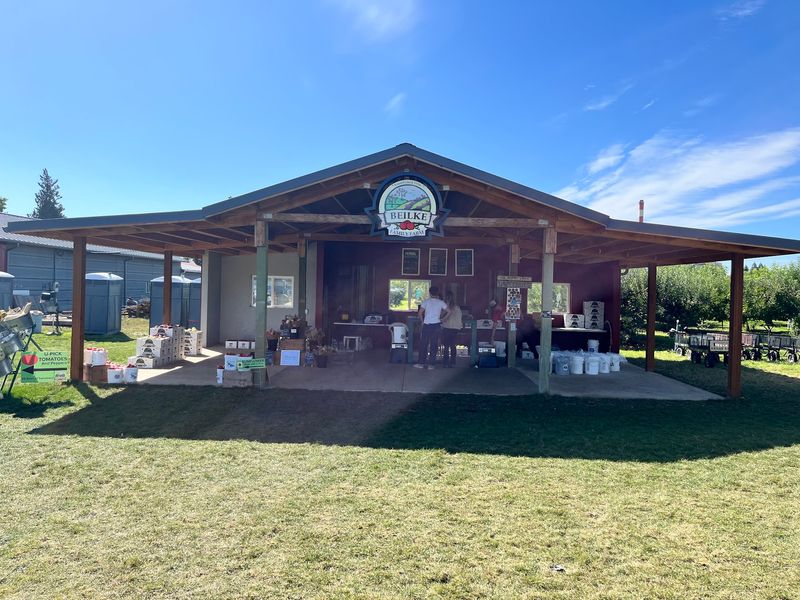
Tidiness is not usually the first thing people praise about a farm, yet it comes up constantly here. Paths stay raked, signs stay readable, and equipment sits where it belongs.
That organization makes a real difference for strollers, wagons, and anyone with mobility concerns. Gravel lanes are firm and level rather than rutted. Restroom access, clear parking, and marked field entrances remove the guesswork that can make u-pick visits stressful for first-timers.
Staff members greet arrivals, point toward whatever is ripe that week, and answer questions without making anyone feel like a nuisance. The friendliness registers immediately.
Owners respond thoughtfully to visitor feedback, which suggests genuine attention rather than routine. Small courtesies stack up.
Hours run from eight in the morning until six most days, with a later eleven o’clock opening on Sundays, so planning a visit around a school schedule or a lazy weekend is straightforward.
Honey, Pears, And Other Finds At The Farm Stand
Picking is only half the story. Near the entrance, a stand offers local goods that round out whatever you gathered yourself. Jars of honey sit alongside seasonal produce, and plenty of visitors admit that a couple of jars mysteriously end up in the car every time.
Pears show up in season, joining peppers, jalapeños, cucumbers, zucchini, and watermelons depending on the month. Some of those can be picked yourself, others come pre-selected.
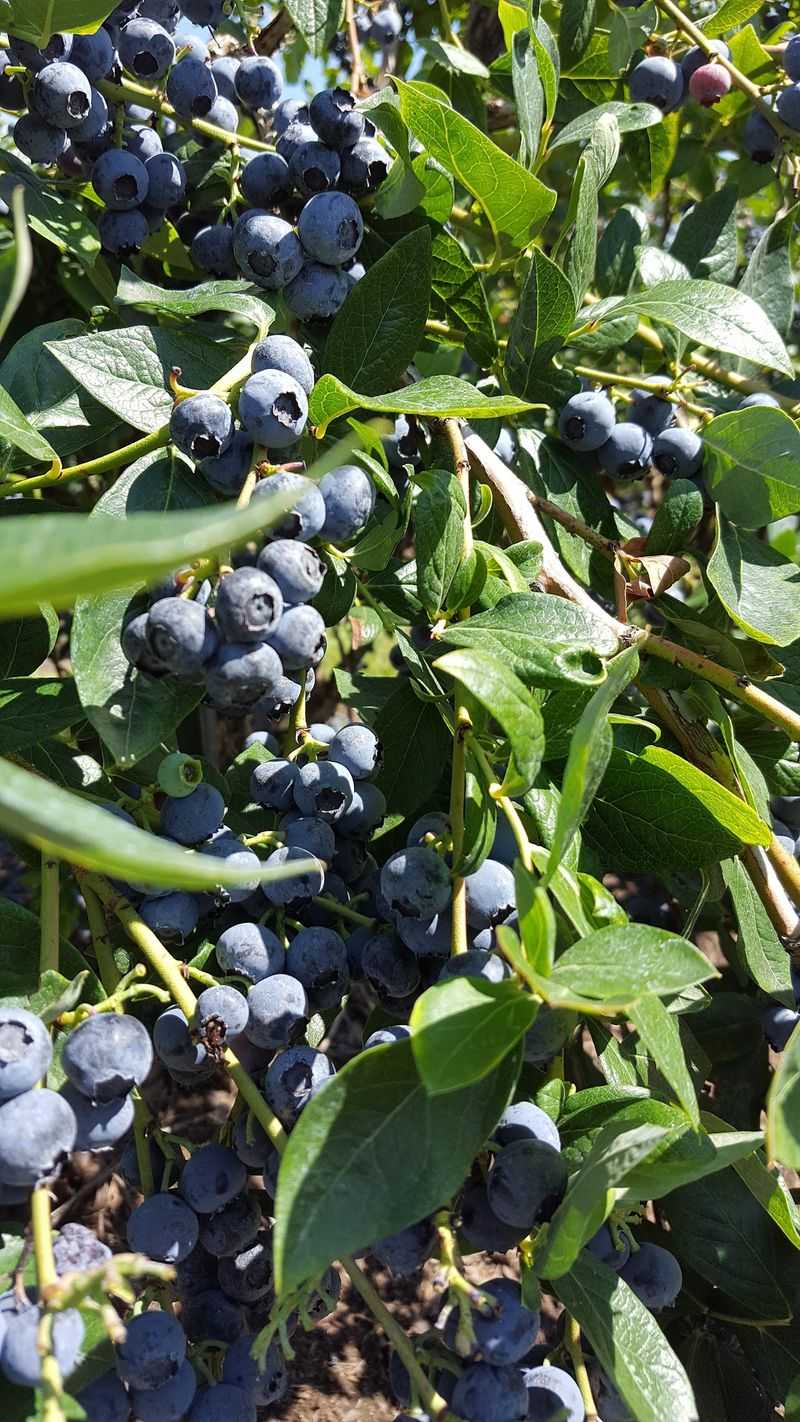
Blueberries have appeared in past summers, plentiful across rows of bushes for anyone visiting earlier in the year. The mix shifts constantly, which is exactly why regulars keep coming back rather than treating it as a once-a-year stop.
Watermelon is the sleeper hit. Choosing your own from the field feels unnecessarily satisfying, and the selection near the stand saves time for anyone in a hurry. Budget a few extra minutes at the end of your visit. Browsing the stand always takes longer than planned.
Why Families Keep Coming Back Year After Year
Traditions form quietly. One visit becomes an annual thing, then a twice-yearly thing, then something the kids start asking about in August. Grandparents bring grandchildren. Parents recreate trips they took themselves. The orchard collects those repeat visits the way it collects seasons.
What keeps people returning is not any single attraction but the combination of it all, low branches, friendly staff, shifting harvests, and the simple pleasure of doing something outdoors together.
Caramel apples, homemade cider, and gift baskets for teachers tend to follow a good picking day. The haul turns into projects at home, which stretches the experience well past the drive back.
Nothing here feels overproduced or gimmicky. It is a working farm that happens to welcome visitors warmly.
To find it, aim for 4925 Rockdale St NE, Salem, OR 97305, trust the GPS even when the neighborhood makes you doubt it, and give yourself a full morning. Bring cash or a card, an appetite, and space in the trunk.
