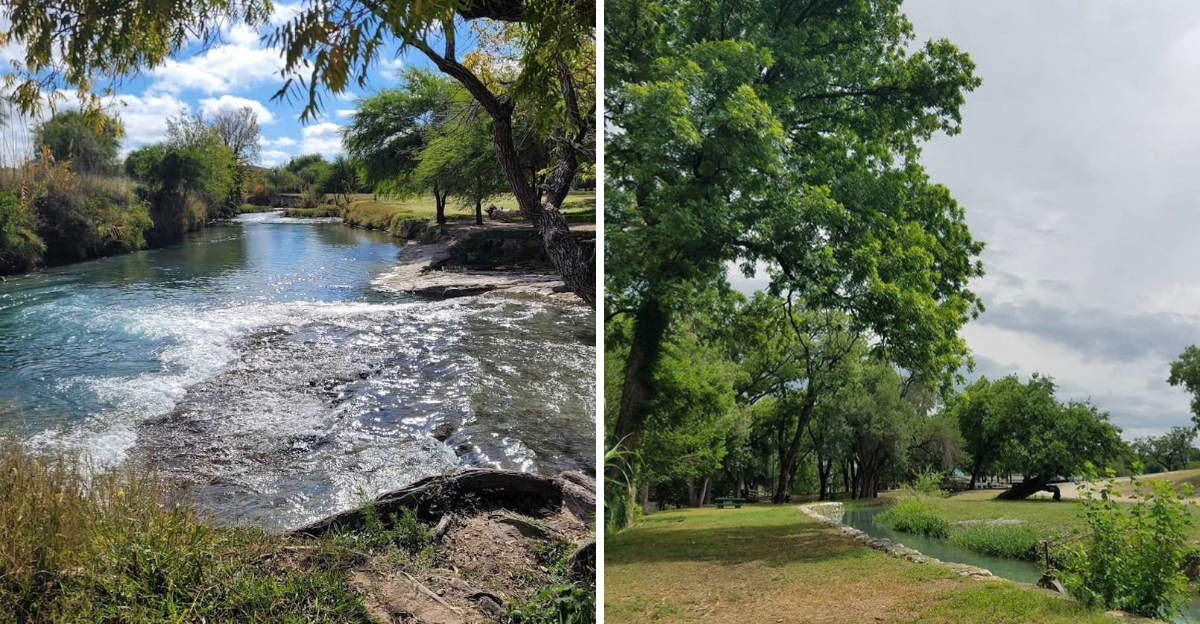
Natural spring water that stays cool and clear no matter the season. That is the draw of this Texas park.
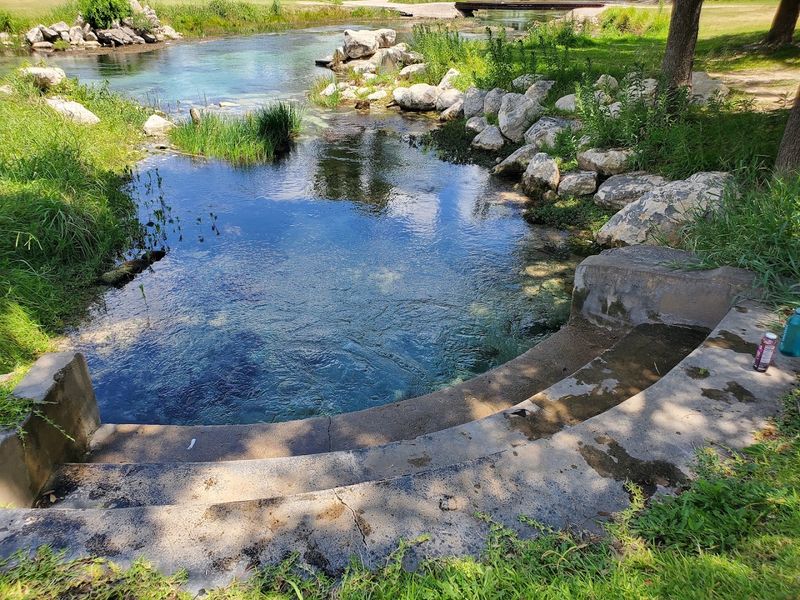
The springs feed a swimming area that feels like a reset button for the soul. In summer, it is a welcome relief from the heat.
In winter, it is a quiet spot to take in the beauty of the surrounding landscape. The park is simple, not overdeveloped, with plenty of shaded areas to sit and relax.
You can swim, float, or just dip your feet in the water and watch the world go by. It is the kind of place where you can spend an hour or an afternoon and leave feeling refreshed.
The drive is worth it. The water is worth it.
And the peace you find here is hard to beat.
A Glimpse into the Past, San Felipe Springs’ Storied History
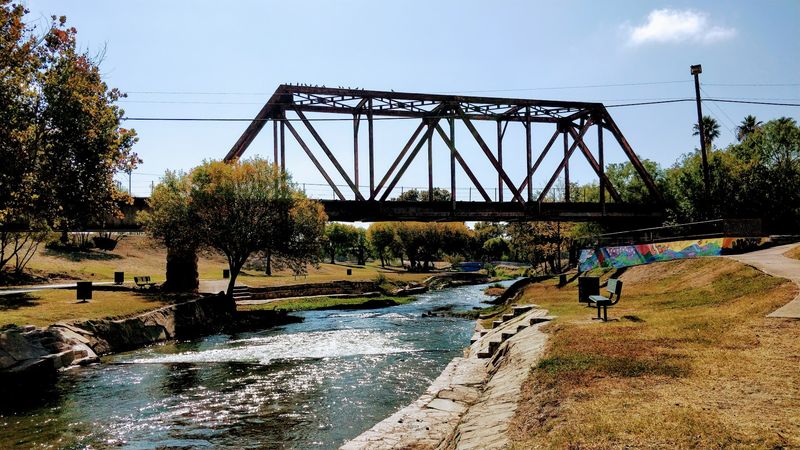
Few swimming spots in Texas come loaded with this much history. San Felipe Springs has been a recognized landmark since 1542, when early explorers first documented its existence as a vital source of water in an otherwise unforgiving landscape.
That is not a typo. This spring has been welcoming weary travelers for nearly five centuries, and the layers of history here are genuinely staggering.
Priests in 1675 gave the seven distinct springs their name, honoring the King of Spain. Comanche warriors camped along these banks during the 18th century as they traveled war trails into Mexico.
Cavalry units, stagecoaches, and freighters all depended on these waters throughout the 1800s, making the springs a strategic and symbolic landmark for the entire region.
A mission was established a few miles downstream along San Felipe Creek in 1808. Later, the springs became a key stop along the San Antonio-to-San Diego mail route and the Chihuahua Road, which carried precious metals northward from Mexico.
The sheer range of people who have relied on this water source across the centuries is humbling.
When settlers arrived in 1864, they dug the Mother Ditch for irrigation, an act that directly gave rise to the founding of Del Rio itself. Historical markers scattered throughout the park help tell these stories, grounding each visit in something much bigger than a casual afternoon swim.
I found myself reading each one slowly, genuinely moved by the weight of what this place has witnessed.
Nature’s Year-Round Embrace, Cool Waters in Every Season
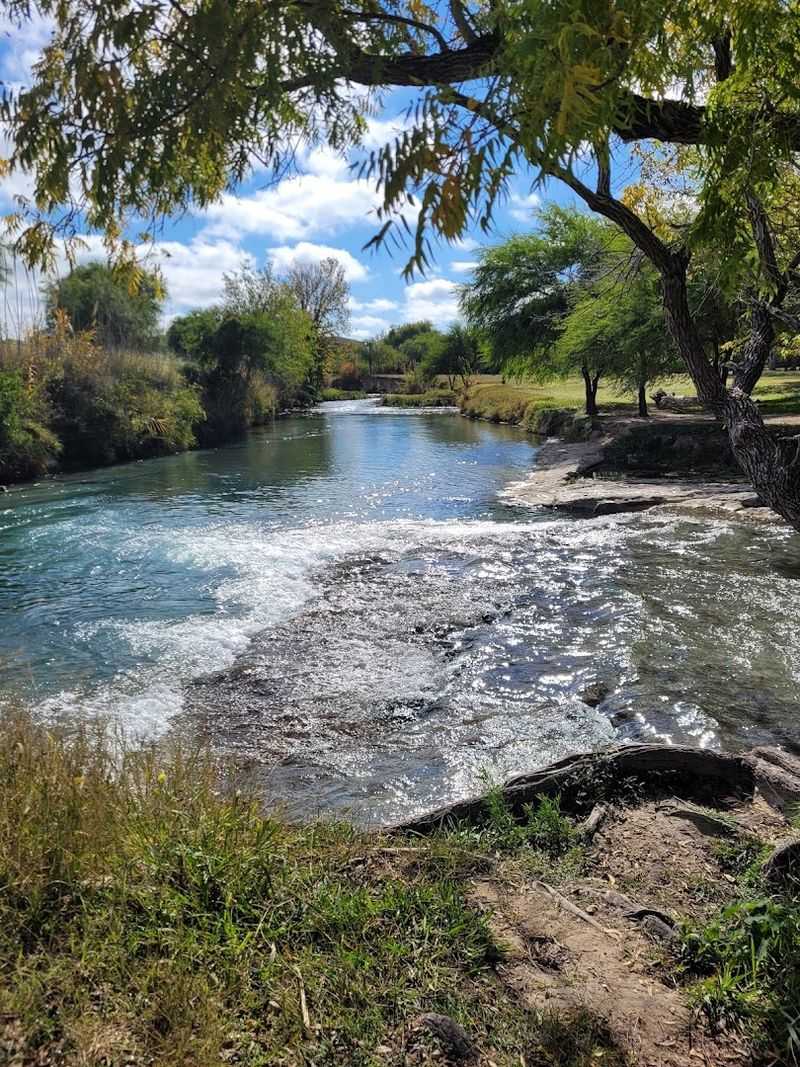
The consistency of this place is what genuinely sets it apart from other Texas swimming destinations. San Felipe Springs is recognized as one of the largest springs in the state, with some records placing it as the third or fourth largest in Texas.
That kind of volume means the water never stops flowing, never warms up to that lukewarm disappointment you find in most summer swimming holes.
The temperature stays refreshingly cool no matter how brutal the afternoon gets. I arrived on a day when the air felt like standing next to an oven, and the moment my feet touched the water, I actually laughed out loud.
That involuntary reaction said everything about how genuinely cold and invigorating the spring water feels.
What makes this even more remarkable is that the coolness is not seasonal. Unlike rivers that heat up by July or reservoirs that fluctuate with rainfall, San Felipe Springs draws from deep underground sources that maintain a steady, reliable chill year-round.
Winter visitors still find the park worth exploring, whether they swim or simply walk the creek edges and enjoy the peaceful surroundings.
The springs feed roughly ten openings scattered over about a mile alongside San Felipe Creek, creating an expansive and varied water landscape. Each section has its own character, some deeper and calmer, others shallower and sparkling in the sunlight.
It genuinely feels like a different world exists right here along the creek, hidden in plain sight within an otherwise sun-scorched part of Texas.
A Lush Green Corridor Cutting Through Desert Terrain
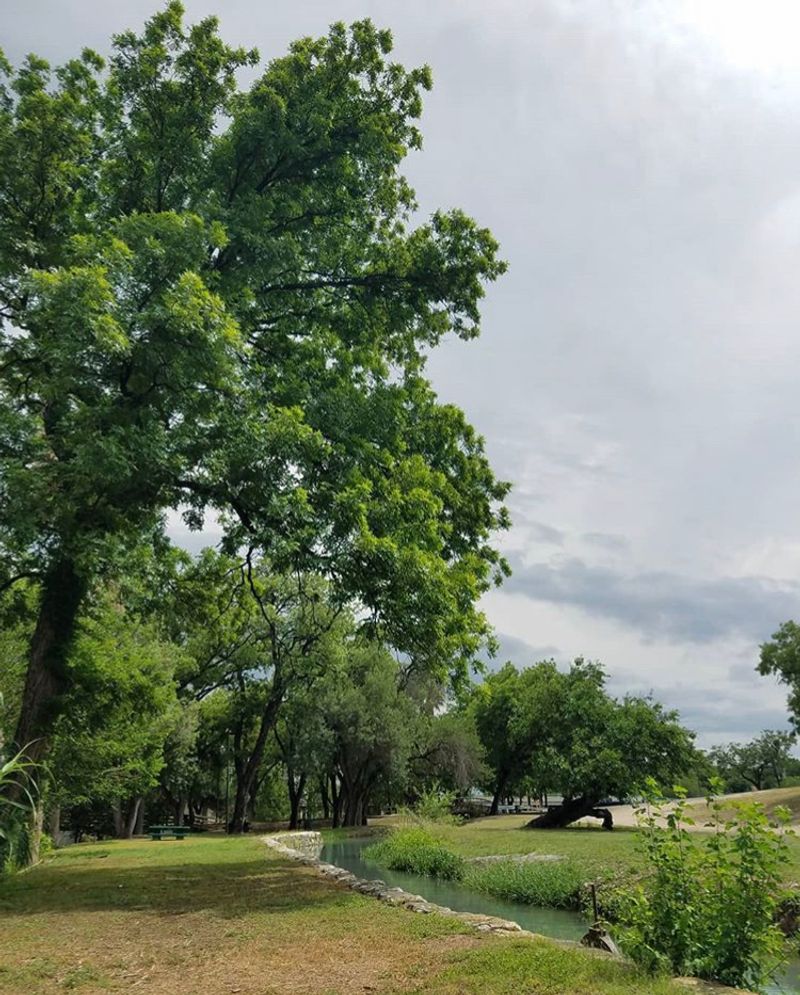
Driving into Del Rio, the landscape is mostly dry brushland and wide open sky, the kind of terrain that stretches on for miles without much variation. Then the park appears, and the contrast hits you immediately.
The green here is startlingly vivid, the kind of saturated, living color that feels almost theatrical against the surrounding desert palette.
Towering cottonwoods line the creek banks, their broad leaves catching the afternoon light and casting soft, shifting shadows on the water below. The air underneath the canopy carries a distinct coolness, even before you reach the water itself.
I noticed birds moving through the upper branches constantly, their calls layering into a surprisingly rich soundtrack for what is technically a city park.
The vegetation along San Felipe Creek exists because of the springs. Without that constant, reliable water source, none of this lush corridor would survive.
It is a reminder of how profoundly a single natural feature can shape an entire ecosystem. The relationship between the water and the landscape here feels ancient and mutual.
Within Horseshoe City Park, the green corridor widens and deepens, giving the area a genuine wildness that feels rare for a municipal park setting. Families spread out on the grass, kids chase each other through patches of shade, and the whole scene feels relaxed and unhurried.
It is the kind of place where you end up staying much longer than you originally planned, simply because the environment keeps pulling you back in with each new angle and quiet corner you discover.
Swimming in Springs That Have Refreshed Travelers for Centuries
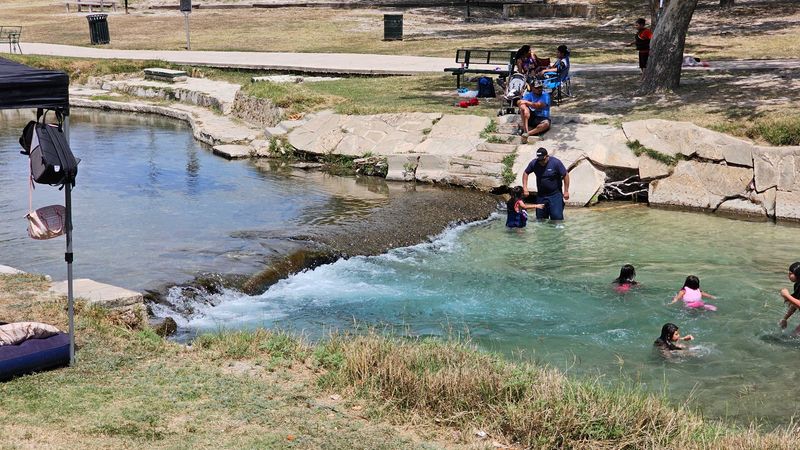
There is something almost ceremonial about swimming in water that has been refreshing people since the 1500s. The springs feed a series of swimming areas that are publicly accessible and well-loved by locals and visitors alike.
Popular spots include Horseshoe Park, Lions Park, and Blue Lake, all located on the eastern side of Del Rio, each offering a slightly different experience along the same remarkable water system.
The clarity of the water is genuinely extraordinary. You can see every pebble and plant on the creek bed without squinting, the water acting more like glass than liquid.
Snorkeling is a natural fit here, and even a basic pair of goggles reveals a surprisingly active underwater world of fish and aquatic plants going about their quiet business.
Access is refreshingly easy. No long hikes, no steep descents, no specialized gear required.
You simply arrive, find a comfortable entry point, and ease into water that feels like it was designed specifically to undo the damage of a Texas summer afternoon. That accessibility makes it genuinely welcoming for all ages and fitness levels.
A local tradition worth knowing about involves jumping from the Gillis Avenue bridge into the creek below, a playful rite of passage that adds a touch of spontaneous fun to the experience. The swimming here is not manicured or artificially enhanced.
It is raw, natural, and completely honest about what it is. That authenticity is exactly what makes a dip in San Felipe Springs feel so much more satisfying than any resort pool or water park ever could.
Trails and Creekside Paths Worth Every Step
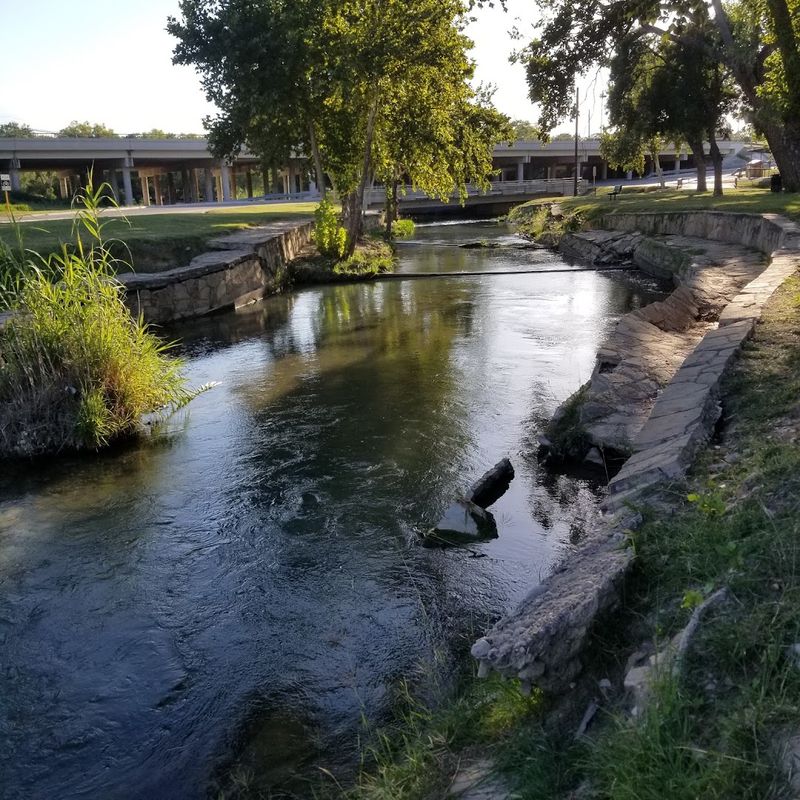
Not every great moment at San Felipe Springs involves getting wet. The creekside trails here offer a completely different way to experience the park, one that rewards slow movement and quiet observation.
I spent a solid hour just walking the edges of the creek, watching the water shift from deep green pools to shallow, sparkling runs over smooth stones.
The paved Mayor Dora Alcalda Hike and Bike Trail is one of the highlights for anyone who enjoys a scenic walk with real visual payoff. It follows the waterfront through several parks, passing historical markers, shaded picnic areas, and viewpoints that frame the creek beautifully.
The trail is accessible and well-maintained, making it a comfortable option even for those who are not regular hikers.
What I appreciated most was how the trail constantly offered new perspectives on the same water. One moment you are looking down into a crystal-clear pool, the next you are level with the surface watching a small current carry fallen leaves downstream.
It never gets repetitive.
Even on cooler days when swimming feels less appealing, the trails keep the park worth visiting. The ecosystem along the creek is active and layered, with birds, insects, and plant life all contributing to an environment that feels genuinely alive.
Bringing a camera is highly recommended. The light through the cottonwood leaves in the late afternoon creates some of the most naturally beautiful photography conditions I have encountered anywhere in Texas.
The trails make the whole experience feel complete, not just a quick swim and go.
The Springs as a Lifeline, Water That Built a City
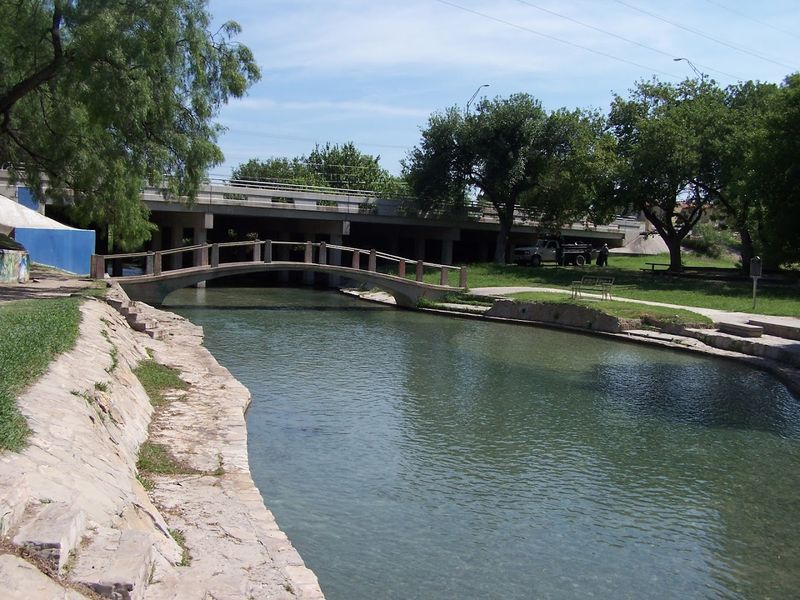
Most parks exist to serve the people who visit them. San Felipe Springs does something far more fundamental.
It literally sustains the city of Del Rio. The springs serve as the sole water supply for Del Rio and the nearby Laughlin Air Force Base, a responsibility that gives this natural feature a weight and significance far beyond its recreational appeal.
Historical flow records from 1889 to 1977 document an average output of around 41,080 gallons per minute. That is not a trickle or a seasonal flow.
That is a consistent, powerful output that has shaped everything from early agriculture to modern municipal infrastructure. The impoundment of the Amistad International Reservoir in 1968 actually increased the flow by providing additional recharge water underground.
In the late 1800s and early 1900s, the springs powered gristmills and even early electric light plants, making Del Rio one of the more technologically connected border towns of its era. About 3,000 acre-feet of water per year are still delivered via irrigation canals for local agriculture today.
That continuity is remarkable.
Knowing all of this while sitting beside the creek adds a quiet layer of appreciation to the experience. The water flowing past your feet is the same water that irrigated the first farms here, that powered the first lights, that quenched the thirst of soldiers and settlers and travelers across generations.
San Felipe Springs is not just a scenic amenity. It is the reason Del Rio exists at all, and that story deserves to be told every time someone visits.
Wildlife and Ecosystem Wonders Along the Creek
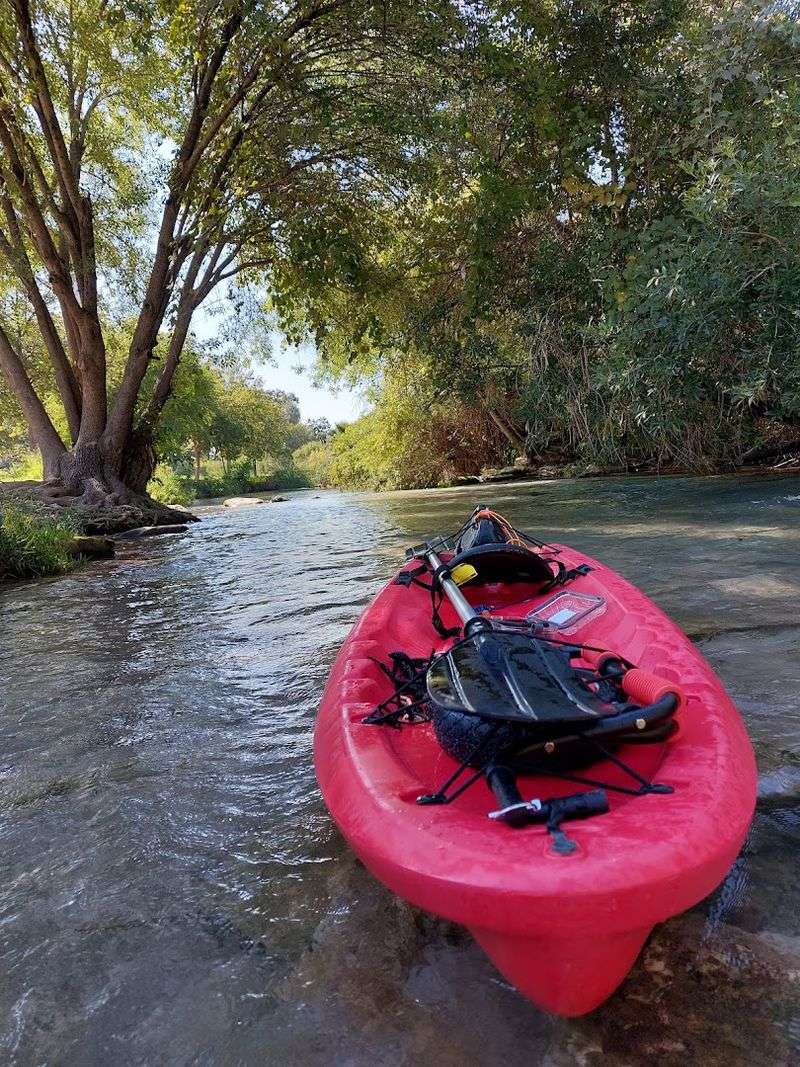
The springs do not just support human life. The ecosystem that has grown up around San Felipe Creek is rich, layered, and full of surprises.
I was not expecting a wildlife experience when I visited, but the creek corridor kept delivering small moments of natural drama that made the whole afternoon feel like a bonus nature documentary.
Bird activity along the creek is constant and varied. Herons move through the shallows with that particular slow-motion patience that makes them look like they have all the time in the world.
Smaller birds dart through the cottonwood canopy above, filling the air with sound. The combination of water, shade, and dense vegetation creates ideal habitat for a wide range of species that you simply would not encounter in the surrounding brushland.
The fish in the creek are easily visible thanks to the extraordinary water clarity. Watching them hold position against a gentle current, or scatter when a shadow crosses the surface, is oddly mesmerizing.
It is the kind of simple natural spectacle that reminds you how much is going on beneath the surface of everyday landscapes.
The plant life along the banks is equally interesting. Native species thrive here because of the consistent moisture, creating a green corridor that supports biodiversity in ways that feel almost disproportionate to the park’s size.
Dragonflies hover over the water’s surface in summer. Butterflies move through patches of sunlight between the trees.
The whole ecosystem hums with a quiet energy that rewards anyone willing to slow down and pay attention to what is actually happening around them.
Planning Your Visit, What to Know Before You Go
Getting to San Felipe Springs Park means committing to a drive through southwest Texas, and that drive is part of the experience. Del Rio sits along the Rio Grande, roughly two and a half hours from San Antonio, in a part of the state that feels genuinely remote.
The roads are long and open, and the arrival feels earned.
The park is accessible via several public green spaces including San Felipe Lions Park and Rotary Park, both of which offer easy water access and basic facilities. Parking is available in designated areas within these parks.
Restrooms are present in some sections, though amenities vary depending on which part of the creek you visit. Coming prepared with your own water, snacks, and sun protection makes a significant difference.
Late spring through early fall offers the best conditions for swimming and wildlife watching, when temperatures are warmest and the scenery is at its most vivid.
That said, the consistently cool spring water makes the park genuinely enjoyable even in cooler months, particularly for walking the trails and simply absorbing the atmosphere.
Del Rio itself has plenty to offer beyond the springs. The Whitehead Memorial Museum tells the story of the region with depth and care.
The Amistad National Recreation Area nearby is spectacular, offering boating, fishing, and hiking around the brilliant blue waters of Lake Amistad. Val Verde Winery, the oldest in Texas, is also worth a stop.
San Felipe Springs is the kind of destination that turns a single-day trip into a full weekend without any effort at all.
Address: 401 Mario Salas Ave, Del Rio, TX 78840
