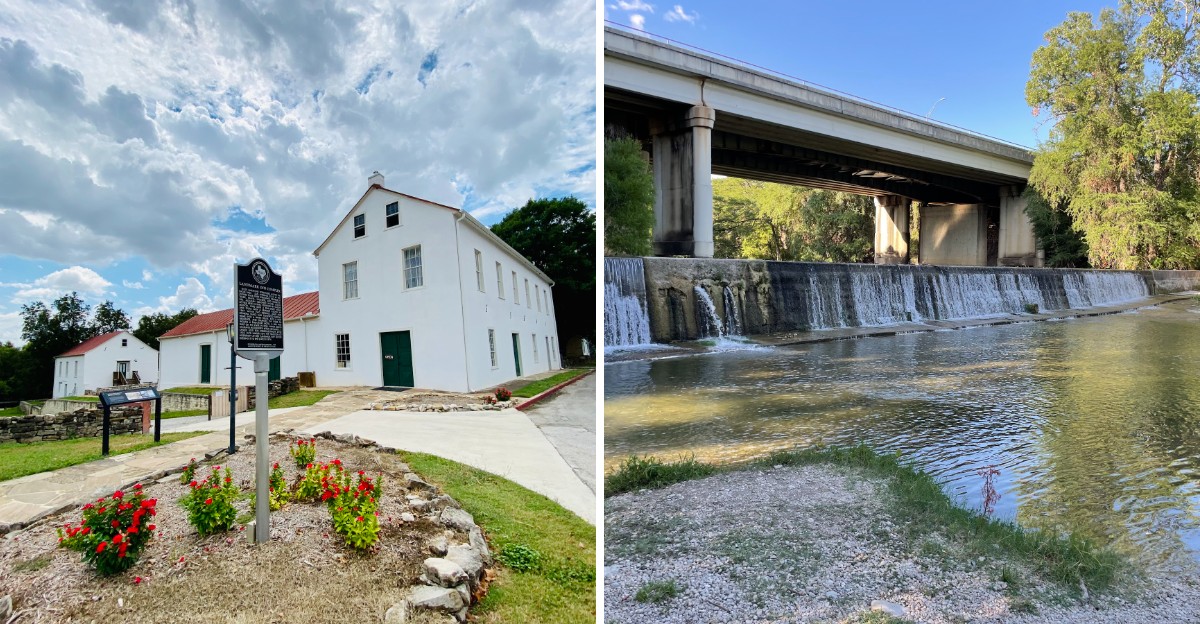
Most historic inns are museums now, roped off and preserved behind glass, but this Texas roadside landmark is different because you can actually book a room and spend the night in a building that has been welcoming travelers for generations.
The inn has been standing for well over a century, surviving changes in transportation, shifts in tourism, and the slow disappearance of the roadside stops that once lined the highways, and it has managed to hold onto its original character without turning into a tourist trap.
The rooms are simple but comfortable, the atmosphere carries a sense of history that no modern hotel can replicate, and the people who run it clearly care about keeping the place alive rather than just cashing in on nostalgia.
Staying here feels like stepping into a different era, one where travel was slower and every stop mattered. Book a night, take your time, and experience a piece of Texas history that is still very much open for business.
A Stagecoach Stop That Never Closed Its Doors
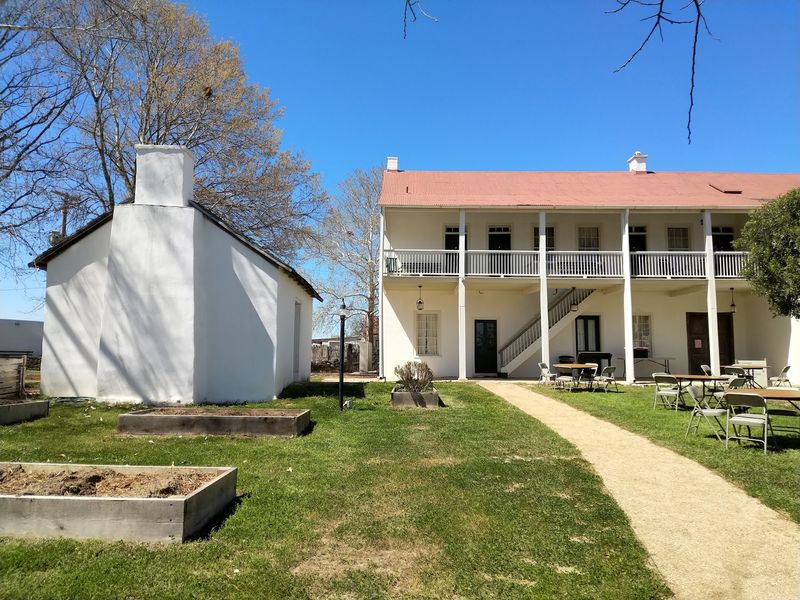
Few buildings in Texas can claim a guest list stretching back to the days of stagecoaches. The Landmark Inn started small in 1849, when Cesar and Hannah Monod built a one-story home that doubled as a shop, a post office, and a stage stop.
Travelers rolling west from San Antonio needed a place to rest, and this was it.
Things grew fast. In 1853, John and Rowena Vance bought the property and added a second story so overnight guests had real rooms to sleep in.
They also built their own home nearby in 1859, now called the Vance House.
Here is a fun bit of trivia. During the 1860s, the Vances built a two-story bathhouse in the courtyard.
At the time, it was the only man-made bathing spot between San Antonio and Eagle Pass, so dusty travelers must have been thrilled.
The name came much later. Ruth Lawler restored the old buildings and officially called the place the Landmark Inn in 1942.
In 1974, she donated the whole site to the State of Texas so it would be protected for good.
That gift matters. Without it, the stone walls and creaky porches might have disappeared like so many other frontier stops.
Today the Texas Historical Commission runs the site, and a recent two-year restoration kept its old character while adding better access and updated systems.
Knowing this backstory makes a visit feel richer. Every doorway has seen a long line of travelers pass through, and now it is your turn.
Sleeping Inside a Museum
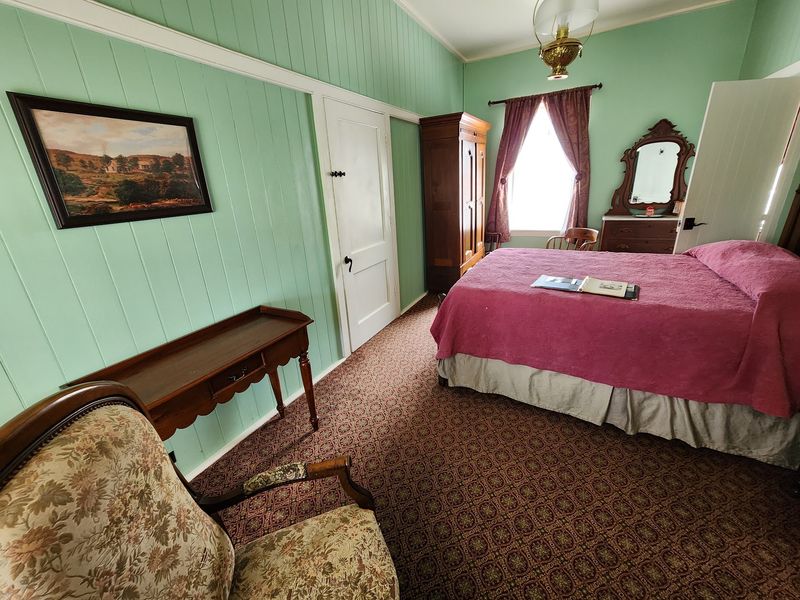
Not many hotels let guests sleep inside a state historic site, but this one does. The inn has eight rooms, and a few can be set up as suites.
Each one is decorated with antiques and careful reproductions that match the 1850s, 1880s, or 1920s.
So which era fits best? That depends on taste.
Some travelers love the simple frontier style, while others lean toward the softer look of the 1920s.
Modern comfort has not been forgotten. Rooms have electricity, indoor plumbing, climate control, and free Wi-Fi.
Basic toiletries and hair dryers are also provided, which is a relief after a long drive.
A few things are missing on purpose. There are no televisions, phones, coffeemakers, or refrigerators in the rooms.
It sounds strange at first, yet that quiet turns out to be part of the charm. Bring a good book.
Rooms are often described as clean, roomy, and cozy. Antique furniture gives each space a lived-in warmth that chain hotels simply cannot copy.
A night here feels more like visiting a well-kept family home from another century.
Planning ahead is smart. Reservations usually need to be made at least two days early, and same-day bookings generally are not accepted.
Weekends can fill up, especially during spring and fall when the weather is mild.
Pack light and leave room for curiosity. Old buildings come with old floors, so soft shoes are a kind choice for neighbors.
A small reading lamp or travel mug might also come in handy.
Rocking Chairs, Porches, and Rain on Tin
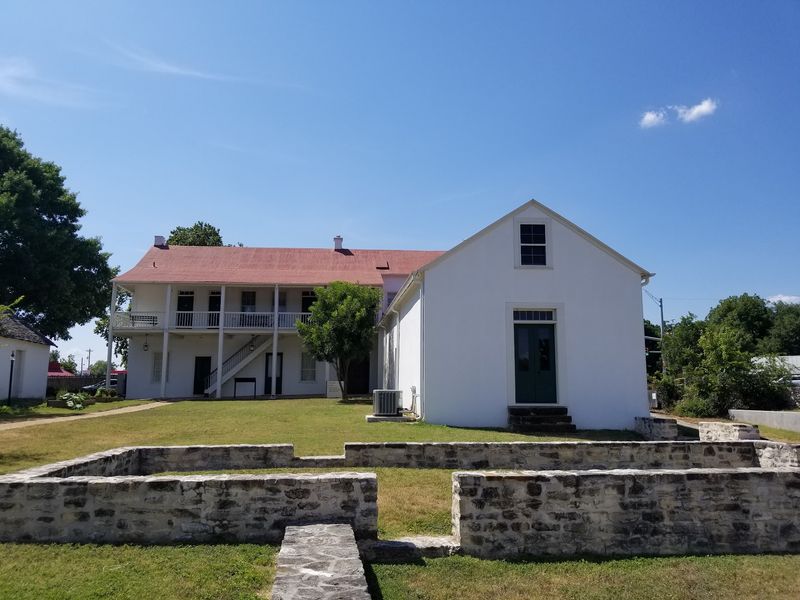
Some places are made for doing almost nothing, and the verandas at the Landmark Inn might be the best example in Texas. Long porches wrap the old buildings, lined with rocking chairs that seem to invite a slow afternoon.
Few views beat the one from these chairs.
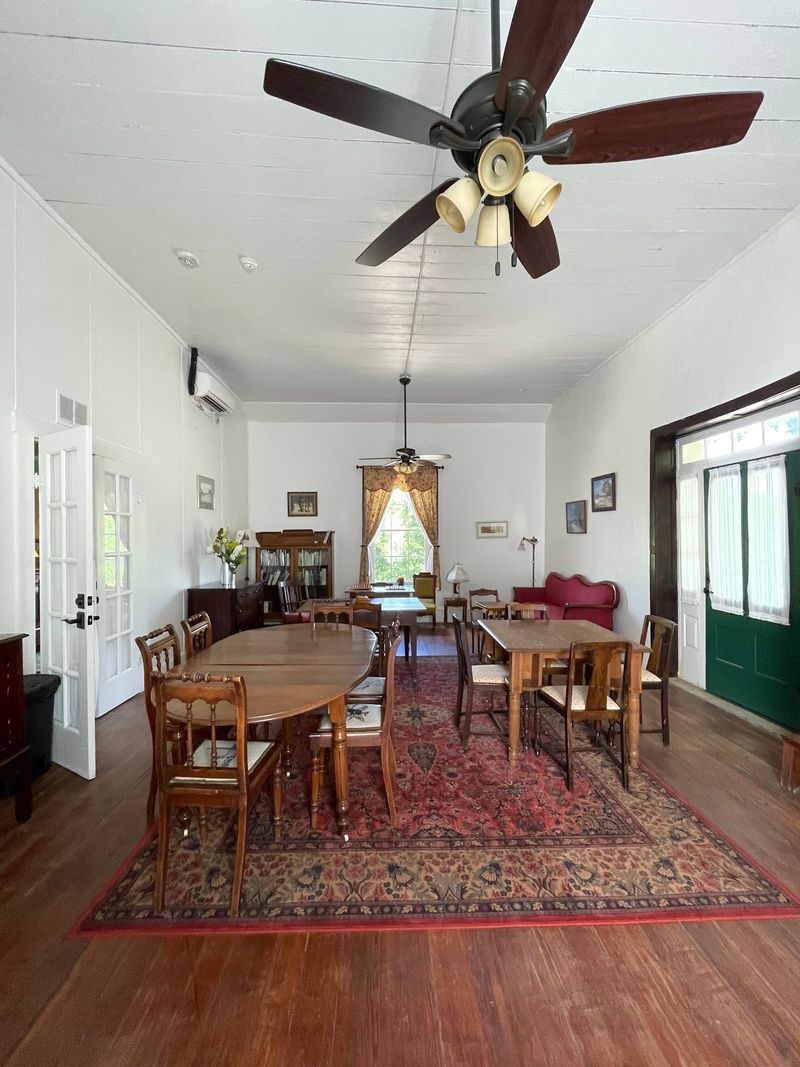
Guests also share a patio and a parlor. These common spaces work well for quiet chats, morning stretches, or simply watching the light change across the trees.
Now imagine a summer storm. Rain drumming on a tin roof is one of those sounds that instantly calms the mind.
Past guests have pointed out that a passing storm made their porch time even more memorable, and that sounds just right.
Mornings start easy too. A continental breakfast is provided for overnight guests each day, so there is no need to rush off searching for food.
Take a plate outside and enjoy it with the birds.
The pace here is gentle. Nobody is hurrying guests along, and that freedom feels rare in a busy world.
Phones can stay in pockets for once.
A few tips help. Bring a light sweater for cool spring evenings, and pack bug spray for warm summer nights near the river.
A journal is a nice extra, since this kind of calm tends to spark ideas.
Many people come for the history and leave talking about the porch. Honestly, that makes perfect sense.
Sometimes the best part of an old inn is the simple act of sitting still.
The Old Mill That Lit Up Castroville
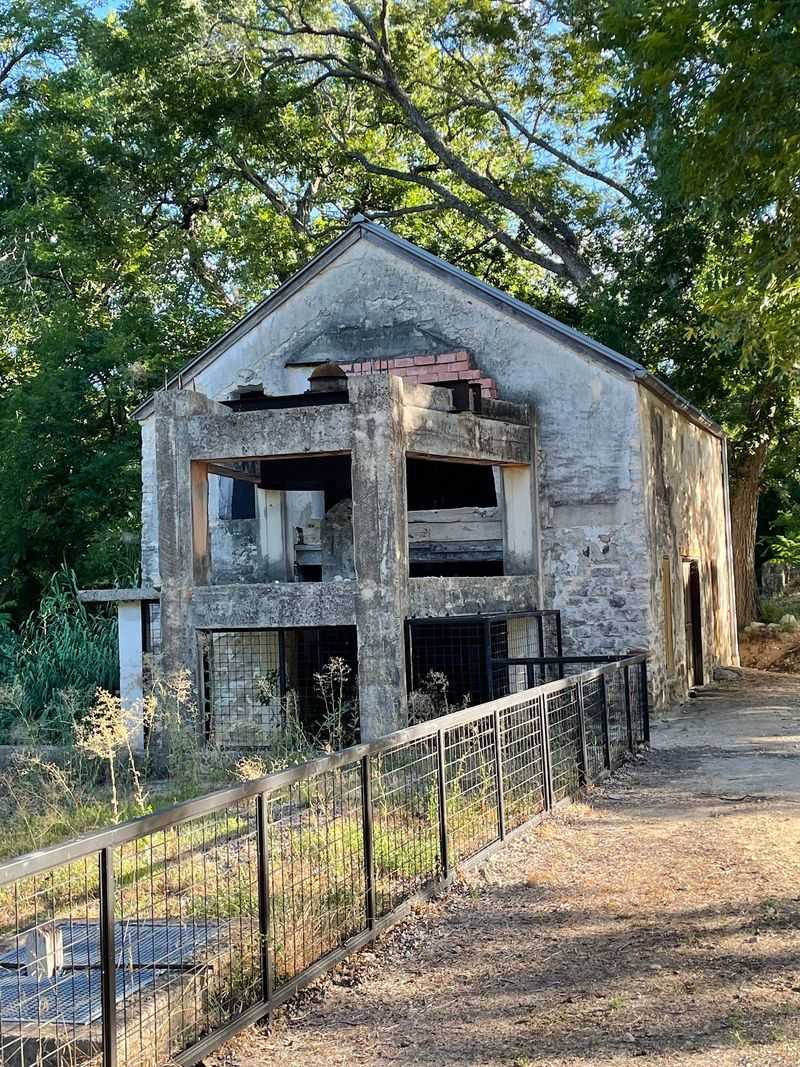
Electricity in Castroville has a surprising origin story, and it starts right on this property. In 1854, George Louis Haass and Laurent Quintle built a gristmill and a cotton gin here.
The Medina River powered the mill, and later a steam engine helped out.
Grinding grain was big business. Local farmers depended on mills like this one to turn their crops into flour and meal.
In 1876, Joseph and Margarethe Courand bought the mill and kept it running.
Then came a major twist. Jordan T.
Lawler bought the property in 1925, and two years later he turned the gristmill into a hydroelectric plant. In 1927, it supplied Castroville with electricity for the very first time.
Think about that for a moment. A sleepy river mill went from grinding corn to lighting homes.
That kind of change shows how frontier towns slowly stepped into the modern age.
Visitors can still see the mill today. The stone building stands near the river, and the foundations of the old cotton gin are also on the grounds.
Signs around the site explain how each piece worked.
Do not skip the dam. Water spills over it with a steady rush that is surprisingly soothing.
It makes a lovely background sound while reading the history panels nearby.
Kids usually enjoy this stop most. Machines, water, and power are easy to picture, which makes the lesson stick.
Bring a camera, because the mill looks especially handsome in late afternoon light.
Five Acres Worth Wandering
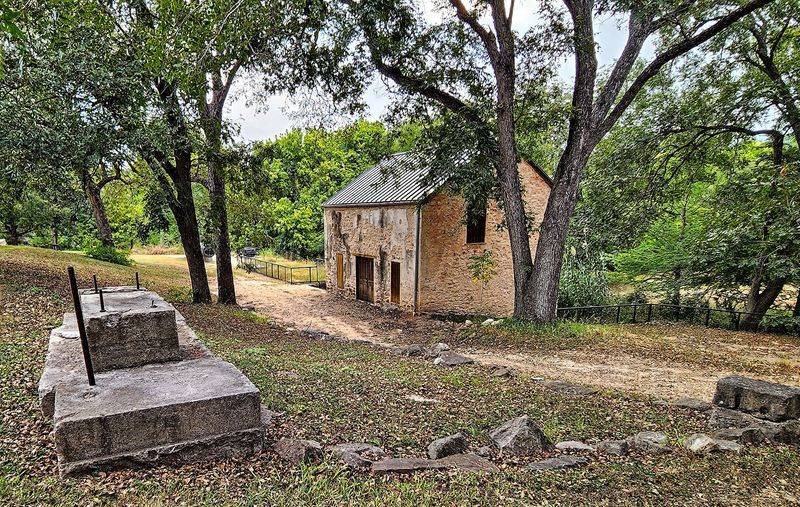
Grab comfortable shoes, because the grounds are where the real story unfolds. The site covers five acres shaded by tall trees along the Medina River.
Walking paths connect the old buildings, so it is easy to explore at a relaxed pace.
First stops often include the original detached kitchen. Early Texans kept kitchens separate from main houses to reduce fire risk and keep living spaces cooler.
Clever, right?
Next comes the wash house. It is a reminder of how much work went into simple chores long ago.
Laundry was a full day of hauling water, scrubbing, and drying in the Texas sun.
The museum is another highlight. A short film gives a quick overview of the site, and it helps everything else make sense.
Exhibits mix real artifacts with modern displays, and a small gift shop sells postcards and keepsakes.
Guided tours are available, and the staff is known for being friendly and full of knowledge. Asking questions is encouraged.
Volunteers and docents often share details that are not printed on any sign.
Keep an eye out for the garden too. Heirloom vegetables have been grown here, adding a living touch to the history lesson.
It shows what early families might have planted.
Events pop up throughout the year, including cooking classes and a popular Kid Fish day. Checking the official website before visiting is wise.
A well-timed trip might include a special program that adds even more fun.
Lazy Hours by the Medina River
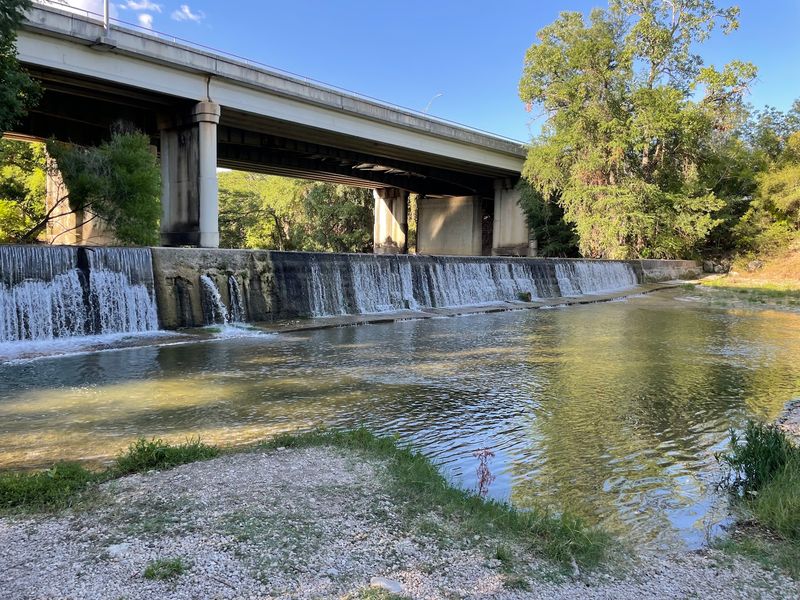
Cool green water, big shady trees, and a gentle current make the Medina River the quiet star of this property. The river flows right alongside the inn grounds.
It adds a peaceful soundtrack to every stroll.
Picnics are a favorite here. Spread a blanket under the trees, pack a simple lunch, and enjoy a slow meal with a view.
Sandwiches somehow taste better beside running water.
Fishing is another option. The site hosts a Kid Fish event, where young anglers can try their luck, often for the very first time.
Families looking for an easy outdoor activity will find it a hit.
Swimming is possible as well. On hot Texas days, a dip in the river can feel like pure magic.
Always check current conditions and posted rules, and keep a close eye on children near the water.
Short trails wind through the natural areas around the property. Birds flit through the branches, and dragonflies skim above the surface.
Early mornings are especially lovely, with soft light and fewer people around.
Packing smart makes the day easier. Water shoes, sunscreen, a towel, and plenty of drinking water are all good ideas.
A small trash bag helps keep the riverbank clean for the next visitor.
The river also connects to the bigger story. It powered the mill, served early settlers, and shaped the town.
Spending time beside it feels like meeting the oldest resident of Castroville. And it still has plenty to say.
Little Alsace Right Outside the Gate
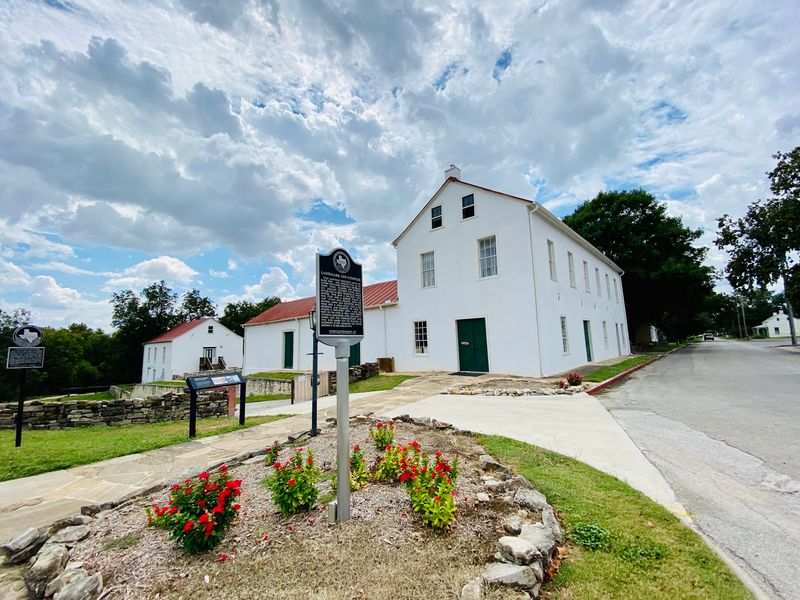
Castroville goes by a sweet nickname, The Little Alsace of Texas, and one look at its buildings explains why. Henri Castro founded the town in 1844 as a planned community.
Settlers from the Alsace region of France brought their own building styles, foods, and traditions.
The inn sits at 402 Florence St, Castroville, TX 78009, so the historic district is just a short walk away. Across the street, a downtown square offers places to eat and small shops to browse.
Houston Square serves as the heart of the old district.
The Steinbach Haus is a must. Originally built in France between 1618 and 1648, it was taken apart, shipped across the ocean, and rebuilt here.
Today it works as a visitor and cultural center filled with period furniture.
Next, swing by St. Louis Catholic Church. Built between 1868 and 1870, it shows off a tall spire, limestone walls, and detailed stained-glass windows.
The building looks beautiful in late afternoon sun.
For a view, head to Cross Hill. Early Alsatian settlers built a large cross there, and the hilltop looks out over the whole town.
It is a short climb with a big reward.
History fans should also visit the Castro Colonies Heritage Association Living History Center. It shares how early settlers lived and worked.
Pair it with a walking tour that starts near the inn, and the whole town begins to feel like an open-air storybook.
Planning the Perfect Overnight Escape
A little planning turns a good stay into a great one. The inn sits about 25 miles west of San Antonio, close to US Highway 90, which makes it an easy weekend trip.
Long ago, that same distance took a full day by wagon.
Booking comes first. Reserve at least two days ahead, since same-day stays are generally not available.
Spring and fall bring pleasant weather, while summer is perfect for river time.
Timing the day matters too. Arrive early enough to watch the museum film and tour the grounds before evening.
That way the porch can be fully enjoyed once the sun starts to drop.
Packing tips are simple. Bring walking shoes, a hat, swimwear, and something to read.
Since rooms have no coffeemakers or refrigerators, a reusable water bottle is a handy addition.
Outdoor fans might want to add Castroville Regional Park. It covers 126 wooded acres along the Medina River, with hiking trails, bird watching, and a butterfly garden.
Medina Lake and its canal system are also in the area for a longer drive.
Families will feel welcome. The site is kid-friendly, and seasonal events like Kid Fish make the trip extra fun.
Older travelers often enjoy the slower pace and the friendly staff.
Above all, leave room in the schedule. The magic here comes from quiet moments, old stories, and the sound of the river at night.
Rushing would miss the whole point of an inn that has welcomed travelers since 1849.
