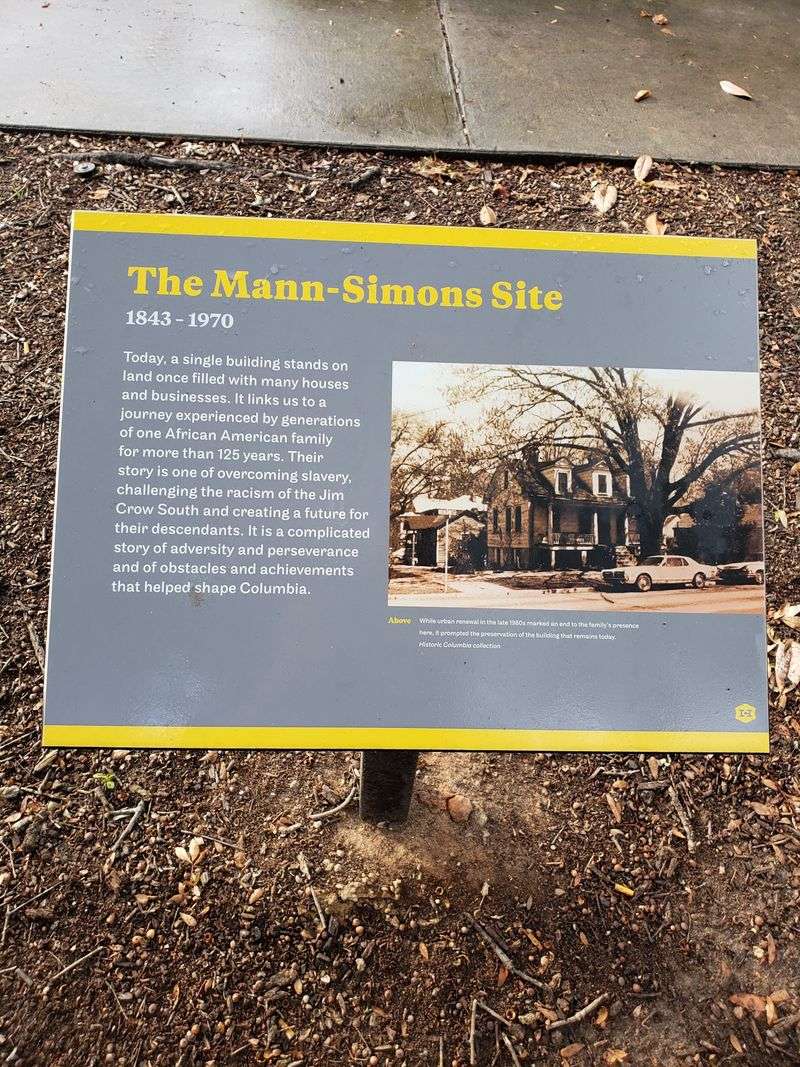
For nearly 130 years, one family held onto a single downtown block in South Carolina. The story begins with a woman born enslaved in 1799 who later became a free midwife, and it continues through Reconstruction, Jim Crow, and the Civil Rights Movement.
Shops, rentals, and a lunch counter all operated on that same patch of ground, one generation handing the work to the next without ever letting go. A friend told me about it, and I showed up on a warm afternoon expecting one small cottage.
White wooden frames outlined buildings that are long gone, and they pulled my imagination straight into the past. The visit left me thinking about hustle, grit, and family in a whole new way.
South Carolina keeps this story alive with outlines instead of walls. Places that tell real stories about real people are worth seeking out, and this corner of the state delivers one you will not forget.
Celia Mann’s Long Road From Charleston
My mind kept drifting back to Charleston before I ever reached the cottage door. Celia Mann was born into slavery there in 1799, and her early life is the root of everything on this block.
Her husband, Ben Delane, was also born enslaved in Charleston. Historians believe he likely earned wages as a boatman in the river trade, saving enough money to buy his own freedom.
After that, he bought Celia’s freedom too, which is a detail that stopped me in my tracks the first time I read it.
Nobody knows exactly when or how Celia became free. What we do know is that census records confirm she was free by 1850, living in Columbia.
Think about the patience that journey took, one saved coin at a time.
By 1843, Ben had purchased a property for Celia on what was then Lumber Street, now Richland Street, at the corner of Marion Street. That single purchase planted a seed that would grow for more than a century.
A tip for visitors: read a little about Celia before you arrive. Knowing her beginnings makes the quiet yard and the small cottage feel much heavier with meaning.
I found that the story lands best when you picture a young woman in Charleston, with no idea that her name would one day be on a museum.
Agnes and Bill Simons Grow the Property
Here is a fun twist I did not expect: one of the key builders of this family business was a popular musician. William Simons, known as Bill, was a free man of color who married Celia’s daughter Agnes.
Together, Agnes Jackson Simons and Bill took what Celia left behind and pushed it much further. They developed the property in big ways after her end, turning a home site into something closer to a busy little hub.
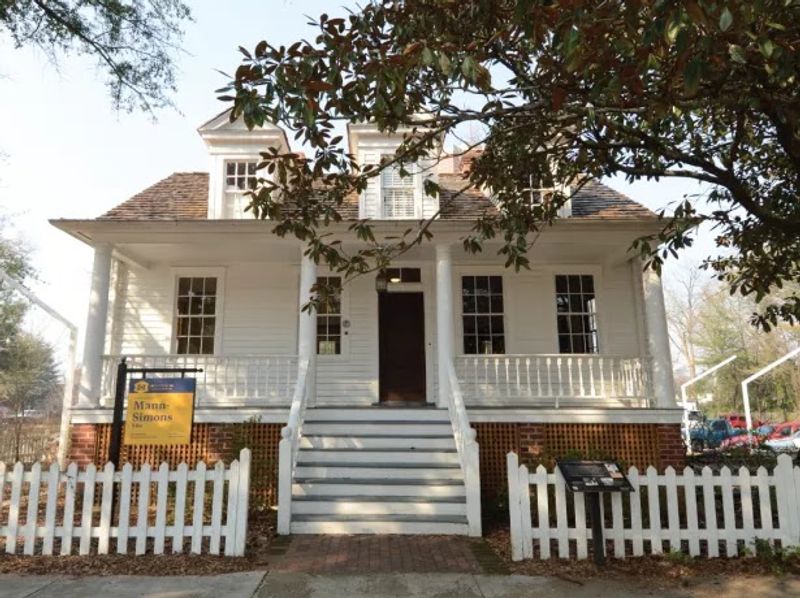
The cottage that stands today was built sometime between about 1872 and 1880, during their years here.
I kept imagining music drifting out of the windows on warm evenings. Of course, nobody can say exactly what songs filled the air.
Still, knowing a performer lived here gives the place a cheerful, lively energy that makes the history feel less dusty.
Agnes and Bill were living through Reconstruction, a hopeful but uncertain time for Black Southerners. Building up property then took courage, since rights won could also be taken away.
Their choices showed confidence in the future and in their children.
Take a moment on the porch area to think about this couple. They were the bridge between Celia’s first steps and the busy businesses their sons would run.
Without them, the block would have looked very different.
A Midwife Who Became a Community Pillar
Babies were Celia Mann’s business, and apparently she was very good at it. Once settled in Columbia, she built a strong reputation as a midwife, helping families bring new life into the world.
That work made her a well-known figure among the city’s small group of free Black residents. In a time when freedom could feel fragile, having a trusted skill gave her respect, income, and a place in the neighborhood.
I love that her empire, if you want to call it that, began with caring for people.
Picture her walking these streets at all hours, called out to homes when a baby decided it was time. Midwives had to be calm, steady, and quick thinking.
Those same qualities seem to show up again and again in her children and grandchildren.
Celia passed away in 1867, just after the Civil War ended. She left most of her property, including the cottage land, to her youngest daughter, Agnes Jackson.
That choice kept the land in the family and set up the next big chapter.
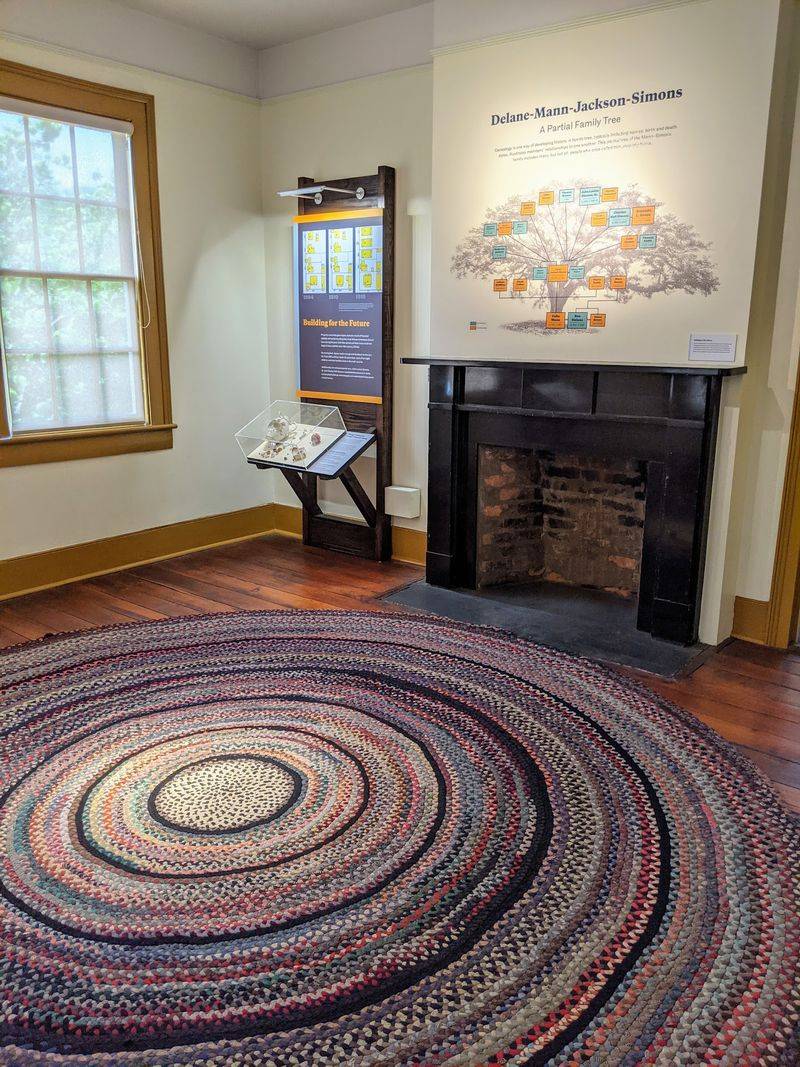
When you visit, look closely at the family tree displayed inside the house. It helps you trace how one midwife’s hard work rippled outward across generations.
Honestly, it made me want to call my grandmother and ask more questions about our own family.
Lunch Counter Days on Richland Street
Hungry neighbors once had a reliable stop right on this block. From 1891 to 1904, John Lucius Simons, the son of Agnes, ran a lunch counter at 1401 Richland Street.
I found myself grinning at that detail, because a lunch counter is such a friendly kind of business. People came in, sat down, talked, and ate.
It was a place for gossip, news, and maybe a little laughter between bites.
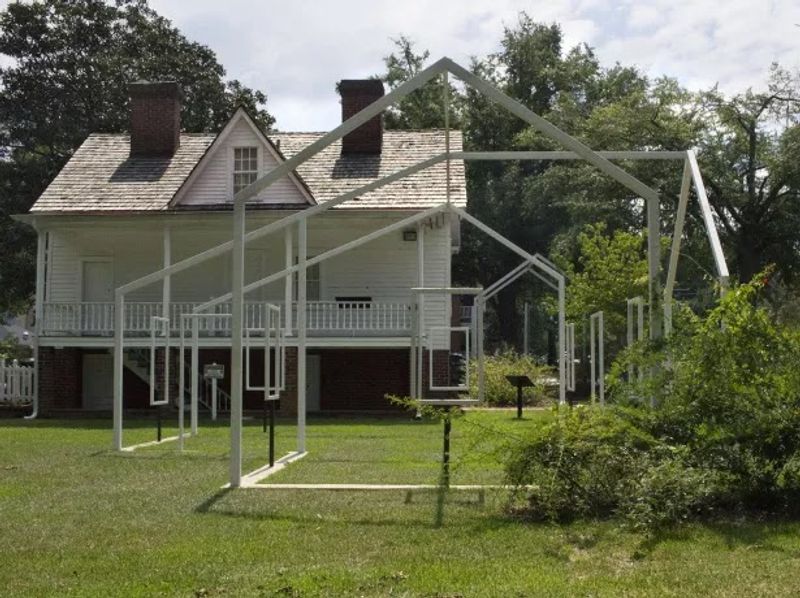
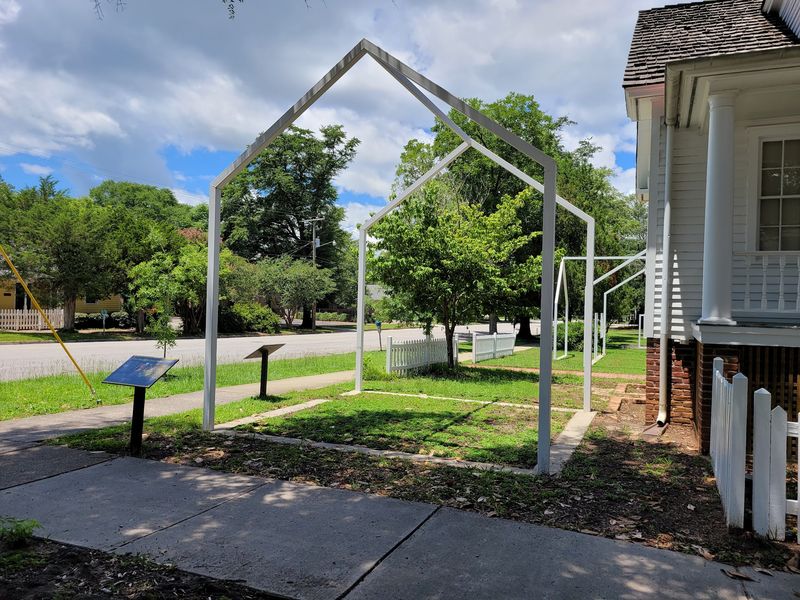
Today, the lunch counter is gone, but you can still see where it stood. One of the white ghost structures traces its outline, so you can walk right into its footprint.
Standing inside that open frame, I tried to picture the clink of dishes and the steam rising from plates.
Running a food business back then meant long hours and plenty of competition. John kept it going for more than a decade, which tells you he knew how to keep customers coming back.
That kind of steady effort is its own kind of success story.
My advice is to slow down at this spot. Read the sign nearby and let yourself imagine the daily rush at noon.
It is one of the easiest places on the site to connect with, since almost everyone has a favorite little diner or lunch spot of their own.
Foursquare Rentals Stretch Down Marion Street
Charles Simons clearly had a head for business, and 1912 proved it. That year, he bought adjoining lots on Marion Street and built three two-story American foursquare houses to rent out.
Foursquare homes were popular in that era, with their boxy shape, roomy layout, and practical design. Adding three of them gave the family steady rental income.
It also spread their presence along both Richland and Marion streets, which is how the block became such a strong family footprint.
When I wandered over toward the Marion Street side, I tried to picture those three tall houses lined up together. They are no longer standing, so you need a bit of imagination.
Even so, knowing they once filled that space helps you understand just how big this family’s holdings grew.
Rental properties are a smart way to build wealth over time. Charles seemed to understand that lesson long before financial advice became a popular topic online.
His plan helped the family stay rooted on this land for decades more.
Here is a thought to carry with you: the whole block was a mix of homes, shops, and rentals all run by one family. That kind of variety kept them strong through hard times.
It also made their property a true hub for the Black community in Columbia.
Ghost Structures and 60,000 Buried Clues
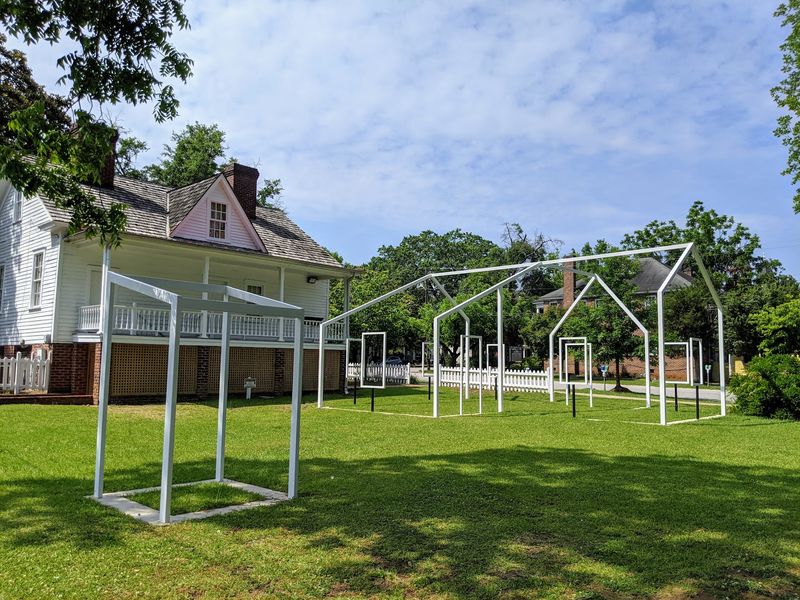
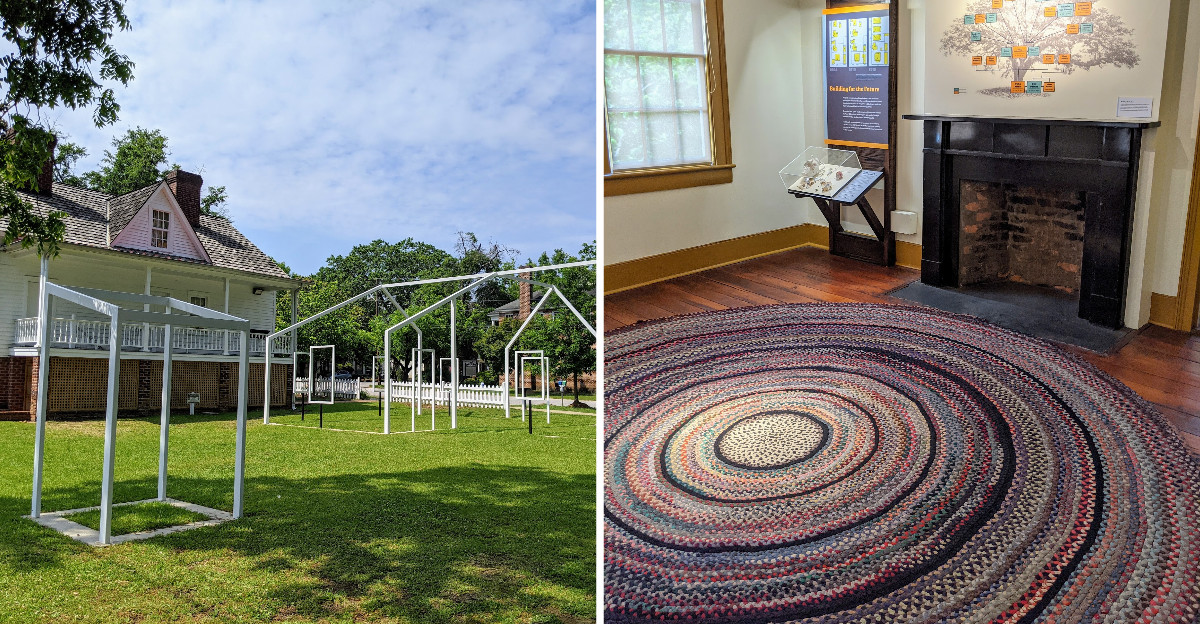
Those white wooden frames were the part that made me stop and stare. The outdoor museum features five ghost structures, open outlines of buildings that once stood on this land.
They mark spots like the lunch counter, the grocery store, an outhouse, and other residences. Walking between them gives you a real sense of scale, almost like a life-size map.
According to Historic Columbia, this outdoor museum was a first for South Carolina and one of only a handful like it in the country.
Underground, the site held even more surprises. Archaeological excavations wrapped up in February 2012 and uncovered more than 60,000 artifacts, helping researchers understand the family’s struggles, wins, and long run on this block.
Only a small selection is on display inside, so treat the ones you see like highlights from a much bigger story.
I appreciated how the ghost frames let your brain fill in the details. Sunlight passes right through them, and the grass grows where floors used to be.
It feels quiet and thoughtful without being gloomy.
A practical tip: visit on a clear day and give yourself time to walk slowly between each frame. Read the signs at every stop.
Families with young students can also ask about hands-on activities, since the site has offered artifact-themed learning for school groups.
Touring the Cottage That Survived
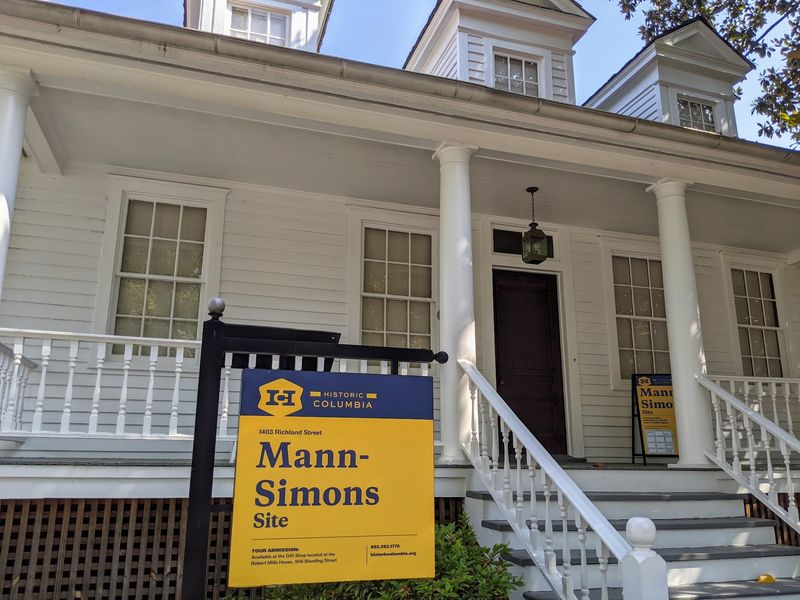
Only one building made it through all the years, and seeing it in person gave me goosebumps. The family cottage, built around 1872 to 1880, now serves as a historic house museum.
Its survival was not guaranteed. In the 1970s, the property faced demolition, but a grassroots effort stepped in to save it.
The museum opened to the public in 1978, and today the City of Columbia owns it while Historic Columbia manages it.
Inside, signs, videos, and artifacts tell the family’s story. A family tree helps you keep track of the generations, and a large rag rug in the front room adds a cozy, lived-in feel.
Some areas of the house may be closed off, since an older home needs gentle care.
If you can, time your trip with the annual Jubilee festival held at the site, which brings music, food vendors, and a lively crowd. I left feeling inspired to get some work done, which might be the best souvenir of all.
Address: 1403 Richland Street, Columbia, South Carolina 29201
