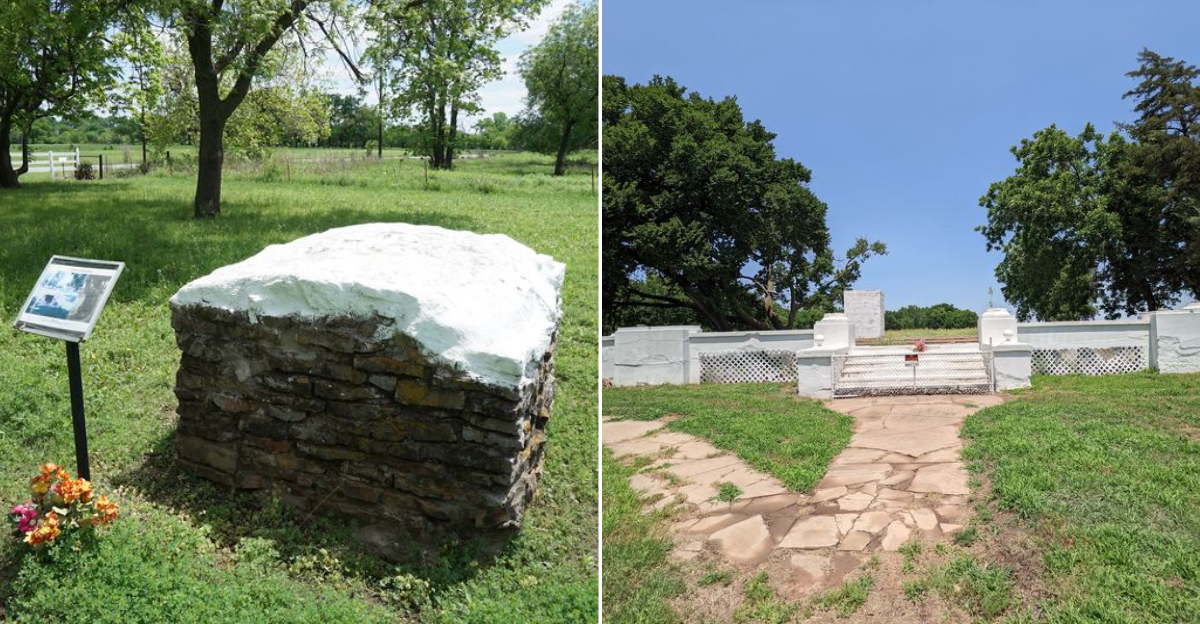
A hilltop overlooking a river holds the final resting place of just three people. That is all that remains of a burial ground meant for hundreds.
The land was once part of a legendary ranch that stretched across thousands of acres. The ranch itself was famous for its Wild West shows and its role in shaping the region.
The owner of that ranch set aside this plot in 1930 for cowboys who had ridden the range in the Cherokee Strip. Any member of that association had the right to be buried here.
But only three ever were. A rancher, a trick-shooter, and a foreman now rest beneath the prairie sky.
The graves sit on a bluff overlooking the Salt Fork River, a quiet monument to a bygone era. This tiny cemetery is a place where the spirit of the Old West still lingers.
In Oklahoma, even the smallest sites can hold the biggest stories.
The Ranch That Swallowed Up A Hundred Thousand Acres
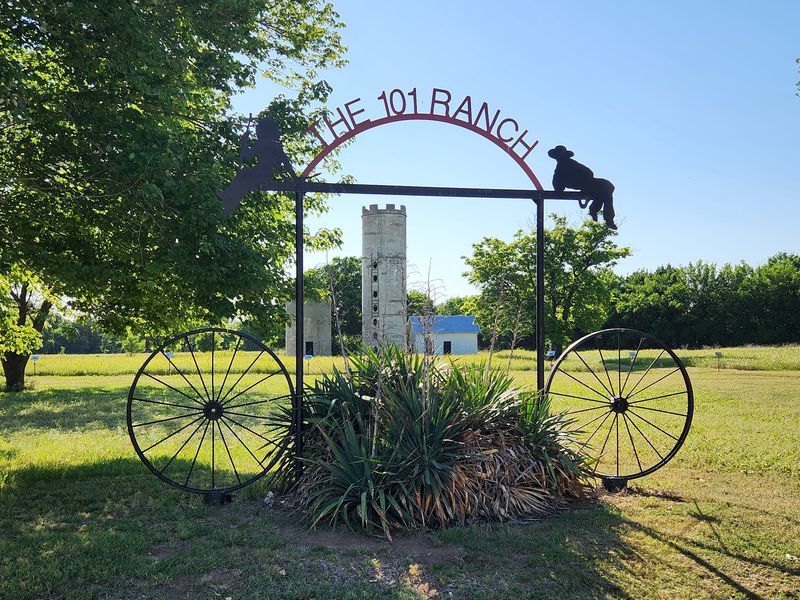
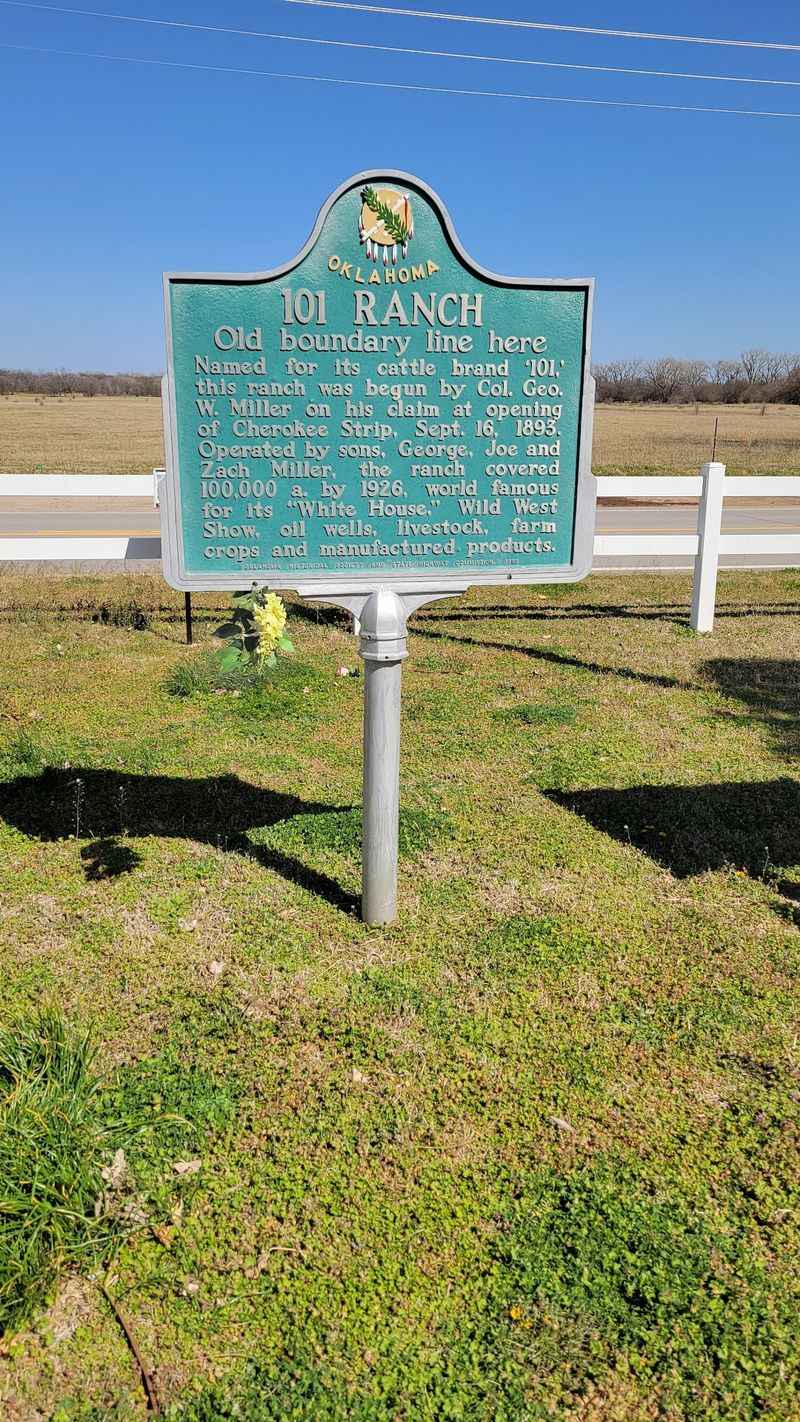
Before you can care about three graves, you kind of have to understand how enormous the place around them used to be. The 101 Ranch was founded by Colonel George Washington Miller near Ponca City, and it grew into something close to a hundred and ten thousand acres of working land.
At its high point it was considered the largest diversified farm and ranch operation in the entire country, which is a wild thing to picture when you are standing in a quiet field with nothing but wind moving through the grass. Cattle, crops, oil, packing houses, its own school, its own store, the whole thing worked almost like a small town that answered to one family.
Can you imagine trying to keep track of payroll on something that size? The Millers did it, and they did it in a part of Oklahoma that most of the country had barely thought about.
When you visit the cemetery, keep that scale in your head, because the emptiness you are looking at is not really emptiness. It is the leftover footprint of something that was once loud, busy, and completely full of people working from before sunrise until well past dark.
Where You Actually Turn Off The Highway
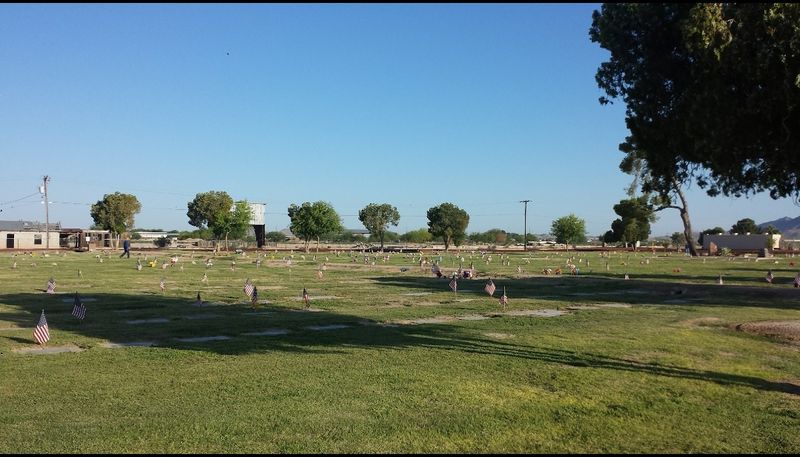
Finding this place takes a little patience, so give yourself room to slow down and look around. You want to head southwest out of Ponca City toward the Salt Fork River, and the marker for Cowboy Hill Cemetery And 101 Ranch Memorial sits at OK-156 At The Salt Fork River, Ponca City, OK 74601.
The road itself carries a name that tells you something, because the Oklahoma Legislature designated State Highway 156 as the 101 Ranch Memorial Road, which is a nice touch for a stretch of pavement most people breeze right past.
Coming up from the Marland side, the turn is onto a dirt road just before you cross the river, and it is easy to overshoot if you are driving fast or watching your phone instead of the shoulder.
My honest advice is to download your map before you head out, because cell service gets thin in this part of the state and you do not want to be guessing at unmarked turns. A vehicle with decent clearance helps too, especially after rain, since dirt roads out here can get soft and rutted in a hurry.
Zack Miller Rests Where His Family Empire Once Stood
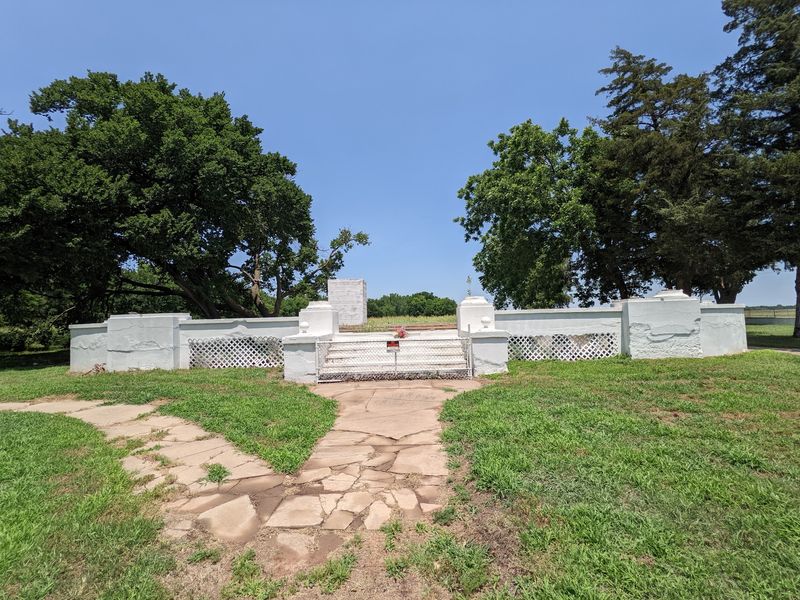
The name that carries the most weight here belongs to Zack Miller, one of the brothers who ran the 101 Ranch after their father died. He and his brothers took a large cattle operation and turned it into something the whole world knew about, which is not a small thing for a family working out of rural Oklahoma.
There is something almost poetic about the fact that he ended up buried on a small piece of the very land that once stretched farther than a person could ride in a day. The empire got sold off, split up, and scattered, but he stayed put.
Zack was the last of the brothers still fighting to hold the ranch together when things went sideways, and by every account he never stopped believing in what the family had built.
Standing near his marker, you get a sense of how quickly fortunes could rise and fall out here. One generation builds the biggest ranch in America, and the next generation watches most of it disappear, and all that is left is a name cut into stone on a low hill above the river.
A Sharpshooter Who Earned His Own Title
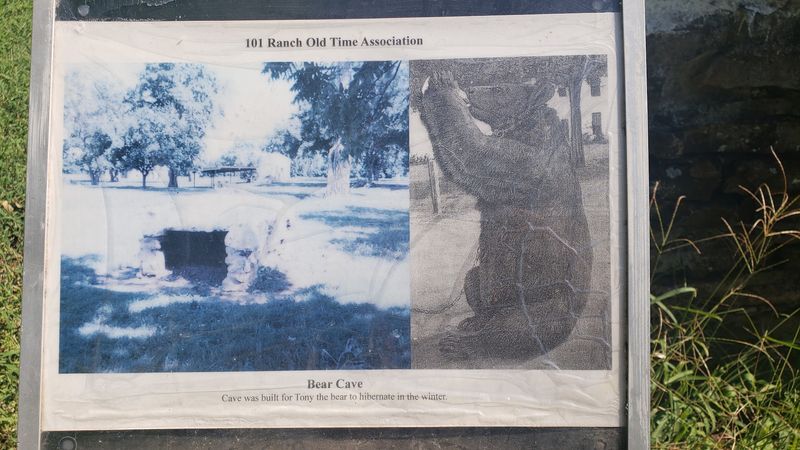
Jack Webb is the second name you will find here, and his story leans straight into the show business side of the ranch. He was known as one of the most famous trick shooters connected to the 101 Ranch Wild West Show, and he carried the billing of World’s Greatest Trick Roper and Sharpshooter.
Titles like that got thrown around in the show world, sure, but you do not last in that business without real skill, and audiences back then were not easy to fool. People paid to see impossible things done in front of them, and performers had to deliver every single night.
Think about the nerve it takes to shoot targets in front of a packed grandstand while somebody spins a rope beside you. That was a job, and he did it well enough that they still put it on his marker.
What I find genuinely touching is that he chose to be buried here rather than somewhere flashier. The show gave him a stage all over the world, but this quiet corner of Oklahoma is where he wanted to stop moving.
The Foreman Who Kept The Whole Thing Running
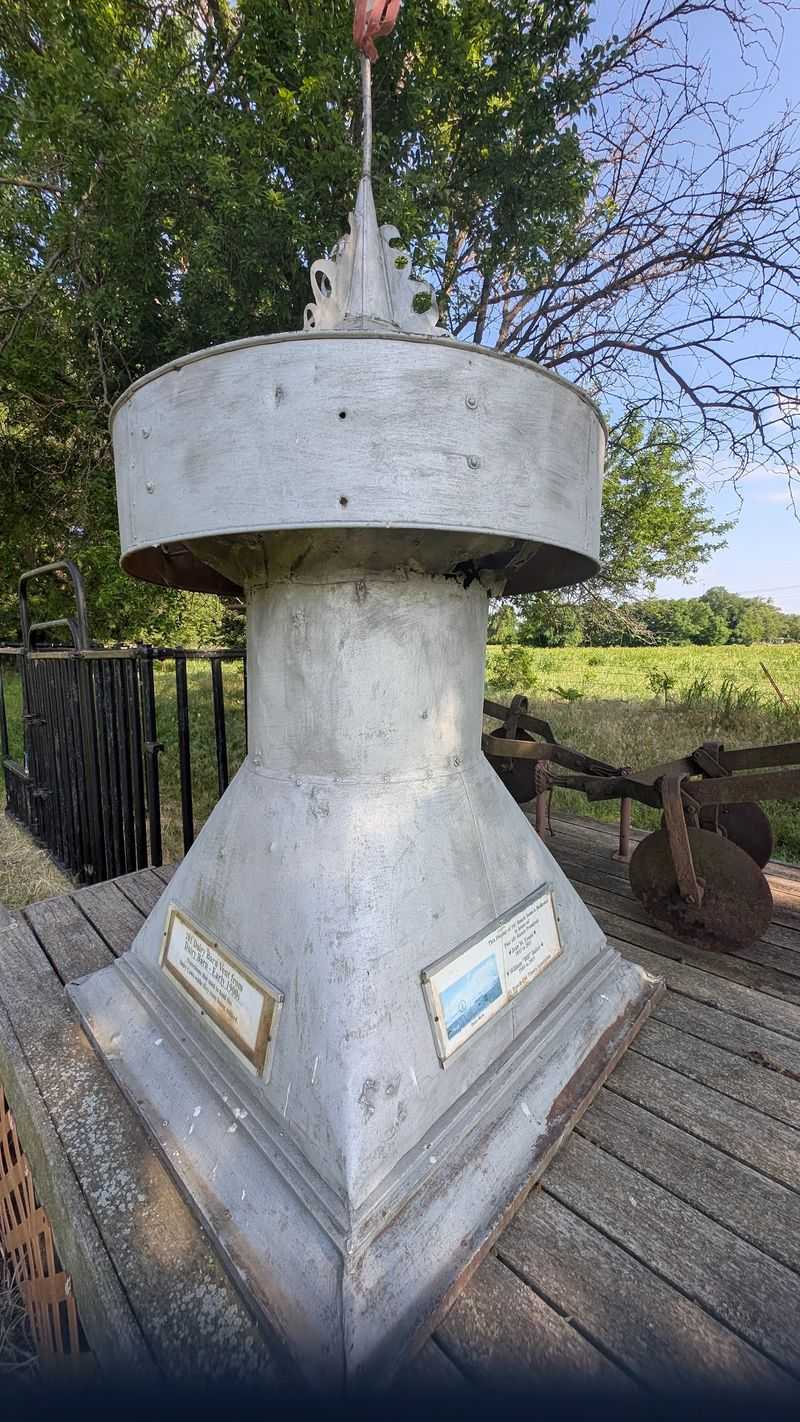
Third grave, third kind of life entirely. Sam C.
Stigall was a pioneer foreman of the 101 Ranch, and he worked there for decades, which in ranch years is basically a whole lifetime of early mornings and long rides.
Foremen are the people nobody writes songs about, and yet without them the cattle do not get moved, the fences do not get fixed, and the crews do not know where to be. On an operation as sprawling as this one, that job would have been closer to running a company than herding cows.
It says something real that he rests right there beside Zack Miller and Jack Webb, a family owner and a famous performer, with no ranking or hierarchy between them.
Out here the three of them get equal ground, which feels like the most honest tribute a working man could ask for. When you stop at his marker, take a second longer than you think you need, because his kind of steady, unglamorous dedication is exactly what held that Oklahoma legend together year after year.
When The Wild West Show Left Home And Toured The World
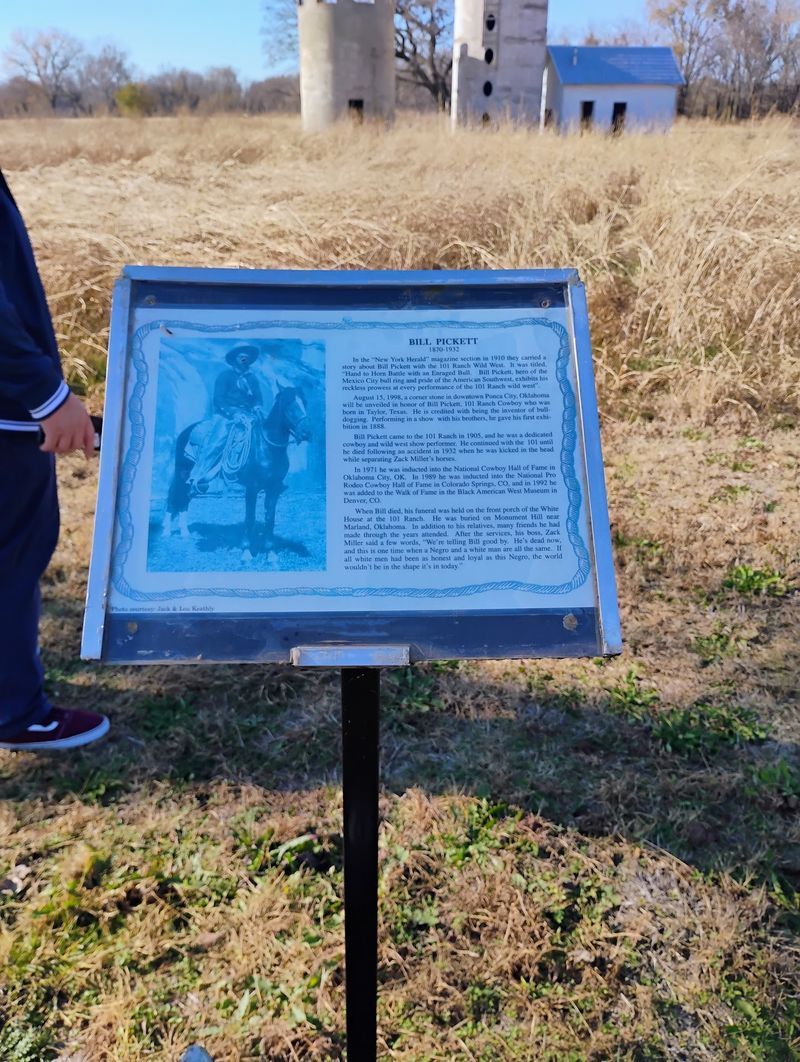
Here is the part that surprises most people, because the 101 Ranch was not just cattle and crops. It was the birthplace of the 101 Ranch Wild West Show, which toured across the country and overseas, packing arenas with rope tricks, riding, and full-blown spectacle.
The lineup of performers who came through reads like a hall of fame roster, with names including Bill Pickett, Tom Mix, and Geronimo appearing under that banner. Tom Mix went on to become one of the biggest movie cowboys of the silent era, and he got his start on this ground.
Can you picture crowds in Europe cheering for a show that was put together out on the Oklahoma prairie? That actually happened, and it shaped how the entire world imagined the American West.
Every cowboy movie cliche you can think of, from the fringed shirts to the trick riding, traces back at least partly to shows like this one. So when you stand at the cemetery, remember that the image of the West living in your head was partly manufactured a short walk from where you are parked.
Bill Pickett Lies Just Down The Way
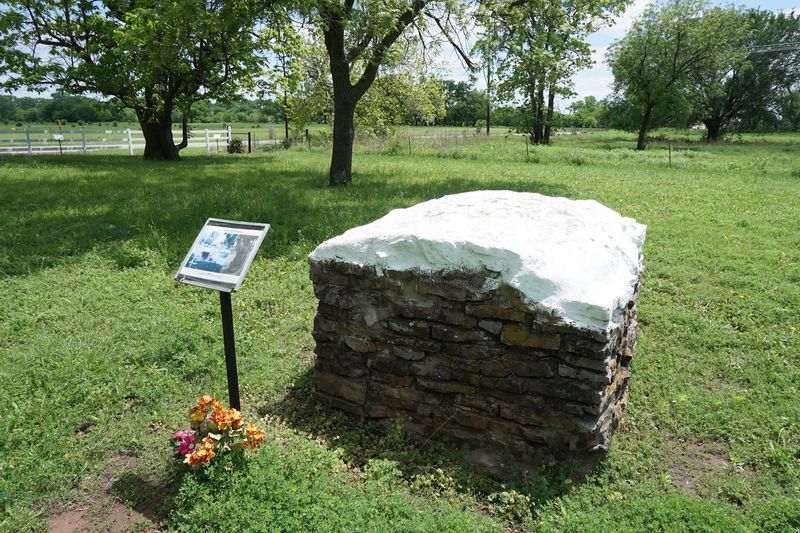
You cannot talk about this land without bringing up Bill Pickett, and his grave sits nearby, close to the White Eagle Monument. He invented bulldogging, which everybody now calls steer wrestling, and it is still one of the marquee events at rodeos everywhere.
Pickett was a huge draw for the 101 Ranch Wild West Show and later became the first African American cowboy movie star, which put him in front of audiences who had never seen anything like him.
His technique was famously bold, and the sport he created out of it has outlived every arena he ever competed in. That is a legacy most performers never get anywhere close to.
Visiting his resting place adds real weight to the trip, because it reminds you that the cowboy story was never only one type of person. Black cowboys, Native performers, immigrants, and drifters all worked this ground together, and the 101 Ranch put a lot of them on the same stage.
Give yourself a few extra minutes here, since this hillside quietly holds one of the most important figures in the whole history of rodeo.
Where To Go After You Leave The Hill
Once you have had your quiet moment at the graves, there is more of this story waiting a short drive away. Marland’s Grand Home in Ponca City holds a museum devoted to the 101 Ranch, and that is where the photographs, show posters, and artifacts actually live.
Seeing the faces and the costumes after standing in the empty field does something to your brain, because suddenly the scale of the operation clicks into place. The mansion itself is worth walking through too, since it belonged to an oil man whose story tangles up with this whole region.
If you have got more road time in you, the 101 Ranch Museum over in Perry gives you another angle on the same legacy.
My suggestion is to hit the cemetery first, early in the day when the light is soft and nobody else is around, then work your way toward the museums in the afternoon. Doing it in that order lets the quiet come first and the explanation come second, and honestly that is the best way to feel this corner of Oklahoma rather than just read about it.
