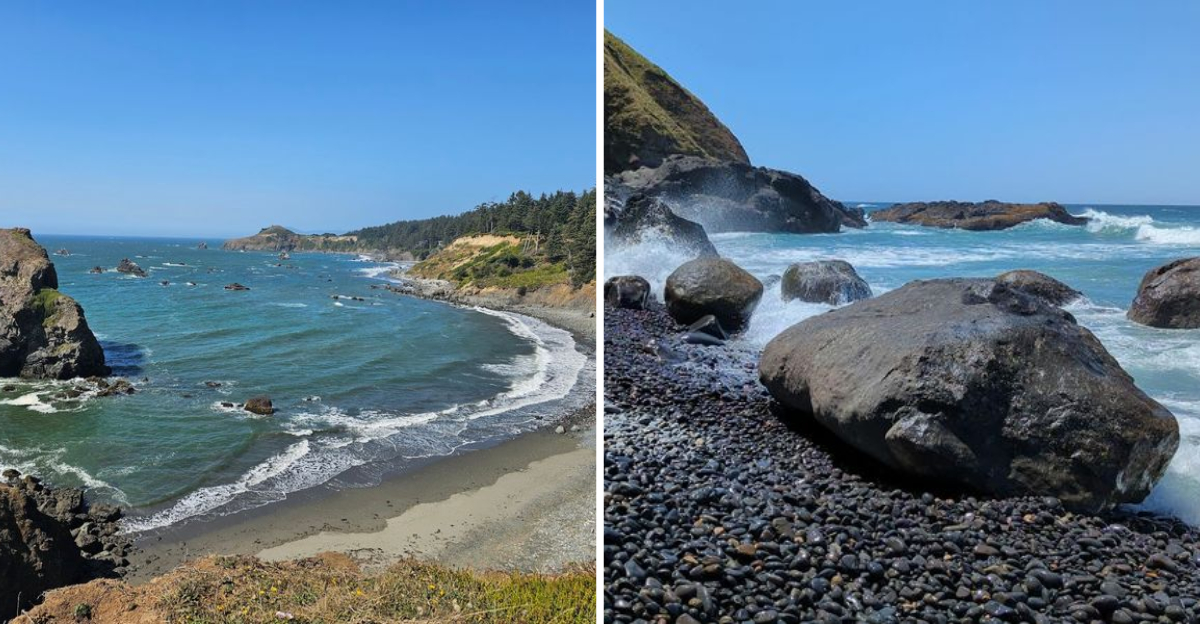
Crouching down on a rain-soaked Oregon beach and spotting a glowing agate tucked among ordinary grey pebbles feels almost magical.
The Oregon Coast stretches for miles, and tucked along its rugged shoreline are some of the most rewarding rockhounding spots in the entire Pacific Northwest.
I have spent mornings here with cold hands and muddy knees, completely losing track of time as waves roll in and fresh gravel tumbles onto the shore.
Each beach has its own personality, its own rhythm, and its own hidden treasures waiting just below the surface.
I found my first agate on a misty morning, the stone glowing orange in the grey light, and felt like I had discovered something the ocean had been saving just for me.
1. Oceanside Beach State Recreation Site – Oceanside, OR
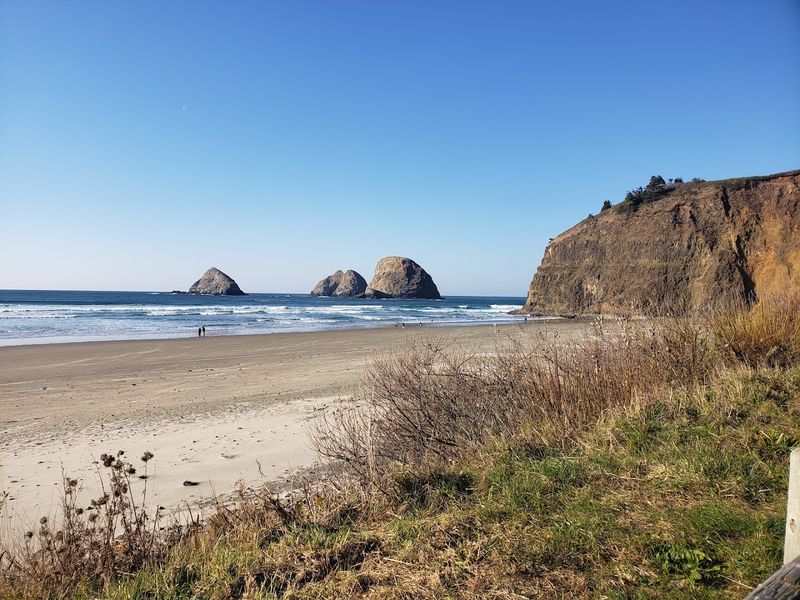
Most people drive through Oceanside and never realize what is hiding at the base of those coastal cliffs. This beach is one of the North Coast’s most celebrated agate-hunting grounds, and for good reason.
The rocky zones closest to the cliff face tend to yield the best finds, especially after a strong winter swell.
Clear, yellow, and carnelian agates turn up here regularly, along with jasper, calcite, and even marine fossils embedded in weathered rock.
Winter is prime season, when powerful Pacific currents strip away sand layers and expose fresh gravel beds beneath.
Arriving early is smart since the parking area fills up quickly on calm winter mornings.
The path from the lot to the shoreline is short and easy, making this a comfortable spot even for families with younger kids. Keep your eyes low and move slowly along the cliff line.
Wet stones show their true colors far better than dry ones, so a small spray bottle of water can be a surprisingly useful tool in your kit.
2. Tunnel Beach – Oceanside, OR (via Maxwell Point Tunnel)
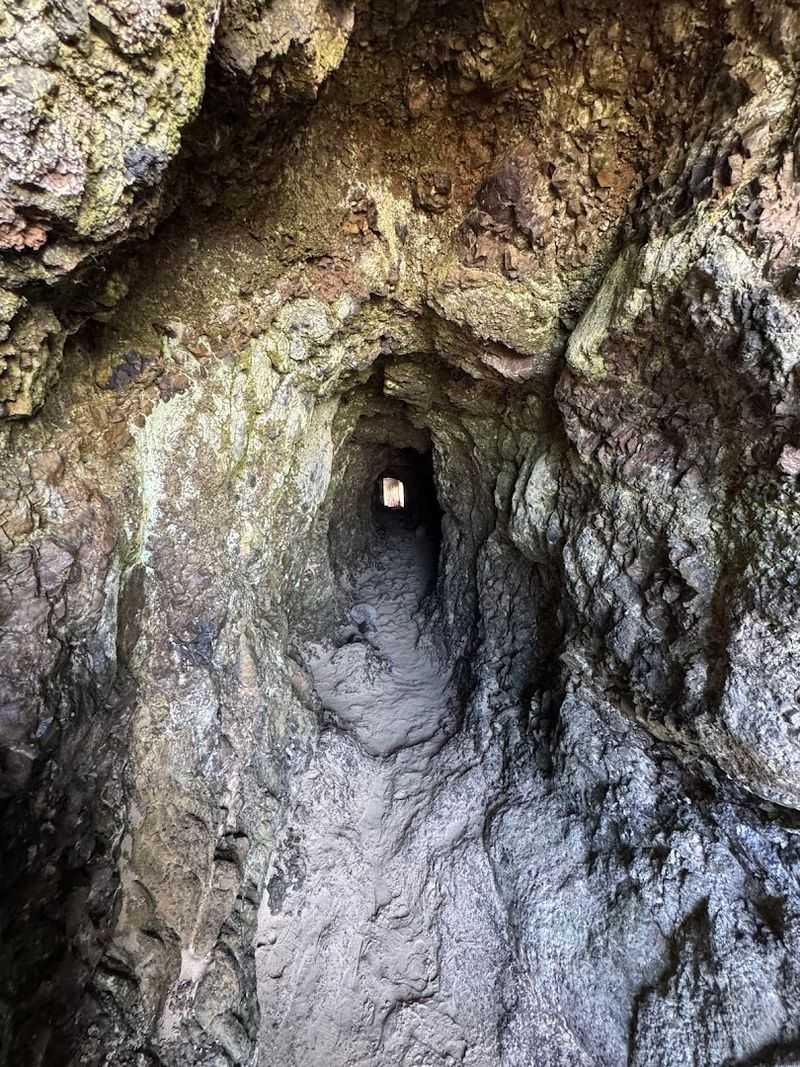
Few rockhounding experiences on the Oregon Coast are as genuinely memorable as walking through a 90-foot tunnel carved into solid basalt just to reach a beach. The Maxwell Point tunnel was originally cut in the 1920s, and stepping through it feels like crossing into a quieter, more secretive world.
Bring a flashlight because the footing is uneven and the walls are slick.
Once you emerge on the other side, the rewards are real. Zeolites are especially abundant here, found loose on the gravel or tucked inside crystal-filled cavities within weathered basalt chunks.
Carnelian, clear, and yellow agates appear alongside green and blue jasper, petrified wood, and marine fossils.
Winter visits after king tides are particularly productive, when fresh material gets pushed onto shore and scattered across the cobble. Always check tide charts before heading out.
During very low tides, it is also possible to walk around Maxwell Point from the main Oceanside Beach instead of using the tunnel.
3. Falcon Cove Beach – Near Oswald West State Park, OR
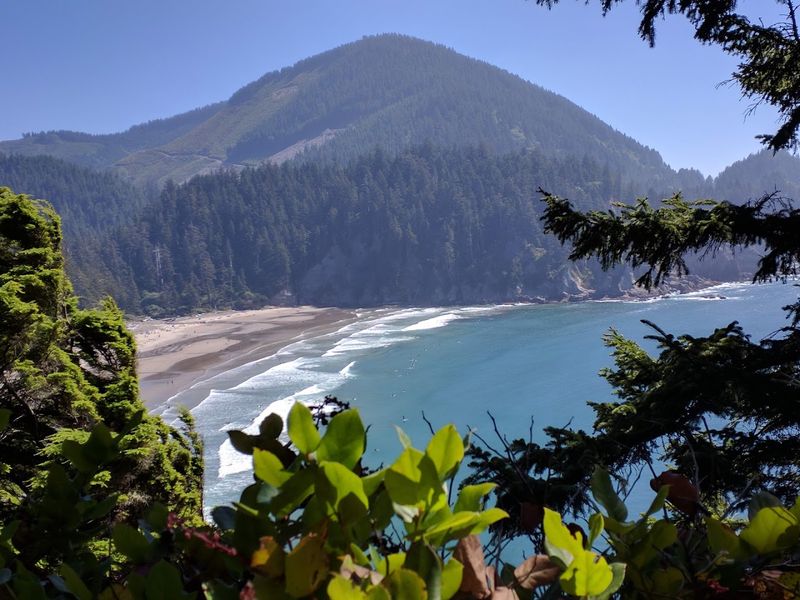
Falcon Cove sits quietly along one of the most scenic stretches of the entire Oregon Coast, just a short distance from the beloved Oswald West State Park. The area is surrounded by old-growth forest that spills right down toward the water, giving the whole place a remote and untouched feeling.
It is the kind of spot where you feel like you have the coastline entirely to yourself.
The beach itself is rocky and rugged, with basalt outcroppings and wave-worn cobble lining the shoreline. Those conditions are exactly what rockhounds love, since harder volcanic material tends to concentrate agates and jasper in the gravel pockets between rocks.
Searching along the high tide line after a strong swell is always a smart approach here.
Getting to Falcon Cove requires a bit of effort, which honestly keeps the crowds thin and the beaches less picked over. The surrounding park offers incredible coastal scenery even if your pockets come up empty.
Wear waterproof boots because the rocks stay wet long after the tide pulls back, and be mindful of sneaker waves along the exposed sections of shore.
4. Big Creek Beach – Near Yachats, OR (Milepost 175 on US-101)
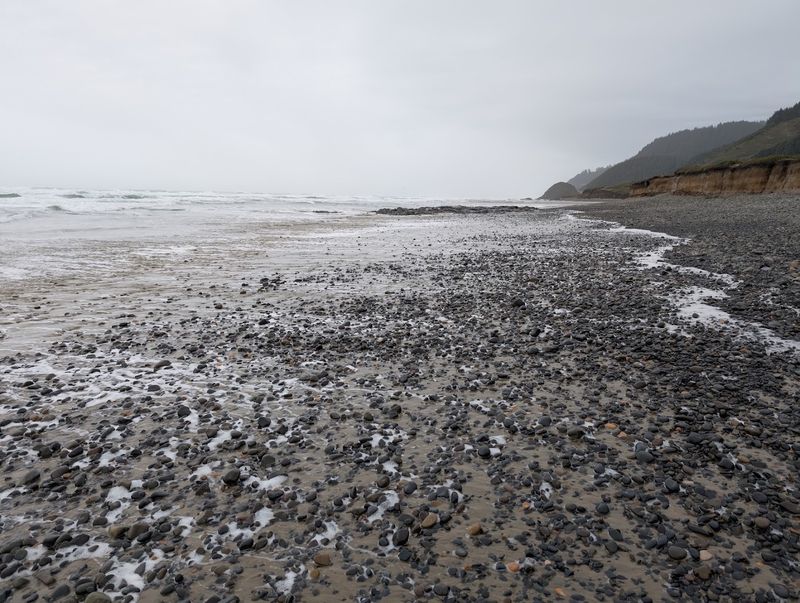
Big Creek Beach is exactly the kind of spot that rewards people who pay attention to mileposts. Most drivers on US-101 blow right past milepost 175 without a second glance, which means the beach here stays wonderfully quiet.
The access point is undeveloped and simple, with small pull-off areas on both sides of the road near the bridge where the creek meets the highway.
Agates, jasper, and petrified wood are all consistent finds along this stretch. Occasionally, zeolite-bearing basalt and marine fossils turn up too, which makes each visit feel a little unpredictable in the best possible way.
The creek itself helps carry and sort material from inland, depositing polished specimens right onto the beach for you to find.
Tide awareness is essential here. Rip currents, large driftwood logs, and sneaker waves are all genuine hazards on this exposed section of coast.
Going during a receding low tide gives you the most beach to work with and keeps conditions safer. I always find that the gravel nearest the creek mouth tends to hold the most variety, so that is usually where I start my search.
Address: US-101 at Milepost 175, Yachats, OR
5. Strawberry Hill Wayside – 5 Miles South of Yachats, OR
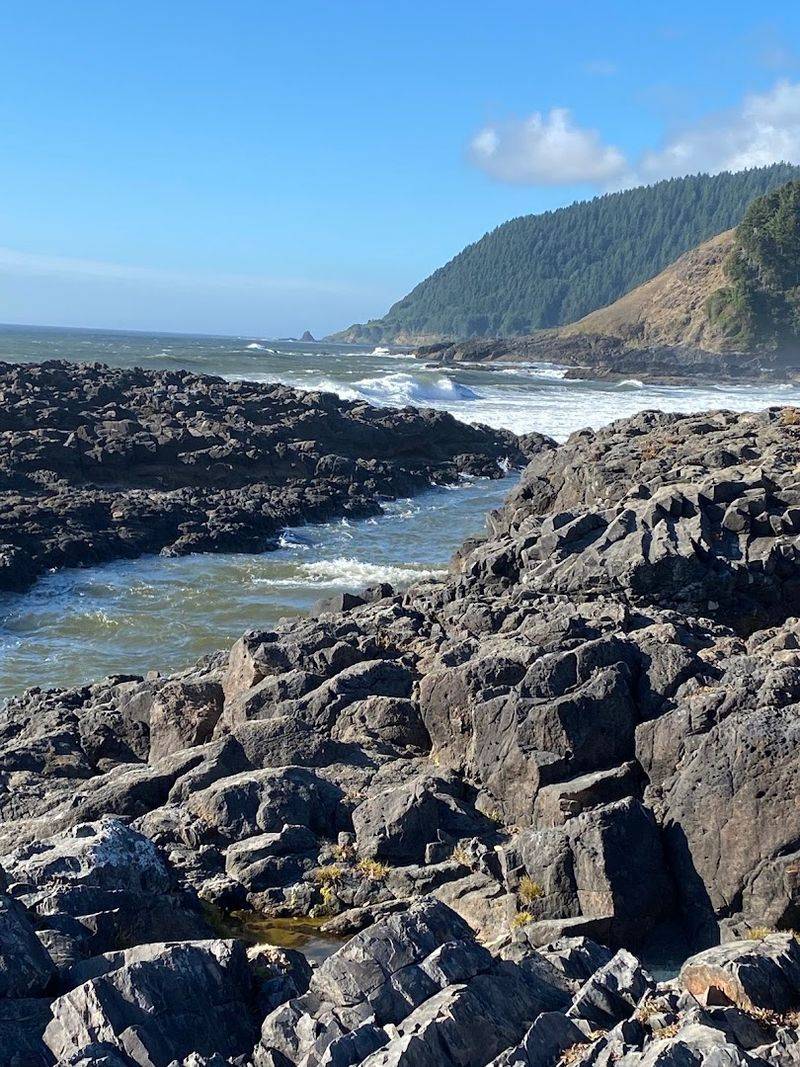
Strawberry Hill Wayside has earned a devoted following among Oregon Coast rockhounds, and honestly, a single visit makes it easy to understand why.
Part of the Neptune State Scenic Viewpoint, this spot sits within a famously agate-rich corridor that stretches from Yachats southward to Carl G.
Washburne Memorial State Park. The volcanic ledges and sea caves along the southern shoreline give the whole area a dramatic, almost prehistoric feel.
November through April is the sweet spot for collecting here, when winter storms and king tides scour away sand and gravel to reveal what lies beneath.
A short but steep trail from the parking area drops down to a rocky terrace, which then opens up to two distinct beaches.
The southern side is where most rockhounds focus their attention, and agates turn up there with satisfying regularity.
Since Strawberry Hill sits within a marine reserve, only surface collecting is allowed. No digging, no prying rocks from the reef.
That rule protects the incredible tide pools here, which are absolutely worth exploring on their own even when the agate hunting is slow.
Address: US-101 at Milepost 16, Yachats, OR
6. Bob Creek Beach – 6 Miles South of Yachats, OR
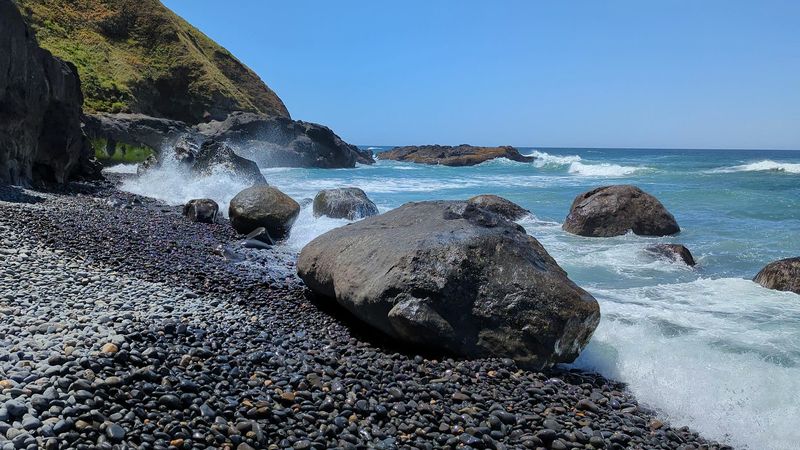
Bob Creek Beach sits just a few miles further south along Highway 101 from Strawberry Hill, and it carries the same raw, rocky energy that makes this whole stretch of coast so productive for rockhounds.
The beach is not the kind of place you stumble upon accidentally.
You have to know it is there and make the deliberate turn, which means it sees far fewer visitors than more publicized spots.
The rocky character of the shoreline here is a big part of what makes it so good for agate hunting. Wave action against basalt and volcanic material constantly breaks down and sorts the gravel, concentrating heavier, harder stones like agates and jasper in specific pockets along the beach.
Searching systematically along the waterline during a receding tide gives you the best odds.
Powerful waves are a real consideration at Bob Creek. This section of the Oregon Coast is known for unpredictable surf, and the rocks can make footing treacherous when waves surge unexpectedly.
Going with a buddy and keeping one eye on the water is not just good advice, it is genuinely important. The payoff for staying alert is a beach that feels wonderfully wild and largely your own.
7. Yachats State Recreation Area – Yachats, OR
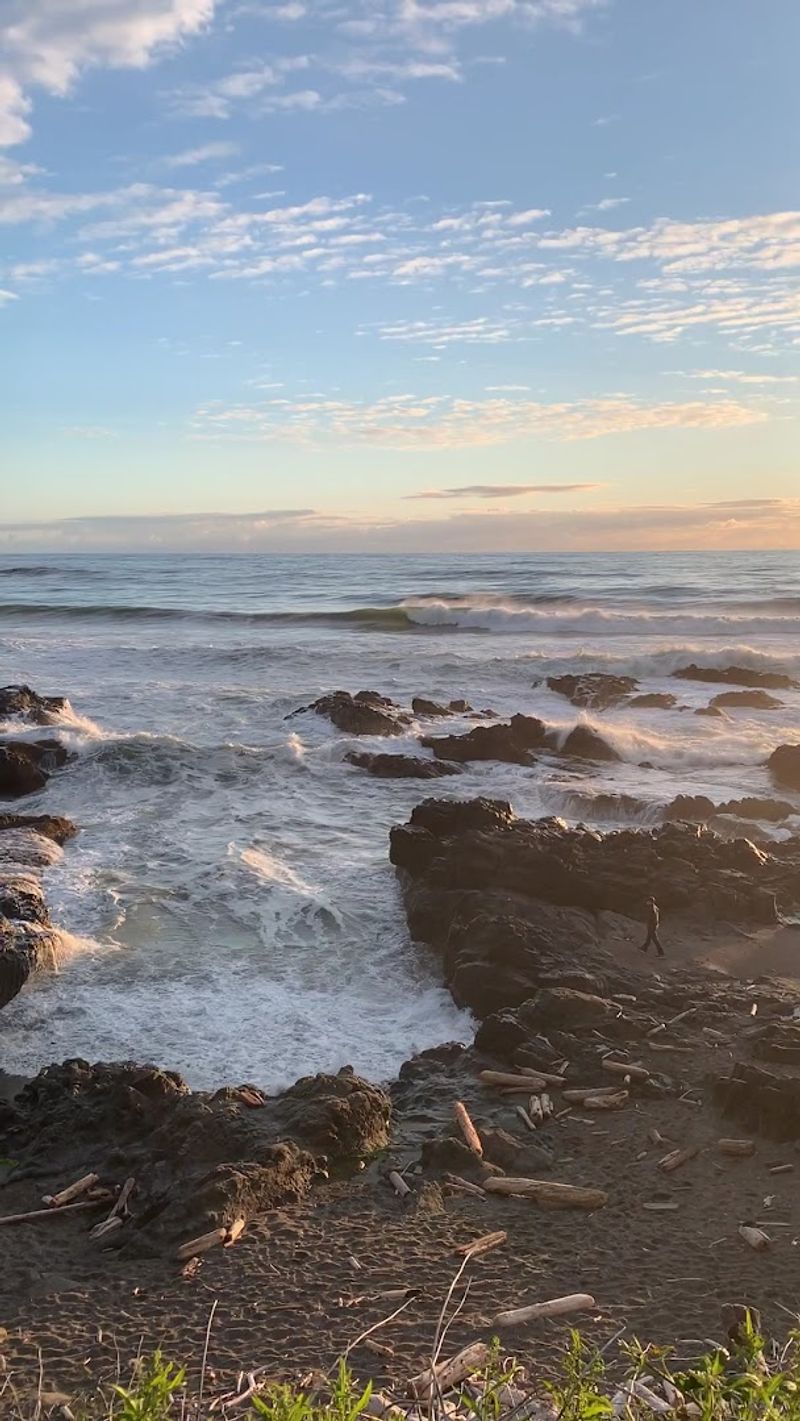
Yachats has a well-earned reputation as one of Oregon’s most beloved agate-hunting communities.
The town even hosts an annual Agate Festival each January, drawing collectors from across the region who swap finds, share tips, and celebrate the obsession together.
The beaches right in town are rocky and dramatic, with tides that crash hard against the basalt in a way that is genuinely impressive to watch.
Those same powerful tides are what make the beaches here productive. Winter storm surges and king tides expose gravel beds where agates in shades of orange, red, yellow, clear, and occasionally blue lie waiting.
The key to spotting them is learning to look for translucency. Hold a candidate stone up toward the sky, and if light passes through it, you are likely holding something worth keeping.
The beaches in Yachats are not the gentlest places to explore, and caution around the water is always warranted. But the atmosphere of the town itself adds something special to the experience.
Grab a coffee, chat with locals who know exactly where the good gravel is hiding, and plan your beach visit around the lowest tide of the day.
8. Agate Beach (Tseriadun State Recreation Site) – Port Orford, OR
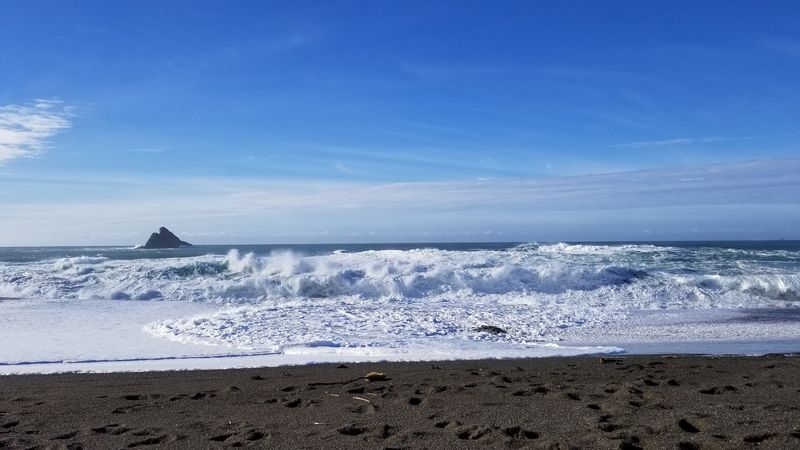
A beach that literally has agate in its name sets expectations high, and Tseriadun State Recreation Site delivers. Small agates are genuinely plentiful here, scattered across gravel and coarse sand in a way that makes even a slow morning feel rewarding.
The beach is picturesque too, with tide pools at one end and distant views of the Cape Blanco Lighthouse adding a postcard-worthy backdrop to your searching.
Access is via a 200-yard trail from the parking lot, which is short enough to be easy but just long enough to keep the casual day-trippers from lingering.
Beyond agates, jasper and interesting seashells turn up regularly, especially during winter after storms push fresh material onto shore.
The variety keeps things interesting even for collectors who have visited multiple times.
A few real hazards are worth mentioning. The beach has deep soft sand in places, severe drop-offs where the water meets the shore, and waves that can arrive with surprising force.
Staying well back from the water’s edge and watching the surf pattern before you get close is genuinely smart practice here. Port Orford itself is a wonderful small town worth exploring after a morning of hunting.
Address: Agate Beach Rd, Port Orford, OR
9. Bailey Beach – Gold Beach, OR
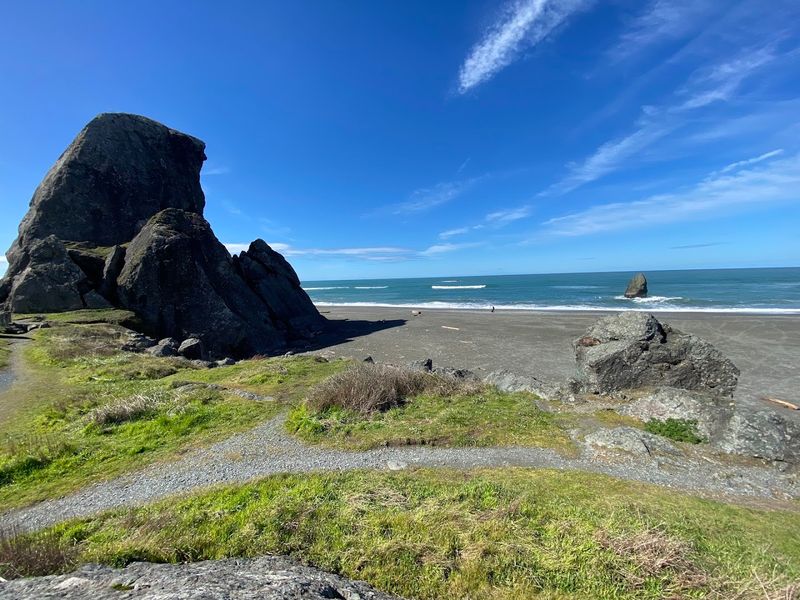
Bailey Beach stretches for roughly two and a half to three miles north of Gold Beach, running from the Rogue River North Jetty up to Otter Point State Recreation Site.
It is a quieter alternative to the more visited South Beach, and the combination of Pacific surf and Rogue River sediment creates some genuinely productive gravel deposits along the shoreline.
That mix of river and ocean material is what makes this stretch so varied and interesting.
Agates, jasper, petrified wood, quartz, garnet, and occasional black sands containing heavy minerals all turn up here.
The northern coves and the area around the jetty tend to be the most productive zones, where river-polished material and larger rocks concentrate in pockets.
I always head toward the jetty first and work my way south from there.
Access is flexible. You can reach the beach from the Rogue River North Jetty, where street-legal vehicle access is available, or hike about 0.65 miles south from Otter Point State Recreation Site.
Either way, you end up on a beach that feels spacious and generous. Low tide after a winter storm is the classic formula for success, and Bailey Beach rewards that approach as reliably as anywhere on the south coast.
10. Gold Beach South Beach – Gold Beach, OR
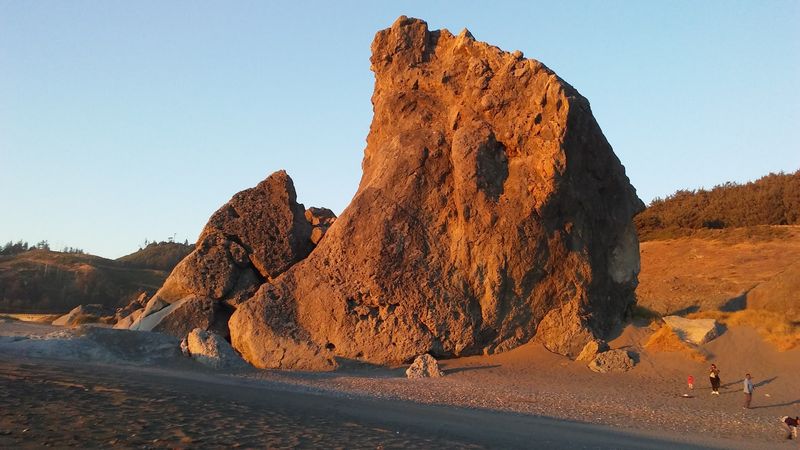
South Beach in Gold Beach runs for about five miles from the Rogue River South Jetty all the way down to Cape Sebastian, and it is one of those beaches where you can walk for an hour and still feel like you have more ground to cover.
Kissing Rock, a distinctive sea stack near the highway, marks the area and gives the whole stretch an immediately recognizable character.
The Rogue River constantly replenishes the gravel here, which keeps the rockhounding surprisingly fresh visit after visit.
Common finds include agates, jasper, gabbro, quartz, and petrified wood. Among the most sought-after prizes are large banded agates and brecciated jasper, both of which appear with enough regularity to keep serious collectors coming back.
The gravel bars and shoreline near Hunter Creek are considered particularly promising, and that area is usually where I spend most of my time.
Low tide after a strong winter storm is the formula that consistently produces the best results. South Beach has a wide, open feeling that makes long searching walks genuinely enjoyable, especially on those rare clear winter mornings when the whole coast glitters.
11. Jasper State Recreation Site – Near Gold Beach, OR
Jasper State Recreation Site carries a name that sounds like a rockhound’s dream, and the truth about this spot is actually interesting in its own right. Located about ten miles southeast of Eugene-Springfield along the Middle Fork Willamette River, this is a riverside day-use park rather than a coastal beach.
It is administered by the Oregon Parks and Recreation Department and serves mainly as a gathering place for picnics, family reunions, and outdoor recreation.
The park offers reservable group shelters, a playground, a nine-hole disc golf course, and access to riverside trails for walking and fishing.It is a lovely place to spend a day, just not in the way that most coastal rockhounders might expect when they first hear the name.
For those making a longer road trip through Oregon and passing through the Willamette Valley, this park makes a pleasant rest stop or picnic destination. Just know going in that the agate-hunting action is back on the coast, not here.
The name is a happy coincidence, and the park itself has plenty of charm on its own terms.
Address: 85521 Jasper Park Rd, Pleasant Hill, OR 97455
12. Short Beach – Near Cape Meares State Park, OR
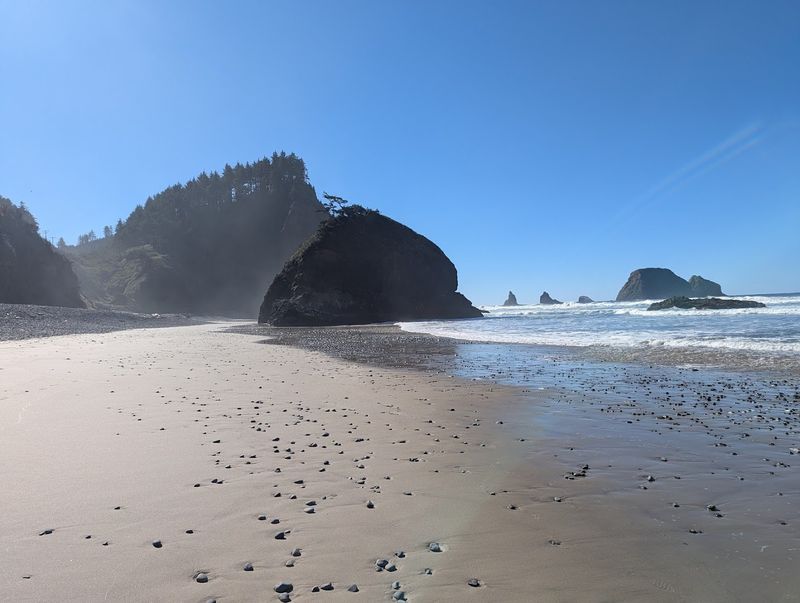
Short Beach might be the most rewarding hidden gem on the entire Oregon Coast, and getting there involves descending a series of makeshift stairs down a 0.25-mile trail that keeps the crowds genuinely thin.
Tucked into a cove about one mile south of Cape Meares and 1.3 miles north of Oceanside, the beach sits in a pocket of coastline that feels wonderfully cut off from the rest of the world.
Two waterfalls, one natural and one man-made, spill onto the shore and add an almost surreal atmosphere to the whole experience.
The cobble here tumbles constantly with the waves, and that action polishes and sorts an impressive variety of material.
Agates in yellow, dark red, orange, and mossy green turn up along the high tide line, along with jasper, chalcedony, petrified wood, and zeolites.
Searching just below the high tide mark is usually the most productive strategy, especially during winter and spring when tides are at their most active.
The tide pools at the southern end of the beach are spectacular at low tide and worth exploring even after your pockets are already full.
Address: Cape Meares Loop, near Radar Rd, Cape Meares, OR
