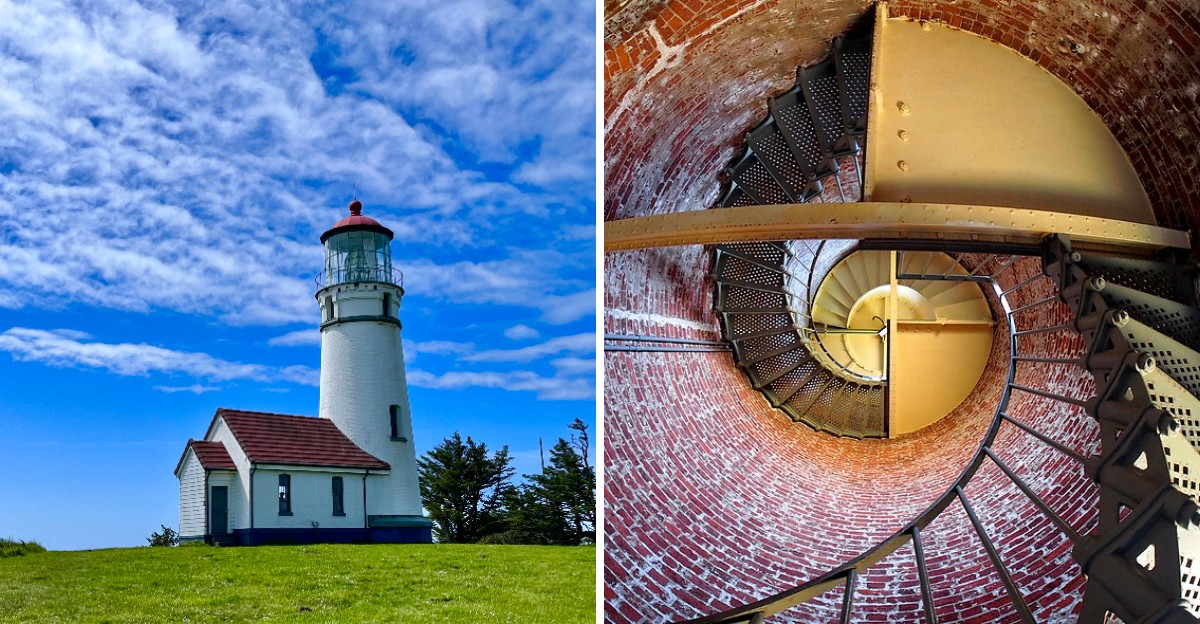
Wind hits this lighthouse harder than almost anywhere else along the coast, strong enough that visitors sometimes brace against railings just to keep steady while looking up.
Forest crowds close to the edge of the cape here, trees thinning out right where cliffs drop steeply toward the ocean below. The lighthouse itself has weathered that exposure for well over a century.
Standing at the westernmost point in the state comes with a specific kind of isolation, nothing but water stretching out for miles in nearly every direction once you’re actually up there. Few structures balance history and this level of raw exposure quite as dramatically.
Visitors leave with windburned faces more often than not. Oregon’s most exposed lighthouse earns that reputation daily, one gust at a time.
A Cape That Reaches Farther West Than Anywhere Else in Oregon
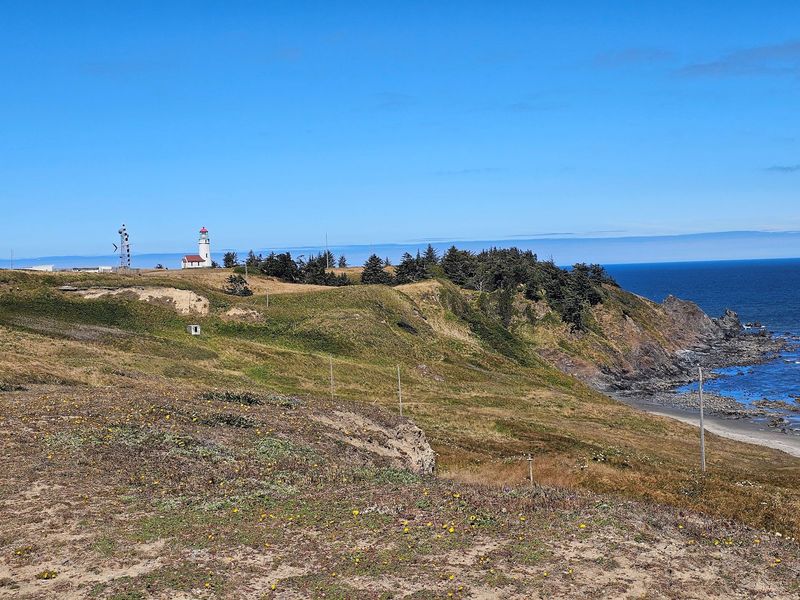
My first look at Cape Blanco came through a gap in the Sitka spruce, and the ocean just kept going. The cape pokes farther west than any other spot in Oregon, so you are about as close to the open Pacific as the state allows.
The name dates back to Spanish sailors who passed by centuries ago. They saw pale, chalky cliffs and called the place the white cape. Those light-colored bluffs still catch the sun today, especially in the afternoon.
What surprised me most was the mix of scenery. Thick forest crowds the road on the way in, then the trees thin out and grassy headlands roll toward the edge. Suddenly the lighthouse pops up, small and bright against all that blue.
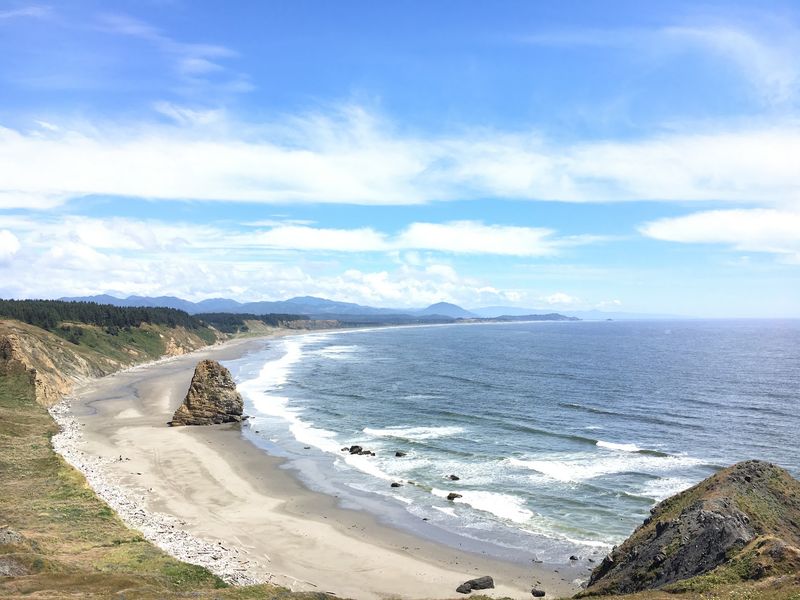
Give yourself a minute before rushing toward the tower. Look north and south along the coastline, where rocky islands and foamy reefs break the water.
On a clear day, the view stretches for miles in both directions. It is the kind of spot that makes a phone camera feel a little useless, though you will try anyway.
The Oldest Standing Light on the Oregon Coast
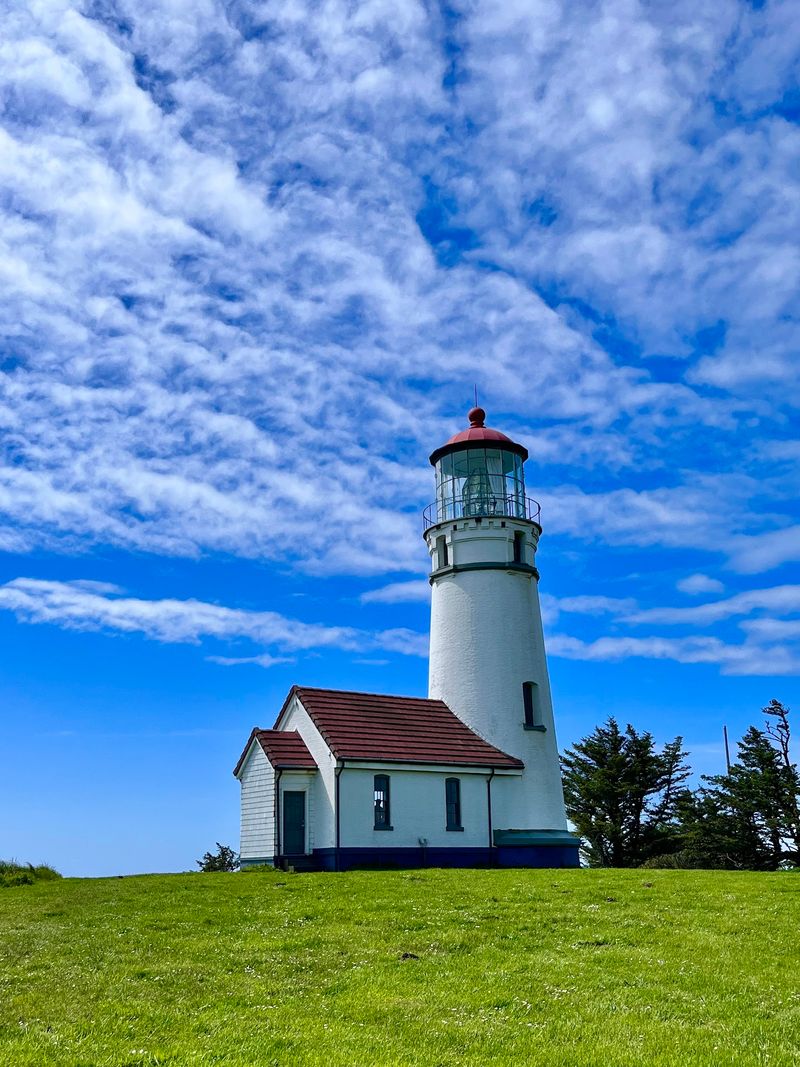
Back in 1870, workers finished a brick tower on this windy bluff, and it has been guiding ships ever since. That makes Cape Blanco the oldest standing lighthouse on the Oregon coast. The tower is short, only around 59 feet tall. Height is not the whole story, though.
Because it sits on a high headland, its light shines from roughly 250 feet above the sea, the highest focal point of any lighthouse in Oregon. Sailors needed that help. Reefs and rocks lurk off the cape, and the area earned a rough reputation during the busy shipping days of the 1800s.
The beam gave captains a way to know exactly where they were in the dark.
The light still works today, so the tower is more than a museum piece. Right now, the inside is closed to visitors while the lighthouse waits for structural repairs, and people who care about it are working to save it.
A Paved Path With a Few Surprises
Parking comes first, then the fun part. From the lot, a paved road leads out to the lighthouse, and the walk runs about half a mile each way.
Here is the twist. The route dips downhill and then climbs back up another rise before you reach the tower, so the return trip gets your legs working too. Most people handle it fine at an easy pace.
The path is paved and wheelchair accessible, but some sections are fairly steep. Anyone using a wheelchair or stroller may want a helper for the hills. Families with small kids should plan for a slow stroll rather than a quick march.
Dogs are welcome on leash, and many pups seem thrilled by all the fresh ocean smells. Bring water, since there is not much up top. Comfortable shoes help more than you might think. The payoff at the end is huge, with the white tower standing tall and the Pacific spread out on three sides.
Wind That Has Its Own Opinion
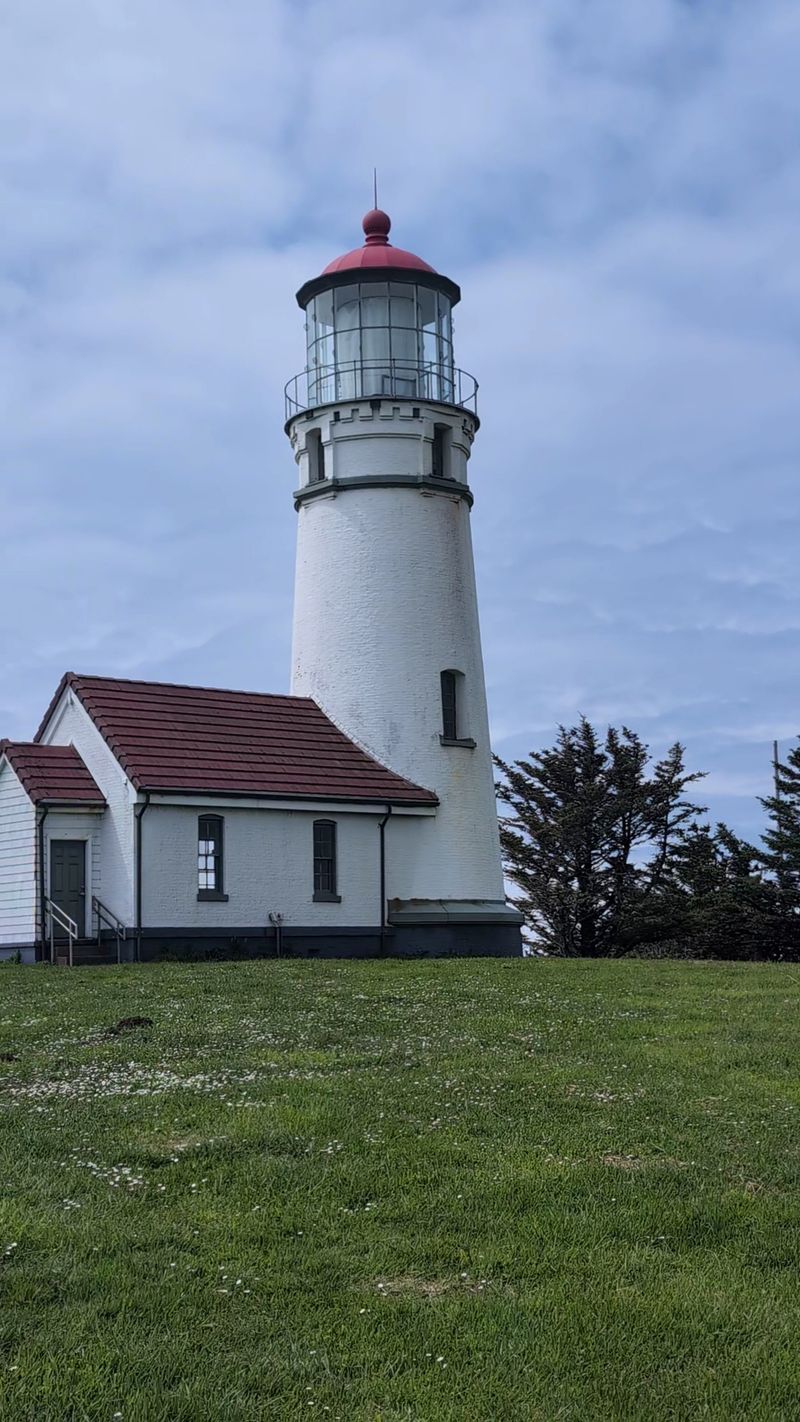
Pack a jacket. Seriously, even in July. Cape Blanco is famous for wind, and it does not care what season the calendar says. Gusts sweep across the open headland with nothing to slow them down. My hat nearly took a trip to California.
Some days, the lighthouse grounds close when winds get dangerously strong, so a quick weather check before you leave can save disappointment.
Fog is the other big player here. On gray mornings, low clouds can swallow the tower completely, and you might only catch a ghostly outline for a moment. Clear afternoons tend to bring the best views, though coastal weather changes fast.
There is a bright side to all that moving air. Kite fliers and people with small gliders love the steady breezes, and watching colorful shapes dart over the grass adds a playful feel to the place. The wind also pushes waves into white rows that crash against the rocks below.
The Glass Heart Up Top
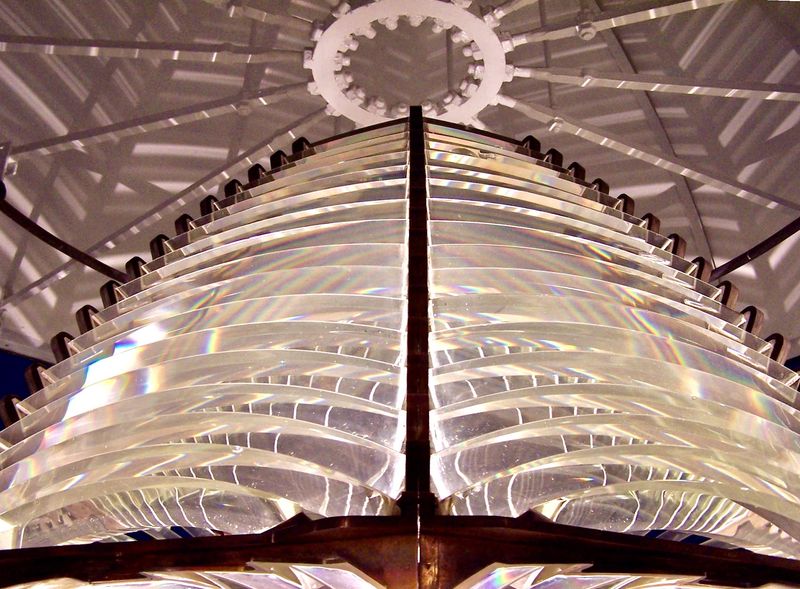
Did you know the light at the top came all the way from France? The tower holds a first-order Fresnel lens, one of the largest types ever made for lighthouses. It was crafted in Paris in the 1860s and shipped to this remote cape.
A Fresnel lens works like a giant glass beehive. Rings of carefully shaped prisms bend and gather light into a strong beam that can reach ships far out at sea. Before electricity, keepers burned oil to make that glow, and they spent hours cleaning soot off the glass.
The lens has had some hard days. In 1992, vandals damaged several of its prisms, which upset lighthouse fans across the state. Repairs brought it back, and it remains one of the prized treasures of the Oregon coast.
Since the tower interior is closed for now, you cannot climb up for a close look. Volunteers at the visitor center sometimes share photos of the lens so you can see its details. I found those pictures pretty amazing.
Keepers Who Lived by the Light
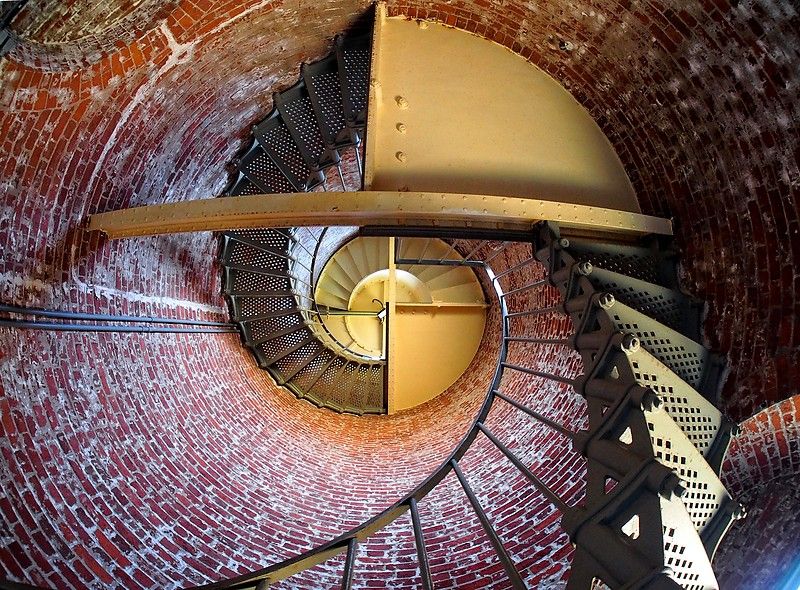
Lighthouse keeping was never an easy job, and Cape Blanco was one of the loneliest posts around. Keepers and their families lived far from towns, with long winters and a lot of wind for company.
Their days followed a strict routine. Lamps needed fuel, glass needed polishing, and the light had to shine every night without fail. Supplies arrived slowly over rough roads or by boat, so families learned to be tough and resourceful.
One name stands out in the history books. In 1903, Mabel Bretherton became an assistant keeper here, and she is often credited as the first woman to serve as a lighthouse keeper on the Oregon coast. That was a big deal at a time when few women held jobs like that.
The light was automated in 1980, so no one needs to live out on the point anymore. Still, it is easy to picture those keepers climbing the spiral stairs on stormy nights. Think about that the next time a cold gust smacks you in the face.
Volunteers, Stories, and a Small Gift Shop
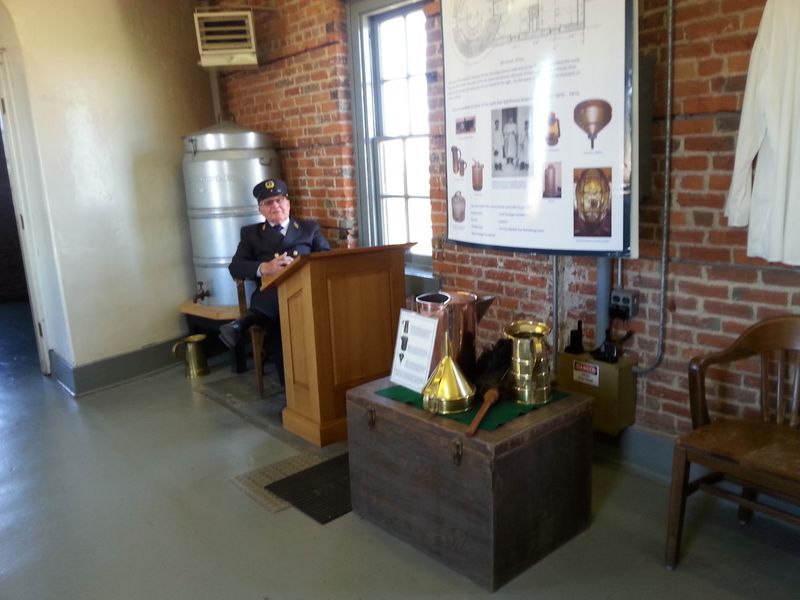
Right beside the lighthouse, a small visitor center and gift shop packs in more history than its size suggests. It is free to enter, and the volunteers inside really know their stuff.
Friendly folks from the Cape Blanco Heritage Society help run things and share stories about the tower, the keepers, and the rugged cape. I asked one simple question and walked away with a mini history lesson. Nobody seemed to mind the curiosity.
Displays cover the building of the lighthouse, life on the headland, and the work being done to protect the tower for the future. Old photos show how the grounds looked long ago. Kids tend to enjoy spotting what has changed and what has stayed the same.
The shop offers lighthouse-themed souvenirs, postcards, and books about Oregon history. Buying something small is a nice way to support preservation efforts. Keep in mind that there are no restrooms up by the lighthouse, so plan ahead before the walk.
Hughes House and the Pioneer Cemetery
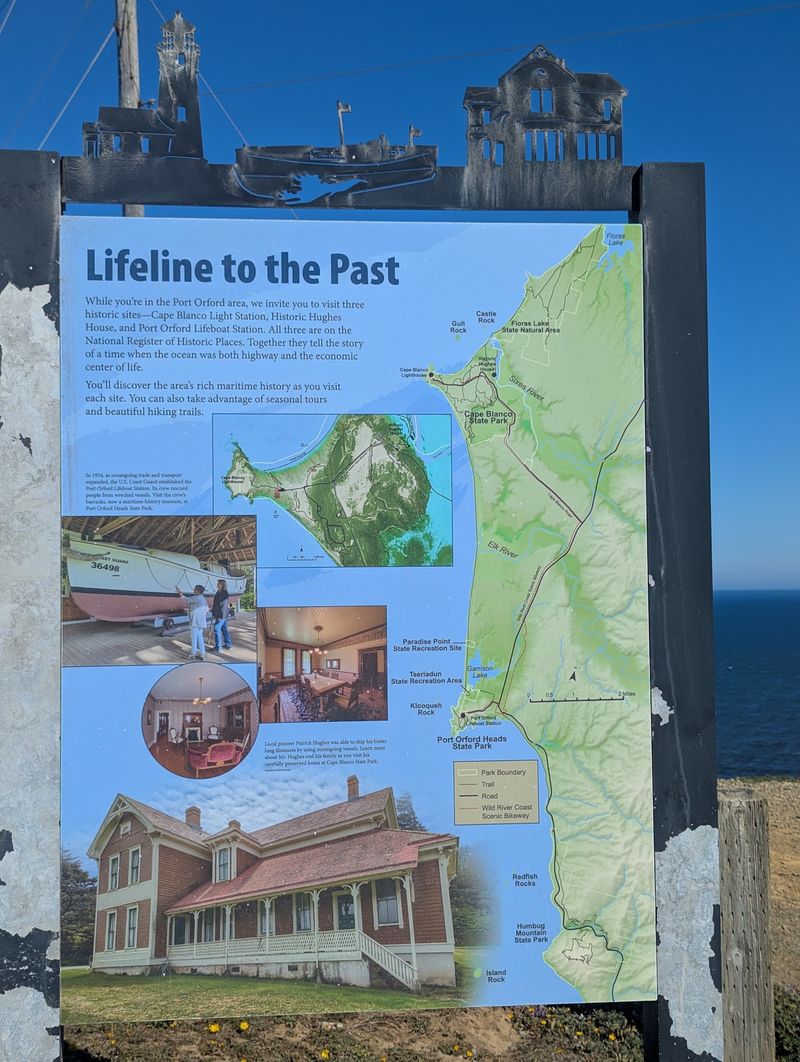
Old houses have a way of whispering stories, and the Hughes House is full of them. You will find it along the road on the way to the lighthouse, tucked into a green meadow near the Sixes River.
Patrick Hughes, an Irish immigrant, ran a dairy ranch on this land, and his family built the Victorian home in 1898. The two-story house has been restored with care. Tall windows, tidy wood trim, and period furniture give a peek into ranch life more than a century ago.
It makes a great stop if the lighthouse grounds are closed because of wind. The house sits in a more sheltered spot, so it can feel calmer there. There is also a portable restroom at the turnout, which is handy since facilities are scarce at the top.
On the drive in, keep an eye out for the small pioneer cemetery. Weathered headstones mark the resting places of early settlers from the area. Together, the house and cemetery add a human side to the cape.
Down to the Beach and Out Among the Wildlife
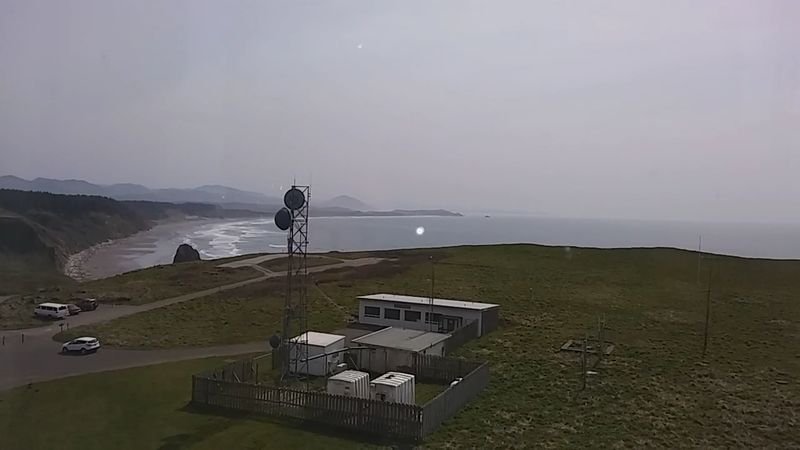
Sand, driftwood, and crashing surf wait just below the headland. A trail leads from the lighthouse area down to the beach, and it takes around ten minutes each way. The walk down is easy. The trip back up asks a bit more from your legs, so take your time.
Once on the sand, you can wander along the shore, look for smooth stones, and watch waves roll in from far out at sea. Wildlife sightings add extra excitement. Bald eagles have been spotted around the beach and bluffs, so keep your eyes on the sky.
Seabirds glide over the water, and sea lions sometimes rest on offshore rocks, which makes a small pair of binoculars worth packing. Other short trails cross the grassy headland too, each with its own angle on the tower. I liked looking back at the lighthouse from below, where it seemed even taller.
Stay on marked paths, since the cliff edges can crumble. Always keep a safe distance from the surf. Sneaker waves happen on this coast, and they come fast.
Planning Your Visit the Smart Way
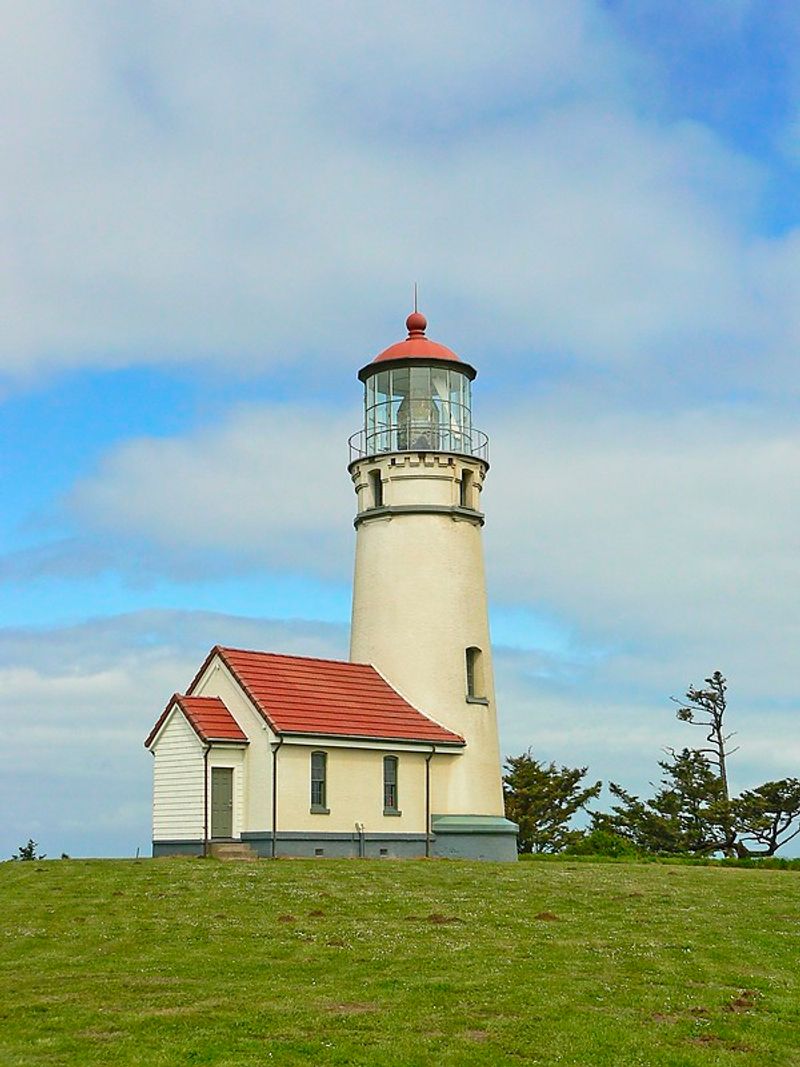
A little planning goes a long way at a place this remote. The visitor center usually runs from spring through fall, roughly April to October, and opens from 10 AM to 3:30 PM every day except Tuesday.
Showing up after hours is not a total loss. You can still walk the paved road to see the outside of the tower and soak up the views. Plan on at least an hour, which leaves time for photos, the gift shop, and a slow stroll back.
Pack layers, a warm jacket, water, and snacks. Use the restroom before heading out to the point. If one day is not enough, Cape Blanco State Park has a campground close by with forest sites and beach walks. Nearby Port Orford makes an easy base for supplies too.
You will find the lighthouse at 91100 Cape Blanco Rd, Port Orford, OR 97465. It is a place I would happily return to again and again.
