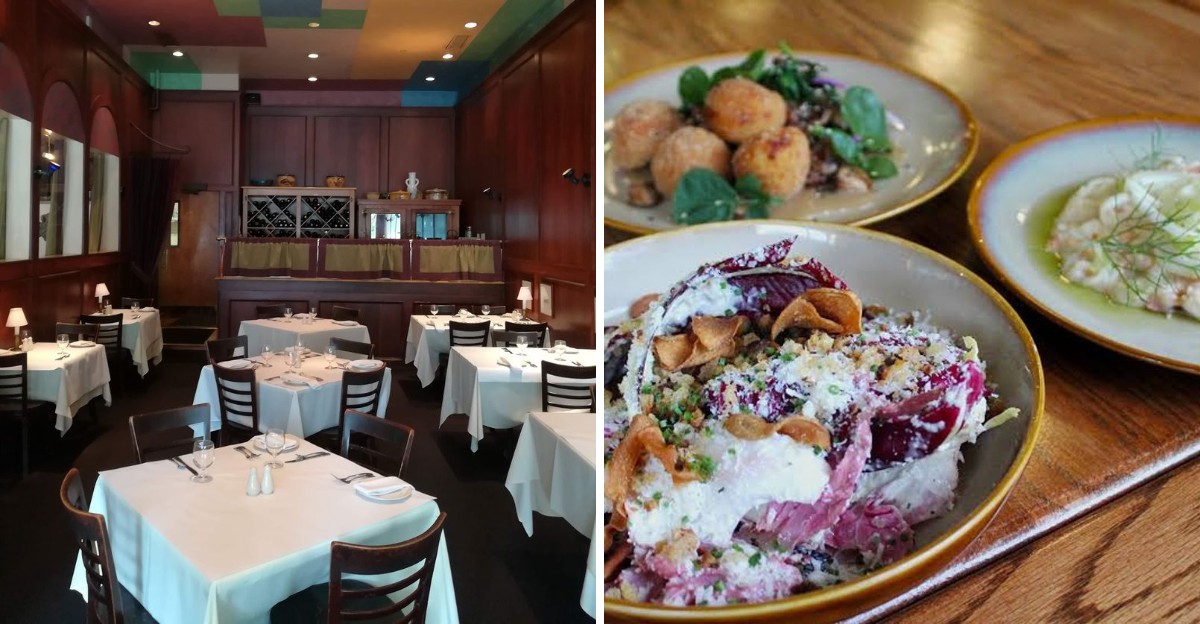
Farmers deliver here before most restaurants even open their doors for lunch. That relationship shapes literally everything that ends up on a plate later that evening.
A menu changes week to week, sometimes faster, depending entirely on what’s ready to harvest or catch nearby. Foraged mushrooms might vanish by the following visit, replaced by something else entirely once conditions shift outside. Nothing gets locked into place just for consistency’s sake.
Chefs elsewhere talk about local sourcing as a talking point. Here it functions more like a operating rule, dictating decisions long before a single dish gets planned out.
Oregon’s forests, farms, and coastline essentially write this menu each season. Diners just show up to see what got decided that week.
A Corner of Broadway That Pulls You In
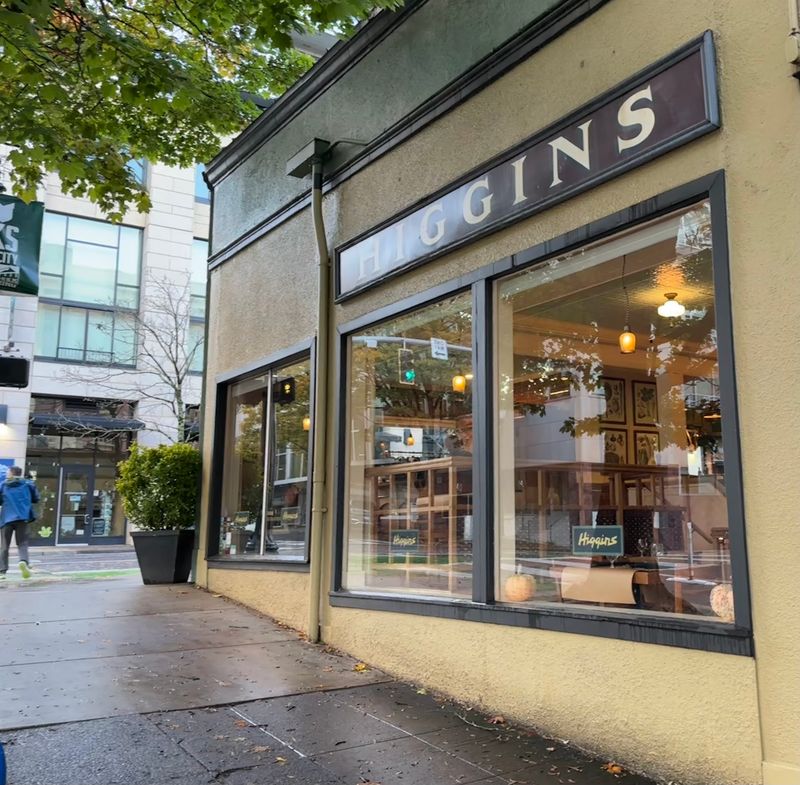
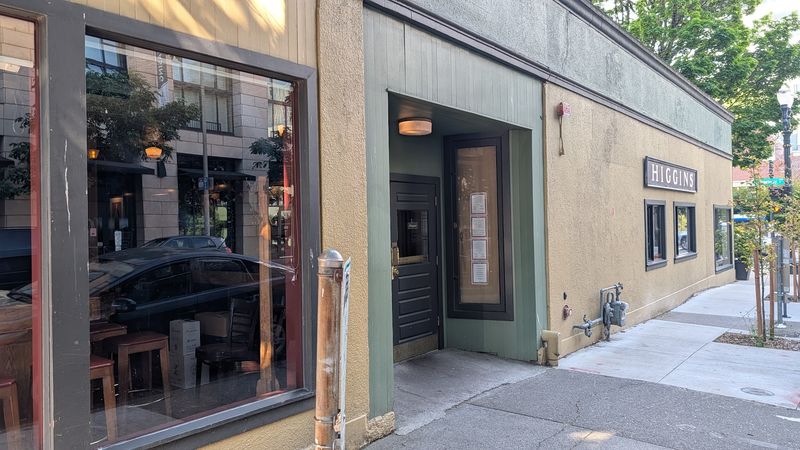
Downtown Portland hums along Broadway, and then there is this quiet corner where the pace suddenly softens. The building sits close to the sidewalk. Big windows glow from the inside.
From outside, it does not shout for attention, which is part of the charm, and honestly part of why locals keep it close to their hearts. Getting here is simple. Streetcar stops, bus lines, and parking garages are all within a short walk.
The neighborhood carries a theater district feel, with concert halls and museums a block or two away, so evenings here always have a little buzz to them.
Arriving on foot is the best approach, since the walk lets you notice the older brick buildings and the way rain makes the streetlights shimmer. Plan a few extra minutes for window shopping along the way. Portland weather being what it is, an umbrella helps.
Once the door opens, the street noise fades and something warmer takes over.
Inside, the Room Feels Lived In
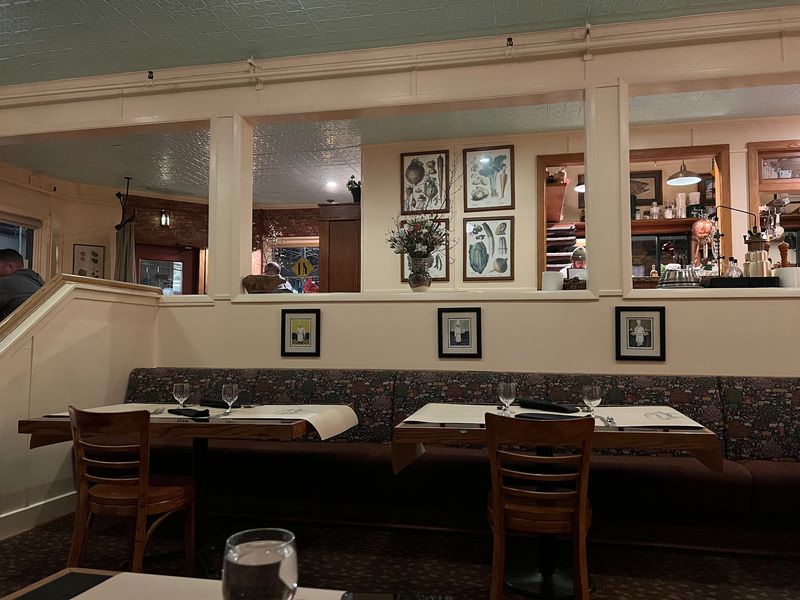
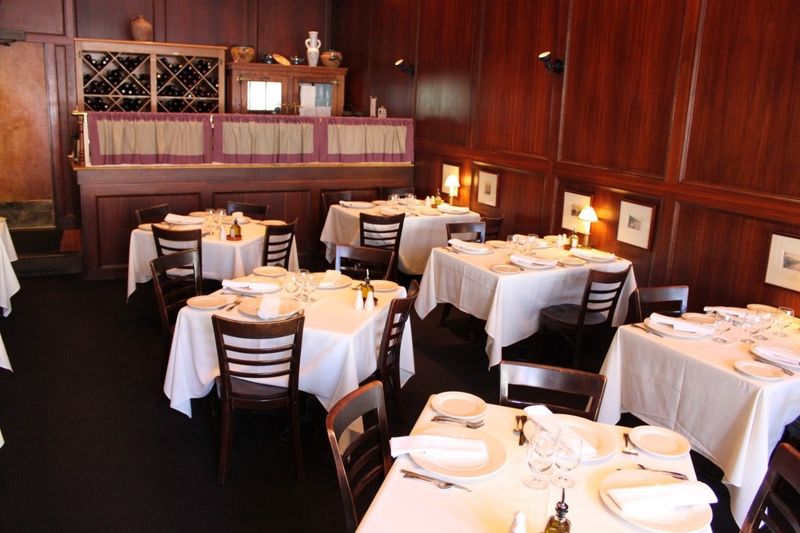
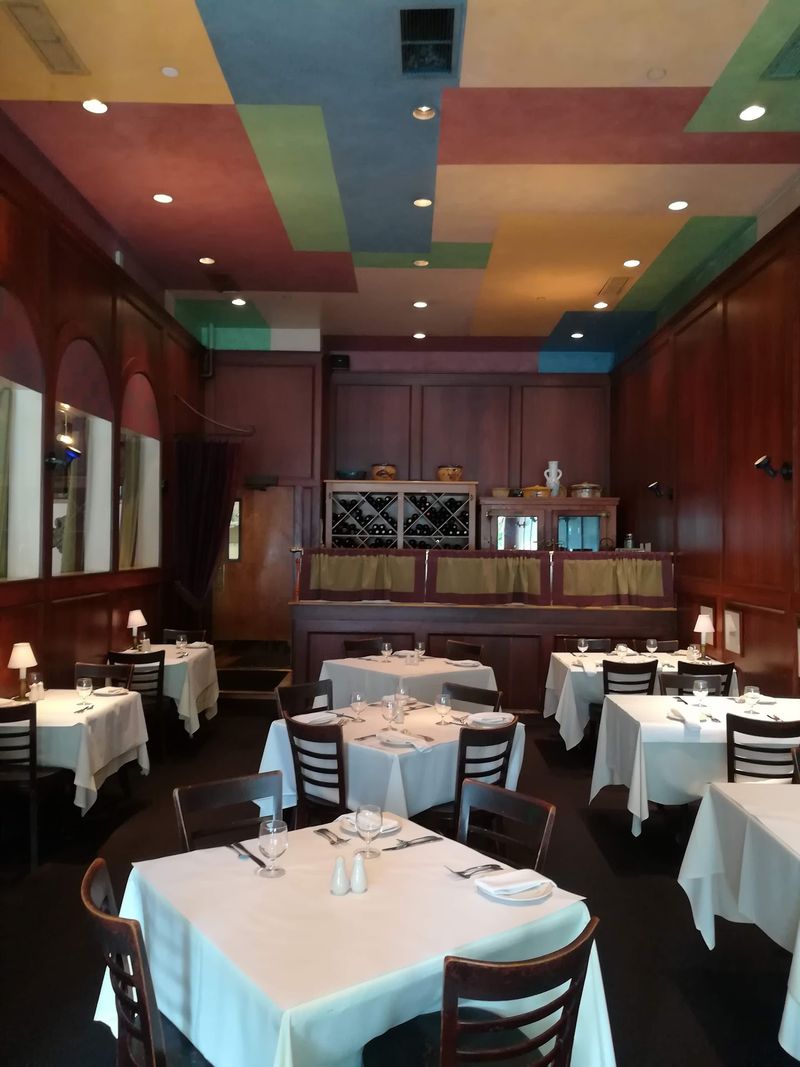
Warm wood, white tablecloths, and soft lighting set the mood the moment you step past the host stand. Booths line one side. Tables fill the middle. Nothing feels overly designed, and that restraint is what makes the space comfortable rather than stiff.
There is a glimpse into the kitchen if you sit in the right spot, which turns dinner into a small piece of theater. Voices carry, though never in a way that makes conversation hard.
The decor leans classic rather than trendy, with no gold trim or oversized art trying to impress anyone. Regulars seem to like it exactly that way, and it is easy to see why. Couples celebrating anniversaries sit beside solo diners reading the menu slowly, and both look equally at home.
If you want the quietest experience, ask for a booth toward the back. Coats hang, water glasses stay full. Little details like that add up over the course of an evening.
The Bar Side Has Its Own Personality
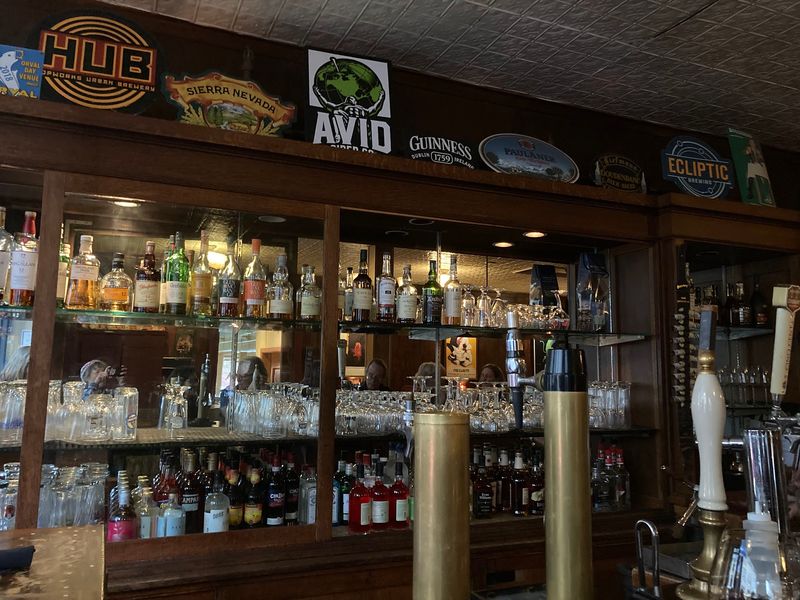
Showing up without a reservation is not the end of the world, because the bar room often has space. Counter seats face the action. Booths tuck along the wall. The energy over here runs a touch livelier, with more chatter and a quicker rhythm than the main dining room.
Smaller plates show up on the bar menu, which makes it an easy stop for a light meal or a shared snack. Prices feel a little friendlier too. Staff behind the counter keep things moving without ever seeming rushed, and questions about the menu get thoughtful answers. Solo travelers do well here.
A seat at the counter means company, conversation, and a front row view of plates heading out. Early evenings tend to be calmer, while the hour before curtain time downtown fills every stool. Arrive around opening if you want your pick.
The bar area also works well when plans change last minute, which happens more often than anyone admits.
A Farm to Table Habit That Started Early
Long before farm to table became a phrase on every menu in America, this kitchen was already building relationships with growers around Oregon. The restaurant opened in 1994, chef put his name on the door.
Decades later, the same idea drives the menu, which shifts with what farms, fishers, and foragers bring in. That approach means the list of dishes stays shorter than at some places. Fewer options, better sourcing.
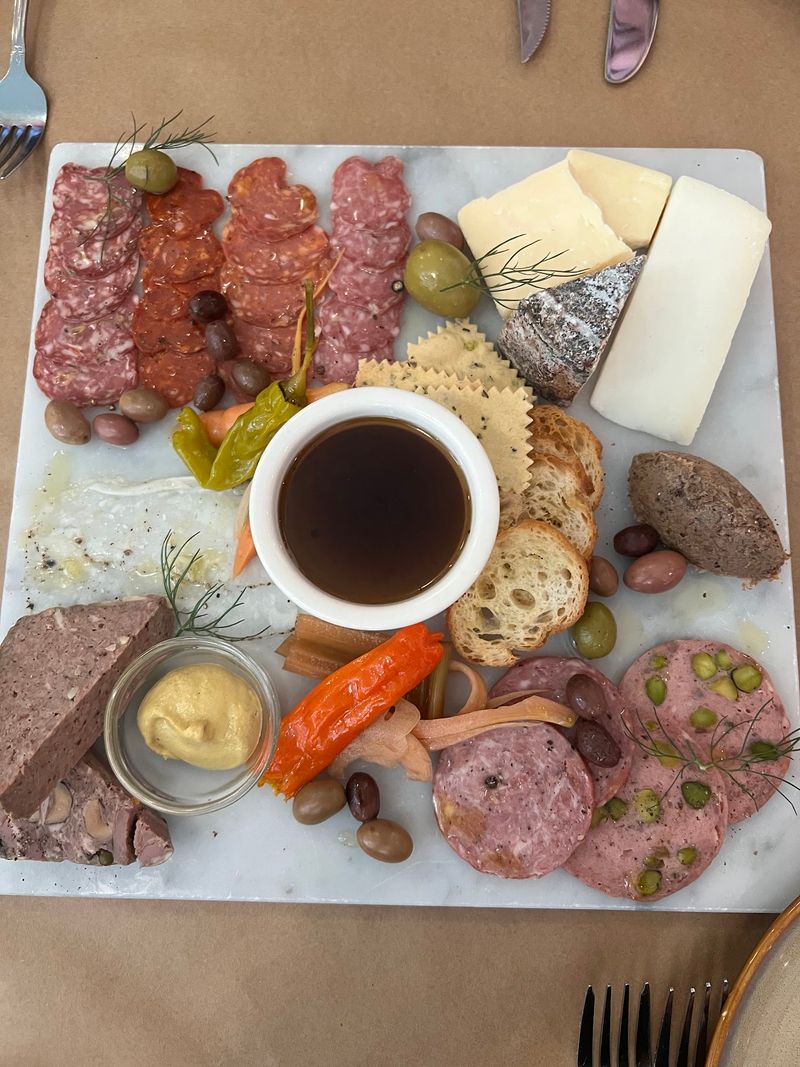
Ingredients travel a short distance, so vegetables taste like they were picked recently rather than shipped across a continent. Charcuterie gets made in house, and staff will happily explain each item on the board if you ask.
Portland has a reputation for caring about where food comes from, and a big part of that story runs through this address. Knowing the history makes the meal feel different. You are not just eating dinner, you are tasting a region mapped out plate by plate for thirty years.
What the Seasons Put on the Plate
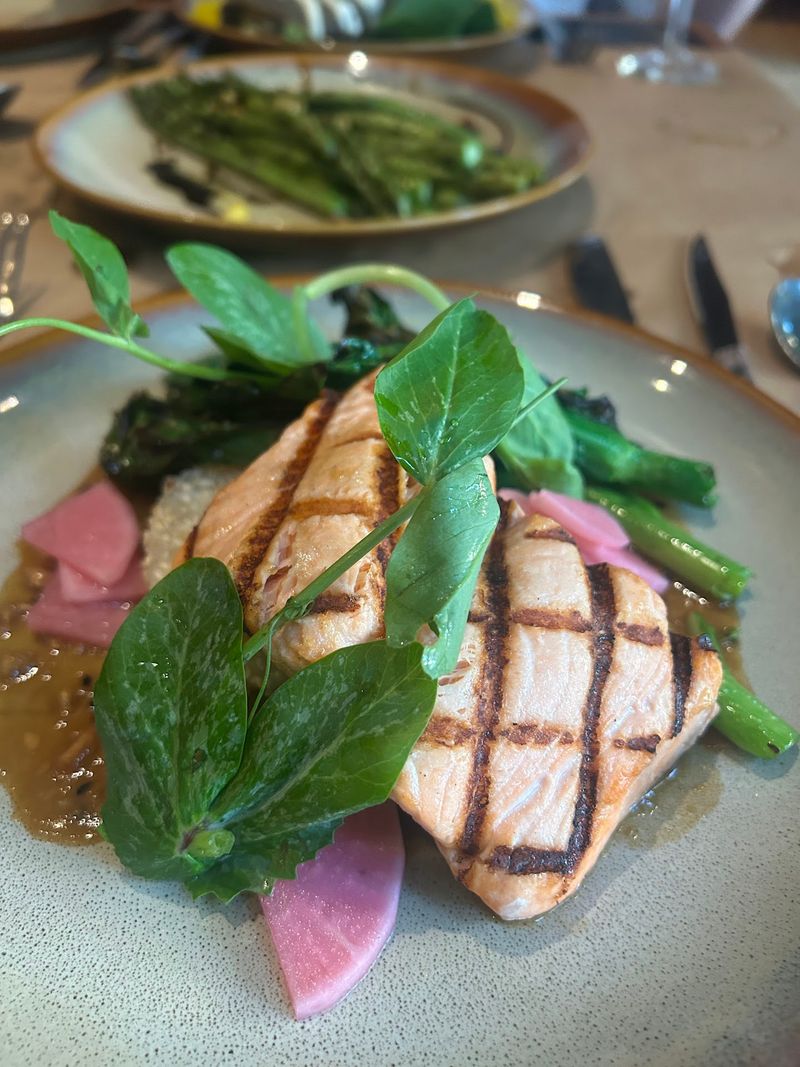
Ask what changed since last month and the answer is usually most of it. Spring might bring asparagus and crispy leeks folded into risotto, while colder months lean toward slow braises and hearty greens.
Duck shows up often, prepared in ways that keep regulars coming back. Salads deserve attention too. A pile of fresh greens with hazelnuts and blue cheese sounds simple until the dressing shows up and ties everything together.
Specials get read aloud, and they are worth listening to closely because they usually reflect what arrived that morning. Portions are measured rather than overwhelming. An amuse bouche often opens the meal, a small bite that sets the tone before anything else arrives.
Desserts hold their own, with almond cake and puddings that people mention long after the plates are cleared. If you cannot decide, let the server steer you, since they know how the courses balance. Sharing works well here, so bring an appetite for tasting.
Seafood That Tastes Like the Coast
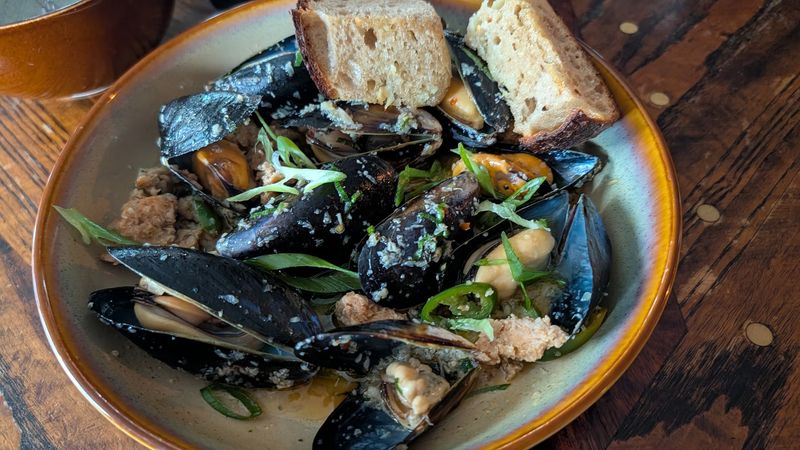
Oregon’s coastline sits about ninety minutes west, and the kitchen makes sure you can taste that distance. Razor clams get talked about the most. Big, tender pieces show up when the season allows, and people who grew up near the water often say these are the best they have had.
Mussels appear regularly. Cioppino makes the rounds in cooler months. Chinook salmon arrives as a special when the run is right, sometimes served over polenta with a bright vinaigrette. Crab and shrimp cakes make a solid starter for anyone who wants something familiar.
The fish changes with the tides and the boats, which is exactly the point. Nothing sits around waiting. If seafood is your reason for visiting Portland, plan an evening here and ask what came in that day.
Even landlocked visitors leave with a better sense of what the Pacific Northwest actually tastes like, which is a nice souvenir to carry home. No gift shop needed.
Service That Reads the Room
Some restaurants make you feel like a table number, and this is not one of them. Servers know the menu deeply, including where ingredients came from and how dishes are built. Questions get real answers.
Pacing matters here too, especially when a show downtown starts at a fixed time and the clock is not on your side. Mention your schedule when you sit down, and courses will arrive in a rhythm that fits. Water glasses stay filled without anyone hovering.
Plates come out timed together rather than scattered, which keeps a shared meal feeling like a shared meal. The team seems genuinely happy to be there, from the host at the front to the person who brings the charcuterie board and explains each item. That warmth is contagious.
Solo diners get the same attention as a table of eight celebrating a big anniversary, and that consistency is rarer than it should be. It shows in every small gesture.
Perfect Timing Before a Show
Theater tickets and dinner reservations pair naturally in this part of downtown. The Arlene Schnitzer Concert Hall sits a block away, and the Keller Auditorium is a short walk south. Plenty of guests arrive with programs tucked under an arm.
Booking a table around five thirty gives you room for three courses without watching the clock. Let the staff know the curtain time. They handle the pacing, and the bill arrives promptly when the evening needs to wrap.
On performance nights the room fills quickly, so a reservation matters more than usual. Walk-ins sometimes get lucky at the bar side, though it is a gamble. After the show, the streets stay lively, and the walk back to a hotel or garage feels easy.
Dinner and a performance in the same few blocks makes for a smooth night out, no driving between stops and no rushing through dessert. Portland makes that kind of evening surprisingly simple.
A Lunch Stop Near the Museum
Midday visits deserve more attention than they get. The Portland Art Museum sits practically next door, which makes lunch here a natural follow-up to a morning of galleries.
Lunch runs on weekdays, and the room feels calmer with daylight coming through the windows. The midday menu is lighter and gentler on the wallet.
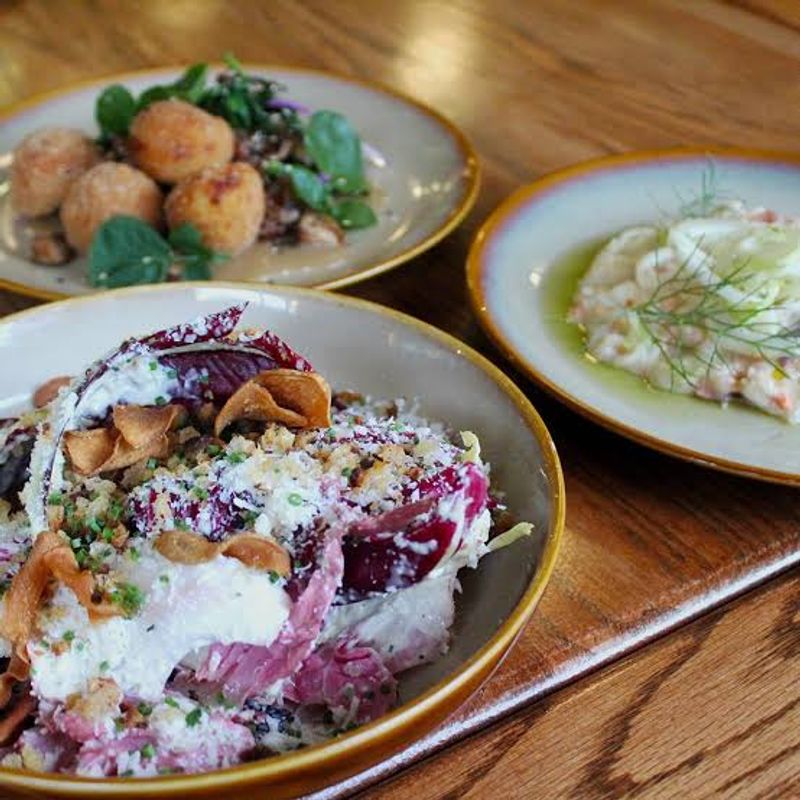
Pastries with ham and cheese, big salads, and a charcuterie board make an easy shared spread for a small group. Bring friends and order a few things to pass around. Service moves at a comfortable pace, so you can linger over a plate without feeling pushed toward the door.
Afternoon light in the dining room shows off details you might miss at night. The South Park Blocks are right outside, lined with elm trees and worth a slow stroll before or after your meal. Lunch also works as a low-key way to try the kitchen before committing to a full dinner.
Planning Your Visit Without the Stress
Reservations save you trouble, plain and simple. Weeknights fill up, weekends fill faster, and performance evenings can book solid days ahead. Booking online takes about a minute, and calling ahead works just as well if you prefer a voice.
Hours shift through the week, so check before you go. Lunch and dinner run Wednesday through Friday, with dinner only on Saturday and Tuesday, an earlier close on Sunday, and Mondays off entirely. Dress code stays relaxed, though most people tidy up a bit for the dining room.
Prices sit on the higher end, which fits the sourcing and the setting, so treat it as a celebration meal or a special stop on a Portland trip. Budget travelers can still enjoy the bar side menu. Parking garages nearby cost less than circling the block for a street spot.
You will find it at 1239 SW Broadway, Portland, OR 97205, United States, an address worth writing down before your trip.
