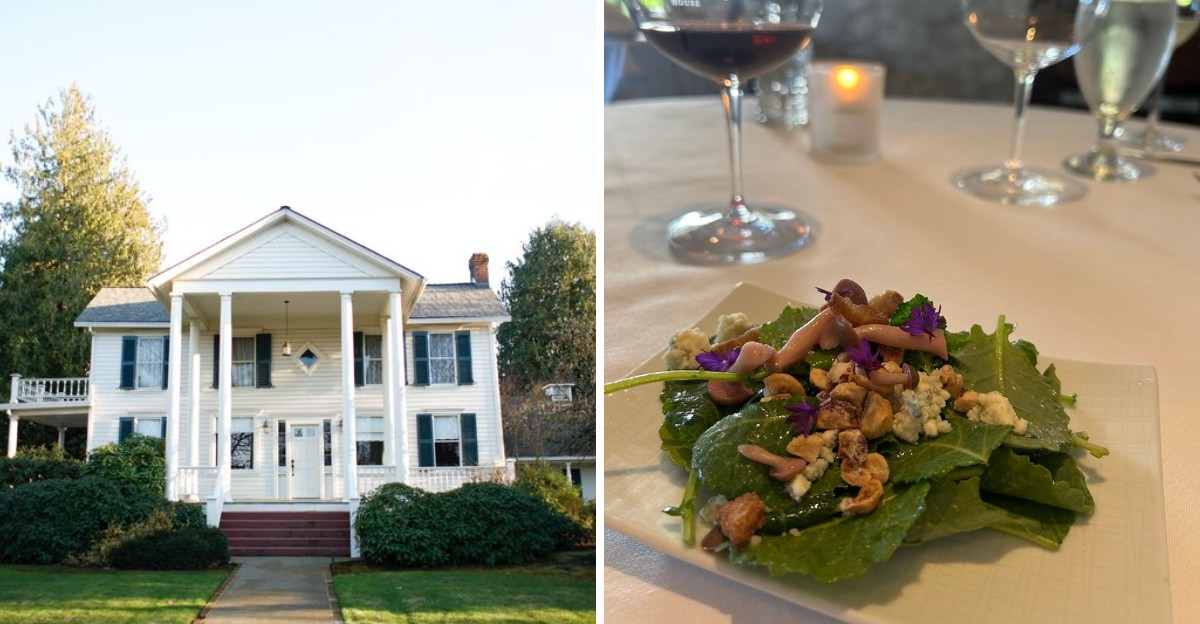
Some restaurants follow the seasons, this Oregon restaurant follows what the forest actually offers. The menu is built around wild mushrooms that foragers bring to the back door, and the kitchen takes whatever is growing and makes it the centerpiece of every meal.
It’s the kind of place where a tasting menu becomes an experience worth savoring. Guests commit to a multi-course meal that reflects that day’s forest harvest. The family has been doing this for over a century, and their passion for mushrooms eventually found its home in an old farmhouse.
If you want to taste what Oregon’s forests have to offer, this is the place. The mushrooms are the story, and the meal becomes something you won’t find anywhere else.
A Farmhouse From 1857 With Stories in Its Walls
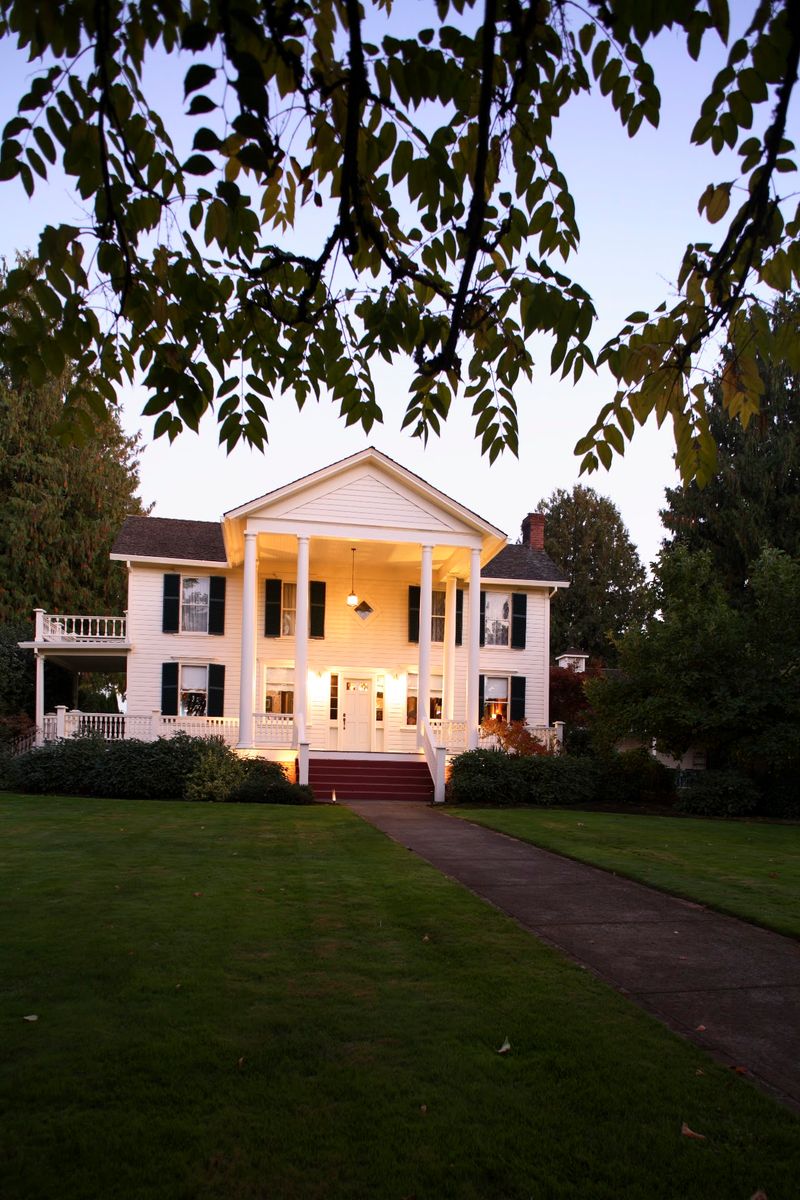
Few restaurants can claim a birth year older than most Oregon towns, yet this white farmhouse has stood on its corner since 1857. It was built by Joel Palmer, a pioneer who helped shape the early Willamette Valley. His name still greets guests at the door.
Inside, the rooms stay small and separated, the way a house is supposed to be, with fireplaces, quiet corners, and floors that give a soft creak underfoot. Nothing has been gutted to look modern. The old bones are the point.
Dining rooms hold only a handful of tables each, which keeps conversations low and unhurried, and makes the evening feel closer to a private gathering than a night out at a crowded restaurant.
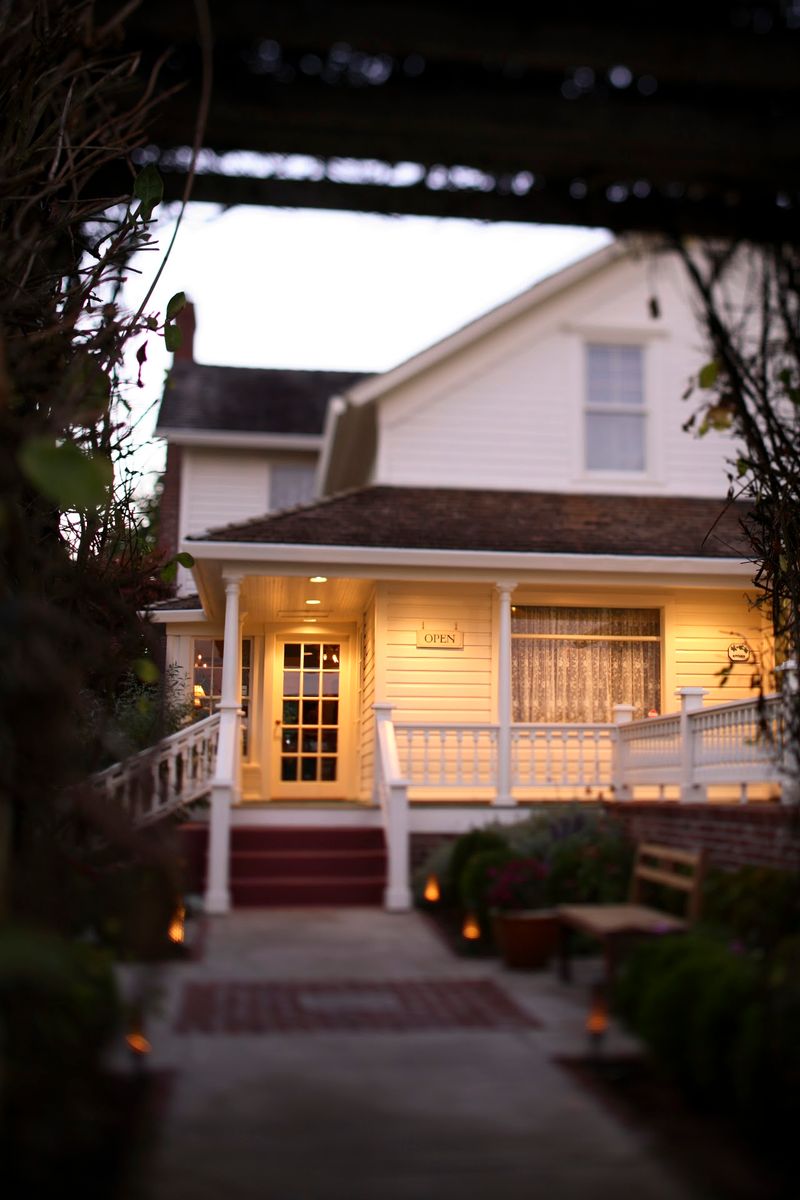
Historic markers sit outside for anyone curious about the property’s past. A slow walk around the porch before dinner is worth the extra five minutes. Photos of the facade turn out best in the soft light just before sunset.
Dayton, the Small Town You Almost Drive Past
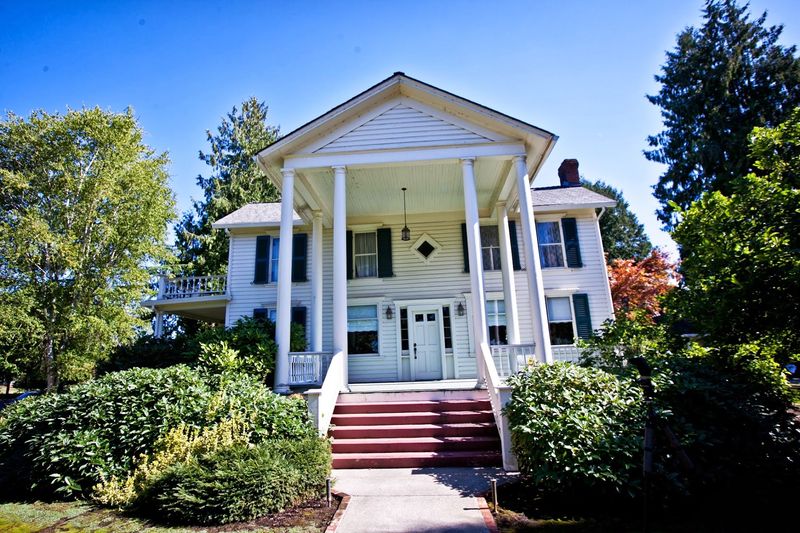
Dayton is the kind of place travelers roll through on the way to somewhere else, a farm town of a few hundred homes with a small green square at its center. The restaurant sits a couple of blocks off that square, on a residential corner where kids ride bikes past.
Parking is easy and free, which almost never happens at a fine dining spot. Street spots line the block. Finding the entrance takes a second, since the house looks like a home rather than a restaurant, but the walkway leads guests around to the right spot.
Because the surrounding valley is covered in farm fields, orchards, and hazelnut groves, the drive in already sets a rural mood before the first course lands. Nearby McMinnville and Newberg both offer hotels, so many visitors book a room close by and keep the drive short after a long dinner.
Daylight arrivals are worth planning for. The farmland light out here is genuinely pretty.
Mushrooms That Come Straight From the Woods
Fungi run through the entire menu here, and that is the whole reason the kitchen’s plates shift from week to week. Chanterelles, morels, porcini, matsutake, and truffles all show up when Oregon’s woods hand them over. Nothing arrives on a fixed schedule.
Rain, temperature, and elevation decide what gets picked, so a dish served in October may look completely different by March. Foraging spots stay private, for good reason.
What keeps it interesting is restraint. Mushrooms flavor a course without flattening everything into one earthy note, and that balance takes real work in a kitchen built around a single ingredient.
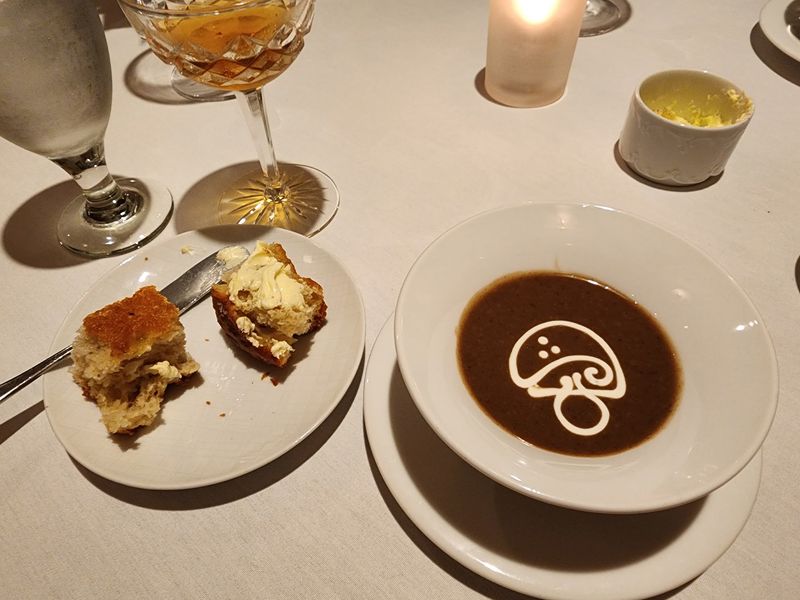
Mushroom soup is one of the most requested dishes, along with a mushroom tart that has become something of a signature. Guests who think they dislike mushrooms often change their minds, mostly because the preparations lean creamy, savory, and layered rather than heavy.
Ask what came in that week. The answer changes constantly.
Courses That Arrive Slowly, One Surprise at a Time
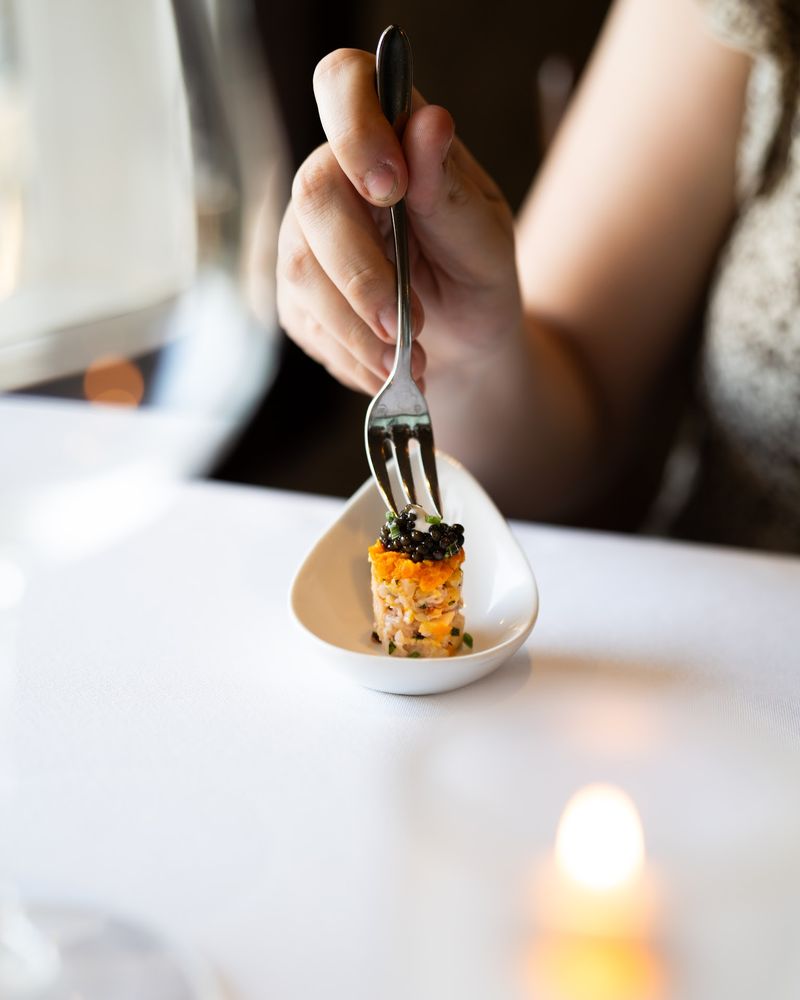
Dinner here is not a quick stop, since a full tasting menu can stretch close to three hours. Courses land in a steady rhythm, with small extras slipped in between the bigger plates. Guests choose a base experience and then add on if they want more, which makes the length somewhat adjustable.
The longest option runs to a lengthy string of bites, each one small enough to finish but detailed enough to remember afterward. Palate cleansers appear at just the right moments, and hot napkins turn up more than once.
Because staff explain every plate as it arrives, the meal doubles as a quiet lesson in what grows around the Willamette Valley. Dietary needs get handled carefully when mentioned at booking, with swaps built into the sequence instead of tacked on at the end.
A dessert board usually closes things out, and leftovers travel home just fine. Come hungry, and clear the whole evening.
A Kitchen Garden Steps From the Tables
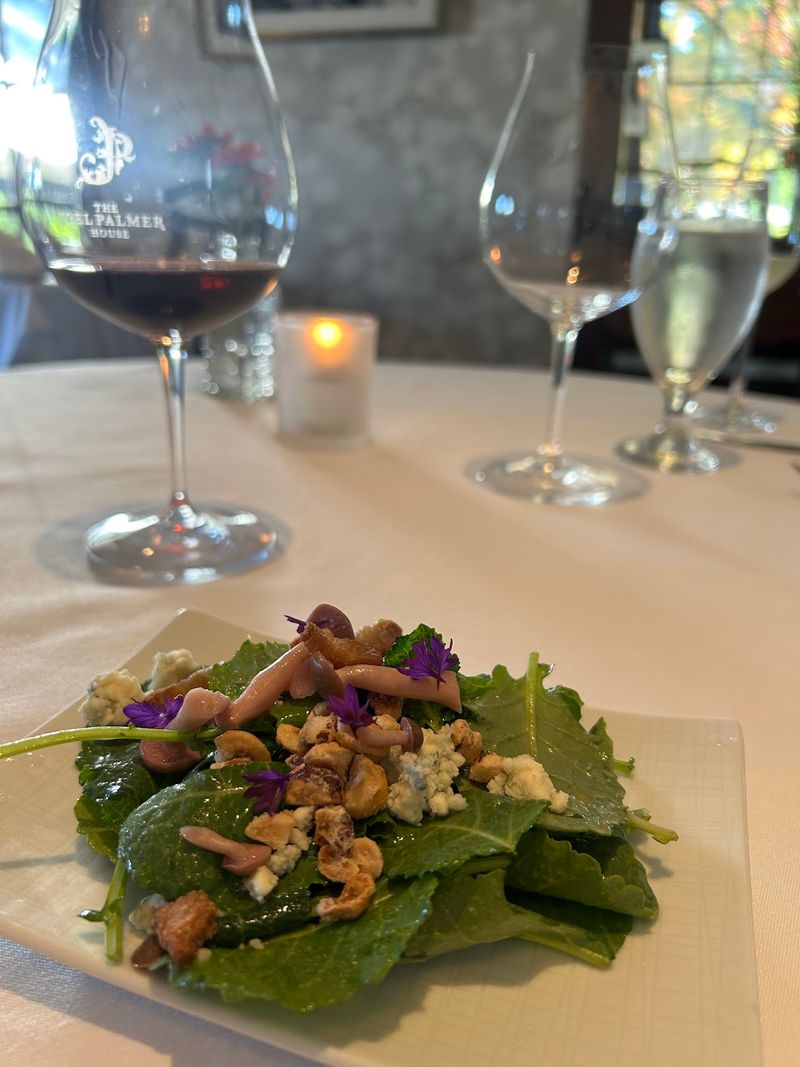
Herbs used at dinner grow just outside, close enough that cooks step out mid-service to cut what they need. That small garden explains a lot about the flavor of the food. Freshness measured in minutes, not miles.
Beds around the property hold herbs, edible flowers, and seasonal produce that rotate with the calendar. Foraged goods from nearby forests fill in the rest, along with vegetables from valley farms and ranches within a short drive.
Summer visitors get the fullest look at the greenery, since the garden peaks while the days stay long. Late fall shifts the balance toward the woods, when wild mushrooms hit their stride and the kitchen leans harder on what the forest offers.
Ask about the herb beds if curiosity strikes, because staff are happy to point out what is growing that month. Take a lap outside before sitting down. It is a rare chance to see where dinner actually begins.
Service That Begins Out at the Curb
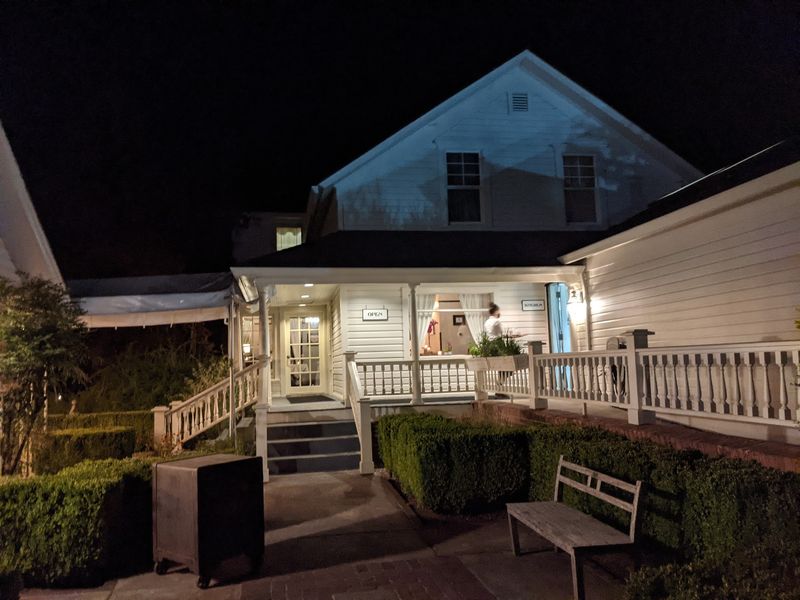
Hospitality starts in the driveway, where guests are greeted outside and walked in to their table rather than left standing at a host stand. Small ritual, big effect. The evening feels personal before anyone sits down.
Staff move through the rooms with easy timing, explaining courses without hovering and clearing plates before anyone notices. The tone stays warm rather than stiff, which suits a restaurant tucked inside a house.
Questions about ingredients get real answers, including where something was picked and why it landed on the plate that night. Chef heads the kitchen, and the team’s care shows in the way courses arrive in sync across a full table.
Guests celebrating something usually mention it when booking, since the crew builds small touches around the occasion. Service like this is carefully choreographed, though it never once feels rehearsed or fussy. Dress up a little. The setting rewards the effort.
Seating Under the Tent on Warm Nights
Warm months open up seating under a tent in the yard, which turns dinner into something closer to a backyard party with unusually good plates. Open air, soft lighting, and the hush of a quiet neighborhood make the outdoor tables an easy pick in July.
Cooler evenings push everyone back inside, where the fireplaces and low ceilings do their own kind of work. Both settings have fans. The choice usually comes down to weather and mood. Requests for a particular area can be noted when reserving, though seating depends on the night’s layout.
Spring and early fall bring the trickiest guessing game, since valley evenings cool off fast once the sun drops behind the coastal hills. Bring a light layer if outdoor seating sounds appealing, because comfort matters across a meal this long.
Either way the house stays the star, and the yard simply gives it a summer backdrop worth lingering in.
Three Generations of a Mushroom Obsessed Family
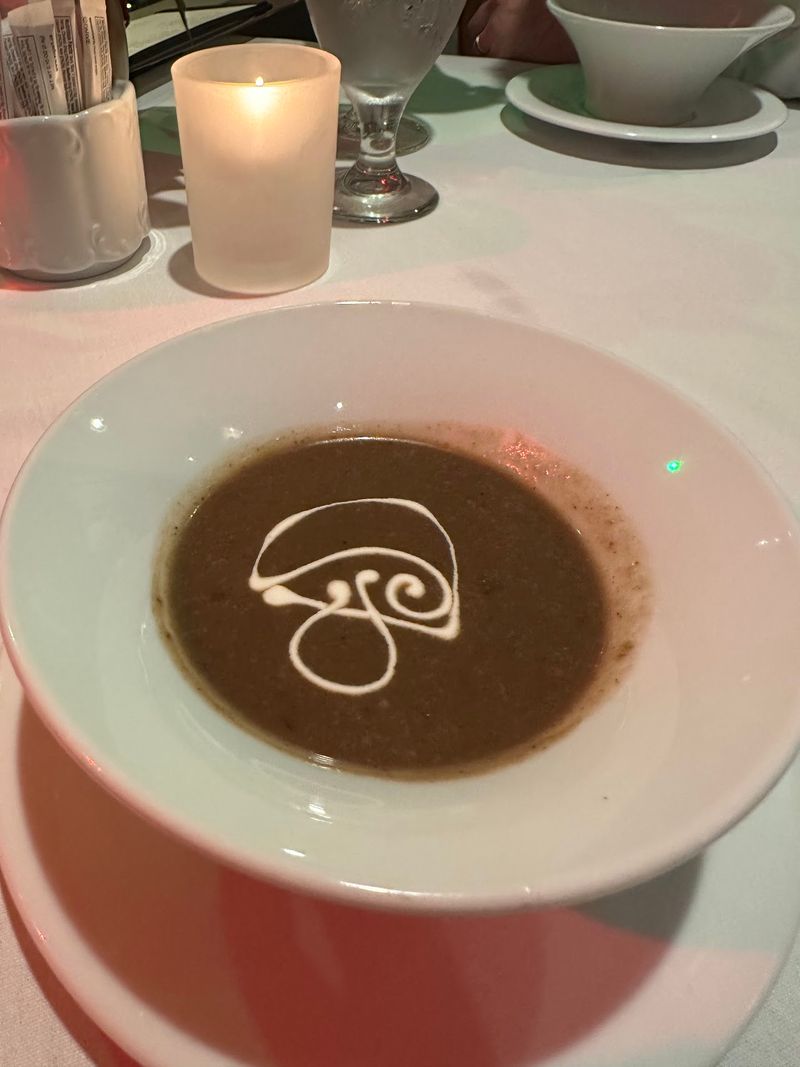
Three generations of one family have shaped this kitchen, starting with Jack and Heidi Czarnecki, who carried a deep mushroom obsession west from Pennsylvania in the 1990s. Their son now runs the place as chef and owner.
Foraging is a family habit here, not a marketing angle, and that history explains why fungi anchor nearly every course. Jack literally wrote books about cooking with wild mushrooms before most American restaurants paid them much attention.
That long practice shows up in technique. Wild ingredients need respect and timing. Menus still change with what the family and their foragers bring in, which keeps the whole concept honest year after year.
Staff members stay long enough to know returning guests, and the kitchen sometimes invites curious diners back to say hello. Curiosity about the backstory is welcome, since the tale of how a mushroom cookbook author landed in tiny Dayton is a good one.
Planning the Evening, Hours and Reservations
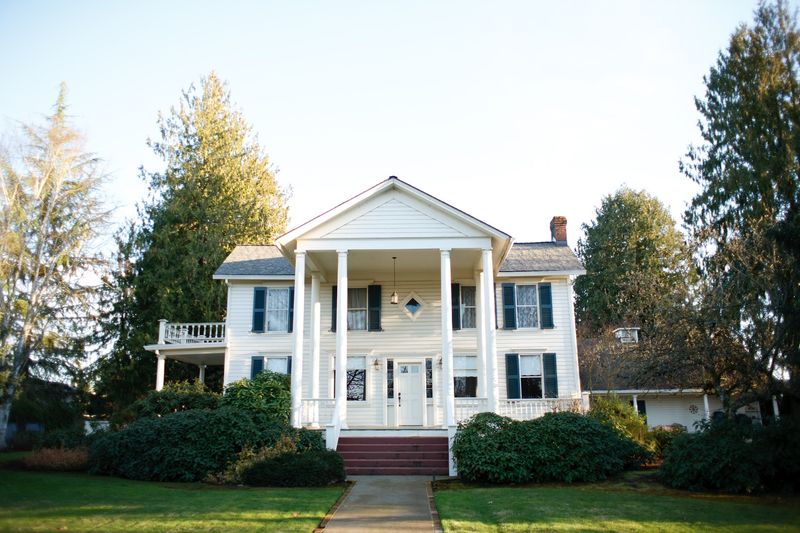
Reservations matter more than usual at a restaurant with this few tables, especially on weekends and through mushroom season. Doors open at 4:30 PM Tuesday through Saturday, with service running until 8:30 PM. Sunday and Monday are closed, which catches a few travelers off guard.
Prices sit at special occasion level, so plan the budget the way you would for a big night out in a city. An earlier seating leaves room for a slower pace and a relaxed drive back afterward. Groups can be accommodated, though smaller parties tend to get the most out of these quiet rooms.
Special requests, like a cake for a birthday, are worth asking about well before the reservation date. Set aside three hours minimum. Squeezing this between other plans just feels rushed.
Marking Big Moments in an Old Country House
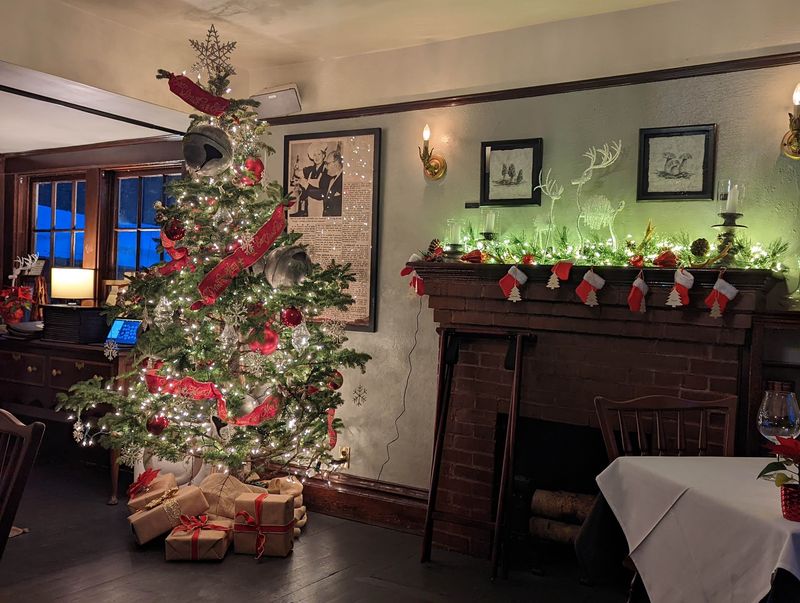
Anniversaries, birthdays, engagements, and quiet personal milestones fill these rooms most weekends, and the house wears the role well. Holiday decorations go up in December and give the old parlors a storybook glow.
Nothing about the setting feels showy, which is exactly why it works for a meaningful evening. Tables sit far enough apart for real conversation, and the pacing gives people time to actually talk between courses. Photos come easily too, between the plating and the historic architecture.
Book early for December dates, since the festive nights fill quickly and the house looks its best then. Travelers building a Willamette Valley trip often make this the anchor of one evening and plan lighter days around it.
For anyone mapping the route, the address is 600 Ferry St, Dayton, OR 97114, United States, an easy turn off Highway 18 and a memorable way to end a day in Oregon farm country.
