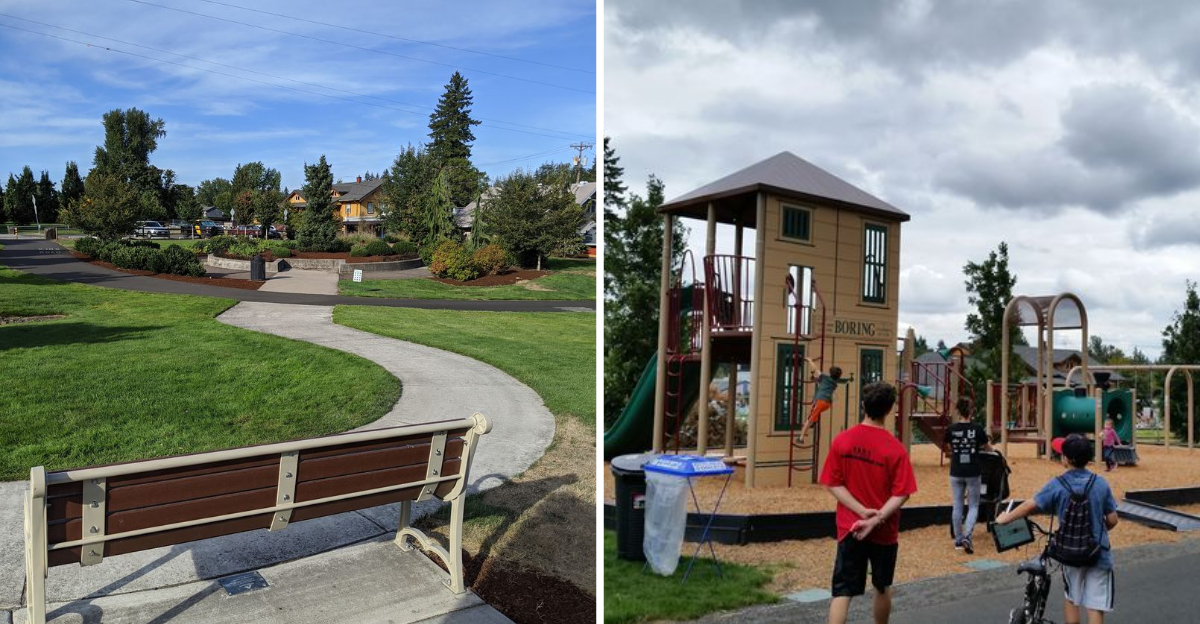
Let’s be honest – with a name like Boring, you’re either expecting a punchline or a complete letdown. But Oregon’s most famously named town is anything but dull. In fact, it’s become something of a cult favorite for travelers with a sense of humor and a willingness to lean into the absurd.
The town itself is small, quiet, and unpretentious – exactly the kind of place where you can stretch your legs, grab a coffee, and appreciate the irony of it all. There’s a certain charm in a place that doesn’t try too hard to impress, and Boring leans into its name with good-natured pride.
You’ll find local businesses leaning into the theme, and visitors love snapping photos by the town sign.
So yes, Boring, Oregon is absolutely worth a detour. Pack your sense of humor and see for yourself – it’s anything but boring.
The Man Behind the Name
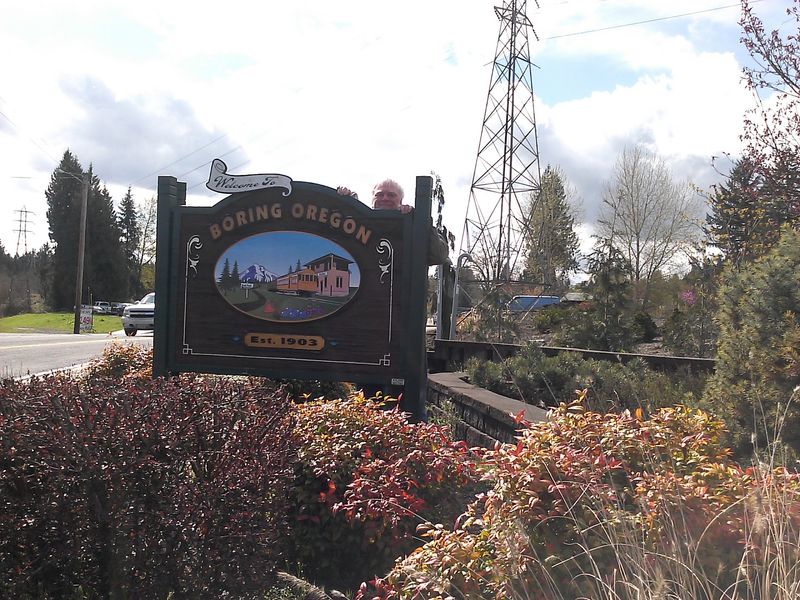
Credit for the name goes to William H. Boring, a Union veteran who settled in the area during the 1870s and farmed the land with his family. When a school and later a post office needed a title, his surname stuck. Nobody appears to have argued much about it.
By 1903 the post office was official, and the community has carried the label ever since, puns included. Locals lean into the joke instead of fighting it, which turns out to be half the charm of the place. Signs, shirts, and stickers all play along.
The surrounding countryside tells a different story, full of green pasture, tall firs, and gravel driveways curling toward family farms.
History fans will notice that the Boring name spread well beyond the townsite, attaching itself to a road, a school district, and even a geological formation studied by scientists.
Knowing that one settler’s ordinary last name created a century of wordplay makes the first stop in town feel earned rather than accidental. Ask about it locally and expect a grin, because the punchline has aged surprisingly well.
That Roadside Sign and Its Cheerful Slogan
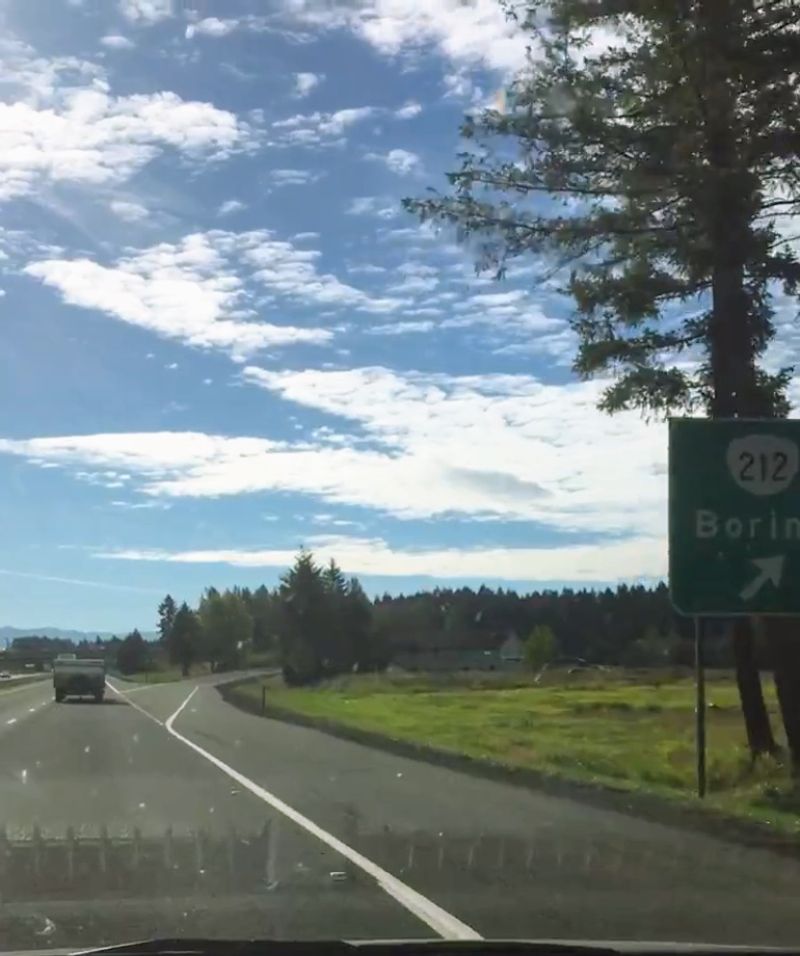
Green letters on a roadside sign announce Boring along with a cheerful slogan calling it an exciting place to live. Drivers slow down for it constantly. Phones come out, someone poses, and the whole ritual takes about ninety seconds.
Photos aside, the sign doubles as a small lesson in how a community handles a name it never picked for itself. Rather than rebrand, Boring decided the contradiction was funnier than any marketing campaign could ever be.
Traffic on Oregon Route 212 moves quickly, so pull fully into a lot or a wide shoulder before stepping out with a camera. Morning light tends to be kinder for pictures, and on clear days the Cascade foothills fill in the background nicely.
Souvenir hunters can track down shirts and stickers carrying the same joke at shops scattered around the community. Mailing one to a friend who assumes Oregon is all coastline and coffee is genuinely satisfying.
The sign has become the unofficial front door of town, a landmark measured in laughs instead of height. Five minutes here is plenty. Then keep driving into the farmland beyond.
Sister Towns in Scotland and Australia
Few small communities can claim an international alliance built entirely on adjectives, yet Boring pulled it off.
In 2012 the town paired with Dull, a village in Perthshire, Scotland, after a cyclist noticed the comic potential of the match. Bland Shire in New South Wales, Australia joined the arrangement soon after, creating a trio nicknamed the League of Extraordinary Communities.
Oregon lawmakers went a step further and recognized August 9 as Boring and Dull Day, giving the friendship an official date on the calendar. Signposts around town mark the connection, and they draw more photographs than most historical markers ever manage.
What makes the pairing likable is how sincere it feels underneath the wordplay. Residents genuinely enjoy the exchange of letters, visits, and shared publicity. Travelers who plan a summer trip around early August will find the town in a good mood, with community gatherings marking the occasion.
Bring a sense of humor and ask someone about the Scottish connection. Stories tend to follow, and they beat any brochure written about the place.
Boring Station Trailhead Park and the Old Rail Line
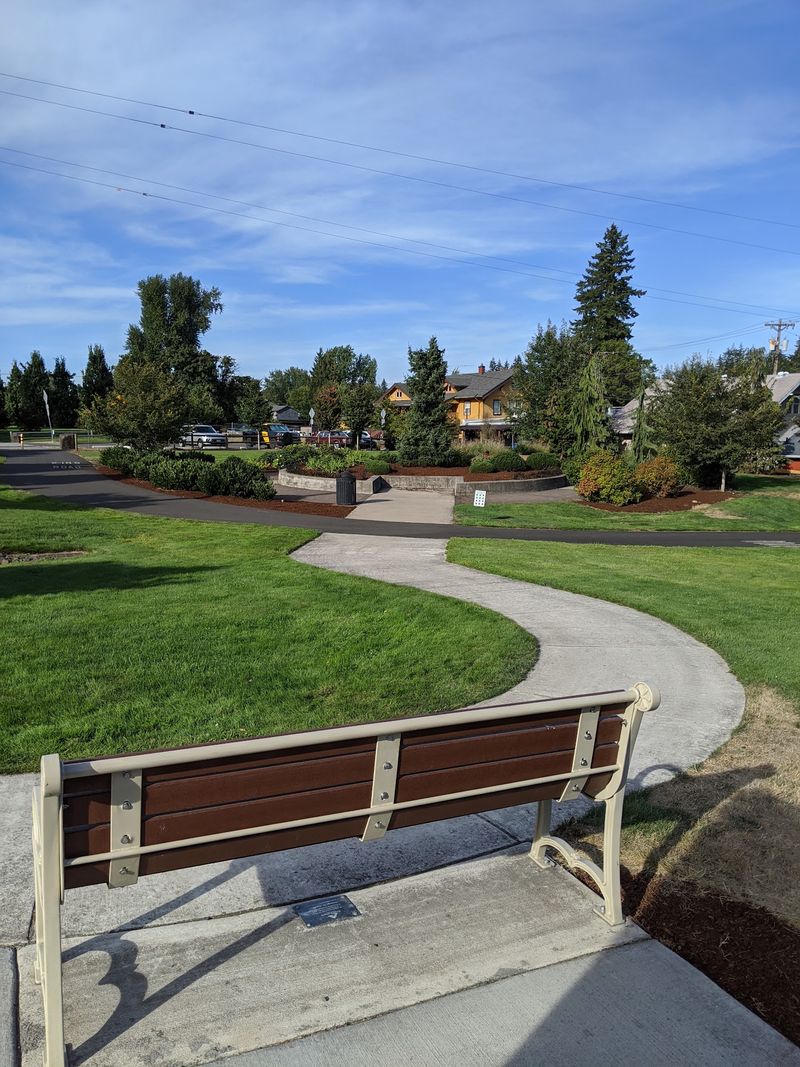
A bright red caboose sits near the center of town, parked permanently as a reminder of the electric rail line that once rolled through. Boring Station Trailhead Park occupies the ground where the depot stood, and today it serves walkers, runners, and cyclists instead of freight cars.
Picnic tables, shade, and interpretive panels make it an easy first stop after the obligatory sign photo. From here the Cazadero Trail heads southeast on the old railbed, crossing farmland and creek gullies on its route toward Barton.
The surface stays gentle, which suits families, casual riders, and anyone who prefers scenery over sweating. Connections lead north toward the Springwater Corridor, a long paved path that eventually reaches Portland for riders with ambition and time.
Birdsong replaces traffic noise within a few hundred yards, and blackberry thickets crowd the edges by late summer. Restrooms and parking sit right at the trailhead, so logistics stay simple. Pack water and go as far as energy allows.
Address: SE Richey Road, Boring, Oregon
A Volcanic Field Named After Town
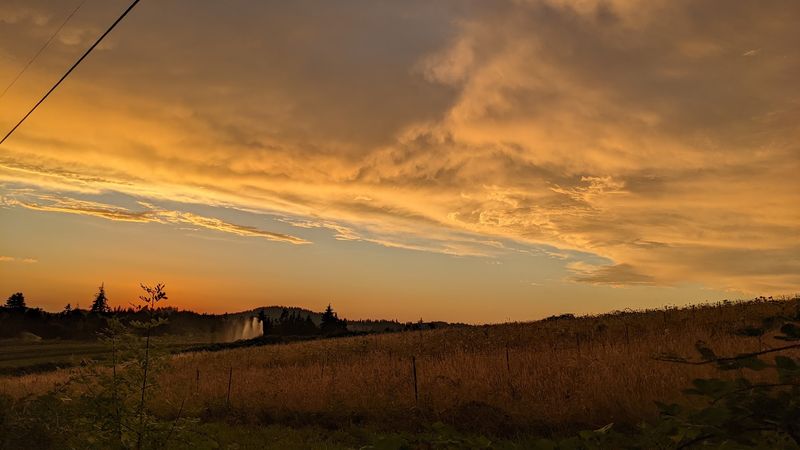
Geologists gave this quiet community something no marketing team could invent, naming an entire volcanic field after it. The Boring Lava Field covers a wide stretch of the Portland region and includes dozens of vents, cinder cones, and lava flows formed over millions of years.
Familiar Portland landmarks such as Mount Tabor and Rocky Butte belong to the same family of features. Around Boring itself, the evidence shows up as rounded hills and buttes rising out of otherwise flat farmland.
Drivers often mistake them for ordinary knolls. They are actually ancient vents, long since softened by rain and forest. Soil left behind by those eruptions is part of why nurseries and berry farms thrive in the area today.
Nothing here is currently active, so the geology is more curiosity than concern. Reading a bit about the field before visiting changes how the landscape looks from the road, turning gentle scenery into something with a fiery backstory.
A town called Boring sitting on volcanoes is the kind of contradiction this place seems to collect.
Nursery Country and Working Farms
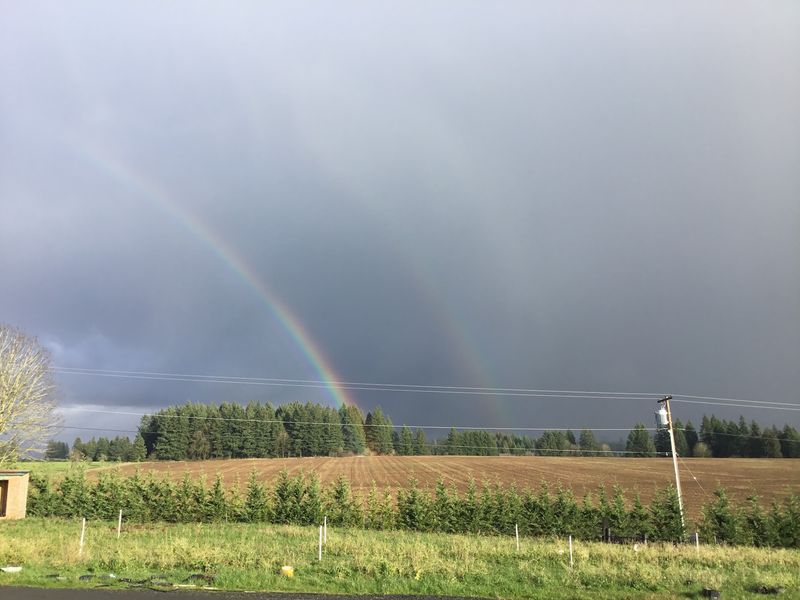
Drive any side road out of town and rows of young trees appear, lined up like soldiers waiting for shipment. Clackamas County ranks among the strongest nursery regions in the country, and Boring sits right in the middle of that industry.
Greenhouses, shade cloth, irrigation lines, and stacks of pots become normal roadside scenery within minutes of leaving Highway 212. Mild winters, steady rain, and volcanic soil combine into ideal growing conditions, which explains why the business took root here.
Some operations welcome the public, offering ornamental shrubs, Japanese maples, and perennials directly from the growing fields. Gardeners tend to lose track of time in places like these. Consider that fair warning.
Spring brings the most color, though autumn planting season has its own quiet appeal with cooler air and fewer visitors. Call ahead before showing up, since many growers focus on wholesale orders and keep limited retail hours.
Even without buying anything, the sight of endless nursery rows framed by fir forest sticks in memory longer than expected.
River Time at Barton Park
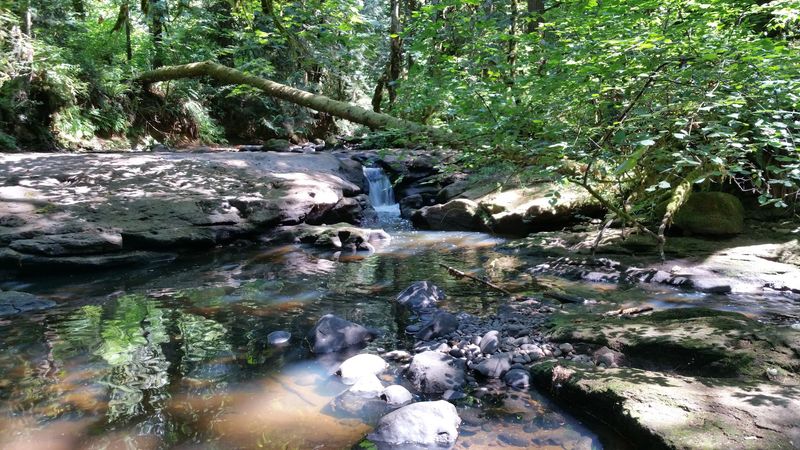
Cool air rises off the Clackamas River well before the water comes into view, which is a welcome trade on a hot afternoon. Barton Park spreads along the riverbank southeast of town, with wide lawns, big conifers, and a boat ramp that stays busy through summer.
Rafters and kayakers use it as a launch point, while families claim shaded tables and gravel bars for the day. Fishing draws its own crowd, especially during salmon and steelhead runs.
Campsites sit under the trees for anyone wanting to stretch a day trip into an overnight, and reservations fill quickly in July and August.
Swimming happens here, though the current moves faster than it looks and the water stays cold year round. Life jackets are a smart call, not an overreaction. Autumn turns the park into one of the calmest spots in the county, with mossy trunks, drifting leaves, and almost no company.
Address: 19009 SE Barton Park Road, Boring, Oregon
The Quiet Gateway to Mount Hood
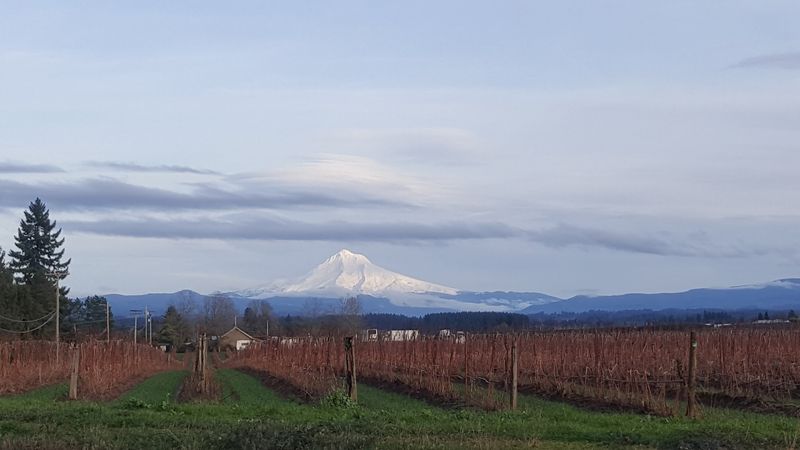
Mount Hood shows up in the windshield without warning on clear mornings, and the first sighting never gets old. Boring sits at a useful junction, where Highway 212 links traffic toward Sandy and the long climb up US Route 26 into the mountains.
Skiers, hikers, and waterfall chasers pass through constantly, usually without stopping. Treating the town as a base rather than a blur changes the trip completely. Fuel up, grab food, and start the mountain drive without Portland traffic hanging around.
The route east climbs steadily through farm country before the forest closes in near Sandy and Welches. Trailheads, hot springs, and alpine lakes sit within an hour, and Timberline Lodge crowns the drive at the top.
Winter travelers should carry chains and check road conditions, since conditions shift fast above the foothills. Coming back down at sunset, with orange light on the fields and the peak glowing behind, makes the return leg feel like a reward rather than a chore.
Postmarks, Souvenirs, and Small Town Errands
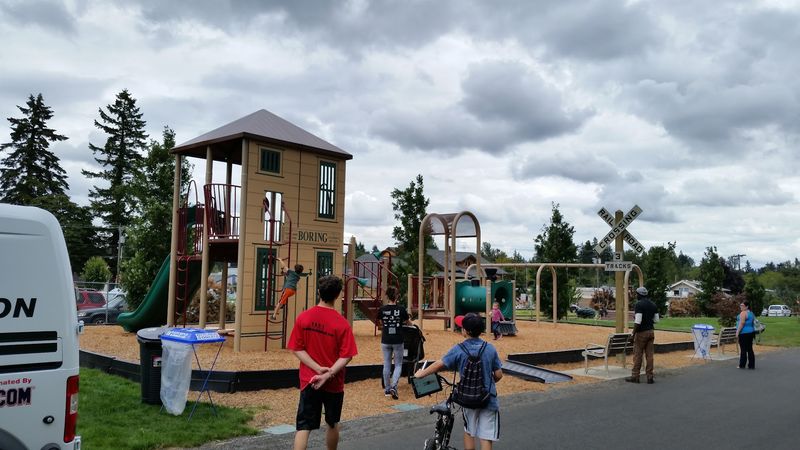
Sending mail from here counts as an activity, which says everything about the appeal of the place. Postcards stamped in Boring have been amusing recipients for generations, and the little post office along the highway handles a steady flow of them.
Write something appropriately dull, drop it in the box, and let the postmark deliver the joke. Beyond the mail, errands take on a friendly rhythm in a community this size. Conversations at the counter run longer than they would in the city.
Shops around town carry hats, mugs, and shirts featuring the name, all sold with a wink. Coffee stands and small eateries line Highway 212, offering the kind of breakfast that fuels a hiking day without ceremony.
Nothing feels staged for tourists, which is exactly why it works. Travelers used to curated destinations may need a minute to adjust to the slower pace. Give it that minute. The charm here reveals itself through ordinary moments rather than attractions.
Seasons of Berries, Pumpkins, and Christmas Trees
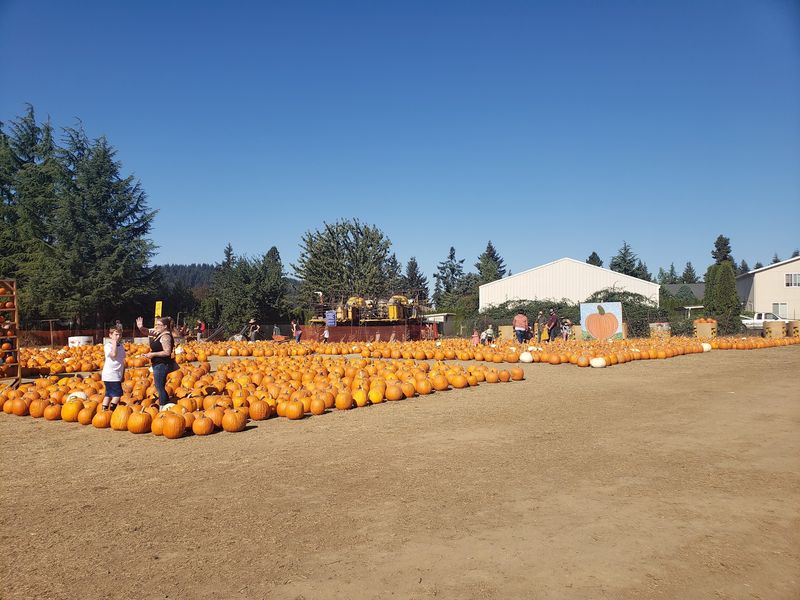
Farm stands mark the calendar around here better than any app could. Strawberries arrive in June, followed by raspberries, marionberries, and blueberries through the heart of summer, all available at u-pick fields scattered across the countryside.
Fingers get stained purple. Buckets somehow come home lighter than they should. Autumn shifts the mood toward pumpkin patches, corn mazes, and hayrides, with foggy mornings adding atmosphere for free.
December belongs to Christmas tree farms, a serious business in this corner of Oregon, where saws are handed out and families wander muddy rows looking for the right shape. Hot cider, wet boots, and the smell of cut fir make the tradition worth the drive from Portland.
Roadside honor-system stands appear between seasons too, selling eggs, flowers, or whatever happens to be ripe. Bring cash and small bills, because card readers are not guaranteed out on the back roads. A town with this name should not be this seasonal or this alive, and yet it is.
