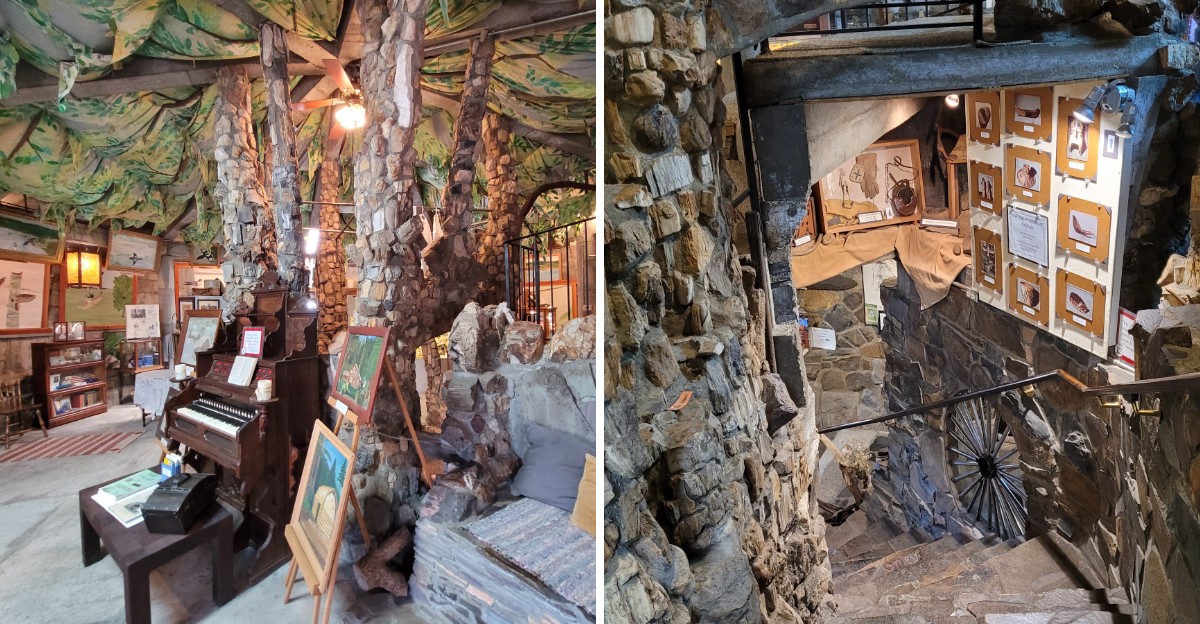
Eight hundred tons is a strange number to casually stack into a two-story building, yet somehow this one managed exactly that. Rock covers every surface here, no detail skipped, one man apparently deciding regular building materials simply weren’t ambitious enough for what he had in mind.
Decades passed during construction too, each stone placed carefully as the project grew taller and increasingly stranger by the year.
Pulling off something this massive single-handedly takes either total dedication or complete stubbornness, and honestly it looks like both played a role here. Few buildings carry this much obsessive personal history baked directly into their walls.
Visitors rarely leave without asking how someone actually finished this. Eight hundred tons of rock in Oregon prove patience can build something no blueprint ever planned for.
A Building That Grew Stone by Stone
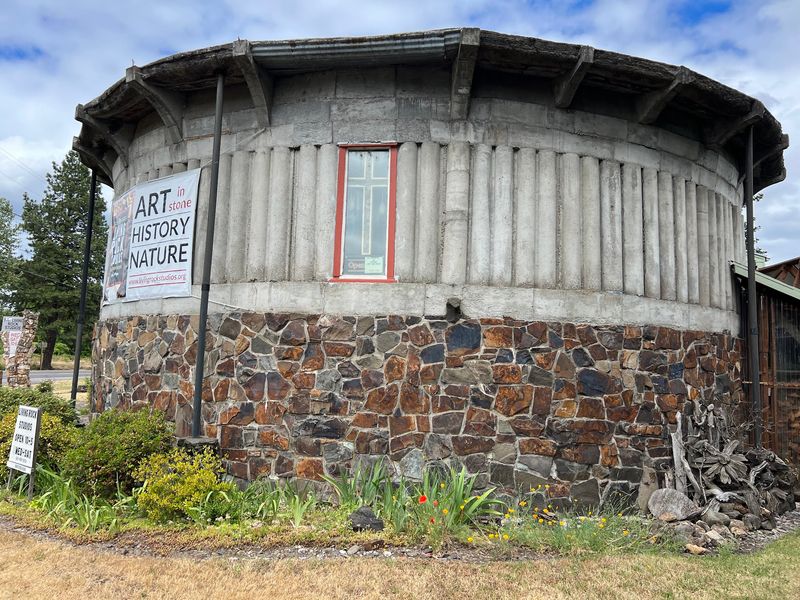
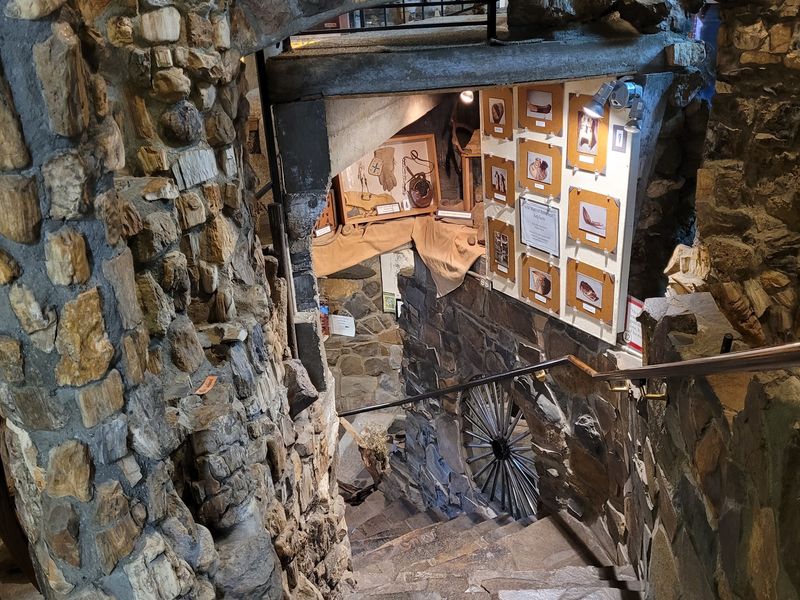
From the street, the building looks like it rose straight out of the ground. Its two stories are covered in stone, with petrified wood, agates, and other rocks fitted together like a giant puzzle. Most of the rock came from around Oregon.
Around 800 tons of material went into the structure, and the work took many years. Step close to the walls and the colors start to show. Rusty reds sit beside creamy whites, and smoky browns turn into soft blues. No two sections match.
The builder planned the whole place as an interpretation of the tree of life, which helps explain why the inside feels like branches reaching upward. Patience shows in every joint and corner. Picture lifting heavy rocks by hand, again and again, for years.
Take a slow lap around the outside before heading in. The textures change with the light, so morning and afternoon visits look a little different. Bring a camera and notice how small details, like a tiny fossil pattern, pop up when you least expect it.
Flashlight Magic in the Walls
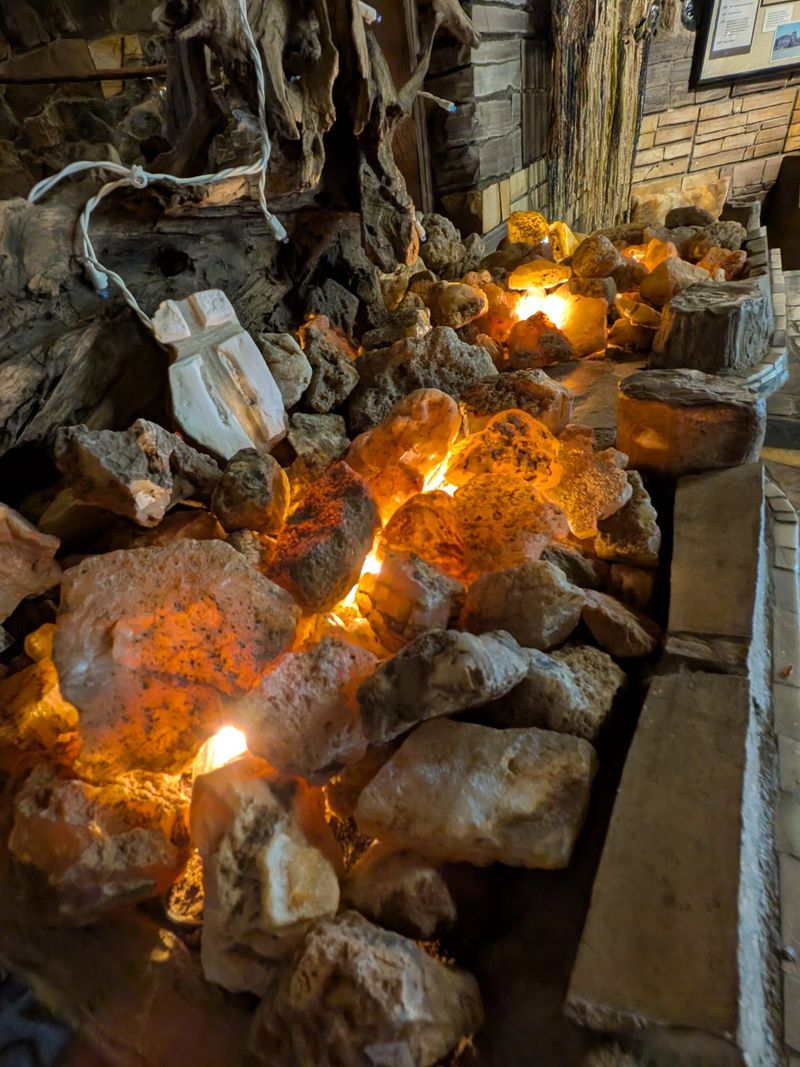
Pack a small flashlight. That single tip changes the whole visit. Many stones in these walls are translucent, which means light can pass right through them. Press a beam against a dull-looking agate and it suddenly glows like a lantern.
Flashlights are often available on the way in, but a strong pocket light of your own makes the fun easier. Kids especially love this part, since it feels like a treasure hunt. Every pillar seems to hide a surprise, and moving from one stone to the next becomes a game of guessing which will light up best.
Here is a fun bit of science. Agates form slowly as silica fills tiny gaps in rock, layer after layer. Those thin bands are what catch the light and make the patterns visible.
Without the flashlight, plenty of that beauty stays hidden. Take your time with this. A pillar full of agates can easily hold attention for several minutes, so let curiosity lead.
Stained Glass Without Any Glass
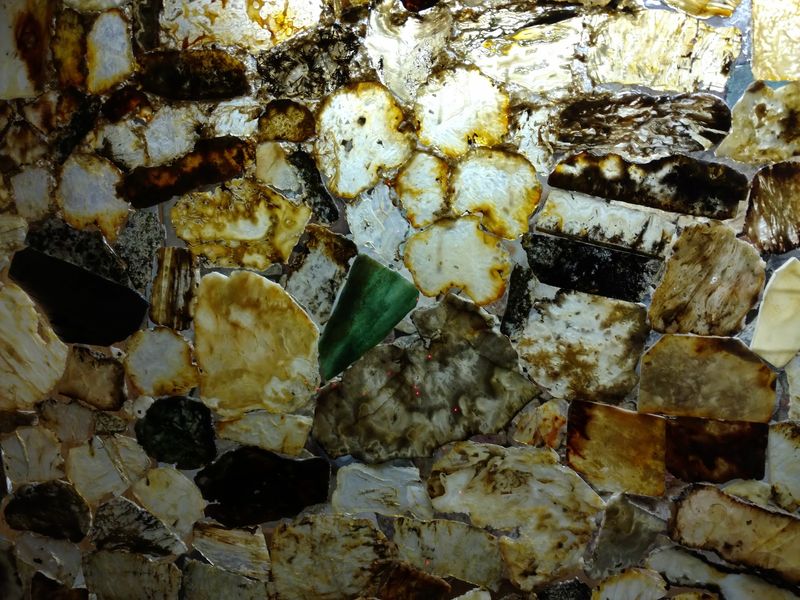
Thin slices of rock make some of the most striking art here. They are cut so finely that light shines through, and arranged in a stained glass style. The result looks like church windows, but every color is natural stone.
Each picture needed careful planning. The builder had to find stones with just the right shade, slice them thin, and fit them into scenes. Imagine hunting for the perfect green for a leaf or the right blue for a sky, using only what nature made.
Many visitors call these rock pictures the highlight of the tour. The detail is surprising. Tiny lines inside the stone add texture, almost like brush strokes that nobody painted.
Look closely and then step back. Up close, the bands and speckles inside each slice tell their own story. From farther away, the full image comes together. Both views are worth it.
If art class ever felt hard, these pieces show what creativity plus patience can do. They might even inspire a rock collecting hobby back home.
The Crystal Room Sparkles
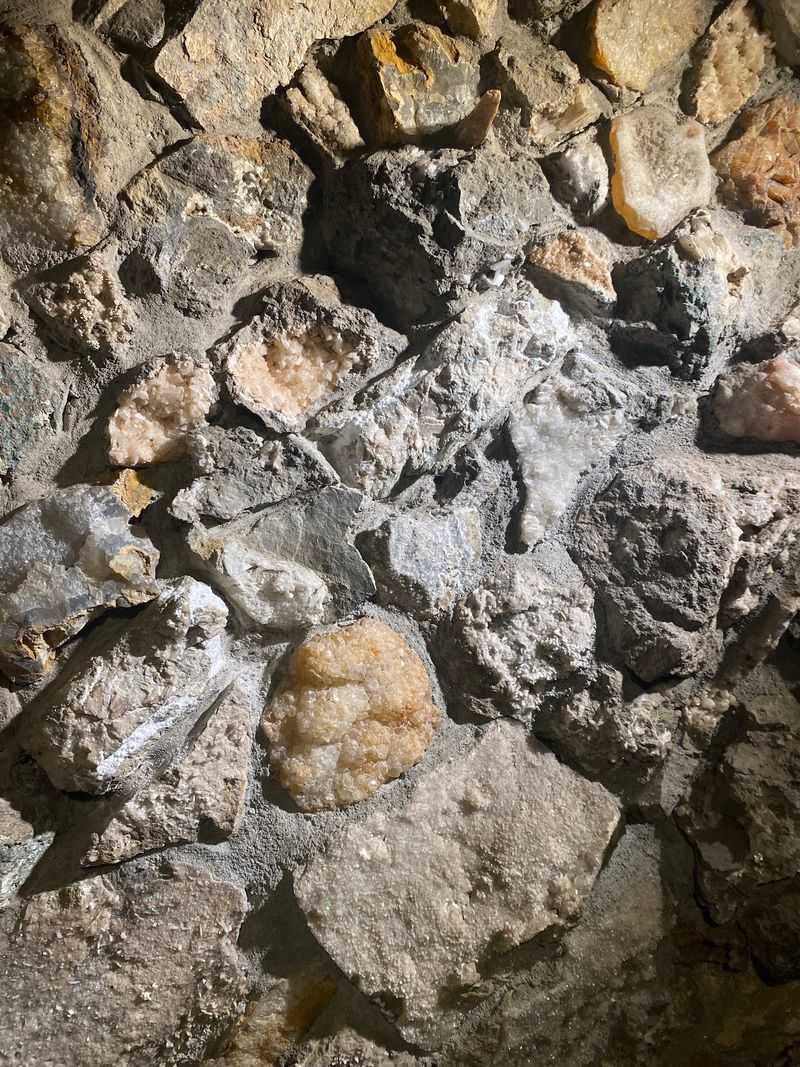
Sparkle overload is the best way to describe this room. Walls and corners are packed with quartz, agates, zeolite, and other minerals, glittering from every angle. It feels a bit like being inside a geode.
Quartz is one of the most common minerals on Earth, yet seeing so much of it together still feels special. Some crystals point outward in sharp clusters. Others look frosty and soft.
Zeolite often forms delicate, fuzzy shapes that look almost like snow.
Move slowly in here. Shift your head a little and different faces of the crystals catch the light. A flashlight helps again, making tiny points flash like stars.
Photos are tricky, honestly. The camera rarely captures the full shimmer, so take a moment to simply look before snapping pictures.
Young visitors often call this their favorite stop, and it is easy to see why. It feels magical without needing any explanation. For anyone curious about geology, it is a great place to learn how minerals look in real life instead of in a textbook.
Tours Led by Family
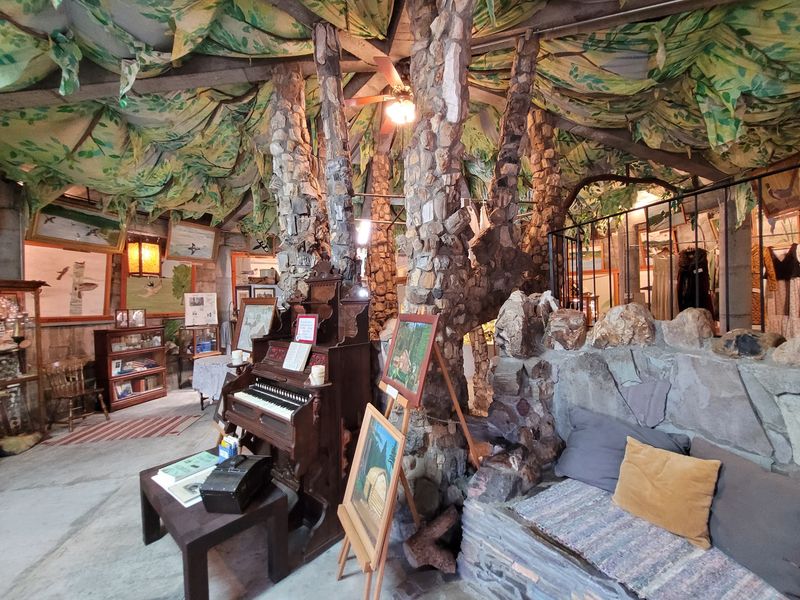
Guided tours are the heart of a visit here, and they come with a personal touch. The builder’s family runs the place, and the guides often share first-hand stories about the man who created it.
That connection makes a big difference. Instead of reading signs, visitors hear about how certain rocks were found, why pieces were placed where they are, and what life was like for the family. The stories bring the stones to life.
Tours usually last around an hour, sometimes longer. Plenty of guests say there is so much information that a second visit would teach them even more. Kids tend to stay engaged too, which says a lot.
Come with questions. Guides know a great deal about local history and rocks, so asking about a favorite stone can open up a fun side story.
Keep in mind the visit is personal and low-key. Ring the bell, be patient, and enjoy the slower pace. It feels more like being welcomed into a home than visiting a big museum.
Carvings, Paintings and Birds
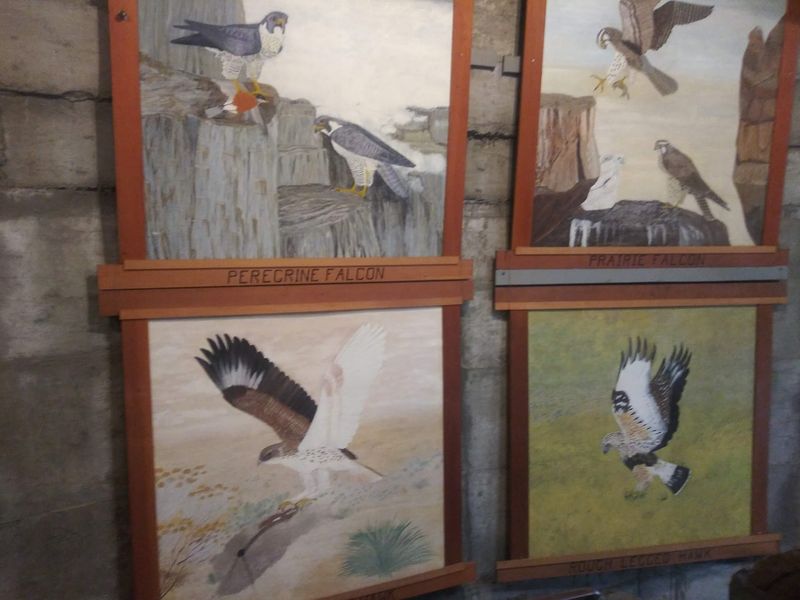
Rocks were only one of the builder’s talents. He was also a skilled wood carver and painter, and his work fills many corners of the building.
The wood carvings show careful detail, with smooth curves and fine textures that took real skill. Nearby, paintings add color and story. Some show birds from the area in true-to-size form, which makes them fun to study up close.
Spotting a bird you might later see in a Brownsville backyard adds a nice local link.
Small handmade scenes add charm as well. A miniature Conestoga wagon display, made by a family member, gives a peek at pioneer travel. These tiny details reward people who slow down.
Variety is what makes this part enjoyable. Just when rocks start to feel familiar, a carving or painting changes the mood. It keeps the visit fresh from room to room.
Try picking a favorite piece in each art form. Comparing choices with your group afterward makes a fun conversation on the drive home.
Pioneer History on Display
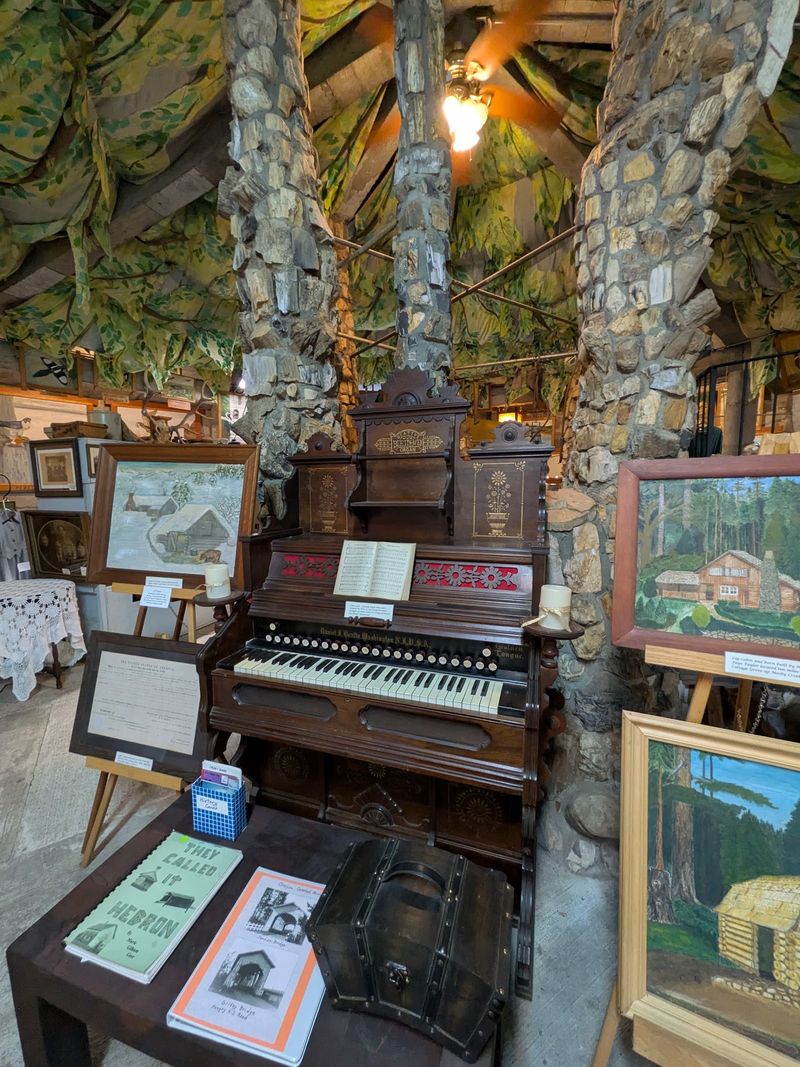
History lovers get plenty to explore beyond the stone walls. The building holds pioneer items, petrified wood, and historical pieces connected to Oregon’s past.
Brownsville is one of the older towns in the Willamette Valley, so the setting fits. The displays help visitors imagine what life was like for families who settled here long ago. Old objects show how people worked, traveled, and made homes with simple tools.
Some exhibits also reflect the builder’s personal interests and faith, including religious messages and quotes. Many visitors see these as part of his story. Keep an open mind and treat it as a window into the creator’s life and values.
Fun fact for rock hounds. Petrified wood forms when minerals slowly replace the material in ancient trees, turning them into stone while keeping the wood grain. Running your eyes along those rings feels like reading a very old diary.
Families with school-age kids can use this section as a mini history lesson. Ask what object they would have packed for a long wagon trip.
An Old Oak and a Cold Secret
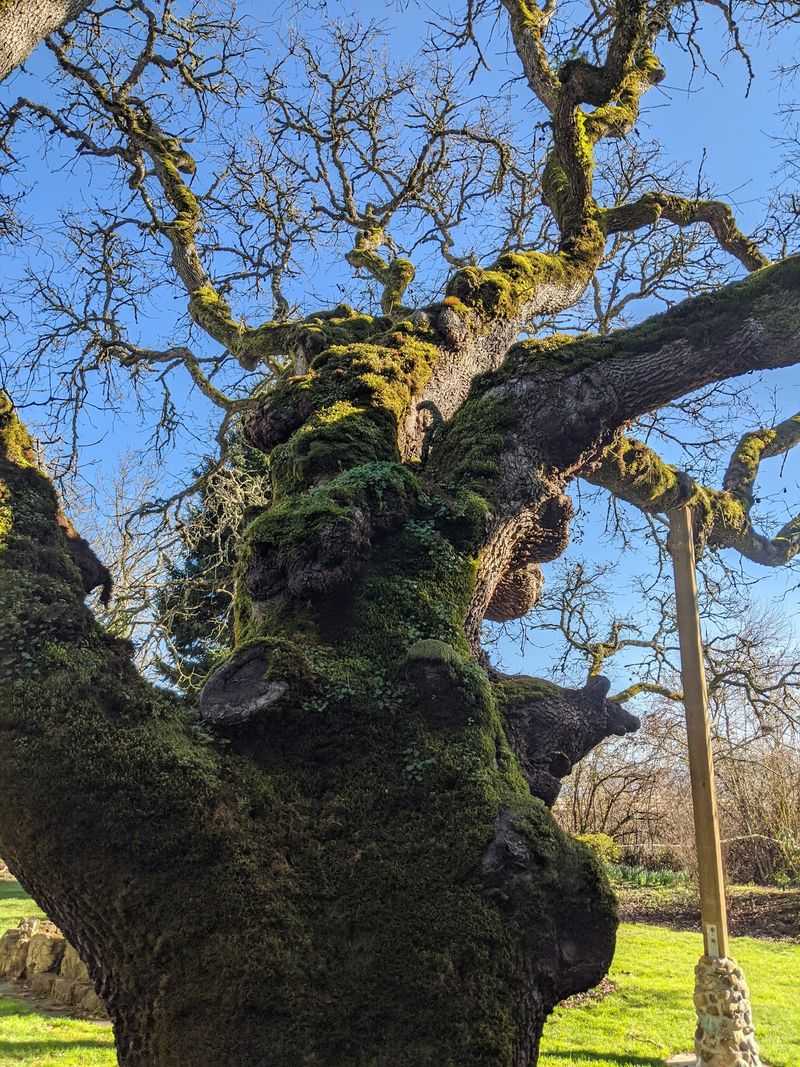
Outside, an oak tree steals some attention from the building. It is said to be over 400 years old, which means it was growing long before any pioneers arrived in the valley.
Stand under its branches for a minute. The bark is thick and deeply grooved, and the limbs stretch out wide. It offers a peaceful break between indoor rooms and a nice spot to chat about what you just saw.
Then there is a little mystery inside. Guests mention a secret spot that stays cold to the touch all the time. Ask the guide to point it out. Feeling that chill under your hand is a small thrill, and kids love being in on the secret.
These smaller moments add personality. They remind visitors that this place is full of surprises that do not appear in any brochure.
Plan a few extra minutes outdoors. On nice days, the grounds feel calm and green, and the old oak makes a great background for a group photo.
Shopping for Rocks and Handmade Treasures
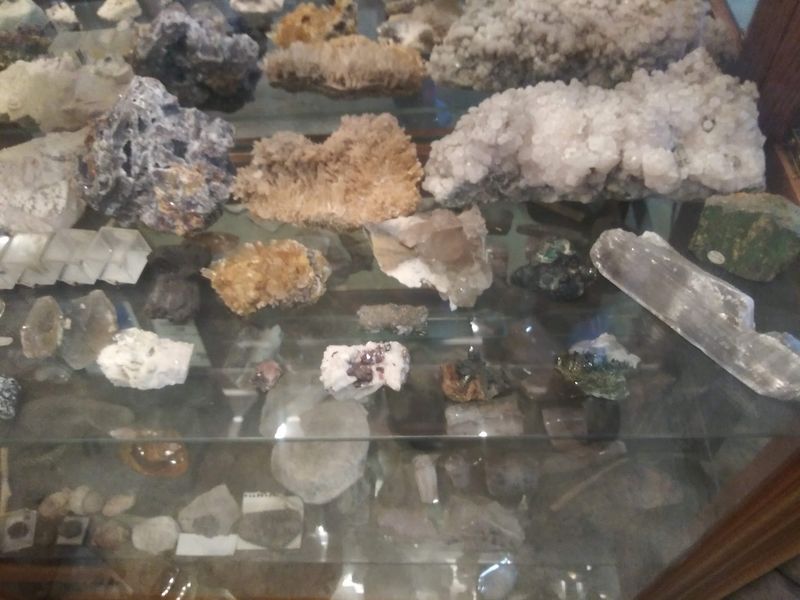
Leaving empty-handed is tough here. A small shop area offers rocks, crystals, and other finds, plus handmade items like knitting made by the family.
For beginner collectors, it is a friendly place to start. Pick up a polished agate or a small crystal and you will have a reminder of the trip that fits in a pocket. Kids often enjoy choosing a stone themselves, which makes the souvenir feel extra special.
Both cash and credit cards are generally accepted. That makes shopping easy if you did not plan ahead.
Remember that the museum itself has no entry fee. Donations are welcome, and they help keep this one-of-a-kind roadside attraction going for future visitors. Buying a small item is another way to show support.
Tip time. Before buying, hold the stone up to a window or light. Translucent pieces glow just like the walls, and choosing one that shines can bring back memories of the flashlight fun every time it catches the sun at home.
Planning a Visit to Brownsville
Getting here is part of the fun. The drive winds through lush green farmland in the Willamette Valley, and it sits a short distance from Interstate 5, making it an easy detour on a road trip.
Timing matters. The museum is usually open Wednesday through Saturday from 10 am to 5 pm and closed Sunday through Tuesday.
Give yourself one to two hours. Rushing would mean missing the stories and small details that make the place memorable.
A short packing list helps. Bring a strong flashlight, a camera, some curiosity, and something for the donation jar. Comfortable shoes are useful too, since you will be on your feet for most of the tour.
After the visit, stroll through Brownsville’s quiet historic streets to round out the day. For directions, Living Rock Studios is located at 911 W Bishop Way, Brownsville, OR 97327, and it is well worth marking on any Oregon travel map.
