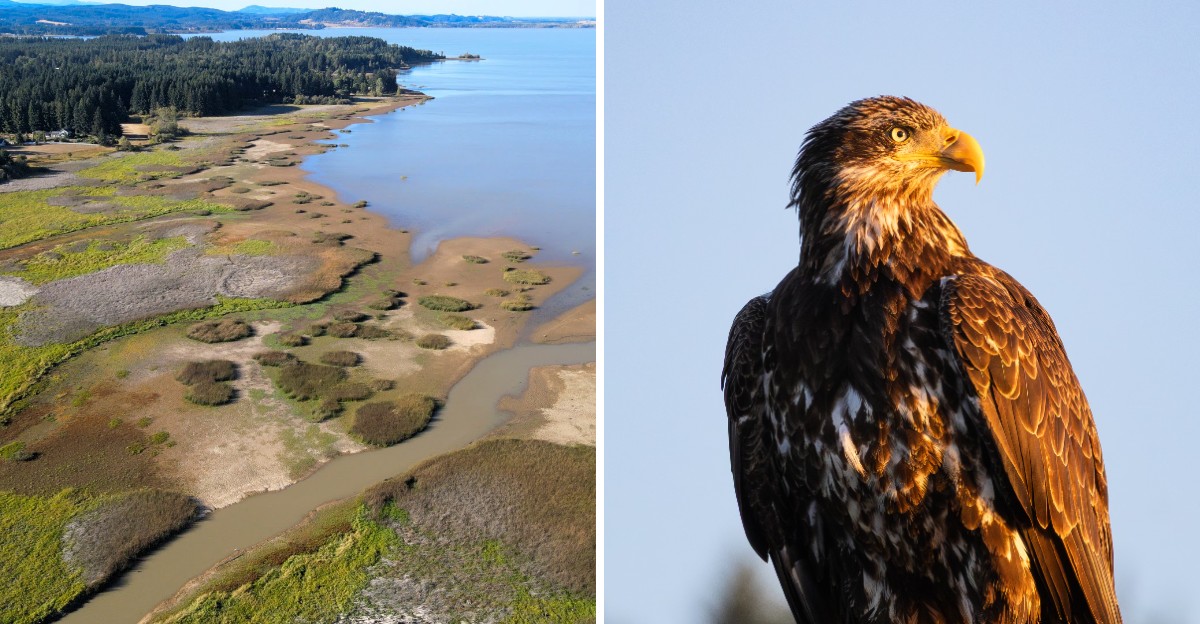
Look up on the right autumn morning, and the sky itself starts to move. Thousands of birds sweep across the wetlands here in waves, wings flashing white and gray against the water before the whole flock lifts at once and swings somewhere new.
Patient visitors with binoculars catch ducks, geese, and shorebirds all sharing the same stretch of marsh, a crowd that changes with every passing week of the season in this corner of Oregon.
A refuge this lively only works because the birds trust it, finding food, open water, and enough quiet to rest before the next long flight. They keep coming back year after year, which says plenty about how well the place does its job.
Bring a thermos, wear boots, and let the show run on its own schedule. Oregon puts on a free performance here every migration season, and the cast never needs a rehearsal.
Swans on Gray Winter Water
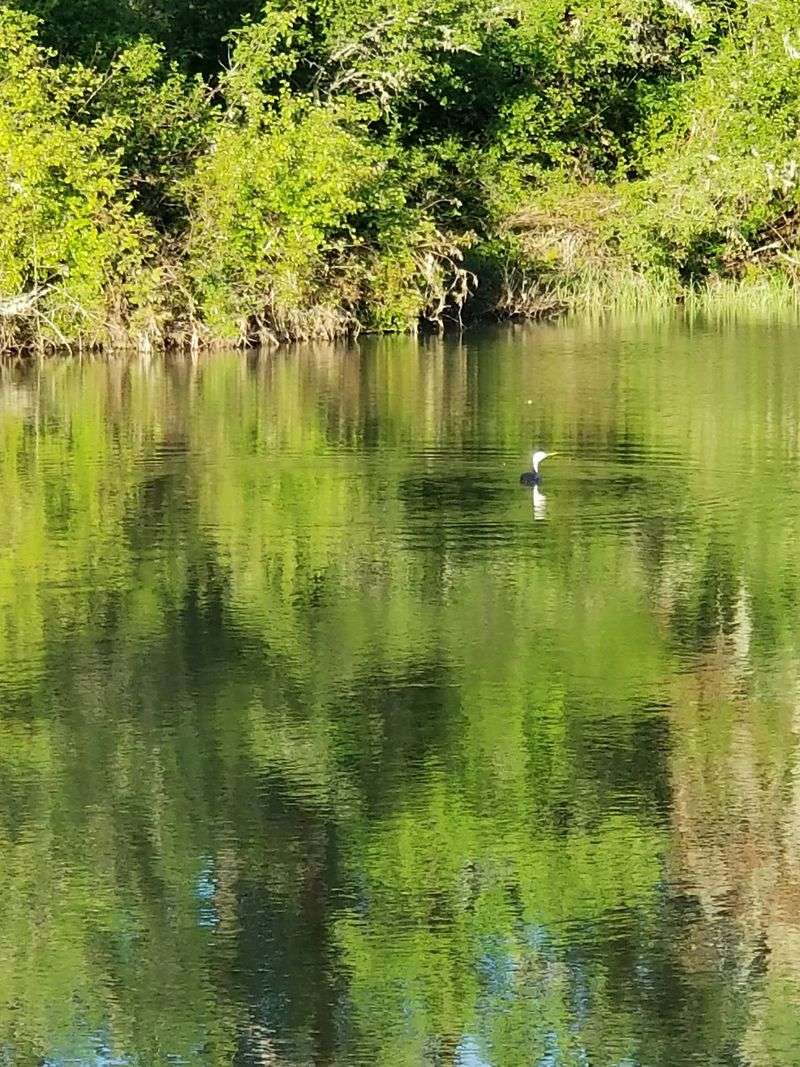
Some mornings at Fern Ridge feel almost silent, and then a soft, high whistle drifts over the water. That gentle call belongs to tundra swans.
These big white birds fly down from nesting grounds far to the north, some as distant as the Arctic. They spend the colder months on western Oregon wetlands, and Fern Ridge is one of their favorite stops.
Seeing a group of them gliding across misty water is one of those quiet moments that sticks with you. Here is a fun fact. A tundra swan can have more than twenty thousand feathers, which helps explain how they handle icy wind without seeming to mind.
Swans spook easily, so keep your distance and let them be. A pair of binoculars or a camera with a zoom lens makes a huge difference. You will get far better views without pushing the birds off their resting spot.
Look for them from late fall through winter, especially on cloudy days when the water turns silver. Honestly, gray weather suits them. They practically glow against it.
Egrets Standing Guard in the Marsh
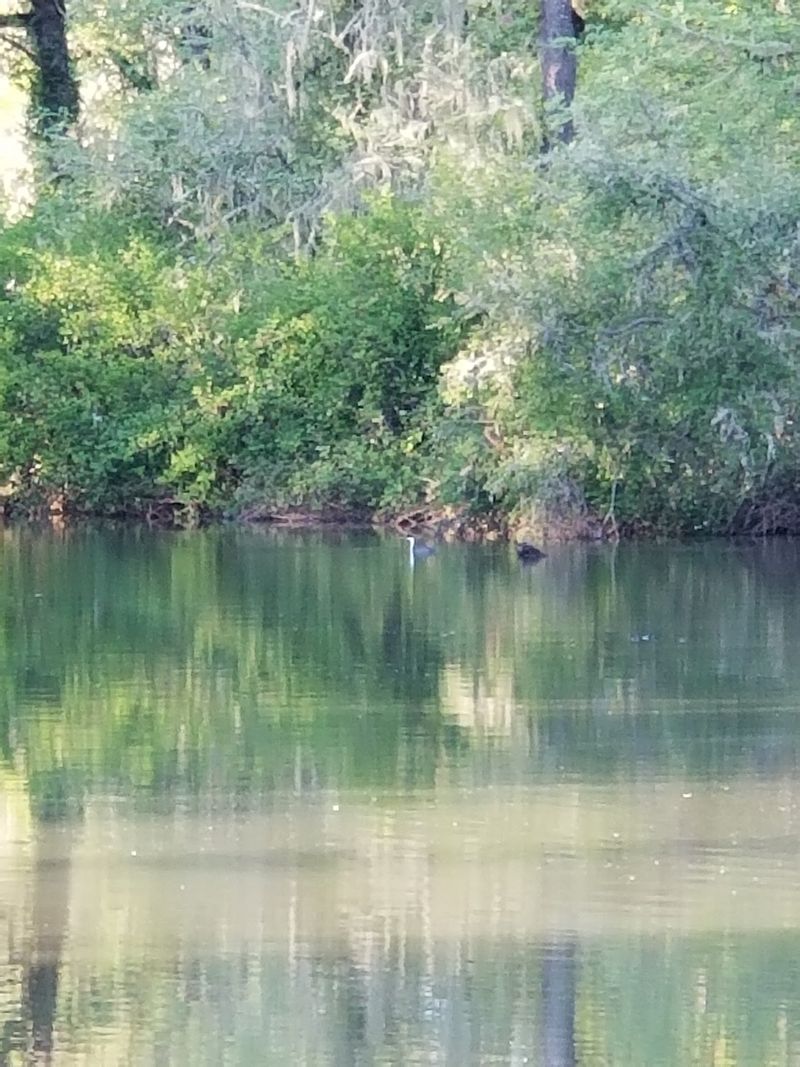
Patience is a skill, and great egrets are total masters of it. One of them can stand in shallow water for so long that you start wondering if it is a decoy.
Then, in a flash, that long neck strikes and comes back up with a small fish or frog. It happens so fast you might miss it if you blink.
Fern Ridge has a raised viewing platform that looks out over the marshy wetlands, and it is a fantastic place to watch wading birds. From up there, you get a wide view of channels, reeds, and open water. Herons, egrets, and shorebirds like sandpipers often work the edges below.
Late afternoon light makes the white feathers of egrets practically shine. Bring a camera, even just your phone, because the scenery around the platform is gorgeous on its own.
Move slowly and talk softly near the water. Wading birds will usually stay put if you are calm and steady. Kids especially love counting how many different birds they can find from one spot.
A Sky That Refuses to Stay Still
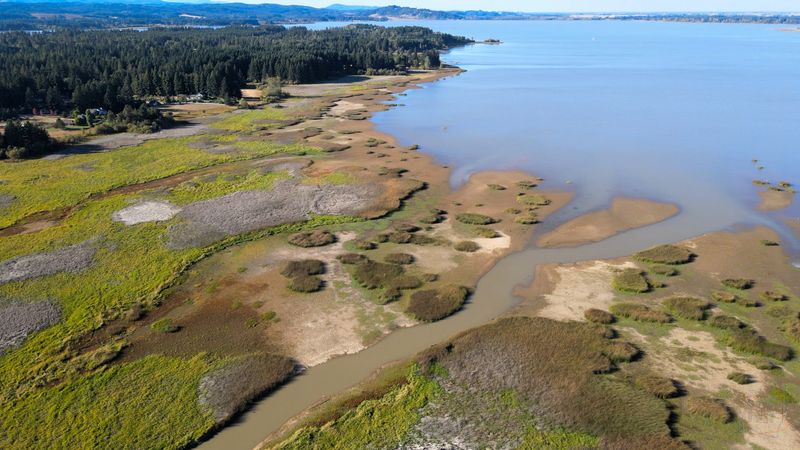
Nothing prepared me for the noise. Thousands of geese rising together create a sound somewhere between applause and a rushing river, and it rolls across the marsh in waves.
Fern Ridge sits right on the Pacific Flyway, a major bird highway that runs along the West Coast. Every fall, waterfowl stop here to rest and refuel before continuing south, and many stay all winter.
Cackling geese, Canada geese, ducks, and swans gather on the shallow water and nearby fields in numbers that are hard to count.
The magic is in the motion. Flocks shift from one pond to another, swirl in loose ribbons, then drop down in a messy, flapping landing. It never looks the same twice.
Timing helps a lot. Early morning and late afternoon tend to bring the most activity, when birds head out to feed or return to roost. Arrive a little before sunrise if you can handle the chill.
Bring layers, a warm hat, and patience. Sit quietly for ten minutes and the show often comes to you, no ticket required.
Eagles Riding the Breeze
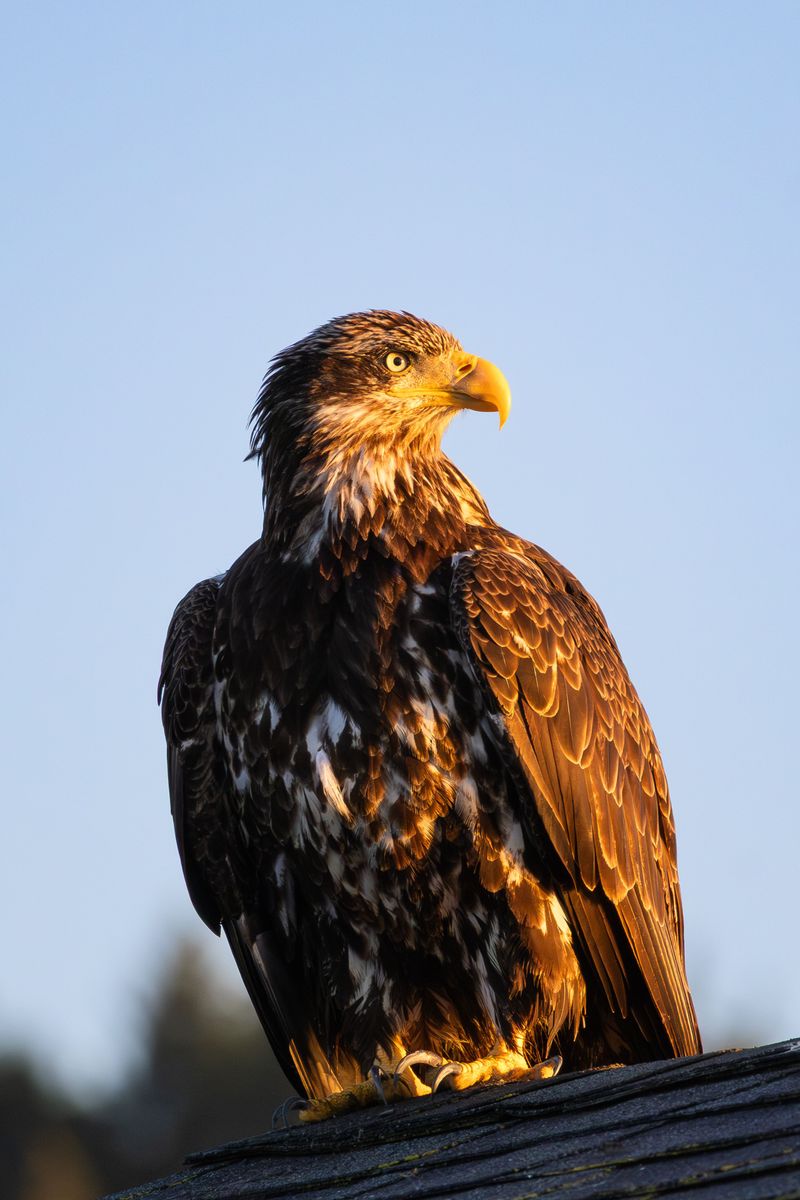
Look up. Seriously, keep checking the sky, because bald eagles patrol this area like they are running a security shift. Visitors often mention spotting eagles soaring overhead, and it is easy to see why they hang around.
All those ducks and geese, plus fish in the reservoir and river, make Fern Ridge a pretty great buffet for big raptors. When an eagle cruises low over a marsh, you can watch entire flocks of waterfowl panic and scatter at once.
Hawks show up too, especially red-tailed hawks perched on fence posts and snags along the field edges. Northern harriers glide low over the grass, tilting side to side as they hunt. Their flight looks almost lazy until they suddenly drop.
Winter offers some of the best raptor watching, since leafless trees make perches easier to spot. Scan the tops of tall cottonwoods and dead branches near the water.
A simple bird guide or app helps tell the species apart. Even if you never learn every name, watching an eagle ride the wind for a while is reason enough to visit.
The Long Tom River Nature Trail
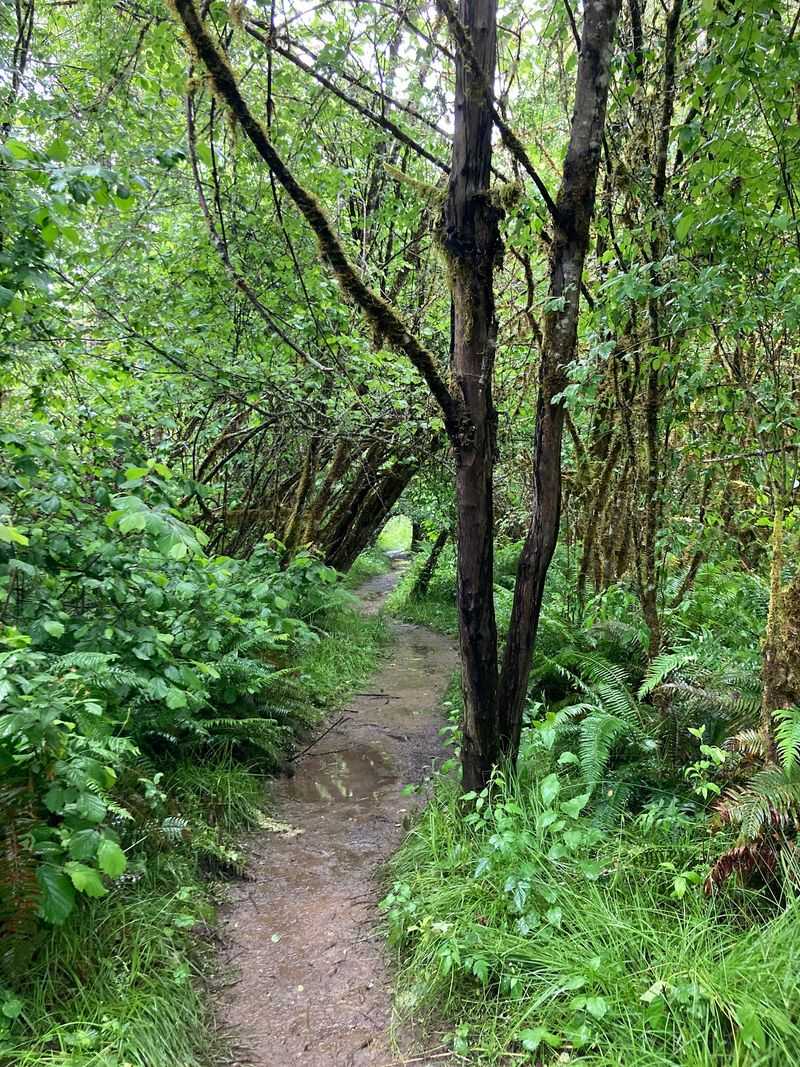
Lush is the only word that fits. This trail feels like a small Oregon jungle, with moss, tangled branches, and green everywhere you look.
The Long Tom River Nature Trail is a flat loop of roughly a mile, with no real hills to climb. An extra spur heads down toward the river, where calm water and birds wait at the end. It makes a great short walk to start the morning or wind down the evening.
Parking sits under the trees, which keeps cars cool on warm days. Benches along the way give you places to pause and listen.
Fair warning, you will hear traffic from nearby roads on parts of the trail. It is not wilderness silence. Still, birdsong usually wins the battle once you get deeper into the woods.
Some sections can get overgrown and wet, especially after rain. Wear sturdy shoes that can handle mud, and long pants help with brushy stretches. Watch for poison oak along the edges, since it loves shady, damp spots like this one.
Quiet Paddles and Water Access
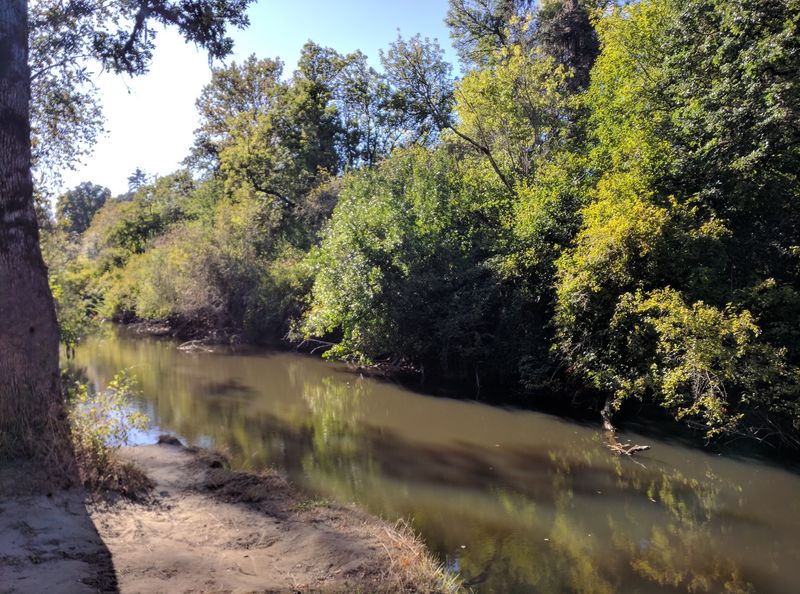
Gliding along in a kayak changes everything. Birds that flush from the trail sometimes let paddlers drift surprisingly close.
The trail near the Long Tom River includes a path down to the water, handy for launching canoes, kayaks, and paddleboards. The river moves slowly here, which makes it friendly for beginners. You can float past reeds, overhanging branches, and muddy banks full of tracks.
Wildlife fans should keep their eyes on the shoreline. Visitors have reported seeing river otters, mink, and wood ducks, and there is even a beaver dam in the area. Beavers are shy and mostly active around dawn and dusk, so timing matters.
One more tip. Check water conditions before getting in, since reservoirs in Oregon can sometimes have algae blooms in warm months. The state posts health advisories online, and a quick look takes only a minute.
Fishing Lines and Duck Blinds
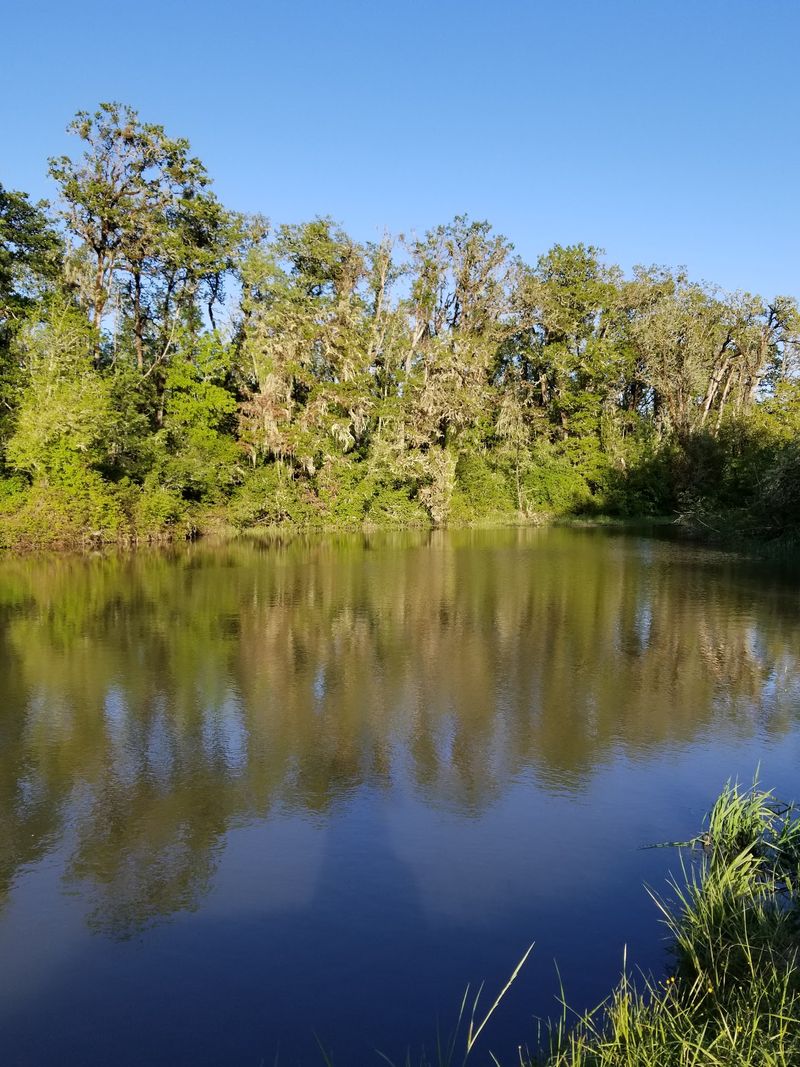
Anglers have been coming to the Long Tom for decades, and plenty of them still do. The river and nearby waters offer solid fishing for folks who enjoy a slow afternoon with a line in the water.
Bring the right license, since Oregon requires one for fishing. Rules can change by season and species, so check the latest regulations from the Oregon Department of Fish and Wildlife before heading out.
Fern Ridge is also a working wildlife area, which means hunting happens here during certain seasons. Stocked pheasants draw upland hunters, and several duck blinds sit along the wetlands for waterfowl hunters. The land is large enough that people spread out without crowding each other.
Some parts of the area close seasonally to give wintering birds a safe place to rest. Those closures are a big reason the flocks keep coming back. Respect the signs and you will still have plenty of space to explore.
Mosquitoes, the Uninvited Tour Guides
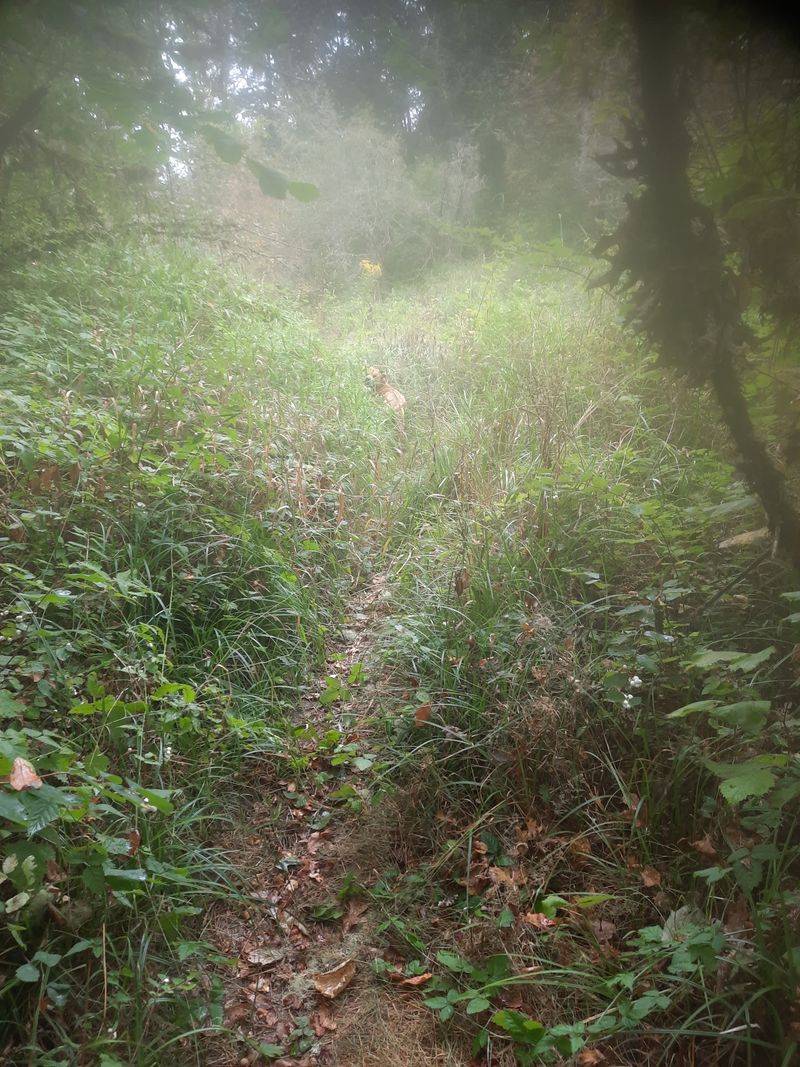
Let me be honest, summer mosquitoes here are legendary. Wetlands make amazing bird habitat, and sadly they also make an amazing mosquito nursery.
Visitors joke that swatting bugs on the wooded trail counts as an upper body workout. Some say the swarms are more annoying than aggressive, while others describe getting completely mobbed near the less traveled end of the path.
So plan smart. Wear long sleeves and long pants, even if it feels warm. Bug repellent helps, and a light head net is not a silly idea at all during peak season.
Better yet, pick your season. Late fall, after the first cold snaps, and early spring, before the bugs hatch, tend to be far more pleasant. Those are also prime months for migrating birds, so you win twice.
If the trail starts looking overgrown and barely used, that is a good signal to turn around. Nothing ruins a nature walk faster than a cloud of hungry insects. A little preparation keeps your attention on wings with feathers instead.
Seasons That Rewrite the Scenery
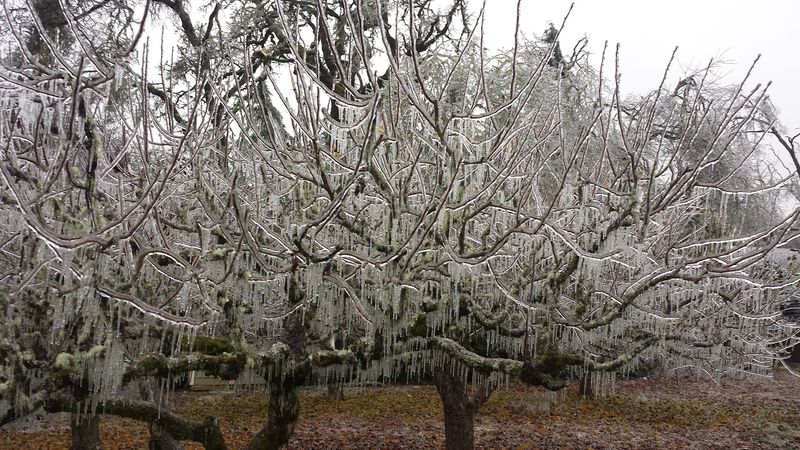
Come back in a different month and you might not recognize the place. Fern Ridge changes its whole personality with the seasons.
Winter is the headline act. Fields flood, the reservoir drops lower, and huge numbers of geese, ducks, and swans settle in. Gray skies, cold air, and constant wingbeats give everything a wild, moody feel.
Spring brings fresh green growth and songbirds. Marsh wrens chatter from the reeds, red-winged blackbirds flash their shoulder patches, and swallows zip low over the water. Nesting season starts, so the whole area buzzes with activity.
Summer turns the trails lush and shady, though bugs take over for a while. Autumn is my pick for the sweet spot. Leaves turn gold, the mosquitoes fade, and the first big migrating flocks start showing up.
Know Before You Go
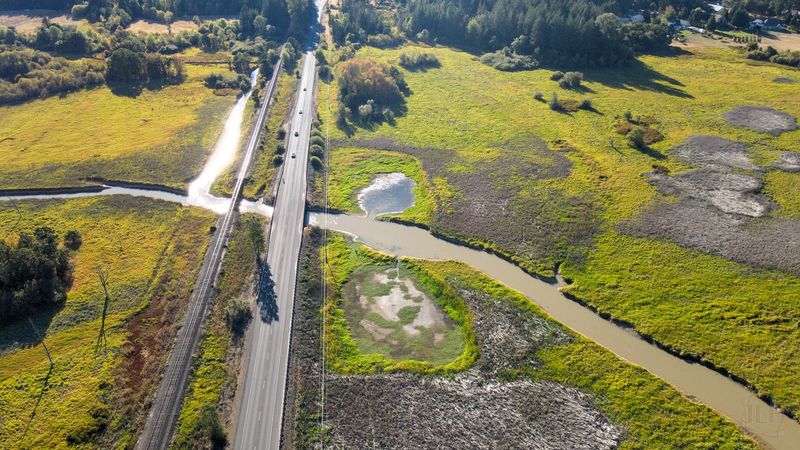
A little planning goes a long way here. Fern Ridge covers thousands of acres around the reservoir, with multiple parking areas and viewing spots spread out across it.
Parking requires a wildlife area permit, and many visitors mention it. You can pick one up anywhere that sells Oregon fishing and hunting licenses, or online through the state system. Grab it before you arrive so you are not stuck searching.
Map apps often send people to the main office, while many trail and access points sit a short drive away. Check the area map ahead of time. The office keeps weekday hours, roughly 8 AM to 5 PM Monday through Friday, and staff can answer questions about closures and current bird activity.
Start your visit at the headquarters, Fern Ridge Wildlife Area, 26969 Cantrell Rd, Eugene, OR 97402, then go find your own front row seat to the flocks.
