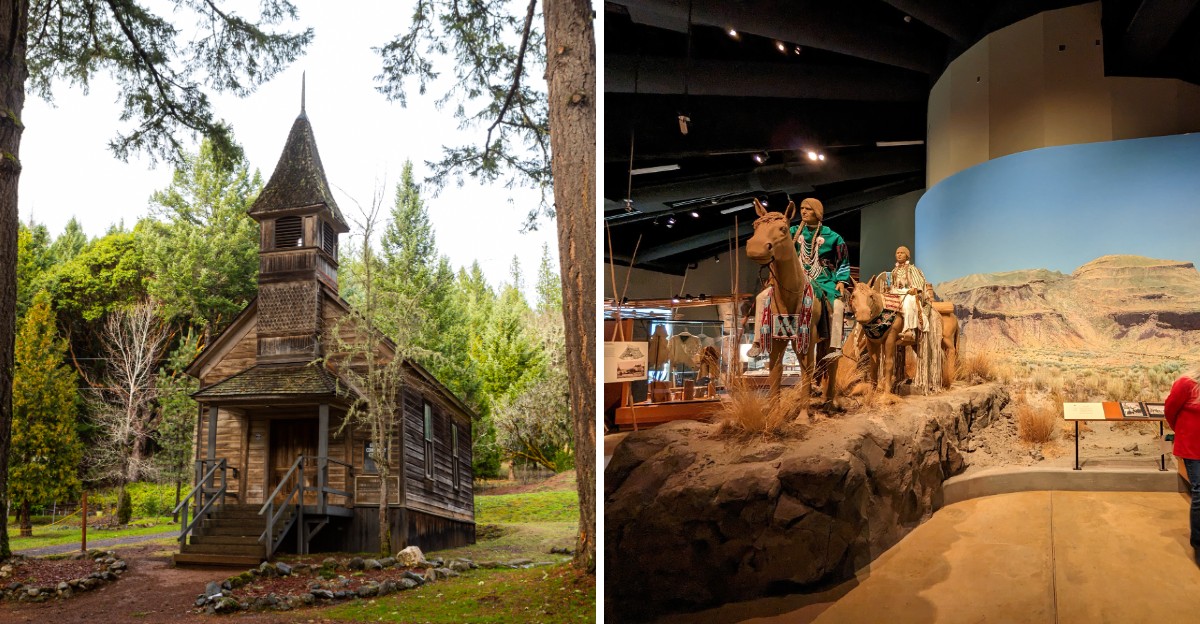
Beyond the postcard waterfalls and coastal photo stops, a quieter version of the state is waiting in old buildings, dusty trails, and sites that rarely make the guidebook cover.
Historic homes, forgotten outposts, and weathered landmarks tell stories of pioneers, miners, and dreamers who shaped the region long before tourists arrived. Wandering through them feels like flipping open a secret chapter.
Digging into history takes curiosity more than planning. A small plaque or a creaky floorboard can spark a conversation that lasts the whole drive.
Pack a notebook, follow the signs nobody else pulls over for, and let the past surprise you. The real treasures hide off the beaten path, and Oregon has plenty tucked away for anyone willing to look.
1. Kam Wah Chung State Heritage Site
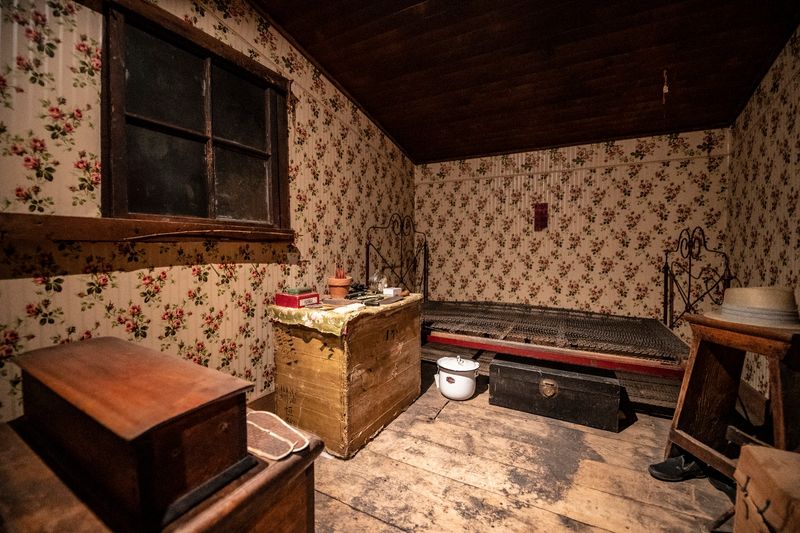
I like a historic stop that asks me to look closer rather than look higher. A preserved building filled with artifacts does exactly that, turning ordinary objects into clues about lives that helped shape the state.
Guided tours explain the history of early Chinese immigrants and their important role in the surrounding community. The building remained untouched for decades, giving the collection the unusual feel of a time capsule rather than a freshly arranged display.
Give the guide your full attention before reaching for your camera. Small details become much more meaningful when you understand how they connect to daily life, and the stories offer a fuller picture of American history than many familiar roadside landmarks.
The site welcomes children, so this can be a useful stop for families who enjoy asking questions together. Picnic tables and a public restroom make it easier to pause between stretches of driving.
Check current tour arrangements before setting out, and leave enough room in your schedule to listen without rushing. For me, the appeal is not a dramatic skyline or a huge exhibit hall, but the chance to notice history at a human scale.
2. Pete French Round Barn State Heritage Site, Diamond
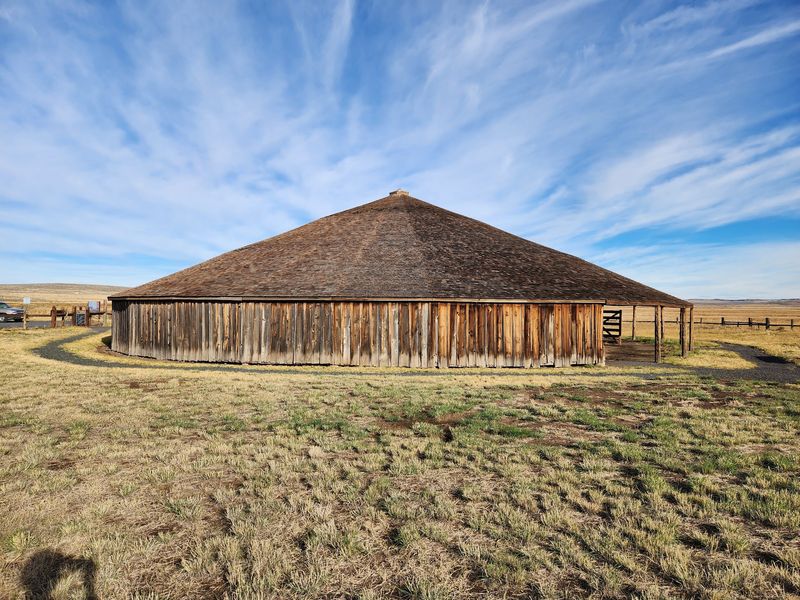
That circular shape is enough to make me slow down and stare. Against open sagebrush country, the barn offers a striking change from the straight lines of fences, roads, and ordinary farm buildings.
Built in the nineteenth century, it is closely tied to Peter French and the early cattle industry. Its unusual design makes architecture part of the history lesson, giving you something concrete to study while considering how ranching shaped this region.
Rather than treating it as a quick photo stop, spend time noticing the building’s overall form. The curve is the main attraction, but the broader story helps explain why a working structure deserves preservation.
An informative museum adds context, and a gift shop is also available. Onsite parking makes arrival straightforward, while the setting encourages a slower pace than a busy city museum.
Children can enjoy the odd shape even before they understand the history. I would pair the stop with an unhurried drive through the surrounding country, leaving space to appreciate how different eastern Oregon looks from the state’s forested western side.
Address: 52229 Lava Bed Rd, Diamond, OR
3. Sumpter Valley Dredge State Heritage Area, Sumpter
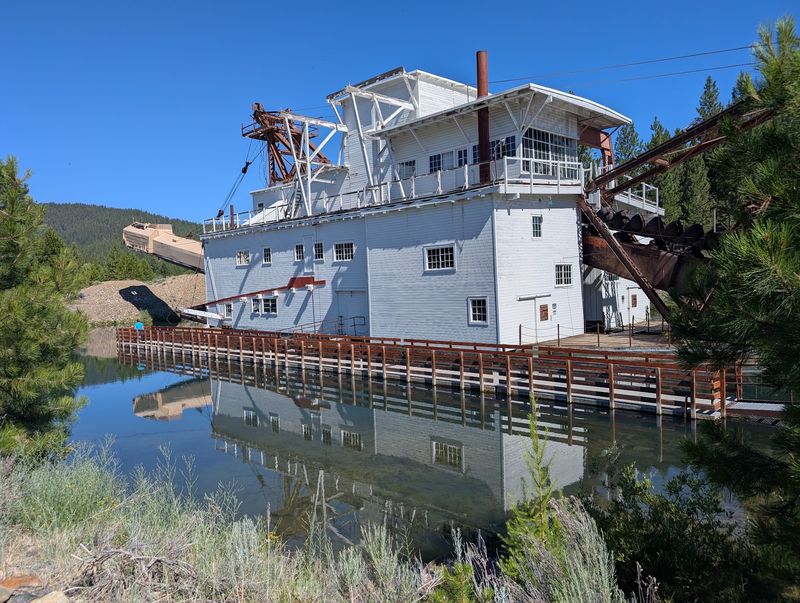
Big machines have a way of making history impossible to ignore. Here, the enormous dredge catches my attention first, but the story of how mining changed the valley is what gives the visit its weight.
Gold mining exhibits explain an industry that reshaped the land rather than simply passing through it. Seeing the preserved equipment helps turn a distant idea about gold rushes into something solid, complicated, and surprisingly large.
Weekend guided tours offer another way to understand the machinery and its purpose. Gold panning activities bring the subject closer to younger travelers, while knowledgeable staff can help connect the different parts of the experience.
There are also train rides and a gift shop, though checking current availability before traveling is sensible. Keep your plans flexible enough to enjoy the historic area instead of squeezing every activity into one hurried stop.
Picnic tables, a public restroom, and child-friendly hikes make a longer pause practical. Dogs are allowed, so check current pet guidance before exploring together.
Address: 709 Sumpter St, Sumpter, OR
4. Golden State Heritage Site, Wolf Creek
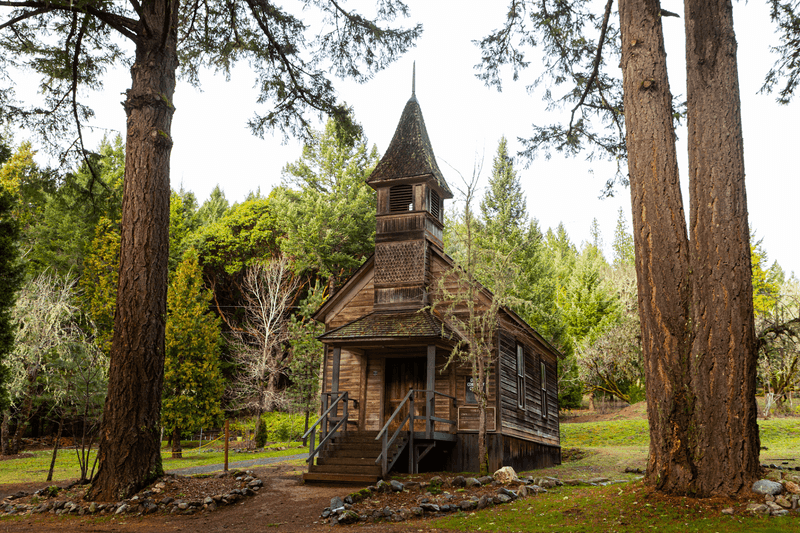
A small schoolhouse holds my attention differently from a grand monument. It suggests ordinary mornings, everyday lessons, and a community that once had reasons to gather here.
The preserved ghost town includes a church, schoolhouse, general merchandise store, and graveyard. Buildings from the late nineteenth century give the site a clear sense of place, while the town’s mining history connects those quiet structures to a much busier past.
Read the available historical material instead of judging the stop only by how many buildings remain. The stories help fill the gaps, making the empty spaces part of the experience rather than something to hurry past.
Walking trails add movement to the visit, and the roadside setting makes this an approachable detour. A picnic can turn a brief look around into a relaxed break from the drive.
Families can use the different buildings to talk about what a town needs to function. Dogs are allowed, and parking is available, though checking current guidance is wise before bringing a pet.
I prefer taking this kind of place slowly, without expecting constant entertainment. Its reward is a clearer picture of daily life in a community that no longer bustles.
5. Maxville Heritage Interpretive Center, Joseph
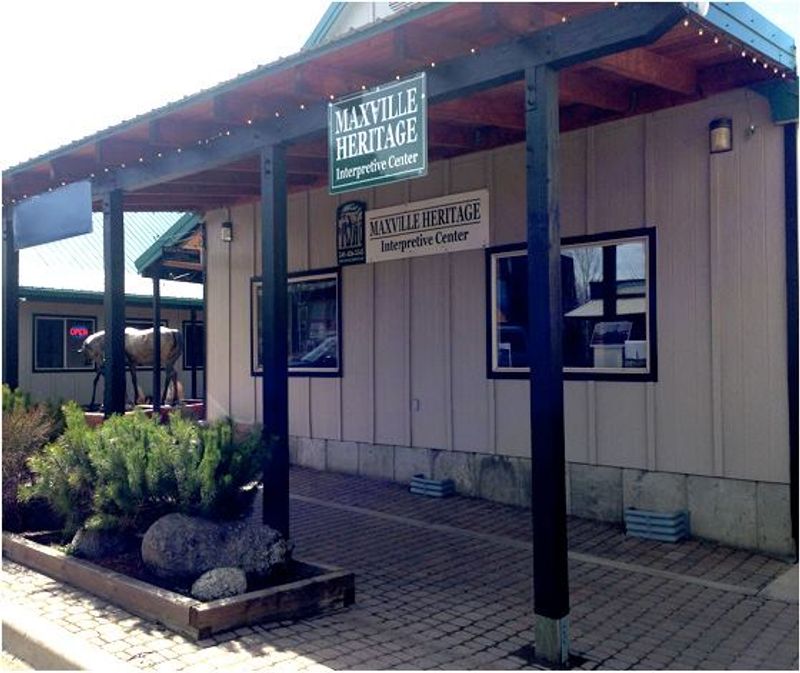
I appreciate museums that make a familiar subject feel less simple. Logging is often pictured as machinery and trees, but this interpretive center brings families, race, and community into the story.
Its focus is an isolated logging town of the nineteen twenties that brought African American loggers and their families to rural Oregon. That history adds an important layer to any trip through the state’s timber country.
Exhibits and tours explore local heritage, helping visitors look beyond the usual image of a remote work camp. Rather than rushing through, give yourself time to consider what building a life in such a place might have required.
The center also has a theater, and children are welcome. A restroom and onsite parking help with practical planning, but there is no restaurant, so arrange meals separately.
Opening days are limited to Thursday through Saturday in the supplied schedule; confirm current hours before making a special trip. A little planning matters when a smaller museum becomes the main reason for your detour.
Leave with a broader understanding of who helped build the state’s working communities.
Address: 103 N Main St Unit 1 & 2, Joseph, OR
6. Collier Logging Museum, Chiloquin
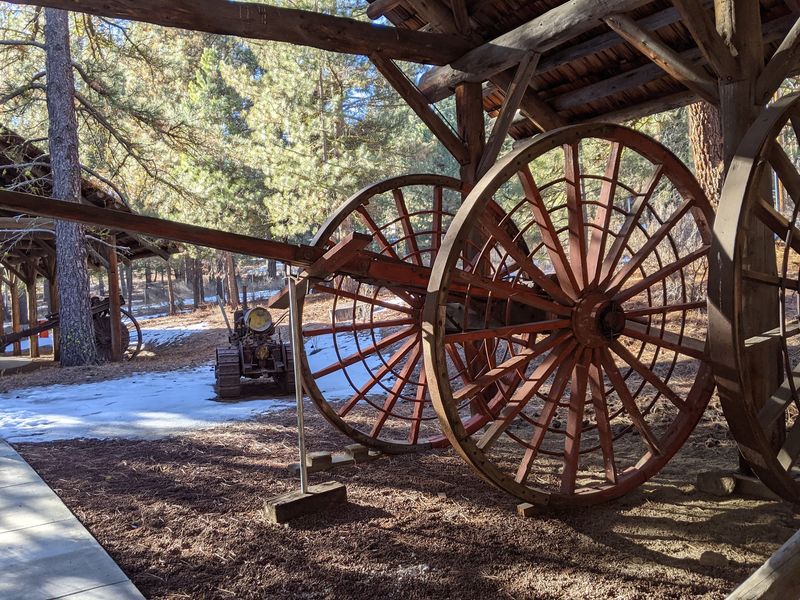
Old logging equipment makes me think about effort before anything else. The size and purpose of these machines offer a direct reminder that forest work was demanding, physical, and central to many communities.
This open-air museum brings together a broad collection of machinery and vintage buildings. Equipment is arranged by time period, so the visit can follow changes in logging methods rather than feeling like a random yard of interesting metal.
Log cabins spanning the late nineteenth century through the Second World War add another side to the story. They balance the machinery with buildings that help you think about daily life alongside the work.
Choose a self-guided visit if you prefer setting your own pace, or check the availability of guided tours. I would leave time to compare several eras instead of trying to examine every object equally.
Because the displays are outdoors, dress for the forecast and wear shoes suited to exploring. Restrooms and parking are available, while the lack of a restaurant makes advance meal planning useful.
For younger travelers, comparing old equipment can become a simple exercise in noticing how tools change.
Address: 46000 US-97, Chiloquin, OR
7. Tamastslikt Cultural Institute, Pendleton
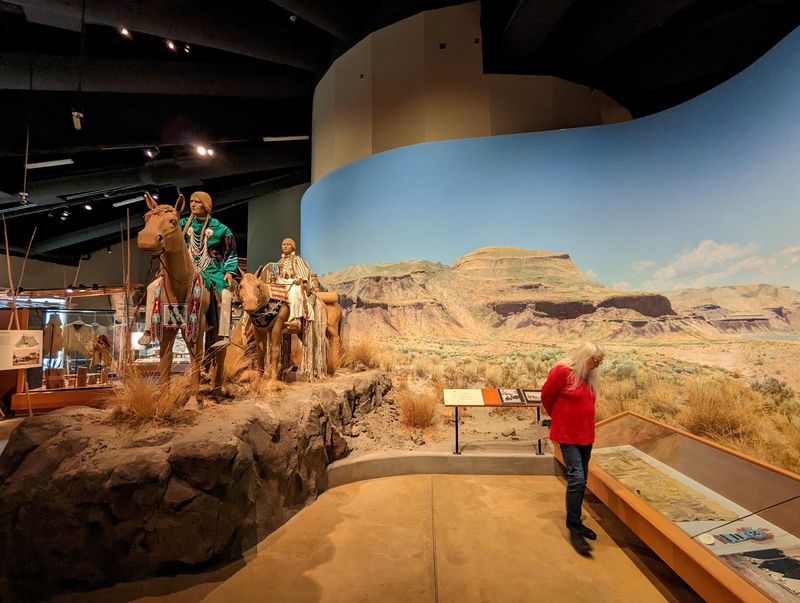
The most meaningful history stops can change the questions I bring to the next one. Here, the story of westward travel is presented through Indigenous history and culture, not only through the experiences of arriving settlers.
Exhibits and videos explain the impact of the Oregon Trail and pioneer settlement on Native tribes. The institute presents the history of the Umatilla and affiliated tribes from earlier times into the present, keeping living culture within the story.
Artwork and hands-on exhibits provide different ways to engage with the material. Allow time for both, rather than moving only toward the displays that look most familiar.
Tours, a theater, and live performances are among the offerings, so check what is available during your visit. A cafe, restaurant, restroom, and onsite parking make it possible to plan a comfortable, thoughtful stop.
Children are welcome, and the exhibits can open useful family conversations about whose stories get told. Listen carefully, read fully, and avoid treating this as just another pioneer attraction.
I would make room for reflection afterward instead of immediately rushing toward the next landmark.
Address: 47106 Wildhorse Blvd, Pendleton, OR
8. Tillamook Air Museum, Tillamook
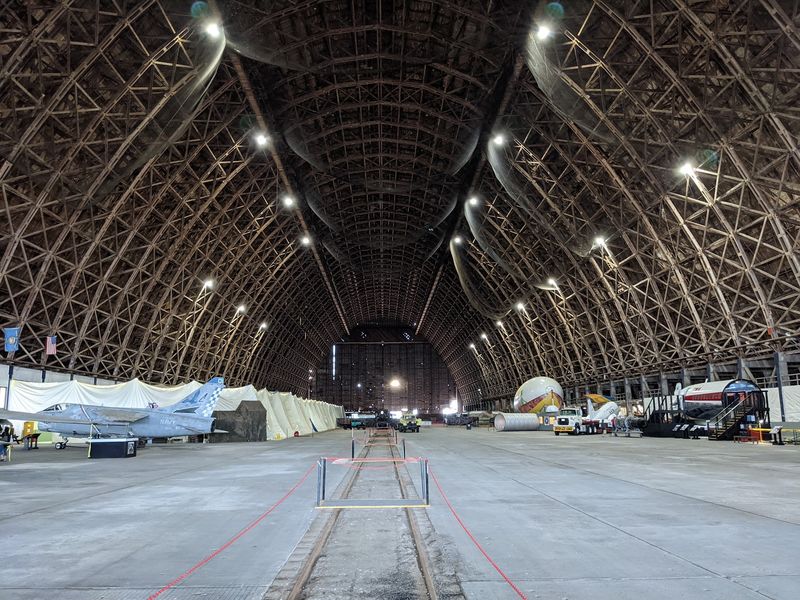
My eyes would go to the roof before the aircraft. The collection occupies a World War II blimp hangar, and the building’s enormous wooden structure is a historic attraction in its own right.
Counted among the world’s largest wooden buildings, the hangar gives aviation history an unusual setting. Its connection to coastal anti-submarine patrols reveals a wartime role that can be easy to miss during a beach-focused trip.
The exhibits include fighter aircraft, transport aircraft, propeller planes, and helicopters. Vintage vehicles and scale miniatures broaden the experience, offering plenty to notice even if aircraft names are not your specialty.
Some cockpits can be climbed into, giving children and curious adults a more direct connection to the displays. Follow posted guidance about access rather than assuming every aircraft can be touched.
A theater, cafe, restroom, and parking help make this a useful stop between stretches of coastal driving. Confirm current opening hours, especially if your plans include a Monday.
Give the hangar itself a final look before leaving; the museum’s largest historic object is the structure surrounding everything else.
Address: 6030 Hangar Rd, Tillamook, OR
9. Fort Stevens Historic Area, Hammond
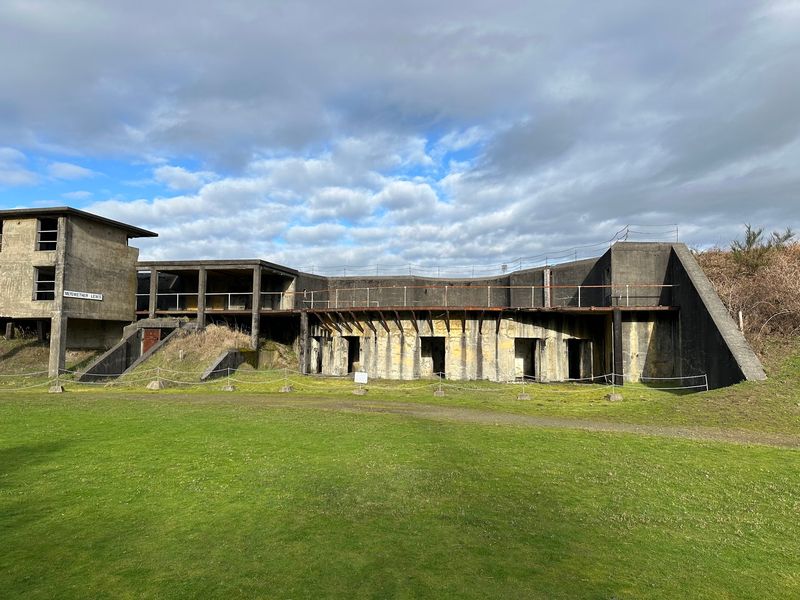
Concrete bunkers make the coast look different to me. A landscape usually associated with open views and fresh air becomes a place where people once watched, prepared, and worried about threats offshore.
The preserved military area connects Civil War history with the Second World War. Bunkers and weapons offer a physical introduction to coastal defense, while a small museum helps explain what those structures meant.
One especially striking part of the story is the wartime enemy naval attack on the military base. Learning about it adds depth to a stretch of coast that many travelers experience mainly as scenery.
Volunteer-led tours provide another route into the history. Check availability before arriving, and leave time to explore beyond the first bunker rather than treating the site as a single viewpoint.
Miles of hiking trails allow the visit to move between historical study and outdoor wandering. Comfortable shoes and layers are sensible choices for a coastal outing, especially when you plan to linger.
Families are welcome, but help children approach preserved military structures carefully and follow posted guidance. I would alternate the museum with a walk, giving the heavier history a little breathing room.
10. Thompson’s Mills | State Heritage Site, Shedd
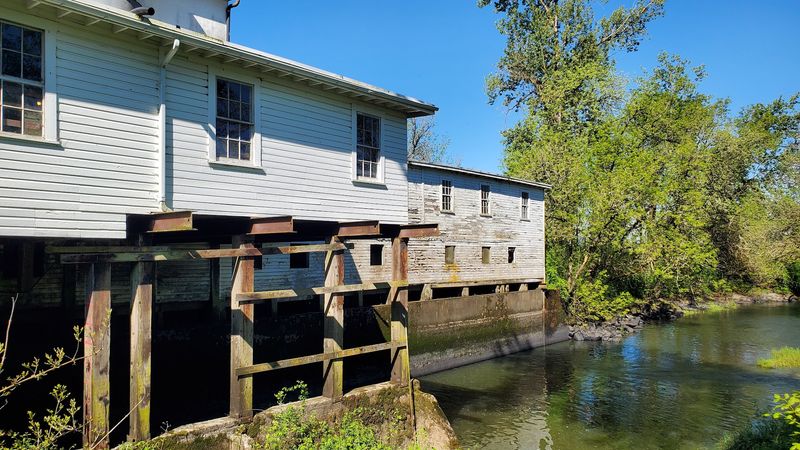
A machine that still works holds my attention longer than one behind glass. At this preserved grain mill, demonstrations can show how water power turned difficult labor into a working system.
The mill dates to 1859 and has passed through different owners and changes over its long history. Guided tours connect that timeline with the building, equipment, and practical business of processing grain.
Functioning antique machinery gives the experience its special appeal. Instead of only imagining motion, you can learn how the parts relate to one another and why water-powered milling mattered to early communities.
Ask about current demonstration arrangements before traveling, since seeing the machinery work may shape how you plan the stop. During a tour, pay attention to the explanation as much as the movement.
I find industrial history easier to understand when it is connected to everyday needs, and grain provides that link. Behind an ordinary meal sits a chain of work that places like this help make visible.
Children are welcome, and onsite parking simplifies arrival in the surrounding countryside. Allow enough time for the guided experience rather than expecting a quick exterior glance.
Address: 32655 Boston Mill Dr, Shedd, OR
11. Port Orford Lifeboat Station, Port Orford
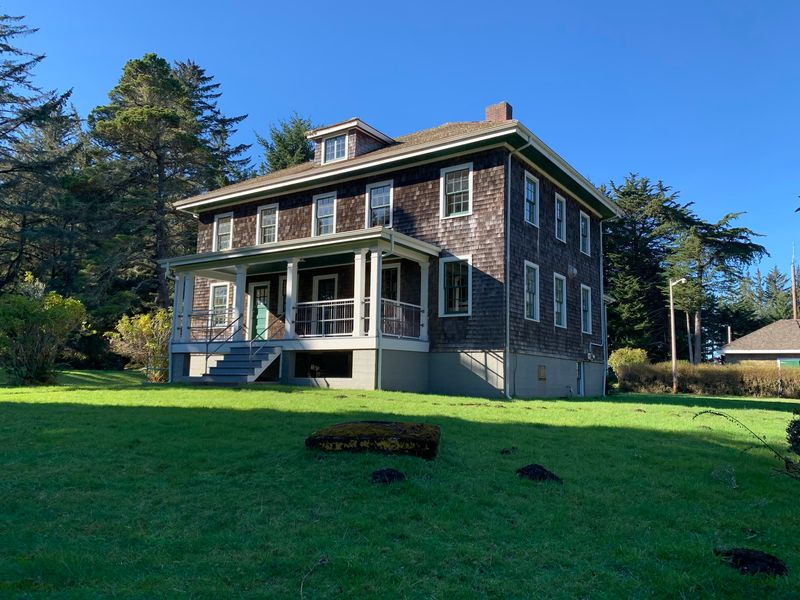
The ocean view is beautiful, but the museum gives it a more serious edge. I like how the exhibits turn a scenic pause into a chance to understand the dangers faced along this coast.
Displays explore the work of the former Coast Guard lifeboat station and the risks of sailing nearby waters. Knowledgeable volunteers and tours add context, helping connect the preserved site to the demanding job of maritime rescue.
Start with the history before heading onto the nature trails. That order gives the water below a different meaning, especially when fishing boats appear within the wider coastal view.
Benches provide places to rest and watch the Pacific, with seabirds and possible whale sightings adding interest. Wildlife is never guaranteed, so enjoy the outlook without turning the visit into a search that must succeed.
Wear comfortable shoes, bring a layer, and leave time to sit for a while. Restroom facilities and onsite parking help with planning, but there is no restaurant.
Check current opening days before arriving, particularly for a Tuesday visit. The combination of rescue history and open water makes a thoughtful final coastal stop.
Address: 92331 Coast Guard Hill Rd, Port Orford, OR
