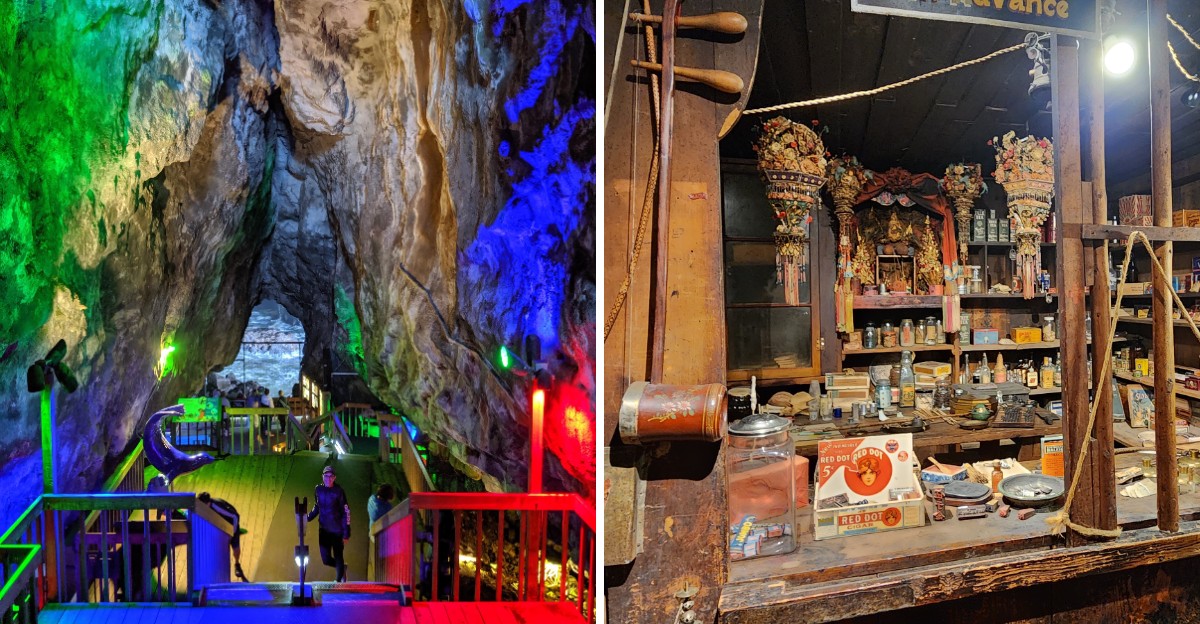
Highways show you the postcard version. Side roads show you the weird stuff nobody bothered putting on a postcard. A handful of oddball spots scattered off the beaten path keep proving that the strangest finds rarely sit along a main route.
Roadside curiosities show up where nobody expects them, tucked between ordinary towns that otherwise blend together during a long, predictable drive through this stretch of Oregon.
Finding places this strange takes a willingness to actually turn off the highway rather than sticking to whatever route a GPS insists is fastest. These spots reward exactly that curiosity, delivering stories and sights that never would’ve shown up sticking to the obvious road.
Sticking to main roads rarely reveals much worth remembering later. Wander off course next time through Oregon, because the weird stuff is always hiding just one turn away.
1. Prehistoric Gardens, Port Orford
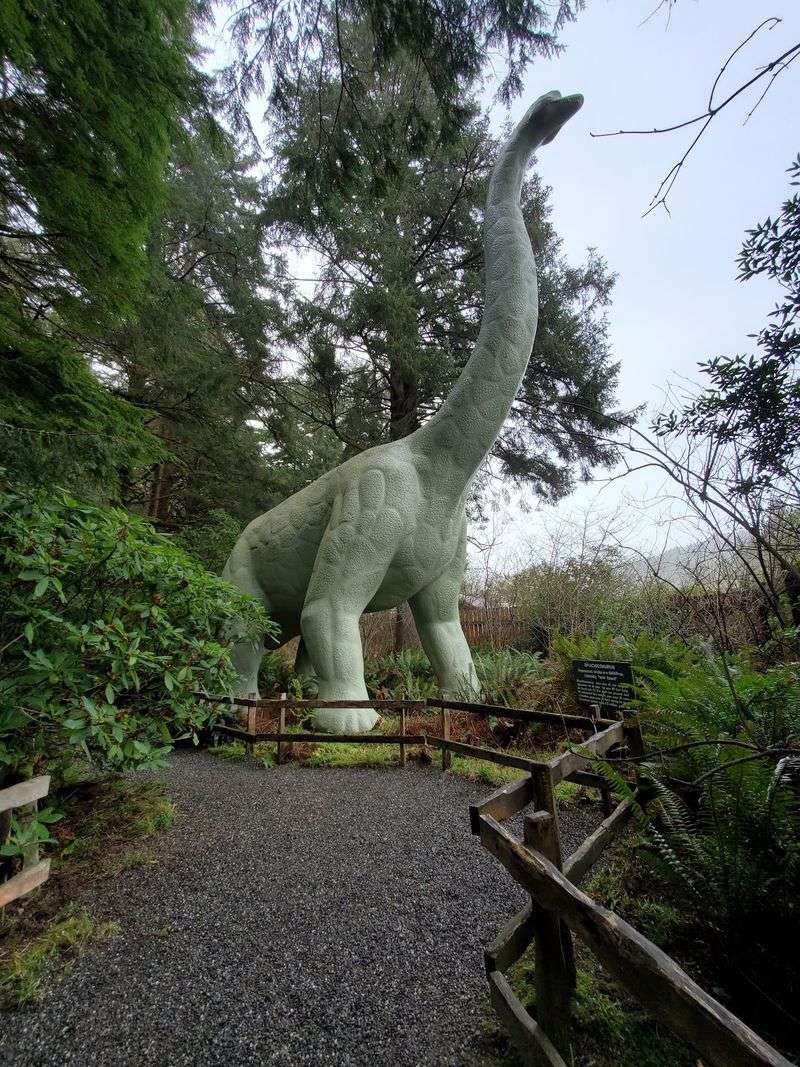
A dinosaur peeking through dripping greenery is enough to make me forget the road outside. Full-sized prehistoric replicas fill an outdoor walking tour beneath old trees, with ferns and hanging moss giving the grounds a wonderfully wild backdrop.
Bubbling creeks and broad leaves make this more than a quick photo stop. Look closely at the skunk cabbage and different ferns, then use the informative displays to connect the plants with the prehistoric theme.
Children have plenty to notice, while adults can enjoy the quieter details between the larger creatures.
Bring a rain layer and shoes suited to an outdoor stroll. Coastal weather can change your comfort level quickly, and damp greenery is much more enjoyable when your feet stay happy. A restroom and parking lot make this a practical place to stretch during a longer drive.
The gift shop offers another pause before returning to the highway. Check current opening details before setting out, and leave enough time to enjoy the living forest as well as its oversized residents.
Address: 36848 US-101, Port Orford, OR
2. Bigfoot Trap
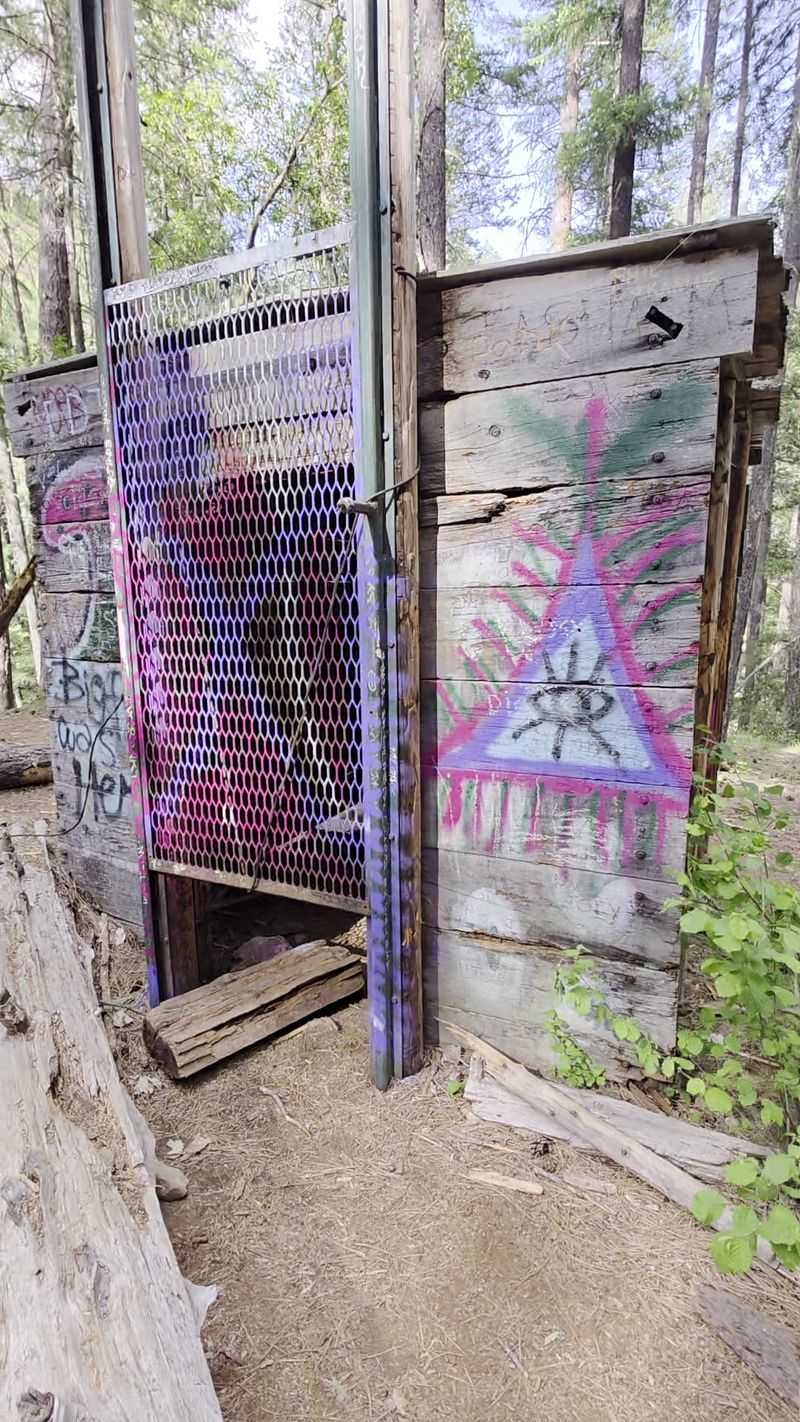
I like a woodland walk with a punch line, and a cage intended for Bigfoot certainly qualifies. Hidden along a public trail in southern Oregon, the wooden and iron structure turns an ordinary forest outing into something much stranger.
You do not need to believe in anything mysterious to enjoy its odd purpose.
The route is an out-and-back hike with well-marked paths and a generally easy approach. Trees surround the trap, giving the structure a setting that matches the legend better than any roadside display could. Pause to study its shape rather than expecting a grand attraction.
Getting safely off the road deserves more attention than the creature hunt. Parking near the highway can be hazardous, so identify a safe, legal place before beginning and never squeeze into an unsafe shoulder. If parking conditions look wrong, save the walk for another day.
Dogs are allowed outside, making this an option for travelers with a canine companion. Carry water, wear dependable shoes, and keep your plans suited to current trail conditions. The reward is refreshingly simple: forest air, a short adventure, and a wonderfully peculiar piece of local curiosity.
3. Petersen Rock Garden & Museum, Redmond
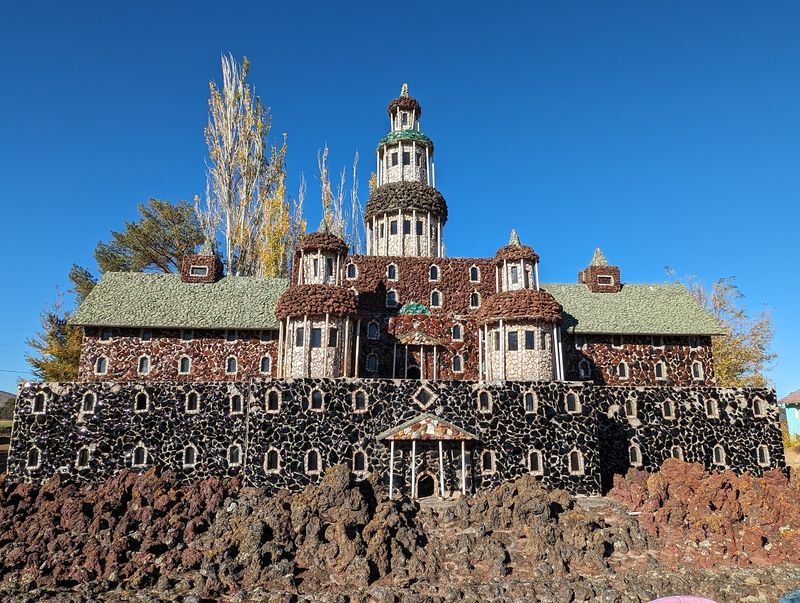
My eyes would have trouble choosing where to settle among so many small stone details. Architectural structures made from rock, lava, and petrified wood turn a former farm into an unusual outdoor artwork.
Against central Oregon’s open surroundings, the busy collection feels especially surprising.
Color and texture are the real attraction here. Rather than rushing from one structure to another, study how different pieces fit together and how much patient work the designs required. A simple rock becomes something far more interesting when it joins a tiny built world.
Peacocks, chickens, and cats roam the grounds, adding their own movement to the scene. Give the animals space and watch children around them. Inside, the museum and glow room extend the visit beyond the outdoor structures, while a gift shop offers another area to explore.
Plan around the limited opening schedule, generally Friday through Monday, and confirm details before driving out. There is a restroom but no restaurant, so arrange your meal elsewhere.
Allow time for close looking; the smallest corners often explain why this quirky stop deserves more than a passing glance.
Address: 7930 SW 77th St, Redmond, OR
4. Dee Wright Observatory, Blue River
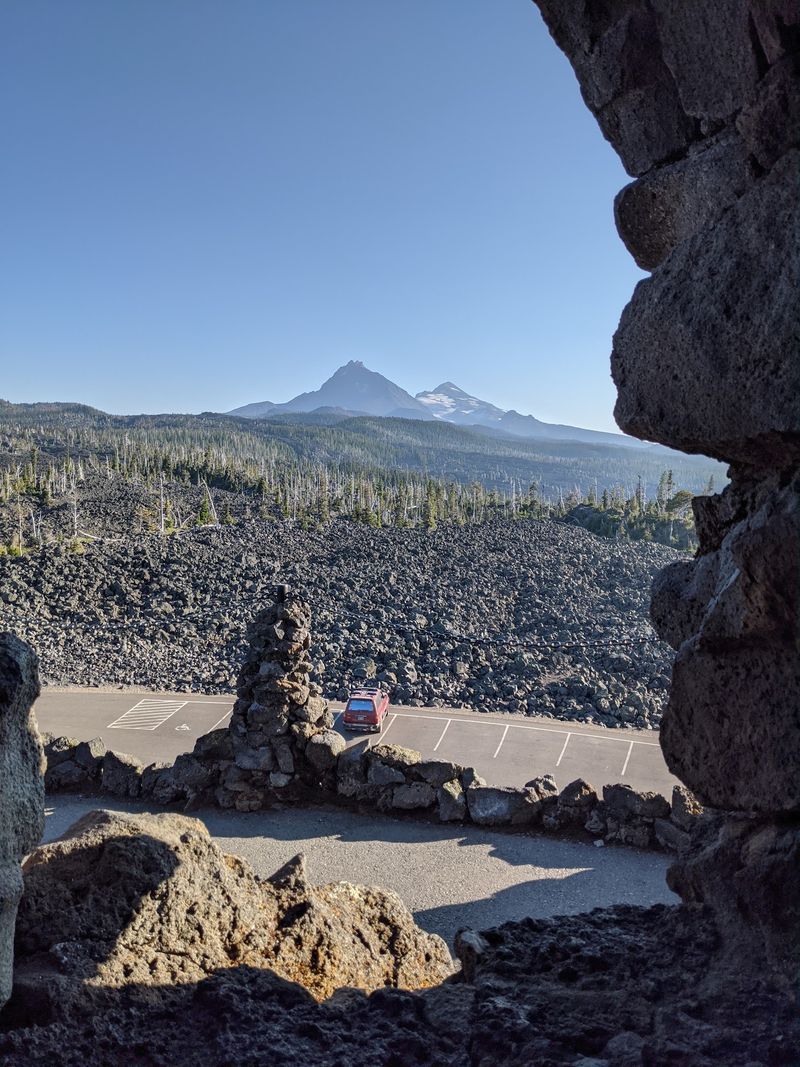
The dark stone tower looks wonderfully out of place until you notice the ground around it. Jagged lava stretches across the mountain landscape, and the structure seems almost borrowed from that rough surface. I would leave the camera down for a moment just to take in the contrast.
Built from lava rock, the castle-like observatory rises above the road within a vast lava field. Its elevated position gives the stop a different feel from a forest viewpoint. Instead of soft greenery, the main impression is hard edges, open space, and a landscape shaped by volcanic forces.
The drive follows the winding McKenzie Pass Scenic Byway west of Sisters. Treat the road as part of the experience rather than a stretch to hurry through. Mountain travel calls for checking current road access and weather before departure, even when a destination lists round-the-clock access.
On-site parking makes it possible to stop and explore without a long approach. Wear sturdy shoes and bring an extra layer for exposed conditions. Families can enjoy the unusual setting together, but uneven stone deserves attention.
This is a memorable change of scenery between Oregon’s greener stretches.
5. Crack-in-the-Ground, Silver Lake
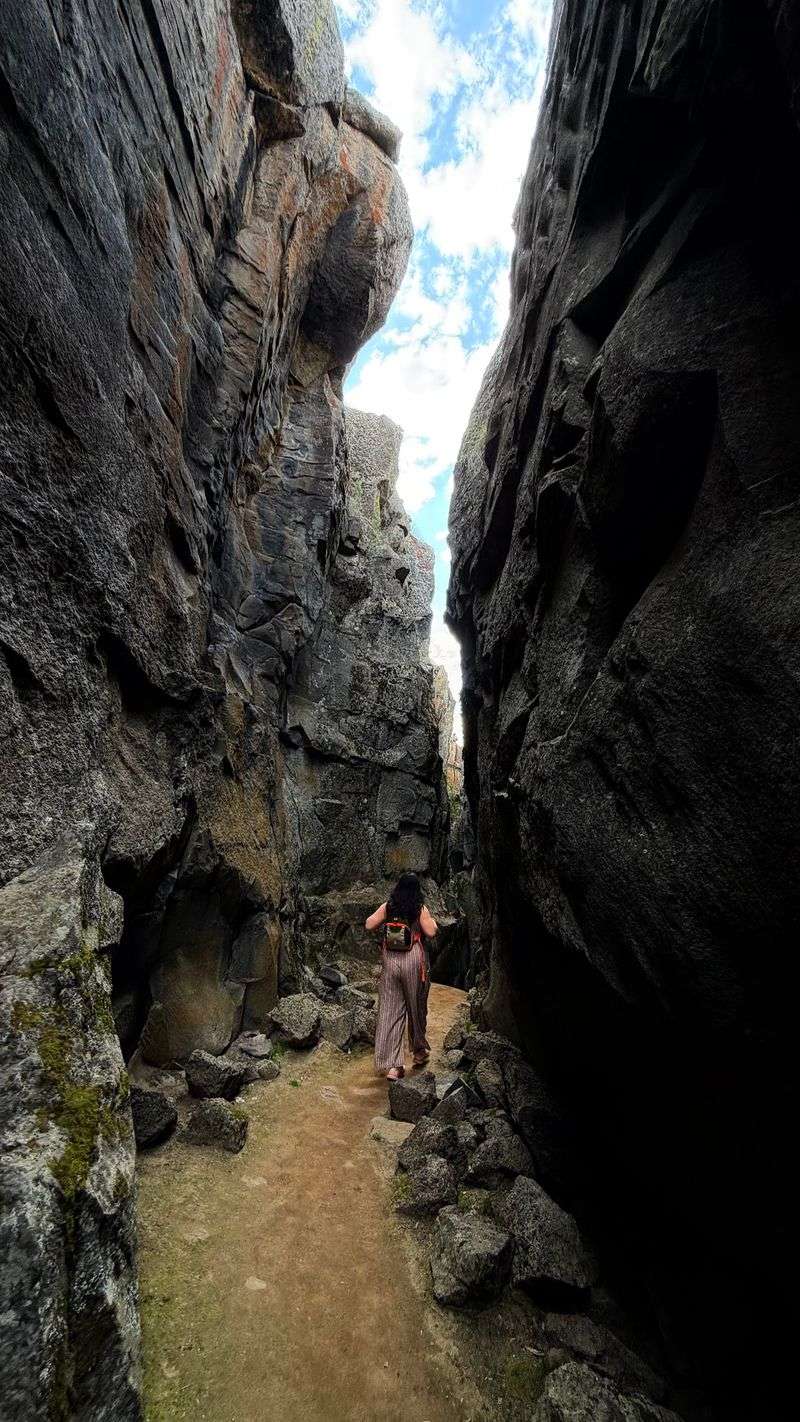
A strip of sky above tall rock walls would make me slow down immediately. This volcanic fissure offers a sharp change from the open desert around it, with cooler air below the surface and rocks crowding the view. The landscape suddenly becomes something you travel through, not simply look across.
A short hike leads toward the crack, but short does not mean effortless. Challenging rock scrambles and uneven footing call for careful steps and shoes with good grip. Overhead rocks add to the strange atmosphere, while narrow sections make it sensible to move patiently.
The approach is part of the planning challenge. Remote desert roads can be rough, and taking the correct turn onto Crack in the Ground Road matters. Check road conditions, carry water, and make sure your vehicle suits the route before leaving the main road.
A parking lot serves the hiking area on public land. Cooler conditions inside can offer relief on a hot day, though they do not replace the need for sun protection above ground. Leave enough energy for the return walk and drive.
The pleasure here is that sudden shift from broad desert light to close, shadowed stone.
6. Thor’s Well
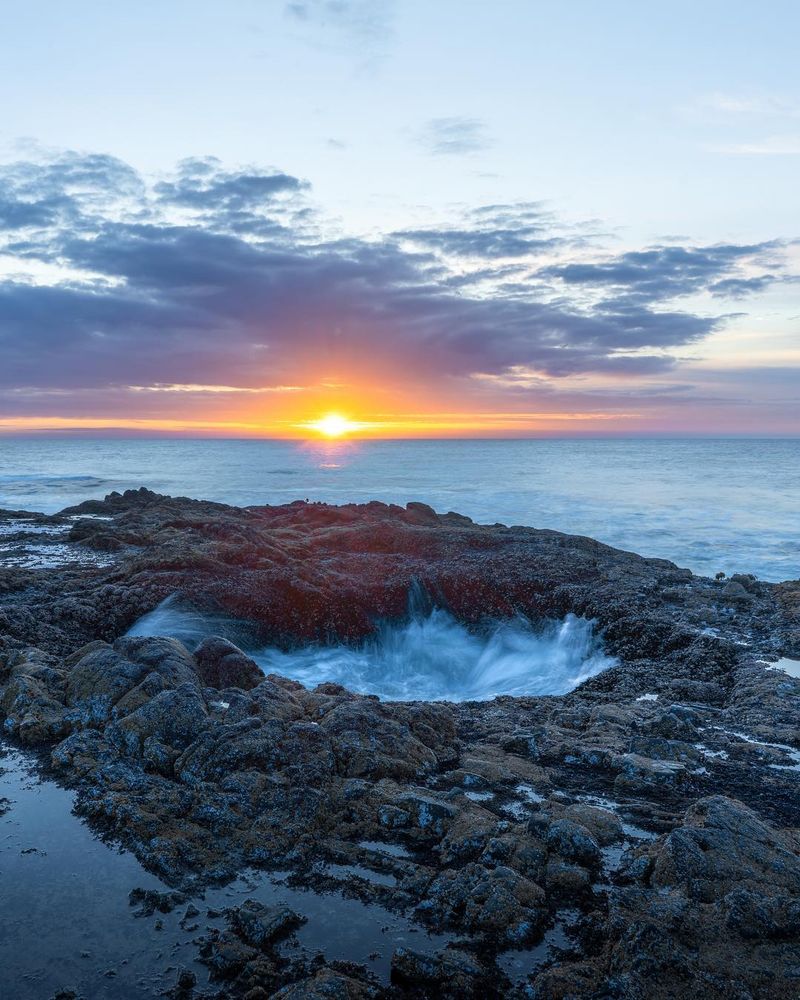
My first reaction to an ocean drain would be to look twice. Water appears to disappear into a hole in the coastal rock, then surges back with the movement of the sea. The effect is strange, noisy, and completely tied to the waves.
Often called the Drainpipe of the Pacific, the formation is especially dramatic around high tide. That spectacle is also a reason to keep your distance, not an invitation to edge closer. Watch from a safe viewing position and never turn your back on approaching water.
A short, easy hike leads to the viewing area, where the surrounding coast adds plenty to the outing. Crashing surf, tide pools, and a nearby spouting horn give you more to notice than the central hole alone. Let the wider scene hold your attention between bursts of water.
Check tide and weather conditions before visiting, and choose daylight for clearer footing. Restrooms are available, but there is no restaurant at the attraction. Nearby Yachats offers places to eat and browse afterward.
I would keep this stop flexible: a calm, safe look beats a dramatic photograph taken too close to an unpredictable ocean edge.
7. Octopus Tree, Tillamook
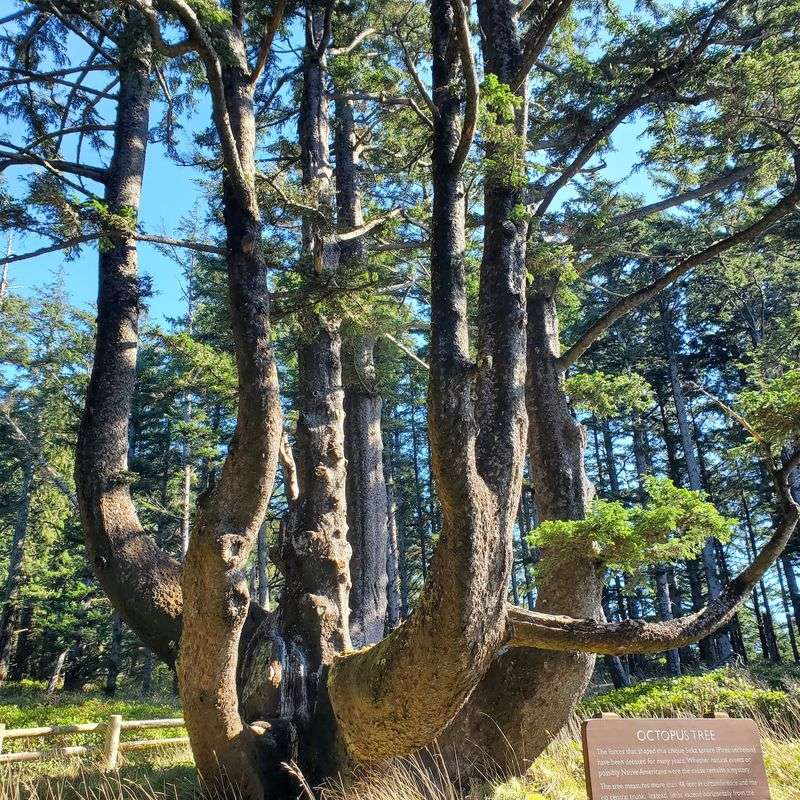
Those upward-reaching limbs make me think of a sea creature trying its luck on land. The giant old tree has no single main trunk, instead spreading into heavy branches that act like trunks themselves. Its shape gives a familiar forest setting a delightfully unfamiliar centerpiece.
A short walk brings you to the tree on a coastal hill. Take time to look at the branching pattern from the designated viewing area rather than treating it as a quick landmark. The unusual outline is the point, and it rewards a little patient observation.
Ocean views broaden the visit beyond the tree itself. The nearby lighthouse shares the parking area, so you can combine the two walks without making another drive. Forest and open coastline sit close together here, offering a pleasant change in scenery within a compact outing.
Restrooms are available, though there is no restaurant at the site. Check current access hours, bring a layer for coastal weather, and keep to established paths around the old tree. Families can make this a manageable stop between longer drives.
Sometimes Oregon’s strangest sights require no elaborate explanation; a tree with tentacle-like limbs does the job.
8. Sea Lion Caves, Florence
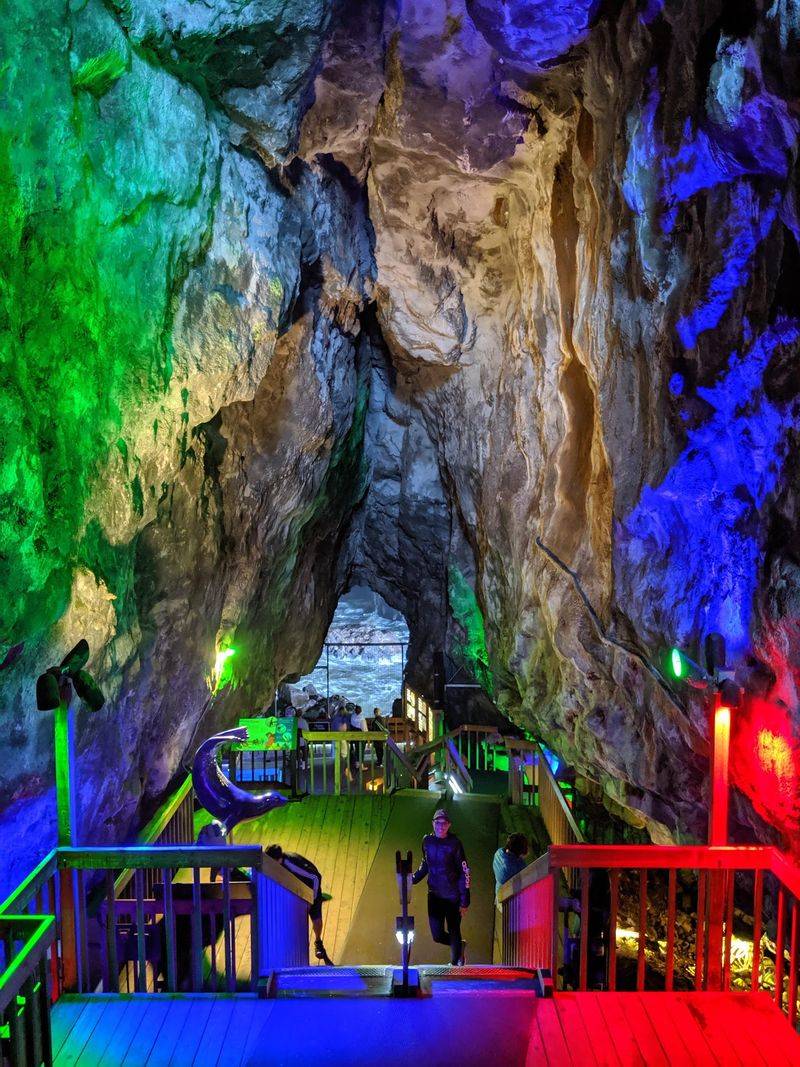
The sound is what I would listen for before studying the view. Wild sea lions fill this coastal cavern with movement and calls when they are present, turning the underground space into something far livelier than an ordinary cave. Their natural surroundings remain the center of the experience.
An elevator carries visitors down to a cave roughly two hundred feet below. Inside, the rock ledges and ocean water explain how the animals use the space. Because this is a wildlife preserve rather than a staged display, sightings depend on where the sea lions choose to be.
The site also serves as a bird sanctuary and offers information about cave history and science. Sea lion skeletons add another way to understand the animals beyond watching them swim or rest. Allow time for those displays instead of making the elevator ride your only goal.
Check current opening hours and wildlife conditions before the drive. Restrooms and parking help with travel planning, and families can share the experience without a long hike into the cavern. Keep expectations flexible and enjoy the coastal setting regardless of animal numbers.
Address: 91560 US-101, Florence, OR
9. Oregon Caves National Monument & Preserve, Cave Junction
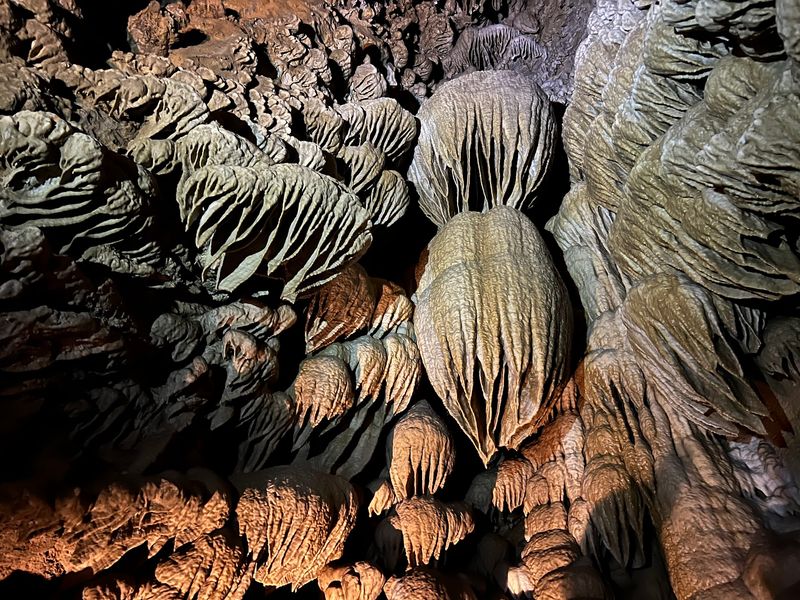
I would put a jacket within reach before starting this underground adventure. The marble caves stay around forty-four degrees, a chilly contrast to whatever weather greets you outside. Once inside, stalactites, stalagmites, and columns give the passageways their own quiet drama.
Guided tours explain the formations and help connect their shapes to the cave’s unusual geology. This is an active walking experience, not simply a room you enter and admire. Check current tour details and physical requirements before deciding whether it fits everyone in your group.
The mountain approach needs generous time. Allow about an hour for the winding drive from Cave Junction, then additional time to walk from the parking area to the visitor center. Rushing that final stretch is a poor way to begin a tour.
Above ground, hiking and picnic areas offer reasons to stay longer. Public restrooms, picnic tables, and parking make a planned break straightforward. Bring suitable footwear, a warm layer, and water for the outdoor parts of your visit, and confirm tour availability before traveling.
The caves are the headline, but the mountain journey helps make this stop feel removed from everyday roads.
Address: 21000 Caves Hwy, Cave Junction, OR
10. Fort Rock State Natural Area, Fort Rock
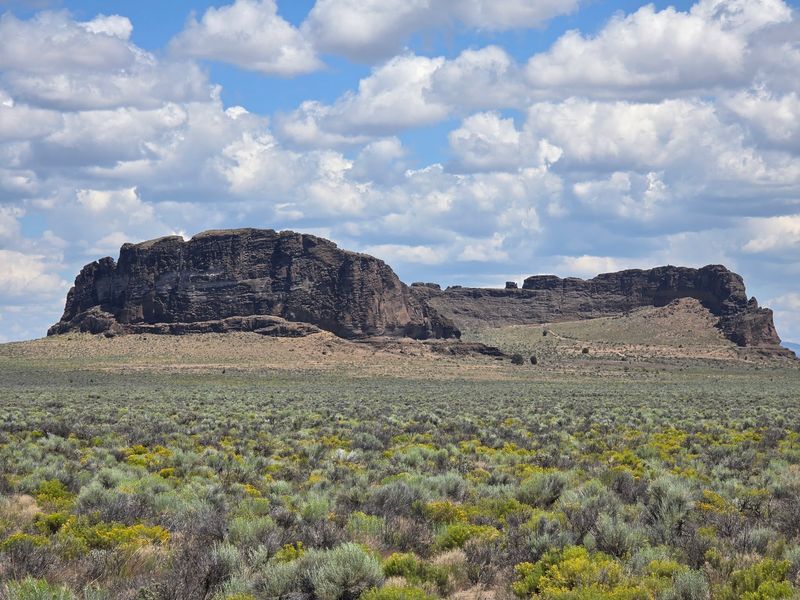
The huge stone ring looks almost too deliberate for the flat land around it. I can see why its outline brings a fortress to mind, though volcanic forces, not builders, created these walls. The sudden rise from the desert floor gives the approach a strong sense of surprise.
Hiking trails let you explore the base and study the rock from changing angles. Scenic views and unusual formations make a relatively easy walk feel full of discoveries. Give yourself time to notice the curves and breaks in the natural wall rather than chasing only one photograph.
The state park sits at the foot of the formation, with picnic tables and public restrooms supporting a relaxed visit. Families can use the trails for an outdoor break, and dogs are allowed. Keep pets under control and follow posted guidance so everyone has room to enjoy the setting.
Bring drinking water, sun protection, and shoes that handle uneven ground. Open desert conditions deserve preparation even when the hike seems manageable. A picnic makes a fitting pause before the next remote stretch of road.
This stop offers strangeness on a grand scale without needing a complicated itinerary or elaborate equipment.
11. Kam Wah Chung State Heritage Site
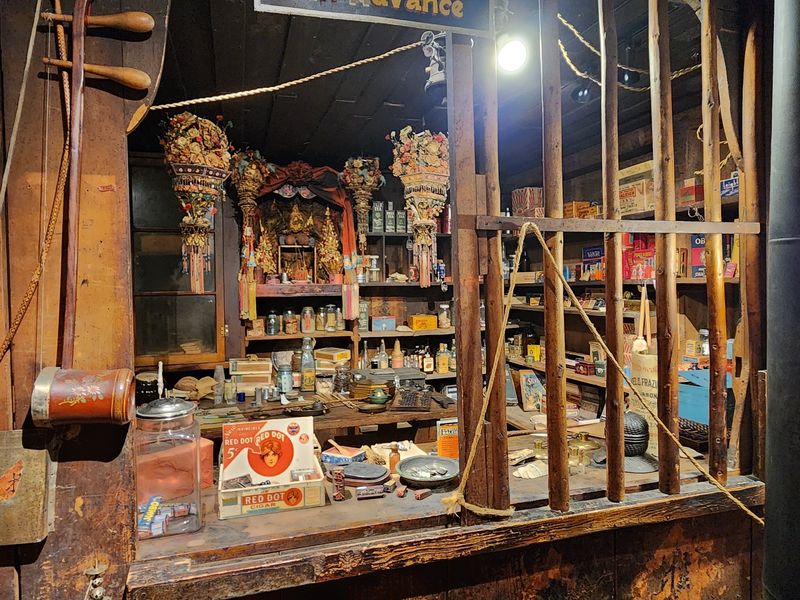
A room full of preserved everyday objects can hold my attention longer than a sweeping view. Here, a historic building keeps a remarkably close connection to Oregon’s Chinese immigrant history. Herbal medicines, shrines, and old apothecary supplies make the past feel specific rather than distant.
Guided tours explain the building and its place in the community. The story reaches back into the nineteenth century, while the preserved interior has the character of a twentieth-century time capsule.
Listen for how the objects connect to daily life, work, and the wider Chinese presence in eastern Oregon.
This stop changes the meaning of strange in a useful way. Its surprise comes from preservation and the depth of history inside an unassuming place, not from a dramatic landform. I would approach it with curiosity and respect, leaving room for the guide’s explanations.
Check current tour arrangements before visiting, since a guided experience needs more planning than a roadside viewpoint. Parking, public restrooms, and picnic tables help make the stop comfortable. Give the tour your full attention rather than squeezing it between hurried errands.
After so many rocks, forests, and waves, this human history adds an essential layer to the journey.
