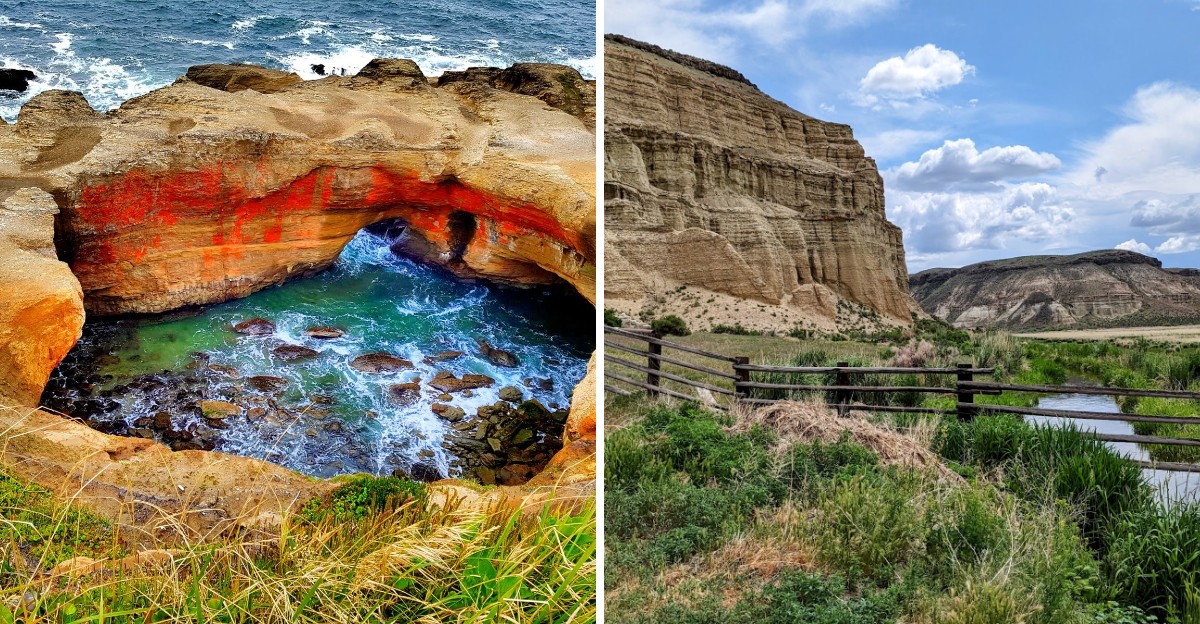
Rocks aren’t supposed to look like this, yet a handful of spots keep bending that expectation without any real explanation attached to some of them.
Colors shift unnaturally across certain formations, reds and yellows layering together in patterns that seem almost painted rather than naturally occurring. Elsewhere, rock twists into shapes defying typical erosion patterns, leaving geologists still debating exactly how some of it formed the way it did.
Standing in front of these formations rarely feels ordinary. Scale plays tricks too, distances shrinking or stretching depending on how the light hits certain surfaces throughout the day.
Few landscapes challenge expectations quite this consistently. This corner of Oregon keeps proving that geology can get genuinely strange without needing any embellishment at all.
1. John Day Fossil Beds National Monument – Painted Hills Unit, Mitchell
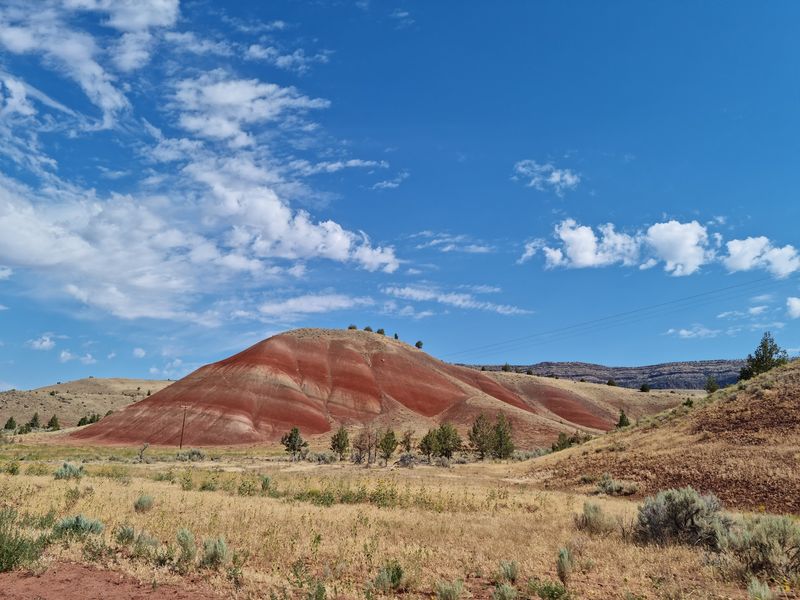
There is a moment on the Painted Cove Trail when the colors hit you all at once, and it genuinely feels surreal. Bands of deep red, burnt gold, and charcoal black roll across the hills like someone dragged a paintbrush through the earth.
The mounds are formed from ancient volcanic ash and weathered pumice, laid down over roughly 35 million years of shifting climates.
The boardwalk trail is short, just 0.25 miles round trip, which makes it surprisingly accessible for families and casual hikers. Even on a warm summer day, the picnic area offers shaded tables under trees, making it easy to linger longer than you planned.
I kept stopping every few steps because the light changes the colors dramatically depending on the time of day.
There are several trails across the unit, all easy and well-marked, so you can piece together a solid morning of exploring without needing serious gear. A self-guided tour works perfectly fine here since the landscape itself does most of the explaining.
The vivid earth tones and layered geological formations make this one of those rare spots that looks completely different in every photograph, yet even better in person.
2. Crack-in-the-Ground, Silver Lake
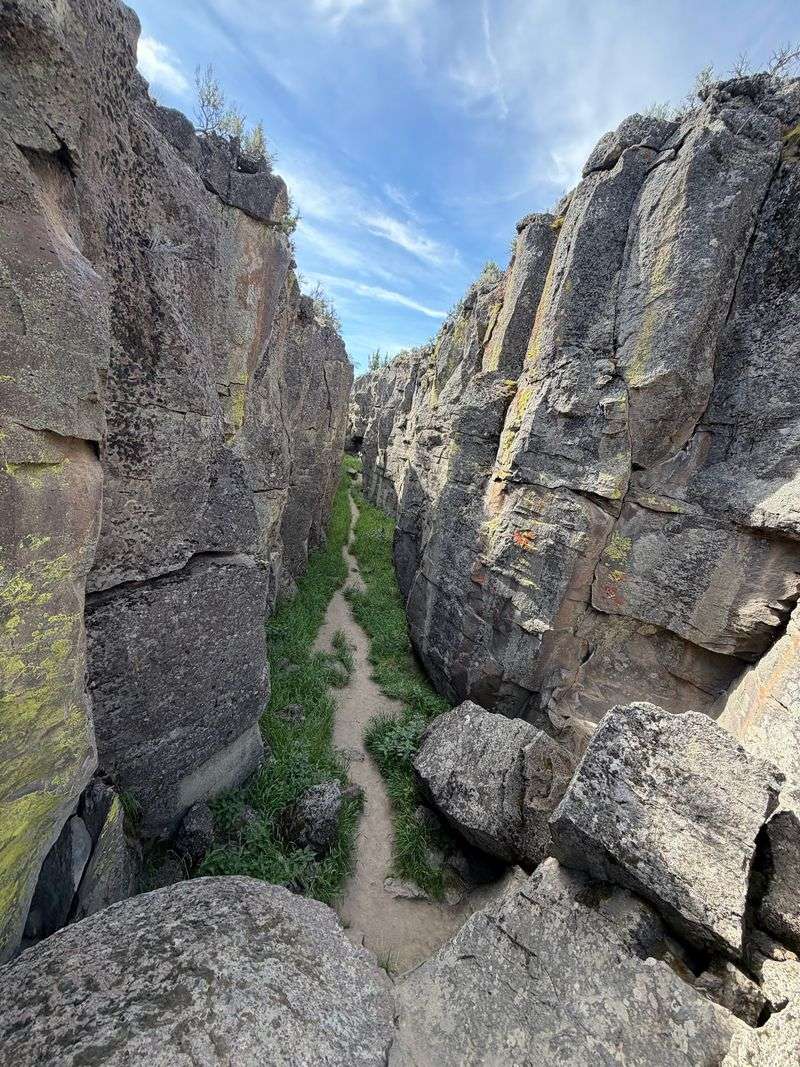
Out in the remote volcanic plains of Lake County, there is a literal crack in the earth that you can walk through, and that description barely does it justice. The fissure stretches two miles long and drops roughly 70 feet deep, with walls of ancient basalt pressing in on either side.
On a hot summer day, the temperature inside can be up to 20 degrees cooler than the surface above, which feels like a small miracle in the high desert.
Getting there requires a rough drive on an unpaved road, so a vehicle with decent clearance makes things easier. Once you turn onto Crack in the Ground Road, follow it until the free parking area appears, then it is a short hike to the formation itself.
The walk through the crack is straightforward but genuinely exciting, with sections where you scramble over rocks and squeeze through narrower passages.
It is the kind of place that makes you feel small in the best possible way. The overhead rock formations are dramatic from inside, and the sheer scale of the fissure only becomes clear once you are standing at the bottom looking up.
Free to visit and rarely crowded, this geological oddity is one of Oregon’s most underrated outdoor experiences.
3. Fort Rock State Natural Area, Fort Rock
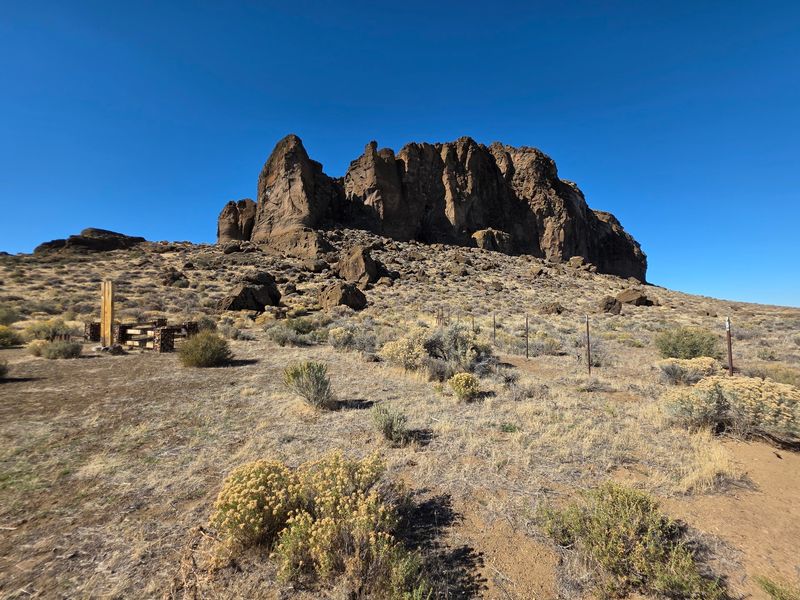
Fort Rock is one of those formations you see from miles away and still cannot quite believe when you get close. The tuff ring stands several hundred feet tall and stretches wide enough that hiking around its base gives you a genuine sense of its scale.
Ancient artifacts found in the caves here point to human presence going back thousands of years, which adds a layer of history to the already impressive geology.
Trails are easy and short, making Fort Rock a great stop for families or anyone who wants a rewarding walk without committing to a strenuous climb. You can hike up the rear side of the formation for views that look back over the natural wall and out across the surrounding desert.
The restrooms are clean, and there are picnic tables at the base if you want to stop for a meal with a seriously dramatic backdrop.
Dogs are welcome on leash, which is a nice bonus for travelers hitting the road with their pets. The park manages to feel peaceful and uncrowded even on busy weekends, and the rock formations themselves are genuinely cool to explore up close.
Fort Rock deserves far more attention than it typically gets.
4. Lava Cast Forest Trail, La Pine
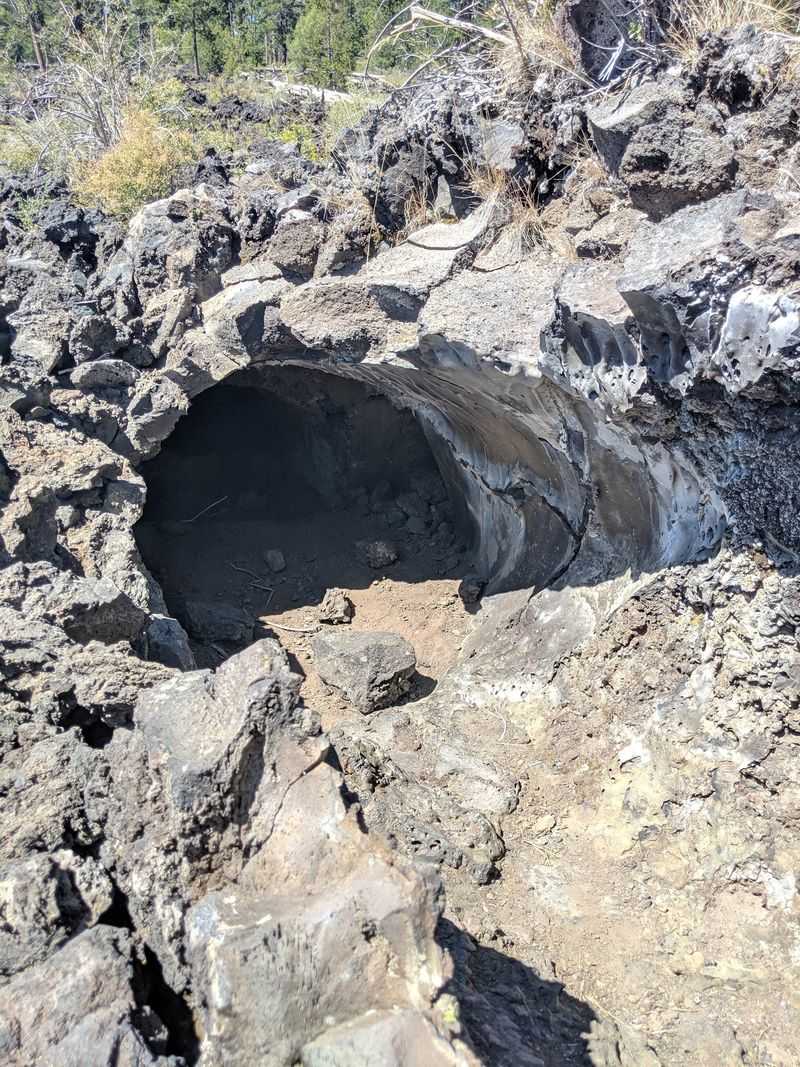
About 6,000 years ago, a massive lava flow rolled through a forest of ponderosa pines near what is now La Pine, and the result is one of the strangest hiking experiences. The wood inside eventually burned away or rotted, leaving behind hollow casts in the exact shape of the trunks.
Walking past them feels oddly poignant, like seeing the ghost of a forest that once stood here.
The trail itself is a one-mile paved loop with interpretive signs explaining the science behind what you are seeing. It is accessible and well-laid-out, designed to give visitors the best angles on the casts and the surrounding lava field.
The road to the trailhead is unpaved and runs about nine miles, so a vehicle with decent clearance is recommended before heading out.
Dogs are welcome outside the main trail area, and there is a paid parking lot at the trailhead. Visitors have noted that the lava casts here are actually more impressive than similar formations found in Hawaiian volcanic parks, which is a bold comparison that holds up once you see them in person.
This is one of those spots that rewards a little extra effort to reach.
5. Thor’s Well
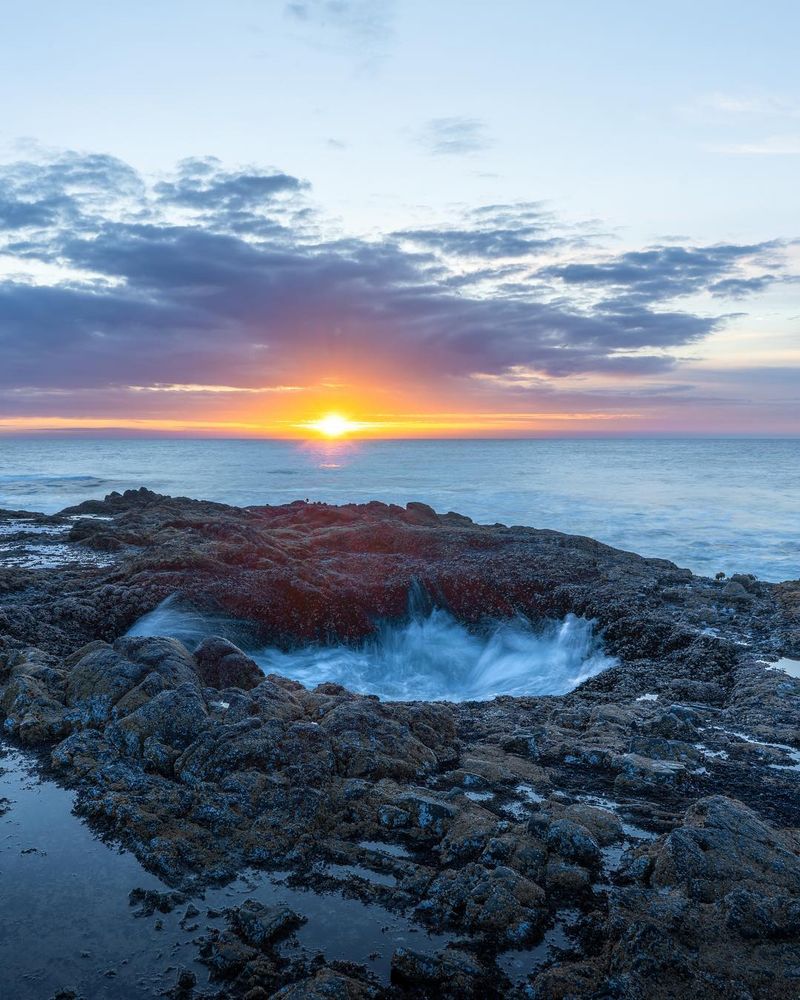
The Oregon coast has no shortage of dramatic scenery, but Thor’s Well operates on a different level entirely. Known as the Drainpipe of the Pacific, it is a large sinkhole in the basalt rock that appears to swallow the ocean whole during high tide.
Water rushes in from below, surges upward, and sprays outward in a chaotic display that is equal parts terrifying and mesmerizing.
Timing your visit around high tide makes an enormous difference in what you experience. During lower water, the well is interesting but relatively calm.
At high tide, especially during rough surf, it becomes a churning, roaring spectacle that sends water shooting nearly 20 feet into the air on big swell days. Sunrise and sunset visits add a golden light that makes the whole scene feel almost cinematic.
The trails leading to the viewing area are easy and wheelchair accessible, with free and paid parking available nearby. It is a popular stop, so arriving early on weekend afternoons helps you avoid the biggest crowds.
Kids tend to be completely fascinated by the spouting effect, and honestly, most adults are too. Thor’s Well is the kind of geological quirk that sticks with you long after you have driven away from the coast.
6. Devils Punchbowl State Natural Area, Otter Rock
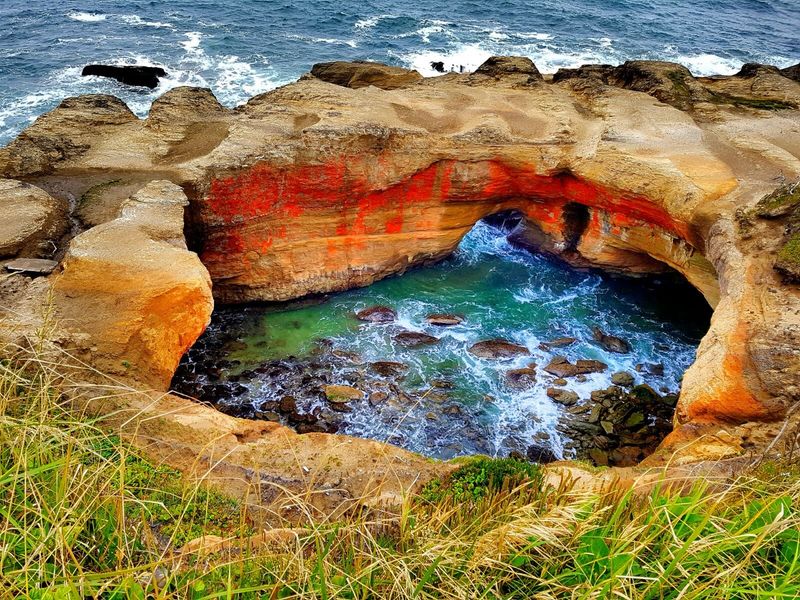
There is something almost theatrical about Devils Punchbowl. A collapsed sea cave has left behind a hollow bowl of rock right at the edge of the Oregon coast, and when the ocean surges in through the openings at the base, the water churns and crashes in a way that looks like the earth is boiling.
It is one of the most visually dramatic geological features on the entire Oregon coast.
During low tide, it is actually possible to walk down into the punchbowl itself, which gives you a completely different perspective on the formation. The walls of eroded rock tower above you, and the scale of the space becomes much clearer from the inside.
Tide pools near the surrounding rocks are full of wildlife, including sea stars, anemones, and small crabs, so bring curiosity and waterproof shoes.
The overlook above the punchbowl offers fantastic views and is easy to reach from the parking area. Picnic tables are available nearby, and restrooms are on site.
Dogs are welcome on leash. Taking the Otter Crest Loop on the way in adds a scenic coastal drive that makes the whole outing feel more like an adventure than just a quick stop. This one earns its reputation as a must-see on the central Oregon coast.
Address: 122 1st St, Otter Rock, OR 97369
7. Oregon Caves National Monument & Preserve, Cave Junction
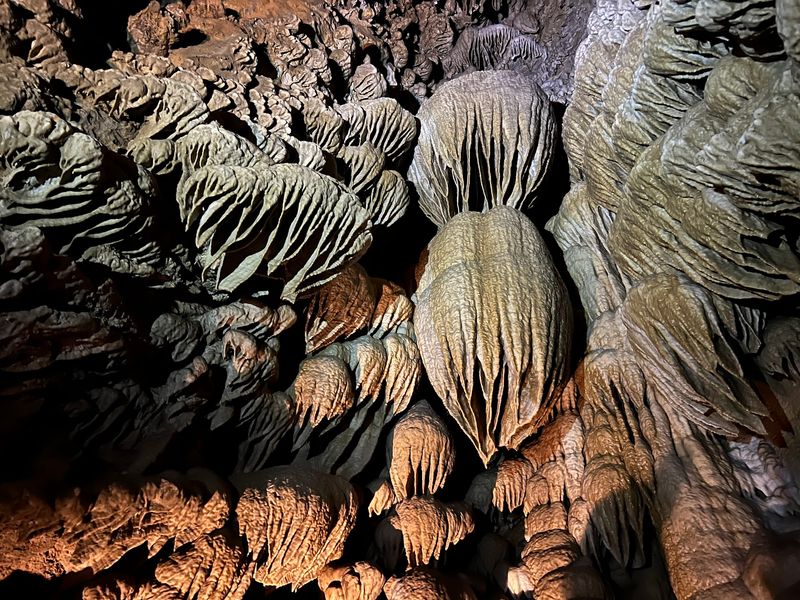
Deep in the Siskiyou Mountains of southern Oregon, a network of marble caves winds through the earth in formations that took millions of years to develop. Oregon Caves National Monument is a genuinely surprising place, partly because marble caves are far less common than limestone ones.
Stalactites, stalagmites, and columns crowd the cavern walls in shapes that range from delicate to enormous.
Guided tours run through a mile-long route inside the caves and last roughly 90 minutes. The temperature inside stays at a consistent 44 degrees Fahrenheit year-round, so bringing a jacket is not optional, it is essential.
Park rangers lead the tours with genuine enthusiasm and solid geological knowledge, making the experience educational without ever feeling like a lecture.
Getting tickets at the visitor center in Cave Junction before driving up to the monument saves potential frustration, since tours can fill up during peak season. The drive to the caves themselves is scenic and winding, passing through old-growth forest.
While the immediate area around the monument is fairly remote, the caves alone justify the trip. For anyone traveling between Grants Pass and Crescent City, this is the kind of detour you will be glad you took.
Address: 21000 Caves Hwy, Cave Junction, OR 97523
8. Pillars of Rome, Jordan Valley
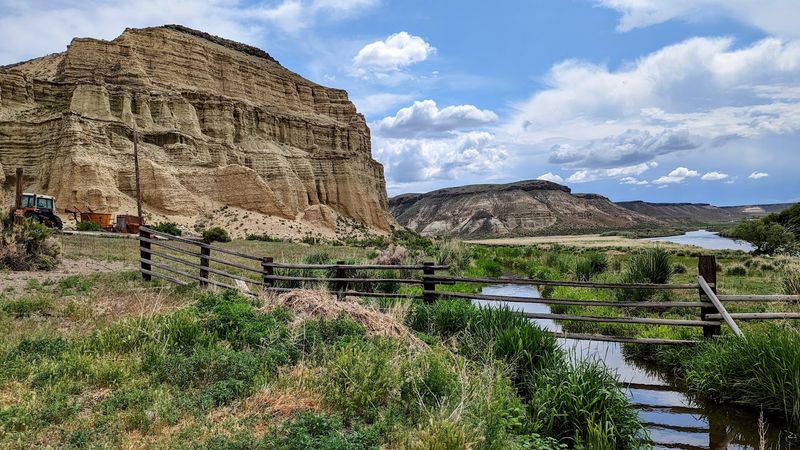
Southeastern Oregon is one of the most remote and undervisited corners of the state, and the Pillars of Rome manage to feel even more off the beaten path than the surrounding area. These sandstone formations rise about 100 feet tall and stretch across roughly five miles of desert landscape.
The resemblance to Roman architecture is striking enough that the name has stuck for generations.
The pillars sit on private property, so access is limited to viewing from the public unpaved road that runs past them. A fence marks the boundary, and visitors can walk up to it for a fairly close look at the formations without trespassing.
The road itself is part of the experience, cutting through wide open high desert with almost no development in sight.
Because the area sees relatively little traffic, there is a real sense of discovery when you come around a bend and the pillars suddenly appear on the horizon. The formations are most dramatic in morning or late afternoon light, when shadows deepen the texture of the eroded rock.
This is the kind of place that rewards travelers who are willing to venture far off the main highway and embrace the slower pace of rural Oregon exploration.
9. Dee Wright Observatory, Blue River
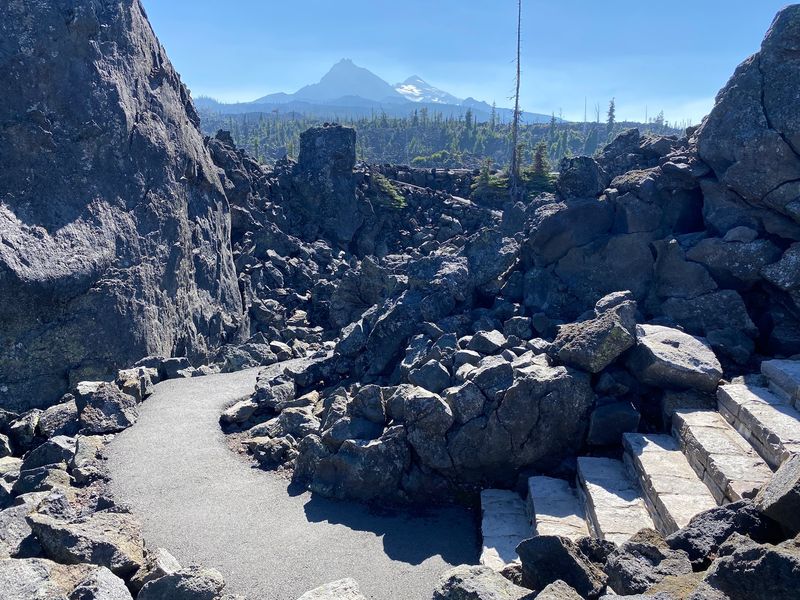
The Dee Wright Observatory sits in the middle of a 65-square-mile lava field that stretches in every direction. The structure itself was built entirely from the local basalt and obsidian rock, so it blends into the landscape in an almost eerie way.
From a distance it looks less like a building and more like a natural formation that happens to have windows cut into it.
Those windows are the real draw. Each one is positioned to frame a specific Cascade volcanic peak, including the Three Sisters, Mount Jefferson, and other prominent summits.
A brass plate at the top of the observatory identifies each peak by name and direction, turning the whole structure into a geological compass. I spent longer up there than I planned, just rotating from window to window as clouds moved across the mountains.
The observatory sits about 30 to 40 feet above the road and is reached by a short trail from the free parking area. The surrounding lava field has its own trails for those who want to explore the hardened basalt up close.
The McKenzie Pass Scenic Byway itself is a spectacular drive through the Cascades, and the observatory makes an ideal stopping point right at the heart of it.
10. Big Obsidian Flow Trailhead and Interpretive Site
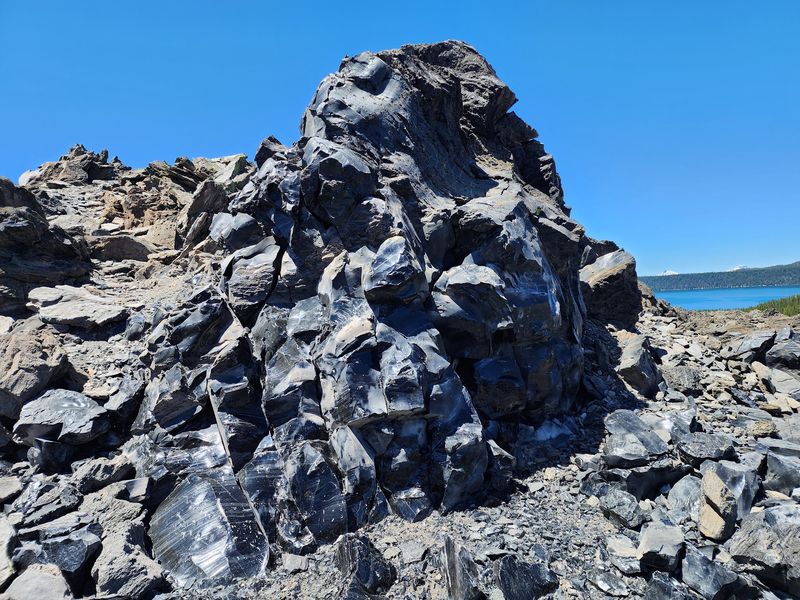
The Big Obsidian Flow at Newberry National Volcanic Monument is one of the most visually striking landscapes in all of Oregon. The flow formed roughly 1,300 years ago when volcanic activity pushed a massive surge of obsidian and pumice across the landscape.
It looks less like a hiking trail and more like the surface of a distant planet.
The trail leads up a wooden staircase that helps navigate the uneven and often razor-sharp terrain. Interpretive signs along the route explain the geology in accessible language, and the views from the top of the flow are genuinely breathtaking.
One of the quirkier highlights is lifting chunks of pumice, which are so full of air pockets that they weigh almost nothing despite their size.
Leaving dogs at home for this one is strongly recommended since broken obsidian edges are everywhere on the trail. Wearing shoes with thick, sturdy soles is equally important.
There is little shade on the trail, so an early morning visit helps avoid the full heat of a summer day. The paid parking lot is the starting point, and the whole hike is short enough to complete in under an hour.
