You pull off the interstate in western Oklahoma expecting a quick stretch and maybe a cold drink. Instead, a fighter jet is pointing straight at the clouds, and a building full of real spacecraft is waiting behind it.
Places like this are why road trips in Oklahoma keep surprising people who think they have seen it all. Grab your curiosity, because this stop tends to swallow whole afternoons.
A Space Museum Beside the Interstate
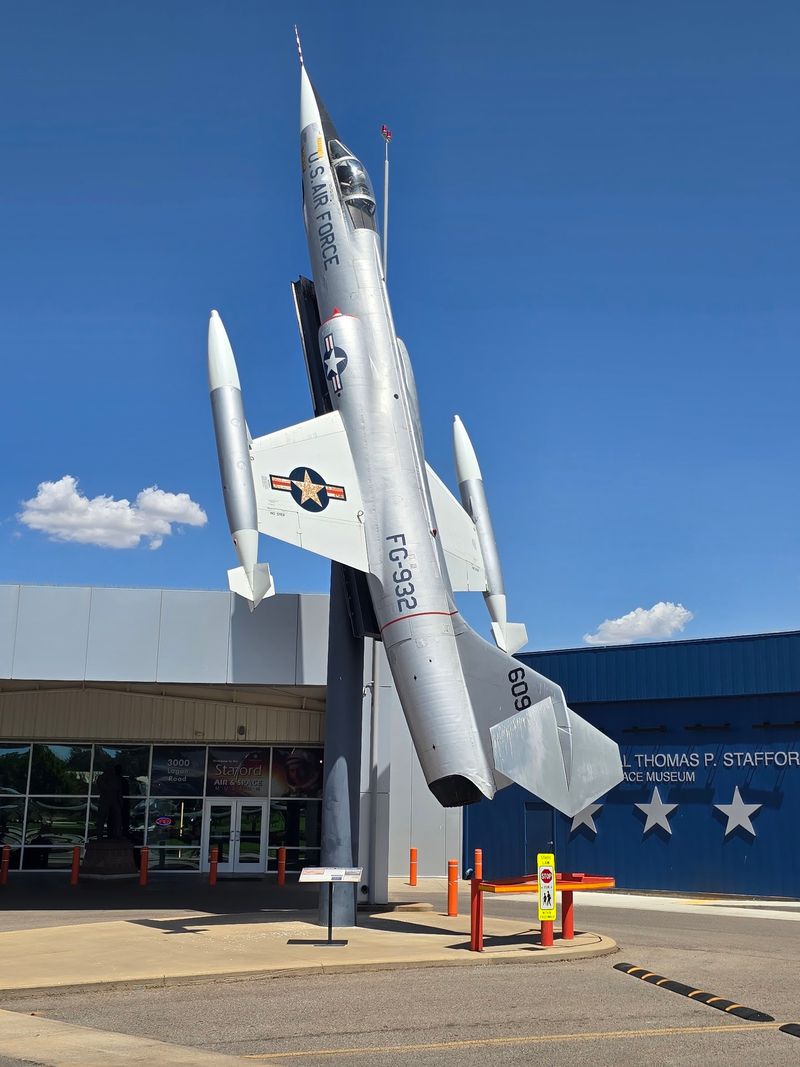
Right where Route 66 meets I-40 at Exit 84, the Stafford Air & Space Museum sits at 3000 Logan Rd in Weatherford, Oklahoma. Travelers often spot it first by the jet aimed at the sky, then realize the building behind it holds far more than they guessed.
Inside, the museum covers roughly 63,000 square feet under one roof, with some sources putting the figure closer to 75,000. The official description mentions more than 3,500 aerospace artifacts plus interactive activities, so the headline number of over 1,000 is, if anything, modest.
Location helps a lot here. The museum shares grounds with the Thomas P.
Stafford Airport, which means some visitors literally fly in for the day. Most folks, though, arrive by car, often while crossing the state on a longer trip.
From Oklahoma City, the drive west is an easy stretch of highway, the kind that fits nicely into a day trip or a road trip break. Visitors frequently describe the place as simple to reach and hard to leave.
Expect aviation from the earliest gliders through modern stealth aircraft, plus a deep space collection. Few people walk in prepared for how much is packed inside.
The Hometown Astronaut Behind the Name
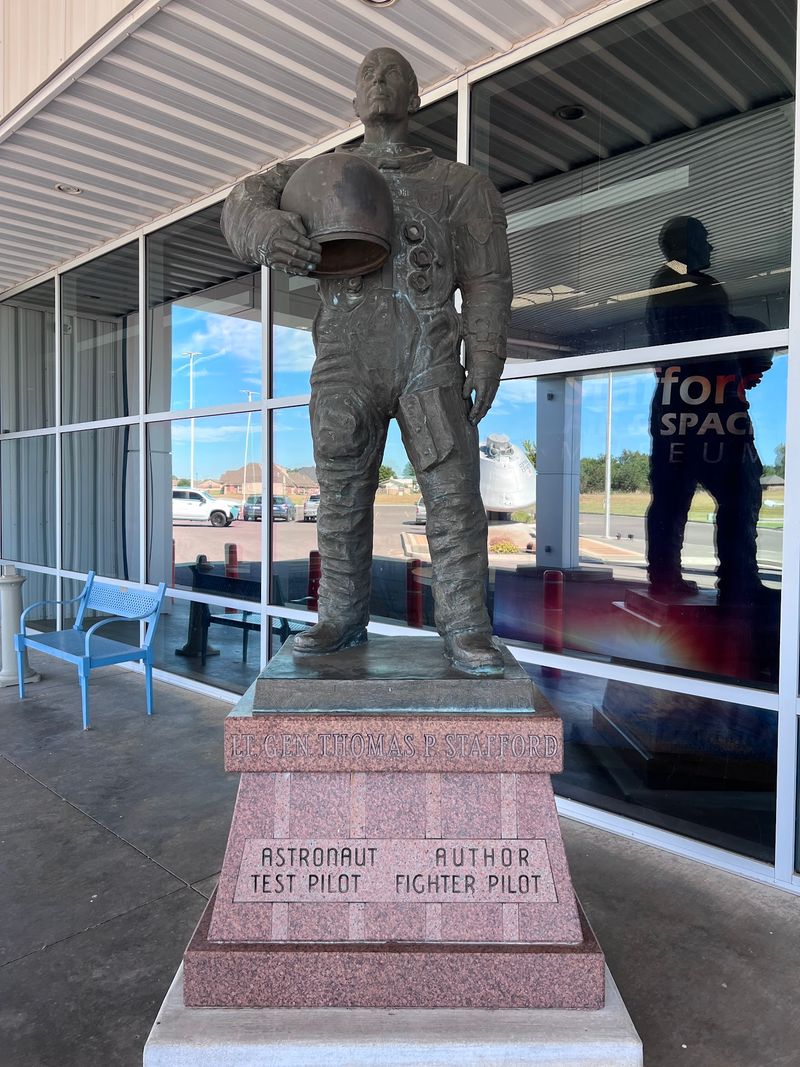
Long before he circled the Moon, Thomas P. Stafford was a kid from Weatherford.
He grew up to become a NASA astronaut and Air Force Lieutenant General who flew four space missions.
One of those flights was Apollo 10, which carried him around the Moon just months before the first landing. Think of it as the dress rehearsal that made the big day possible, and he was right in the middle of it.
The museum traces his career from Air Force pilot to space traveler. Visitors often mention how personal the exhibits feel, since this is a story about someone who came from the same small town where the museum now stands.
His influence also reached beyond NASA. Some visitors point out that Stafford played a role in the development of modern stealth aircraft, which helps explain why stealth jets share space with moon gear here.
For Oklahomans, there is real pride in this chapter. A local name tied to one of humanity’s biggest adventures gives the whole collection a hometown heartbeat.
Parents traveling with kids may find this section sparks good conversations about big dreams. Adults, meanwhile, often linger longest here, reading every panel.
Smithsonian Credentials in a Small Town
Small town, serious standards. The Stafford Air & Space Museum has been a Smithsonian Affiliate since around 2010 or 2011, a connection that brings both credibility and access to impressive artifacts.
What does that mean for a visitor? Mostly, it shows in the details.
Displays are well marked, explanations are thorough, and the collection blends authentic flown items with carefully built replicas.
Guests often describe the place as Smithsonian quality and compare it to much larger national museums. Some even say it rivals what you might find at NASA facilities, which is quite a statement for a stop off a western Oklahoma highway.
Several items also come from the National Museum of the U.S. Air Force, adding to the depth.
You get the kind of collection that usually requires a flight to a big city, without the big city hassle.
Engineering fans get extra rewards. Visitors note that the signage explains how these fast flying machines actually work, not just when they were built.
For budget-minded travelers, this affiliation matters. You are getting nationally recognized quality at a small-town ticket price, and that combination is rare anywhere in the country.
Walking the Timeline of Flight
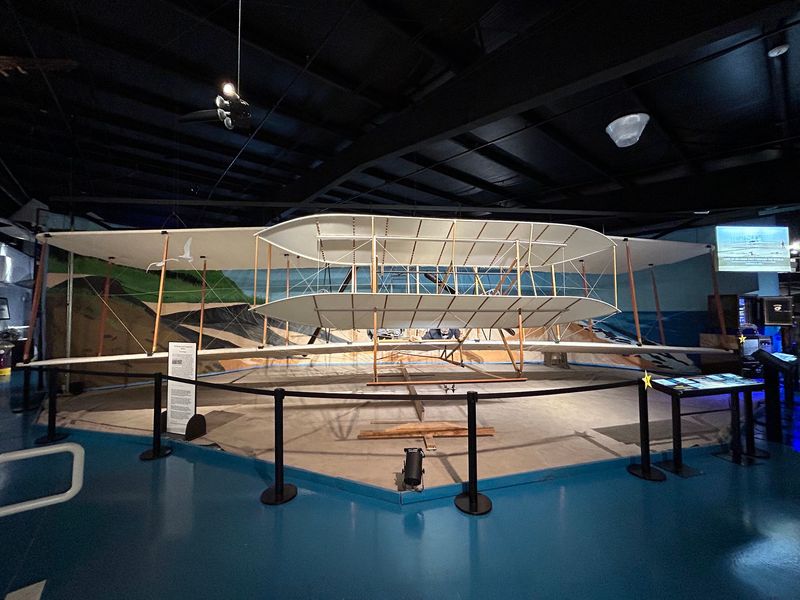
Picture two brothers, a wooden frame, and a stretch of windy sand. The museum starts its flight story there, with a full-scale replica of the Wright Flyer.
From that fragile beginning, the galleries move forward in a clear line. A full-scale Spirit of St. Louis replica recalls Charles Lindbergh’s famous solo hop across the Atlantic, and later halls bring in jets, rockets, and spacecraft.
Visitors regularly praise how well the progression is laid out. History of flight is one of the most mentioned topics among guests, and many say the layout makes it easy to follow how one breakthrough led to the next.
The pacing works for different travelers. History buffs can read every plaque, while casual wanderers can enjoy the visual jump from canvas wings to polished metal.
Grandparents especially seem to enjoy this stretch. Many of the aircraft and moments featured here connect to stories they remember hearing or living through.
Give yourself time. One visitor expected an hour inside and ended up staying well over two, which is a common pattern.
The timeline has a way of pulling you from one decade straight into the next without noticing the clock.
Fighter Jets and a Rare Stealth Sighting
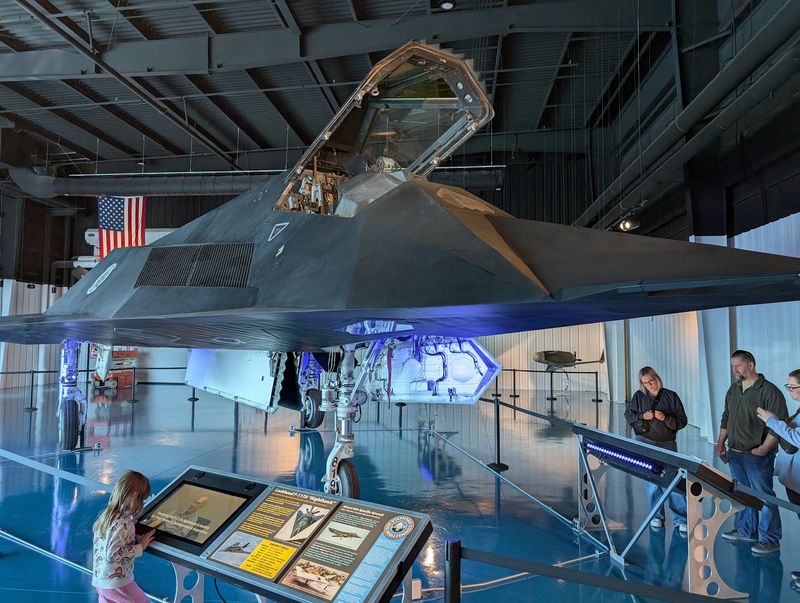
Plenty of people have never seen a stealth aircraft up close. At Stafford, one visitor said it was the first time in their life they stood beside one, and the Lockheed F-117 Nighthawk is among the most talked-about pieces on site.
The angular black jet is hard to forget. Its odd, faceted shape looks almost like something from science fiction, yet it was a real working aircraft.
Nearby, the lineup of military jets keeps going. You can see an F-4 Phantom, a Russian MiG-21R, an F-16 Fighting Falcon, and an A-10 Thunderbolt II, better known as the Warthog.
Seeing American and Soviet-era aircraft in the same space adds an interesting layer. It tells the story of rivalry and innovation during the Cold War years in a way textbooks rarely capture.
Guests also recommend stepping outside to check the aircraft displayed out front. Those outdoor planes are part of the experience, so do not rush past them on the way to the doors.
Aviation fans, veterans, and anyone who loves speed will feel right at home. The scale of these machines, viewed from a few feet away, is the real thrill.
Moon Rocket Engines From Both Sides
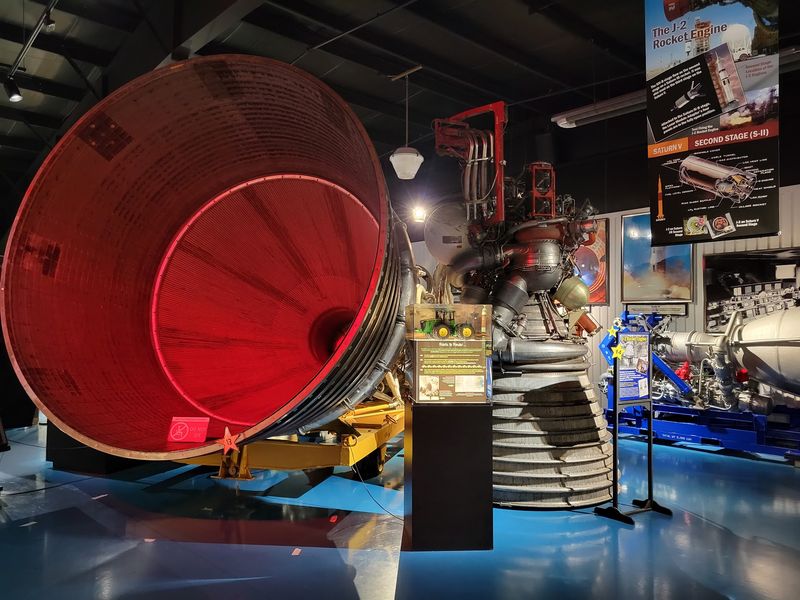
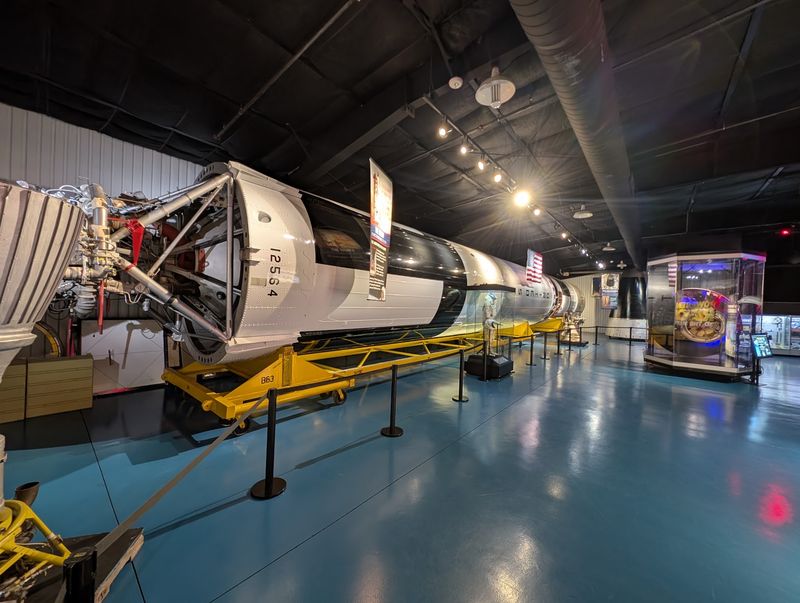
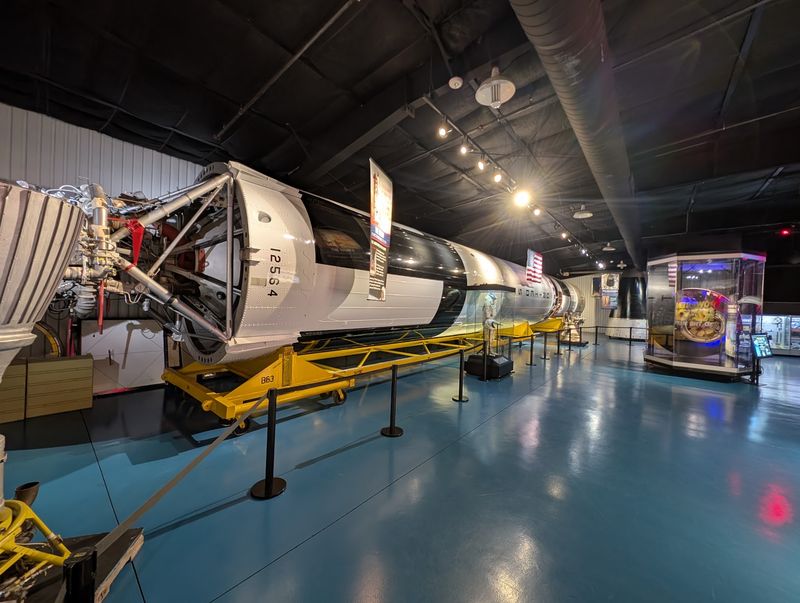
Stand next to a Saturn V F-1 engine and you suddenly feel very small. Recognized as the largest rocket engine in the world, it helped lift Apollo astronauts toward the Moon.
Here is the remarkable part. Stafford is reported to be the only museum anywhere that displays test-fired, flight-ready engines from both the American Saturn V and the Soviet N-1 moon rockets.
Seeing them in the same building is a quiet history lesson about the space race. Two nations, two very different engineering approaches, and one shared goal of reaching the lunar surface.
The engine collection does not stop there. A flown Space Shuttle Main Engine is on display, along with a segment of a Space Shuttle Solid Rocket Booster that visitors can actually walk through.
Engineering-minded travelers often spend extra time in this area. Displays explain the mechanics clearly, so even folks without a science background can appreciate how much power these machines produced.
Bring a camera and stand back for a wide shot. Photos with a person beside these engines are the best way to show friends back home just how enormous rocketry hardware truly is.
The Titan II and Other Towering Rockets
Crane your neck, then crane it a bit more. The Titan II missile rises about ten stories, and it dominates the rocket side of the collection.
Rockets are a favorite topic among visitors, mentioned often when people talk about what impressed them most. The Titan II tends to be the moment when jaws actually drop.
Nearby, a deactivated Mark 6 re-entry vehicle offers a closer look at the hardware designed to survive the brutal trip back through the atmosphere. It helps explain why returning from space has always been one of the toughest engineering challenges.
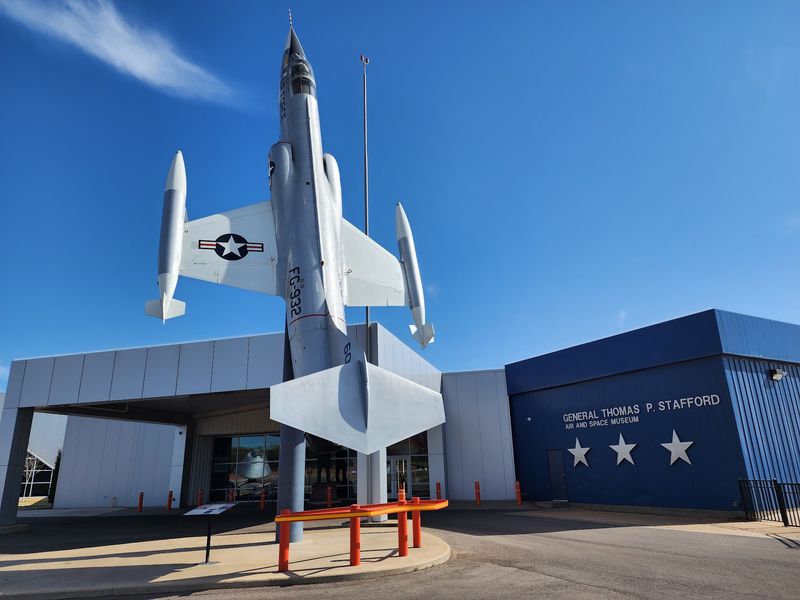
Out front, another tall sight greets arrivals. A Lockheed F-104 Starfighter points six stories toward the sky and has become a recognizable regional landmark for drivers along the interstate.
Families often find these vertical displays make the best memories. Kids gape, adults do the math on how big everything really is, and everyone leaves with a stiff neck and a good story.
Try viewing the tallest pieces from more than one spot. Different angles reveal details, like markings and structural seams, that are easy to miss when standing directly beneath them and looking straight up.
Flown Spacecraft and Real Space Gear
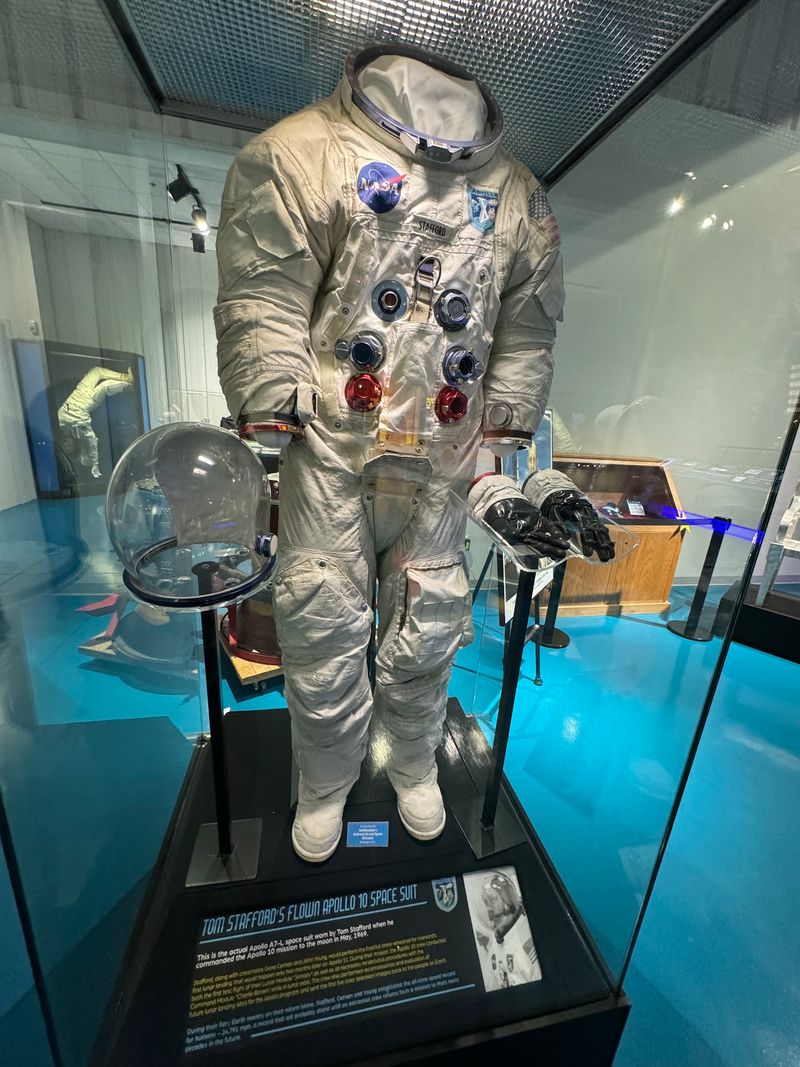
Some objects here have actually left Earth, and that changes how you look at them. Visitors repeatedly mention the thrill of standing near real, used spacecraft.
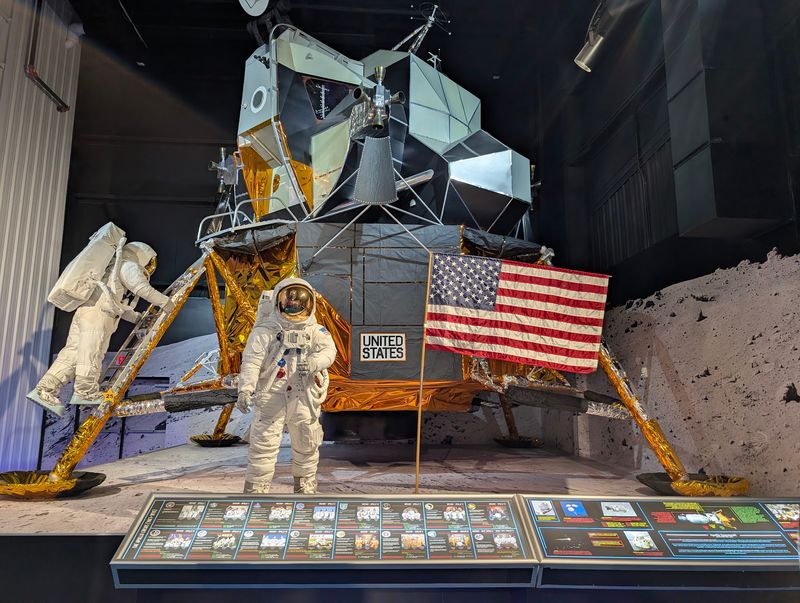
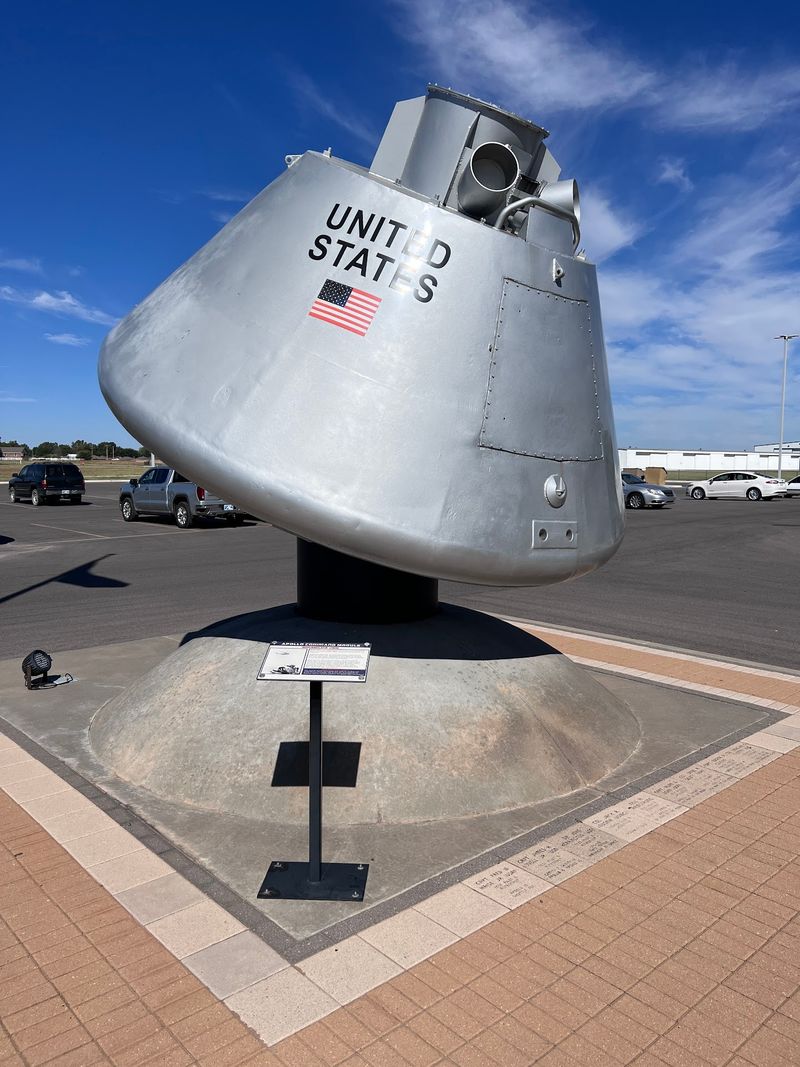
The Gemini 6A spacecraft that Stafford piloted is on display, along with his actual flown Apollo 10 spacesuit. Original Gemini and Apollo capsules round out a collection that feels personal and authentic.
One guest named the Snoopy module exhibit tied to Apollo 10 as a favorite. The nickname comes from the lunar module of that mission, a playful touch in an otherwise serious chapter of history.
Full-scale replicas of the Apollo Lunar Module and Command Module help visitors understand the cramped quarters astronauts lived in. Spoiler: there was not much elbow room.
Sharp-eyed visitors will also find a genuine lunar sample collected during Apollo 17. Seeing an actual piece of the Moon in western Oklahoma is a surprisingly emotional moment for many people.
Labels carefully separate space-flown items from replicas, so you always know what you are looking at. That honesty is part of what makes the museum feel trustworthy and worth the drive.
Mission Control, Shuttles and the Space Station
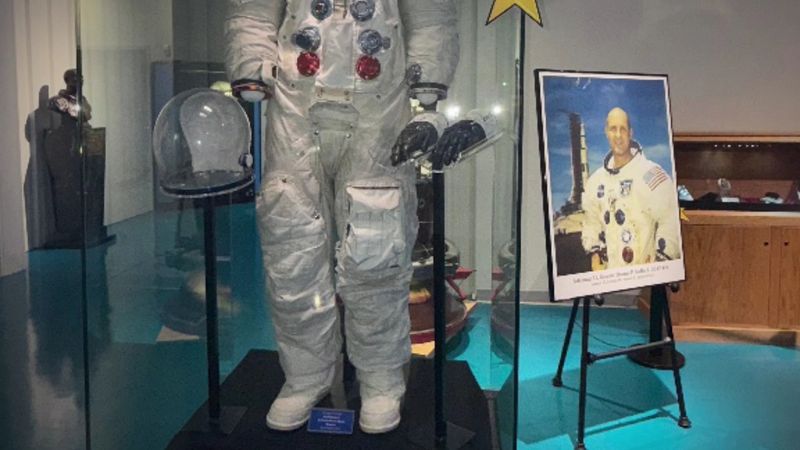
Ever wondered what it felt like to sit at the desk that guided astronauts? An actual Mission Control console from the Johnson Space Center lets you get close to that experience.
Visitors also mention an original Space Shuttle simulator, a rare piece for any museum. Shuttle program artifacts help tell the story of the reusable spacecraft era that followed Apollo.
Cooperation gets its moment too. The Apollo-Soyuz Test Project docking hatch and uniforms from that historic joint American and Soviet mission are displayed, and Stafford himself commanded the American side of it.
Look for items from the Mir Space Station and a 1/15th scale model of the Hubble Space Telescope. Each piece connects a different era of exploration.
Bringing things right up to today, a large International Space Station model features a live feed. It is a neat reminder that people are living and working in orbit at this very moment.
Tech-loving adults often find this section the most rewarding. It bridges classic space history with modern science in a way that makes the whole timeline click into place.
Hands-On Fun and the New Space Park
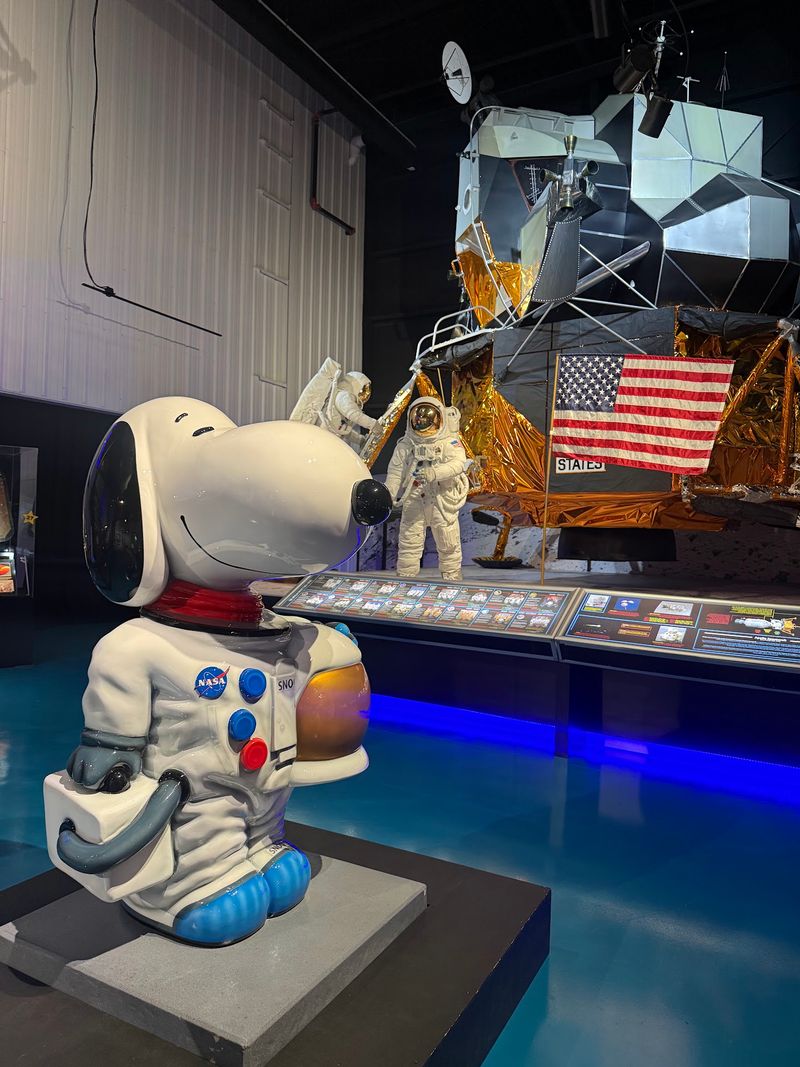
Kids need to move, and the museum gets that. Interactive exhibits come up often in visitor comments, and a scavenger hunt is a popular way to keep younger explorers focused.
Inside the Rose & Tom Luczo Educational Center, there is a flight simulation computer lab and a kids library. Many exhibits are hands-on, so learning feels more like playing.
Across the parking lot, a newer space-themed park has drawn plenty of attention. It includes a model Saturn V rocket, and recent visitors describe it as a fantastic addition for families.
Some earlier guests noted the park was only partly finished during their visit, so features may continue to grow. Either way, it offers a nice outdoor break after time spent indoors.
Recent renovations have also refreshed the main museum. One returning visitor said the updates make everything feel new, even for people who toured years ago.
For parents, the bonus is that kids stay busy while adults actually get to read the exhibits. That balance makes the trip enjoyable for everyone, not just the youngest members of the group.
Atmosphere and Who Will Love It
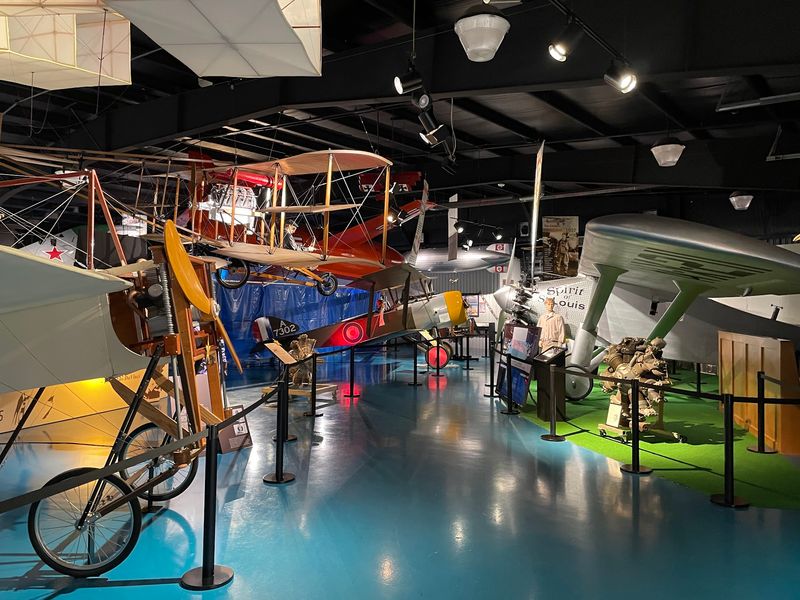
Crowds are rarely the problem here. Several visitors mention exploring at a relaxed pace without fighting for a view, which feels like a luxury compared to big-city museums.
Staff members earn warm words too. Guests say multiple employees check in to ask whether you have questions, adding a friendly, small-town feel to a world-class collection.
Who fits best? Space fans and aviation buffs, obviously, but also history lovers, veterans, retirees on road trips, and families wanting something meaningful to do together.
Hot weather is another reason to stop. One visitor described it as a great way to spend a 103-degree afternoon, and western Oklahoma summers make indoor attractions worth their weight in gold.
The vibe mixes curiosity with pride. Many Oklahomans leave feeling a little taller, knowing a collection this strong sits in their own backyard.
Road-trippers often say they planned a quick stop and stayed for hours. If you love the thrill of discovering something unexpected while traveling, the atmosphere here delivers that feeling again and again, gallery after gallery.
Hours, Tickets and Getting There
Good news for flexible travelers: the museum is typically open seven days a week. Hours usually run 9 AM to 5 PM Monday through Saturday and 1 PM to 5 PM on Sunday, with closures on major holidays.
Admission is refreshingly affordable. Adults ages 19 to 61 typically pay $14, students 6 to 18 pay $8, and seniors 62 and up plus veterans usually pay $12.
Children 5 and under often get in free, as do active military members. Members and pilots flying into the Weatherford Stafford Airport may also enter at no charge, and group rates are available.
Getting there is simple. Take Exit 84 off I-40 and head to 3000 Logan Rd in Weatherford, right along historic Route 66.
Plan on at least one to two hours, though many people stay closer to three. Starting late in the day can leave you rushing the final galleries.
RV travelers, take note. Members of Harvest Hosts have reported being able to stay overnight here, which can make the visit even easier on a budget.
Call ahead at 580-772-5871 to confirm details before you go.
Why the Detour Pays Off
Some stops fill time. Others fill your memory, and this museum firmly belongs in the second group.
For roughly the price of a casual lunch, you get Smithsonian-level exhibits, real flown spacecraft, moon rocket engines from two superpowers, and a hometown astronaut story that makes the whole place feel personal.
Visitors keep returning to one idea: drive past without stopping and you miss something special. That sentiment shows up again and again among people who expected little and left amazed.
Parents get a rare win, too. Adults can soak up history and engineering while kids burn energy in hands-on areas and the space park outside.
Timing matters a little. Weekday visits often feel calmer, and arriving in the morning gives you time to see everything without watching the clock, especially during busy summer travel months.
If you are crossing western Oklahoma on I-40 or chasing Route 66 nostalgia, make room in the schedule. Chances are you will leave talking about that stealth jet, that piece of the Moon, and the small town that dreamed big enough to hold them all.
