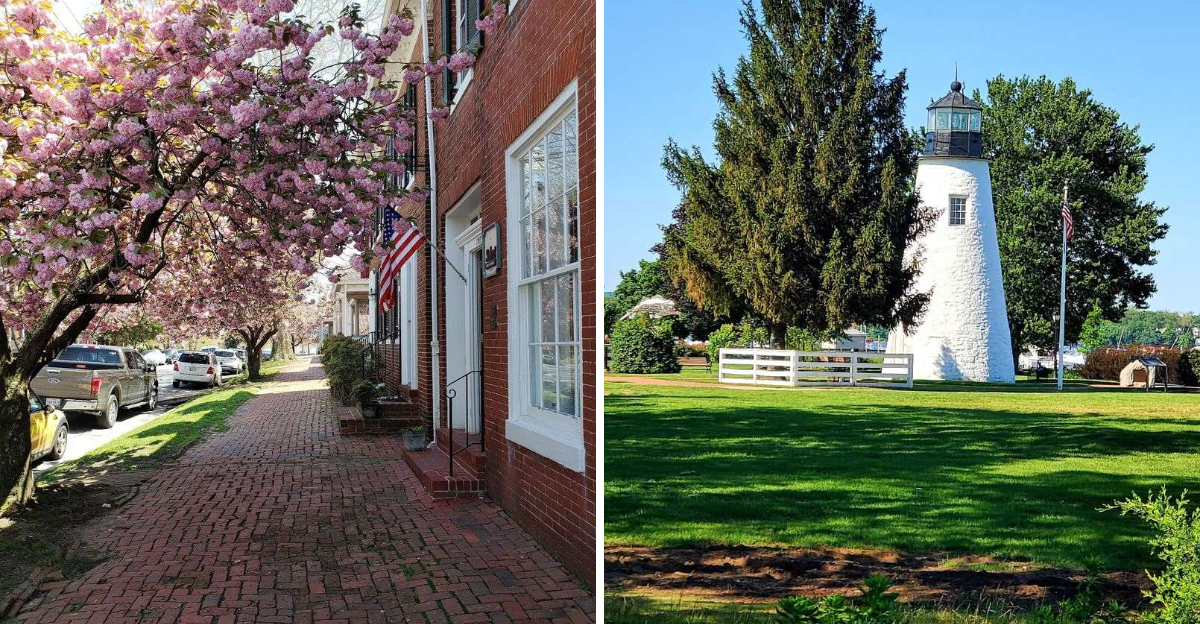
Some Maryland towns are charming enough to justify the traffic, parking hunt, weekend prices, and crowds, while others can leave visitors wondering why they spent two hours getting there.
A famous main street or waterfront view can look irresistible online, but popularity sometimes comes with packed sidewalks, expensive meals, scarce parking, tourist-heavy businesses, and the nagging feeling that the hype was doing more work than the destination.
That does not mean these towns have nothing worthwhile, because plenty of people genuinely love them and the whole idea of “overhyped” is wonderfully subjective.
This list simply looks at Maryland destinations where the experience may not match the effort or cost for every traveler, especially during their busiest periods.
Sometimes the smartest day trip decision is admitting that a famous town can be perfectly nice and still not deserve your particular Saturday.
1. St. Michaels
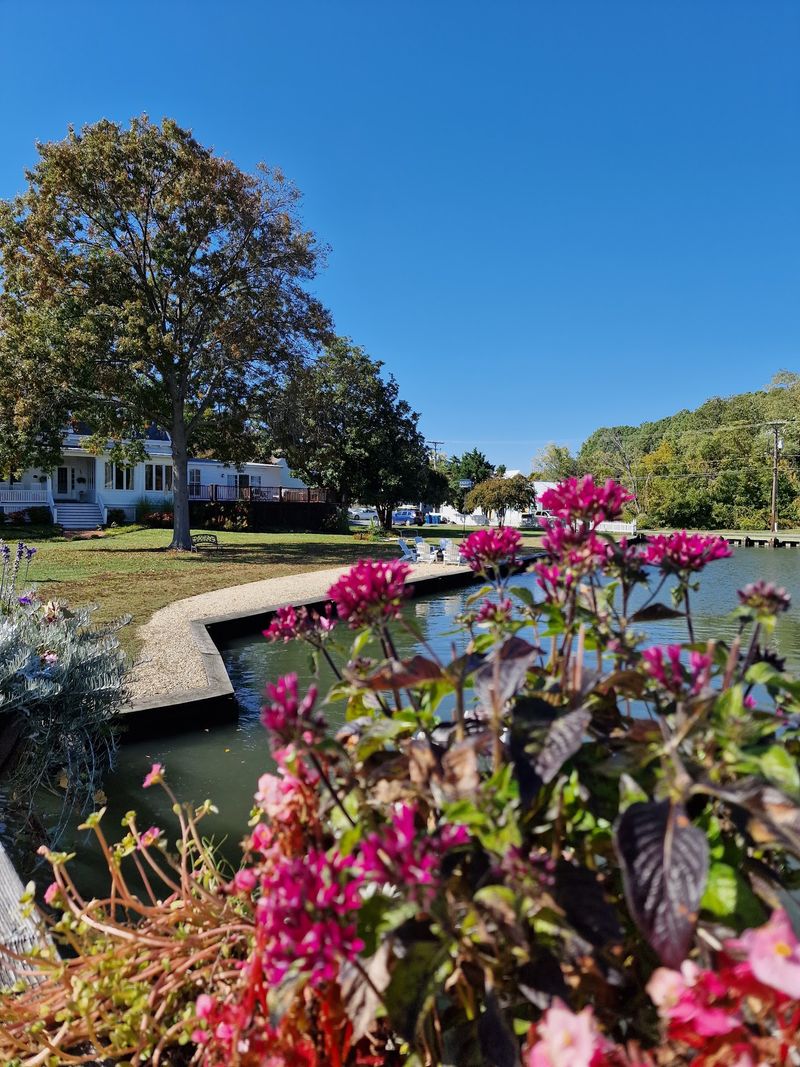
Talbot Street looks like a postcard, and that is exactly the problem. From spring through fall, sidewalks fill with day-trippers, parking becomes a hunting expedition, and restaurant waits stretch long past hungry.
The Chesapeake Bay Maritime Museum is genuinely interesting, spread across an 18-acre waterfront campus with historic boats and the 1879 Hooper Strait Lighthouse. Boat tours on the Miles River add scenic views and local history.
Once those two experiences are finished, though, the list of things to do shrinks quickly.
Shopping means boutiques, art galleries, and antique stores, most of them priced for weekend visitors rather than bargain hunters. Seafood dinners lean expensive, and the cost of living locally, including housing and taxes, runs above the regional average.
Practical gaps show up fast. A major chain grocery store sits about 15 minutes away, and the nearest shopping mall is roughly an hour off in Annapolis.
Some shops and services cut hours or close entirely during colder months, with activity picking back up in late March or early April.
Late March weather can turn cold and windy, which sometimes cancels the boat tours that draw people in the first place. Flooding has also been reported by residents.
Most visitors come from within about 150 miles, which tells the real story: St. Michaels works as a short regional outing, not the multi-day destination glossy travel features suggest. Go on a weekday, keep expectations modest, and skip the overnight rates.
2. Taneytown
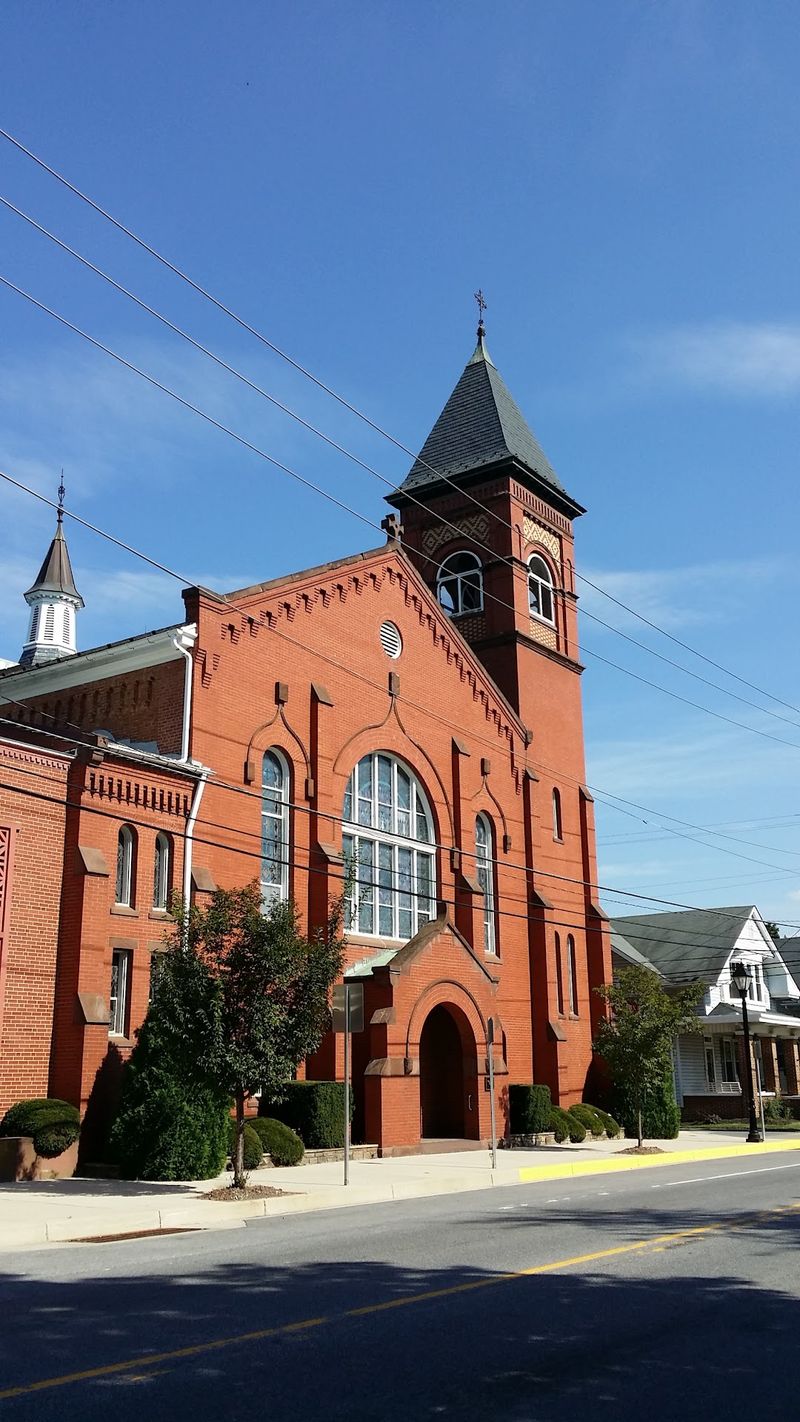
Billed now and then as a peaceful slice of Carroll County farm country, Taneytown delivers peace in abundance and not much else for a visitor.
The town does carry real history as one of Maryland’s older settlements, and its position near the Pennsylvania line put it in the path of troops heading toward Gettysburg. History buffs, however, usually find the bigger battlefield sites a short drive north far more rewarding.
Main street businesses are sparse, and several storefronts serve residents rather than tourists. There is no walkable cluster of galleries, no waterfront, and no museum campus to fill an afternoon.
A stroll from one end of the commercial strip to the other takes very little time.
Dining options are limited to a handful of casual spots, and hours can be short, especially early in the week. Lodging inside the town itself is thin, which means most travelers end up staying in Westminster or Frederick and driving in.
Rolling farmland surrounds the area and photographs beautifully, but scenery alone rarely justifies a planned trip when similar views line dozens of Maryland back roads.
Anyone curious should treat Taneytown as a quick stop on a longer loop through Carroll County rather than a destination with its own itinerary.
Fill the tank, grab a bite, look at the older buildings, then keep moving toward Gettysburg or Frederick where the day has more to offer for the same amount of gas money.
3. Snow Hill
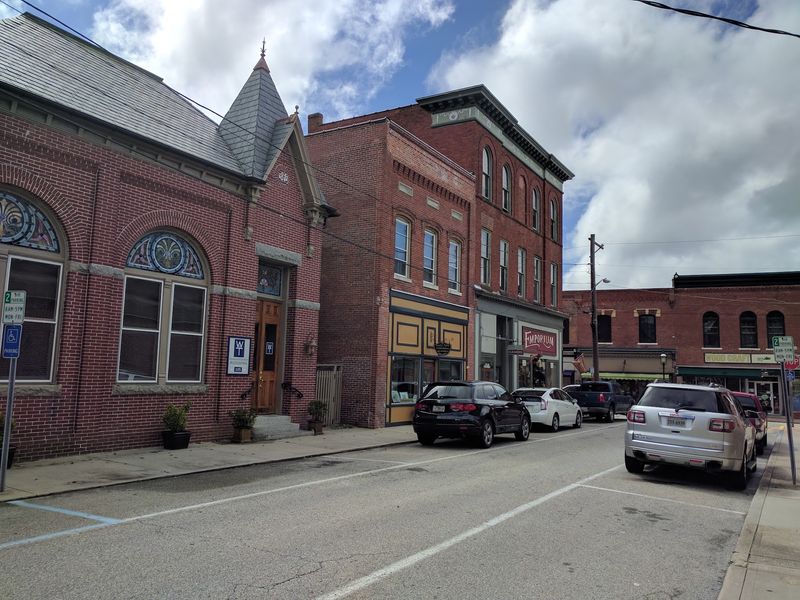
Colorful old houses, a dark cypress river, and a name that sounds like a storybook: Snow Hill has all the ingredients for hype, which is roughly where the charm stops.
Worcester County promotes the town as a paddling hub, and the Pocomoke River really is striking, with tea-colored water and cypress trees leaning over the banks. Kayak trips make for a solid morning.
Beyond the water, the pace slows to a crawl.
Historic architecture lines several streets, and self-guided walks point out homes dating back generations. Reading plaques, though, is most of the entertainment.
Shopping and dining choices number in the single digits, and closures on weekdays or off-season are common.
Distance is the bigger issue. Snow Hill sits well inland from the beaches most Eastern Shore travelers are headed toward, so reaching it means a deliberate detour of 30 to 45 minutes from Ocean City or Berlin.
Berlin, just up the road, packs more shops, restaurants, and events into a tighter, livelier downtown.
Summer brings heat, humidity, and mosquitoes near the marshland, which cuts outdoor time short for anyone unprepared.
A rental kayak, bug spray, and a couple of hours cover Snow Hill completely. Booking a weekend stay usually leads to long stretches of nothing to do.
Save the lodging budget for a town with more open doors and treat the Pocomoke as a half-day side trip instead.
4. Indian Head
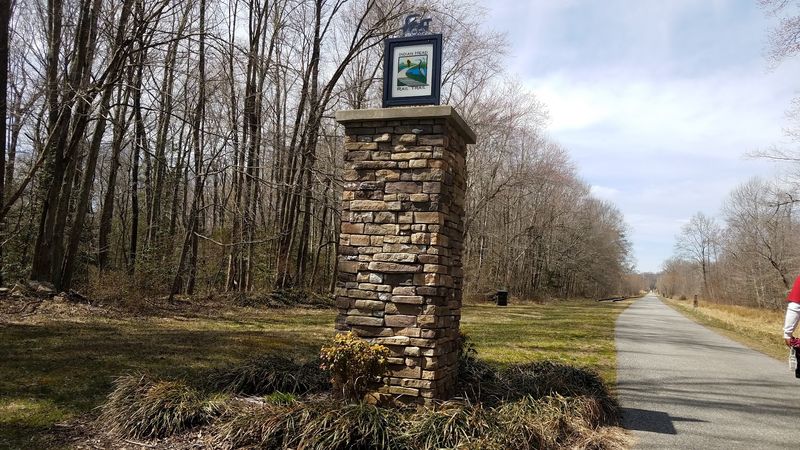
Every so often a travel roundup discovers Indian Head and calls it an untapped Potomac getaway. Reality checks in fast.
Charles County’s little town sits at the end of Route 210, hemmed in by a large naval support facility that shapes much of local life. The setting on the Potomac is pleasant, and the Indian Head Rail Trail stretching about 13 miles into the countryside is a legitimate draw for cyclists and walkers.
Outside that trail, attractions are scarce. Downtown covers a few blocks with basic services, a small selection of casual eateries, and limited retail.
There is no historic district to wander, no waterfront boardwalk lined with shops, and very little in the way of overnight lodging.
Because the highway dead-ends here, the town does not function as a natural stop along a scenic route. Getting in and out means the same drive twice, and traffic heading back toward the Beltway can drag.
Nearby alternatives beat it easily. Piscataway Park, Fort Washington, and the Potomac overlooks closer to the D.C. area offer comparable river views with far more to see.
The smart move: bring a bike, ride the rail trail early in the day, then head elsewhere for lunch and everything else.
Treating Indian Head as a full weekend destination sets up disappointment, while treating it as a two-hour trailhead stop makes the drive worthwhile for anyone who genuinely loves flat, shaded cycling.
5. Cambridge
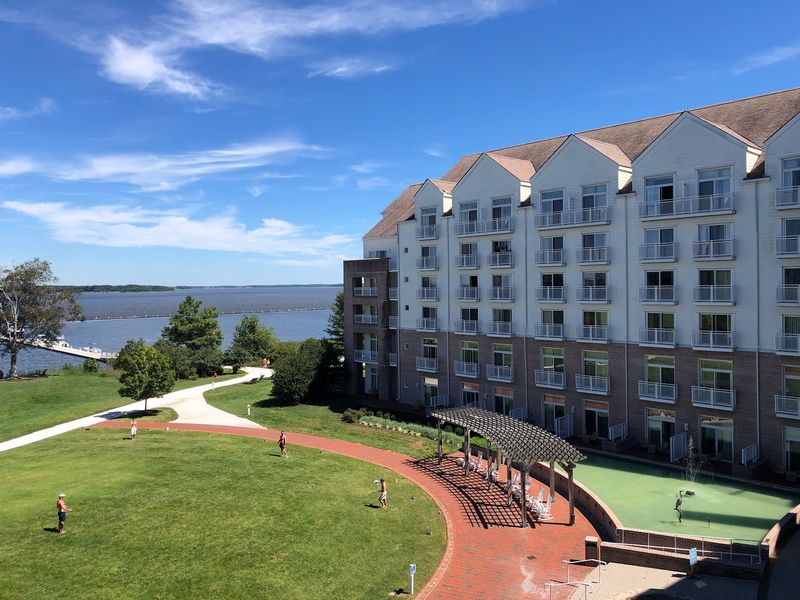
Cambridge shows up on plenty of comeback lists, praised for its Choptank River setting and a downtown supposedly on the rise. Progress is real but uneven, and visitors notice.
High Street is lined with handsome older homes and leads straight to the water, making for a pleasant walk.
The Harriet Tubman Museum and Educational Center downtown, plus the Tubman Underground Railroad Byway and visitor center in the surrounding county, give the area serious historical weight worth a respectful visit.
Between those highlights, however, stretches of the commercial district still sit quiet. Vacant storefronts, limited weekday hours, and a small number of restaurants mean a planned itinerary can unravel by mid-afternoon.
Resort development along the river caters to golf and spa guests at rates that feel steep for what the surrounding town provides. Those staying at the resort often never leave it, which says something.
Blackwater National Wildlife Refuge, roughly 20 minutes south, is arguably the best reason to be in Dorchester County at all, with eagles, marsh vistas, and a driving loop. Cambridge mostly serves as the place to sleep and refuel.
Summer humidity and biting flies near the marshes catch people off guard, so early spring and late fall work better.
Plan Cambridge around the Tubman sites and the refuge, budget one night at most, and keep dining expectations flexible. Anyone expecting a bustling revitalized waterfront city will find the hype well ahead of the actual streetscape.
6. McHenry
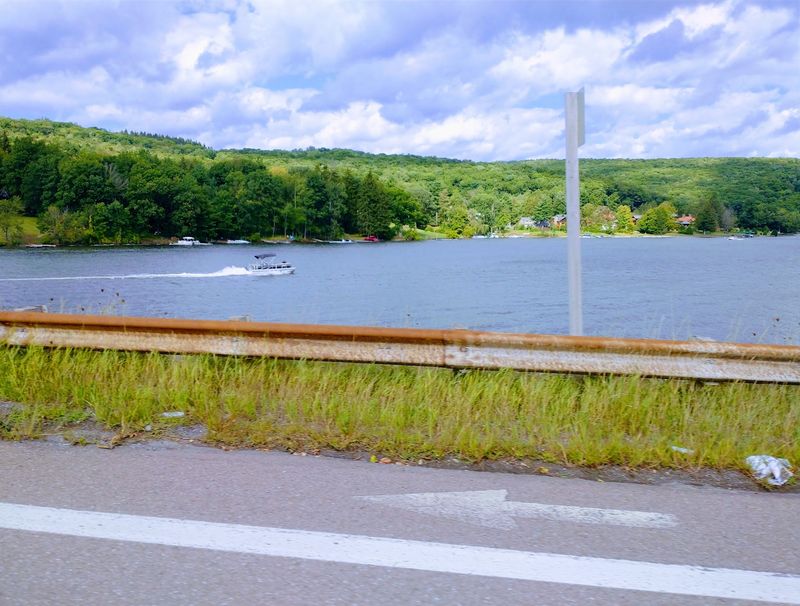
Deep Creek Lake gets called Maryland’s mountain playground, and McHenry is the commercial heart of it. Peak season turns that heart into a traffic jam.
Garrett County’s lake really does offer boating, swimming, and skiing at Wisp in winter, so the appeal is not imaginary. What surprises people is the price.
Lakefront rentals during summer weekends and holiday weeks command rates that rival major beach destinations, often with multi-night minimums.
Boat rentals, jet skis, lift tickets, and equipment add up quickly, and much of the shoreline is privately owned, so free lake access is limited to state park areas that fill early.
The town itself is essentially a strip of rental offices, outfitters, restaurants, and shops along Route 219. Charming historic downtown?
Not really. Walkability is minimal, so a car is required for nearly everything.
Drive time is another factor. McHenry sits in Maryland’s far western corner, meaning roughly three hours from Baltimore and longer from the Eastern Shore, often through mountain weather that can turn nasty in winter.
Shoulder seasons bring the opposite problem, with quiet streets, closed attractions, and a lake too cold for swimming.
For families who ski or own boating gear, the investment can pay off. Casual travelers hoping for a cheap mountain weekend usually leave stunned by the bill.
Compare costs against western Pennsylvania or West Virginia lake areas before committing, and never book McHenry sight unseen during a holiday week.
7. Chestertown
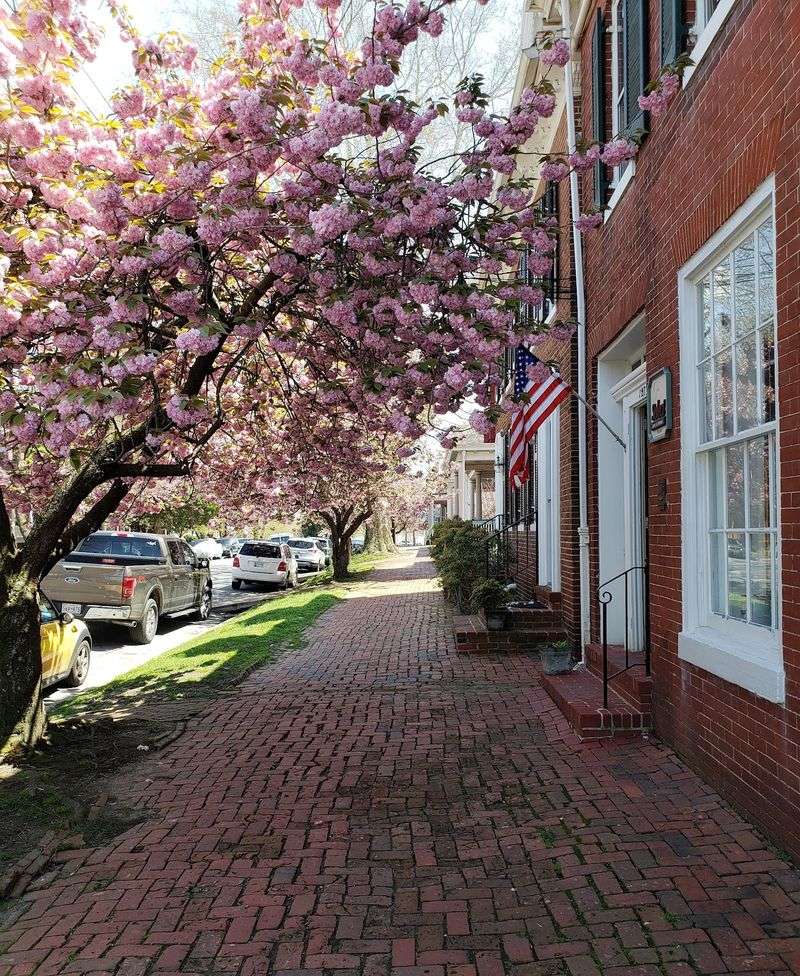
Colonial brick, a tidy river, and a small liberal arts college give Chestertown an air of refinement that travel writers adore. Spend a full day there and the polish starts to feel thin.
Kent County’s seat holds one of Maryland’s better collections of eighteenth-century architecture, and the walk along the Chester River waterfront is genuinely lovely. A farmers market brings life to the square on market mornings.
Outside of those windows, activity drops sharply. Retail consists of a modest string of shops, several with limited hours, and dining options are few enough that a Saturday night without a reservation can mean settling for whatever is open.
Prices skew upward. Inns and bed-and-breakfast rooms in the historic district charge premium rates, and the town’s antique and gift shops are not aimed at bargain seekers.
Getting there requires effort too, with narrow Eastern Shore roads and no quick highway connection from the Bay Bridge. College breaks empty the streets further, and winter months feel especially still.
Compare it honestly with nearby Rock Hall for waterfront character or Easton for shopping and events, and Chestertown often loses on variety.
Best approach: arrive on a market morning, tour the historic streets on foot, eat lunch by the river, then continue the drive. One well-planned afternoon captures nearly everything the town has to show, and skipping the overnight rate leaves money for a stop somewhere with more open doors.
8. Oxford
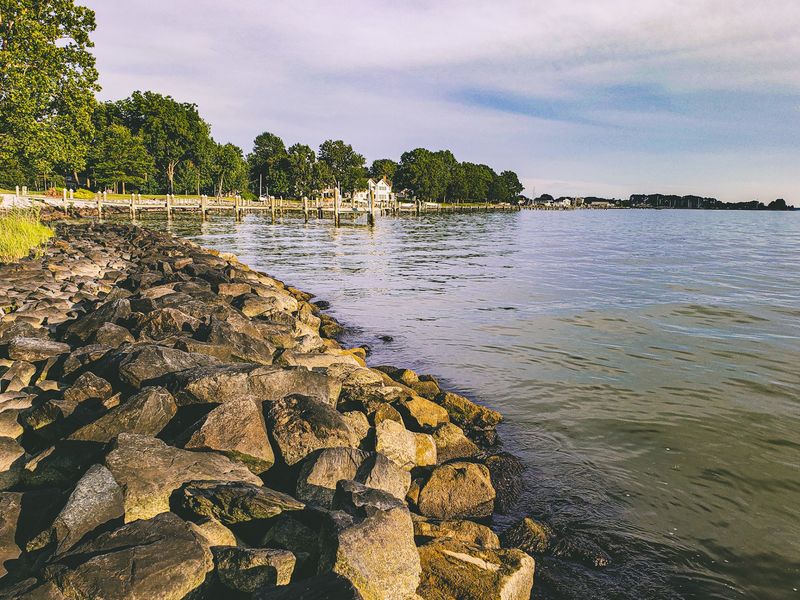
Fewer than a thousand people live in Oxford, and the entire village can be walked end to end in under half an hour. That fact alone should temper the hype.
Talbot County markets the place as one of the oldest settlements in Maryland, and the Oxford-Bellevue Ferry crossing the Tred Avon River is a pleasant novelty ride. White colonial houses, picket fences, and quiet lanes make for lovely photographs.
Then the day runs out of material. Businesses number in the handful, hours are unpredictable, and several close seasonally.
There is no museum campus, no shopping district, and no evening scene to speak of.
Parking near the waterfront is tight, and much of the shoreline belongs to private homes and marinas, so water access for visitors is limited unless a boat is involved.
The ferry itself does not run year-round, which catches off-season travelers off guard after a long drive down a peninsula road.
Costs run high for what is available. Waterfront lodging charges resort prices in a village with almost nothing to do after dark.
Pairing Oxford with St. Michaels and Easton makes a reasonable loop, and the ferry ride is the connective thread that makes it fun. Booking a standalone weekend there, however, means long hours of stillness.
Check ferry schedules first, plan roughly two hours in the village, and let the surrounding towns carry the rest of the trip.
9. Havre de Grace
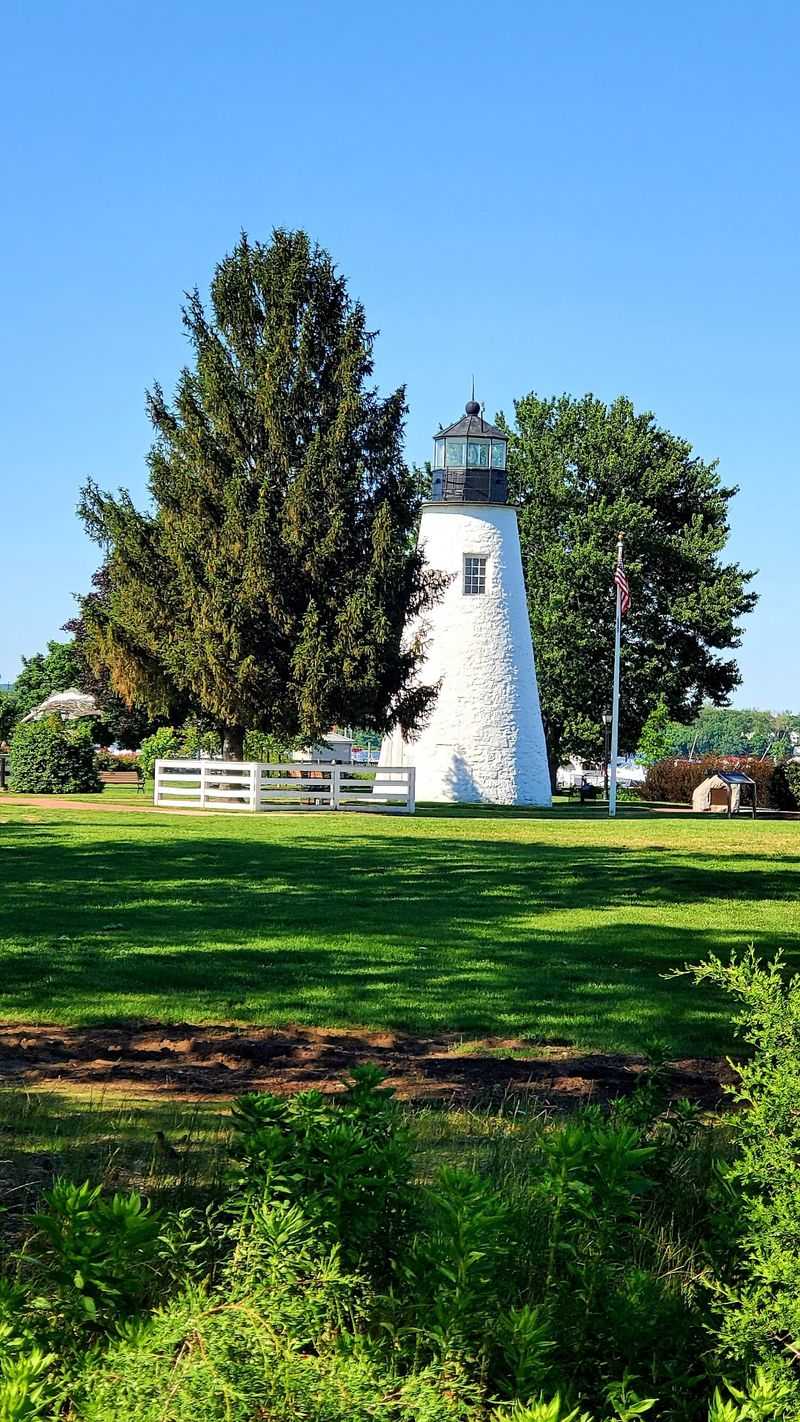
Where the Susquehanna River meets the Chesapeake, Havre de Grace stakes a claim as one of Maryland’s prettiest water towns. The setting is strong; the visit is shorter than advertised.
Concord Point Lighthouse and the wooden promenade over the marsh are the standouts, both free or inexpensive and worth the walk. Small museums covering decoy carving and maritime history round out the morning for anyone interested in those niches.
Downtown leans heavily on antique shops, and browsing them appeals to a specific kind of traveler. Restaurant choices are decent but limited, and weekend waits can be long because Interstate 95 sits close enough to funnel in crowds.
Highway proximity cuts both ways. Traffic noise, chain development on the outskirts, and truck routes chip away at the small-town atmosphere that brochures emphasize.
Flooding and high water along the waterfront have been a recurring concern, and windy days off the bay can make the promenade uncomfortable.
Off-season, the town quiets down considerably, with reduced museum hours and shuttered shops.
Value-wise, the math favors a day trip. Lodging rates near the water climb without much nightlife or activity to justify them, especially when Baltimore sits under an hour away with vastly more to offer.
Arrive mid-morning, do the lighthouse and promenade, eat lunch, browse an antique shop or two, and be back on the road by mid-afternoon. Stretching Havre de Grace into a full weekend rarely rewards the effort or the expense.
