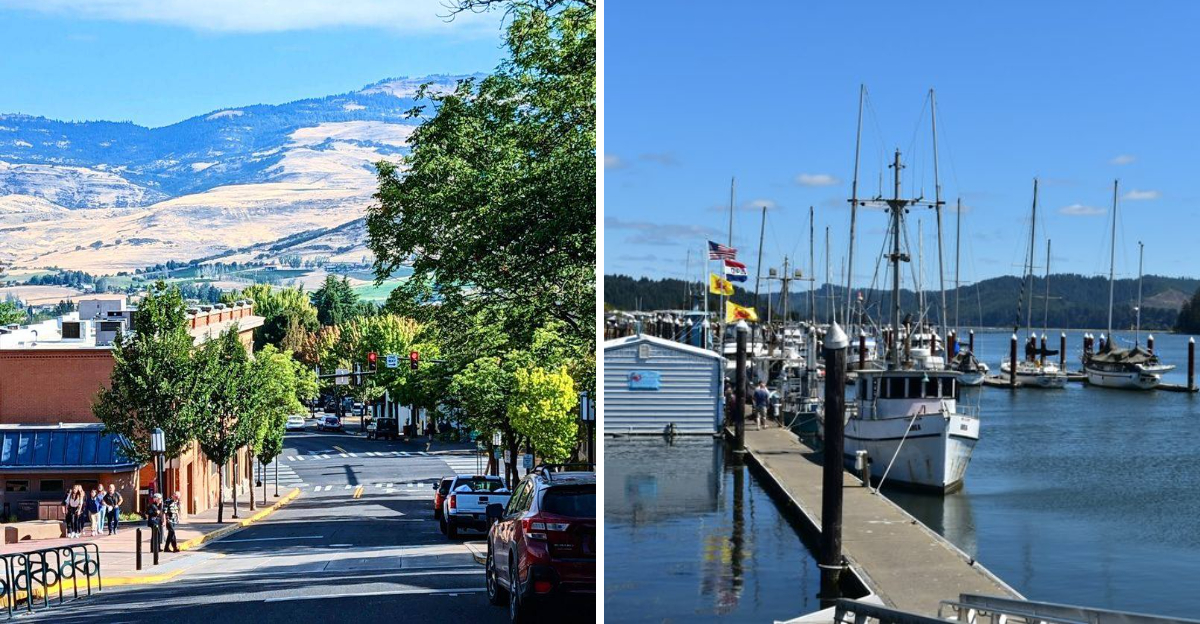
There’s something deflating about pulling into a town you’ve been told is magical, only to find yourself stuck in traffic and circling for parking.
You’re not alone – and it’s not your fault. Some Oregon spots have become victims of their own success.
Cannon Beach on a summer Saturday transforms from a coastal gem into a slow-motion traffic jam, with locals avoiding downtown entirely during peak months.
The Promenade that once offered peaceful ocean views now competes with rental bikes and wall-to-wall strollers. It’s still beautiful, but the experience has shifted.
Portland’s famous doughnut spot is another example – lines stretch for hours, locals have long since moved on, and the novelty fades quickly.
The lesson is simple: some Oregon towns are worth visiting, just not during peak season. But a few have simply become shells of what made them special.
1. Cannon Beach
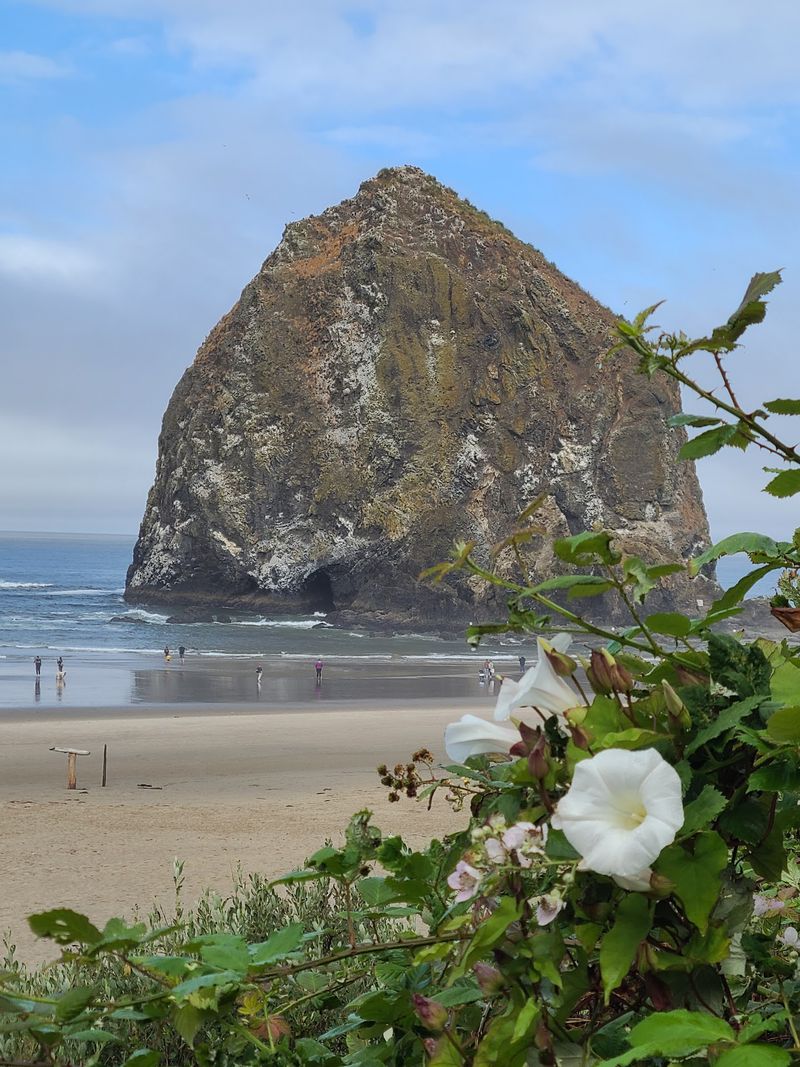
Haystack Rock looks exactly like every photo you’ve already seen of it, and that’s kind of the problem. Cannon Beach has been photographed so many times that arriving here feels less like discovery and more like walking into a screensaver.
The charm is real, but it gets buried fast under the weight of tour buses and souvenir shops selling the same driftwood art.
Summer weekends are genuinely overwhelming. Parking becomes a full-time job, and the beachfront fills up with crowds that make it hard to enjoy any actual peace.
The restaurants are fine, but the prices climb sharply once a place earns a spot on a “best of Oregon coast” list.
The town itself is small, walkable, and honestly pretty. I don’t want to be unfair.
But the experience rarely matches the romantic coastal escape that gets advertised everywhere. You spend more time navigating foot traffic than breathing in ocean air.
If solitude and raw coastal beauty are what you’re after, there are quieter stretches of Oregon’s coast that deliver far more without the performance. Cannon Beach has become a brand more than a place, and that shift is hard to ignore once you notice it.
2. Seaside
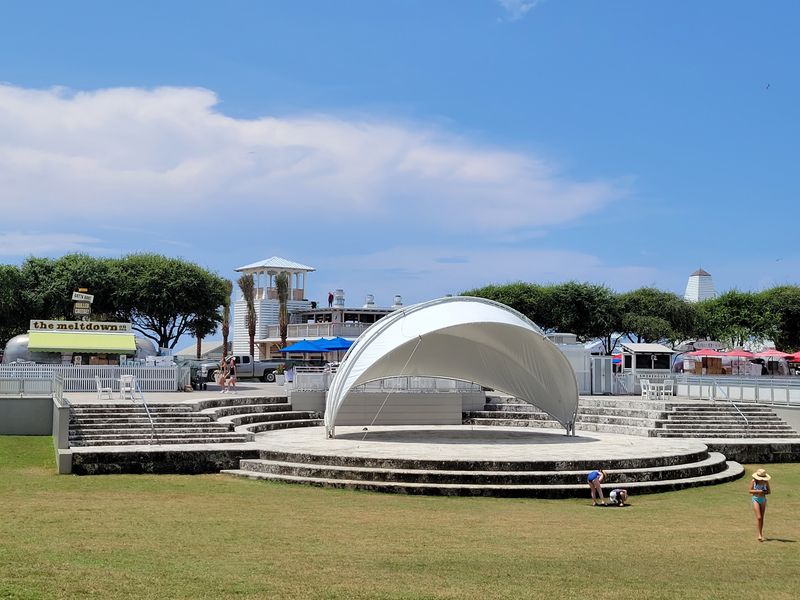
Seaside markets itself as a classic Oregon beach town, and in some ways it delivers exactly that. The problem is that “classic beach town” here means arcades, taffy shops, and a promenade that feels more like a county fair than a coastal retreat.
It’s loud, commercial, and almost entirely built around extracting money from families on a quick weekend trip.
The beach itself is wide and flat, which is genuinely nice. But the surrounding infrastructure makes it hard to enjoy.
Parking is chaotic, the streets are clogged during summer, and the food options lean heavily toward fried everything. There’s a certain nostalgic energy here that some people genuinely love, and I understand that appeal.
But if you’re looking for the moody, dramatic Oregon coast that shows up in travel photography, Seaside is probably not going to deliver. The town has leaned so hard into mass tourism that it’s lost whatever quiet character it might once have had.
Kids tend to have fun here because of the novelty, but adults chasing something more atmospheric will likely feel let down. It’s the kind of place you pass through rather than linger in.
A couple of hours covers it completely, which says a lot about its depth as a destination.
3. Lincoln City
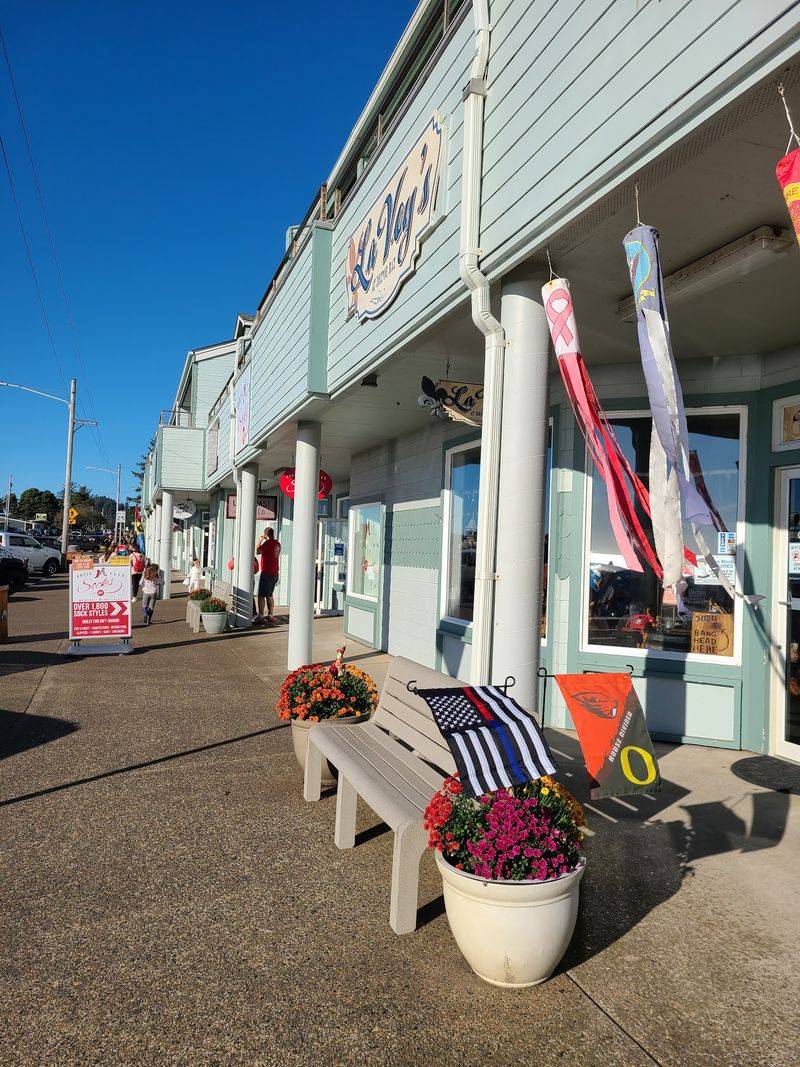
Somewhere along the way, Lincoln City got lumped in with the romantic Oregon coast towns, and it’s a categorization that doesn’t quite hold up. The city is essentially a long commercial strip running along Highway 101, packed with outlet stores, fast food chains, and a casino that dominates the local economy.
It’s practical, sure, but it’s not exactly scenic.
The beach access points are real and free, and the coastline itself is as dramatic as anywhere else on the Oregon coast. That’s the thing about this state: the ocean doesn’t change just because the town behind it is underwhelming.
But Lincoln City as a destination, as a place to spend meaningful travel time, feels thin.
There’s a glass float hunting tradition here that gets a lot of attention online, where hand-blown glass floats are hidden on the beach for visitors to find. It’s a genuinely fun idea, and I don’t want to dismiss it entirely.
But one clever gimmick doesn’t make a town worth a dedicated trip. If you’re already driving the coast, stopping briefly makes sense.
Building a vacation around Lincoln City, though, is a choice that most travelers quietly regret. The surrounding coast is beautiful.
The town itself is just a strip mall with an ocean view.
4. Ashland
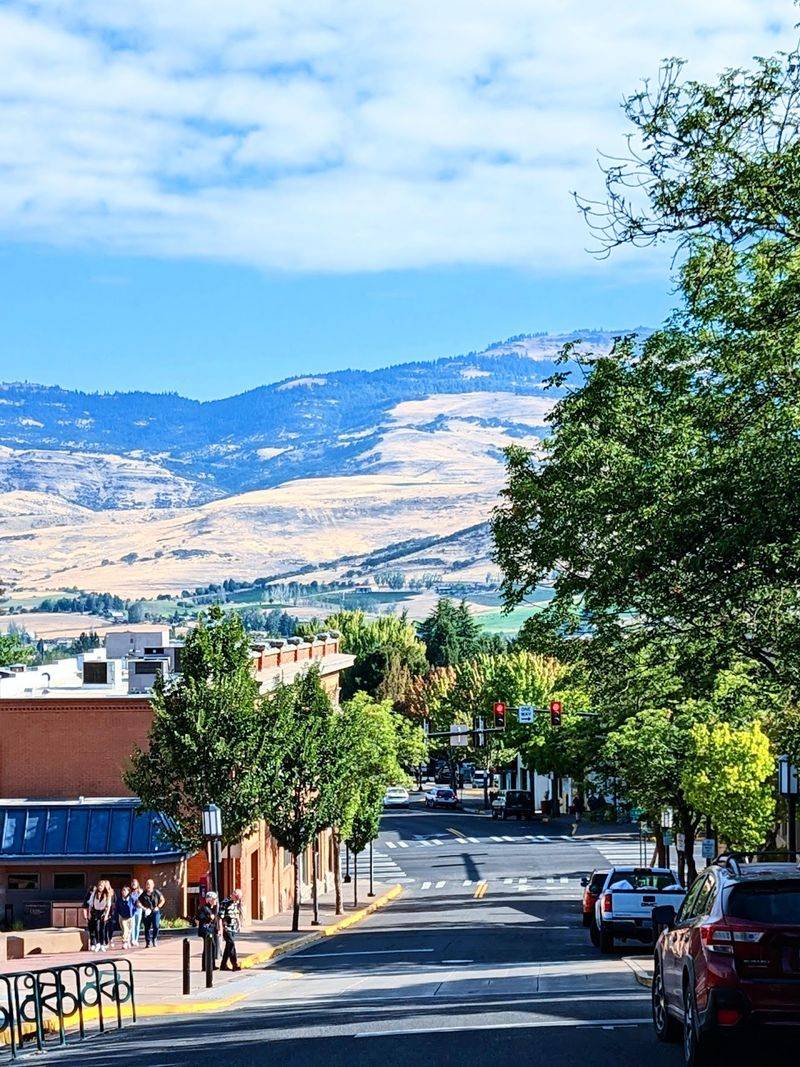
Ashland gets mentioned in almost every Oregon travel guide as a cultured, artsy escape with world-class theater and charming streets. The Oregon Shakespeare Festival does deserve its reputation.
But outside of festival season, the town can feel oddly quiet and a little self-satisfied, like it’s still coasting on a reputation built decades ago.
The downtown area is pleasant enough, lined with boutique shops and cafes that lean heavily into the festival theme. Prices at restaurants and lodging spike dramatically during performance season, and the experience of visiting without tickets to a show can feel weirdly incomplete.
It’s a town built around an event, and if that event isn’t part of your trip, you might wonder why you came.
There’s a creek walk and some nice parks nearby, and the surrounding Siskiyou Mountains are genuinely beautiful. But Ashland proper can feel like a stage set waiting for actors to arrive.
I found myself wandering through it in about two hours and feeling like I’d already seen everything worth seeing. For a town with such a big cultural reputation, the day-to-day reality is surprisingly low-key.
Travelers who go expecting a buzzing arts hub outside of festival weekends often leave feeling like they missed something that wasn’t actually there.
5. Jacksonville
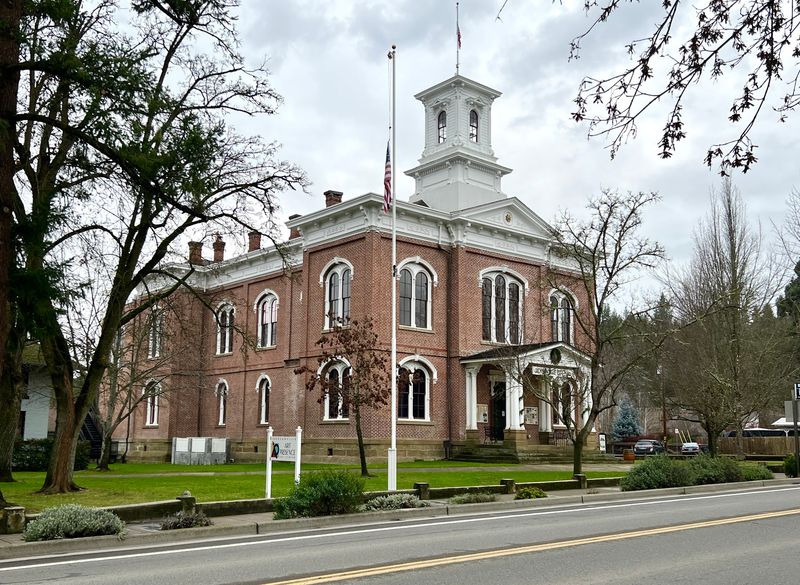
Jacksonville is one of those towns that gets described as a “hidden gem” so often that it has completely stopped being hidden. It’s a well-preserved gold rush era town in southern Oregon, and the historic architecture is genuinely impressive.
But impressive architecture and a functioning destination are two different things.
The main street is charming in a frozen-in-time kind of way, with old brick buildings and a handful of shops that cater mostly to antique hunters and day-trippers from nearby Medford. Outside of the Britt Festivals summer concert series, the town is remarkably quiet.
Quiet can be lovely, but Jacksonville’s version of quiet often tips into sleepy in a way that leaves visitors looking for more.
There’s a small museum and some hiking nearby, but the town itself doesn’t offer much to fill a full day. Most visitors do exactly what I did: walk the main street, peek into a shop or two, and wonder if they missed something.
The surrounding Applegate Valley has real appeal for outdoor enthusiasts, and that’s worth noting. But Jacksonville as a standalone destination leans too heavily on historical novelty to justify a long trip.
It’s the kind of place that photographs beautifully and experiences somewhat flatly, which is a gap that honest travel writing doesn’t mention enough.
6. Manzanita

Manzanita has earned a devoted following among a certain type of Pacific Northwest traveler, the kind who values understated beauty and doesn’t mind paying a premium for the privilege of understatement. The town is genuinely quiet and genuinely small, with a beach that stretches out beautifully beneath Neahkahnie Mountain.
But the hype it receives as a must-visit escape has started to warp the experience.
Vacation rental prices here have climbed steeply, and the town’s limited commercial strip means dining and activity options are sparse. That simplicity is part of the appeal for its fans, but for travelers expecting a fuller experience, it can feel like paying a lot for not very much.
The beach is lovely. The town is mostly a backdrop for that beach.
What gets lost in the glowing write-ups is that Manzanita doesn’t really do anything. It exists peacefully, and on the right weekend with the right expectations, that’s enough.
But travel content has positioned it as some kind of transformative coastal experience, and that framing sets people up for mild confusion. I’ve talked to visitors who drove two hours expecting magic and found a quiet village with limited amenities instead.
If you want a slow, stripped-down beach trip, it works. But know what you’re getting before you book.
7. Sisters
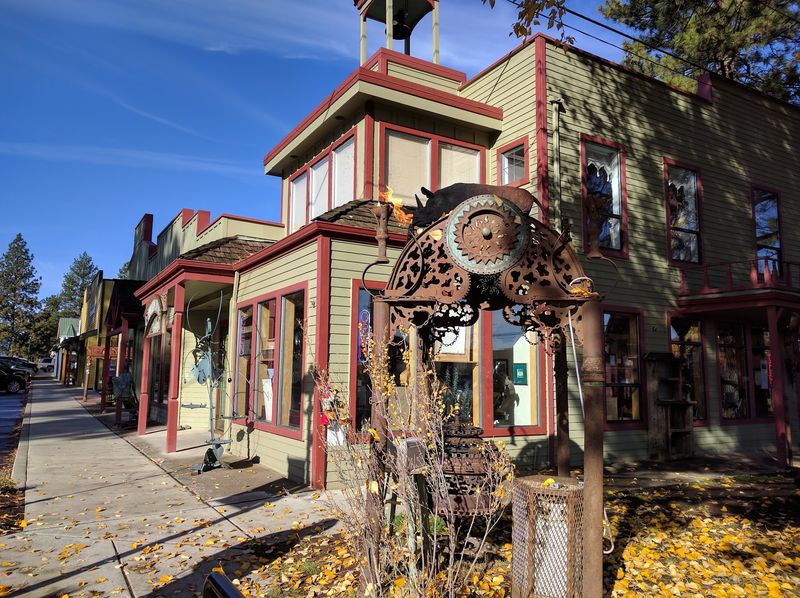
Sisters leans hard into a western frontier aesthetic that feels a little like a theme park version of the actual American West. The false-front storefronts are cute, the quilt festival is a genuine regional event, and the backdrop of the Three Sisters mountains is objectively stunning.
But the town itself sometimes feels like it was designed specifically for Instagram rather than actual living.
The shops are mostly gift stores, galleries, and boutiques selling items at prices that reflect the town’s status as a tourist stop rather than a working community. Outdoor access is the real draw here, with excellent cycling, hiking, and skiing nearby.
But those activities exist in spite of the town, not because of it.
Sisters works best as a base camp for exploring central Oregon’s genuinely remarkable landscape. As a destination in itself, it runs thin pretty quickly.
You can walk the entire main street in under twenty minutes and feel like you’ve absorbed everything the town is offering. The scenery surrounding Sisters is some of the best in the state, and that scenery often gets credited to the town when it really belongs to the mountains and high desert beyond it.
Don’t skip the region entirely. Just be honest with yourself about whether the town is the draw or just the parking lot for something much bigger.
8. Hood River
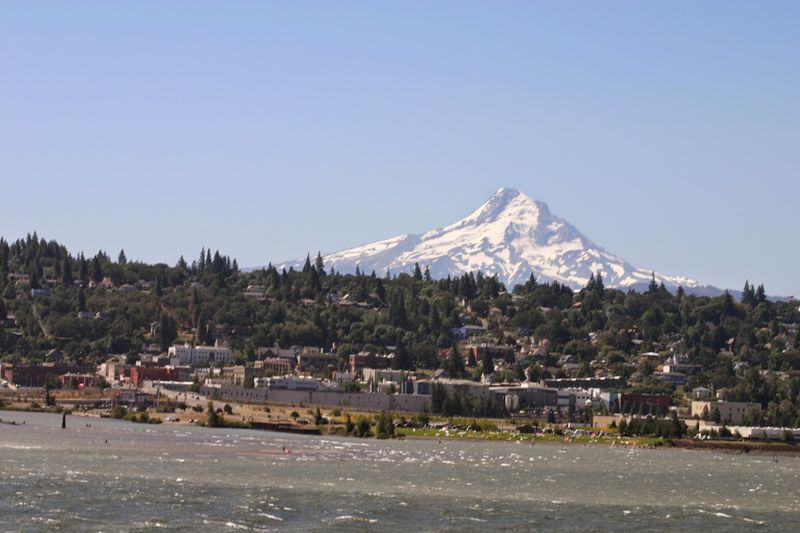
Hood River has a reputation as an outdoor adventurer’s paradise, and the Columbia River Gorge surrounding it absolutely earns that description. The problem is that the town itself has become so popular that it now struggles under the weight of its own appeal.
What was once a laid-back windsurfing community has transformed into a polished tourist destination with prices to match.
The waterfront is busy, the downtown is lined with gear shops and upscale eateries, and on summer weekends the whole place hums with a kind of frantic energy that doesn’t feel particularly relaxing. Lodging costs have risen sharply, and the experience of visiting can feel more expensive than rewarding.
The gorge views are still spectacular, and I genuinely love the drive along the Historic Columbia River Highway.
But Hood River the town has drifted away from the unpretentious outdoor hub it used to be. It now caters heavily to a specific demographic of well-equipped weekend warriors with matching gear and a high tolerance for crowded trailheads.
If you’re visiting the gorge, you’ll likely pass through Hood River anyway, and that’s fine. Just don’t expect the charming small town that travel articles keep describing.
That version of Hood River existed a while ago, and what’s replaced it is slicker, busier, and considerably more expensive.
9. Bend
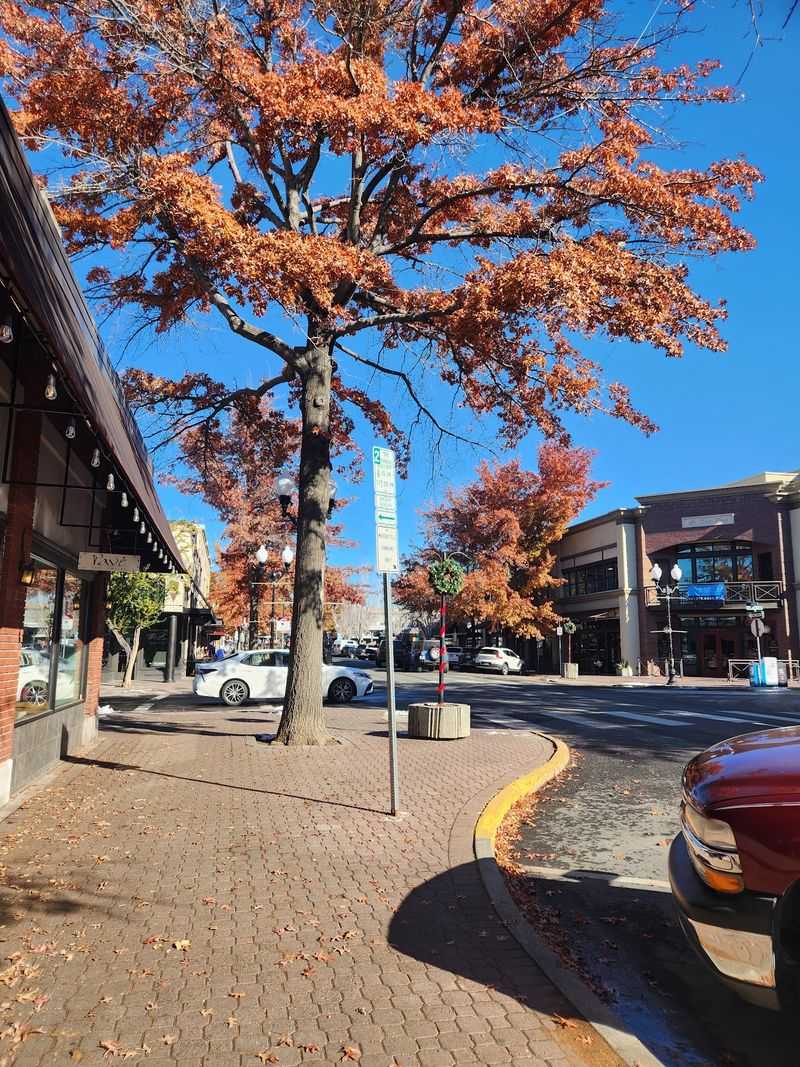
Bend might be the most overhyped town in the entire state, which is a bold claim given how much competition it faces. The outdoor access here is genuinely world-class: skiing, mountain biking, rock climbing, river activities, and high desert hiking all within easy reach.
Nobody is disputing that. The issue is the town itself, which has grown so fast and attracted so much attention that it now feels more like a lifestyle brand than a place.
Traffic is bad. Housing costs have exploded.
The downtown area is packed with tourists year-round, and the local character that made Bend appealing a decade ago has been largely replaced by a polished, expensive version of itself. Every restaurant and shop seems calibrated for maximum Instagram impact.
The people who live here will tell you honestly that Bend has changed, and not entirely for the better. Visitors who arrive expecting a quirky, outdoorsy small town often find a mid-sized city with small-town prices replaced by big-city ones.
The surrounding landscape, Newberry Volcano, Smith Rock, the Deschutes River, remains genuinely extraordinary. But the town you drive into after a day on the trails can feel like a letdown.
Bend is worth visiting for what surrounds it. Just go in knowing that the town itself is running about five years behind its own hype.
10. Florence
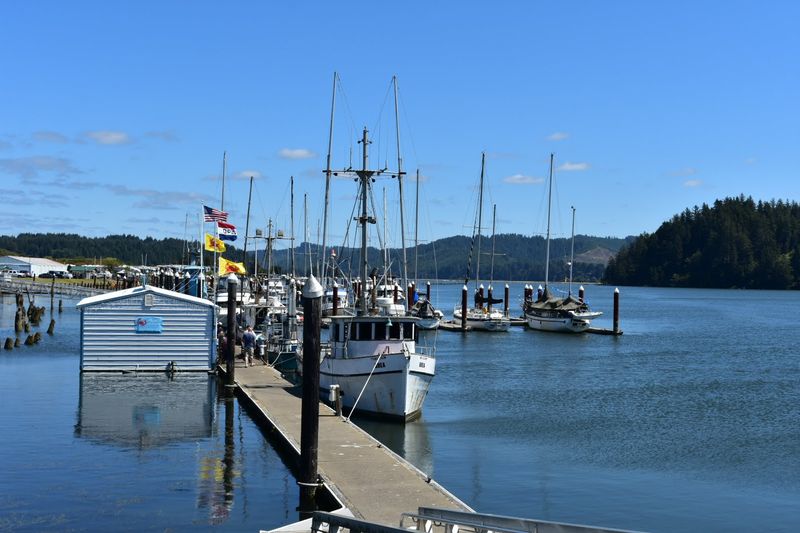
Florence sits at the edge of the Oregon Dunes National Recreation Area, which is one of the most genuinely strange and spectacular landscapes in the Pacific Northwest. Giant sand dunes stretching for miles, meeting the ocean in a way that looks almost otherworldly.
The dunes are worth every bit of praise they get. Florence itself is a different story.
Old Town Florence is charming in a compact, slightly tired way. The waterfront area along the Siuslaw River has a handful of seafood spots and gift shops, and on a sunny day it photographs nicely.
But there’s a ceiling to what the town offers, and most visitors hit it within a few hours. The dunes draw people here, and then the town struggles to keep them engaged.
What frustrates me slightly is how often Florence gets listed as a destination rather than a gateway. It’s a gateway.
A useful and friendly one, but a gateway nonetheless. The campgrounds near the dunes are excellent, and spending time in the recreation area itself is genuinely rewarding.
But building an itinerary around Florence as a town means spending time in a place that’s pleasant without being particularly memorable. Go for the dunes.
Stay near the dunes. Let Florence be the convenient stop it actually is rather than the coastal gem it sometimes gets called.
