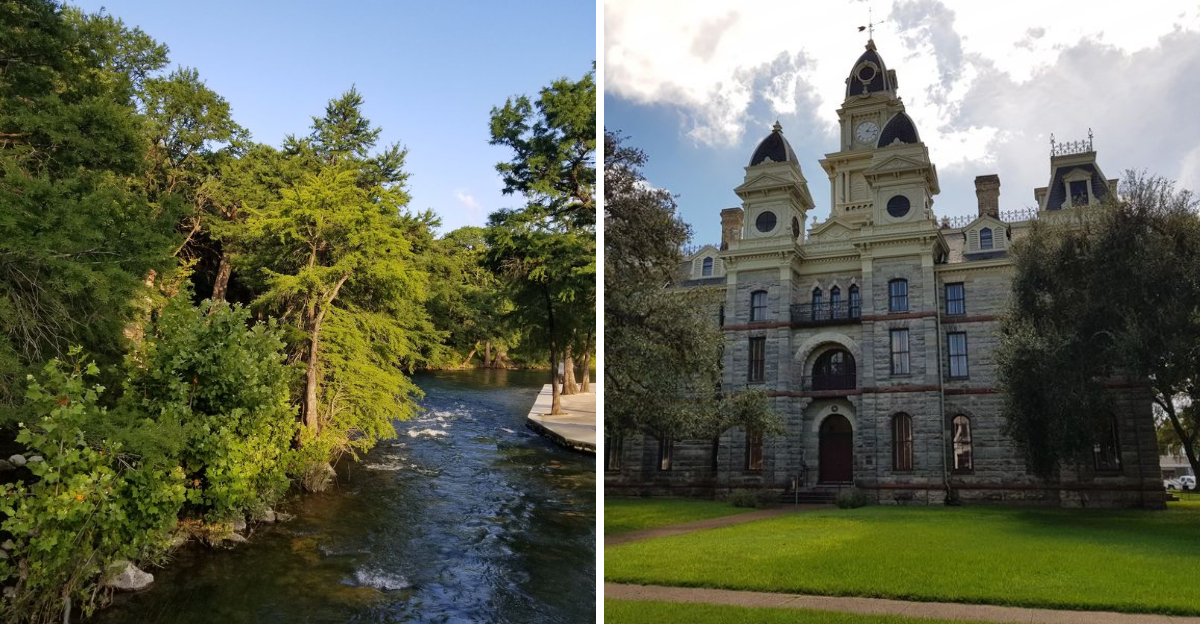
There is a certain kind of Texas town that looks irresistible in photos, sounds perfect in travel guides, and then leaves you wondering where all your weekend money went.
Between crowded main streets, inflated prices, long waits, and attractions that can feel more famous than fun, not every heavily hyped stop delivers the experience people expect.
That does not mean these places have nothing going for them, but popularity can change a town, especially when tourism starts driving the cost and pace of a simple getaway.
This list takes a more skeptical look at some of the Texas destinations that get endless attention and asks the question travelers do not always say out loud: is the trip actually worth the time, expense, and hassle?
1. Fredericksburg
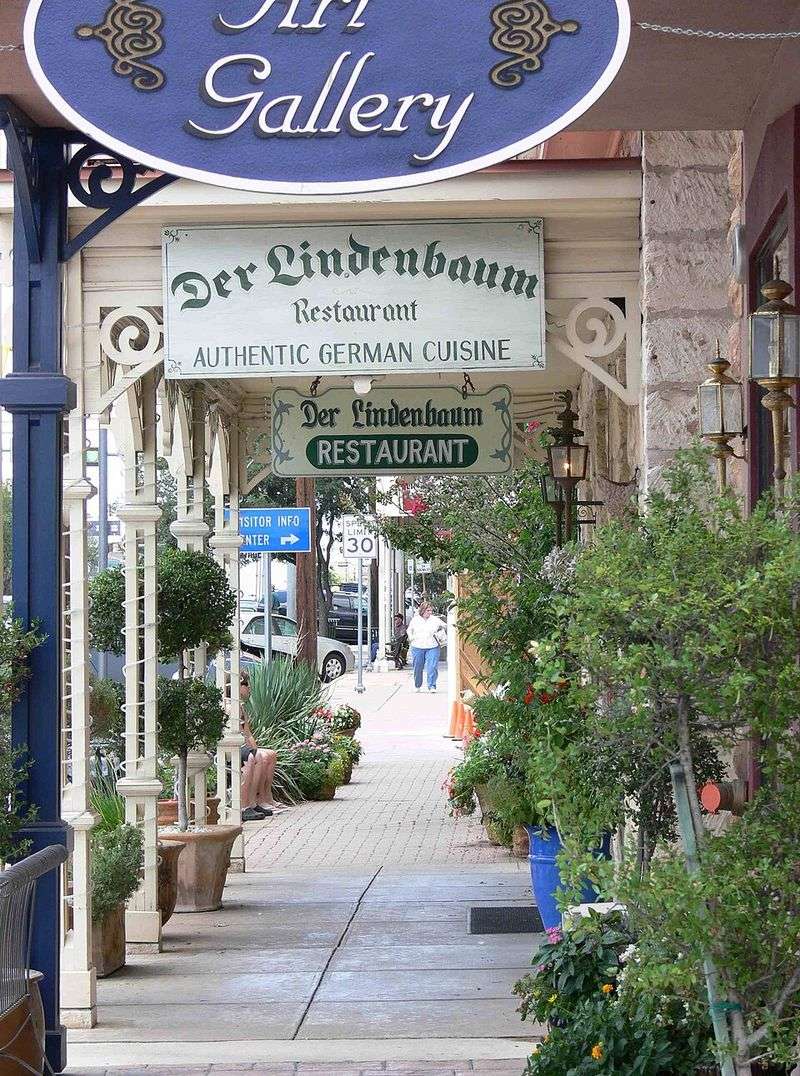
Fredericksburg shows up on nearly every Texas travel list, and after one visit during peak season, it is easy to understand both the appeal and the frustration. Main Street has genuine character, with locally owned boutiques and a no-franchise rule that keeps things from feeling like a strip mall.
But the crowds can be relentless, especially on weekends when the sidewalks fill up fast and parking becomes its own adventure.
The German heritage woven into the town’s architecture and food scene is the real draw, and it does show up in meaningful ways. The National Museum of the Pacific War is genuinely impressive and often gets overlooked by visitors who come primarily for the shopping.
History lovers tend to leave more satisfied than those chasing a picture-perfect Hill Country moment.
Enchanted Rock sits nearby and is worth every step of the hike, but it books up quickly and requires reservations that many visitors forget to secure in advance. The surrounding wine trail brings in enormous traffic, which means the roads can feel sluggish and the tasting rooms crowded.
Some long-time locals have started calling the place “Touristenburg” with a knowing smile, and honestly, that nickname has earned its place. If you go, aim for a weekday in the off-season and you will find a much more relaxed and rewarding version of this Hill Country town waiting for you.
2. Wimberley
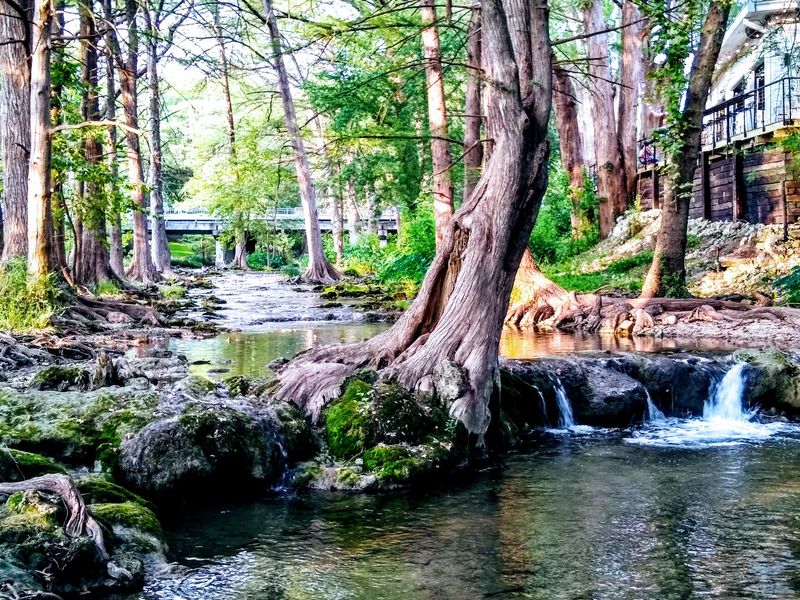
There is a certain kind of traveler who falls completely in love with Wimberley on first glance, and it is not hard to see why. The rolling Hill Country landscape, the convergence of the Blanco River and Cypress Creek, and the artsy village square all paint a picture that looks great on a travel blog.
The problem is that picture has become so widely shared that the town now struggles to keep up with the demand it has inspired.
Jacob’s Well and Blue Hole Regional Park are genuinely beautiful spots, but they require timed entry reservations that fill up weeks in advance during summer. Showing up without a plan almost guarantees disappointment.
The swimming holes are cold, clear, and worth experiencing once, but the logistics around visiting them have grown more complicated than many travelers expect.
The Wimberley Square still has charm, with local artisans and gallery owners who clearly care about what they create. Wimberley Glassworks offers live demonstrations that are surprisingly captivating, even for people who think they have no interest in art.
Old Baldy offers panoramic views after a short climb, and that part of the trip tends to feel the most rewarding. Still, for a town marketed as a peaceful escape, Wimberley can feel surprisingly hectic during high season.
Go in late fall or early spring and the quieter version of this village finally has room to breathe and actually deliver on its reputation.
3. Gruene
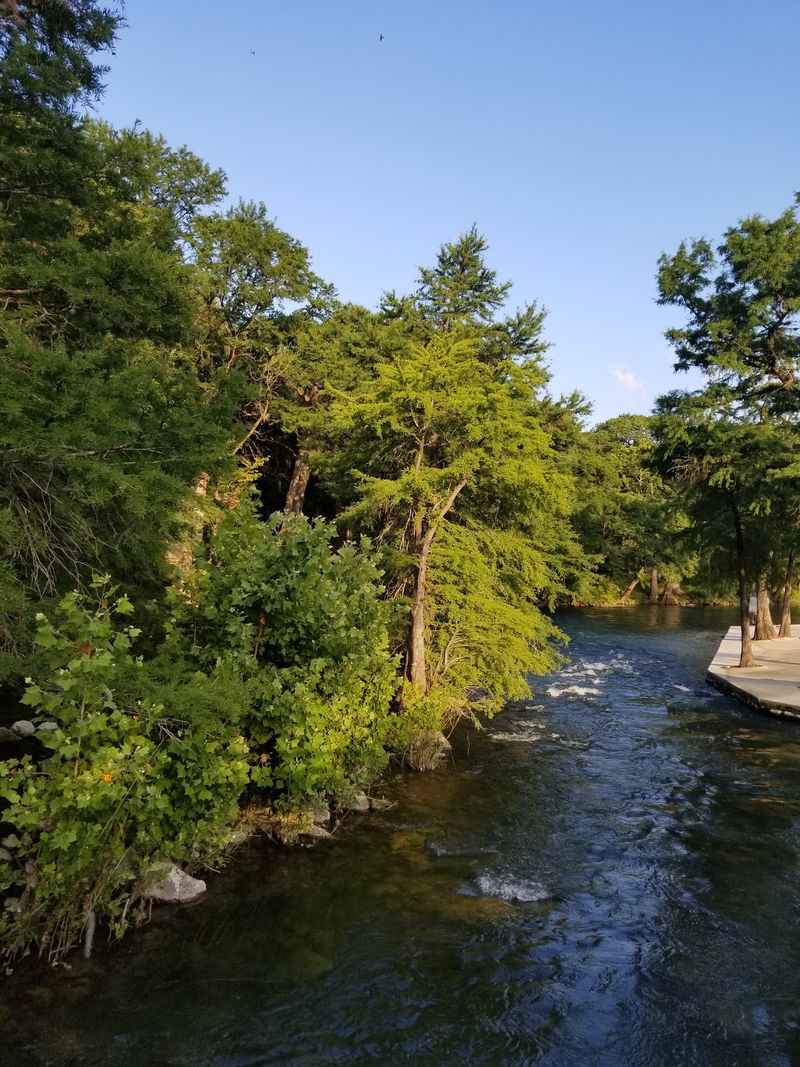
Gruene sits inside New Braunfels as a historic district, and it leans hard into that identity. The preserved 19th-century buildings give the place a genuine vintage feel, and Gruene Hall, the oldest dance hall in Texas, has an atmosphere that no amount of renovation could manufacture.
Live music here feels lived-in and real, not performed for tourists, which is refreshing.
The Guadalupe and Comal Rivers draw big crowds for tubing, kayaking, and paddleboarding during the warmer months, and the riverside dining spots fill up fast.
Getting a table with a river view on a Saturday afternoon can require the kind of patience that most vacationers are not exactly looking to practice.
The experience is enjoyable, but the wait times and the volume of people can chip away at the relaxed vibe Gruene is supposed to offer.
Gruene General Store is a fun stop with plenty of local character and quirky finds that feel genuinely Texan rather than manufactured for visitors. The area’s history goes back to 1872, when German cotton farmers first settled here, and that story is woven into the buildings themselves if you take time to look.
After a boll weevil plague in the 1920s nearly emptied the town, it was quietly preserved until tourism eventually found it again. That arc from decline to rediscovery gives Gruene more depth than most people realize.
Worth a visit, but manage expectations around the crowds and you will enjoy it far more.
4. Marfa
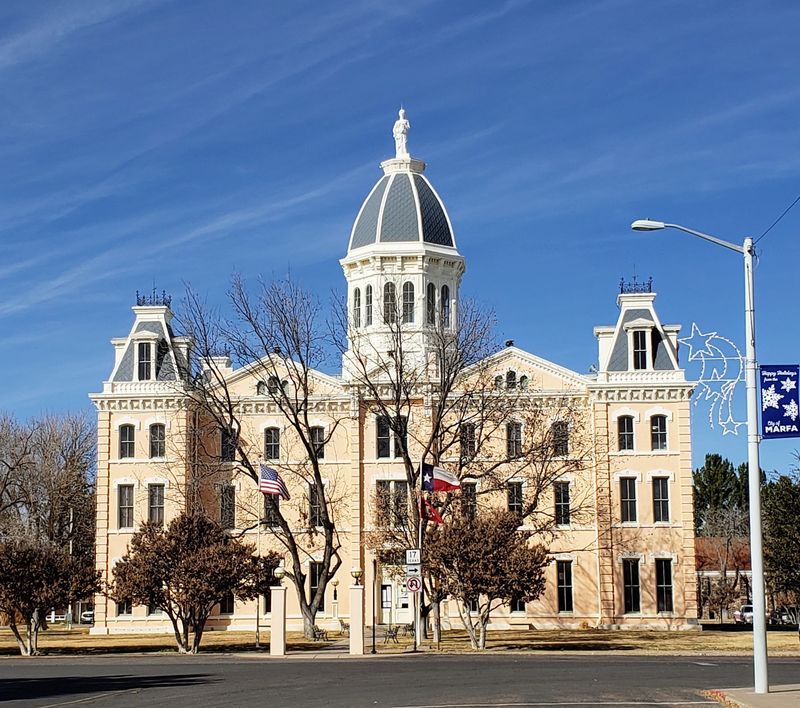
Marfa has built a mythology around itself that is genuinely hard to rival among small American towns.
A remote outpost in the high desert of West Texas, it has somehow become an international destination for art lovers, design enthusiasts, and curious travelers who do not mind driving three hours from the nearest major airport to get there.
That drive is long, flat, and beautiful in its own austere way, but it sets expectations high before you even arrive.
The Chinati Foundation houses world-class permanent installations, and Ballroom Marfa brings in rotating exhibitions that can be legitimately exciting. The art scene here is real, not curated for casual tourists, which makes it feel exclusive in a way that some visitors love and others find off-putting.
If contemporary minimalist art is your thing, Marfa delivers. If you are hoping for a lively town with plenty to do between gallery visits, the scale of the place may catch you off guard.
The Marfa Lights are the town’s most famous mystery, with unexplained glowing orbs appearing on the desert horizon after dark and drawing curious visitors to a dedicated viewing area. Explanations range from atmospheric refraction to folklore, and the uncertainty is part of the appeal.
Stargazing here is extraordinary, thanks to the Greater Big Bend International Dark Sky Reserve. The food scene punches above its weight for a town this small.
Marfa is a genuinely interesting place, but the hype can make the reality feel slightly underwhelming if you arrive without calibrated expectations.
5. Luckenbach
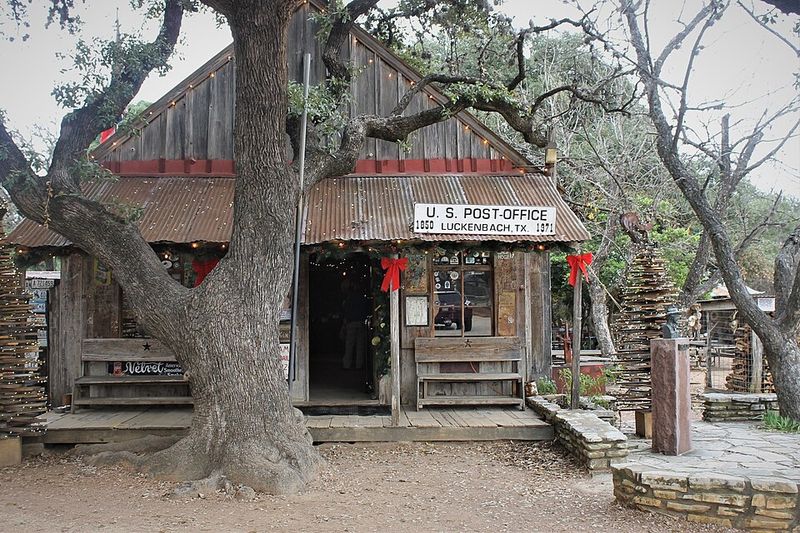
Luckenbach barely qualifies as a town by most definitions, and that is honestly a big part of its charm. A historic general store, a dance hall, and a scattering of oak trees make up most of what is here, and the whole setup leans into its own smallness with a kind of cheerful confidence.
The motto “Everybody’s Somebody” is painted on a sign and feels genuinely meant, not just marketing.
Music runs through Luckenbach’s veins in a way that feels unhurried and authentic. Acoustic jam sessions happen almost daily under the trees, with local musicians showing up to play for whoever wanders in.
It is the kind of atmosphere where you can sit on a wooden bench, listen to someone pick a guitar, and feel like time has slowed to a more reasonable pace. That part is real and worth experiencing at least once.
Waylon Jennings put Luckenbach on the map with a hit song in 1977, and the town has been navigating that fame ever since. On busy weekends, the crowds can make the whole rustic-escape fantasy feel a bit staged, with visitors lined up to take photos in front of the same signs.
The experience works best on a quiet weekday when the regulars outnumber the tourists. There is not much to do beyond soaking in the atmosphere, which is either exactly what you need or not nearly enough, depending on what kind of traveler you are.
Luckenbach is a vibe more than a destination, and that distinction matters.
6. Bandera
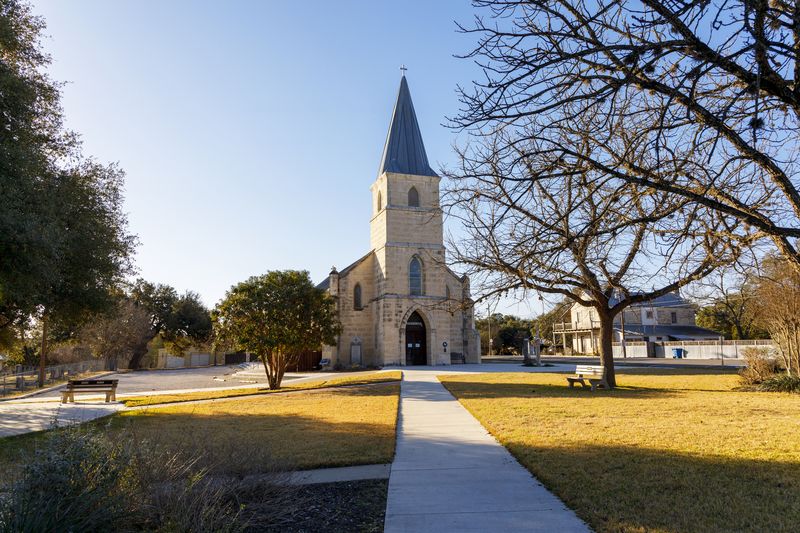
Bandera calls itself the Cowboy Capital of the World, and it commits to that identity with a seriousness that is both impressive and occasionally a little theatrical.
Horses tied to hitching posts along Main Street are a genuine sight, not a tourist gimmick, and the rodeo culture here has deep roots that predate the Instagram era by decades.
For anyone drawn to Western heritage, this town delivers something that feels earned rather than performed.
Dude ranches in the surrounding area offer an immersive experience for families and first-timers who want to try ranch life without the full commitment. Horseback riding, campfire evenings, and wide open Hill Country land are all part of the package.
The Frontier Times Museum gives historical context to frontier life and Native American history that is easy to overlook when the cowboy aesthetic is pulling all the attention.
The Medina River is a quieter alternative to the more crowded Hill Country waterways, with tubing and swimming that feel genuinely relaxed on the right day. Hill Country State Natural Area offers miles of trails for hiking and horseback riding that rarely feel overcrowded.
The honky-tonk music scene keeps evenings lively, with live performances that lean into traditional country sounds. Bandera is not without its charms, but the cowboy theme can start to feel repetitive after a full day, and the town’s limited size means you run out of new things to discover fairly quickly.
Come for a night, not a weekend, and you will leave satisfied.
7. Corpus Christi
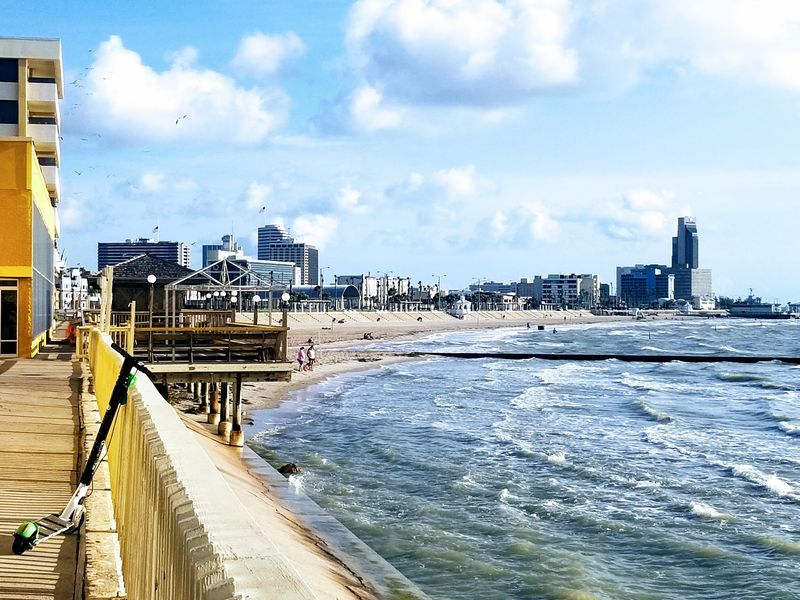
Corpus Christi carries a grand nickname, the Sparkling City by the Sea, and the coastline does have moments that justify the label. Padre Island National Seashore is a remarkable stretch of undeveloped barrier island that feels genuinely wild and expansive.
North Beach offers a more casual scene, but the water quality and beach conditions can vary enough to disappoint travelers who show up expecting a polished resort experience.
The wind here is constant and strong, which makes it a dream destination for windsurfers and kiteboarders but can make a simple beach afternoon feel more like a workout than a vacation.
Families sometimes find the windswept conditions less relaxing than expected, especially with young kids.
The city itself has a gritty, working-port character that feels authentic but can be jarring for visitors expecting a sleek coastal getaway.
The Texas State Aquarium is a genuine highlight, with exhibits focused on Gulf of Mexico marine life that are educational and well put together.
The USS Lexington, a World War II aircraft carrier turned museum, is the kind of attraction that earns its reputation and rewards curious visitors with real historical depth.
Corpus Christi’s cultural roots run through Mexican, Spanish, German, and American traditions, which shows up in the food scene in rewarding ways. Tex-Mex and fresh seafood are local standouts worth seeking out.
The city has more going for it than its reputation sometimes suggests, but first-time visitors expecting a pristine beach town may need to adjust their picture before arrival.
8. Goliad
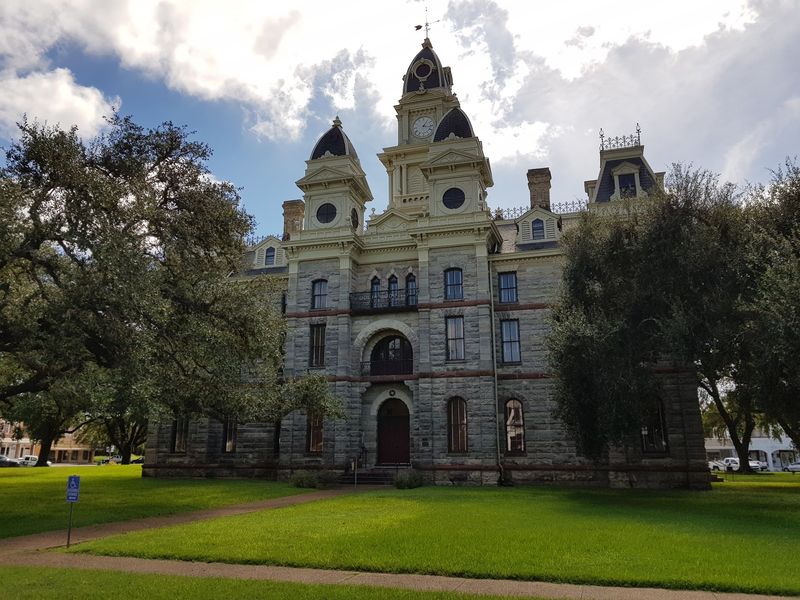
Goliad is one of those Texas towns where the weight of history feels genuinely present, not just referenced on a roadside marker.
The rallying cry “Remember Goliad” echoed through the Texas Revolution alongside the more famous “Remember the Alamo,” and yet Goliad tends to fly under the radar compared to its more celebrated counterpart.
That relative obscurity is actually part of what makes it interesting to visit.
Presidio La Bahia is the standout attraction, a remarkably preserved Spanish fort where one of the Texas Revolution’s most pivotal and tragic events unfolded. Mission Espiritu Santo sits nearby, a restored Franciscan mission surrounded by quiet grounds that feel unhurried and contemplative.
The Romanesque Revival courthouse at the center of downtown is surrounded by centuries-old oak trees that give the square a stately, timeless quality.
The Old Jail Museum doubles as the visitor information center, which is a very Goliad thing to do, practical and a little quirky at the same time. Paddling trails along the San Antonio River offer wildlife viewing in a setting that feels far removed from the usual tourist circuit.
The town is genuinely lovely for history enthusiasts, but for travelers without a strong interest in Texas history, Goliad can feel sparse. There is not a lot of commercial activity to fill an afternoon once the historical sites are visited.
It is a one-day destination at most, and knowing that going in will save you from the mild disappointment of arriving with grander plans.
9. Shiner
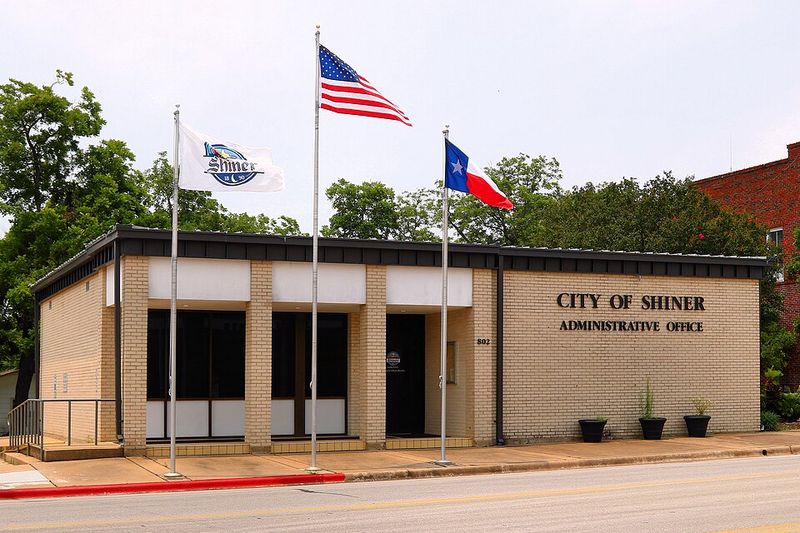
Shiner wears its nickname, the Cleanest Little City in Texas, like a badge of honor, and a walk through its downtown does nothing to contradict that claim.
The streets are tidy, the architecture is preserved, and the whole place has the kind of well-kept appearance that suggests a community that genuinely cares about where it lives.
There is something quietly admirable about that.
Founded in 1887, Shiner carries its Czech-German heritage in its building styles, community events, and local food traditions. The Edwin Wolters Memorial Museum gives visitors a thoughtful look at the town’s past through artifacts and displays that feel personal rather than institutional.
It is the kind of small museum where you actually read the placards instead of skimming past them.
Welhausen Park provides a green, shaded space that hosts local gatherings under large oak trees, and the surrounding countryside rolls out in the kind of farmland and ranch scenery that defines rural South Texas.
The pace of life in Shiner is genuinely slow, and for some travelers that is exactly the point.
For others, the lack of major attractions beyond the town’s tidy character and historical roots can make a visit feel shorter than expected. Shiner is a pleasant stop on a longer road trip rather than a destination that justifies a dedicated journey.
If you find yourself passing through on the way to somewhere else, pull over and spend an hour or two. You will leave with a warm impression, even if the town does not quite live up to the buzz it sometimes receives.
10. Victoria
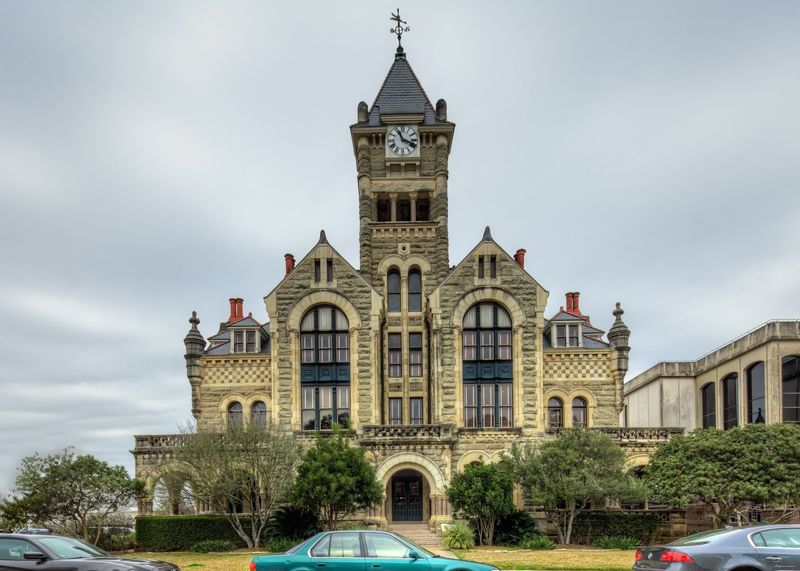
Victoria holds the title of one of Texas’s oldest cities, founded in 1824, and that long history gives it a layered identity that most visitors do not fully appreciate on a quick stop.
Its location at the crossroads of South Texas, roughly two hours from Houston, Corpus Christi, Austin, and San Antonio, means it has historically been a hub rather than a destination in its own right.
That in-between quality still defines how many people experience it today.
DeLeon Plaza anchors the historic downtown with a relaxed, shaded atmosphere, and the Victoria County Courthouse nearby is an architectural standout worth a slow walk around.
Driving tours of the city’s historic neighborhoods reveal a collection of older homes and civic buildings that tell the story of a community that has been around long enough to accumulate real character.
The Museum of the Coastal Bend covers 13,000 years of regional history, which is an ambitious scope for a city this size and mostly pulls it off.
The Texas Zoo takes a conservation-focused approach that feels thoughtful and educational, making it a solid option for families. Riverside Park along the Guadalupe River offers kayaking, disc golf, and garden spaces that locals clearly treasure.
The Victoria Educational Gardens is a peaceful corner of the park that deserves more attention than it typically gets. Victoria is a city that rewards patient, curious travelers who are willing to look past its unremarkable reputation.
It is not flashy, and the hype around it as a destination tends to be mild at best, but what is here is genuine and unhurried.
11. Gonzales
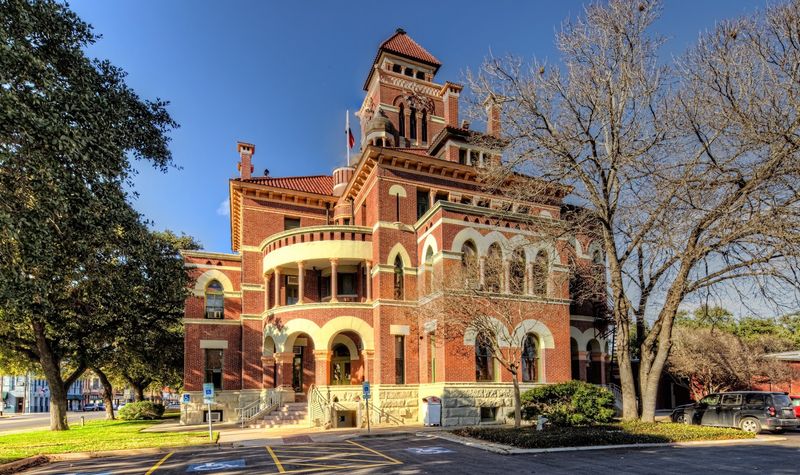
Gonzales carries a title that is hard to top: the Birthplace of Texas Freedom. The first shot of the Texas Revolution was fired here in 1835, and the town has never let anyone forget it.
The legendary “Come and Take It” cannon is more than a local symbol, it is a statement of defiance that still resonates in a place where that history feels genuinely close to the surface rather than hidden away in a display case.
The downtown square is centered around a Romanesque Revival courthouse that anchors the space with the kind of architectural confidence that small Texas towns sometimes pull off better than big cities.
The Gonzales Memorial Museum houses the actual cannon, and seeing it in person carries more weight than expected.
The Old Jail Museum adds texture to the town’s story with exhibits that cover both the revolutionary era and everyday frontier life.
Gonzales Pioneer Village Living History Center offers a hands-on look at 19th-century life that works especially well for visitors who learn better by seeing than reading.
Palmetto State Park, just outside town, is one of the more underrated natural areas in South Texas, with dwarf palmettos, hiking trails, and kayaking along the San Marcos River that feel genuinely off the beaten path.
The park alone can justify the drive for outdoor enthusiasts. Gonzales is a town that punches above its weight historically but can feel thin on things to do once the museums close.
A day trip works well here; an overnight stay requires more planning than the town currently supports.
