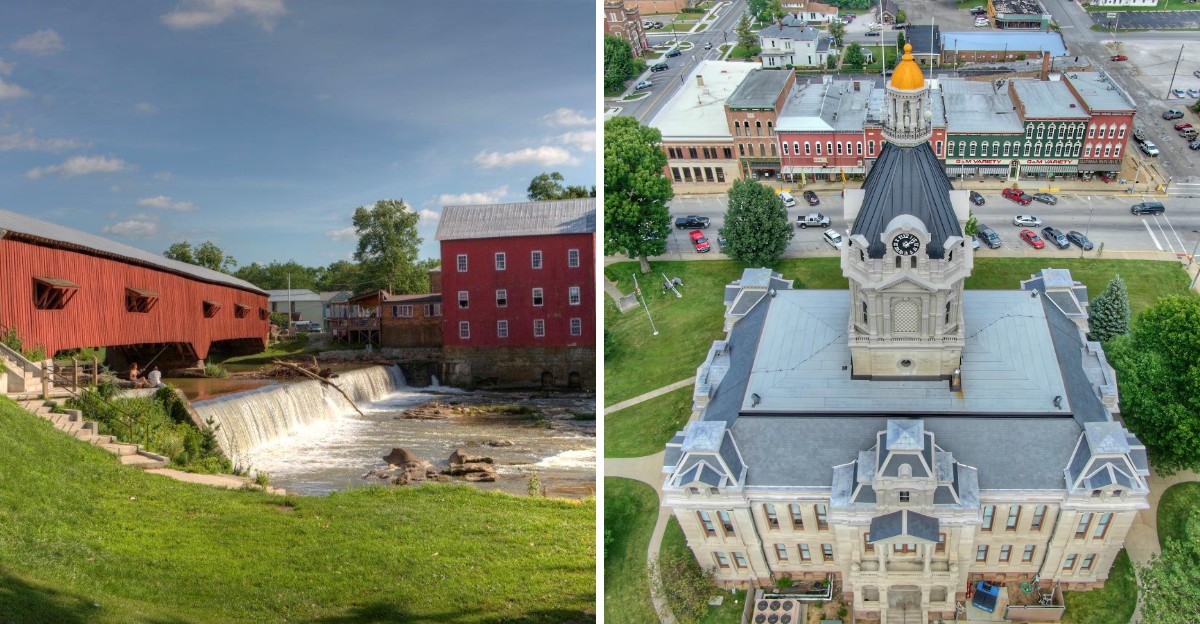
More than 2 million people squeeze into one rural county for a ten-day festival about wooden bridges. That’s not a typo.
It’s a yearly autumn stampede toward poplar trusses and kettle corn.
The bridges are old, and some are tired. One local commissioner says four of them have significant structural issues.
Fixing them won’t be cheap, and nobody has picked a final plan yet.
I love this corner of Indiana, and I believe it deserves smarter visitors. Traffic during peak weekends has been called wild.
Scooters now weave through the crowds too.
So how do you enjoy these routes without adding to the jam? I think the answer starts with knowing what you’re driving into.
Let’s look at what makes this place worth protecting.
Thirty-One Bridges Is A Lot Of Love For One Little County
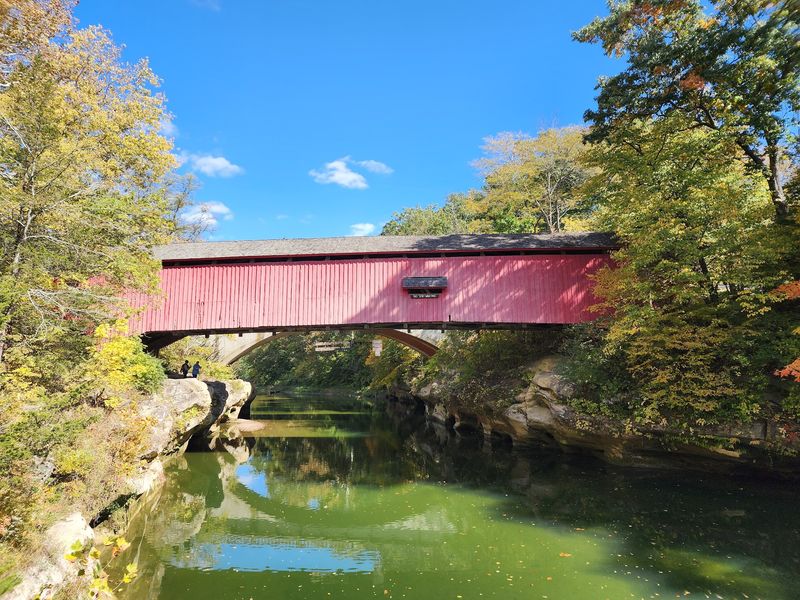
Parke County, Indiana, calls itself the Covered Bridge Capital of the World. With 31 historic bridges still standing, the title feels earned.
The county once had as many as 53 of them. Losing nearly half makes every survivor feel a little more precious.
Most were built from poplar wood in the Burr Arch style. Builders like J.J.
Daniels, J.A. Britton, William Hendricks, and Henry Wolf left their marks across the hills.
All of the standing bridges joined the National Register of Historic Places on December 22, 1978. That’s a group honor most families can’t even manage for a holiday photo.
So why does this matter for your trip? These aren’t theme park props built last spring.
They’re working pieces of history that carry real weight every single day. Heavy traffic, big crowds, and constant use all add up over time.
Treat each crossing like you’d treat your grandma’s antique table. Drive slowly, keep honking to a minimum, and don’t climb anything that looks fragile.
A little respect goes a long way here. The bridges have waited well over a century for you, after all.
Two Million Festival Fans Can Turn Country Roads Into Parking Lots
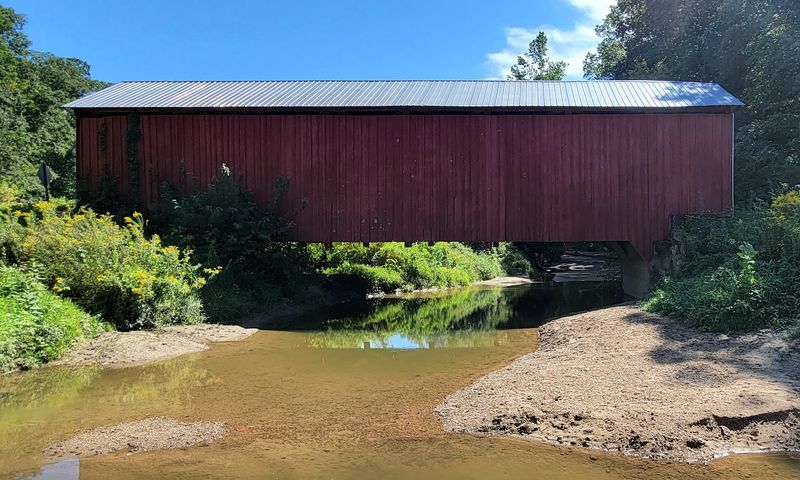
Indiana’s largest festival happens in a county of about 16,000 people. Do that math and you’ll understand the traffic problem fast.
The Parke County Covered Bridge Festival began in 1957. It now draws more than 2 million visitors each year across nine communities.
It usually starts on the second Friday in October and runs for ten days. In 2026, the dates are October 9 through 18.
Visitors have described festival traffic as wild. Scooters zipping through crowded areas have made getting around even trickier.
Rural roads were never designed for this many bumpers at once. When everyone heads for the same spot at noon on Saturday, nobody moves very far.
Here’s my advice for keeping your sanity. Aim for weekdays if your schedule allows it.
Arrive early, pack snacks, and pick one or two towns instead of trying to hit all nine. Your patience and your gas tank will both thank you.
The festival is a blast when you plan around it. Rushing it, on the other hand, turns crafts and caramel corn into a test of endurance.
Four Aging Bridges Need Help Before They Need A Rescue
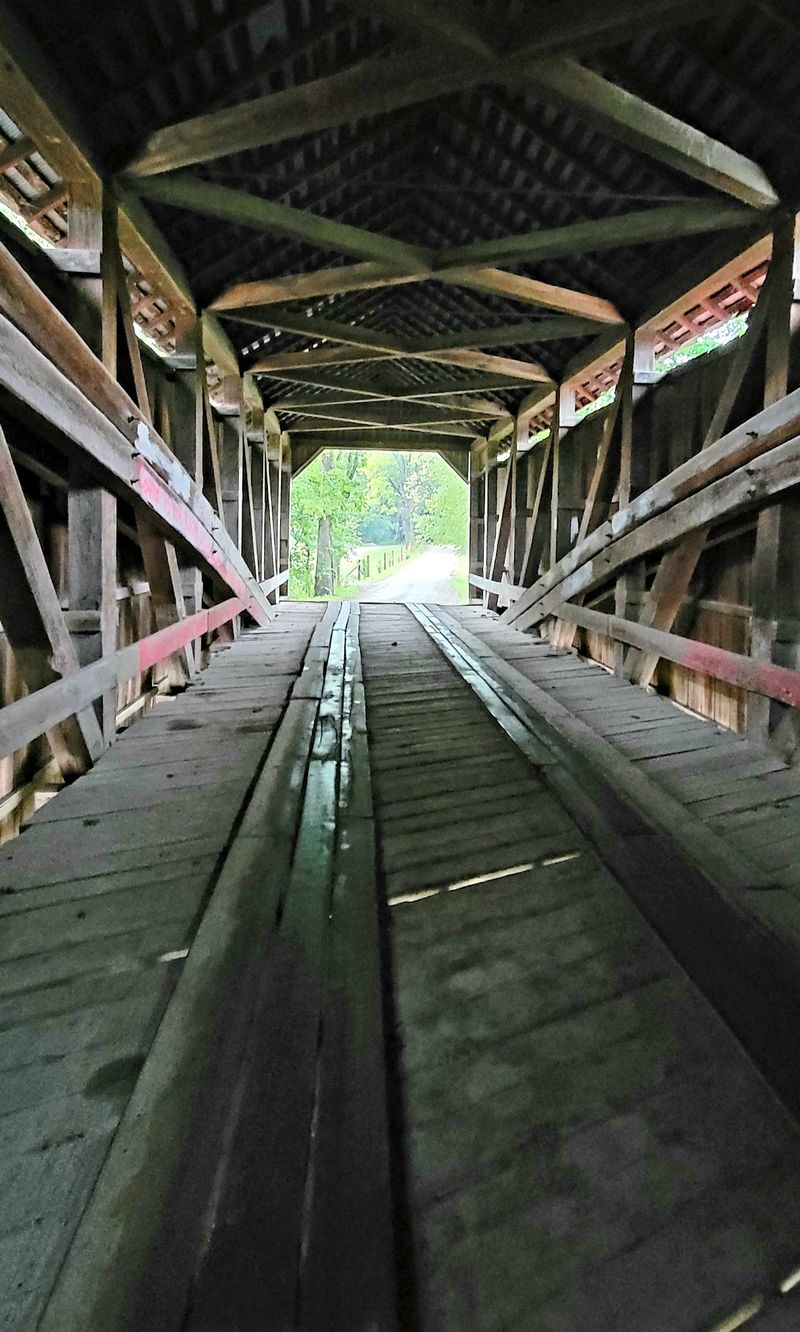
Nivens, Sim Smith, Portland Mills, and Conley’s Ford. Those four names came up when Parke County Commissioner Jim Meece raised concerns about significant structural issues.
Fixing them will be expensive. Officials still have to decide what comes next for each one.
One option is reinforcing them for vehicles. Another is making them pedestrian-only, and a third is preserving them mainly as historical pieces.
Some bridges may even close to cars during the festival so walkers can use them safely. That sounds like a fair trade to me.
Portland Mills is especially worth knowing about. Henry Wolfe built it in 1856, making it one of the oldest covered bridges in the county.
It’s also among the bridges moved from their original spots, along with Beeson, Billie Creek, and Catlin. These structures have already had full, busy lives.
What can you do? Obey every posted sign, weight limit, and closure without grumbling.
Consider parking and walking when it’s allowed. A short stroll across old timbers beats watching a minivan rumble over them anyway.
Color-Coded Routes Make Getting Lost Almost Impossible
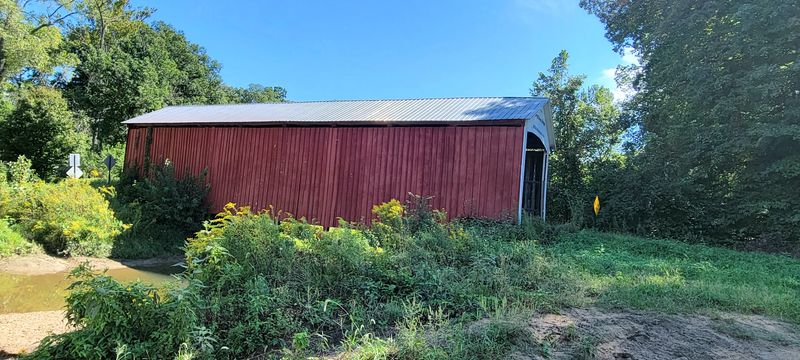
Five official driving routes link the county’s covered bridges together. Each one has its own color, which makes planning feel a bit like a board game.
The routes typically begin and end in Rockville. That’s handy, since Rockville is the county seat and the main hub for visitors.
Choosing one route per day keeps things relaxed. Trying to cram all five into an afternoon is how road trips turn grumpy.
Spreading out also helps with crowding. If every car chases the same famous bridge, the quieter routes sit almost empty.
Pick a less popular color and you might have a bridge nearly to yourself for a moment. That’s a pretty sweet reward for a little flexibility.
Bring a paper map or download one before you go. Rural signals can get spotty, and backroads love to confuse GPS apps.
Watch for farm equipment and buggies too. Parke County has a notable Amish community, and sharing the road kindly is part of the deal.
Slow and steady really is the best speed here. The scenery isn’t going anywhere.
Rockville Is Your Smartest First Stop
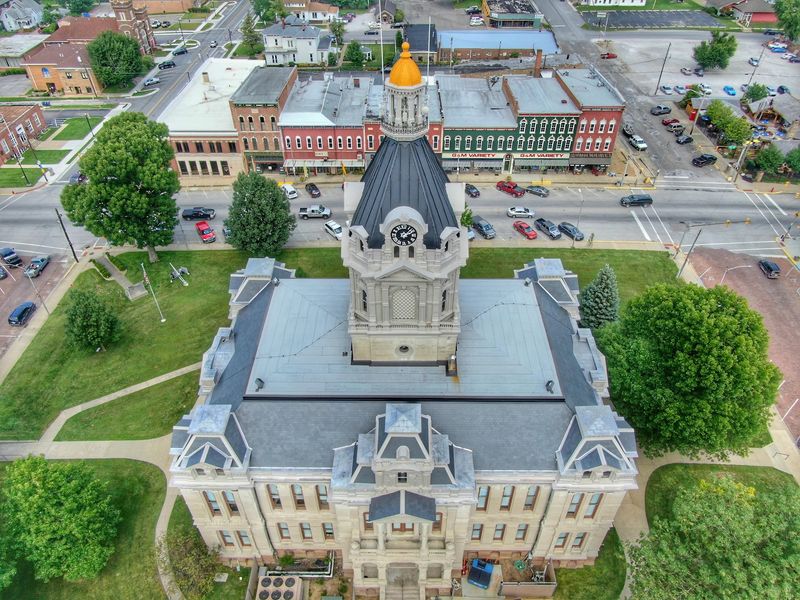
A visitor center inside an 1883 train depot? That’s a charming way to start any adventure.
The Parke County Visitor’s Center sits at 401 E. Ohio St., Rockville, IN 47872.
It’s the perfect place to grab maps and get your bearings.
Rockville is the largest community in Parke County. It’s also where the color-coded bridge routes usually loop back.
Shopping and antique stores line the area around Rockville Square. Browsing there gives you a break from the steering wheel.
Then there’s the Old Jail Inn. Yes, you can stay overnight in converted jail cells, and guided paranormal investigations are on the menu too.
It’s easily the quirkiest bedtime story in this part of Indiana. Just don’t expect room service through the bars.
Rockville Lake offers another option when you need fresh air. A quiet hour by the water balances out a busy bridge day.
Basing yourself here also cuts down on random driving. Fewer extra miles means fewer cars clogging those narrow country roads.
Bridgeton Packs Two Centuries Of History Into One Busy Spot
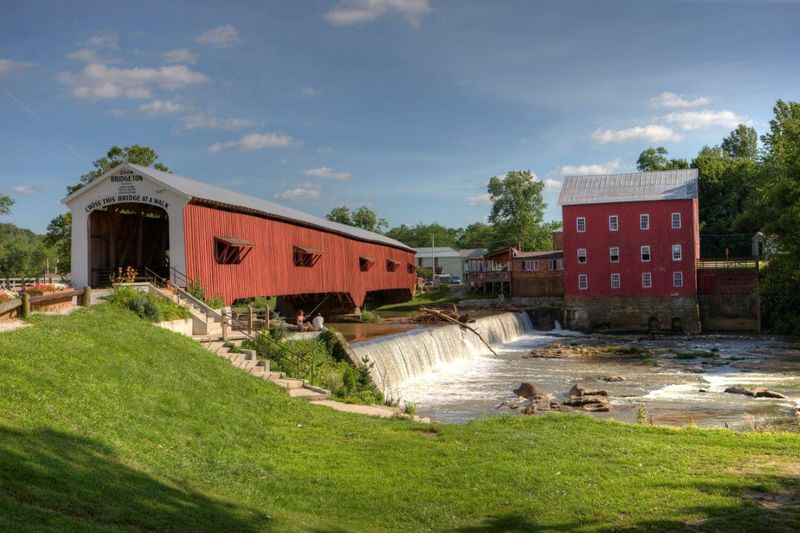
The Bridgeton Mill dates to 1823. That’s older than plenty of states’ official birthdays.
Bridgeton becomes the largest gathering spot for vendors and activities during the festival. The festival area sits at 8104 Bridgeton Rd, Bridgeton, IN 47836.
Beyond the mill, you’ll find the Bridgeton Covered Bridge. The mill and bridge together make one of the most photographed scenes around.
Collom’s General Store adds old-time charm. The 1878 House and the 1822 Case Log Cabin round out the historic lineup.
Because Bridgeton is so popular, timing really matters. Showing up at peak hours on a festival weekend can mean a long, slow crawl in.
Early mornings are your friend here. You’ll enjoy the history before the biggest waves of visitors arrive.
Wear comfy shoes and plan to walk. Old towns weren’t built with giant parking lots in mind, and that’s part of their charm.
Bridgeton shows exactly why overtourism worries people. A tiny historic village can only hold so many folks before everyone’s experience suffers.
Mansfield And Mecca Bring Mills, Schoolhouses, And Small-Town Charm
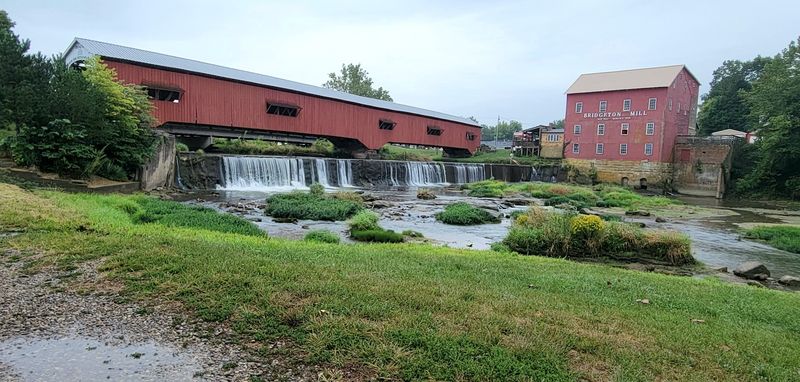
Mansfield Village stays busy during festival time. Vendors gather near the Historic Mansfield Roller Mill and its neighboring covered bridge.
It’s a lively place for browsing crafts. It’s also a reminder of how mills and bridges once worked side by side in rural Indiana.
Mecca offers a slightly different flavor. You’ll find a covered bridge plus a one-room schoolhouse there.
Kids usually love seeing a school with exactly one room. Parents usually love pointing out how easy modern kids have it.
Spreading your visit across smaller communities helps everyone. Crowds thin out when people don’t all pile into one spot.
The festival covers nine communities for a reason. Each one adds its own personality and its own share of crafts and food.
Try pairing a busy stop with a quieter one. You’ll get the buzz and the breathing room in the same afternoon.
Local merchants appreciate steady visitors throughout the day too. Balanced tourism feels better for hosts and guests alike.
Three State Parks Give You Room To Breathe
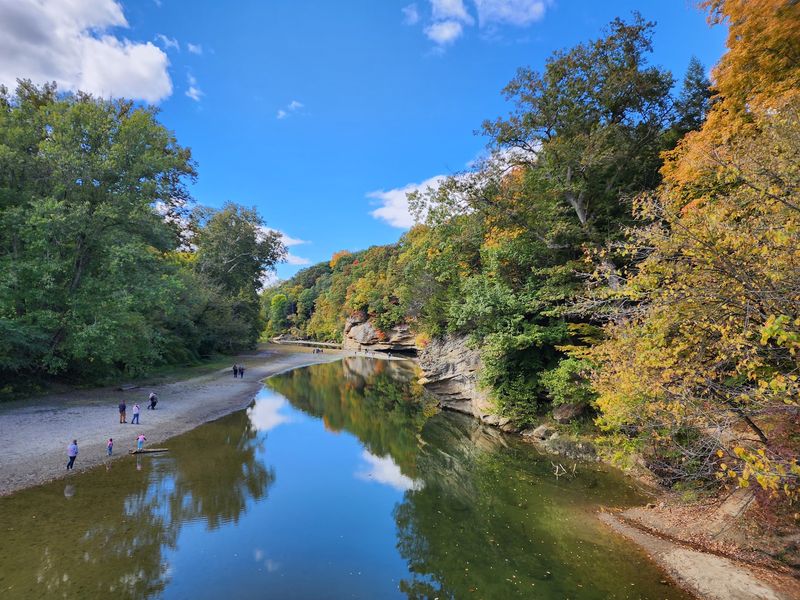
Need a break from bumper-to-bumper bridge hunting? Parke County has three big outdoor escapes waiting.
Turkey Run State Park and Shades State Park both call this area home. Raccoon State Recreation Area adds even more space for fresh air.
Rivers here offer kayaking, canoeing, and fishing. Paddling past fall trees is a calm way to see the countryside.
Outdoor time also eases pressure on the bridges themselves. Every hour spent on a trail is an hour not spent idling in festival traffic.
Families with restless kids will appreciate the change of pace. Running around outside beats asking how much longer from the back seat.
Plan ahead, especially in October. Popular outdoor areas can draw crowds during peak foliage season too.
Pack water, layers, and good shoes for uneven ground. Autumn weather in Indiana can swing from chilly to warm in one day.
Leave no trace while you’re out there. Protecting nature goes hand in hand with protecting old bridges.
Be The Kind Of Visitor This County Hopes For
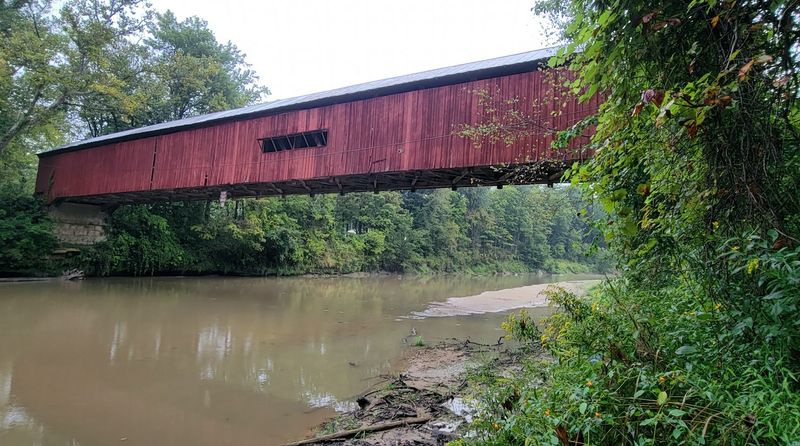
Jackson Covered Bridge holds the title of longest single-span covered bridge in Indiana. Crooks Bridge, built in 1856, ranks among the county’s oldest.
Treasures like these deserve visitors who think ahead. Overtourism doesn’t come from one person, but every person can help ease it.
Visiting outside festival dates is a great start. Spring, summer, and early fall still offer beautiful drives with far fewer cars.
Buying from local markets helps too. The county’s Amish community contributes fresh produce and goods worth taking home.
Park only where it’s allowed. Blocking a farm lane for a selfie isn’t a great look for anyone.
Keep noise low near homes and farms along the routes. People live and work here every day, not just in October.
Follow any bridge closures with a smile. Those decisions protect structures that can’t be easily replaced.
Do all that, and you become part of the solution. The bridges stand a better chance of greeting the next generation of road trippers.
