Thirty years in the Marine Corps prepared one Pennsylvania veteran for a very different mission: transforming his family’s 600-acre farm into an award-winning agricultural business.
The property has belonged to the same family for more than a century, but its current owner took a different approach to raising livestock. Instead of relying on conventional feedlots, he focused on grass-fed cattle, healthy soil, and grazing methods designed to protect the land.
I love how his story connects military service with a commitment to preserving family farmland. What began as a traditional agricultural operation has become a nationally recognized example of regenerative farming.
The recognition became official when the veteran received a prestigious state entrepreneurship award for his leadership and innovation. His work now reaches beyond his own pastures, as he helps other farmers build sustainable businesses.
A Veteran’s Second Mission Starts With Six Hundred Acres
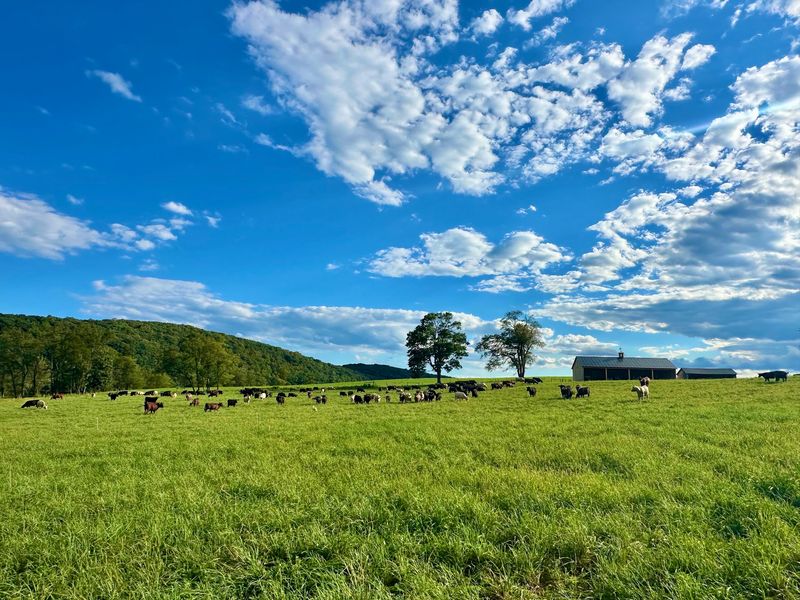
Thistle Creek Farms spans approximately 600 acres in Huntingdon County, Pennsylvania, where the Lake family has farmed since 1919.
Owner George Lake served 30 years in the U.S. Marine Corps before applying his experience to the family’s agricultural operation.
He transformed the property into a nationally recognized regenerative livestock farm specializing in grass-fed beef.
In January 2026, Lake became the inaugural recipient of the Pennsylvania Veteran Ag Entrepreneurship Award, recognizing his agricultural innovation, business leadership, and commitment to mentoring fellow farmers.
On November 10, 2026, Pennsylvania Agriculture Secretary Russell Redding and military officials visited the farm to honor his achievements and highlight the contributions of veteran farmers.
Running a farm is a bit like running a mission. Every day has goals, surprises, and a team that depends on good decisions.
Here, the main goal is simple to say and hard to do well. Raise healthy cattle on healthy grass, and let the land do much of the heavy lifting.
What makes the story stick is the switch from service to stewardship. Plenty of veterans look for meaningful work after leaving the military, and farming offers it in big doses.
You get fresh air, real responsibility, and results you can see from the porch. You also get mud, long hours, and cows with strong opinions about gates.
The family approach matters too. Thistle Creek Farms isn’t a faceless company with a corporate logo stamped on a box.
It’s a working family operation where the people raising the beef are the same people selling it. That kind of direct connection feels rare, and honestly, pretty refreshing these days.
Grass Is the Whole Menu, and the Cows Seem Fine With It
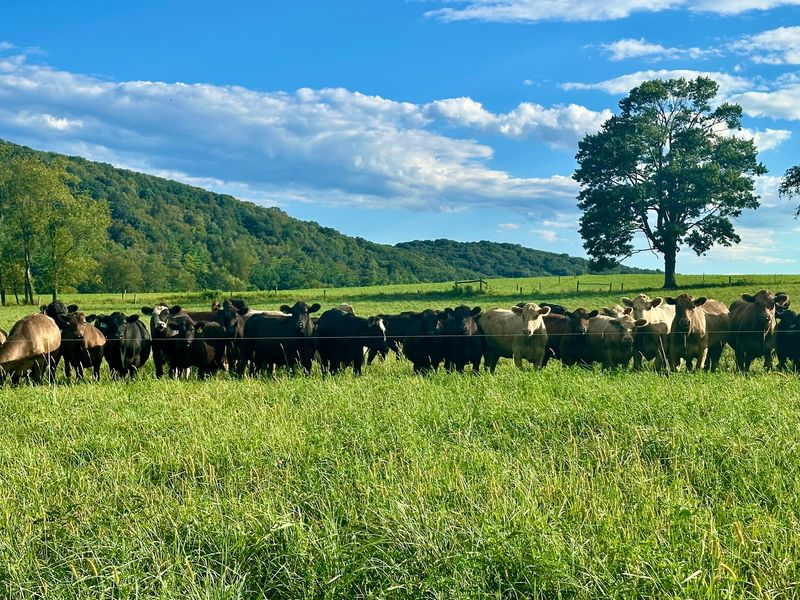
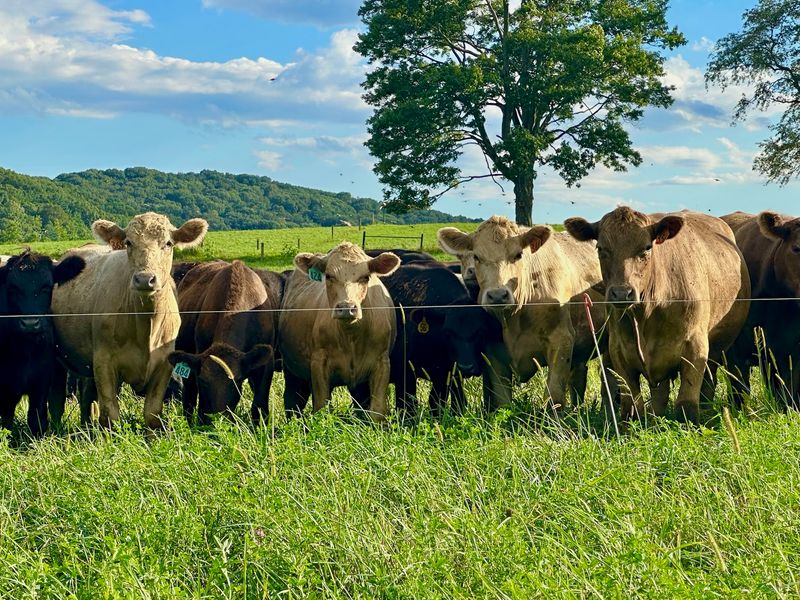
No corn buffet, no fancy feedlot snacks. The cattle at Thistle Creek Farms are raised on grass, which is exactly what cows evolved to eat.
That choice shapes everything about how the farm runs. Pastures need careful management, because the grass is basically the kitchen, the pantry, and the dinner table combined.
Grass-fed beef has earned a loyal following for good reasons. Many people like knowing their meat came from animals that spent their lives outdoors grazing.
Flavor is part of the appeal as well. Grass-fed beef often tastes richer and a little more earthy than the standard grocery store package.
Here’s a helpful tip if you’re new to it. Grass-fed beef is usually leaner, so it cooks faster than many people expect.
Pull steaks off the heat a bit early and let them rest. Your patience will be rewarded, and your smoke detector will stay quiet.
Raising cattle this way takes more time and more land than shortcut methods. That’s one reason a farm with roughly 600 acres makes sense for this style of ranching.
The cows get room to roam, and the grass gets time to grow back. Everyone wins, especially the folks who end up firing up the grill later.
Healthy Steak Begins Underground, Believe It or Not
Ask a soil-focused farmer about beef, and the conversation might start with dirt. That’s not a joke at Thistle Creek Farms, where good beef begins from the soil on up.
Healthy soil grows healthy grass. Healthy grass feeds healthy cattle, and the whole chain shows up on your dinner plate.
It sounds simple, but it requires real attention. Farmers who think this way watch how grazing affects roots, water, and the tiny living things beneath the surface.
Moving cattle thoughtfully lets pastures rest and recover. Rested grass grows back stronger, and stronger grass protects the soil from washing away in heavy rain.
I like how this approach treats the farm as one connected system. The cows aren’t just livestock here, they’re part of the land care plan.
Their grazing, walking, and natural fertilizer all play a role. It’s a little like having a team of very large, very hungry landscapers on payroll.
Conservation-minded farming like this is the kind of work that earns respect from neighbors and farm groups alike. It also leaves the ground in better shape for future generations of the family.
For anyone who gardens at home, there’s a lesson here too. Feed your soil first, and your plants will thank you later.
Prepare to Be Surprised by That Small Farm Stand
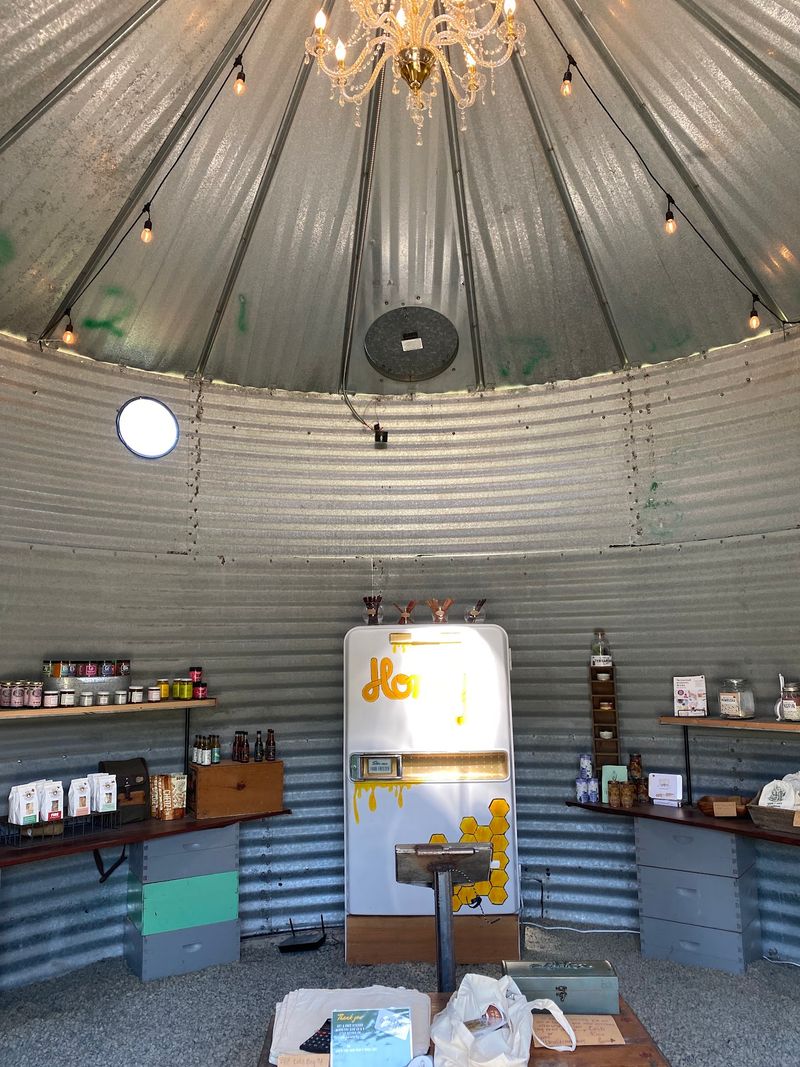
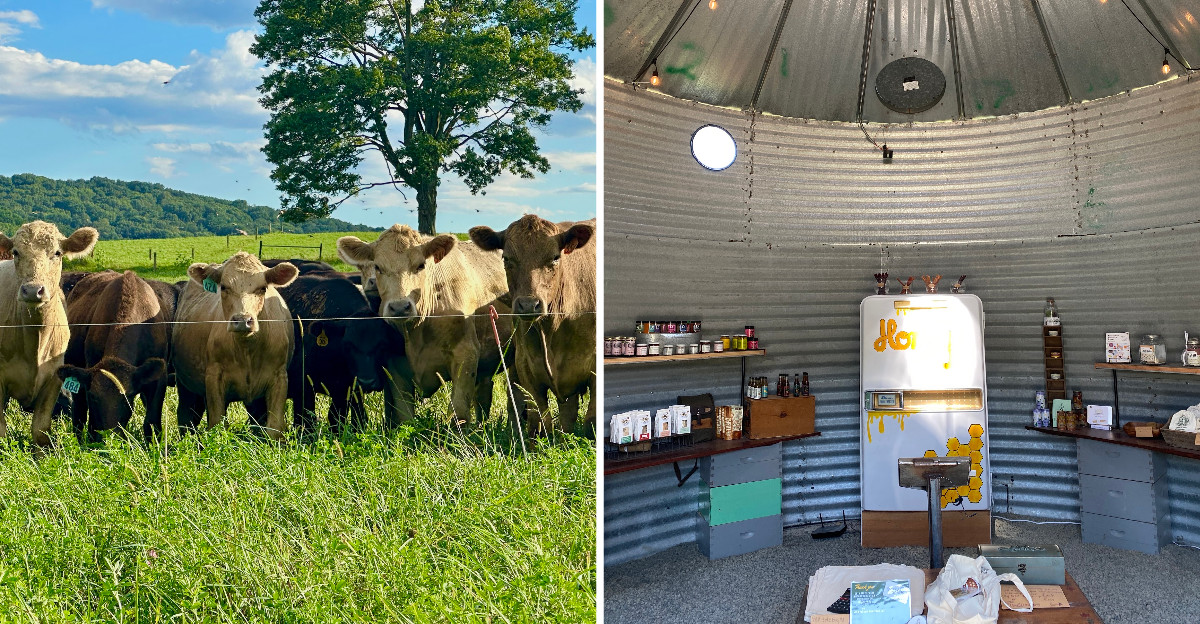
Visitors have described a small farm stand offering a surprisingly varied selection of products from Thistle Creek Farms.
The business also sells grass-fed beef and lamb through direct orders, including individual cuts and larger portions. Anyone planning a purchase or farm visit should contact the owners first to confirm current availability and pickup arrangements.
The star, of course, is the farm’s own grass-fed beef. Buying it here means skipping the middleman and getting meat raised right on the surrounding pastures.
That’s about as close to farm-to-table as most of us will ever get. The table is yours, and the farm is basically next door to the cash box.
A smart move is bringing a cooler when you visit. Frozen beef travels better that way, especially on warm summer drives through Pennsylvania.
It also helps to plan your meals before you go. A little list keeps you from grabbing everything in sight, though nobody would blame you for trying.
Farm stands like this support the family directly. Every purchase helps keep the pastures green and the cattle grazing for another season.
There’s also a nice personal touch to shopping somewhere this small. You know exactly where your food came from, and that beats reading tiny print on a supermarket label.
This Farm Has Become a Classroom for Other Farmers
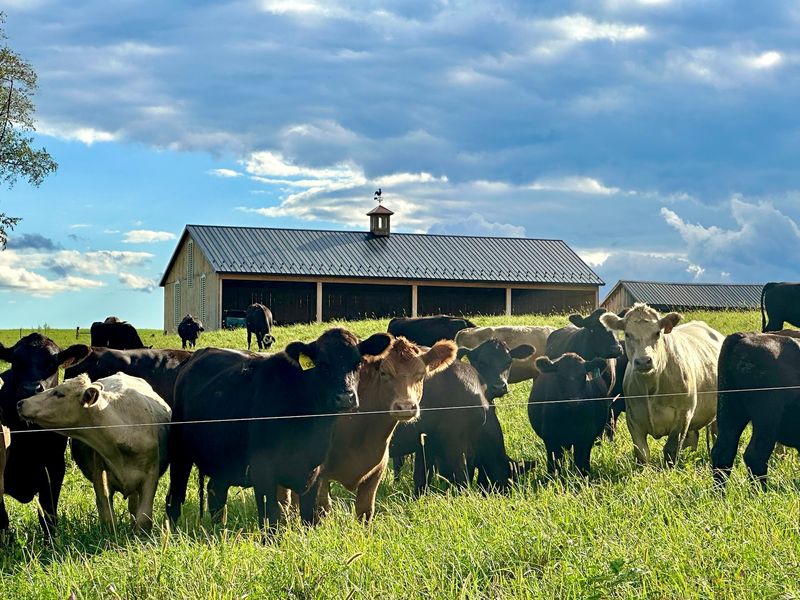
Thistle Creek Farms has welcomed educational visitors and agricultural researchers interested in learning about its regenerative farming methods.
The farm’s approach to soil health, rotational grazing, and livestock management offers valuable lessons for students and other farmers, although organized school visits should be arranged directly with the owners rather than assumed to be regularly available.
Students often remember these trips for years. Standing near real cattle beats staring at a textbook picture of a cow every time.
Farm tours teach lessons that stick. Kids see how grass, soil, animals, and people all work together to put food on the table.
They also learn that farming is hard work. Fences need fixing, animals need checking, and the weather rarely asks permission before changing plans.
Parents and teachers can make these visits even better with a little prep. Talk about grass-fed cattle beforehand, then let kids come up with questions to ask.
Closed-toe shoes are a must on any farm. Mud happens, and so do surprises that nobody wants on their sneakers.
I believe every kid deserves at least one real farm visit growing up. It builds respect for farmers and curiosity about the natural world.
A farm run by a veteran family adds another layer to the lesson. Students see that service can take many forms, including caring for land and feeding a community.
Cameras Have Rolled on These Pastures Before
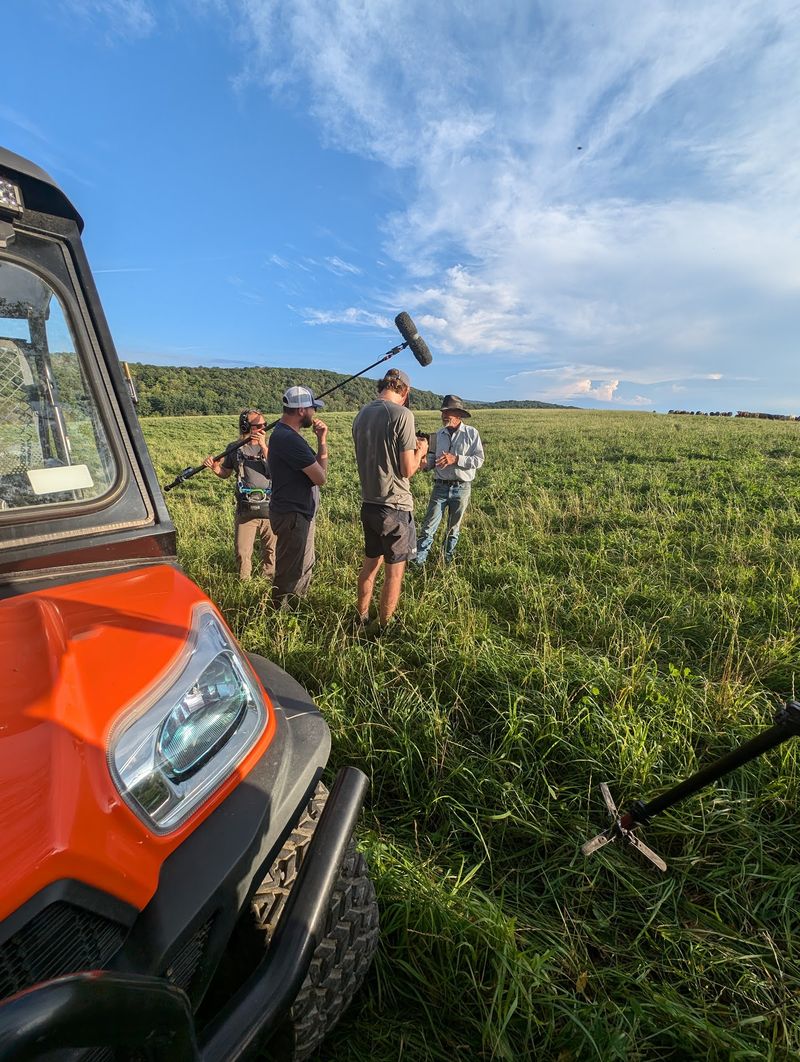
Thistle Creek Farms was featured in the 2025 documentary series Farms of America, appearing in Season 1, Episode 8.
The episode follows George Lake’s journey from military service to regenerative agriculture, showing how his family raises grass-fed livestock while sharing farming knowledge with others.
That says a lot about the story this family has to tell. A veteran-led, grass-based beef operation makes compelling viewing for anyone curious about modern agriculture.
Farming stories are having a moment right now. More people want to know how their food is raised, and farms like this offer real answers.
The scenery helps, too. Rolling Pennsylvania hills and grazing cattle look great on camera without any special effects.
For the family, sharing their work publicly is a form of teaching. Every interview or tour helps more people understand what grass-fed ranching really involves.
That kind of openness builds trust. When a farm welcomes cameras onto its land, it shows confidence in the way it operates.
If you enjoy farm documentaries, this is a fun reminder that those stories come from real places. Somewhere behind every scene is a family checking fences and moving cattle.
Watching a show about farming is great. Buying beef from a farm that’s been featured on camera feels like getting a behind-the-scenes pass.
Your Kitchen Is About to Get a Serious Upgrade
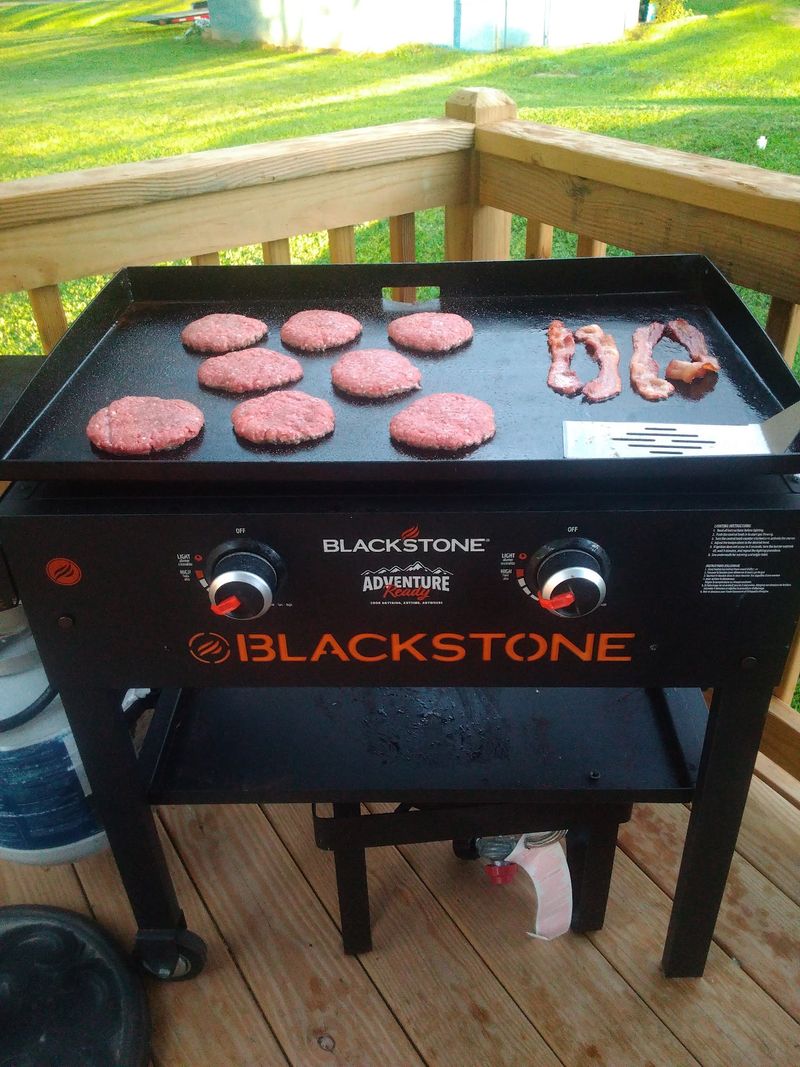
Good beef deserves a little respect in the kitchen. Grass-fed cuts from Thistle Creek Farms are a great excuse to brush up on your cooking skills.
Start by thawing meat slowly in the refrigerator. Rushing it on the counter can hurt both texture and safety.
Next, let steaks sit out briefly before cooking. Slightly warmer meat cooks more evenly, so the outside doesn’t finish long before the middle.
Salt generously and keep seasonings simple at first. Great beef carries plenty of its own flavor and doesn’t need a costume.
A hot cast iron skillet works wonders. Sear hard on each side, then lower the heat if thicker cuts need extra time.
Since grass-fed beef tends to be leaner, a meat thermometer becomes your best friend. Checking temperature beats guessing and sadly overcooking a beautiful steak.
Ground beef shines in everyday meals, too. Burgers, tacos, chili, and meatballs all get a flavor boost from quality meat.
Resting cooked meat for several minutes is the final secret. The juices settle back in, and every bite stays moist instead of running across your cutting board.
Treat good beef this way, and dinner turns into an event. Your family might start asking when the next farm run is happening.
Friendly Faces Make the Beef Taste Even Better
Behind every good farm is a family that cares. At Thistle Creek Farms, the people are as much a part of the experience as the pastures.
Small family farms run on relationships. Customers come back because they trust the folks raising their food and enjoy chatting with them.
That personal connection is hard to find at a big box store. Nobody at a supermarket meat counter can tell you which field your steak grazed in last spring.
Here, the family can talk about their methods, their land, and their cattle. Those conversations often turn casual shoppers into longtime supporters.
Supporting a veteran-owned business in Pennsylvania carries extra meaning for many people. It’s a way to say thanks with your shopping list instead of just words.
Every sale helps a local family keep doing meaningful work. It also keeps farmland working instead of turning into another empty lot.
A good habit is asking questions when you buy from local farms. Most farmers love sharing what they do, and you’ll learn something useful every time.
Thistle Creek Farms shows how service, soil, and a strong family can build something lasting. That’s a recipe worth celebrating, preferably with a perfectly cooked burger in hand.
