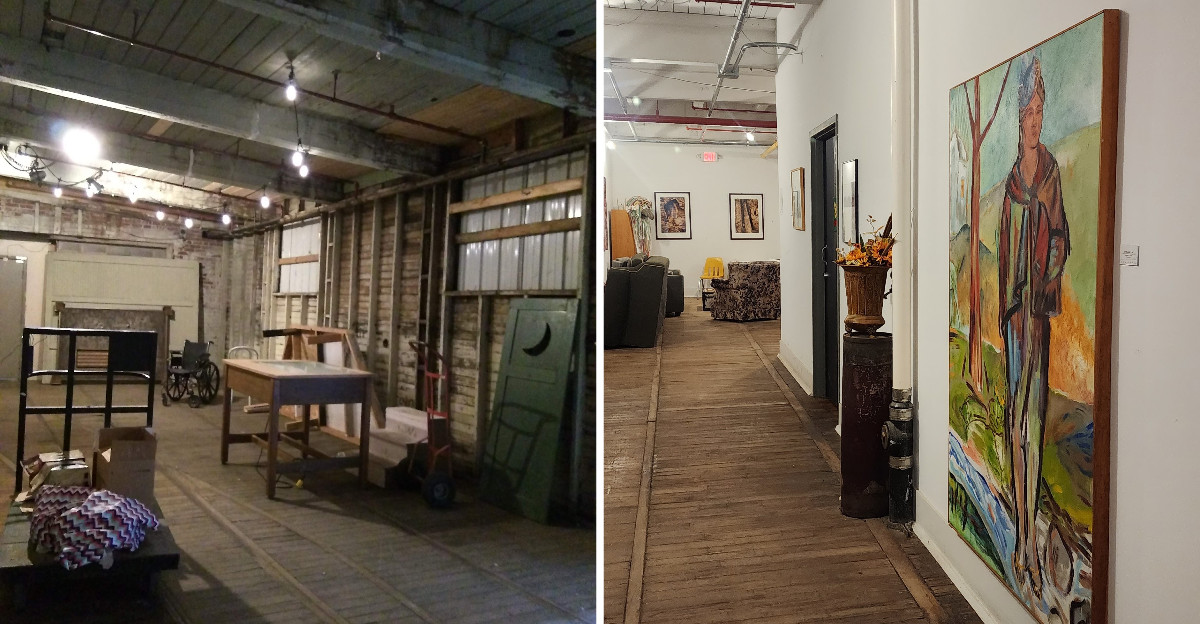
Pajamas once rolled off the production lines here, but today the same historic walls are filled with pottery, paintings, woodworking, and small businesses. I love that the pajamas disappeared, but the creativity found a way to stay.
Spanning an astonishing 300,000 square feet, this former Pennsylvania factory has become a community of artists and entrepreneurs. Eight connected buildings surround a courtyard, with studios, galleries, workshops, and even a coffee shop giving the old industrial complex an entirely different purpose.
I can’t imagine how much work went into turning such an enormous property into something people could enjoy again. The building still carries its manufacturing history, but its hallways now lead to places where people create rather than mass-produce.
From hands-on art classes to community gatherings and special events, the former factory offers plenty of reasons to explore beyond its unusual name.
The Pajama Origin Story Is Better Than You Would Guess
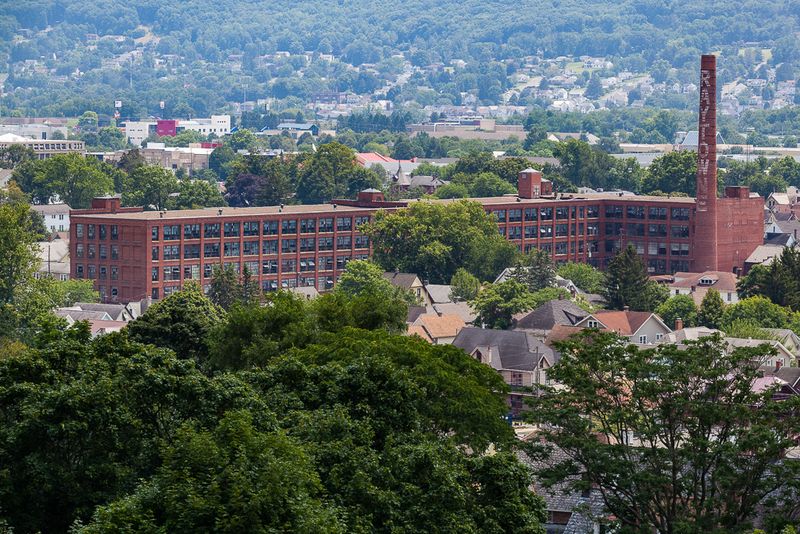
Yes, pajamas really were made here. The Pajama Factory in Williamsport takes its name from the building’s long run as a sleepwear plant.
Earlier, the site served other industries before the pajama years. Today, the name sticks around as a friendly nod to that cozy past.
I like that nobody tried to rename it something fancy. A creative hub called the Pajama Factory is instantly memorable, and it’s a little funny too.
The building itself is a big, rambling brick complex. Long hallways and many levels give it the feel of a small town indoors.
Old factories often sit empty for years. This one found new life as a home for artists, makers, and small businesses instead.
That reuse matters in a place like Williamsport. It keeps local history visible while giving creative people room to work.
Walking the halls, you can still sense the industrial bones. Big spaces, sturdy construction, and plenty of character remain part of the charm.
History buffs will enjoy spotting those factory details. Art lovers will enjoy what fills them now.
So the name isn’t just a cute gimmick. It tells you exactly where this creative village came from, and it makes a great conversation starter too.
Bring Comfortable Shoes Because 300,000 Square Feet Is No Joke
Three hundred thousand square feet adds up fast. That’s the kind of space where a quick look turns into an afternoon.
The building spreads across multiple levels, with studios, shops, and galleries lining its historic hallways. Many are working spaces rather than walk-in attractions, so visitors should check which studios are open before exploring.
Local art shows up throughout the building. That means wandering is half the fun, since something new might hang around any corner.
My advice is simple. Don’t rush it, and don’t stick to just one floor.
Many studios belong to working artists, so hours can vary. Some doors will be open, while others might be closed when you stop by.
That’s normal for a working creative space. Checking event schedules ahead of time can help you catch more activity.
Free parking is available on the lot and the street. That makes a long, slow visit much easier to plan.
Kids who love exploring will probably treat it like a treasure hunt. Adults might too, honestly.
The sheer size is a big part of the appeal. You’re not visiting one shop here, you’re visiting a whole maze of small creative worlds.
Plan for more time than you think you need. This Pennsylvania landmark rewards the curious.
Fuel Up First at the Coffee Shop Everyone Mentions
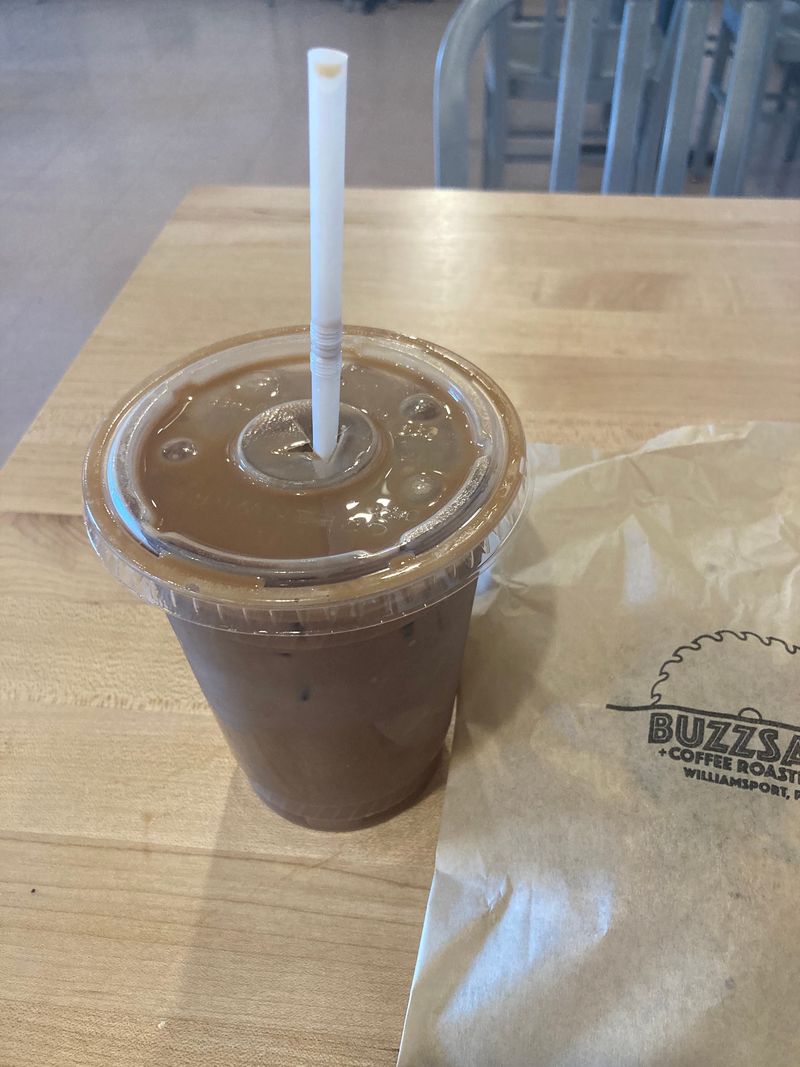
Caffeine and art make an excellent team. Buzzsaw Coffee operates inside the building, giving explorers a handy place to start.
Grabbing a drink before wandering just makes sense. A warm cup turns a hallway stroll into a relaxed little adventure.
The coffee shop also helps the whole place feel social. It’s a natural spot to pause between studios and galleries.
Buzzsaw Coffee gives visitors a convenient place to pause between studios. The cafe serves coffee and other refreshments, making it a natural stop before or after exploring the complex.
I like how the coffee shop anchors the experience. It gives artists, neighbors, and visitors a shared spot to cross paths.
Shared spaces like this help a creative community grow. Good ideas often start over a casual chat and a hot drink.
If you’re visiting from out of town, this is an easy first stop. Get your bearings, sip slowly, and decide which floor to tackle first.
Hours can change, so check before you go. That simple step saves disappointment.
A creative village needs fuel, after all. Painting, pottery, and woodworking all take energy, and so does exploring every level.
Consider this your pit stop. Then the real wandering can begin.
Clay, Sawdust, and Paint Are Part of the Everyday Scenery
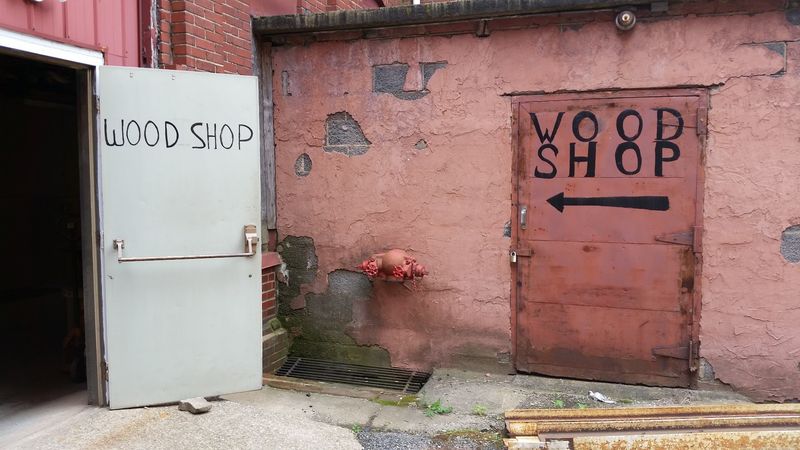
Pottery wheels spin here while table saws hum nearby. The Pajama Factory hosts a ceramics scene and a woodshop among its many creative spaces.
That variety is what makes the building feel alive. Painters, potters, photographers, and craftspeople all share the same roof.
Photo studios add another layer to the mix. Sewing businesses and furniture restoration work also call the building home.
For aspiring makers, this kind of setting is inspiring. Seeing real artists at work makes creativity feel possible, not distant.
Some people come to throw pottery. Others come to build, sew, or shoot photos in the studios.
I believe hands-on spaces like these matter more than ever. Screens are everywhere, but clay and wood still teach patience.
If you’re a beginner, keep an eye out for classes or workshops. Creative communities often share skills, and this one is built for collaboration.
Visitors should respect closed doors and working artists. A friendly hello goes a long way when studios are open.
The mix of crafts keeps every visit different. One day you might spot fresh ceramics, and another day new furniture work.
Honestly, it’s like a school, a workshop, and a gallery rolled into one big brick package.
Gallery Walls Turn Every Floor Into a Surprise
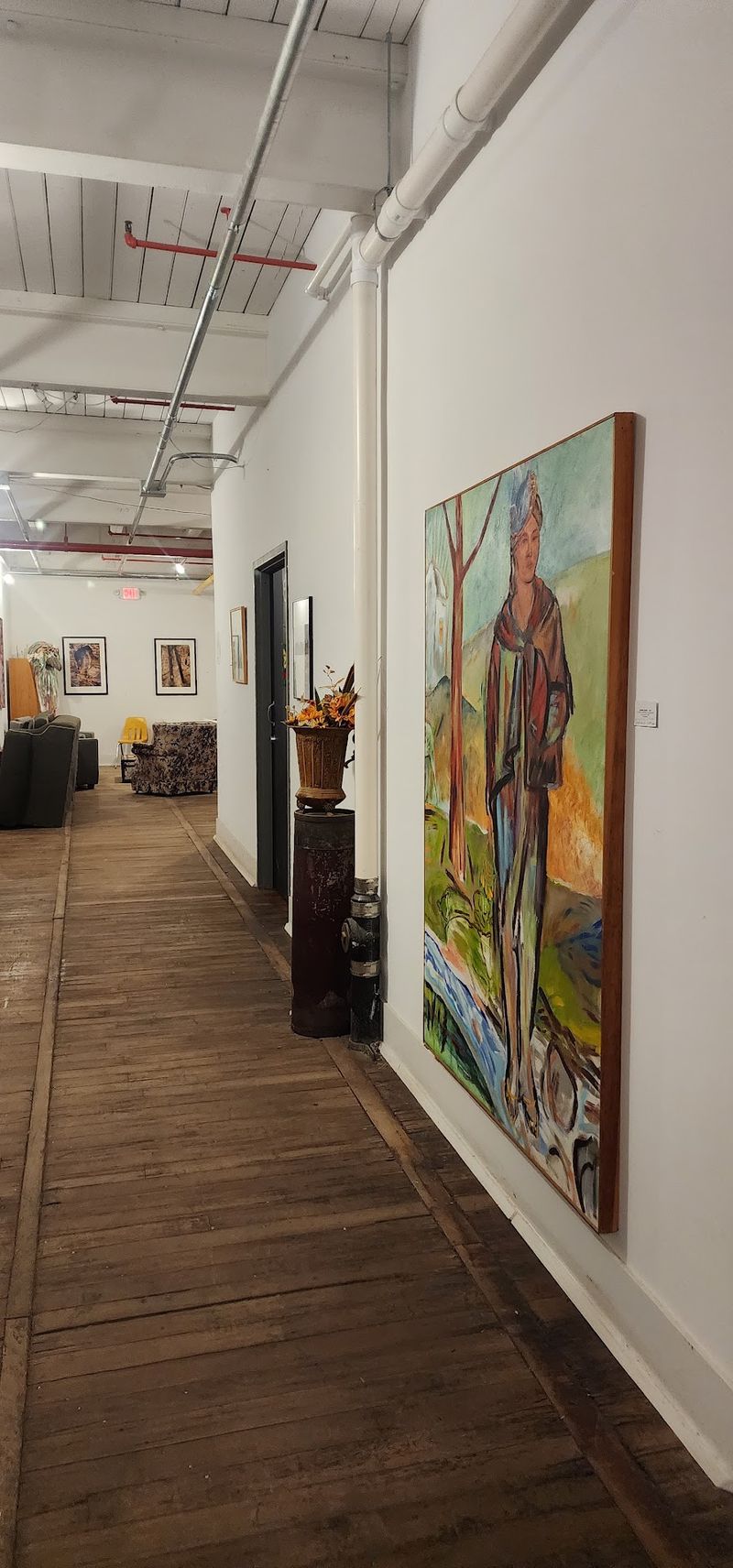
Local art is everywhere in this building. Galleries and displays spread across the floors, showing work by artists from the region.
That makes the Pajama Factory a great spot for anyone who enjoys browsing art without a stuffy museum feel. You can look closely, take your time, and simply enjoy.
Many of the pieces come from people working right in the building. That connection gives the art a personal, homegrown feel.
Buying local art supports real neighbors. Even a small print or handmade piece helps a working artist keep going.
I can’t imagine a better way to discover new favorite artists. Seeing their work beside their actual studios feels special.
There’s also a gift shop to check out. It’s handy for picking up something creative to take home.
Gallery spaces can change as new work arrives. A return visit might reveal a completely different look.
Families can turn browsing into a game. Ask kids to pick a favorite piece on every floor, then compare notes.
Photography fans should keep their eyes open too. With photo studios in the building, visual art comes in plenty of forms.
Bring curiosity, not expectations. The surprises are the best part.
Haircuts, Lashes, and Framing Share the Same Address
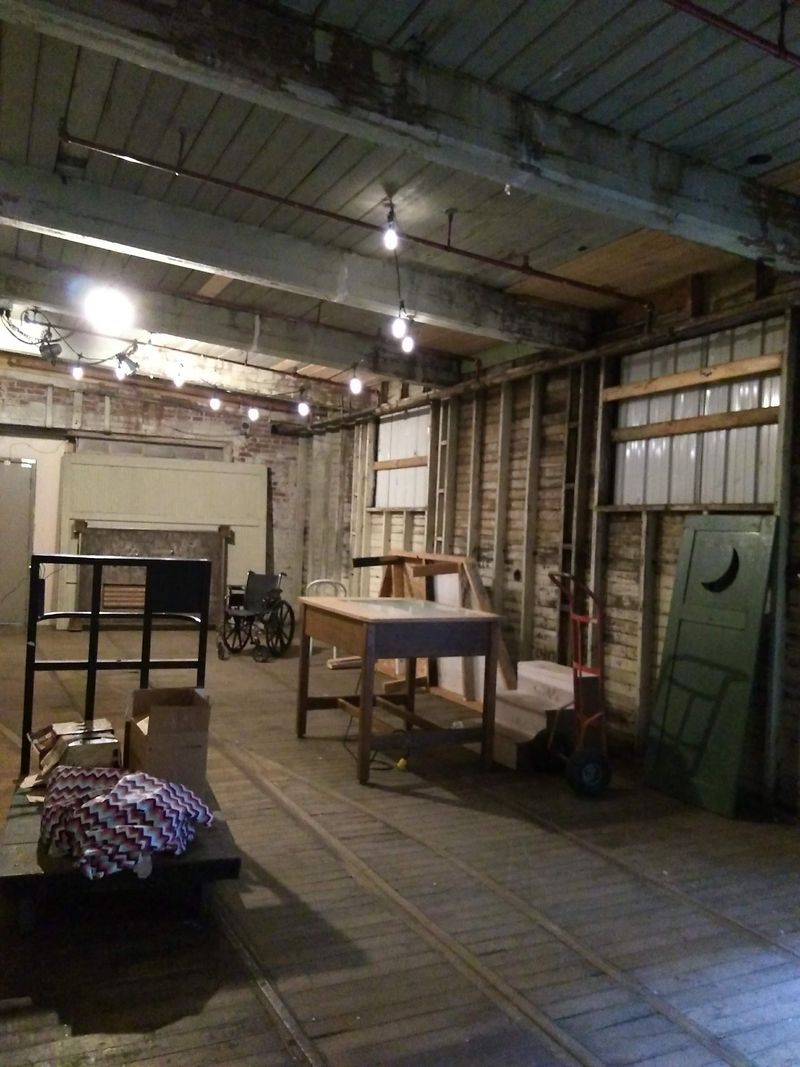
Not every business here is about paint and clay. A hair salon, lash services, a frame shop, and furniture upholstery all operate in the building.
That mix makes the Pajama Factory surprisingly practical. You could get a haircut, frame a print, and grab coffee in one trip.
The frame shop is especially handy after visiting the galleries. Found a piece you love?
Getting it framed nearby just makes sense.
Keystone Furniture Restoration and Upholstery is another business in the building. Old chairs and sofas can get a fresh start there.
Some of these businesses work by appointment. Calling ahead is smart, since owners may be busy in the workshop.
A bike shop has also been part of the building’s lineup. Hours for smaller shops can be limited, so plan around that.
I like how everyday services blend with art studios here. It makes the place feel like a real neighborhood, not just a showcase.
Small businesses thrive when they’re near each other. Customers for one shop often wander into another.
That’s the village part of this creative village. Everything connects, and every stop can lead to a new discovery down the hall.
Somebody Got Married Here, and It Makes Total Sense
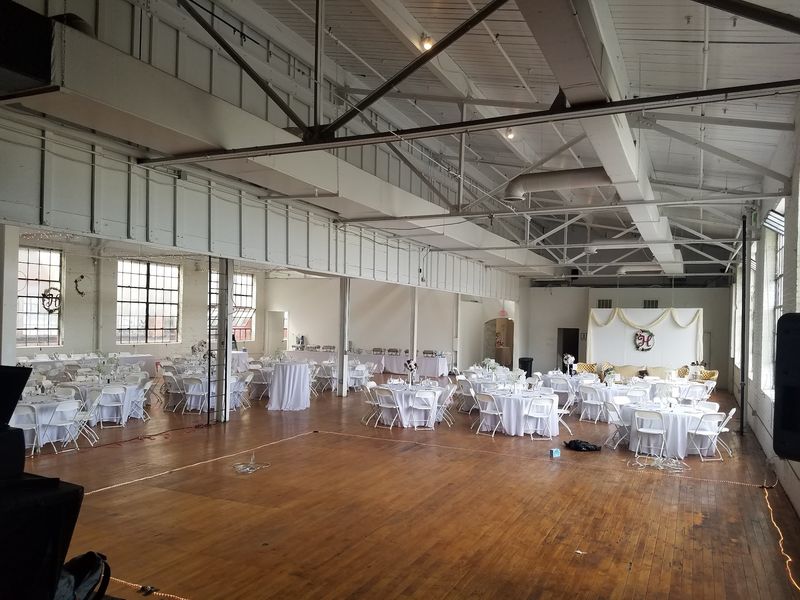
Wedding receptions in an old pajama plant? Absolutely, and the rustic features suit it well.
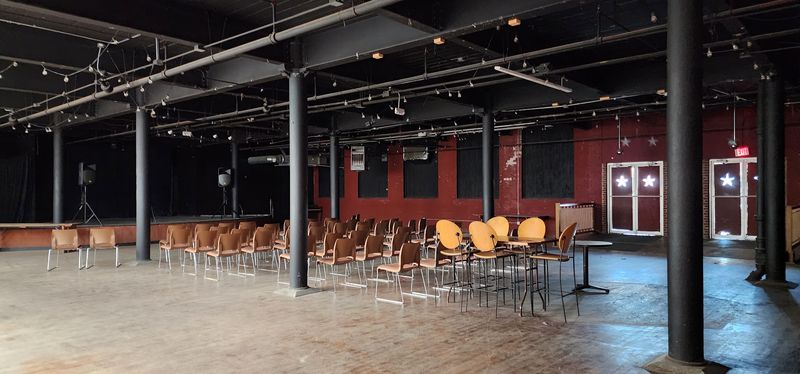
The Pajama Factory offers event space for all kinds of gatherings. Weddings, parties, and shows have all taken place here.
Exposed industrial character gives celebrations a unique backdrop. It feels relaxed and creative instead of stiff and formal.
Comedy shows have also been part of the event lineup. Live entertainment fits right in with the building’s artsy personality.
Planning an event? Start early and ask plenty of questions.
Clear communication about seating and tickets helps everything run smoothly.
I believe venues with history make memories feel bigger. Saying your vows where pajamas were once sewn is a story guests won’t forget.
Gaming fans should note there’s a gaming space in the building too. That adds another fun option for group outings.
Events throughout the year bring different crowds through the doors. Following the building’s announcements helps you catch what’s coming up.
Big rooms, brick walls, and creative neighbors make a lively combination. Few party venues come with galleries just down the hall.
Whether it’s a reception or a night of laughs, this place knows how to host.
Step Outside for the Courtyard and Gardens
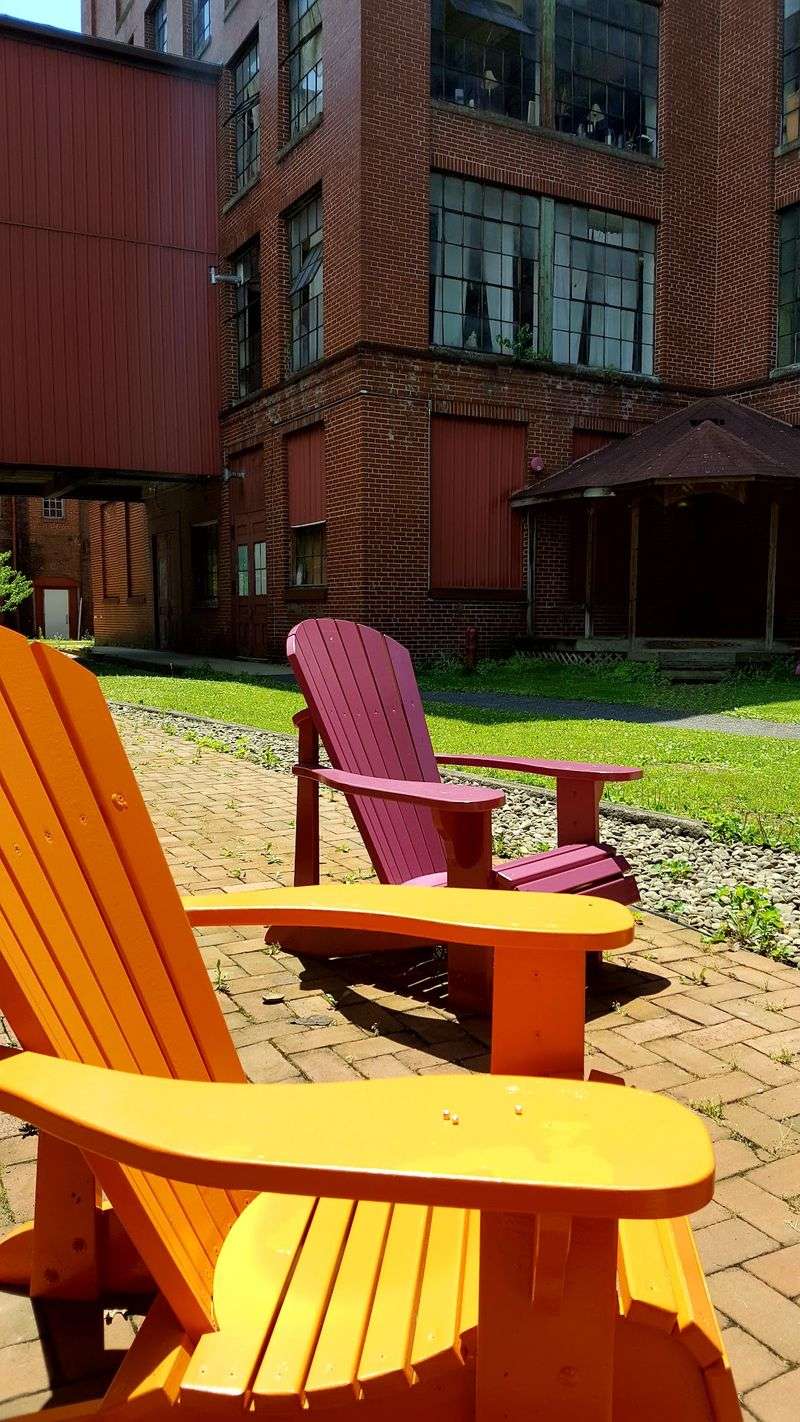
Fresh air waits just beyond the hallways. The Pajama Factory has a courtyard and gardens that add green space to the brick surroundings.
Vegetable gardens and landscaping soften the industrial look. They show that creativity here extends beyond the studio walls.
A coffee in the courtyard is a lovely way to take a break. After exploring several floors, your feet will appreciate it.
Gardens also fit the building’s community spirit. Growing things together is its own kind of shared art project.
Visit in warmer months to enjoy the outdoor spaces at their best. Pennsylvania summers bring plenty of green growth.
I like how the outdoor areas balance the indoor maze. One minute you’re in a woodshop, and the next you’re near tomato plants.
Photographers might enjoy the contrast between old brick and fresh greenery. It makes a pretty backdrop for casual pictures.
Families can use the courtyard as a meeting spot. Split up to explore, then regroup outside.
Outdoor spaces remind visitors that this isn’t just a building. It’s a living neighborhood with roots, literally.
Bring sunglasses on bright days. You’ll probably linger longer than planned.
Finding Your Way to This Williamsport Creative Hub
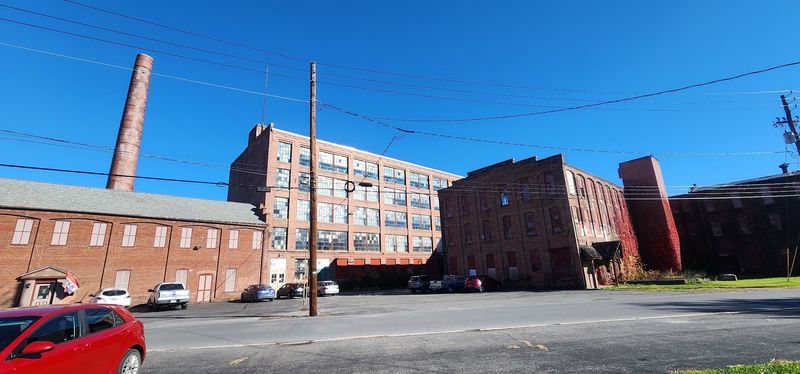
Getting there is easy. The Pajama Factory sits at 1307 Park Ave, Williamsport, PA 17701.
Williamsport is in north-central Pennsylvania along the West Branch of the Susquehanna River. It’s a manageable trip for a day outing.
Free parking is available on the lot and along the street. That’s a nice perk for a place this big.
Many people know Williamsport as the home of the Little League World Series. The Pajama Factory adds an artsy reason to visit beyond baseball.
Local neighbors use the building as a regular hangout. Visitors passing through can easily make it a quick stop or a longer stay.
Before heading over, check the building’s event calendar. Open studio days and special events can make a visit extra lively.
Some studios keep irregular hours. Weekdays and weekends may look different, so plan with flexibility.
I can’t imagine leaving Williamsport without at least peeking inside. The mix of history and creativity is hard to find elsewhere.
Pair it with a meal or a stroll around town. It makes for a well-rounded day.
Once you’ve wandered these halls, you’ll understand why people keep coming back.
